50 Self-Care Habits That Don’t Cost Money
Disclosure: Some of the links in this post are affiliate links. This means if you click on the link and purchase an item, I will receive an affiliate commission at no extra cost to you.
Self-care gets a bad reputation for being expensive. Somewhere along the way, the concept got hijacked by spa days and skincare hauls and the idea that rest only counts if it costs something, but it does not. These 50 self-care habits that don’t cost money prove that the most restorative things you can do for yourself have never been about spending.
They have always been about choosing. Choosing to slow down and notice what your body and mind are asking for.
It is deciding to treat yourself as someone worth caring for, not someday when life gets easier, but right now, exactly as things are.

I have organized these 50 habits into ten categories.
Each category focuses on a different area of your wellbeing. That way, you are not staring at one overwhelming list with no idea where to begin.
Pick one category today. Try one habit. That is genuinely enough to start.
If time is your biggest barrier, start with our post on Self-Care Ideas for Moms Who Never Have Time before diving into this list.
And if you have tried self-care before and it never seemed to stick, our post on Why Self-Care Isn’t Working for You explains exactly why that happens
Morning Habits
There is something about the morning that sets the tone for everything that follows.
These five habits cost nothing. But practiced consistently, they change how the whole day feels before it has even properly begun.

1. Wake up ten minutes before your household for quiet time.
This is the simplest and most powerful free habit on this entire list. Ten minutes of silence before the noise begins is worth more than it sounds.
This tiny pocket of quiet acts as a deep breath for your soul before the day speeds up.
You will notice a massive difference in your baseline patience the moment your children wake up.
2. Drink a full glass of water before anything else.
Your body has been without water for hours. Give it what it needs before you give it caffeine. This one habit affects your energy and your mood more than most people realize.
Drinking a large glass of water first thing in the morning instantly wakes up your organs and clears out sluggish brain fog.
This simple choice hydrates your system after a long night of sleep and naturally stabilizes your physical energy before the daily rush begins.

3. Step outside for sunlight within the first hour of waking.
Natural light in the morning regulates your body clock. It improves your mood, your sleep, and your energy. It takes two minutes and costs nothing.
Opening your curtains or stepping near a window lets the early sun send a direct signal to your brain that it is time to wake up.
This brief exposure naturally triggers your focus hormones, setting a calm and steady baseline for your entire afternoon.
4. Stretch your body for two minutes before checking your phone.
Before you hand your attention to everyone else’s updates and notifications, give your body sixty seconds of movement.
Roll your shoulders. Reach your arms overhead. Breathe deliberately.
This quick physical check-in anchors your awareness firmly in your own body before you begin answering to everyone else’s needs.
It creates a subtle but powerful boundary that helps you face the upcoming morning rush with a grounded sense of control.

5. Say one thing you are looking forward to that day, out loud or in your head.
This is a small act of intentional optimism. It does not require your day to be exciting.
It just requires you to find one thing, however small, worth moving toward.
Taking this minute for yourself sends a clear signal to your brain that you are a priority in your own life.
It prevents you from instantly slipping into autopilot, ensuring you step into your day as an active participant rather than a reactive bystander.
These morning habits pair beautifully with the full framework in our post on The Perfect Morning Routine for Stay-at-Home Moms
Mental and Emotional Habits
Your mental and emotional well-being needs tending just as much as your physical health does. These habits ask almost nothing of your time or your wallet.
They ask for your willingness to turn inward for a few minutes each day.

6. Write down three things you are grateful for.
This is one of the most well-researched free habits in existence. It shifts your brain’s focus gradually over time.
You do not need a special journal. A scrap of paper works fine.
Writing down three distinct things you are genuinely grateful for trains your brain to scan for wins throughout the rest of your afternoon.
This simple practice builds a resilient mindset, making it much easier to spot moments of joy even amidst the messy chaos of daily life.
7. Name one feeling you are having instead of pushing it aside.
Feelings that are named lose some of their power. You do not have to analyze the feeling or fix it. Just name it. “I am feeling overwhelmed right now.” That is enough.
Putting words to a heavy emotion immediately pulls you out of a chaotic tailspin and grounds you in reality.
This simple declaration acts as a vital circuit breaker for your central nervous system, proving that you can acknowledge your current struggle without letting it completely dictate the rest of your afternoon.

8. Give yourself permission to feel behind without spiraling into shame.
This one is harder than it sounds. Feeling behind is normal. Understand that it is not a character flaw, it is just another Tuesday.
Giving yourself permission to simply drop the exhausting weight of unrealistic expectations prevents a single off-schedule day from turning into full-blown self-sabotage.
Accepting the natural ebb and flow of your daily productivity ensures that you can always reset calmly without carrying unnecessary guilt into tomorrow.
9. Say no to one thing this week without offering a long explanation.
No is a complete sentence. Practice it on small things. Build the muscle gradually. It gets easier each time you use it.
Declining small demands without over-explaining teaches you to value your own capacity just as much as you value helping others.
It creates a necessary buffer, ensuring your “yes” is entirely genuine and reserved for the commitments that truly align with your priorities

10. Talk to yourself the way you would talk to a friend having a hard day.
You would not tell your best friend she is failing because the kitchen is messy. Stop telling yourself that either.
We offer immense grace, empathy, and perspective to the people we love while holding ourselves to an impossible standard of perfection.
Treating yourself with that exact same warmth changes how you view a chaotic afternoon, reminding you that your worth as a person is never tied to a clean countertop.
Habit number eight comes up constantly in our conversations about self-care. We unpack it fully in how to stop feeling guilty about rest.
If talking kindly to yourself feels difficult right now, our post on 50 Positive Affirmations for Stay-at-Home Moms gives you the words to start with.
Physical Habits
You do not need a gym membership or an elaborate fitness routine to take care of your body. These five physical habits are free, gentle, and genuinely effective when practiced consistently.

11. Take a short walk, even just around the block.
Fresh air and movement together are one of the most effective mood-lifting combinations available to you.
Ten minutes outside changes your internal weather more than you expect.
Stepping outside for even a brief walk breaks the exhausting cycle of indoor routine and fills your lungs with a crisp reset.
This effortless combination naturally lowers your stress hormones, clear away lingering mental fatigue, and provides an immediate burst of natural energy that revitalizes both your mind and body.
12. Do five minutes of stretching before bed.
Your body holds the tension of your day. Releasing it before you sleep improves your rest significantly. Five minutes is all it takes.
Taking a few moments to actively unclench your jaw, drop your shoulders, and stretch gently tells your nervous system that it is finally safe to power down.
This deliberate transition melts away the physical stress of your daily responsibilities, ensuring you drift off into a deep, restorative sleep rather than carrying the day’s heavy mental load straight into your dreams.

13. Sit up straight and roll your shoulders back during the day.
Posture affects mood. This is not a metaphor. The physical act of lifting your chest and rolling your shoulders back sends a signal to your nervous system. Try it right now.
The moment you change your physical shape, your brain immediately registers a shift from a defensive, protective state to one of open confidence and safety.
This instant physiological feedback loop naturally lowers cortisol and invites a deeper, calmer breath, proving that you can alter your entire mental state just by changing how you carry yourself in space.
14. Drink water consistently instead of running on coffee alone.
Coffee is not hydration. Your body needs water to function, to regulate your mood, to give you energy. Keep a glass of water within reach all day.
Relying solely on caffeine keeps your system running on artificial fumes while your cells are quietly begging for actual fluids.
Making water your default baseline keeping a glass right beside you ensures your brain stays sharp, your energy remains steady, and you never have to mistake basic dehydration for physical exhaustion.

15. Go to bed fifteen minutes earlier than you normally would.
Sleep is the most underrated free resource you have access to.
Fifteen minutes earlier is small enough to actually happen and significant enough to make a difference over time.
Shifting your bedtime by just a quarter of an hour removes the overwhelming friction of a complete lifestyle overhaul while still giving your body a vital head start on recovery.
Over a single week, those few hidden minutes compound into nearly two hours of extra, restorative rest, quietly transforming how patience, focused, and energized you feel when you wake up the next morning.
Sensory Habits
Your senses are processing your environment constantly.
Creating small sensory moments of pleasure throughout your day is one of the easiest and most overlooked forms of free self-care available to you.
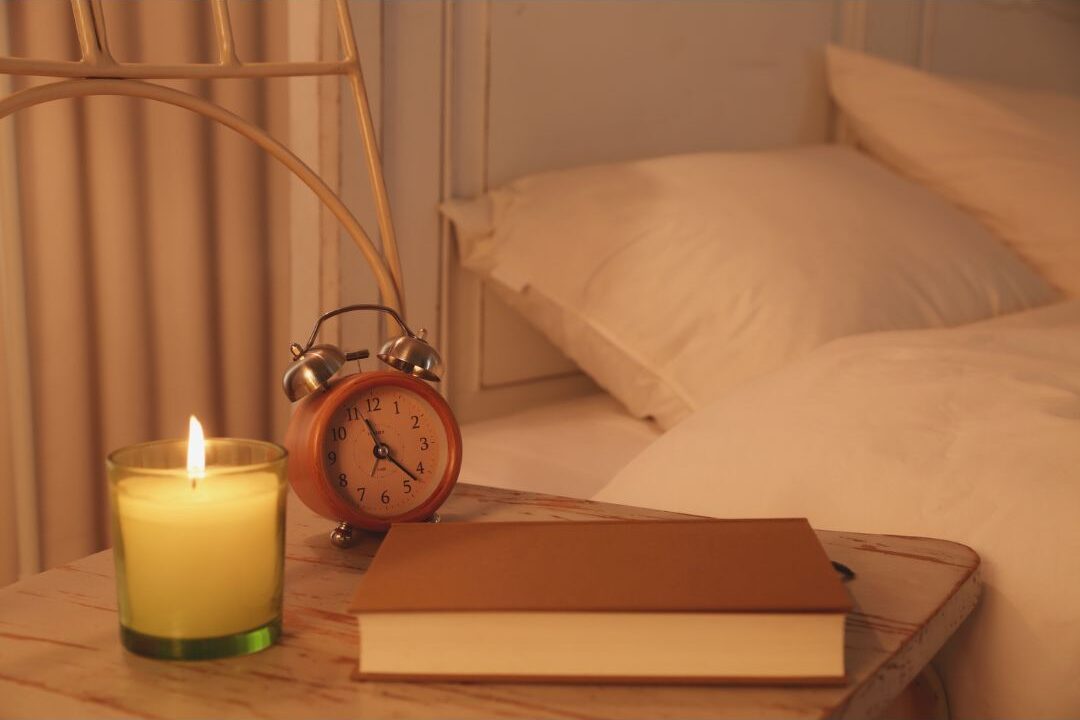
16. Light a candle you already own instead of saving it for later.
The special occasion you are saving it for is today. Use the candle. Enjoy it now. That is what it is for.
Waiting for a hypothetical “perfect” future moment only robs you of the beauty available in your ordinary, everyday life.
Lighting that candle, using the fine china, or wearing the favorite outfit transforms a mundane afternoon into an intentional celebration of the present.
It reminds you that your current life is entirely worthy of being enjoyed right now.
17. Put on a playlist that genuinely makes you feel good.
Music affects your nervous system directly. A playlist that shifts your mood while you cook or clean, or fold laundry costs nothing and changes the entire texture of those tasks.
Sound has an immediate pipeline to your brain’s emotional center, instantly bypassing the fatigue of a long day.
Pairing a simple, repetitive chore with a rhythm you love transforms a mindless obligation into an intentional pocket of joy, proving that you do not need more time in your day to feel lighter—you just need a different soundtrack.

18. Sit in natural sunlight for a few minutes.
Not to do anything. Not to check your phone. Just to sit in the light and let it warm you.
It sounds simple because it is. Simple is not the same as ineffective.
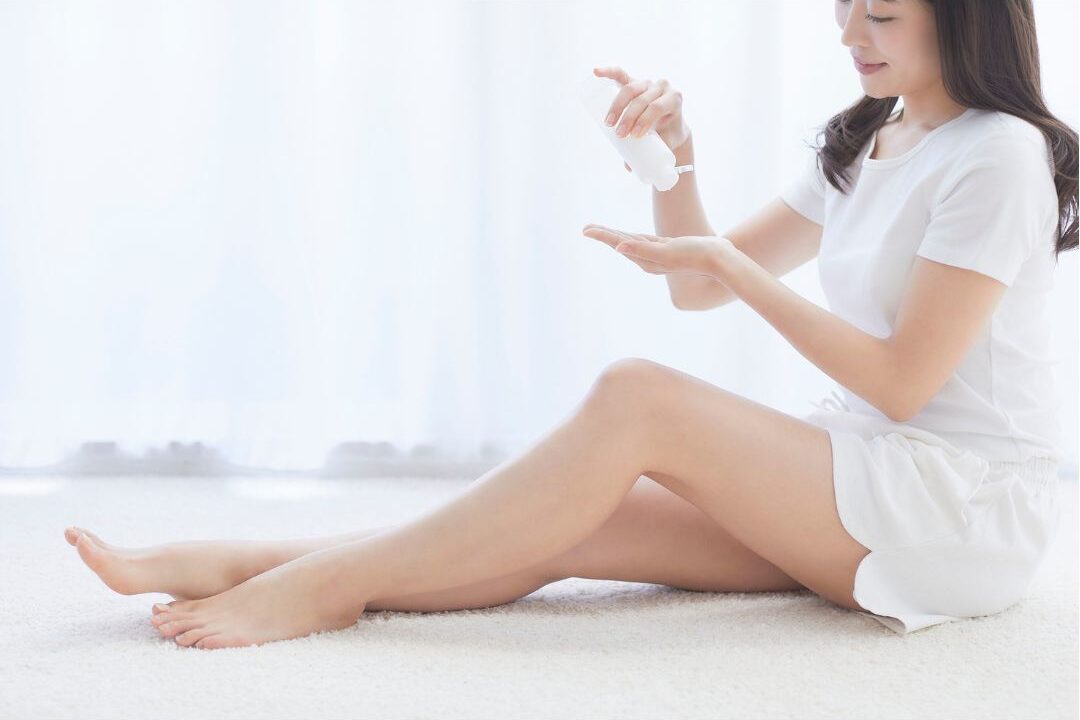
19. Use the nice smelling lotion or soap instead of the everyday one.
You bought it. It is sitting there. Using it is not extravagant. It is self-care. That is what it was for.
Allowing yourself to just exist in a pool of sunlight for five uninterrupted minutes acts as a total system reboot for a overstimulated mind.
This intentional pause strips away the constant pressure to produce or respond, teaching your nervous system that you do not always have to be performing, and that simply soaking in a quiet, warm moment is a deeply productive act of self-preservation.
20. Open the windows and let fresh air into your space.
Fresh air changes how a room feels instantly. It also changes how you feel in it. Open a window. Breathe deeply. It costs nothing and takes ten seconds.
Cracking open a window breaks the stagnant energy of an enclosed space and immediately flushes out the heavy, invisible mental fog that builds up over hours of sitting still.
Letting the outside world rush in for just a few seconds invites a crisp wave of oxygen that sharpens your focus, lowers your heart rate, and reminds you that a physical environment reset is always just a simple breath away.
These sensory habits connect directly to the bigger strategies in our post on How to Create a Calm Home Environment.
Connection Habits
Loneliness is one of the most significant contributors to mom burnout.
These habits nurture your relationships and your sense of being seen and known by other people. They are free, and they matter enormously.

21. Call or message a friend who makes you feel like yourself.
Not the obligation friend. Not the draining friend. The one who makes you laugh and reminds you who you are outside of your role as a mother.
Protecting space for the person who knew you before life got hyper-scheduled and heavy is an essential act of identity preservation.
Spending even an hour with someone who demands absolutely nothing from you but your presence pulls you right out of operational mode, giving you permission to breathe.
You can let your guard down and remember that you exist as an individual entirely worthy of joy, completely separate from the endless checklist of daily responsibilities.
22. Tell someone specifically what you appreciate about them.
Giving genuine appreciation costs nothing and creates connection in both directions. It also shifts your focus toward what is good in your life right now.
Offering a sincere “thank you” pulls you out of your own head and anchors you firmly in the warmth of a shared moment.
By actively looking for things to praise, you train your brain to notice everyday blessings that might otherwise slip by completely unnoticed.

23. Ask your partner for fifteen minutes of help without guilt.
Fifteen minutes is small enough to ask for without it feeling like a big deal. Use that fifteen minutes for something that restores you.
Claiming this tiny pocket of time creates a firm boundary that protects your personal well-being from being entirely swallowed by external demands.
Stepping away for a quarter of an hour allows you to collect your thoughts, reset your nervous system, and return to your daily rhythm with a renewed sense of clarity and patience.
24. Sit and talk with your children about something unrelated to chores or homework.
Connection with your own children, unhurried and not task-focused, is nourishing for you too. Not just for them.

25. Reach out to someone you have been meaning to check on.
That text you have been drafting in your head for three weeks. Send it today. Connection does not have to be perfect to be meaningful.
Stepping out of the role of manager, scheduler, or disciplinarian allows you to simply enjoy the people you are raising.
Sitting on the floor to play or listening to a rambling story without an eye on the clock quietens your own busy mind, grounding you in a shared warmth that resets your perspective and fills your own emotional cup right alongside theirs.
Boundary Habits
Boundaries are one of the most powerful and most free forms of self-care that exist. They do not require a purchase.
They require a decision and the practice of following through on it.

26. Put your phone on do not disturb during one part of your day.
Choose one hour. One part of your day that belongs to you without a notification interrupting it. Guard that hour like it matters.
The world will gladly consume every single minute you offer it if you do not intentionally build a wall around your own peace.
Silencing the digital noise for just sixty minutes stops the constant influx of other people’s priorities, giving you the sacred, undisturbed space you need to recalibrate your mind and reclaim ownership of your day.
27. Decline an invitation that does not genuinely interest you.
You are allowed to say no to things you do not want to do. This is not unkind. It is honest, and honesty is more respectful than going resentfully.
A reluctant, resentful “yes” offers a hollow version of your presence that honors neither you nor the person asking.
Setting a clear, compassionate boundary preserves the integrity of your relationships, ensuring that when you do show up, you are doing so with a whole, authentic heart.

28. Leave a group chat or unfollow an account that drains you.
You do not need a reason that sounds important enough. Feeling drained by something is reason enough to remove it from your daily experience.
You do not owe anyone an elaborate justification or a medical diagnosis to prove that a specific obligation is wearing you down.
Honoring your own exhaustion as a valid signal allows you to quietly step away from what depletes you, freeing up the vital energy you need to show up fully for the things that actually matter.
29. Set a specific end time for screen time in the evening.
Your brain needs transition time before sleep. An hour without screens before bed is one of the most effective free habits for better rest.
The artificial blue light emitted by devices tricks your mind into believing it is still daylight, aggressively stalling the natural production of sleep hormones.
Replacing that final hour of scrolling with a quiet routine signals to your nervous system that it is safe to downshift, paving the way for a deeper, entirely uninterrupted night of recovery.

30. Let a text go unanswered until you have actually rested.
You are not obligated to respond immediately to everything. Rest first. Reply when you are ready. The message will still be there.
The urgent ping of a notification does not automatically dictate the pace of your actual life or the availability of your energy.
Giving yourself permission to step away and respond from a place of clarity rather than frantic obligation protects your peace, ensuring you interact with the world on your own healthy terms.
The struggle to set boundaries often comes from the beliefs we carry about what we owe other people. Our post on The Annoying Beliefs That Keep Moms Playing Small addresses this directly.
Home Environment Habits
Your environment affects how you feel all day long. These five habits create small pockets of calm in your physical space without spending a penny.

31. Clear one small surface just so your eyes have somewhere calm to land.
Visual clutter creates mental noise. Clearing one surface gives your nervous system one place to rest. Start with the kitchen counter or your nightstand.
When your eyes constantly land on stacks of random items, your brain treats each piece of mess as an unfinished task on an invisible to-do list.
Sweeping just one small area completely clean creates a visual sanctuary that allows your mind to pause, breathe, and experience a welcome pocket of physical and mental order.
32. Sit in a chair or corner that is just yours, even for five minutes.
Claiming one small space in your home as yours is a quiet but powerful act of self-definition. It says you exist in this house as a person, not just as a function.
Whether it is a single armchair, a specific desk, or just a beautifully styled shelf, this dedicated area stands as a physical boundary for your individuality.
It serves as a daily visual anchor that honors your personal presence, reminding everyone, including yourself, that you deserve room to breathe outside of your daily output.

33. Make your bed simply because it changes how the room feels.
Not because someone is coming over. Not because it needs to be perfect. Because walking back into a made bed at the end of the day feels better than the alternative.
This two-minute morning habit is a quiet gift of care from your past self to your future, exhausted self.
It instantly transforms your bedroom from a chaotic reminder of the morning rush into a serene sanctuary designed entirely for your rest.
34. Open the curtains and let natural light into the main living space.
Natural light makes a space feel more alive. It also regulates your mood throughout the day. Open the curtains first thing every morning as a non-negotiable.
Flooding your home with early daylight instantly signals your internal biological clock to halt the production of sleep hormones and wake up naturally.
This simple, immediate connection to the outside world anchors your morning in clarity, gently shifting your energy upward and setting a calm, intentional tone for everything that follows.

35. Keep one drawer or shelf perfectly tidy as a small visual reset.
You do not have to organize the whole house. Keep one small area consistently tidy.
When everything else feels chaotic, that one tidy corner reminds you that order is still possible.
Protecting this single pocket of control acts as a reliable mental anchor when the unpredictable rhythm of daily life takes over.
It stands as a gentle, visual proof that peace does not require total perfection, just a small boundary you choose to keep.
These home environment habits work even better alongside the practical cleaning habits in our post on 50 Simple Habits That Keep Your Home Always Clean.
Creative Habits
Creativity is a form of self-expression that your soul genuinely needs.
These habits ask for nothing but a few minutes of your time and your willingness to play without a productive outcome in mind.
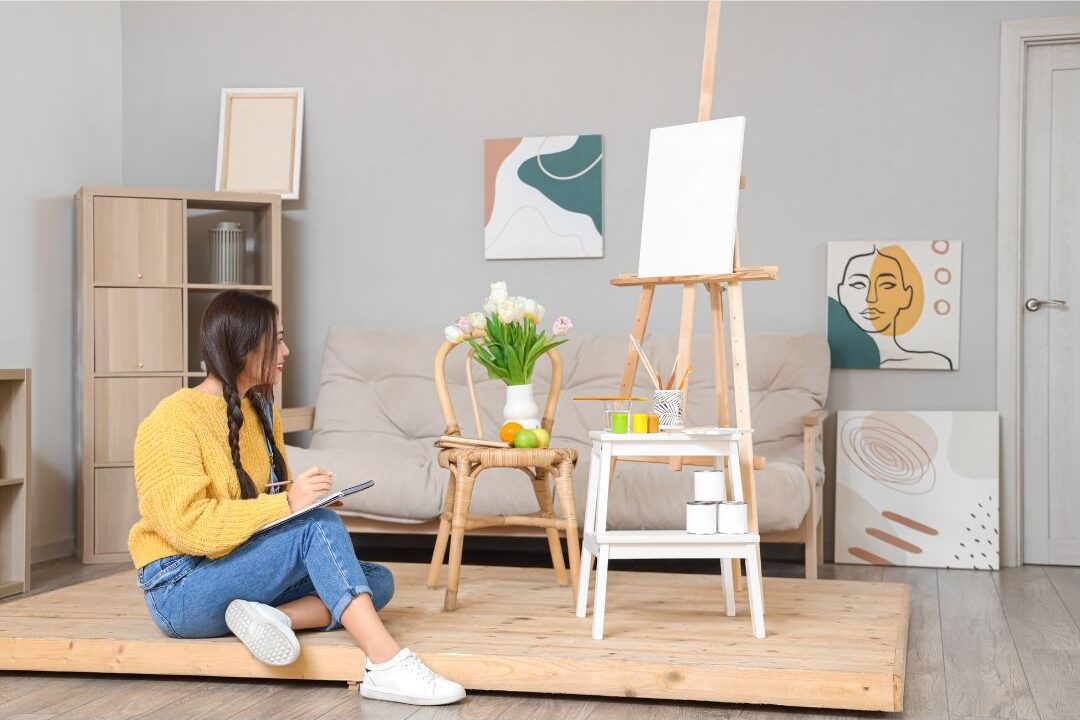
36. Doodle, color, or sketch for a few minutes with no goal in mind.
This is not about the result. It is about the process. Giving your hands something to do that your brain does not have to manage is genuinely restful.
Engaging in a simple, repetitive physical task allows your overstimulated mind to finally drop into a state of quiet autopilot.
Without the pressure of a deadline or a standard of perfection, your hands handle the rhythm while your nervous system gets a rare, beautiful chance to simply power down.
37. Sing along to a song without caring how it sounds.
Singing releases tension in your body. It regulates your breathing. And it is impossible to feel entirely miserable while singing along to a song you love.
Belted out in the car or hummed quietly in the kitchen, a favorite melody forces your lungs to expand and physically overrides the body’s stress response.
It is a brilliant, immediate shortcut to joy that floods your nervous system with endorphins, lifting your mood before your brain even has a chance to overthink it.

38. Rearrange a small space, like a shelf or a drawer, just for fun.
Changing something small in your environment gives you a sense of control and creativity at the same time. It takes ten minutes and costs nothing.
Swapping the positions of two chairs, moving a favorite lamp to a different surface, or bringing a single fresh leaf or flower indoors instantly breaks up the stale, invisible routine of a room.
This quick burst of intentional styling serves as a tangible reminder that you have the agency to reshape your surroundings, transforming a familiar space from a place where you simply manage life into one where you actively design it.
39. Write a short list of things you would love to try someday.
This is not a to-do list. It is a dream list. The act of writing it down reconnects you to the part of you that still has wants and curiosity and hope.
It demands absolutely nothing from your schedule, strips away the heavy weight of logistics, and asks for no immediate action plan.
By giving your aspirations a safe, unstructured place to breathe on paper, you quietly remind yourself that you are a whole human being with a future to look forward to, not just an operator executing a daily routine.

40. Take a photo of something that made you smile that day.
Not for social media, but for you. Building a small archive of beautiful ordinary moments changes how you see your daily life over time.
When you take a photo purely to remember how the light hit your coffee cup, or how the rain looked on the window, you train your mind to actively hunt for magic in the mundane.
Over time, this private collection becomes a profound record of abundance, proving that a deeply satisfying life isn’t built on rare, monumental events, but on a thousand quiet, beautiful seconds you actually stopped to notice.
Rest Habits
Rest is not a reward you earn at the end of a productive day. It is a basic human need, and you are a human being before you are a mother.
These five habits build rest into your life as a practice rather than an afterthought.

41. Lie down for ten minutes with no task in your hands.
Just lie down. Put down the phones, turn off the podcasts. No multitasking either. Ten minutes of genuine stillness is restorative in a way that being busy never is.
We often confuse consuming content with actual rest, but feeding your mind more information while your body is still keeps your brain running on an invisible treadmill.
Stepping entirely out of the stream of inputs allows your overstimulated nervous system to finally drop its guard, offering a deep reset that restores the internal energy you didn’t even realize you were burning.
42. Take a longer shower than strictly necessary, just because.
You are allowed to stand under warm water for twelve minutes instead of four. The world will not end. You will feel better.
Stepping outside the rigid lines of hyper-efficiency for just a few extra moments gives your body a rare, unhurried sensory break.
Those extra minutes under the heat aren’t a waste of time; they are a profound somatic release that unknots your shoulders and washes away the invisible weight of your responsibilities.
This allows you to step back into the world feeling anchored instead of rushed.

43. Sit outside and do absolutely nothing productive on purpose.
Not scrolling. Not planning. Just sitting. Being outside with no agenda is one of the most restorative things a chronically busy person can do.
Stepping into the open air without a target metric or a time limit forces your brain out of its constant, forward-looking momentum.
As your eyes adjust to the natural horizon and your ears pick up the unhurried rhythm of the outdoors, your nervous system stops bracing for the next task.
You realize that for this brief, beautiful pocket of time, you are completely allowed to just occupy space without having to produce a single result.
44. Nap when your body asks for it, without guilt attached.
If you are tired and there is a window to rest, take it. The dishes will wait. Your body is asking for something real. Listen to it.
The endless loop of household tasks and daily obligations will always find a way to replicate itself, but your physical and emotional reserves are finite.
Choosing a moment of deep, unapologetic rest over a minor chore is not a failure of productivity—it is a conscious act of self-preservation that honors the only home you truly live in.

45. Go to bed without finishing every single task on your list.
The list will never be fully done. It is not designed to be. Going to bed is not giving up. It is being wise enough to know that tomorrow requires a rested version of you.
Closing your eyes on an incomplete day is an act of profound, radical trust. Sleep is not a reward you must earn by crossing off every final task; it is a fundamental requirement of your humanity.
Unplugging for the night honors your limits, ensuring that when you face the morning, you do so with a clear mind and a steady heart, rather than running on the fumes of yesterday’s exhaustion.
If you struggle to know when your body is genuinely asking for rest, our post on You’re Probably Ignoring These Signs Your Body Needs Rest makes them impossible to miss.
And if the exhaustion feels like more than just tiredness, please read our post on 10 Warning Signs You’re Headed for Mom Burnout.
Mindset Habits
Every habit on this list is ultimately supported by mindset.
How you think about yourself and your own needs determines whether you will actually use these habits or keep them filed under “things I will do when I have more time,” which is never.

46. Remind yourself that rest is not something you have to earn.
You do not earn rest by being productive enough. You deserve rest because you are human. Write this on a sticky note and put it somewhere you will see it.
This truth is your permission slip to disconnect without guilt. Rest is not a luxury reserved for the end of a perfect day, nor is it a transaction you pay for with exhaustion.
It is your baseline, the quiet engine of your well-being, and placing this reminder right where your eyes land most often ensures that your worth remains firmly rooted in who you are, never in how much you accomplish.
47. Stop comparing your self-care to someone else’s version of it.
Someone else’s self-care looks like a spa day. Yours looks like ten quiet minutes and a candle. Both are real and both count.
True nourishment isn’t about matching a luxury aesthetic or fulfilling an industry standard; it is about meeting your specific nervous system exactly where it is.
Stripping away the noise and focusing on a single, flickering flame provides a low-stimulation sanctuary that allows your mind to gently decompress, proving that the most profound resets often happen in the quietest, most accessible moments.
This one deserves its own deep dive and we cover the comparison trap fully in How to Stop Comparing Yourself to Other Moms

48. Celebrate a small win from your day, even an ordinary one.
You kept a small human alive and fed today, managed a household, and showed up for the family.
That is worth acknowledging before you move straight on to tomorrow’s to-do list.
The invisible labor of nurturing and keeping a home running takes an incredible amount of emotional and physical currency, even on the days it feels routine.
Pausing to hold space for everything you carried, managed, and gave today is how you prevent your efforts from being swallowed by the next demand.
This allows you to close this chapter with a deep sense of respect for your own resilience and care.
49. Let go of one thing on your to-do list that does not actually matter.
Look at your list with honest eyes. Not everything on it deserves to be there. Some of it was put there by guilt, not necessity. Let one of those things go today.
Guilt is an uninvited author that loves to write endless demands into our schedules, disguising expectations as emergencies.
Crossing off a task that was only there to appease a false sense of obligation isn’t slacking—it is an act of courageous boundary-setting that protects your capacity for the things, and the people, that truly matter.
50. Remember that small, free habits practiced daily matter more than big gestures practiced rarely.
This is the whole philosophy in one sentence. You do not need a perfect self-care routine.
You need a consistent one built from the smallest possible choices, made repeatedly, with love for yourself as the motivation.
When you strip away the pressure to execute a grand, flawless ritual, you remove the friction that makes rest feel like a chore.
True well-being isn’t found in a massive lifestyle overhaul, but in the micro-moments, the deliberate breath, the early bedtime, that cumulatively signal to your brain that you are worthy of care, day after ordinary day.
In Conclusion…
These 50 Self-Care Habits That Don’t Cost Money are proof that real rest does not require a bigger budget. Or more free time than you currently have.
It does not require a perfect season of life, a quieter household, or children who nap on schedule. It just needs your permission.
Your permission to treat yourself as someone worth caring for, not after everything else is done, but alongside everything else.
Pick one category from this list today. Not all ten. Just one.
Try one habit from it this week, consistently and notice what shifts.
Then add another habit when you are ready. Build slowly, without pressure, without the expectation that you have to transform your life overnight.
You are not starting from scratch, you’re starting from right here, with what you already have, and that is more than enough.
You May Also Like:




One Comment