

If Your Home Never Feels Peaceful, These 15 Things Might Be Why
You pull into your driveway after an exhausting day, turn off the engine, and take a long, deep breath. For a fleeting moment, you feel a brief sense of release. But the moment your foot crosses the threshold of your front door, that fragile calm instantly shatters.
Your eyes immediately land on a pile of shoes scattered across the entryway, a mountain of unopened mail spilling off the counter, and a sink overflowing with breakfast dishes.
Within seconds, a familiar wave of tight anxiety washes over you, your shoulders tense up, and your internal peace completely vanishes.
If this scenario sounds deeply familiar, you are far from alone.
Countless modern women experience a sense of chronic restlessness inside their own four walls, wondering why their home never feels peaceful despite their constant efforts to clean, straighten, and organize.
They buy the matching storage bins, download the trending cleaning schedules, and try their best to keep up with the pristine household aesthetics they see online.
Yet, the underlying energy of the house remains frantic, heavy, and exhausting.
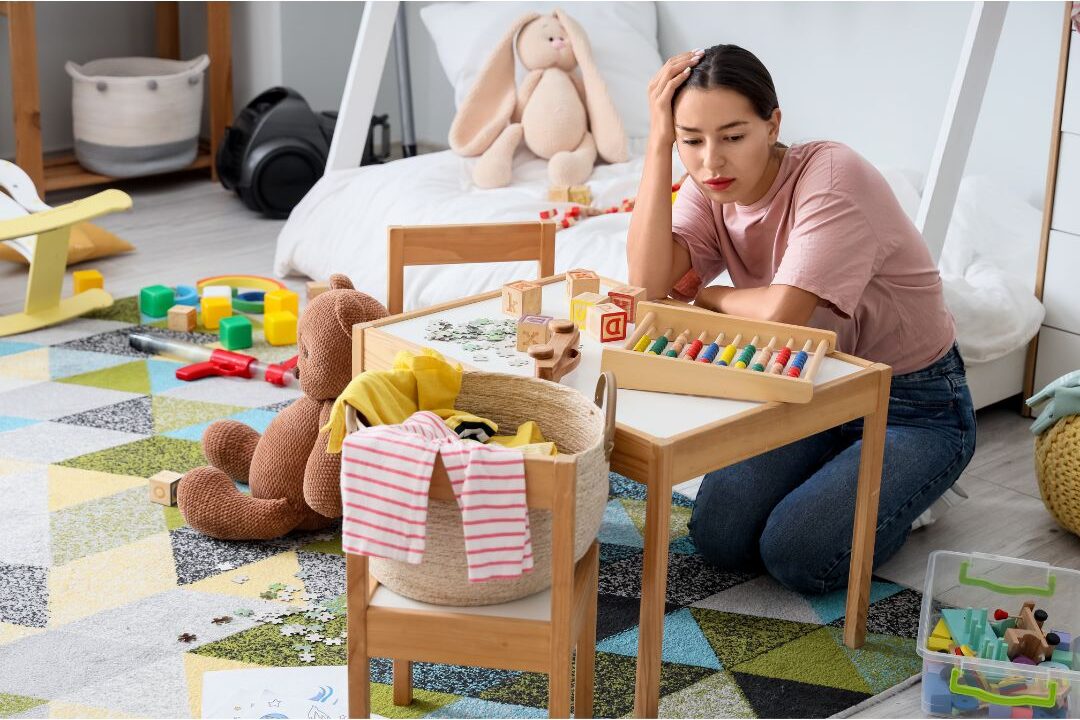
Shifting From Visual Perfection to True Sanctuary
The truth is, a lack of peace in your home is rarely just about visible dirt or an unmade bed.
True environmental serenity isn’t an aesthetic achievement; it is a direct reflection of habits, boundaries, sensory inputs, and structural systems.
When your living space feels chaotic, it actively drains your mental bandwidth, making it incredibly difficult to focus on building personal projects or figuring out Passive Income Ideas for Stay-at-Home Moms that require a clear, creative mind.
To transform your house into a true sanctuary, you must first unmask the hidden, subtle, and systemic culprits that are actively sabotaging your serenity.
If you have ever caught yourself asking why you can’t seem to cultivate a sense of rest under your own roof, these 15 things might be exactly why.
A peaceful home is not a home that is permanently sterile, quiet, or devoid of life. It is a space that functions as a soft landing pad for your nervous system, rather than a constant assault on it.
The Hidden Saboteurs of Household Serenity
Cultivating environmental peace requires looking past the surface level of your rooms.
Often, the things that disrupt our peace are the invisible patterns, unwritten expectations, and overlooked habits that dictate our daily routines.

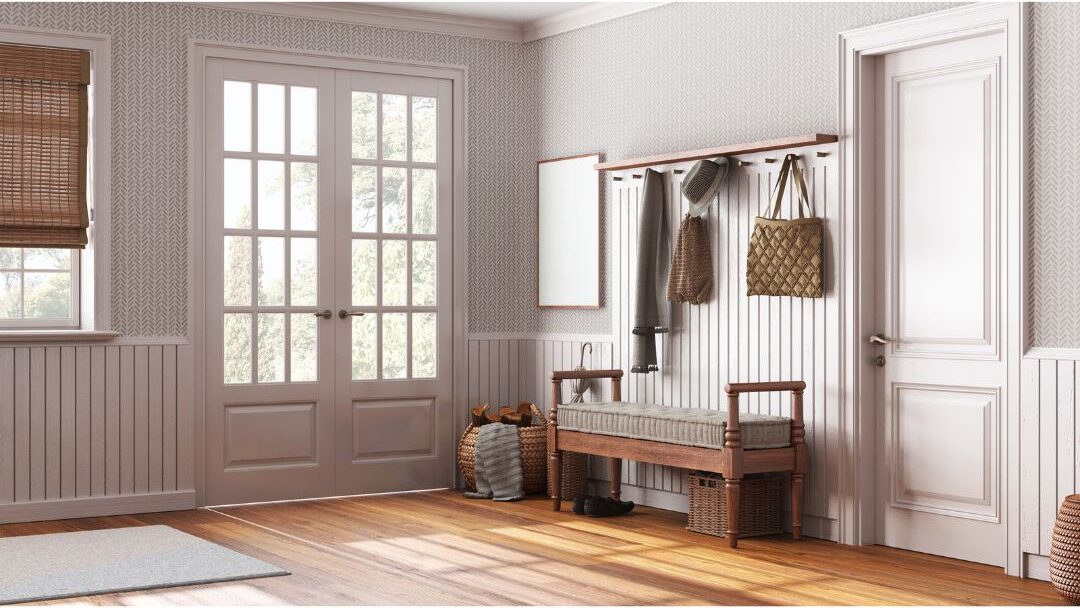
1. You lack a designated landing zone for daily transitional items
If you don’t have a functional system to catch the immediate debris of the outside world, peace is instantly disrupted the moment you step through the door.
When bags, keys, shoes, coats, and school papers are dropped carelessly on the nearest flat surface, it creates instant visual friction.
Without a dedicated entryway system, the chaos of the outside world bleeds directly into your living space. This will disrupt your flow on How to Create a Calm Home Environment.
2. You are holding onto physical items tied to old versions of yourself
Every single object in your home carries an emotional weight and whispers a silent message to your subconscious mind.
If your closets are stuffed with clothes that no longer fit, craft supplies for a hobby you abandoned years ago, or textbooks from a career path you have left behind, you are living in a graveyard of past expectations.
This emotional clutter creates a heavy, stagnant energy that blocks modern contentment.
Learning How to Stop Comparing Yourself to Other Moms becomes harder when your physical environment is constantly reminding you of an outdated version of your own life.

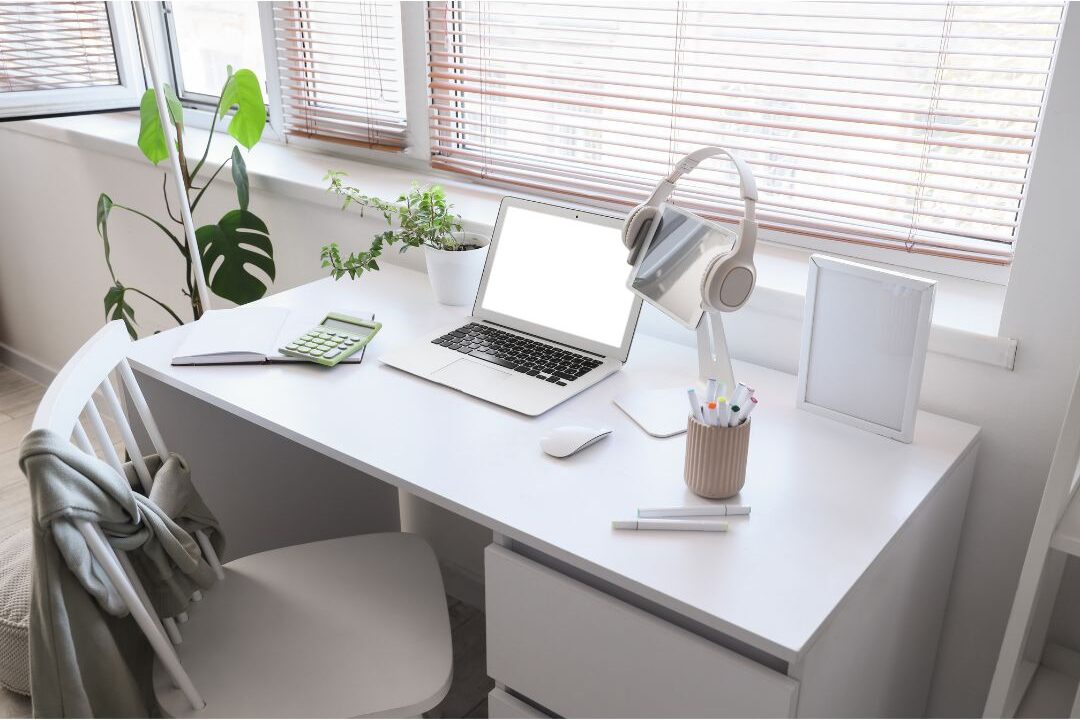
3. Your home has no clear distinction between work spaces and rest spaces
With the rise of remote work and home-based businesses, our houses have become multifunctional hubs.
Do you answer professional emails from your bed? Maybe you review school documents at the dining table.
Perhaps laptop chargers sit tangled across your living room sofa. If so, your brain never receives the signal that it is safe to completely turn off.
To protect your sanity, you must master the art of How to Separate Work Life From Home Life.
Establish strict, unyielding physical boundaries for your professional tasks. This ensures your spaces of rest remain completely sacred.
They will stay untouched by the daily stress of deadlines.
4. You are constantly falling victim to digital notifications in communal rooms
Furniture isn’t the only thing dictating a room’s atmosphere. The physical environment is profoundly shaped by auditory and digital noise filling the air.
Is the television permanently running in the background as white noise? Is every family member sitting on the couch scrolling through loud phones?
If so, your home quickly becomes a chaotic sensory minefield because these constant digital interruptions trigger a very familiar problem.
They act exactly like The Biggest Distractions in Every Home Office. This constant noise splinters your family’s collective attention span.
It actively prevents real, quiet, and grounded human connection from taking root in your living room.

5. You haven’t established basic household rules that everyone respects
You cannot carry the entire burden of maintaining household peace completely on your own shoulders.
Without shared, collective standards for how the home operates, daily life becomes exhausting.
You will spend your entire day stuck in a frustrating cycle of cleaning up after others. Resentment will build with every single step you take.
True environmental peace requires intentional co-creation. You must sit down together as a family.
Establish a clear set of Simple Household Rules That Eliminate Daily Stress. This ensures that every single member of the home understands their specific role.
Together, you will successfully protect your common sanctuary

Re-engineering the Sensory and Functional Flow
A home that feels permanently restless is often suffering from a breakdown in its structural systems and sensory environment.
When your daily workflows are clunky and your spaces look chaotic, your mind stays in a constant state of low-level fight-or-flight.
6. You are drowning in a sea of visual noise and micro-clutter
Visual noise refers to anything in your environment that catches your eye. It constantly reminds your brain of an unfinished task or an unmanaged mess.
Think of a kitchen counter covered in loose cords. Picture a fridge plastered in outdated magnets and old flyers.
Consider an open shelf crammed with mismatched decor items. All of these things force your brain to constantly process unnecessary data.
To experience true mental rest, you must actively protect your home.
Learn How to Create a House That Stays Organized by systematically reducing these visual micro-stressors.
Opt instead for hidden storage and clean design lines. Create intentional spaces that finally give your eyes a soft place to rest.
7. You have over-decorated your rooms with aspirational items instead of functional comfort
It is incredibly easy to get caught up in trending interior design looks. You might fill your home with stiff, uncomfortable furniture and fragile white fabrics that terrify your children.
Maybe you buy delicate knick-knacks that require constant dusting. When your home feels like a fragile museum, it completely ceases to be a sanctuary.
Everyone feels terrified of breaking a rule or leaving a mark. True environmental peace requires a profound shift toward comfort, durability, and authenticity.
This beautiful shift embodies the gentle principles outlined in What Does Soft Life Really Mean for Stay-at-Home Moms?
Choose a life and an environment that feels deeply good on the inside. Stop focusing on creating a space that just looks impressive to outsiders.
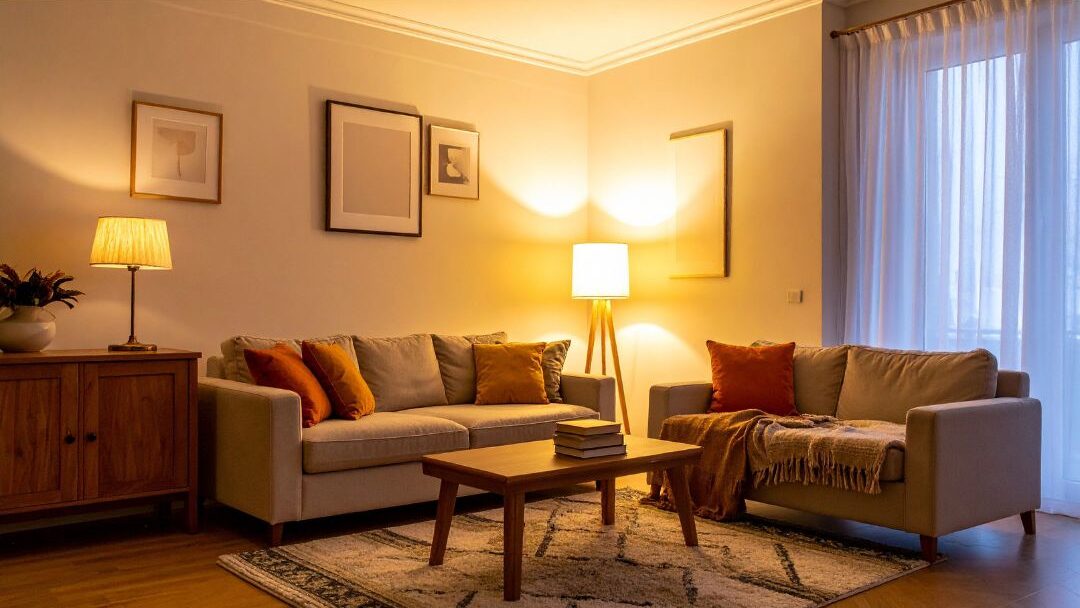
8. Your morning and evening transitions lack clear, calming systems
A home often feels chaotic because its peak transitional hours are completely unchoreographed.
Think of the frantic morning rush or the exhausted bedtime wind-down. Without intentional routines, these moments quickly turn into screaming matches, misplaced items, and sky-high cortisol levels.
If you are struggling to find a rhythm, it is time to pivot. Intentionally implement tailored Productivity Tips for Moms with Young Kids.
Build predictable, automated routines that smoothly shepherd your family through the day. You can finally enjoy peaceful mornings without triggering a household crisis every day at 7:00 AM.
9. You are trying to maintain a design standard that ignores your actual life stage
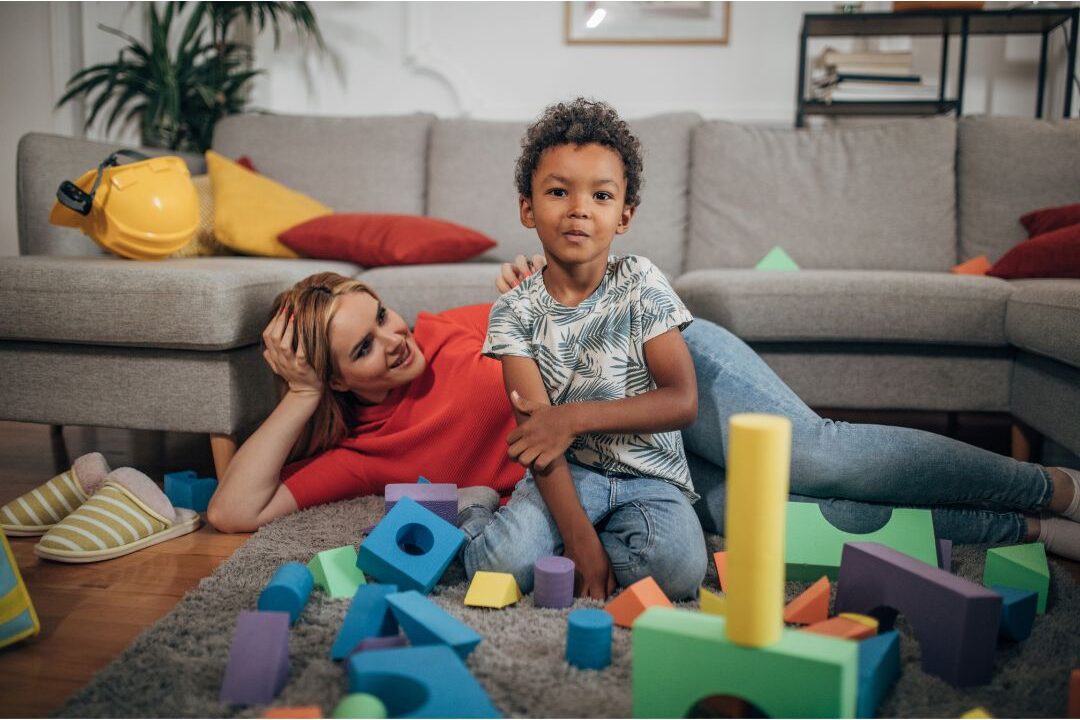
Do you have toddlers or young children under your roof? You might still be desperately trying to maintain a minimalist, stark white aesthetic.
Decorating with sharp corners and exposed glass creates constant vigilance and deep frustration.
True domestic peace comes from alignment, not from perfection. You must design your living spaces to match your current reality.
Set clear boundaries while accepting a vital truth about parenting. A lived-in, vibrant home is a beautiful sign of a healthy childhood.
Once you accept this, your focus can shift to your professional life. Master How to Work From Home Without Feeling Like You’re Working All Day.
Your physical environment will finally support your real life, not an imaginary grid post.
10. You let papers and mail sit on surfaces for more than twenty-four hours
Paper is one of the most aggressive saboteurs of domestic peace because it accumulates with terrifying speed. School permission slips and medical bills pile up quickly.
Junk mail and receipts create a permanent layer of administrative stress across kitchen islands and desks.
To stop this, create a strict one-touch rule for all incoming paper. The exact moment it enters the house, take immediate action.
Either recycle it, file it in a dedicated folder, or handle it right away. Clear out these physical reminders of uncompleted administrative tasks.
This simple shift is the fastest way to learn How to Create a Calm Home Environment from the ground up.

Deeper Foundational and Environmental Shifts
To truly lock in a lasting sense of domestic serenity, you must look at the macro-habits that dictate your home’s daily atmosphere.
Peace is maintained by consistent, small acts of structural stewardship that keep chaos from ever gaining a foothold.
11. You treat decluttering as a massive annual event instead of a daily maintenance habit
Clutter acts like a living, breathing entity. It constantly migrates into your home through grocery trips, gifts, school events, and online orders.
Do you only address this influx during a massive, exhausting spring cleaning weekend? If so, you will spend the other eleven months drowning in heavy accumulation.
You must build decluttering directly into the weekly fabric of your life. If you don’t know where to start, gather three empty boxes right now.
Tackle our curated list of 101 Things to Declutter This Weekend. This will jump-start your journey toward a lighter, more breathable home environment.
12. Your home lighting is harsh, cold, and entirely artificial
The psychological impact of lighting on the human nervous system is massive. Yet, this crucial sensory topic is rarely discussed in modern parenting circles.
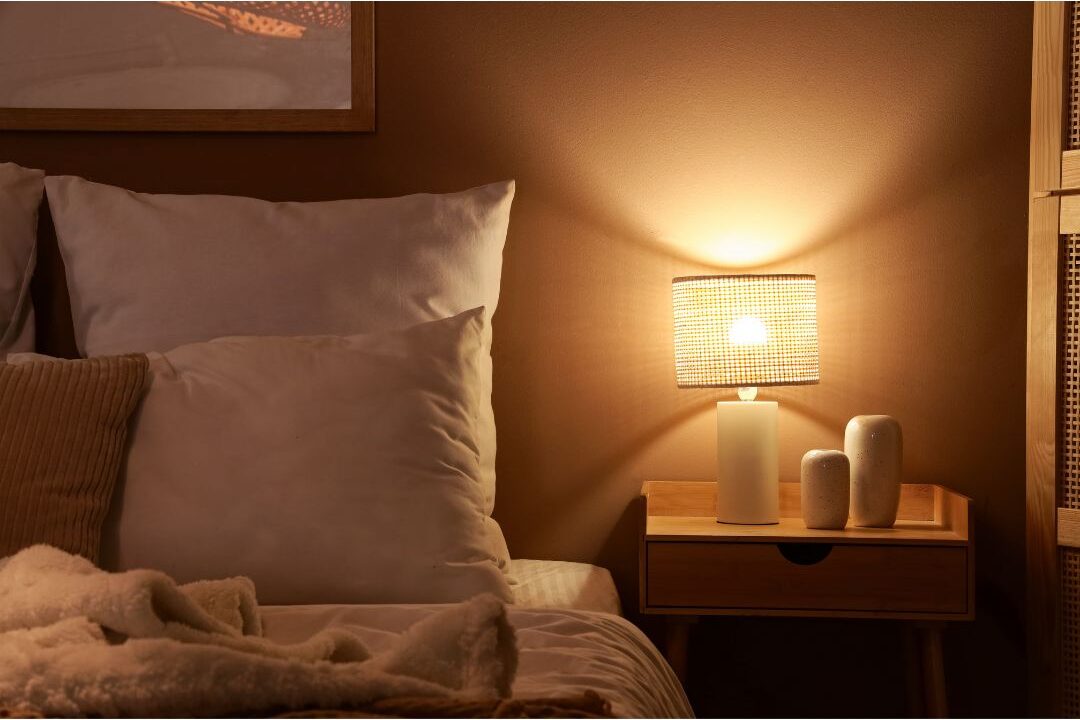
Do clinical, blue-white overhead bulbs light your rooms late into the evening? If so, your body remains trapped in a hyper-alert state.
This directly disrupts melatonin production and raises baseline irritability for everyone. Turn off the big, harsh overhead lights at 6:00 PM.
Instead, switch to warm, low-level lamps, amber fairy lights, or candles. This simple sensory shift completely transforms the evening energy of your house.
A peaceful evening helps you naturally discover How to Get More Done at Home Before Noon the next day.
Deep, restful sleep gives you the morning energy you need to succeed.
13. You leave the final reset of the house until the late evening hours
Waiting until you are completely exhausted at 10:00 PM to wash the dinner dishes, wipe down the counters, and pick up the toys is a recipe for deep resentment and terrible sleep.
When you associate the final care of your home with total physical depletion, you grow to hate the process.
Try implementing a 15-minute family reset right before dinner or immediately after dessert.
By turning the evening reset into a shared, high-energy team ritual before bed, you wake up to a fresh start every single morning.
You clear your path to create a deeply functional and beautiful How to Create a Beautiful Work-from-Home Space strategy.

14. You allow duplicate items to clog your primary storage real estate
You may have four half-empty bottles of the same cleaner under the sink. Maybe you have three identical whisks crammed in the drawer.
A mountain of expired spices in the pantry completely suffocates your kitchen’s functionality.
When primary storage zones are packed with duplicates and waste, everyday tasks become frustrating.
Finding the tool you actually need turns into a stressful, time-consuming treasure hunt. Clear out the excess duplicate items ruthlessly.
Ensure that every single item has a singular, well-defined home. The daily friction of running your household will completely disappear.
You will quickly replace constant frustration with structural peace.

15. You prioritize the opinions of unexpected visitors over your family’s daily comfort
Do you constantly organize your home based on fear? You might worry about what a nosey neighbor thinks if they drop by unannounced.
Perhaps you stress over unexpected guests or extended family members.
If you’re doing this, you are living for an audience. A peaceful home requires dropping the performative armor.
Your rooms belong to the people who sleep, laugh, cry, and grow within them. Intentionally shift your focus away from performing perfection.
Instead, cultivate a soft, safe, and nurturing landing pad for your immediate family.
The house will finally embrace the deep peace you have been searching for all along.

The Environmental Contentment Framework
To help you quickly diagnose where your home’s peace is breaking down, look at your household through the three distinct layers of environmental design.
True peace requires balancing all three elements consistently:
- The Structural Layer (Systems & Routines)
- Core Focus: Designing entry landing zones, setting up automated morning transitions, and creating shared family rules.
- The Serenity Win: Eliminates daily friction, arguments over chores, and frantic morning searches for missing items.
- The Sensory Layer (Inputs & Aesthetics)
- Core Focus: Swapping out clinical overhead lights for warm lamps, minimizing phone noise, and reducing visual micro-clutter.
- The Serenity Win: Instantly lowers your baseline cortisol levels and signals to your nervous system that it is safe to rest.
- The Emotional Layer (Mindset & Boundaries)
- Core Focus: Purging physical items tied to old versions of yourself, setting hard professional boundaries, and dropping performative standards.
- The Serenity Win: Transforms your house from a place of performance and guilt into a genuine emotional sanctuary.
By systematically addressing each of these three layers, you stop fighting temporary fires with temporary cleaning sprees.
Instead, you build a permanent, deeply rooted framework of peace that supports your family through every season of life.
Conclusion
A home that feels peaceful is not an elite luxury reserved for people with unlimited budgets, professional organizers, or perfectly behaved children.
It is a completely achievable reality for any woman willing to step off the competitive hustle treadmill and intentionally re-engineer her space to support her real, unfiltered life.
Stop looking at the curated squares on your phone, forgive yourself for the piles of laundry waiting to be folded, and start small.
Turn off the big overhead lights tonight, clear off just one main kitchen counter.
Put on a favorite song, and invite your family to help you build a sanctuary that feels incredibly good on the inside. Your peace is worth the shift.
You May Also Like:
- How to Create a Beautiful Work-from-Home Space
- How to Create a House That Stays Organized
- How to Separate Work Life From Home Life
- Simple Household Rules That Eliminate Daily Stress
- How to Work From Home Without Feeling Like You’re Working All Day





One Comment