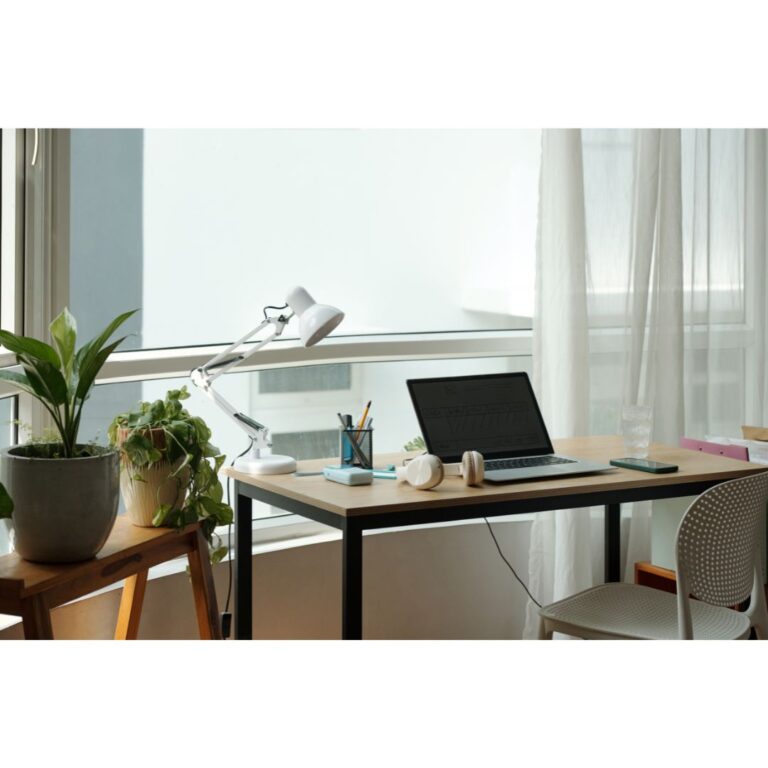

The Biggest Distractions in Every Home Office
Working from a home office offers unmatched personal flexibility, freedom from long daily commutes, and a comfortable working environment.
However, trading a corporate cubicle for your living room also introduces a completely unique set of daily focus challenges.
When your personal sanctuary doubles as your workplace, domestic interruptions quietly begin stealing hours from your workday schedule.
You sit down with clear intentions, but household noise, unwashed dishes, and constant digital pings pull your mind away.
Furthermore, these subtle interruptions compound over time, draining your mental reserves long before your afternoon tasks are complete.
Understanding the biggest distractions in every home office is the first step toward reclaiming your focus and peace.
Without firm structural boundaries, simple daily tasks can quickly fragment your concentration and leave you feeling completely overwhelmed.
You end up working longer hours just to catch up, sacrificing your personal evenings and family time in the process.
Fortunately, eliminating these subtle productivity killers does not require complicated overhauls or rigid, stressful daily routines.
By applying practical focus systems, you can easily protect your mental energy and double your output every single day.
Here is a comprehensive breakdown of the core distractions hiding in your workspace and the exact steps to clear them out.

Unmanaged Household Chores Screaming for Mental Attention
Nothing breaks your deep concentration faster than catching sight of dirty laundry or overflowing sink counters across the room.
When you work in shared living spaces, uncompleted household chores act as constant visual triggers for domestic guilt.
Your brain automatically categorizes domestic tasks as urgent duties, pulling your awareness completely away from high-priority career projects.
You might tell yourself that putting away dishes will only take two minutes, but it interrupts deep work flow.
Once your focus breaks, getting back into complex creative or analytical thinking takes significant time and energy.
Trying to alternate between office tasks and domestic cleaning leaves your mind divided and constantly stressed throughout the day.
To eliminate this visual pull, establish clean domestic boundaries before logging into your computer for morning work hours.
Perform a brief household reset early in the day or close doors to keep unfinished chores out of sight.
When domestic tasks remain out of view, your brain stops treating household management as an immediate work emergency.
Protecting your line of sight creates instant psychological relief, allowing you to focus purely on your professional targets.

Our post on 10 Mistakes That Are Killing Your Productivity at Home talks about this same issue and offers simple setup fixes.
You can find more about preventing morning domestic chaos from our guide on The Real Reason Your Kitchen Never Stays Clean.
Digital Notifications and the Constant Smartphone Buzz
Smartphones, instant messaging apps, and desktop pop-ups represent the most pervasive focus killers in modern home offices.
Every chime, vibration, or flashing pop-up triggers an immediate spike in curiosity and context-switching mental fatigue.
Even if you only glance at a text message for a few seconds, your continuous chain of thought collapses.
Research demonstrates that recovering full mental momentum after a small digital interruption can take over twenty full minutes.
When app alerts ring continuously throughout your shift, your work remains shallow, slow, and prone to simple errors.
Take active control of your digital setup by turning off all non-essential smartphone app notifications during focus periods.
Put your mobile phone in another room or place it face down inside a drawer during high-focus work blocks.
Batch your email checking and message replies into specific time slots, such as mid-morning and late afternoon hours.
Controlling your digital environment preserves cognitive energy and allows you to finish strategic assignments without constant friction.
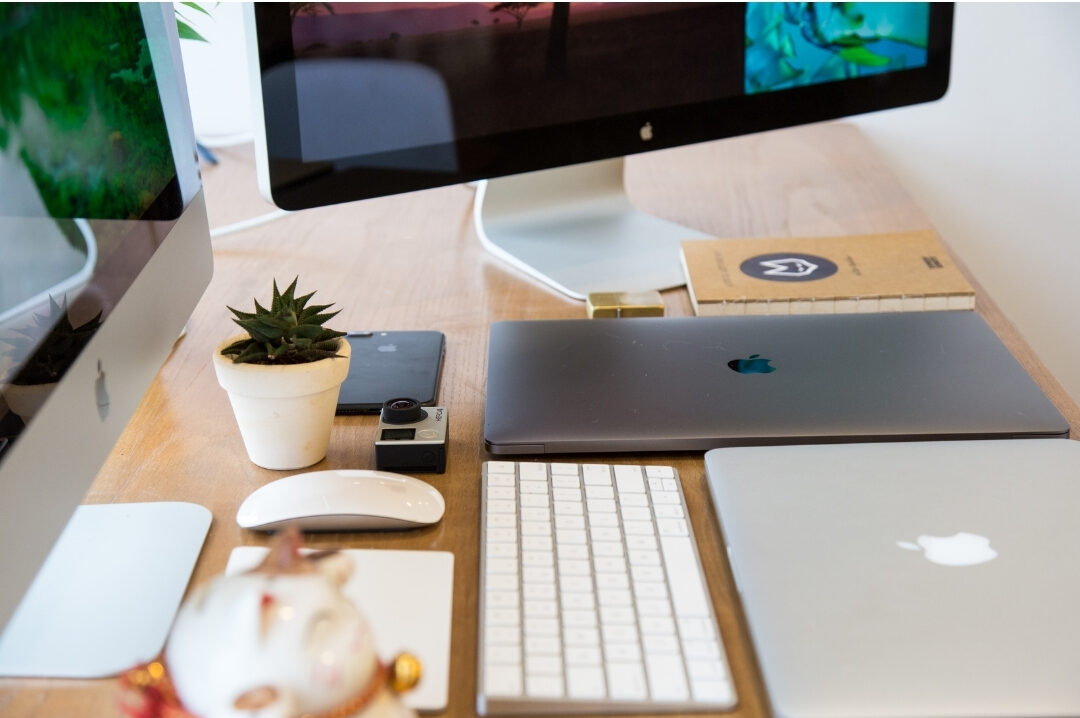
You can read more about eliminating digital waste in You’re Probably Wasting 3 Hours Every Day Doing These 5 Things.
Casual Family Drop-ins and Blurred Personal Boundaries
Working from home often leads family members, partners, or roommates to assume that you are available for casual conversations.
Well-meaning loved ones may walk into your workspace to ask quick questions or share random non-urgent updates.
While these brief interactions seem harmless, they repeatedly fragment your workday and shatter your ongoing concentration.
Failing to establish clear availability guidelines leaves you caught between professional duties and personal guilt all day long.
You end up feeling resentful toward your family while simultaneously feeling dissatisfied with your professional progress each afternoon.
Communicate your daily schedule clearly with everyone in your home so they know when you are in focus mode.
Use simple visual signals, such as wearing noise-canceling headphones or keeping your office door closed, to indicate deep focus.
Assure your family that you will be completely available during planned meal breaks and after your official shutdown time.
Establishing clear, loving guidelines helps your household respect your work while protecting your precious focus.
Identifying the biggest distractions in every home office empowers you to set boundaries that protect both career and family.
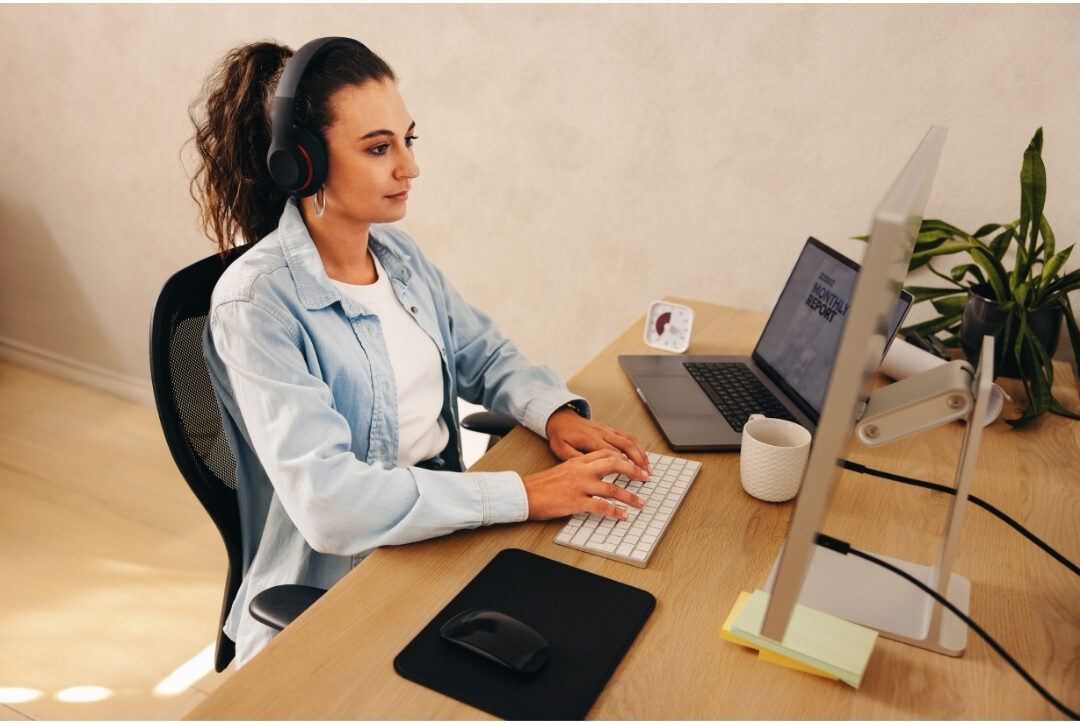
In our post on Simple Household Rules That Eliminate Daily Stress, we share practical ways to align family schedules.
As shared in our guide to How to Separate Work Life From Home Life, physical indicators make boundary setting effortless.
Cluttered Work Surfaces and Overwhelming Visual Noise
A cluttered desk covered in loose documents, empty mugs, and random office accessories creates continuous visual clutter.
Your eyes naturally scan your immediate surroundings, and excess physical items process as unfinished business in your brain.
Visual overload causes subtle background stress, making it difficult to maintain deep mental clarity during demanding tasks.
You end up wasting precious morning time hunting for missing pens, reference sheets, or essential project notes.
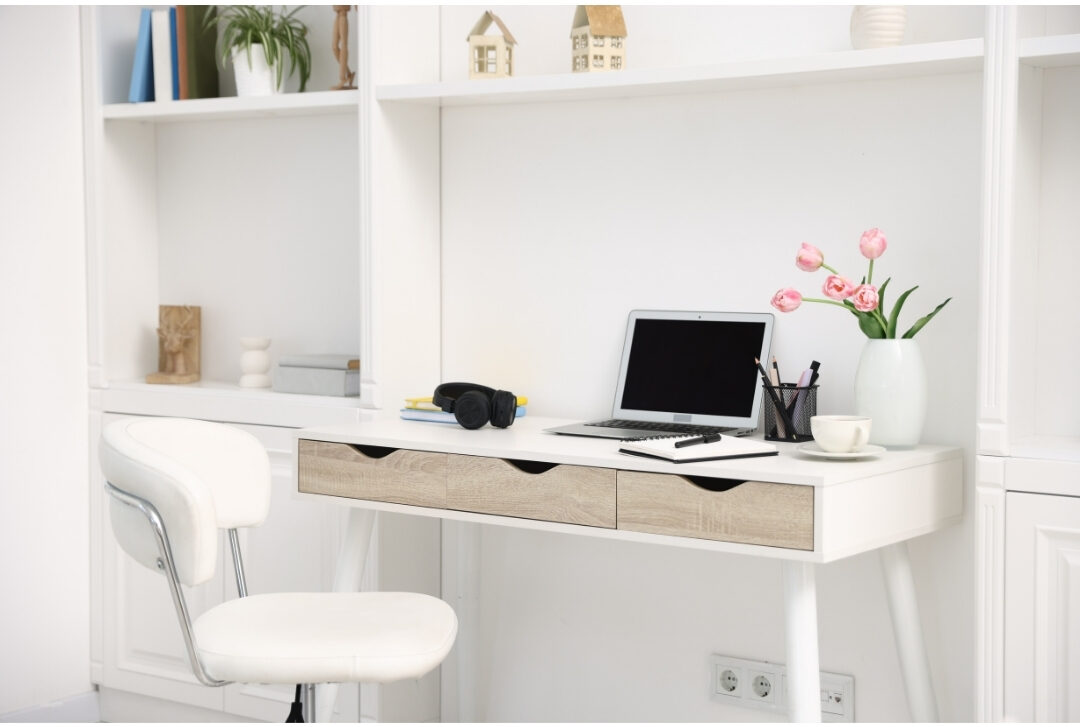
Implement a strict minimal desk policy, keeping only essential daily tools within your immediate visual environment.
Clear your desktop at the end of each afternoon, filing away loose papers and returning items to storage drawers.
In addition, wipe down your desk surface regularly to maintain a fresh, inviting workspace that encourages calm productivity.
A clean, open workstation clears away mental noise, allowing your mind to remain centered on high-priority goals.
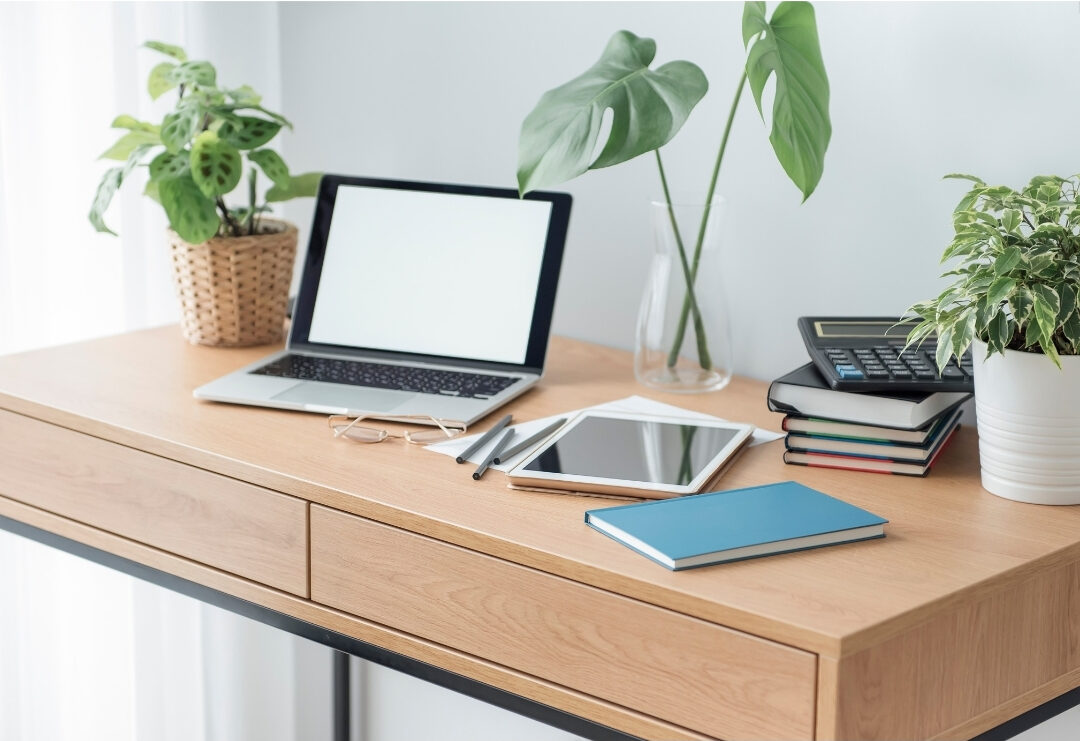
You can read more about transforming your workspace environment in 25 Tiny Changes That Made My Home Feel 10x More Luxurious.
Discovering layout strategies from How to Create a Beautiful Work-from-Home Space helps streamline your physical desk arrangement.
The Hidden Temptation of Background Entertainment and TV
Leaving a television playing in the background or streaming casual videos while trying to complete work is a trap.
While background audio may feel comforting, human brains cannot actively process spoken dialogue while drafting complex documents.
Your brain constantly splits focus between processing screen audio and producing written work, leading to slow output.
This passive multitasking habit drains your willpower rapidly, leaving you feeling mentally exhausted by early afternoon hours.
You might think you are working efficiently, but your error rate increases and project completion takes twice as long.
Reserve movies, television shows, and entertaining video streams strictly for your official personal rest hours after work.
If you prefer background sound while working, switch to instrumental music, ambient coffee shop tracks, or white noise.
Instrumental music provides soothing auditory support without pulling your language-processing focus away from project tasks.
Eliminating background entertainment screens allows you to complete assignments much faster and with far greater precision.

If you struggle with breaking passive distraction habits, check out our breakdown of The Annoying Beliefs That Keep Moms Playing Small.
Noise Pollution and Uncontrolled Ambient Sound Distractions
Unpredictable domestic sounds, such as barking dogs, lawnmowers, or street traffic, create immediate focus disruption during the workday.
Unexpected ambient noise triggers automatic physical alerts in your nervous system, pulling your attention away from tasks.
If you live in a busy neighborhood or active household, uncontrolled sound friction can leave you feeling constantly tense.
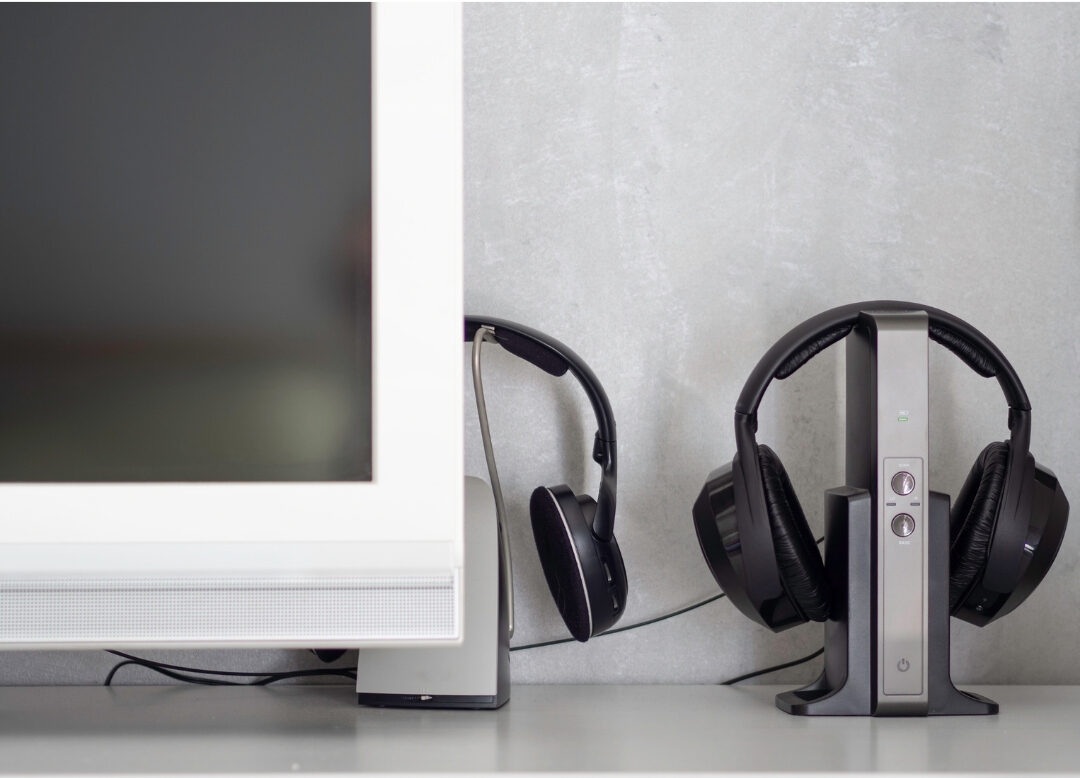
Investing in high-quality noise-canceling headphones provides an instant, reliable solution for chaotic noise environments.
Headphones create a predictable auditory sanctuary where you can focus on complex tasks without sudden external sound interruptions.
Alternatively, playing continuous brown noise or rain sounds through soft speakers masks unpredictable background noise effectively.
Controlling your auditory environment protects your nervous system and helps you sustain calm focus throughout long sessions.
We covered similar sensory management techniques in our guide If Your Home Never Feels Peaceful, These 15 Things Might Be Why.
Unplanned Kitchen Trips and Mindless Snacking Breaks
When facing a challenging work assignment or difficult email, walking to the kitchen for a snack feels comforting.
Procrastination often disguises itself as sudden hunger, sending you to the refrigerator multiple times throughout the afternoon.
These unplanned kitchen trips break your work momentum, disrupt your metabolism, and consume valuable focus time.
Mindless snacking leaves you feeling sluggish, causing steep afternoon energy crashes that make focus even harder to maintain.
You end up consuming unnecessary calories while avoiding the strategic work that actually requires your attention.
Establish structured meal and break times, keeping healthy snacks prepared in advance to avoid impulsive kitchen browsing.
Keep a large water bottle directly at your desk so you remain hydrated without making frequent kitchen trips.
Recognizing emotional procrastination hunger allows you to address the underlying work friction instead of seeking food distractions.
Streamlining your nutrition breaks preserves physical energy and keeps your mind alert from morning until shutdown time.

Read more about managing physical energy in our article on The Self-Care Mistakes That Leave You Feeling Even More Exhausted.
Poor Ergonomics and Physical Body Discomfort
Working while slouched on a soft sofa, hunching over a kitchen island, or using an unsupportive chair breeds physical discomfort.
When your posture is strained, physical aches in your neck, back, and wrists constantly demand your attention.
Physical discomfort acts as a continuous background distraction, draining your mental endurance and making focus nearly impossible.
You find yourself constantly shifting positions, taking long unscheduled breaks, and ending your shift feeling physically depleted.
Invest in an ergonomic chair that supports proper lumbar posture and position your monitor directly at eye height.
Keep your feet flat on the floor and position your keyboard so your wrists rest in a neutral position.
Arranging an ergonomic workspace eliminates physical pain, allowing you to direct your complete energy toward strategic accomplishments.
A comfortable physical setup sustains long-term career energy while protecting your body from chronic postural strain.

In our post on How to Stop Feeling Guilty About Rest, we discuss why physical comfort is essential for sustainable output.
Multitasking Across Personal and Professional Browser Tabs
Leaving personal shopping sites, social media feeds, and news outlets open alongside work applications invites endless distraction.
It takes only a split second of work hesitation to click over to an open shopping cart or news tab.
This continuous tab-switching splits your mental focus, diluting your creative thinking and slowing down project execution.
You end up spending hours at your desk while accomplishing only a fraction of your intended daily output.
Keep your work browser completely separate from personal accounts by using dedicated browser profiles for professional tasks.
Use website blocker extensions to restrict access to personal news sites and social platforms during active focus hours.
Bookmark essential work resources so you can access necessary project tools without wading through personal bookmarks.
Closing personal digital tabs cleanses your online environment, establishing a focused digital workspace that drives rapid progress.
Discovering strategies from things successful remote moms do before 9 a.m. helps build focused digital routines.
Working Without Clear Daily Priorities and Structure
Sitting down at your workstation without a written list of top priorities guarantees aimless browsing and wasted morning momentum.
When you lack clear direction, you naturally default to low-value administrative tasks like clearing spam or reorganizing files.
This passive approach allows incoming emails to dictate your entire day rather than your true strategic goals.
By mid-afternoon, you realize your most important projects remain untouched, leaving you stressed and dissatisfied.
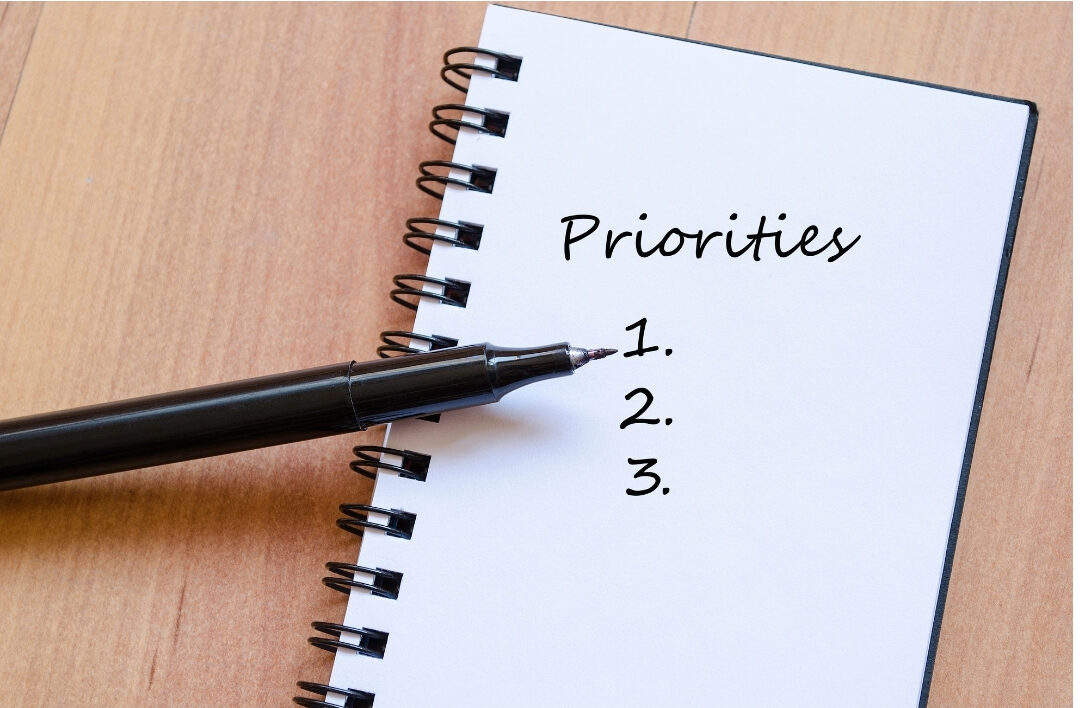
Write down your top three high-priority goals on paper before turning on your laptop computer each morning.
Tackle your most demanding task during your peak morning energy window before answering non-urgent team communications.
Structuring your workday in advance transforms you into an intentional master of your schedule and personal time.
For deeper insights on building structured habits, see our guide on How to Stop Feeling Like You’re Failing and Start Winning in Life.
Domestic Delivery Drivers and Unannounced Doorbell Rings
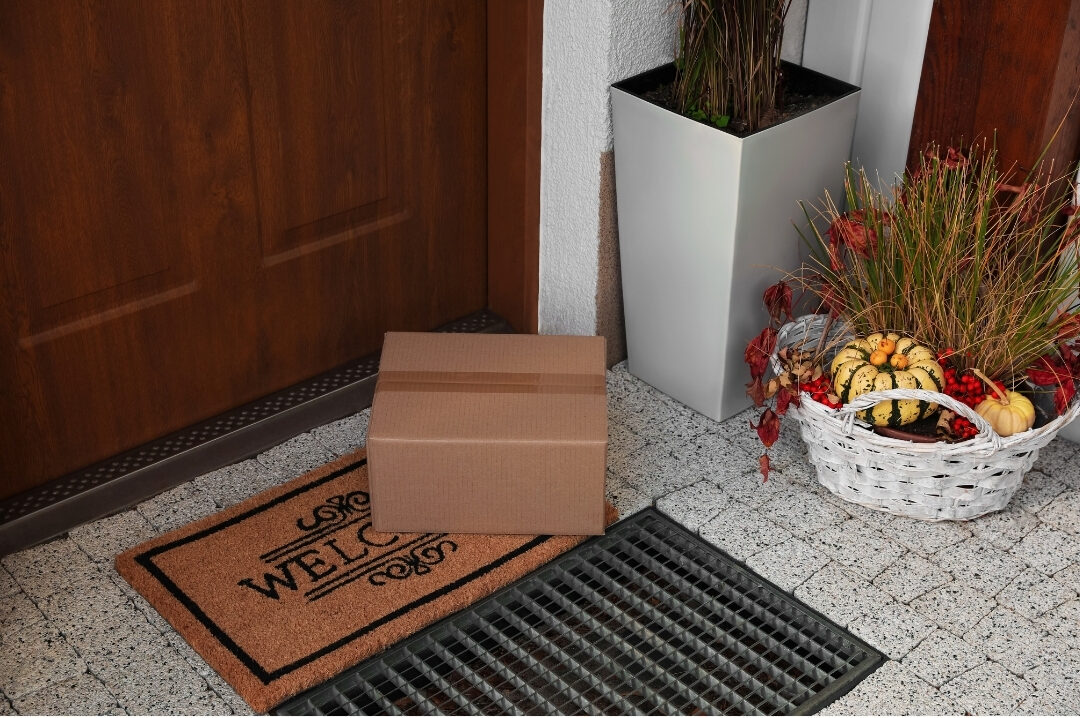
Package deliveries, maintenance workers, and unexpected doorbell rings disrupt continuous focus blocks throughout the afternoon.
Getting up from your desk to answer the door breaks your workflow and invites quick domestic side-tasks.
You might end up opening boxes, chatting with neighbors, or sorting mail instead of returning to your computer.
Manage delivery distractions by scheduling drop-offs for specific times or using delivery instructions that request quiet porch placement.
Put a polite sign on your front door during focus windows requesting that drivers leave packages without ringing.
Controlling external entryway interruptions preserves your deep focus and keeps your afternoon routine smooth and predictable.
You can find additional tips on managing daily flow in How to Work From Home Without Feeling Like You’re Working All Day.
Isolation Fatigue and Solitary Mind-Wandering
Working alone for extended periods can lead to quiet social isolation, causing your mind to drift during complex assignments.
Without casual office interactions, long stretches of silence can lead to mental boredom and low energy.
You might find yourself daydreaming, scrolling social feeds endlessly, or feeling disconnected from your career purpose.
Isolation fatigue slows down your work pace, making standard tasks feel tedious and mentally exhausting over time.
Combat isolation fatigue by scheduling virtual co-working focus sessions or brief coffee chats with remote colleagues.
Working alongside others virtually creates positive accountability and keeps your energy elevated during focus blocks.
Taking brief outdoor walks during lunch breaks also reconnects you with your surroundings and clears away mental fog.
Nourishing your social and mental energy keeps your mind sharp, engaged, and ready to tackle project goals.

Reconnecting with your personal energy is explored in our guide on 21 Ways to Feel Like Yourself Again.
Creating a Home Office Environment That Shields Your Focus
Transforming your home office into a focus fortress requires combining physical organization with smart digital boundaries.
When your workspace is clear, quiet, and ergonomic, your mind operates at maximum clarity without friction.
Small environmental adjustments accumulate quickly, creating a peaceful workspace that supports continuous professional growth.
Start by evaluating your current workspace to identify which specific focus killers interrupt your days most often.
Address one or two friction points this week, such as setting up phone boundaries or clearing desk clutter.
As new focus habits become automatic, you will experience a dramatic rise in productivity and personal calm.
Protecting your focus allows you to finish your work on time and enjoy your personal home life fully.
Overcoming the biggest distractions in every home office grants you complete freedom over your career and time.
Protecting your energy prevents long-term exhaustion, as discussed in 10 Warning Signs You’re Headed for Mom Burnout.
Creating an inviting home environment is covered in 30 Tiny Luxuries Every Woman Deserves.
Protecting your work boundaries gives you time to build memories with 25 Family Traditions Worth Starting.
Reclaiming Peace and Productivity in Your Home Office
Building a calm, distraction-free home office is an ongoing journey of intentional choices and gentle daily adjustments.
You do not need to work harder or compromise your well-being to achieve outstanding results in your remote career.
By eliminating visual clutter, silencing digital noise, and setting clear boundaries, you protect your energy and time.
Each focus strategy you implement brings you closer to a balanced schedule where work stays structured and home stays peaceful.
Embrace these practical systems today and experience the remarkable clarity and accomplishment of a truly focused remote workspace.