21 Ways to Feel Like Yourself Again
It happens so gradually that you almost do not notice it at first.
One day, you wake up and realize that somewhere between managing household schedules, executing career demands, caring for others, and maintaining endless domestic systems, your personal identity slipped away.
You still complete your daily routines efficiently. You meet your deadlines, keep the pantry stocked, and support everyone around you.
Yet, when you look in the mirror, the person staring back feels like a stranger. You feel like an operational manager of your own life rather than a human living it.

Losing touch with who you are is not a personal failure. It is the predictable biological result of living in constant output mode without personal input.
When every ounce of your physical and mental energy goes toward meeting external expectations, your inner world gets pushed to the background.
The good news is that your core identity is not permanently gone. It is simply buried beneath layers of daily fatigue, cognitive overload, and unexamined guilt.
Reclaiming your spark does not require abandoning your current life or making dramatic changes overnight. It begins with tiny, intentional shifts in how you treat yourself every day.
Here are 21 actionable, practical ways to feel like yourself again and reconnect with your authentic vitality.

1. Reclaim Your Morning Silence Before Digital Noise
The first few minutes after waking set the biochemical tone for your entire day.
When your eyes open and you immediately reach for your phone, your brain gets flooded with external demands. Emails, news alerts, and social comparison instantly hijack your neural focus before you even step out of bed.
To reclaim your personal center, establish a strict ten-minute buffer of silence every morning.
Keep your phone out of reach. Drink a glass of water, step outside to see daylight, or sit quietly in a comfortable chair.
Giving your brain a silent runway allows your own thoughts to lead your day instead of reacting to the rest of the world.
- The Core Shift: Replace digital scrolling with quiet physical presence upon waking.
- Why It Works: It protects your brain’s alpha state, preserving mental clarity and lowering cortisol.
Subconscious morning habits often fuel daily anxiety. Explore 17 Habits That Are Secretly Keeping You Stressed Every Day.

2. Audit Your Daily Cognitive Load and Drop Non-Essential Decisions
Mental exhaustion makes it impossible to connect with your authentic personality.
When your mind is constantly tracking hundreds of small micro-decisions, your executive processing capacity reaches total overload.
You spend so much mental energy choosing what to cook, what to buy, and how to fix small problems that there is no creative energy left for your personal interests.
Take thirty minutes to audit your routine daily decisions. Automate your weekday breakfasts, create a standardized weekly dinner rotation, or set up automatic order renewals for household essentials.
Reducing decision fatigue frees up vital mental bandwidth, allowing your genuine interests to surface naturally.
- The Core Shift: Systematize routine choices so your brain can rest.
- Why It Works: Eliminating micro-decisions reduces baseline mental fatigue immediately.
Streamlining domestic decisions restores valuable mental space. Read about The Systems That Saved Me 10 Hours Every Week.

3. Reconnect with a Low-Stakes Hobby from Your Past
Remember the activities you used to enjoy before your schedule got overwhelmed with adult responsibilities?
Perhaps you loved painting, playing an instrument, reading fiction, baking bread, or gardening. As responsibilities grew, those creative outlets were likely labeled as non-essential and cut from your schedule.
Reconnecting with a low-stakes hobby is one of the most effective ways to feel like yourself again because hobbies offer pure joy without performance pressure.
Pick up a activity you loved ten years ago. Do not focus on making it productive, profitable, or perfect.
Engage in the hobby simply for the quiet sensation of creating something for yourself.
- The Core Shift: Spend one hour a week on an activity with zero commercial or practical goal.
- Why It Works: Creative play stimulates dopamine production and restores internal personal joy.

4. Create an Unapologetic Personal Boundary at Home
You cannot feel like an independent individual if your physical time is constantly accessible to everyone else.
When family members, housemates, or work clients feel entitled to interrupt your downtime at any moment, your internal alert system never relaxes.
Establish one daily time block that belongs exclusively to you. It can be twenty minutes after work or thirty minutes before bed.
Communicate this boundary clearly to your household. Let them know that during this window, you are unavailable for non-emergency requests.
Protecting your time teaches both your household and your mind that your personal presence is valuable.
- The Core Shift: Treat your personal rest time as non-negotiable health maintenance.
- Why It Works: Boundaries prevent personal resentment and protect emotional reserves.
Protecting home time requires structure. Discover Simple Household Rules That Eliminate Daily Stress.

5. Wear Clothes That Make You Feel Alive Today
The clothes you wear every day send a powerful psychological message to your subconscious mind.
When you spend months wearing stretched-out loungewear or saving your favorite outfits for special occasions, you quietly tell yourself that today does not matter.
Clear out items that make you feel frumpy, uncomfortable, or invisible. Dress for the life you are living right now.
Put on your favorite color, wear your preferred perfume, or put on that piece of jewelry you usually save for events.
Dressing intentionally honors your physical presence and instantly elevates your daily energy.
- The Core Shift: Stop saving your favorite clothes for an imaginary future date.
- Why It Works: Enclothed cognition proves that what you wear directly influences your mood and confidence.

6. Practice Micro-Solitude Outside the House
Your physical environment heavily influences your internal mental state.
If you spend all your time moving between your workplace and your home, your mind constantly associates your presence with tasks and caretaking responsibilities.
Step away from your normal environment for short periods of solo time. Take a thirty-minute walk through a quiet neighborhood, sit alone at a coffee shop, or sit in a peaceful library.
Being in a neutral space where no one knows your name or expects anything from you allows your mind to untangle.
Solitude outside your domestic environment provides the perspective needed to reconnect with your personal voice.
- The Core Shift: Leave your normal living spaces to spend time alone in neutral surroundings.
- Why It Works: Environmental shifts break persistent thought patterns tied to daily chores.
Taking time for yourself often triggers rest guilt. Read our guide on How to Stop Feeling Guilty About Rest.

7. Decouple Your Self-Worth from Your Daily Productivity
One of the main reasons women lose their sense of self is the belief that their personal value equals their daily output.
You measure your success by how many items you crossed off your to-do list, how clean the house is, or how much work you completed.
When productivity becomes your main identity, downtime feels like laziness. You end up constantly exhausted because you never grant yourself permission to simply exist.
Remind yourself daily that you are a human being, not a productivity engine. Your worth is inherent and completely independent of your output.
Learning to value yourself during unstructured rest is fundamental to finding true identity balance.
- The Core Shift: Measure your day by your peace of mind rather than completed task lists.
- Why It Works: Releasing performance pressure allows your nervous system to rest deeply.
Unpack the difference between productivity and worth by reading You’re Not Lazy—You’re Probably Overloaded with these 7 things.

8. Re-establish a Daily Sensory Anchor
When chronic stress pulls your mind in multiple directions, you disconnect from your physical body.
You move through your day on autopilot, barely noticing physical sensations, tastes, or surroundings.
A sensory anchor is a simple daily practice that grounds your mind back into your physical body through touch, taste, smell, or sight.
It can be savoring the warmth of your morning tea, feeling cold water on your hands, or focusing on the scent of essential oils.
Engaging your physical senses breaks spiraling thoughts and anchors you in the present moment.
- The Core Shift: Focus fully on one physical sensation for two minutes each day.
- Why It Works: Sensory awareness activates your parasympathetic nervous system rapidly.

9. Say “No” Without Offering a Defensive Explanation
Over-committing to please others is a fast track to losing your personal autonomy.
When you routinely say yes to favors, voluntary committees, or social events you dread, you sacrifice your limited energy to protect other people’s comfort.
Furthermore, when you do say no, you might offer long, defensive explanations to justify your choice.
Practice setting clean, polite boundaries without elaborate excuses. Use simple phrases like, “Thank you for thinking of me, but I cannot commit to this right now.”
Protecting your calendar gives you back the hours required to nurture your own interests.
- The Core Shift: Decline requests that drain you without justifying your personal availability.
- Why It Works: Firm boundaries reclaim time and strengthen personal agency.
Saying yes to everything creates recovery traps. Learn about The Self-Care Mistakes That Leave You Feeling Even More Exhausted.

10. Schedule Unstructured, “Unproductive” Hours
When was the last time you had two completely unstructured hours with zero plans or duties?
Modern schedules are often packed tightly from morning to night. Even our leisure time gets scheduled with precision, leaving no room for spontaneity.
Block out a two-hour window on your weekend labeled strictly as unstructured time.
During this window, ask yourself what you feel like doing in that exact moment. You might take a nap, wander through a bookstore, listen to music, or sit on your porch.
Unstructured hours give your inner self room to breathe, explore, and make spontaneous choices.
- The Core Shift: Leave dedicated time blocks completely unassigned in your weekly calendar.
- Why It Works: Spontaneity restores personal freedom and breaks rigid daily routine stress.
11. Reconnect with Your Body Through Non-Workout Movement
Physical movement should be a celebration of what your body can do, not a punitive chore.
If your current relationship with exercise involves intense workouts that leave you physically depleted, movement becomes another stressor on your list.
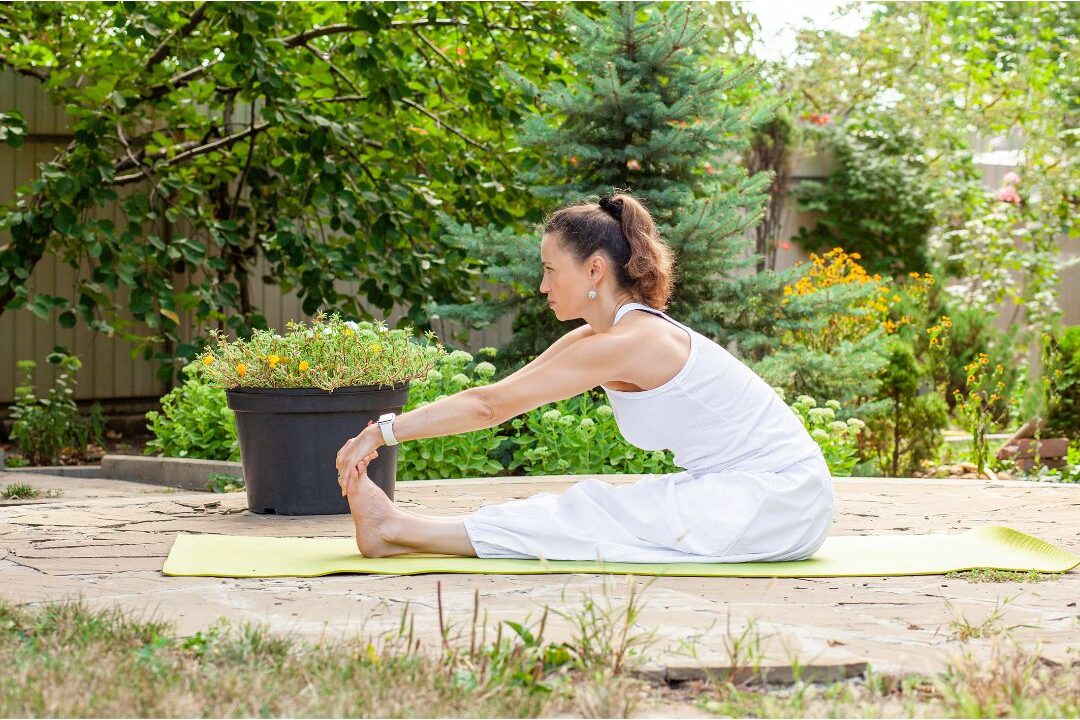
Shift toward intuitive, non-workout movement that feels restorative rather than punitive.
Take a slow walk in nature, practice gentle floor stretching, dance to your favorite songs in your kitchen, or do light mobility work.
Moving your body with kindness rebuilds physical trust and reconnects you with your physical form.
- The Core Shift: Choose movement based on how it makes your body feel, not calories burned.
- Why It Works: Gentle movement reduces cortisol while releasing physical tension gently.
Align your physical output with your energy reserves. Review You’re Probably Ignoring These Signs Your Body Needs Rest.
12. Clear One High-Friction Personal Space
Physical chaos in your immediate environment creates continuous subconscious mental noise.
When every surface in your home is cluttered with unorganized items, your visual field signals unresolved work to your brain.
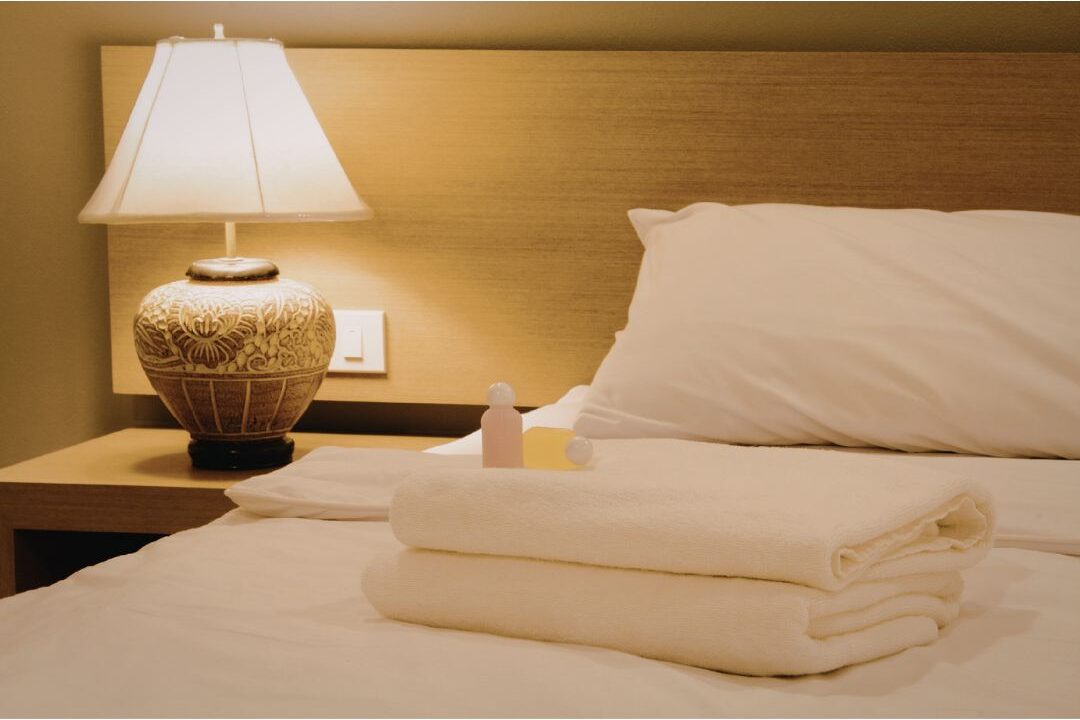
You do not need to declutter your entire house in one day. Focus on clearing just one high-friction personal space.
Organize your nightstand, clear off your desk, or clean out your bedside drawer.
Creating one quiet, organized physical sanctuary gives your mind a visual anchor of calm and control.
- The Core Shift: Declutter one small, high-use personal area to create visual peace.
- Why It Works: Lowering visual input directly reduces mental baseline anxiety.
Transforming your physical surroundings reduces domestic stress. Learn How to Create a Calm Home Environment.

13. Revisit the Media and Music That Formed Your Identity
Music and media hold a unique ability to unlock dormant memories and emotions.
When you feel disconnected from your younger, energetic self, music can act as an instant bridge back to those feelings.
Create a playlist featuring the songs, albums, and artists you loved during your high school or college years. Watch a favorite movie that brought you comfort years ago.
Listening to familiar, nostalgic music activates memory centers in the brain, bringing forgotten aspects of your personality back to the surface.
Letting yourself enjoy nostalgic media brings immediate warmth and personal familiarity into your current day.
- The Core Shift: Play music and media that connected deeply with your younger self.
- Why It Works: Nostalgic auditory input stimulates emotional processing and positive mood shifts.

14. Stop Masking Your True Feelings in Social Settings
Social masking requires massive amounts of internal energy.
When you constantly smile, agree with opinions you do not share, or pretend everything is fine when you are struggling, you distance yourself from your true feelings.
While professional settings require composure, your personal relationships should offer space for total authenticity.
Practice sharing your genuine feelings with trusted friends. Admit when you are tired, voice your actual opinions, and drop the performance of perfection.
Authentic vulnerability builds genuine relationships and reinforces your right to exist as you truly are.
- The Core Shift: Drop performative positivity around people you trust.
- Why It Works: Expressing authentic emotions eliminates the exhausting weight of social masking.
Social comparison feeds performative masking. Read our guide on How to Stop Comparing Yourself to Other Moms.
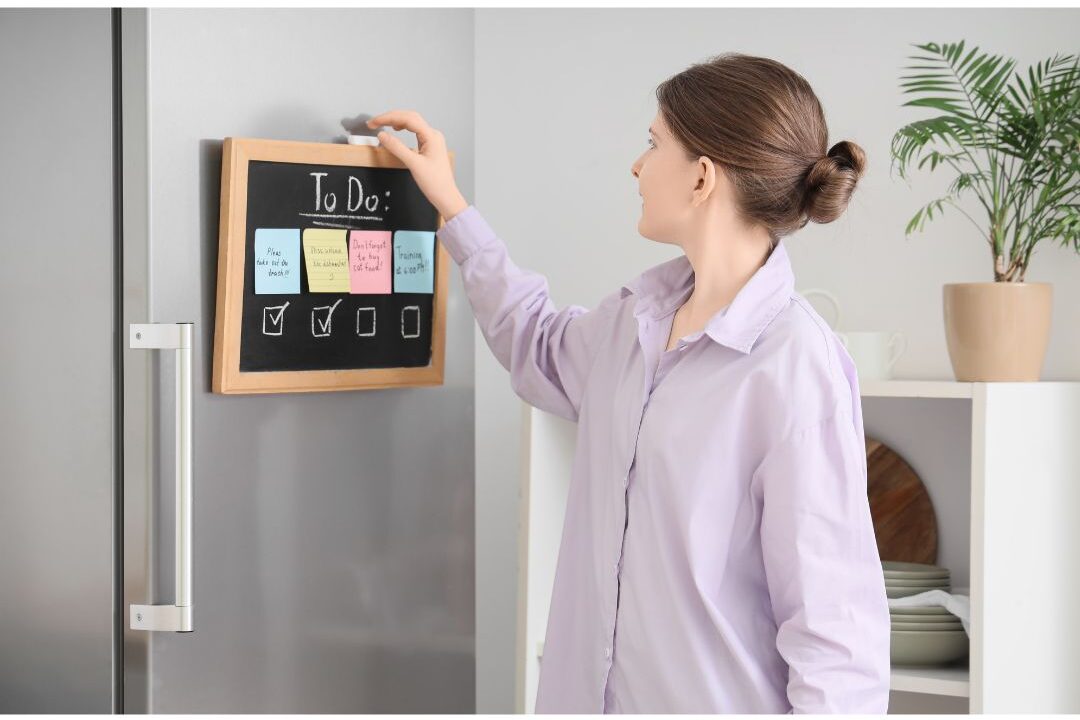
15. Outsource or Delegate One Exhausting Daily Chore
You cannot rediscover your personal interests if all your free time is swallowed by endless domestic labor.
If you are carrying ninety percent of the household mental load, burnout is inevitable. Identify one recurring domestic chore that causes you intense mental or physical exhaustion.
Delegate that task to a family member, hire local help if your budget allows, or use grocery delivery services.
Reclaiming even two hours of labor per week gives you the space needed to invest in personal recovery.
- The Core Shift: Share or automate domestic responsibilities without guilt.
- Why It Works: Reducing physical domestic labor frees up time for true self-care.
Solve domestic bottlenecks systematically. Discover The Real Reason Your Kitchen Never Stays Clean.

16. Eat Meals Intentionally Without Multi-Tasking
Eating on the go while answering emails or managing family needs disconnects you from basic bodily signals.
When you hurry through meals while looking at screens, your body struggles to process food properly, and your mind misses the nourishment moment.
Commit to eating at least one meal per day in complete quiet, without screens or work distractions.
Notice the flavors, textures, and temperatures of your food. Sit down completely and take your time.
Treating mealtime as a quiet pause nourishes both your physical health and your mental awareness.
- The Core Shift: Put away all devices and focus entirely on your food during meals.
- Why It Works: Mindful eating enhances digestion and grounds your attention in the present.

17. Create an Evening Routine Dedicated Solely to You
How you end your day determines how effectively your body recovers overnight.
If your evening routine consists of finishing household chores until you collapse into bed exhausted, your brain never gets time to process the day.
Design a quiet 30-minute evening routine focused entirely on personal comfort and rest.
Dim your home lighting, take a warm shower, apply your favorite lotion, read a fiction book, or listen to calming audio.
Ending your day with personal care sends a clear signal to your mind that your well-being matters.
- The Core Shift: Transition away from work and household tasks an hour before sleeping.
- Why It Works: Consistent evening wind-downs improve sleep quality and lower stress levels.
Optimize your home environment for rest by reading If Your Home Never Feels Peaceful, These 15 Things Might Be Why.

18. Validate Your Own Needs Without Seeking External Approval
Do you constantly look to others to validate your personal choices, boundaries, or emotional needs?
When you rely on external permission to take a break, say no, or invest in yourself, your personal confidence remains dependent on other people’s opinions.
Start practicing self-validation. When you feel tired, acknowledge your need for rest without asking for permission or apologizing.
When you make a choice that honors your health, trust your decision implicitly.
Learning to trust your internal compass is a vital step toward reclaiming your identity.
- The Core Shift: Honor your personal feelings without waiting for someone else to validate them.
- Why It Works: Internal self-validation strengthens personal self-esteem and independence.

19. Have an Honest Conversation with Your Partner or Support System
Silent resentment is one of the quickest ways to lose your personal peace and joy.
If you are drowning in daily responsibilities while those around you remain unaware of your strain, unspoken frustration will build up over time.
Schedule a calm, clear conversation with your partner, family, or support system.
Share how depleted you feel using direct, non-accusatory language. Explain that you need structural changes to reclaim your personal health.
Clear communication allows those who love you to step up and support your recovery process.
- The Core Shift: Express your daily needs clearly before minor frustrations turn into deep resentment.
- Why It Works: Open dialogue enables shared responsibility and reduces domestic overload.
Prevent chronic parental depletion early. Review the 10 Warning Signs You’re Headed for Mom Burnout.

20. Re-engage with Nature in Complete Digital Silence
Nature has a remarkable, documented ability to restore human attention and regulate stress systems.
When you spend all your time indoors under artificial lighting staring at digital screens, your attention becomes fatigued and fragmented.
Spend twenty minutes walking through a local park, garden, or trail without wearing headphones or checking your phone.
Observe the trees, listen to natural sounds, feel the sun on your skin, and breathe in fresh air.
Immersing yourself in nature clears sensory overload and resets your cognitive baseline naturally.
- The Core Shift: Spend uninterrupted quiet time outdoors without any digital devices.
- Why It Works: Natural environments reduce stress hormones and replenish focused attention.

21. Give Yourself Permission to Change Your Mind and Evolve
The person you were five years ago had different goals, capacity levels, and personal preferences than the person you are today.
Trying to force yourself back into an older version of your identity often creates deep internal friction.
Reclaiming your identity is not about returning to the past. It is about honoring who you are in this current chapter of your life.
Give yourself full permission to outgrow old habits, drop outdated goals, and discover new interests.
Embrace your evolution with open curiosity, self-compassion, and quiet confidence.
- The Core Shift: Release expectations of who you used to be and accept who you are becoming today.
- Why It Works: Self-acceptance removes past guilt and creates space for authentic personal growth.
Restoring Identity vs. Surface Maintenance
To help you distinguish between surface maintenance habits and true identity restoration, review this comparison chart.
| Area of Life | Surface Maintenance Approach | Identity Restoration Approach |
| Daily Schedule | Packing every hour with chores and productivity | Scheduling unstructured, zero-pressure hours |
| Personal Time | Quick beauty treatments while feeling guilty | Unapologetic boundaries around quiet solitude |
| Social Life | Attending events out of social obligation | Authentic connection with zero social masking |
| Physical Health | Exhausting workouts to burn calories fast | Intuitive movement that honors body needs |
| Personal Space | Cleaning constantly to look good for others | Clearing high-friction spaces for personal peace |
| Mindset | Seeking external approval for basic rest | Internal self-validation and clear firm boundaries |

A Simple Action Plan for Reclaiming Your Identity
Reconnecting with who you are is a gradual journey that requires consistent, gentle daily choices rather than massive structural changes.
Here is a simple action framework to guide your recovery over the next three weeks.
Phase 1: Establish Your Quiet Baselines (Week 1)
Focus entirely on protecting your nervous system from unnecessary sensory overload.
- Rule 1: Implement your ten-minute morning digital fast every single day.
- Rule 2: Create one daily sensory anchor moment using warm tea, quiet silence, or nature.
- Rule 3: Clear one high-friction physical space like your bedside table or workspace desk.
Phase 2: Build Protective Boundaries (Week 2)
Shift your focus toward protecting your calendar and reducing domestic overload.
- Rule 1: Practice saying no to non-essential commitments without offering defensive excuses.
- Rule 2: Establish one non-negotiable thirty-minute personal boundary at home daily.
- Rule 3: Outsource or delegate one exhausting weekly chore to free up personal bandwidth.
Phase 3: Re-Engage with Personal Joy (Week 3)
Introduce low-stakes creative activities that reconnect you with your personal interests.
- Rule 1: Dedicate one hour this week to a low-stakes hobby from your past.
- Rule 2: Play music or media that connected deeply with your younger identity.
- Rule 3: Schedule two hours of completely unstructured time over your weekend.
Align your wellness framework with real needs by reading Why Self-Care Isn’t Working for You.
Explore new approaches to peaceful living in What Does Soft Life Really Mean for Stay-at-Home Moms?
Returning Home to Yourself
Reclaiming your personal identity is not a luxury or a selfish endeavor. It is the foundation of your overall physical, mental, and emotional health.
When you take the time to nurture your spirit, honor your boundaries, and listen to your internal needs, everyone around you benefits from your presence.
You become a more patient partner, a more present parent, a clearer thinker, and a far happier individual.
Start small today. Pick just one idea from this list, execute it with complete self-compassion, and begin the quiet, beautiful journey back to yourself.