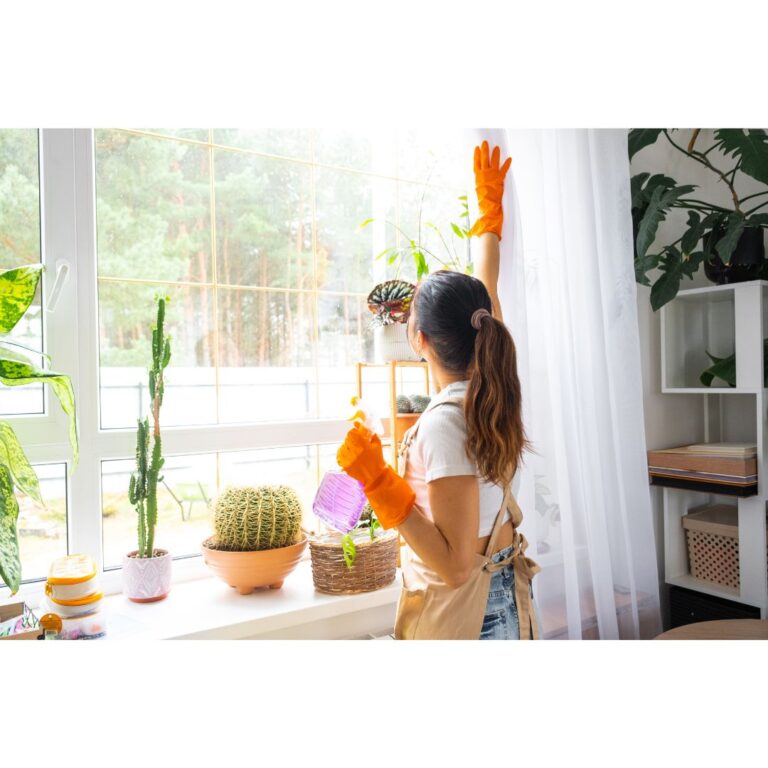

The Hard Truth About Being Home All Day
Understanding the hard truth about being home all day is the necessary first step toward rebuilding your mental clarity, domestic peace, and personal identity.
In recent years, staying at home has been painted as the ultimate lifestyle goal across popular culture and digital media. Online videos depict serene mornings with slow-poured coffee, pristine linen curtains swaying in quiet breezes, and effortless domestic harmony.
However, the reality of living and working within the same four walls every day is vastly different from these romanticized clips. In fact, spent without clear structure, staying home full-time can lead to severe sensory overload, lost personal momentum, and chronic emotional fatigue.
Consequently, many women who transition into stay-at-home motherhood or remote work find themselves quietly struggling with unexpected feelings of isolation and guilt. You may wonder why you feel so thoroughly exhausted when you have technically not left your living space.
Denying the psychological friction of full-time domestic life prevents you from creating functional systems that actually support your well-being. When you confront the underlying challenges of at-home life directly, you can replace chaotic drag with calm, intentional living.
Ultimately, mastering the hard truth about being home all day gives you the tools to curate a restorative, joyful home environment on your own terms.

The Social Media Illusion Versus Domestic Reality
To begin with, modern digital platforms have created a deceptive myth surrounding full-time home life. Online content creators frequently present domestic spaces as permanent sanctuaries free from external stress, workplace politics, and exhausting commute schedules.
In reality, however, staying home simply exchanges one complex set of challenges for another equally demanding set of physical and emotional responsibilities.
For example, while you eliminate morning traffic, you lose the natural physical boundaries that separate your personal rest from your daily labor.
When your living room serves as your office, childcare zone, and resting place, every room becomes a constant reminder of uncompleted chores. Consequently, you never fully experience the sense of leaving work behind at the end of a long afternoon.
In addition, seeing online depictions of spotless, quiet homes makes real domestic mess feel like a personal character failure. You might watch videos of curated kitchens while sitting beside piles of unsorted laundry and toys.
As a result, an artificial gap opens between your daily experience and external expectations, sparking constant self-criticism.
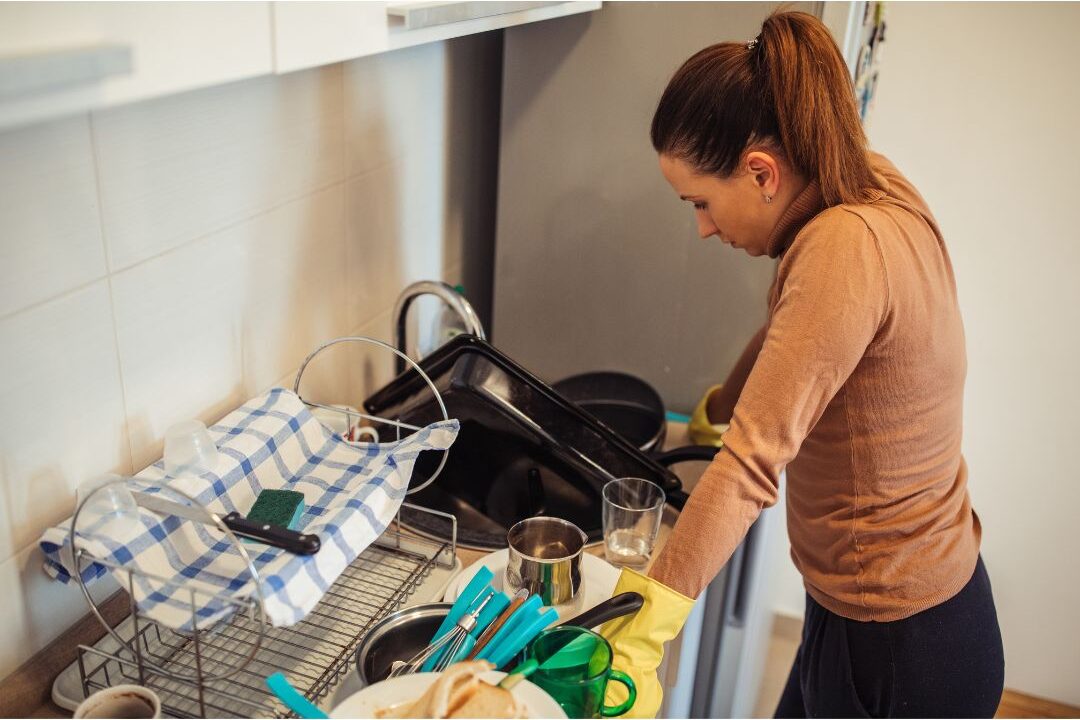
Releasing hidden domestic expectations gives you permission to rest without guilt. Read 21 Things Stay-at-Home Moms Need to Hear Today.
The Mental Load and the Vanishing Boundary Line
Furthermore, one of the most exhausting aspects of staying home all day is the complete disappearance of natural transition periods.
For individuals working outside the home, morning commutes, lunch breaks, and evening travel provide psychological airlocks between different life roles.
These small daily transitions allow the human nervous system to reset, compartmentalize stress, and shift mental gears smoothly. However, when you remain at home continuously, your roles as homemaker, mother, professional, and partner blend together without pause.
For instance, you might try to draft a professional email while monitoring a toddler, stirring dinner, and wiping down kitchen counters.
Because your attention remains perpetually fragmented, your brain spends the entire day in a state of high cognitive alertness.
Additionally, this constant task-switching drains your decision-making capacity long before the evening arrives. You end up feeling deeply fatigued, yet you struggle to pinpoint any single major achievement that consumed your energy.
Consequently, recognizing this invisible cognitive burden helps you understand why staying at home requires deliberate, engineered boundaries to protect your mental health.
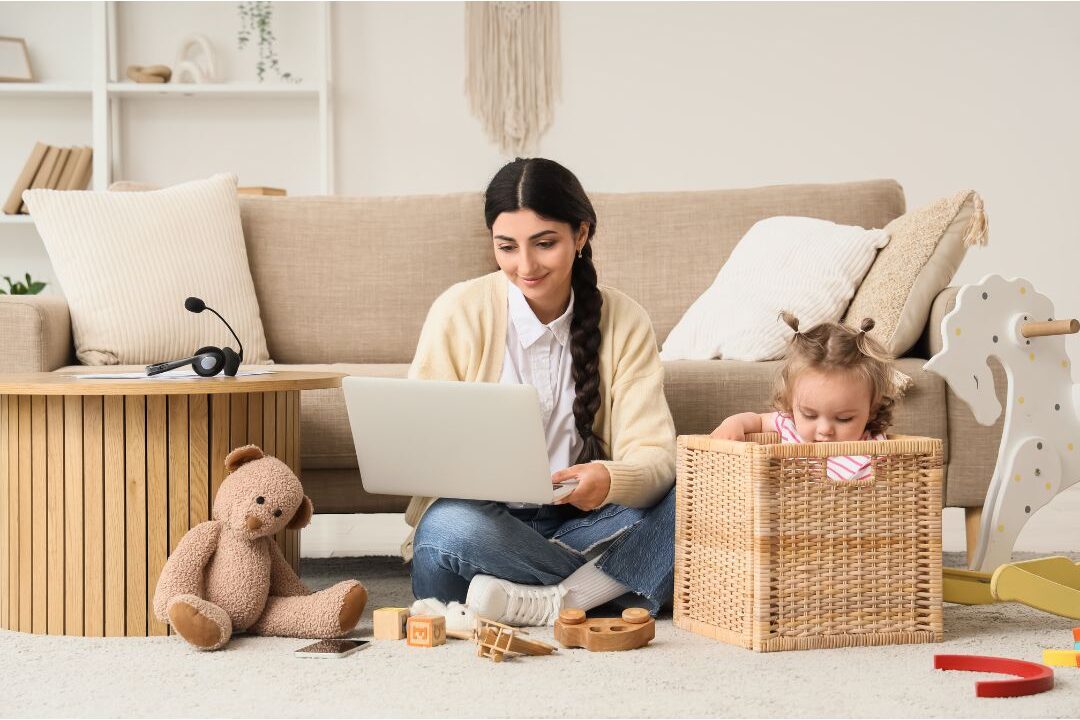
Uncovering invisible routine drains helps you protect your daily attention and emotional stability. Discover 17 Habits That Are Secretly Keeping You Stressed Every Day.
The Subtle Erosion of Personal Identity
In addition to physical fatigue, spending weeks inside the home can quietly erode your sense of personal identity.
Human beings develop confidence and self-awareness partly through external feedback, diverse environments, and spontaneous interactions with the outside world.
When your daily scenery remains completely unchanged, your world naturally shrinks to the immediate boundaries of your property.
For example, days begin to blur together when every morning follows the exact same visual pattern of dishes, laundry, and domestic maintenance.
Furthermore, if your primary human interactions during the day are with young children or screen-based remote colleagues, you lack adult intellectual stimulation.
Over time, you might feel like your unique interests, talents, and personality traits are disappearing beneath relentless domestic roles.
Many women describe feeling as though they have become invisible managers of a facility rather than vibrant individuals with independent goals. However, losing touch with your personal passions is not an inevitable outcome of staying home.
Instead, it is a clear warning sign that your current schedule lacks intentional spaces reserved exclusively for personal growth and adult expression.

Reclaiming small personal rituals preserves your identity and restores elegance to quiet days at home. Read Luxury Habits Anyone Can Afford.
Elevating your daily appearance at home restores self-respect and personal confidence. Discover 17 Things Stylish Women Never Buy.
Sensory Overload and Silent Domestic Burnout
Similarly, many people assume that staying indoors creates a quiet, restful physical environment. However, residential spaces can quickly become hubs of intense, continuous sensory input that overstimulates your nervous system.
For instance, consider the auditory landscape of a typical day at home: hums from household appliances, background notifications, crying children, and delivery doorbells. Simultaneously, visual noise like unmade beds, scattered toys, sink dishes, and unfolded clothes fills your peripheral vision continuously.
Unlike an office or external venue where chores are handled by maintenance teams, every visual element in your home represents a personal task. Because your brain processes visual clutter as unfinished work, your body remains in a subtle, persistent fight-or-flight state.
Furthermore, physical stagnation exacerbates this internal tension when you go days without stepping into open air or walking under natural sunlight.
You may experience unexplained irritability, sudden muscle tightness, or deep mental fog by mid-afternoon.
Therefore, managing your physical environment is not about achieving cosmetic perfection, but rather about protecting your nervous system from silent burnout.
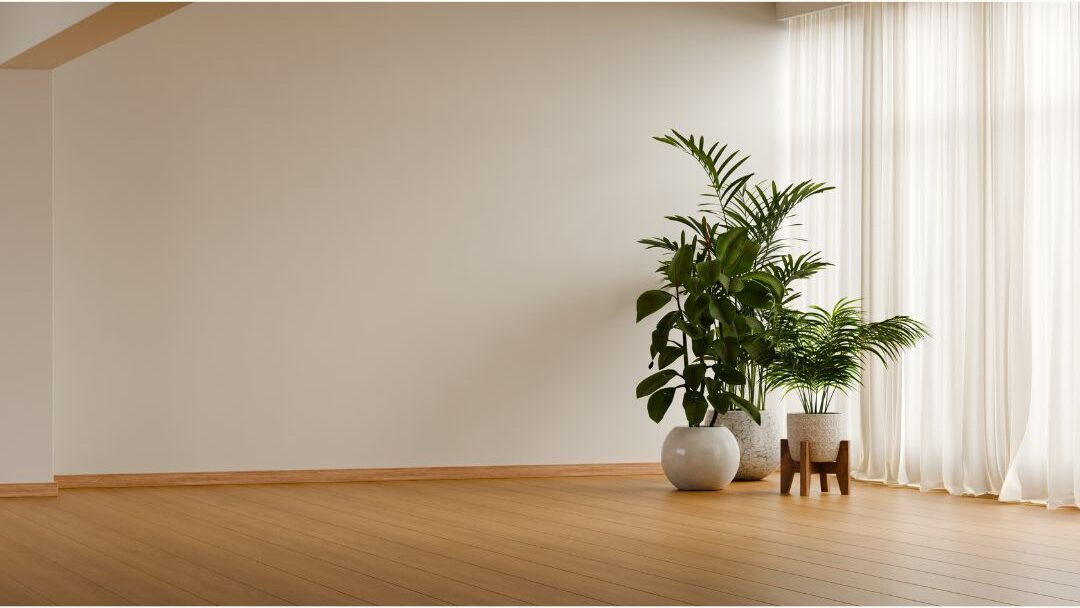
Reducing visual friction in your main living areas prevents subtle daily overstimulation. Read The Decor Mistakes That Make Homes Look Cluttered.
The Financial and Social Dynamics Nobody Talks About
Moreover, staying home full-time frequently alters your interpersonal relationships and financial perceptions in unexpected ways.
When one partner stays home while the other works outside, an unspoken imbalance in daily experiences often develops.
For example, the working partner may envy your lack of a rigid corporate commute, assuming your days are peaceful and unstructured.
Meanwhile, you may envy their ability to leave the house, engage in adult conversations, and finish tasks without immediate domestic interruptions.
Without open, empathetic communication, these differing perspectives can breed quiet resentment on both sides. In addition, transitioning to a single income or handling unpaid domestic labor often triggers deep financial anxiety for women.
You might catch yourself hesitating before purchasing simple personal items, feeling an irrational guilt because you did not earn an immediate paycheck. Furthermore, external friends who work traditional hours may assume you possess endless free time during normal business hours.
They might ask you to manage personal errands, receive packages, or coordinate family events simply because you are physically present at home.
Consequently, establishing clear social boundaries and recognizing the tremendous economic value of domestic work are essential for maintaining self-respect.

Establishing clear household agreements protects your domestic balance and prevents partner resentment. Discover Simple Household Rules That Eliminate Daily Stress.
Valuing your home environment allows you to cultivate quiet luxury without financial strain. Read Elegant Living Doesn’t Mean Expensive—Here’s Proof.
How to Stop Time From Slipping Away
To counteract the disorienting feeling of time vanishing into endless domestic chores, you must introduce deliberate temporal anchors into your morning.
When you wake up without a clear structure, your daily hours tend to expand and contract around chaotic immediate demands.
For instance, responding to morning emails or picking up children’s toys before getting dressed sets a reactive, frantic tone for the day. Instead, stylish and organized women build disciplined, comforting morning sequences that belong exclusively to them.
Even a brief fifteen-minute period dedicated to drinking hot coffee in silence, stretching, or reading an inspiring article creates a grounded mental foundation.
Treating your time at home with the same professional respect you would offer an external employer changes your mindset.
Set specific, immovable start and end times for household chores rather than letting housework spill into every open hour. When the designated cleaning block finishes, put away your cleaning supplies and step into a different room or step outside.
By creating clear boundaries around domestic tasks, you reclaim control over your time and prevent daily hours from slipping away unused.

Structuring your early morning hours establishes immediate control over your entire daily schedule. Discover Things Successful Remote Moms Do Before 9 A.M.
Completing core personal priorities early protects your energy from afternoon domestic interruptions. Read How to Get More Done Before Breakfast.
Building Emotional Resilience and Daily Systems
In addition to temporal structure, thriving at home requires robust daily systems that automate routine chores and reduce decision fatigue.
When your household operations rely entirely on real-time willpower, every messy counter and empty refrigerator triggers micro-stress.
However, implementing predictable, light-touch home systems turns chaotic chores into background routines that run almost automatically.
For example, setting up fixed daily reset times, such as a ten-minute kitchen sweep after lunch, prevents massive evening backlogs.
In the same way, batching laundry on specific days eliminates the constant, nagging feeling that you should be washing clothes continuously. Furthermore, building emotional resilience involves treating yourself with gentle compassion when plans inevitably fall apart.
Accepting that domestic life carries natural cycles of order and temporary mess keeps you from experiencing extreme emotional highs and lows.
When a sudden toddler illness or urgent deadline disrupts your routine, view it as a temporary detour rather than a systemic failure.
By combining flexible home systems with internal grace, you cultivate a resilient mindset that handles daily friction with calm composure.
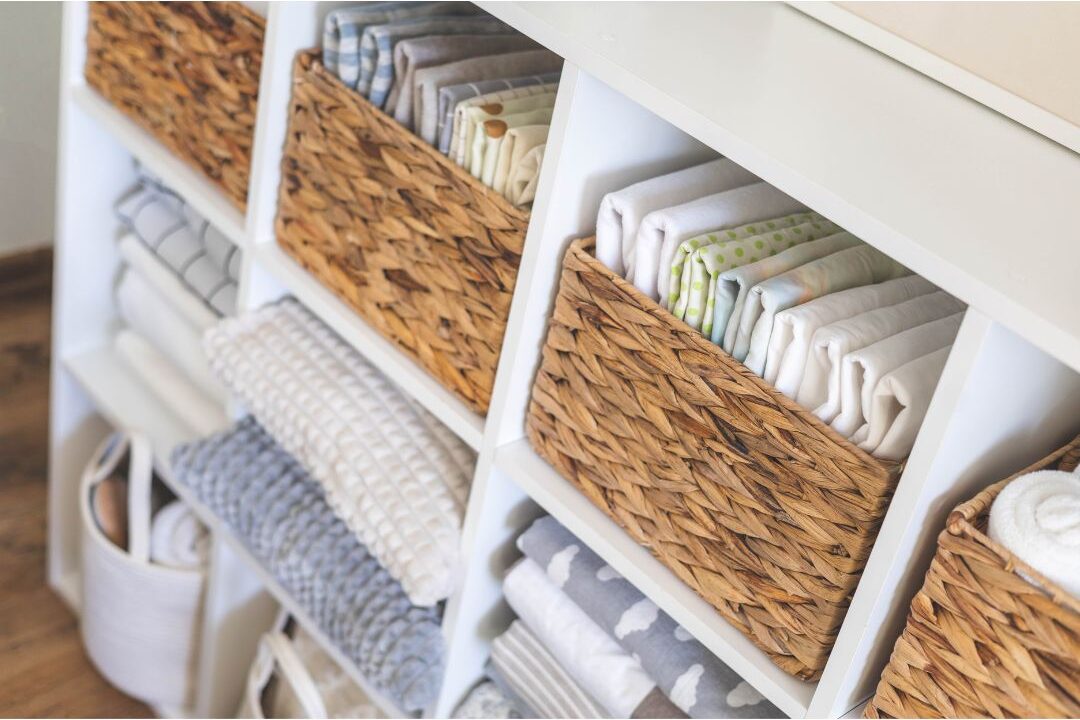
Automating repeat domestic tasks frees vast amounts of mental bandwidth for personal creative projects. Read about 20 Home Systems That Practically Run Themselves.
Simple structural organization keeps your living spaces functional even during busy, chaotic weeks. Discover How to Create a House That Stays Organized.
Comparison Breakdown: Unstructured Domestic Drag vs. Intentional At-Home Living
Transitioning from feeling trapped at home to cultivating a peaceful, restorative environment requires explicit shifts in your daily habits. Review this detailed operational breakdown to identify structural adjustments for your home routine.
Approach to Morning Preparation
- Unstructured Domestic Drag: Staying in pajamas all day, skipping personal care, and immediately answering notifications or cleaning messes.
- Root Visual & Mental Flaw: Signals to your nervous system that your personal presence is secondary to domestic chores.
- Intentional At-Home Living: Showering, dressing in comfortable elevated clothes, and completing a short personal morning ritual before starting tasks.
Spatial and Task Boundaries
- Unstructured Domestic Drag: Working, eating, resting, and handling chores across every surface simultaneously without clear separation.
- Root Visual & Mental Flaw: Eliminates physical sanctuaries, causing continuous sensory overload and persistent task fatigue.
- Intentional At-Home Living: Designating distinct zones for focused work, relaxation, and domestic chores with clear physical boundaries.
Handling Household Chores
- Unstructured Domestic Drag: Reacting continuously to mess as it appears, leading to endless, scattered cleaning throughout the entire day.
- Root Visual & Mental Flaw: Prevents you from ever feeling off-duty, keeping your brain trapped in constant work mode.
- Intentional At-Home Living: Establishing fixed micro-reset blocks and automated systems to handle chores at designated times.
Outside Connection and Movement
- Unstructured Domestic Drag: Remaining indoors for days at a time, moving strictly between rooms without natural light exposure.
- Root Visual & Mental Flaw: Causes physical stagnation, disrupted sleep patterns, depression, and severe social isolation.
- Intentional At-Home Living: Crossing the threshold daily for sunlight exposure, fresh air, physical movement, and adult social contact.
Mindset Toward Personal Identity
- Unstructured Domestic Drag: Viewing self-care, personal hobbies, and creative pursuits as selfish luxuries reserved for rare free time.
- Root Visual & Mental Flaw: Shrinks your personal world, resulting in identity loss, quiet resentment, and chronic burnout.
- Intentional At-Home Living: Scheduling non-negotiable personal time daily to cultivate hobbies, intellectual growth, and rest.
Step 1: Establish a Daily “Leaving the Threshold” Habit
First, commit to stepping outside your front door every single morning, regardless of weather or domestic workload. Spend at least ten to fifteen minutes walking around your neighborhood, standing in a local garden, or drinking tea on your porch.
Exposing your eyes to natural morning light regulates your circadian rhythm, boosts mood-regulating neurotransmitters, and breaks the indoor mental spell.
Physically leaving and re-entering your home creates a psychological transition that marks the start of an intentional day. Treat this threshold habit as an essential, non-negotiable medical prescription for your nervous system.
Step 2: Implement Strict Spatial Boundaries
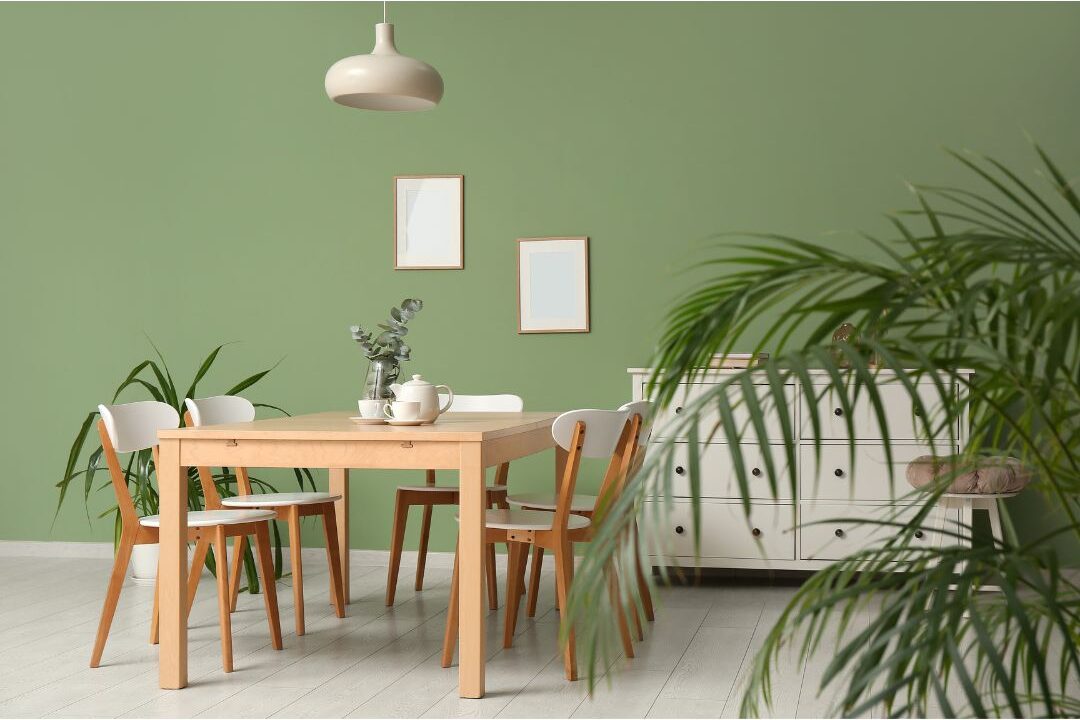
Second, establish clear visual and physical boundaries between your work zones, chore areas, and relaxation spaces. If you work from home or manage family administration, designate a specific desk or table corner strictly for administrative tasks.
When your work session ends, close your laptop, pack away paperwork, and completely clear the surface. Avoid working or handling stressful budgeting tasks in your bed or primary relaxation armchairs.
By keeping your rest zones visually clean and free from work supplies, you allow your brain to relax deeply when you sit down.

Step 3: Designate Fixed “Off-Duty” Windows
Third, schedule at least one unbroken one-hour block during the afternoon or evening where you are completely off-duty from domestic labor. Communicate this boundary clearly to your family, partner, or household members.
During this window, refrain from wiping counters, picking up toys, answering work messages, or managing family schedules. Instead, spend this dedicated time resting, reading, pursuing a personal craft, or engaging in unhurried self-care.
Protecting this daily off-duty window ensures that staying home nurtures your personal spirit rather than endlessly consuming your energy.
Incorporating structured reset routines keeps your evening off-duty windows completely stress-free. Discover The Home Reset Trick That Changed My Entire Week.
Eliminating common domestic distractions protects your dedicated working and resting hours. Read 10 Mistakes That Are Killing Your Productivity at Home.

Reimagining Your Life at Home With Calm Purpose
Ultimately, facing the hard truth about being home all day allows you to strip away romanticized myths and build a life of genuine peace.
Staying home full-time is neither an effortless dream nor a inescapable trap; it is simply a physical space that reflects the boundaries you build within it.
When you refuse to let domestic chores consume your entire identity, your home transforms back into a true sanctuary.
You begin to appreciate the real, quiet luxuries of home life: unhurried cups of tea, control over your immediate environment, and time with loved ones.
Honoring your need for structure, personal space, movement, and rest elevates your daily presence. You show up for your family and your personal goals with renewed emotional abundance, intellectual sharpness, and steady patience.
Give yourself permission to slow down, dismantle unrealistic domestic expectations, and step into a structured, soft lifestyle today. Your home should be the place where you feel most grounded, valued, and genuinely alive.

Streamlining daily chores creates open white space for true rest and personal growth at home. Discover The Systems That Saved Me 10 Hours Every Week.
You May Also Like
Why Successful Moms Don’t Start Their Day With Laundry
45 Daily Habits That Make Life Easier
Stop Doing These 15 Time-Wasting Habits
Why You Never Finish Your To-Do List
The Productivity Rule Every Mom Should Know