

Why You Never Finish Your To-Do List
Every morning begins with high hopes and clear intentions. You open a fresh page in your daily paper planner. You write down every single task that needs your attention today.
By seven o’clock in the evening, your heart sinks. Half of the items on your paper list remain untouched.
You wonder why you never finish your to-do list despite working hard all day long. You feel like you are running an endless race with no visible finish line.

This daily frustration creates constant mental stress and emotional exhaustion. You start believing that you simply lack personal discipline or focus.
However, failing to complete your tasks is rarely a personal failure. In reality, traditional task management systems are deeply and fundamentally flawed.
They demand infinite physical energy from human beings with real physical limits. They treat your daily schedule like a factory assembly line.
When you view your schedule through a soft life lens, everything shifts. Soft productivity is not about pushing harder through complete physical exhaustion.
It is about designing calm, intelligent systems that respect your daily capacity. Reclaiming your peace starts with understanding how your schedule gets overloaded.
Understanding why you never finish your to-do list helps you rebuild your home routines. You can protect your energy while accomplishing what truly matters.

The Hidden Truth About Traditional Productivity Culture
Modern society equates productivity with constant, uninterrupted physical output. We are taught to measure our personal worth by crossed-off check boxes.
This mindset turns your home into an endless workplace. It keeps your nervous system in a state of continuous low-grade panic.
Traditional master lists do not account for unpredictable daily life events. They ignore toddler tantrums, long phone calls, and sudden physical fatigue.
When you treat your day like a rigid factory schedule, disappointment is guaranteed. You end up moving the same unfinished tasks from page to page every night.
This endless rewrite cycle drains your creative motivation and emotional reserves. It leaves you feeling perpetually behind on your responsibilities.
A soft life approach replaces endless lists with realistic daily boundaries. It honors your physical needs and values calm structure over frantic hurry.
When you simplify your daily expectations, your home becomes a restful space again. You learn to manage your energy rather than forcing continuous labor.
Breaking free from productivity shame allows you to build sustainable routines. You can accomplish important work without burning out your physical body.
Uncovering hidden productivity traps transforms your daily momentum. Read our full guide on how to Stop Doing These 15 Time-Wasting Habits.
Mental overload harms your physical energy faster than chores. Discover why Nobody Talks About This Reason Moms Feel Exhausted.

1. You Treat Your To-Do List Like a Wishing Well Instead of an Inventory
The first reason why you never finish your to-do list is treating it like an endless wishing well. You write down everything you wish you could accomplish in an ideal world.
You mix urgent medical appointments with long-term household goals, write down laundry, closet organization, deep cleaning, financial budgeting, and cooking, all for one single Tuesday.
This habit creates an open inventory system. An open system has no capacity boundary and no mathematical limit.
You fill your daily page based on anxiety rather than real available hours. You attempt to cram twenty hours of manual labor into an eight-hour afternoon.
When your list is mathematically impossible from the start, failure is built into your morning. Your brain senses this impossibility and responds with subtle cognitive resistance.
Instead of feeling focused, you feel overwhelmed by the sheer volume of tasks. You jump between different chores without finishing any of them completely.
By mid-afternoon, decision fatigue sets in completely. You retreat to your smartphone because your list feels like a harsh taskmaster.
A closed inventory system operates very differently. It treats your available daily time like a physical suitcase with strict dimensional limits.
You can only pack what actually fits inside the suitcase without forcing the zipper. Everything else must wait patiently in a storage area for another day.
Learning to audit your available hours prevents schedule overloading. It protects your mental health and restores a sense of quiet accomplishment.
The Hustle Trap: Writing down every idea, chore, and errand on your daily page without checking available hours.
The Soft Life Habit: Maintaining an open master brain dump list while limiting your daily actionable list to three core tasks.
Fixing common task structure errors buys back your afternoon. Read about the 10 Mistakes That Are Killing Your Productivity at Home.
Establishing hard operational limits protects your physical well-being. Explore The Productivity Rule Every Mom Should Know.

2. You Ignore Your Natural Energy Cycles and Capacity Limits
The second major reason you struggle is ignoring human energy cycles. Traditional schedules assume human physical strength remains steady throughout the entire day.
In reality, your physical energy and mental focus fluctuate according to natural circadian rhythms. Most people experience an energy peak early in the day.
This peak is followed by a natural afternoon slump around two o’clock. Energy levels may rise slightly in early evening before dropping for night rest.
When you schedule high-focus tasks during your natural slump, everything feels excruciatingly difficult. Writing emails or balancing accounts takes twice as long when your brain is tired.
You fight against your body instead of working with your internal biological rhythms. This constant friction wastes immense amounts of physical stamina.
Capacity limits also change based on sleep quality, hormonal cycles, and personal stress. A day after a restless night requires a much lighter workload.
Ignoring these physical realities leads directly to schedule breakdown. You push through exhaustion, make minor mistakes, and eventually collapse from burnout.
Soft productivity respects the biological wisdom of your physical body. It aligns complex tasks with high-energy hours and low-effort chores with rest periods.
When you honor your natural energy flow, tasks get completed with surprising ease. You protect your physical health while maintaining steady household momentum.
The Hustle Trap: Forcing complex, high-focus tasks during afternoon energy slumps through sheer willpower.
The Soft Life Habit: Mapping high-energy tasks to your morning focus peak and scheduling administrative work during rest periods.
Structuring your morning hours sets a calm tone for the rest of your day. Discover Things Successful Remote Moms Do Before 9 A.M.
Setting clear work boundaries keeps your domestic environment peaceful. Learn How to Work From Home Without Feeling Like You’re Working All Day.

3. You Fail to Distinguish Between Tasks and Projects
The third hidden obstacle on your paper list is confusing single tasks with complex projects. A single task is a simple, indivisible action step.
Examples of single tasks include making a phone call, sending an email, or wiping a counter. These actions require only one quick step and minimal setup time.
A project, however, is any outcome that requires multiple sequential steps. Writing clean garage on a daily checklist is not writing a single task.
Cleaning a garage involves sorting boxes, purchasing storage bins, donating old items, sweeping floors, and organizing tools. It is a multi-step project.
When you place large projects directly on your daily task list, your brain experiences instant task friction. The goal feels far too massive and ill-defined to start.
Because you do not know the immediate next action, your mind postpones the project. You look at clean garage on your paper list and feel instant dread.
You skip over the item and pick up easier micro-tasks instead. At the end of the day, that massive project remains uncrossed and frustrating.
This pattern repeats itself week after week. You carry heavy, undefined projects on your daily paper list like heavy physical stones.
To finish your daily list, you must break large projects down into tiny action steps. Convert clean garage into measure garage wall for shelving.
Small, clear steps eliminate starting friction completely. They make starting feel manageable and help you build easy momentum throughout your day.
The Hustle Trap: Writing massive, multi-step home projects directly onto your daily paper checklist.
The Soft Life Habit: Breaking big projects down into five-minute micro-steps before placing them on your daily schedule.
Replacing complex projects with automated systems saves daily effort. Discover 20 Home Systems That Practically Run Themselves.
Streamlining your domestic workload creates vast amounts of free time. Read about The Systems That Saved Me 10 Hours Every Week.

4. You Suffer From Friction-Heavy Transitions and Lack Landing Zones
The fourth reason why you never finish your to-do list involves transition friction. Transition friction occurs when moving between daily tasks takes too much physical effort.
Imagine deciding to pay household bills online. You sit down at your kitchen table, realize your laptop charger is upstairs in the bedroom, and walk upstairs to fetch the charger. On your way back, you notice misplaced laundry on the stairs and stop to pick up the clothes.
Ten minutes later, you finally return to your computer. You open your browser, but you cannot find your banking password details.
By the time you gather all required materials, your focus is entirely shattered. What should have taken ten minutes consumed forty frustrating minutes.
This hidden transition friction drains your daily schedule. It turns simple household tasks into lengthy, exhausting odysseys.
A lack of physical landing zones makes transition friction far worse. When items lack permanent homes, you waste endless hours searching for tools before starting work.
Soft living removes physical and digital obstacles from your daily pathways. It prepares workspace environments before tasks actually begin.
When your physical tools are gathered and ready, starting a task feels seamless. You move smoothly from one item to the next without losing momentum.
The Hustle Trap: Starting chores spontaneously without gathering necessary tools or establishing clear workspaces beforehand.
The Soft Life Habit: Staging required materials the night before so starting morning tasks requires zero physical effort.
Establishing functional landing zones prevents physical clutter and delay. Read our complete guide on How to Create a House That Stays Organized.
Setting up a clean, dedicated workspace enhances your focus. Explore 23 Small Home Office Ideas for Moms.

5. You Attach Your Self-Worth to Your Daily Output
The fifth and most profound reason you struggle is emotional attachment. Many women tie their personal value directly to productivity output.
You view an uncrossed paper list as a personal character flaw. You feel guilty when taking afternoon rest or stepping away from household chores.
This emotional pressure creates a vicious, exhausting guilt cycle. Because you feel guilty, you add even more items to tomorrow list.
You overload your paper schedule to prove to yourself that you are hard-working. When you inevitably fail to finish, your self-esteem takes another hit.
Moralizing your daily productivity keeps your nervous system in survival mode. You work from a place of fear rather than peaceful alignment.
You treat rest as a reward that must be earned through physical exhaustion. However, human beings require rest as a biological necessity, not a luxury.
When rest is postponed continuously, your body eventually forces a shutdown. You experience sudden fatigue, mental brain fog, and intense emotional irritability.
Soft life philosophy completely detaches personal worth from daily output. Your value as a person remains constant regardless of finished chores.
When you remove emotional guilt from task management, your paper list becomes a simple tool. It serves your life rather than controlling your happiness.
You can leave tasks unfinished at night without feeling personal shame. You close your planner, rest deeply, and wake up refreshed the next morning.
The Hustle Trap: Measuring your personal worth by how many items you cross off your checklist each day.
The Soft Life Habit: Practicing unconditioned rest and treating your paper list as a flexible organizational guide.
Learning to rest without guilt is essential for soft life health. Read our guide on How to Stop Feeling Guilty About Rest.
True soft living begins with a peaceful, non-judgmental mindset. Explore What Does Soft Life Really Mean for Stay-at-Home Moms?

Breakdown: The Mindset Shifts Needed to Master Your Schedule
Transforming your daily relationship with time requires fundamental mindset shifts. Review these core operational changes to understand how soft living restructures your schedule.
Open Wishing Wells to Closed Inventory Systems
- Old Hustle Approach: Writing down endless wishes and chores without checking available physical hours.
- Soft Life Perspective: Treating daily hours like limited physical storage containers.
- Core Operational Change: Select three essential core tasks each day and move extra items to a master backlog file.
Forcing Willpower to Honoring Natural Energy
- Old Hustle Approach: Forcing high-focus computer work during low-energy afternoon slumps.
- Soft Life Perspective: Aligning task intensity with natural daily circadian energy peaks.
- Core Operational Change: Schedule heavy mental tasks for morning hours and save light admin work for late afternoons.
From Vague Projects to Actionable Micro-Steps
- Old Hustle Approach: Placing massive, multi-step goals directly onto daily paper checklists.
- Soft Life Perspective: Removing task starting friction by defining tiny immediate action steps.
- Core Operational Change: Break every project into five-minute action steps before writing them on your daily schedule.
Chaotic Transitions to Prepared Workspaces
- Old Hustle Approach: Jumping between rooms frantically without gathering tools or clearing pathways.
- Soft Life Perspective: Streamlining task transitions through intentional environment staging.
- Core Operational Change: Stage physical tools and digital files the night before to ensure effortless starting.
From Productivity Guilt to Unconditioned Rest
- Old Hustle Approach: Tying personal self-worth directly to the number of completed check boxes.
- Soft Life Perspective: Viewing task lists as helpful guides while treating rest as a non-negotiable right.
- Core Operational Change: Establish a strict evening shut-down routine and step away from unfinished chores gracefully.
Implementing simple weekly reviews keeps your daily focus calm and clear. Read about This One Weekly Habit Eliminated So Much Stress.
A Practical 3-Step Plan to Build a Calm Daily System
Rebuilding your task management system does not require complicated digital tools. You do not need to buy expensive software or complex tracking applications.
You can easily transform your daily routine by implementing three gentle, practical steps starting tomorrow morning.
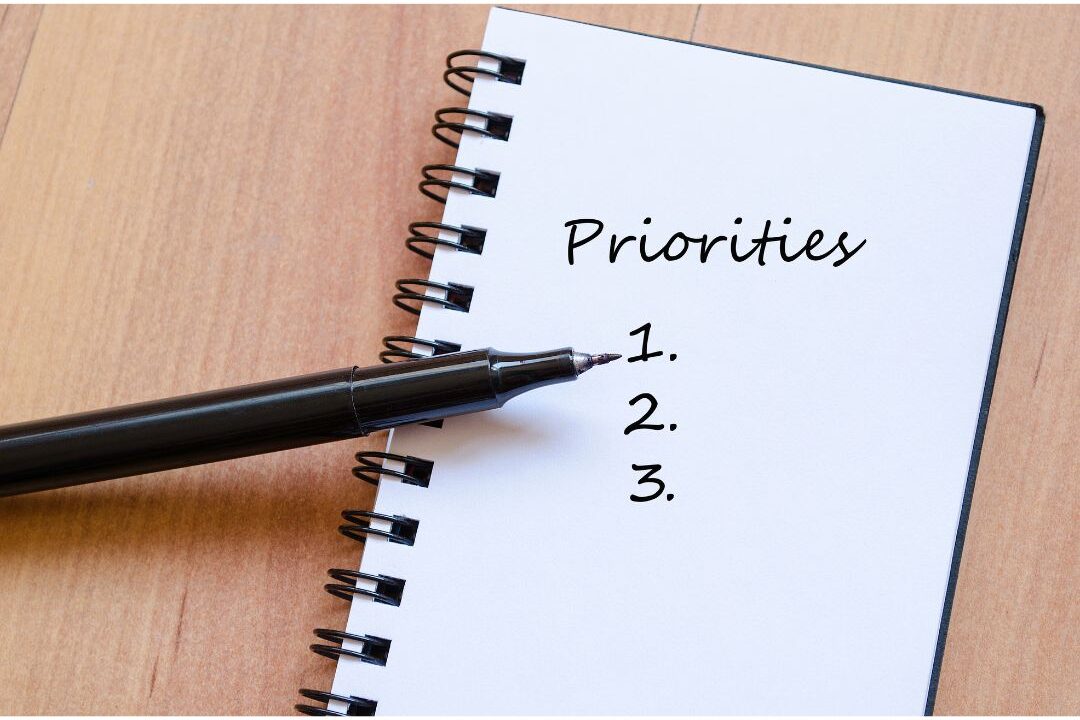
Step 1: Implement the Rule of Three Strategy
Stop writing master task lists directly onto your active daily paper schedule. Instead, adopt the simple Rule of Three strategy.
Every morning, look at your master inventory list. Select only three core priorities that truly require completion today.
These three items represent your non-negotiable anchor tasks. They should be important, achievable, and clearly defined.
Write these three anchor tasks clearly at the top of your paper page. Treat these items as your entire official list for the day.
Anything else you accomplish beyond these three core items is a pleasant bonus. You are not allowed to add extra anchor tasks midway through your afternoon.
This simple boundary creates a sense of completion when your three core tasks are done. It guarantees that you finish your essential work without overworking your body.
Focusing on core priorities early leaves your afternoons open for rest. Learn How to Get More Done at home before Noon.

Step 2: Establish Capacity Anchors and Time-Blocking Windows
Once you select your three core priorities, assign them to specific time-blocking windows during your day.
Do not write tasks on a paper page without giving them designated homes in time. A task without a time block is merely a wish.
Match your hardest priority to your peak energy morning window. Protect this focus window fiercely from digital notifications and household interruptions.
Assign your second priority to your late morning block before lunch preparation begins. Reserve your third priority for early afternoon.
Build generous buffer windows between your scheduled time blocks. Allow thirty minutes between tasks for unexpected delays, phone calls, and water breaks.
Buffer windows absorb natural daily chaos without disrupting your entire schedule. They protect your nervous system from feeling constantly rushed and behind.
Incorporating scheduled resets between time blocks keeps your home peaceful. Discover The Home Reset Trick That Changed My Entire Week.

Step 3: Create an End-of-Day Shutdown Routine and Grace Audit
Establish a consistent evening shutdown routine to end your active workday gracefully. Pick a fixed time, such as five o’clock in the afternoon.
When your shutdown alarm rings, close your computer and lay down your pen. Stop working regardless of what remains uncrossed on your page.
Perform a quick two-minute grace audit. Look at what you accomplished today and celebrate those completed steps warmly.
Take remaining unfinished items and return them safely to your master inventory storage file. Do not leave them lingering on today page.
Clean your physical desk or kitchen table workspace. Stage your tools for tomorrow morning so starting feels inviting and effortless.
Closing your day intentionally creates a firm boundary between effort and rest. It signals to your brain that it is safe to relax completely for the evening.

Reclaiming Your Peace Beyond the Checklist
Your daily life is meant to be lived, enjoyed, and experienced deeply. It is not meant to be managed like an endless corporate project.
When you discover why you never finish your to-do list, you regain control over your schedule. You realize that you were never broken or lazy but simply using a rigid productivity system designed for machines rather than human beings.
You were trying to fit infinite demands into finite daily hours. By adopting gentle soft life systems, you restore calm and order to your living space. You learn to honor your physical energy and respect your personal capacity limits.
You accomplish your essential priorities with quiet, consistent ease. Most importantly, you leave plenty of room for unhurried rest, family connection, and personal joy.
Start small today. Pick one core priority, set a realistic time block, and close your planner with complete grace tonight.






One Comment