

You’re Probably Wasting 3 Hours Every Day Doing These 5 Things
Disclosure: Some of the links in this post are affiliate links. This means if you click on the link and purchase an item, I will receive an affiliate commission at no extra cost to you.
Have you ever reached seven o’clock in the evening feeling completely exhausted? You look around your home and wonder where all your time went. You worked hard all day. Yet, your home still feels chaotic and unfinished.
You are not lazy. You are not failing at home management. In reality, you are probably wasting 3 hours every day on invisible household habits.
These hours do not disappear in large chunks. They leak out in small two-minute increments throughout your afternoon, slip away while you decide what to cook for dinner and disappear when you pick up stray toys for the fifth time today.

When you audit your schedule through a soft life lens, everything changes. Soft living is not about doing nothing. It is about removing friction from your daily environment.
By identifying where your energy leaks, you can reclaim your day. You can protect your personal peace and create room for true rest.

The Hidden Time Drainers in Modern Home Management
Most mothers and home managers believe they suffer from a lack of time. They buy new planners, try waking up earlier, and attempt to move faster through their morning routines.
However, moving faster is rarely the solution to daily exhaustion. The real problem is silent efficiency leaks built into your current routines.
When your home lacks functional systems, your brain works twice as hard. You end up managing clutter instead of enjoying your living space.
Small, repetitive tasks drain your physical and mental stamina. By the time evening arrives, you have zero energy left for yourself.
Identifying these hidden time drainers allows you to step off the hamster wheel. You can transform your daily schedule from reactive survival to quiet management.
Traditional time management advice tells women to hustle harder. It urges you to wake up at five in the morning. It encourages you to multitask while preparing breakfast.
This hustle mindset damages your nervous system over time. It creates constant mental stress and emotional exhaustion.
Soft life productivity takes a completely different path. It focuses on gentle automation and calm boundaries. It helps you design a home environment that works with your natural energy.
When you eliminate invisible time drains, your day opens up naturally. You no longer feel like you are chasing your daily schedule.
Identifying negative daily loops is the first step toward reclaiming your time. Read our guide on how to Stop Doing These 15 Time-Wasting Habits.
Mental clutter drains your energy faster than physical labor. Discover why Things Mentally Strong Moms Do Differently That Others Overlook

1. The Endless Pick-Up Loop and Unstructured Tidying
The first major culprit hiding in your schedule is continuous, unstructured tidying. This happens when you pick up stray items one by one all day long.
You walk into the living room and grab a coffee mug. You take it to the sink. Two minutes later, you spot a pair of shoes in the hallway. You put them away. Ten minutes later, you gather toys from the rug.
This micro-cleaning habit creates an illusion of productivity. You feel like you are working constantly because your hands are always busy.
However, picking up items continuously throughout the day destroys your focus. It forces your brain to switch tasks hundreds of times.
You spend up to seventy minutes every day simply moving clutter from one surface to another. Because there is no structured start or finish, your home never feels fully clean.
When you clean continuously without a clear system, you teach your family that you are the primary clutter manager. Family members leave items on tables because they know you will pick them up shortly.
This habit drains your physical energy and creates unspoken resentment. It keeps your mind focused on minor household details all day long.
Unstructured tidying also prevents you from entering a deep state of mental rest. You cannot relax on the sofa when you are constantly scanning surfaces for misplaced items.
By breaking this endless loop, you give your brain permission to rest between designated reset periods.
The Hustle Trap: Cleaning continuously from morning until night, reacting to clutter as soon as it appears on surfaces.
The Soft Life Habit: Establishing two dedicated ten-minute reset windows per day, leaving surfaces alone in between.
Environmental clutter directly impacts your nervous system. Read more on If Your Home Never Feels Peaceful, These 15 Things Might Be Why.
Batching your cleaning into predictable windows restores order fast. Explore Things Mentally Strong Moms Do Differently That Others Overlook

2. Daily Decision Fatigue Around Meals and Routines
The second major area where you are probably wasting 3 hours every day is decision fatigue. This drain occurs when you make daily choices from scratch.
Consider how much time you spend thinking about dinner. You open the refrigerator door at five o’clock, stare inside for ten minutes, discuss options with your family and search online for quick recipes.
This decision-making process happens every single day. You make identical micro-decisions about meals, outfits, chore schedules, and children’s activities.
Each unmade decision creates mental friction. Your brain wastes valuable energy considering possibilities that could easily be standardized.
When you multiply this friction across every domestic area, you lose up to forty-five minutes daily. You also drain your willpower long before the evening begins.
Executive function is the brain capacity used to make decisions and solve problems. You have a limited supply of executive energy each morning.
When you waste executive energy deciding what to cook or wear, you have less patience for your family later. You feel irritable during evening routines.
Standardizing repetitive daily choices preserves your executive function for important moments. It allows you to navigate your day with calm emotional stability.
Simple templates eliminate the need for endless internal debate. When dinner is predetermined, meal preparation becomes a peaceful, automatic task.
The Hustle Trap: Figuring out meal plans, outfits, and daily chores on the spot every single day.
The Soft Life Habit: Creating fixed weekly meal rotations and standardized daily uniform templates for your home.
Standardizing your weekly decisions creates instant breathing room. Learn about This One Weekly Habit Eliminated So Much Stress.
Clear household boundaries protect your daily willpower. Read our top Simple Household Rules That Eliminate Daily Stress.

3. Micro-Scrolling, Notification Checking, and Task Switching
The third major time leak is digital fragmentation. This happens when you check your smartphone during small domestic transition periods.
You finish putting a load of laundry into the washing machine. Before moving to the next task, you check your phone. You open a social media app for two minutes.
Those two minutes quickly stretch into eight minutes. When you finally put your phone down, your momentum is completely broken.
Your brain requires several minutes to return to your original train of thought. This lag is known as task-switching friction.
Checking notifications between household chores adds over fifty minutes of wasted time to your day. It also keeps your nervous system in a state of continuous low-grade stimulation.
Smartphones are designed to capture your attention through quick dopamine rewards. Every notification pull disrupts your internal sense of peaceful flow.
When you combine household management with digital distraction, tasks take twice as long to finish. A simple fifteen-minute kitchen wipe-down expands into an hour-long ordeal.
This digital noise leaves you feeling scatterbrained and drained. You feel busy all day, yet very little actually gets accomplished.
Creating intentional digital boundaries restores your natural concentration. It allows you to finish tasks quickly so you can enjoy real, uninterrupted rest.
The Hustle Trap: Carrying your phone from room to room, checking messages during every brief task transition.
The Soft Life Habit: Setting designated digital access windows and placing your phone on a charging station during chore times.
Digital noise actively undermines your domestic peace. Discover the 17 Habits That Are Secretly Keeping You Stressed Every Day.
Distracted home management doubles your workload. Read about the 10 Mistakes That Are Killing Your Productivity at Home.

4. Reactive Living and Overcommitting Without Boundaries
The fourth significant time leak is reactive living. This occurs when you manage your day based on incoming requests rather than a structured plan.
You start your morning with a clear plan. Then, a neighbor asks for a quick favor. A relative calls for a long chat. An unexpected errand pops up.
Because you have not established clear daily boundaries, you say yes immediately. You drop your personal priorities to handle everyone else’s emergencies, sometimes spend your afternoon driving back and forth for single errands. You may even run to the grocery store three separate times in one week for missed ingredients.
This reactive loop consumes at least forty minutes every single day. It leaves you feeling like a passenger in your own schedule.
When you live reactively, you constantly operate in crisis mode. Your adrenaline remains elevated as you rush from one task to another.
Overcommitting stems from a desire to please others and keep the peace. However, saying yes to every external request means saying no to your own rest.
Learning to set gentle boundaries is an essential soft life skill. It protects your schedule from unnecessary interruptions and chaos.
When you plan your errands intentionally, you save hours of travel time each week. You regain control over your home environment and personal energy.
The Hustle Trap: Answering every phone call instantly and running unscheduled single errands as demands arise.
The Soft Life Habit: Batching all errands into one weekly window and holding firm boundaries on your personal time.
Reactive scheduling guarantees an unfinished daily task list. Read our insight on Why You Never Finish Your To-Do List.
Protecting your core priorities keeps your schedule manageable. Explore The Productivity Rule Every Mom Should Know.

5. Duplicate Effort and Manual Household Maintenance
The fifth major time drain is duplicate effort. This happens when you perform the same domestic task twice because your original system failed.
Think about how often you re-wash a load of laundry. You washed the clothes yesterday morning. However, you forgot to move them to the dryer. They sat overnight and now smell musty. You must run the entire cycle again.
Consider how much time you spend searching for misplaced items. You look for lost keys, missing shoes, or school permission slips, or re-clean kitchen counters that were wiped with a dirty cloth. You manually search for paper bills that could easily be automated online.
Duplicate effort drains roughly thirty-five minutes from your daily schedule. It is completely preventable when simple household maintenance systems are placed in your home.
Manual household maintenance keeps you trapped in low-value repetitive tasks. When you rely solely on memory, tasks inevitably fall through the cracks.
Forgetting a task creates extra work and unnecessary emotional frustration. You blame yourself for lacking discipline when the system is actually broken.
Automating routine maintenance removes human error from your daily schedule. Simple cues ensure tasks are completed correctly the first time.
When your systems handle routine details, your home runs smoothly. You spend far less time correcting mistakes and re-doing chores.
The Hustle Trap: Re-doing forgotten chores and constantly searching through chaotic piles for lost items.
The Soft Life Habit: Setting up automatic reminder cues and creating dedicated landing zones for every item in your home.
Automated routines eliminate duplicate household work entirely. Discover The Soft Life Checklist I Wish Every Mom Had Before Having Kids
Smart home infrastructure buys back your personal freedom. Read about The Systems That Saved Me 10 Hours Every Week.

A Detailed Breakdown of Your Daily 3-Hour Time Leak
To understand where your afternoon hours go, review this simple breakdown. It highlights how minor daily habits accumulate into massive energy drains over a week.
Unstructured Pick-Up Loops
- Daily Time Wasted: 70 minutes.
- Root Cause: Picking up stray items individually throughout the afternoon without a set schedule.
- Soft Life Solution: Implement two ten-minute basket sweeps per day and leave items untouched between sweeps.
Meal and Routine Decision Fatigue
- Daily Time Wasted: 45 minutes.
- Root Cause: Deciding dinners, outfits, and daily priorities on the spot every single day.
- Soft Life Solution: Establish fixed monthly meal rotations and simplified daily uniform routines.
Micro-Scrolling and Task Switching
- Daily Time Wasted: 50 minutes.
- Root Cause: Checking smartphone notifications during short domestic transitions between chores.
- Soft Life Solution: Place your phone on a fixed charging station during home reset hours.
Reactive Living and Fragmented Errands
- Daily Time Wasted: 40 minutes.
- Root Cause: Running individual errands as demands arise and accepting last-minute favors.
- Soft Life Solution: Batch all outside errands into one designated weekly afternoon block.
Duplicate Effort and Searching for Lost Items
- Daily Time Wasted: 35 minutes.
- Root Cause: Re-washing forgotten laundry, searching for misplaced keys, and re-cleaning surfaces.
- Soft Life Solution: Assign permanent landing zones for essentials and use smartphone reminder cues.
Permanent organization prevents daily searching and stress. Read our complete guide on How to Create a House That Stays Organized.
A Practical 3-Step Plan to Reclaim Your Lost Time
Reclaiming your energy does not require a complete lifestyle overhaul. You do not need to hire expensive professional home organizers.
You can comfortably reclaim your daily hours by implementing three gentle step-by-step shifts over the next week.

Step 1: Conduct a Gentle 48-Hour Time Audit
Before you can fix your energy leaks, you must identify where your time actually goes.
Keep a small notepad on your kitchen counter for two days. Write down what you are doing every time you switch tasks.
Pay special attention to transition periods. Notice how long you spend staring into the pantry or checking your phone.
Do not judge yourself during this audit. Simply observe your habits with curiosity and gentle kindness.
Self-awareness is the foundation of soft life home management. When you see where your hours leak, fixing them becomes simple.
You will likely discover that two or three specific habits consume most of your lost time. Knowing this allows you to focus your energy on high-impact changes.
Understanding your energy peaks changes your productivity. Read How to Get More Done at Home Before Noon.
Step 2: Establish Simple Batching Windows and Reset Routines
Once you identify your main time leaks, replace continuous effort with focused batching windows.
Replace all-day tidying with two ten-minute room resets. Do one reset after lunch and one reset after dinner.
Set a timer for ten minutes during each reset window. Put away as many items as you can before the timer rings.
When the timer stops, walk away from the clutter. Allow remaining items to stay until the next scheduled reset.
Group all your phone calls and administrative tasks into one designated thirty-minute window each afternoon.
Batch all kitchen prep work together. Chop vegetables for three days of meals at once to save daily cleanup time.
Using batching windows creates clear boundaries between working and resting. It trains your brain to focus completely during chore time.
You will finish your household duties in half the time. Most importantly, you will enjoy guilt-free rest between your scheduled reset periods.
Managing small children requires batching and gentle structure. Explore our Productivity Tips for Moms with Young Kids.

Step 3: Implement Automated Household Support Systems
Remove manual effort by setting up simple household automations that run quietly in the background.
Set up recurring grocery delivery orders for your standard weekly household staples like milk, bread, and produce.
Automating basic purchases eliminates last-minute trips to the store. It also keeps your weekly food budget on track.
Use smartphone alarms to remind you to switch laundry loads before you forget them in the machine.
Set a morning alarm for moving washed clothes directly into the dryer. Set an evening alarm for folding dried clothes.
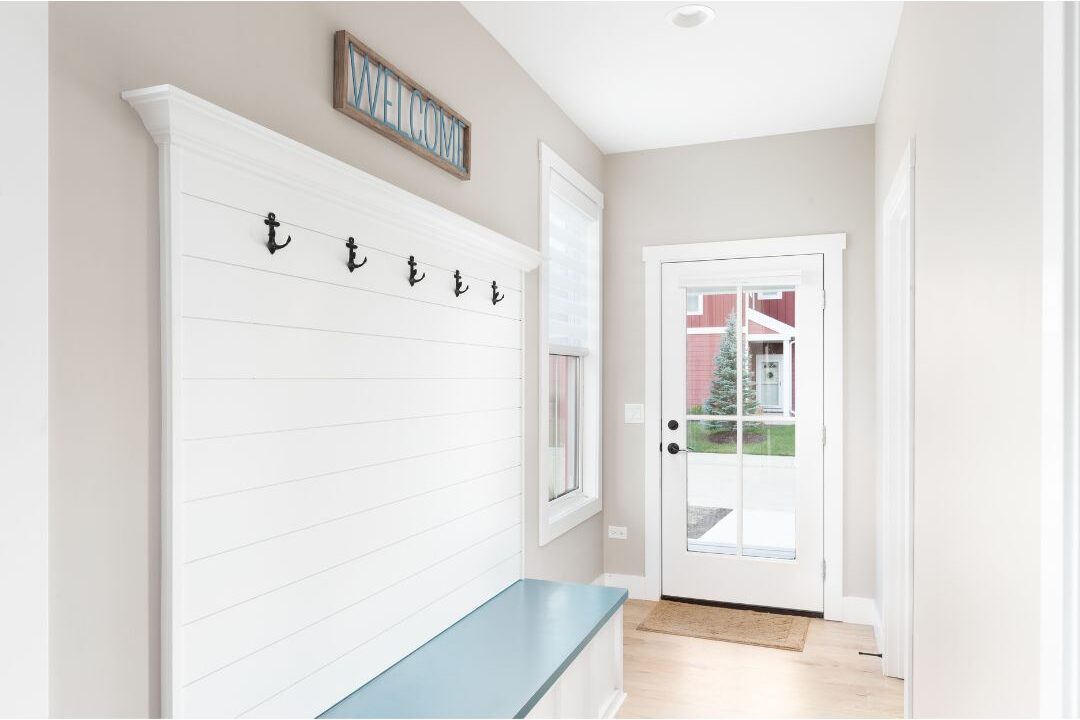
Create permanent drop boxes near your entryway for mail, keys, shoes, and bags to prevent daily searching.
Label each bin clearly so every family member knows where items belong. Simple entry systems prevent hallway clutter from spreading through your home.
Review your automated systems every month. Make small adjustments as your family routines and seasonal needs change.
Over time, these silent support systems handle your home management. You regain mental space for personal projects, hobbies, and family connection.

Reclaiming Your Energy for True Soft Living
Reclaiming your time is not about squeezing more tasks into your day. It is about creating empty space in your life for rest.
When you stop wasting 3 hours every day on invisible friction, your home begins to support you. You stop feeling constantly rushed and overburdened.
You gain time to read a book, enjoy a quiet cup of tea, or simply rest on the couch and show up for your family with patience and calm energy.
True soft living is an intentional choice to reject hustle culture within your own home. It recognizes that your worth is not tied to endless productivity.
Your energy is precious, and your peace matters deeply. You deserve a home that feels like a peaceful sanctuary, not a workplace.
Eliminating time drains is the most loving gift you can give yourself and your family. It restores joy, calm, and clarity to your daily domestic life.
Start small today. Choose one invisible time leak from this list, apply a gentle soft-life fix, and reclaim your daily peace.






6 Comments