

How to Create a House That Stays Organized
Disclosure: Some of the links in this post are affiliate links. This means if you click on the link and purchase an item, I will receive an affiliate commission at no extra cost to you.
Learning how to create a house that stays organized is one of the most transformative gifts you can give your family. Have you ever spent an entire weekend scrubbing, sorting, and arranging your home, only to watch it collapse into complete chaos by Tuesday afternoon?
When this cycle repeats week after week, it feels incredibly discouraging. You might wonder why other people seem to manage their domestic spaces so effortlessly while your home constantly feels cluttered.
However, you must realize that this recurring disorder is not a personal failure. You do not lack discipline, and your family is not inherently messy.
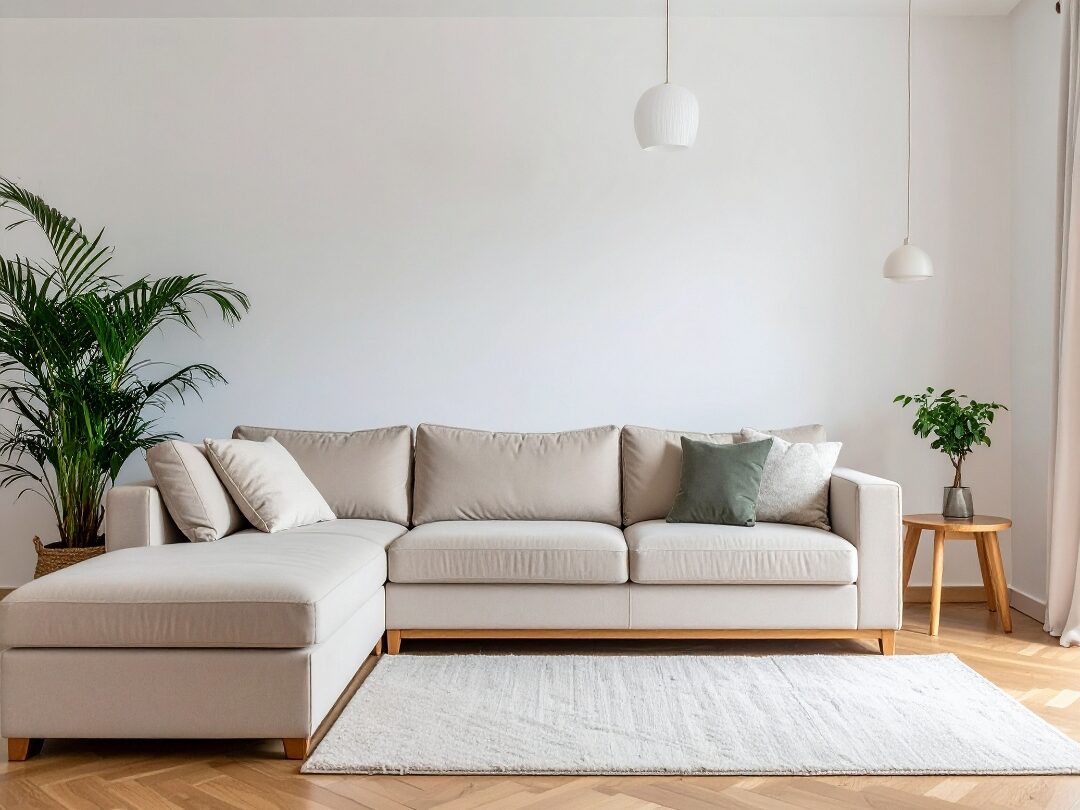
Instead, the real issue is that most traditional cleaning methods rely on temporary visual tidying rather than sustainable operational systems. Tidying simply moves physical objects around until surfaces look momentarily presentable.
On the other hand, authentic organization builds an intuitive environment where putting items away requires significantly less physical effort than leaving them out.
When your living space lacks functional structure, every minor daily task demands heavy mental processing. You spend precious energy searching for missing keys, tripping over shoes, and clearing kitchen counters before cooking dinner.
This friction generates constant background stress that drains your patience and leaves you feeling utterly exhausted.
Transforming your living space does not require buying expensive containers or spending endless hours laboring over closet shelves.
When you shift your focus from cosmetic perfection to daily functionality, maintaining order becomes a calm, natural baseline.
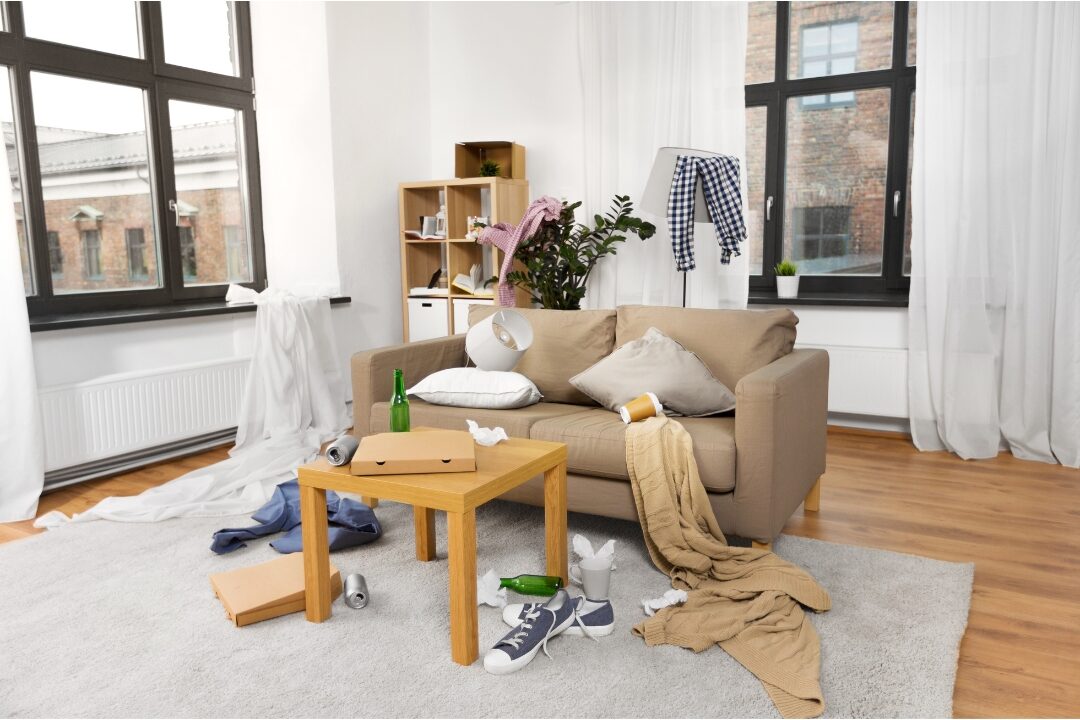
Understanding Why Most Home Organization Attempts Fail
To begin with, standard organizing advice usually encourages us to buy matching plastic bins, decorative boxes, and elaborate color-coded labels.
While these aesthetic storage solutions look gorgeous in glossy magazines, they rarely solve the underlying habits that produce clutter.
In fact, placing beautiful containers into a disorganized space often just conceals unwanted excess rather than eliminating daily friction.
This way, you end up with neatly labeled bins filled with items your family rarely uses or actually needs.
Traditional organization methods often demand too many operational steps for ordinary daily maintenance. If putting away a simple pair of scissors requires unstacking three boxes and opening a tight lid, those scissors will inevitably stay on the counter.
Additionally, when your daily routines require constant high-level decision-making, mental fatigue sets in very quickly. After a long day of managing work and childcare, nobody has the willpower to navigate overly complicated storage arrangements.
As a result, items accumulate on open surfaces, and your home rapidly reverts to its original state of disarray.
Understanding the root causes of daily visual noise helps you break the endless cleaning cycle. Read 25 Reasons Your House Always Feels Messy (Even After Cleaning).

The Essential Decluttering Phase Before Creating Systems
Before you attempt to implement new storage ideas, you must aggressively reduce the sheer volume of belongings in your living areas. You simply cannot organize an excess of items. You can only manage and curate them.
When every cabinet, drawer, and closet is stuffed to full capacity, keeping your home neat becomes an exhausting game of physical Tetris.
This is why purging unnecessary items is the non-negotiable first step toward building a serene home that remains neat.
Start by walking through your main living areas with a clear, objective mindset. Look closely at the items taking up valuable real estate on your counters, tables, and floors.
Ask yourself whether each item serves a genuine daily purpose, brings authentic joy, or fits comfortably within your available cabinet space.
You should focus on removing duplicate tools, expired papers, outgrown clothing, and broken toys that no longer serve your household.
In addition, avoid the common mistake of organizing items while you declutter. Keep the process simple by focusing strictly on removing excess volume before you design new storage solutions.
When you pare down your possessions to what you truly use and love, creating effective routines becomes surprisingly effortless.
Clearing out hidden household clutter quickly frees up valuable cabinet space across your home. Discover 101 Things to Declutter This Weekend.
Designing Low-Friction Put-Away Systems for Daily Life
The most successful household systems are built around human behavior rather than idealistic expectations. If you want your family to put things back where they belong, you must make the put-away process completely effortless.
In the organizing world, this strategy is known as designing for low-friction maintenance.
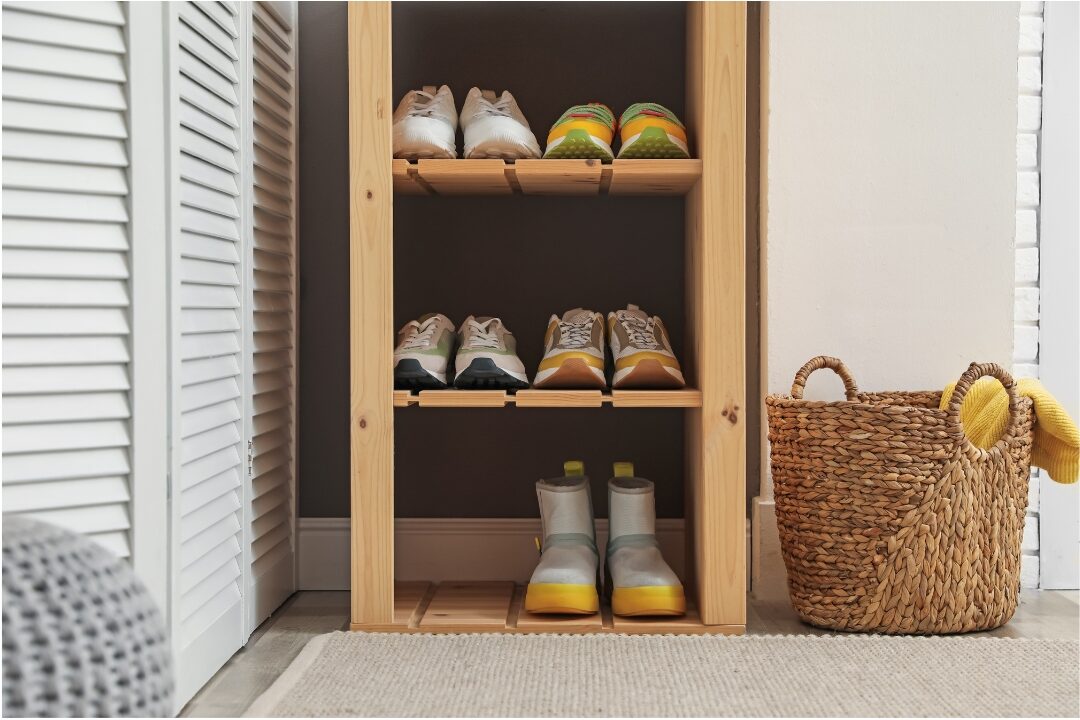
To implement this approach, analyze where clutter naturally accumulates in your living space. If your children always drop their backpacks near the front entrance, do not force them to walk to a upstairs closet.
Instead, you can install sturdy wall hooks right beside the door where their bags land naturally.
Embrace open storage containers like wide basket bins rather than tight drawers or boxes with heavy lids. Open storage allows every family member to toss items into their proper homes using a single, simple motion.
Additionally, follow the one-hand rule whenever you set up daily storage areas. You should be able to retrieve or return any household item using only one hand.
When you eliminate extra physical steps like unlatching lids or unstacking bins, maintaining daily order requires virtually no discipline.
Your family will naturally follow the system because it fits their existing daily movements.
Fixing high-visibility focal points in your living room instantly restores visual calm. Discover The One Shelf That Makes Every House Look Messy.
Establishing Autonomous Household Systems That Run on Autopilot
In addition to physical storage, a house that stays neat relies heavily on structured daily workflows that operate quietly in the background.
Without predictable household routines, maintaining order requires continuous conscious effort that quickly leads to physical and mental burnout.
By establishing structured workflows for laundry, meal preparation, and paper management, you eliminate the daily guess-work of domestic care.
For instance, create a dedicated laundry schedule that spreads washing evenly across the week rather than letting mountains of clothes accumulate for the weekend.
Similarly, set up a simple daily routine for processing incoming mail as soon as it enters your front doorway. Immediately toss junk flyers into the recycling bin, place bill notices in a designated file, and file important documents right away.
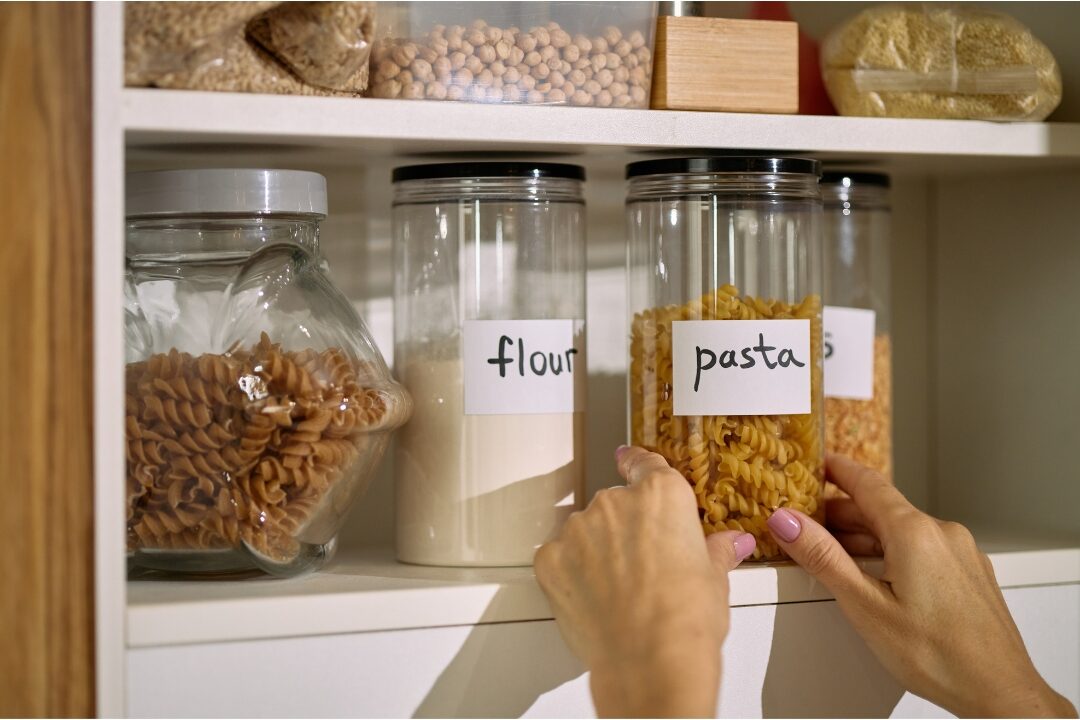
Streamline your meal preparation by keeping a running inventory of core grocery staples in your pantry.
When your daily household tasks follow a predictable rhythm, managing your home becomes a series of automatic habits rather than stressful emergency cleanups.
As a result, your home maintains a steady baseline of order even during exceptionally busy work weeks.
Setting up automated routines frees up hours of physical energy every single week. Read about 20 Home Systems That Practically Run Themselves.
Streamlining daily chores allows you to spend more time enjoying your peaceful home environment. Discover The Systems That Saved Me 10 Hours Every Week.
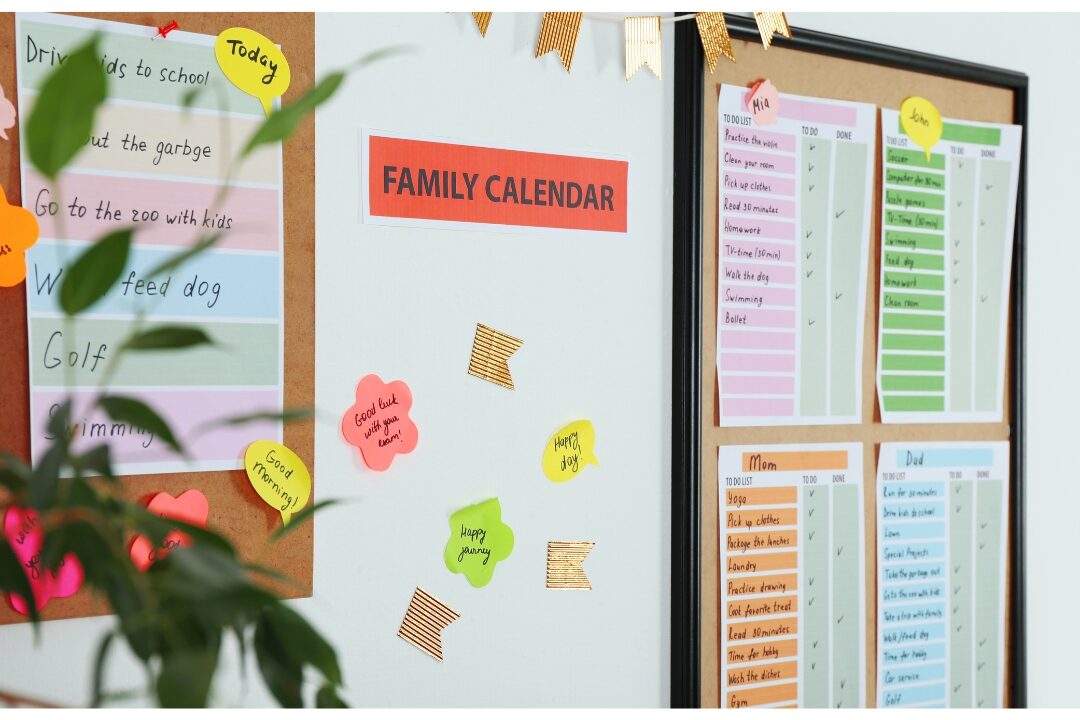
Building a Functional Family Command Center to Catch Daily Chaos
Every active home requires a central landing hub to manage the continuous stream of papers, schedules, and personal belongings.
Without a designated drop point, school permission slips, car keys, and mail inevitably spill across your kitchen counters and dining tables.
Building a central family command center solves this problem by providing a single, predictable destination for active daily items.
Select a accessible, high-traffic location in your home, such as a mudroom wall or a quiet corner near the kitchen island.
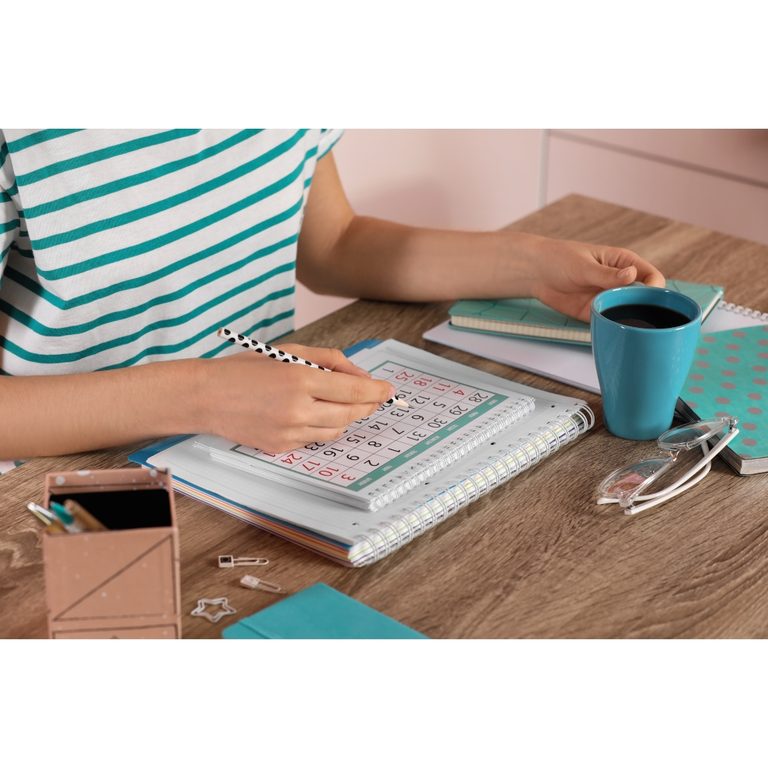
Equip this space with a large family calendar, wall pockets for incoming paperwork, coat hooks, and a small key tray.
Assign an individual file pocket or basket to each family member so their personal items remain organized and easily accessible.
In addition, review the command center calendar every Sunday evening to prepare for upcoming school events, medical appointments, and weekly commitments.
When your whole family knows exactly where to find daily notices and important keys, morning panic becomes a thing of the past.
Implementing this keeps your kitchen counters clear and makes your home feel instantly calmer and more controlled.
Designing a central organizational station prevents important papers and keys from disappearing. Read about The Family Command Center Every Busy Home Needs.
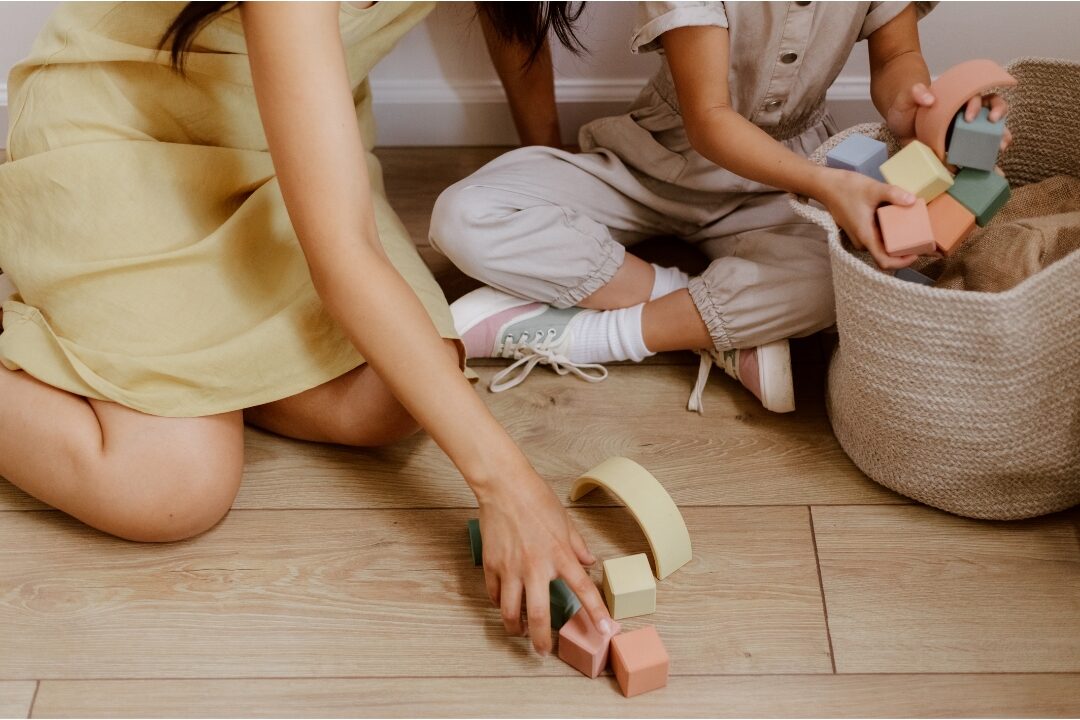
Implementing Simple Household Rules That Keep Family Members Accountable
Maintaining an organized house must never be a solo effort borne entirely by one hardworking parent. If you are the only person putting items away, resentment will build quickly, and the system will eventually collapse.
To build lasting household order, you must establish clear, simple boundaries that involve every family member in daily home care.
Keep your household guidelines short, logical, and exceptionally easy to follow.
For example, institute the touch-it-once rule for daily belongings. When someone returns home, they should place their coat, shoes, and bag directly into their final storage spots rather than setting them on the couch for later.
Similarly, enforce the one-in, one-out rule for toys, books, and clothing items. When a new toy enters the house, an older item must be donated to keep physical clutter from expanding beyond cabinet boundaries.
Set a clear boundary regarding flat surfaces across main living spaces. Establish a shared rule that kitchen tables and nightstands must remain clear of loose clutter at the end of each day.
When you teach your family these gentle operational habits, home maintenance transforms into a shared, cooperative lifestyle.
Establishing clear boundaries with family members creates a peaceful and supportive home atmosphere. Read Simple Household Rules That Eliminate Daily Stress.
Dropping counterproductive cleaning habits saves valuable time while keeping your living space immaculate. Discover why I Stopped Doing These 12 Things—My Home Has Never Been Cleaner
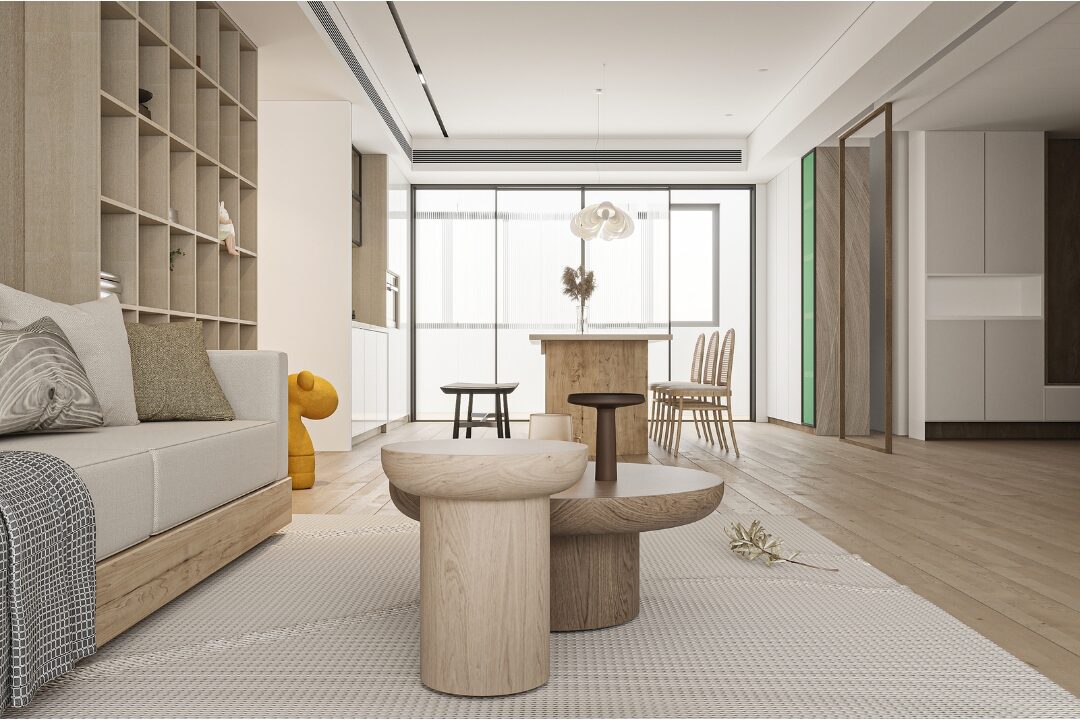
Identifying and Eliminating Visual Micro-Clutter Across Main Rooms
In addition to having physical objects on the floor, visual micro-clutter secretly destroys the peaceful atmosphere of your living areas.
Micro-clutter consists of small, messy distractions that draw your eyes and create subtle feelings of anxiety, even when surfaces are technically wiped clean.
Common culprits include tangled charging cables, excessive refrigerator magnets, mismatched throw pillows, and overcrowded decorative shelves.
To eliminate visual noise, walk through your living room and kitchen with a critical, fresh perspective. Gather loose electronic cords and bundle them neatly behind furniture using simple cable management sleeves.
Clear off the front of your refrigerator, leaving only a few essential items or keeping the surface entirely bare.
Additionally, pare down decorative objects on coffee tables, bookshelves, and bathroom vanities. Choose two or three meaningful decor pieces rather than crowding surfaces with numerous small trinkets.
When you remove unnecessary visual distractions, your rooms instantly feel larger, brighter, and significantly more organized.
As a result, your home promotes deep physical relaxation the moment you step through the front door.
Identifying hidden visual triggers allows you to restore instant order across your living areas. Read about These 10 Things Quietly Make Your House Feel Chaotic.

Mastering the 10-Minute Daily Evening Reset Routine
Keeping a house organized does not require hours of exhausting daily labor. In reality, relying on major weekend cleaning marathons often leads to chaotic conditions during the busy work week.
Instead, adopt a quick, consistent evening reset routine that restores order in just ten to fifteen minutes before bed.
Think of the evening reset as a gift to your future morning self. Set a timer, play your favorite podcast, and move efficiently through a few high-impact tidy tasks.
Start by clearing the kitchen island and running the dishwasher so you wake up to clean counters and fresh coffee mugs.
Next, return stray items from living room floors to their designated storage bins, and fluff couch cushions.
Finally, check your entryway drop zone to ensure bags, shoes, and coats are prepped for the upcoming morning commute.
When you perform this brief reset every single night, small messes never have the chance to snowball into overwhelming weekend projects.
By doing so, you protect your morning peace and maintain a consistently organized home with minimal effort.
Incorporating a quick nightly walk-through protects your morning calm and keeps messes manageable. Discover The Home Reset Trick That Changed My Entire Week.
Small micro-habits practiced consistently throughout the day keep your home running smoothly. Read 45 Daily Habits That Make Life Easier.
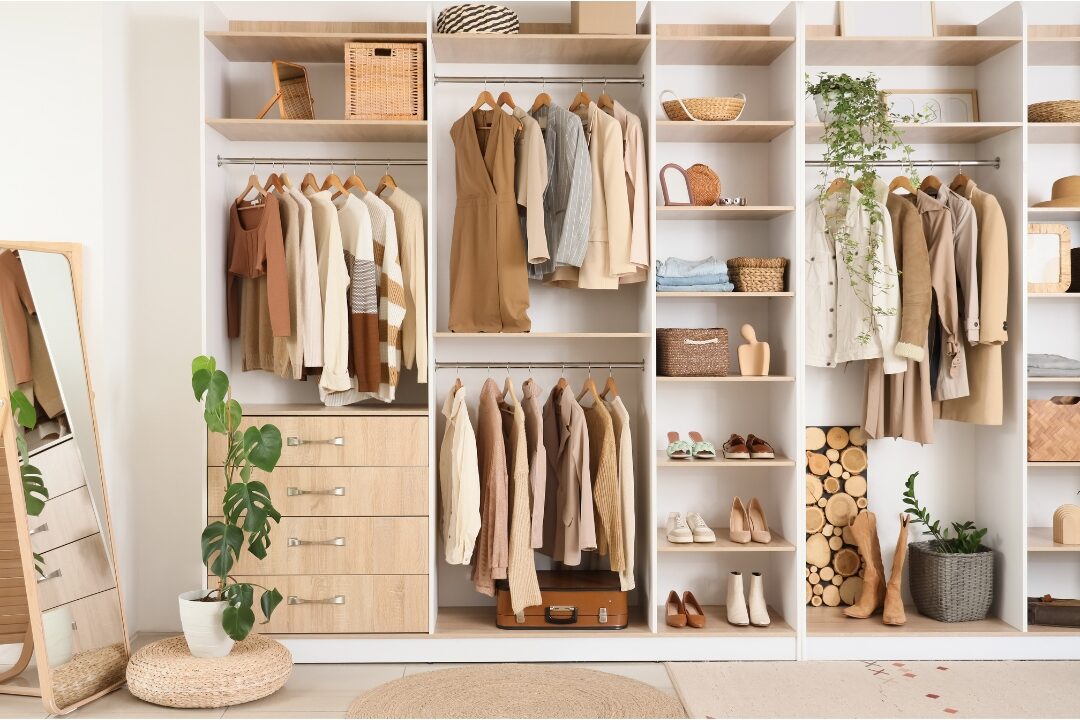
Optimizing High-Traffic Storage Zones for Maximum Daily Efficiency
High-traffic storage zones require thoughtful layout design to handle heavy daily use.
Areas like entryways, linen closets, kitchen pantries, and bathroom vanities quickly become cluttered dumping grounds if they lack internal structure.
By optimizing these critical storage hubs, you make retrieving and storing everyday items completely seamless.
Begin by evaluating your entryway coat closet or mudroom bench. Install clear divider trays for small winter accessories, and place sturdy shoe racks near the floor to keep footwear organized.
In the kitchen pantry, group similar ingredients together using deep, pull-out wire baskets or clear acrylic bins.
Utilize vertical space across closets and cabinets by adding adjustable shelves, over-the-door organizers, and hanging hooks.
Additionally, label shelf edges and storage bins clearly so every member of the family knows exactly where items belong.
When your storage cabinets are well-structured and easy to navigate, maintaining daily organization across your home becomes second nature.
As a result, you save precious time every day because everything has a logical, designated home.
Smart storage enhancements do not require massive renovations to transform your home layout. Discover 70 Budget-Friendly Home Upgrades That Are Actually Worth It.
Keeping closet spaces clean and well-ventilated ensures your home always smells fresh and inviting. Discover Why Your Home Always Smells Bad—and How to Fix It Fast.
Maintaining Emotional Harmony by Shifting from Perfection to Function
As you build new organizational habits, you must cultivate a healthy, realistic mindset regarding domestic care.
A living home is meant to support human activity, personal growth, and family life, not exist as a sterile, motionless museum exhibit.
An organized house will still get messy during active daytime hours when children play, meals are cooked, and projects unfold.
However, the defining characteristic of an organized house is that it can be restored to baseline order in under fifteen minutes.
Therefore, release the exhausting pressure to maintain picture-perfect presentation every single hour of the day.
When unexpected messes occur, view them as evidence of a rich, active life rather than personal domestic failure.
Focus on setting up functional routines that support your family’s real needs rather than copying unrealistic social media standards.
Additionally, celebrate small organizational wins, such as keeping a bathroom vanity clear or streamlining your morning pantry search.
By prioritizing daily functionality over rigid perfectionism, you create a supportive, tranquil environment where your entire family can thrive.
Avoiding common cleaning blunders helps you maintain a pristine home in half the time. Read about 20 Cleaning Mistakes That Actually Make Your House Dirtier.

Sustaining Long-Term House Organization Without Experiencing Burnout
Finally, sustaining a neat and functional home over many years requires periodic adjustments as your family evolves and grows.
Systems that work wonderfully for toddlers will inevitably require updates when children enter school or pursue sports activities.
Therefore, treat your organizational setup as an adaptable, living framework rather than a permanent, rigid structure.
Schedule a brief seasonal review four times a year to evaluate how well your current storage systems are performing.
Check high-impact areas like clothes closets, entryway hook stations, and school paper bins to identify emerging friction points.
Make simple tweaks as needed, such as shifting shelf heights, adding extra hooks, or donating outdated items.
In addition, remind yourself that consistency is far more valuable than short-lived bursts of extreme cleaning effort.
When you maintain gentle daily habits and honor your household routines, your living space remains a sanctuary of peace and comfort.
Ultimately, mastering how to create a house that stays organized empowers you to enjoy a calm, beautifully structured home every day.
Correcting layout and decor choices instantly expands visual space across your main rooms. Discover The Decor Mistakes That Make Homes Look Cluttered.




16 Comments