

The Soft Life Checklist I Wish Every Mom Had Before Having Kids
Disclosure: Some of the links in this post are affiliate links. This means if you click on the link and purchase an item, I will receive an affiliate commission at no extra cost to you.
Motherhood is often portrayed as an endless trial of self-sacrifice, exhaustion, and total burnout. Society continuously tells new mothers that struggling daily is a necessary badge of honor. However, constantly running on empty damages your health and harms your family dynamics severely over time.
Before entering parenthood, many women focus exclusively on buying nursery items, clothes, and baby gear. Yet, true preparation requires building personal systems that protect your energy, sanity, and precious time.
In fact, reviewing the soft life checklist i wish every mom had before having kids transforms how you experience parenting entirely.

A soft life is not about unlimited wealth, designer clothes, or luxury cars. Instead, soft living is an intentional mindset centered on ease, strong boundaries, and low-friction household systems.
Let us explore the ultimate checklist every woman needs to create a peaceful, supported, and joyful motherhood experience.
What Does a “Soft Life” Actually Mean in Motherhood?
Unlearning Martyrdom Culture
For generations, traditional culture praised mothers who sacrificed every personal desire for their households.
Women felt obligated to carry the mental load, manage domestic tasks single-handedly, and ignore personal exhaustion. Consequently, modern mothers often carry deep guilt whenever they request help or take personal breaks.
Unlearning martyrdom culture is the vital first step toward soft living. A healthy mother creates a thriving, peaceful home environment far better than an exhausted mother can.
Therefore, prioritizing your physical and mental well-being is an act of love for your entire family.
Creating Systems of Ease and Support
Soft motherhood relies on deliberate systems rather than sheer willpower and daily hustle. It means setting up automated routines that handle repetitive household chores effortlessly every day.
Furthermore, soft living requires surrounding yourself with supportive adults who contribute actively to your household operations.
When you build strong support structures early, parenting feels manageable and deeply rewarding. You spend less time reacting to daily chaos and more time enjoying your children.
Peaceful systems allow you to show up with patience, joy, and emotional presence.
Defining Maternal Peace Versus Domestic Chaos
Maternal peace is not an accidental luxury that happens by pure luck. It is a deliberate choice to reject chaos, overcommitment, and unnecessary daily pressure.
Living softly means choosing calm over perfection and simplicity over elaborate domestic routines.
When you value peace, you organize your life to protect your nervous system. You build a home that shelters your family from stress rather than generating it.
Discover practical steps to cultivate calm by reading 10 Signs You’re Headed For Mom Burnout.
Eliminate external stressors when you read The Biggest Soft Life Lie Social Media Keeps Telling Moms

Pillar 1: Financial & Household Automation Checklist
Building an Automation-First Household
Managing household bills manually creates unnecessary cognitive clutter during busy early motherhood years.
Automated banking tools eliminate the stress of tracking payment due dates across chaotic months. Set up recurring payments for utility bills, mortgage payments, insurance, and recurring subscriptions.
In addition, schedule automated transfers into dedicated family savings accounts on every payday.
Automating your finances guarantees that essential bills are paid without requiring daily mental energy. You save valuable mental space for caring for your baby and resting.
Setting Up Sustainable Outsourcing Budgets
Outsourcing domestic tasks is not an extravagant luxury reserved strictly for wealthy households.
Instead, strategic outsourcing is a practical health strategy that protects maternal energy effectively. Allocate funds within your monthly budget specifically for household assistance before baby arrives.
For example, hire a deep cleaning service once or twice a month to manage heavy cleaning tasks. Alternatively, pay for wash-and-fold laundry services during stressful postpartum weeks.
Outsourcing heavy domestic chores prevents physical exhaustion and preserves your emotional well-being.
Avoid common financial pitfalls by reading The Hidden Expenses Quietly Destroying Your Budget

Streamlining Meal & Grocery Automation
Grocery shopping with small children can quickly turn into a chaotic and exhausting errand. Subscribing to grocery delivery services saves hours of physical effort every single week.
Build saved digital grocery lists containing your family’s essential weekly produce, snacks, and pantry staples.
Furthermore, establish a simple rotation of five easy dinner recipes for busy weekdays. Reducing decision fatigue around evening meals preserves your energy for quality family time.
Simple dinner prep guarantees nutritious meals without creating kitchen chaos late at night.
Standardizing Household Reordering Systems
Running out of essential household supplies creates sudden mini-emergencies that ruin peaceful days.
Set up automatic subscription deliveries for items like toilet paper, diapers, wipes, and laundry detergent. Having household staples arrive on a fixed schedule eliminates last-minute late-night trips to stores.
Standardized supplies keep your home running smoothly in the background at all times. You never have to worry about missing core necessities during busy weeks.
Learn budget-friendly strategies by reading Things Poor Families Buy That Wealthy Families Skip

Pillar 2: Mental & Emotional Boundaries Checklist
Reclaiming Your Identity Outside of Parenting
Many women experience deep identity loss after becoming mothers because parenting consumes all available time.
Protecting your personal hobbies, career ambitions, and creative interests is essential for long-term mental health. Before having kids, list three non-parenting activities that bring you genuine fulfillment and joy.
Commit to scheduling these activities regularly regardless of daily family responsibilities.
Maintaining your personal identity ensures you stay grounded, fulfilled, and emotionally resilient. You remain a complete, vibrant individual alongside your role as a mother.
Saying No Without Explanation or Guilt
Boundary setting is a critical skill for protecting your household peace during motherhood. Friends, family members, and community organizations will frequently ask for your time and energy.
Learning to decline invitations politely without giving elaborate excuses preserves your domestic energy.
A simple, polite refusal protects your family schedule from becoming overcrowded and chaotic. Protect your rest days as fiercely as you protect important professional appointments.
Saying no to external pressure means saying yes to your family peace.
Establishing Firm Off-Duty Hours Every Evening
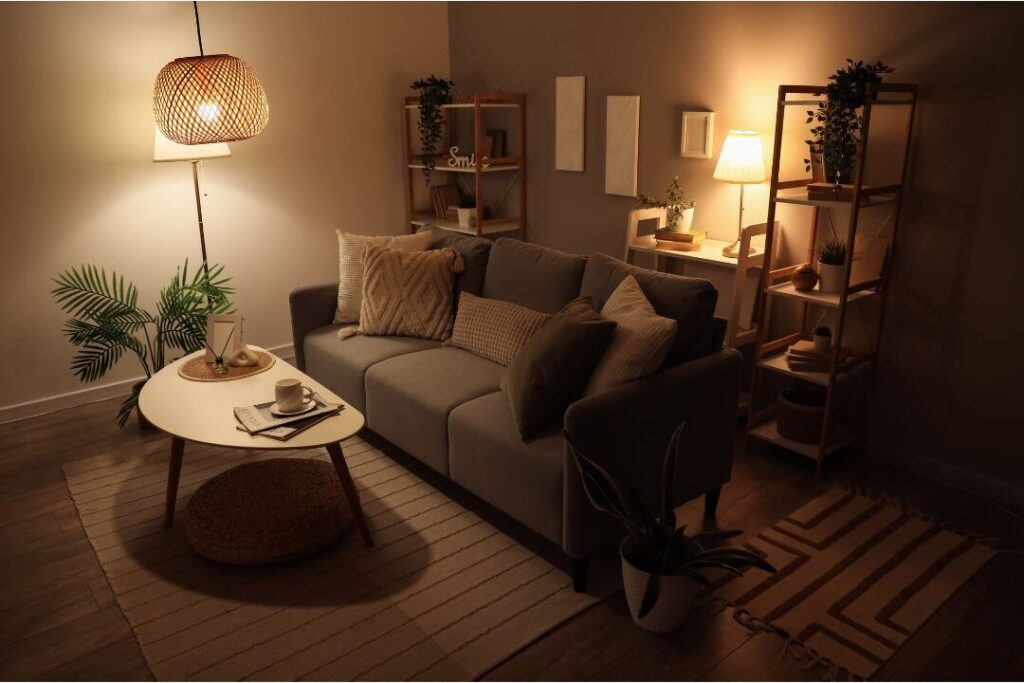
Motherhood should never feel like a twenty-four hour uninterrupted work shift without rest. Establish clear off-duty hours every evening where household labor officially ends for the night.
Communicate with your partner to split evening childcare duties evenly so both parents rest fully.
Use your off-duty hours to read, enjoy warm baths, or connect with close friends. Setting clear time boundaries prevents chronic fatigue and maintains emotional balance long term.
Managing Mental Load and Cognitive Fatigue
The mental load consists of all the invisible planning, scheduling, and remembering mothers do daily.
Managing this cognitive burden alone leads directly to severe mental exhaustion and emotional resentment. Use shared digital calendars and family task management apps to delegate tasks clearly.
Documenting household tasks visually ensures both partners share the responsibility of running the home. Unloading mental clutter brings deep psychological relief and clarity into your daily routine.
Identify and handle stress factors by reading You’re Probably Ignoring These Signs Your Body Needs Rest
Simplify your routines by reading these 21 Things Stay- At- Home Moms Need To Hear

Pillar 3: Physical & Environmental Rest Checklist
Designing a Sanctuary Bedroom for Deep Rest
Your bedroom should serve as a peaceful retreat from daily domestic responsibilities and chaos. Remove laundry baskets, work paperwork, and excess clutter from your sleep environment completely.
Invest in high-quality blackout curtains, comfortable mattress toppers, and breathable cotton linens for rest.
A serene bedroom promotes restorative sleep even when your sleeping hours are brief during infancy.
Prioritizing room environment quality transforms your bedroom into a true haven of physical recovery. Waking up in a clean, restful space uplifts your mood immediately.
Eliminating Physical Friction and Clutter
Excess household possessions create continuous visual noise and demand constant maintenance and cleaning effort.
Declutter your living spaces thoroughly before bringing a new child into your home environment. Keep flat surfaces clear of unnecessary trinkets to make daily dusting fast and effortless.
Adopt intuitive storage solutions like open baskets for toys and designated entryway hooks for bags. Less physical clutter translates directly to lower daily stress and faster cleaning routines.
A streamlined home supports a quiet, peaceful mind every day.
Keep spaces tidy effortlessly using these tips on How To Create A House That Stays Organized

Non-Negotiable Daily Self-Care Rituals
Self-care is often misunderstood as expensive spa days or luxury shopping trips exclusively. However, true self-care consists of basic, consistent daily habits that restore your physical energy.
Drink adequate water, eat nourishing meals, and step outside for fresh sunlight every single day.
In addition, maintain a simple morning skincare routine that makes you feel refreshed and polished.
These small micro-habits anchor your day and keep your spirit grounded through busy parenting. Consistent self-care guarantees you never lose touch with your personal physical needs.
Creating Comfort Zones Across Primary Living Areas
In addition to your bedroom, design small cozy corners in your main living spaces. Set up a comfortable armchair with a soft blanket, reading lamp, and side table.
Having dedicated spots for relaxation encourages you to sit down and rest during small breaks.
Surrounding yourself with comfort reminds you to slow down whenever quiet moments arise. These small sanctuaries make daily home life feel deeply luxurious and soothing.
Elevate your environment with 101 Things to Declutter This Weekend

Pillar 4: Relationship & Village Dynamics Checklist
Defining Explicit Partner Roles and Expectations
Resentment often builds in relationships when household and childcare responsibilities fall unequally on one partner.
Have explicit, detailed conversations about parental duties well before having children in your home. Divide daily tasks clearly, including night feedings, diaper changes, meal preparation, and household cleaning.
Review these division plans regularly and adjust responsibilities as your child grows and needs change.
Clear partner communication transforms domestic work into a collaborative, supportive team effort. Working as equal partners creates a loving, harmonious home atmosphere for everyone.
Vetting and Cultivating Your Support Network
The phrase “it takes a village to raise a child” remains completely true today. However, a supportive village rarely materializes automatically without proactive effort on your part.
Intentionally cultivate relationships with trusted friends, relatives, and fellow parents who offer practical support.
Identify people who can assist during unexpected emergencies or provide reliable babysitting when needed.
Building a strong support network early prevents isolation and emotional burnout during parenting. A trusted support system gives you peace of mind whenever you need personal time.

Protecting Your Peace from Toxic Family Opinions
Well-meaning relatives and acquaintances frequently offer unsolicited advice on parenting, sleeping, and feeding choices.
Receiving constant conflicting opinions creates self-doubt and emotional friction for new mothers trying their best. Practice polite, firm phrases to shut down unwanted advice without starting arguments or drama.
A response like “Thank you, but we are following our pediatrician’s guidance” works wonderfully. Protecting your mental peace keeps your confidence strong and your home atmosphere calm.
Stand firm in your personal parenting choices without seeking external approval.
Establishing Clear Household Guest Policies
Having visitors immediately after childbirth can cause immense stress and physical exhaustion for new mothers.
Establish clear household guest policies well before your baby arrives in the world. Decide who will visit, how long visits will last, and what tasks guests can do.
Communicate these boundaries clearly so family members know what to expect in advance. Protecting your early postpartum recovery guarantees a peaceful bonding experience with your child.
Ensure financial alignment with your partner learning these Money Habits That Keep Families Broke.
Avoid household financial strain by studying The Surprisingly Simple Habit That Saved Our Family Budget

Pillar 5: Daily Schedule & Time Management Checklist
The Art of Slow Mornings and Gentle Transitions
Rushing through morning routines creates instant anxiety that lingers throughout the entire day for everyone.
Structure your schedule so you wake up slightly before your children whenever possible every morning. Use those uninterrupted minutes to stretch, drink water, and review your daily priorities calmly.
In addition, build buffer time between daily activities so unexpected delays do not cause panic. Gentle transitions create a relaxed home environment where children and parents thrive together.
Starting the morning peacefully helps you navigate unexpected daily challenges with grace.
Batching Chores to Protect Free Evenings
Attempting to clean continuously throughout the day leads to severe domestic exhaustion and frustration over time.
Instead, group similar chores into dedicated, timed blocks during specific days of the week. For example, batch all laundry tasks into one single morning session rather than washing daily.
Batching chores leaves your evenings completely open for rest, entertainment, and partner connection time.
You maintain a clean home without feeling like you are constantly working on chores. Protecting free evenings preserves your physical energy for long-term health.

Leaving Buffer Time in Daily Calendars
Over-scheduling daily calendars is a major source of unnecessary stress for modern families everywhere.
Trying to attend multiple activities, run errands, and host guests in one day causes exhaustion. Intentionally leave open, unscheduled blocks of time in your weekly calendar for spontaneous rest.
Having unstructured hours gives your family room to relax, play, and recover naturally from work. Protecting open calendar space is essential for maintaining a soft, low-stress family life.
Structuring Uninterrupted Quiet Time Hours
In addition to night routines, establish a daily quiet hour for your household every afternoon. Use this period for reading, independent play, or quiet rest across the entire home.
Even as children grow out of naps, maintaining quiet hours provides essential downtime for everyone.
Quiet afternoons break up long days and give parents a predictable window to recharge. This structured rest keeps the emotional tone of your home calm and balanced.

How to Transition into Soft Motherhood If You Already Have Kids
Auditing Your Current Daily Friction Points
If you are already a mother feeling burnt out, you can still transition into soft living. Start by identifying the specific moments during your day that cause the most frustration and fatigue.
Is morning prep chaotic? Are family dinners stressful? Is bedtime an endless nightly struggle?
Pinpointing your primary friction points allows you to design targeted systems that solve them directly.
Small, strategic adjustments to problematic routines restore daily calm very quickly across your household. You can reclaim your peace step by step, starting with your hardest routine.
Releasing Unnecessary Domestic Standards
Many mothers carry impossible standards regarding home cleanliness, gourmet meal preparation, and structured children’s activities.
Recognize that perfection is neither required nor beneficial for raising happy, healthy children long term. Lower your domestic expectations in non-essential areas to free up precious time and energy.
Serving simple meals and accepting minor clutter allows you to focus on emotional connection instead. Releasing perfectionism is the ultimate key to unlocking peace in your daily family life.
Gradual Implementation for Immediate Relief
Do not try to overhaul your entire household operating system overnight in one massive push. Rapid changes can feel overwhelming for both parents and children unused to new routines.
Instead, pick one specific checklist item to focus on each week until it becomes natural.
Slow, steady progress builds sustainable habits that last for years without causing extra stress. Celebrating small wins builds momentum as your home transforms into a peaceful sanctuary.

Reclaiming Peace and Ease as Your Standard
Taking Your First Action Step Today
Building a soft life is an ongoing journey of mindful choices rather than an overnight transformation.
Select one single item from this checklist to implement during your routine this upcoming week. Automate one bill, set one firm boundary, or decline one non-essential obligation today.
Small, consistent actions compound into a peaceful, supported lifestyle that serves your whole family wonderfully. You deserve a motherhood experience filled with ease, joy, and deep emotional rest.
Final Thoughts on Domestic Well-Being
The soft life checklist i wish every mom had before having kids is ultimately a blueprint for self-respect.
Protecting your well-being equips you to love and guide your children with patience and genuine joy. Step away from hustle culture and embrace the calm, beautiful life you deserve every day.
Creating a peaceful home environment is the greatest gift you can offer yourself and your children. Enjoy the journey of building a soft, supported, and deeply fulfilling life as a mother.






2 Comments