

21 Things Stay-at-Home Moms Need to Hear
Disclosure: Some of the links in this post are affiliate links. This means if you click on the link and purchase an item, I will receive an affiliate commission at no extra cost to you.
Understanding the things stay at home moms need to hear is essential for releasing invisible guilt and reclaiming your daily peace.
In fact, raising children and managing a household full-time is one of the most demanding jobs in the world. However, because domestic labor happens behind closed doors, society frequently undervalues the immense mental and physical effort required.
Consequently, many mothers quietly wrestle with feelings of inadequacy, isolation, and persistent fatigue. You may wonder if your daily contributions truly matter when your routine feels repetitive and messy.
In addition, navigating modern motherhood without a supportive blueprint often leads to burnout and self-doubt. Furthermore, learning to give yourself grace allows you to show up with warmth, patience, and emotional presence.
Ultimately, internalizing the things stay at home moms need to hear empowers you to embrace soft living and cultivate deep domestic joy.

The Invisible Weight of Domestic Life
In reality, staying home with your children requires continuous decision-making and emotional energy. Most people only notice household work when it remains undone.
However, keeping a home functioning smoothly requires hundreds of unseen administrative tasks every single day. For example, you anticipate family needs, manage schedules, prepare meals, and maintain emotional stability for everyone.
Consequently, feeling exhausted at the end of the day is completely normal and entirely justified. When you stop downplaying your efforts, you begin to treat yourself with gentle kindness.
In addition, recognizing the value of your domestic role protects your mental health during hard seasons. You build a home environment that supports both your family and your personal well-being.
As a result, your home becomes a true sanctuary rather than a source of continuous pressure.
Reclaiming your daily schedule begins with understanding how soft living applies to motherhood. Discover What Does Soft Life Really Mean for Stay-at-Home Moms?
Establishing functional home systems reduces mental fatigue and protects your evening energy. Read Simple Household Rules That Eliminate Daily Stress.

1. Your Worth Is Not Tied to Your Daily Productivity
To begin with, your human value does not depend on how many chores you complete before noon. In fact, defining your self-worth by clean counters and folded laundry creates endless anxiety.
Consequently, when toddler meltdowns or sudden illness ruin your plans, you feel like a failure. Instead, remind yourself that caring for human beings is an unpredictable, organic process.
Some days success simply means keeping everyone fed, safe, and loved until bedtime.
2. Invisible Labor Is Real Labor
In addition, managing a household involves massive cognitive effort that others rarely see or quantify. For instance, remembering medical appointments, tracking pantry inventory, and managing emotional meltdowns drains your battery.
Because this work leaves no physical paper trail, you might feel like you accomplished nothing. However, this invisible coordination holds your entire family structure together every day.
Therefore, acknowledge your emotional labor as vital, valuable work that deserves deep respect.

Identifying hidden mental drains helps you release unnecessary pressure across your daily routine. Discover 17 Habits That Are Secretly Keeping You Stressed Every Day.
3. Resting Is a Basic Human Necessity, Not a Reward
Furthermore, resting during the day is not something you must earn by working to exhaustion. In fact, taking short breaks prevents emotional burnout and keeps your nervous system calm.
When you refuse to rest, your patience wears thin and small issues trigger angry reactions. Instead, sit down for fifteen minutes during nap time without feeling guilty.
By prioritizing rest, you replenish the patience required to parent with warmth and clarity.

4. You Are Allowed to Miss Parts of Your Old Life
Similarly, grieving your pre-kid independence does not mean you do not love your children dearly. For example, missing spontaneous outings, career milestones, or quiet afternoons is completely normal.
However, many mothers feel ashamed for admitting that full-time caregiving feels restrictive at times. Acknowledging your mixed emotions allows you to process change without carrying secret guilt.
Consequently, you make peace with your current season while honoring your personal evolution.

Incorporating simple personal rituals brings quiet elegance and joy back into your weekly schedule. Read Luxury Habits Anyone Can Afford.
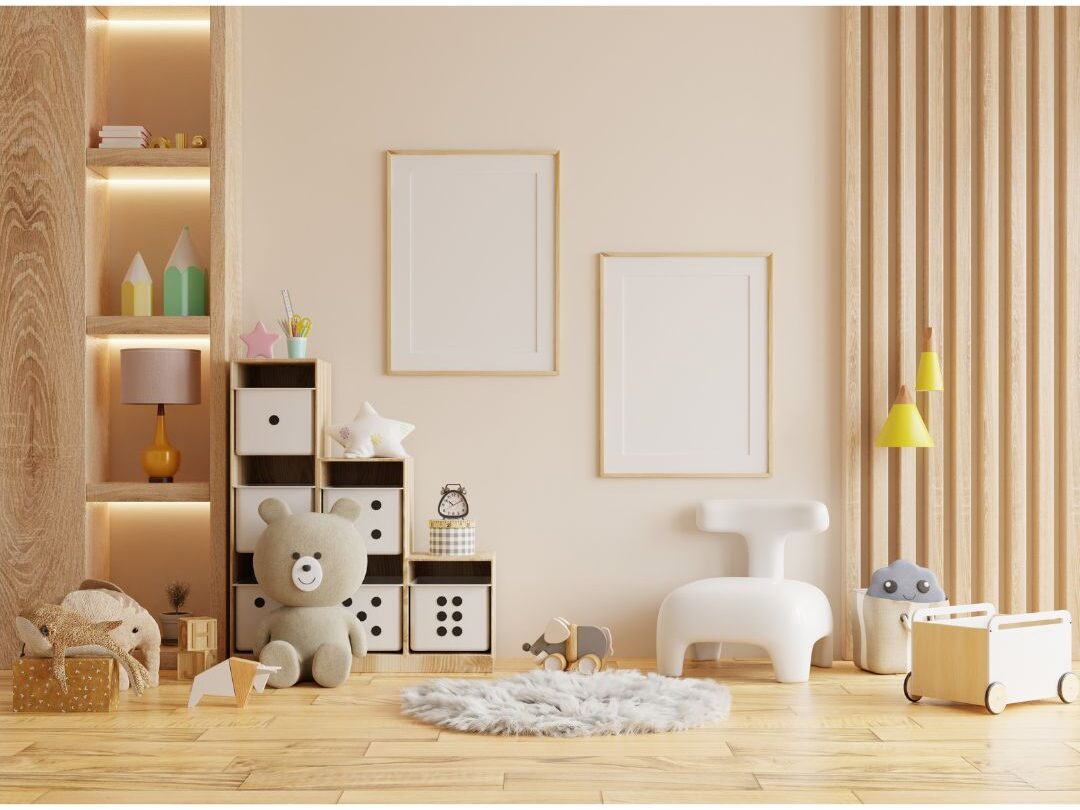
5. A Messy House Does Not Mean You Are Failing
Additionally, living spaces occupied by young children are meant to show signs of daily life. In fact, pristine, spotless homes are virtually impossible to maintain when children play freely inside.
When you view toys on the floor as signs of creativity rather than failure, your stress drops. Instead of obsessing over perfection, aim for functional order that allows your family to thrive.
Focus on keeping key surfaces clean while accepting minor daily clutter without panic.
6. Asking for Help Is a Sign of Wisdom, Not Weakness
Moreover, trying to handle every domestic task completely alone leads directly to resentment and burnout. In reality, humans were never meant to raise children in complete social isolation.
Asking your partner, family, or friends for assistance demonstrates strength and clear self-awareness. For example, trade childcare hours with a trusted neighbor to gain quiet personal time.
Sharing the load ensures that your home functions smoothly without destroying your emotional health.

Structural organizing systems allow your family to reset room messes quickly every evening. Discover How to Create a House That Stays Organized.
7. Pouring Into Yourself Makes You a Better Mother
In addition, treating your personal needs as an afterthought harms your long-term parenting capacity. When your emotional tank is empty, giving patience, kindness, and joyful energy becomes impossible.
Therefore, prioritize small daily activities that restore your spirit and revive your personal interests. For example, read a chapter of a book, paint, or take an unhurried morning walk.
When you feel fulfilled as an individual, your family benefits from your emotional abundance.

8. You Do Not Have to Enjoy Every Single Moment
Furthermore, loving your children deeply does not require enjoying mundane parenting tasks like changing diapers. For instance, dealing with public tantrums, scrubbing high chairs, and wiping floors can feel draining.
It is completely fine to find repetitive domestic chores tedious and mentally unstimulating. Releasing the pressure to cherish every hard moment allows you to remain authentic and grounded.
Focus your appreciation on core emotional connections rather than repetitive household chores.

Streamlining daily tasks frees up energy for joyful interactions with your children. Read Productivity Tips for Moms with Young Kids.
9. Social Media Comparison Steals Your Natural Joy
Similarly, comparing your real home to curated online videos generates artificial feelings of inadequacy. In reality, social media highlights are carefully edited and rarely show real domestic friction.
When you view spotless homes online, remember that you are seeing a staged moment. Instead of chasing external validation, focus on building a peaceful home that serves your unique family.
Unfollow accounts that make you feel discontented with your daily life and budget.

10. Your Children Need a Happy Mom, Not a Perfect Mom
Additionally, striving for maternal perfection sets an impossible standard for both you and your kids. Children learn how to navigate stress, mistakes, and emotions by observing your daily choices.
When you apologize after losing your temper, you teach your children valuable emotional repair skills. Showing your human side creates an authentic environment where your children feel safe making mistakes.
Ultimately, emotional warmth and presence matter far more than flawless domestic execution.

Simplifying your visual surroundings reduces sensory overload for both you and your children. Read The Decor Mistakes That Make Homes Look Cluttered.
11. Financial Dependency Does Not Lower Your Value
Furthermore, contributing unpaid labor to your household does not make you a passive partner. In fact, providing full-time childcare and home management saves your family massive operational expenses.
Your domestic work allows your partner to focus on career growth with complete peace of mind. Therefore, view your family finances as a shared resource built through equal partnership and effort.
Stand confident in the immense economic and emotional value you bring to your home.

12. Feeling Lonely at Home Is Completely Normal
In addition, spending all day communicating with toddlers can feel surprisingly isolating for adults. You may crave mature intellectual conversations, professional feedback, or quiet adult companionship during long afternoons.
Acknowledging maternal loneliness helps you take proactive steps to connect with supportive communities. For example, join local playgroups, attend library story hours, or schedule regular phone calls with friends.
Building adult connections breaks daytime monotony and revitalizes your emotional health.

Short daily routines prevent evening chaos and restore calm to your home environment. Discover The Home Reset Trick That Changed My Entire Week.
13. Setting Boundaries with Kids Protects Your Sanity
Moreover, teaching your children to respect your physical space and quiet time is essential parenting. For instance, establishing quiet independent play hours teaches kids creativity while giving you needed breaks.
You do not need to entertain your children constantly every minute of the day. Setting clear boundaries prevents parental exhaustion and fosters healthy independence in your growing children.
Consequently, your kids learn self-reliance while you protect your essential daily mental energy.

14. Small Daily Habits Create Massive Long-Term Peace
Similarly, trying to transform your entire home routine at once leads to fast frustration. Instead, focus on building small, consistent daily systems that run almost automatically over time.
For example, clearing the kitchen sink every evening creates a welcoming morning environment for coffee. Small micro-habits compound over weeks, creating a serene household that operates without ongoing chaos.
Consistent daily systems protect your nervous system from overwhelming clutter and sudden chores.
Automating routine household tasks frees up valuable mental space during busy weekdays. Read about 20 Home Systems That Practically Run Themselves.
15. You Are Building a Home Culture, Not Just Cleaning Rooms
Additionally, your daily presence establishes the emotional atmosphere and character of your household. In fact, the way you speak, organize, and show love shapes your children’s core memories.
Cleaning counters and folding clothes are simply physical tools that support a loving family life. When you view domestic work as crafting a safe sanctuary, mundane tasks gain deeper meaning.
You are cultivating a warm environment where your family feels secure, accepted, and cherished.

16. Your Partner Cannot Read Your Mind About Your Needs
Furthermore, expecting your partner to automatically notice your exhaustion leads to unnecessary resentment. Because domestic work is fast-moving, your partner may not realize when you need immediate support.
Communicate your daily needs clearly and directly without assuming negative intent from your spouse. For example, specify exact tasks like taking over bedtime routines so you can rest.
Clear communication prevents misunderstandings and fosters a supportive domestic partnership.

Creating purposeful morning structures prepares you for a focused, peaceful day. Discover Things Successful Remote Moms Do Before 9 A.M.
17. Saying No to Extra Commitments Protects Family Calm
Moreover, overcommitting to volunteer groups, neighborhood events, and extra projects causes unnecessary home stress. In reality, keeping your schedule light preserves open time for rest and spontaneous family play.
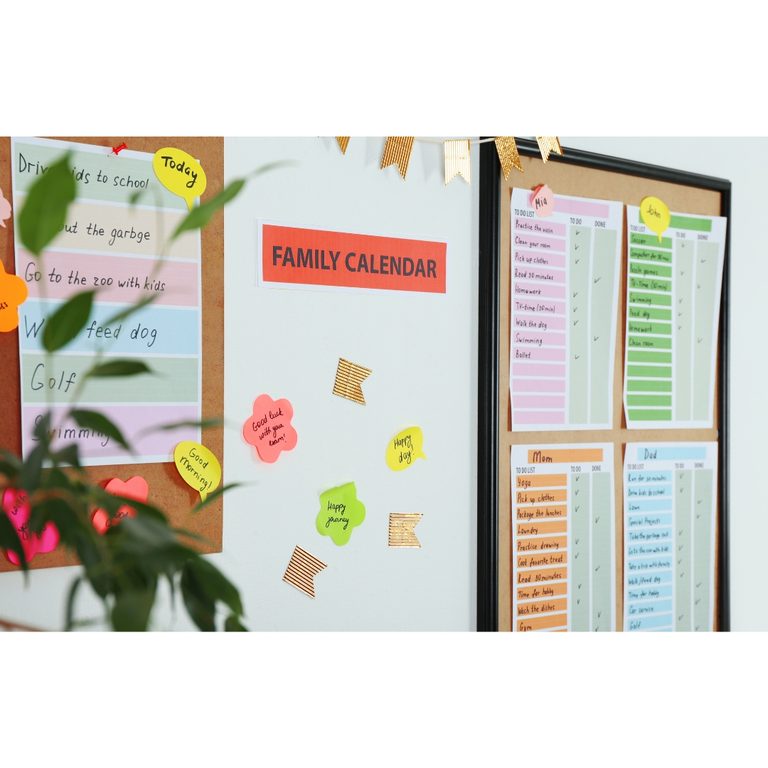
Protect your family calendar by saying no to requests that do not align with your peace. Saying no to external obligations allows you to say yes to a calm household.
Guarding your family time prevents domestic rush and reduces daily emotional fatigue.

18. Boredom and Repetition Are Normal Parts of Staying Home
Similarly, feeling bored by daily domestic routines does not mean you chose the wrong path. In fact, washing dishes, folding laundry, and wiping tables are naturally repetitive activities.
Accepting that some days will feel monotonous prevents you from feeling constantly restless or discontented. You can elevate routine chores by listening to audiobooks, podcasts, or soothing music.
Infusing enjoyment into simple tasks turns repetitive domestic work into pleasant personal time.

Completing key personal priorities early sets a serene, productive tone for your entire home. Read How to Get More Done Before Breakfast.
19. You Are Allowed to Have Hobbies That Belong Only to You
Additionally, maintaining personal interests outside of motherhood preserves your identity and creativity. You need creative outlets that have nothing to do with children, cooking, or house cleaning.
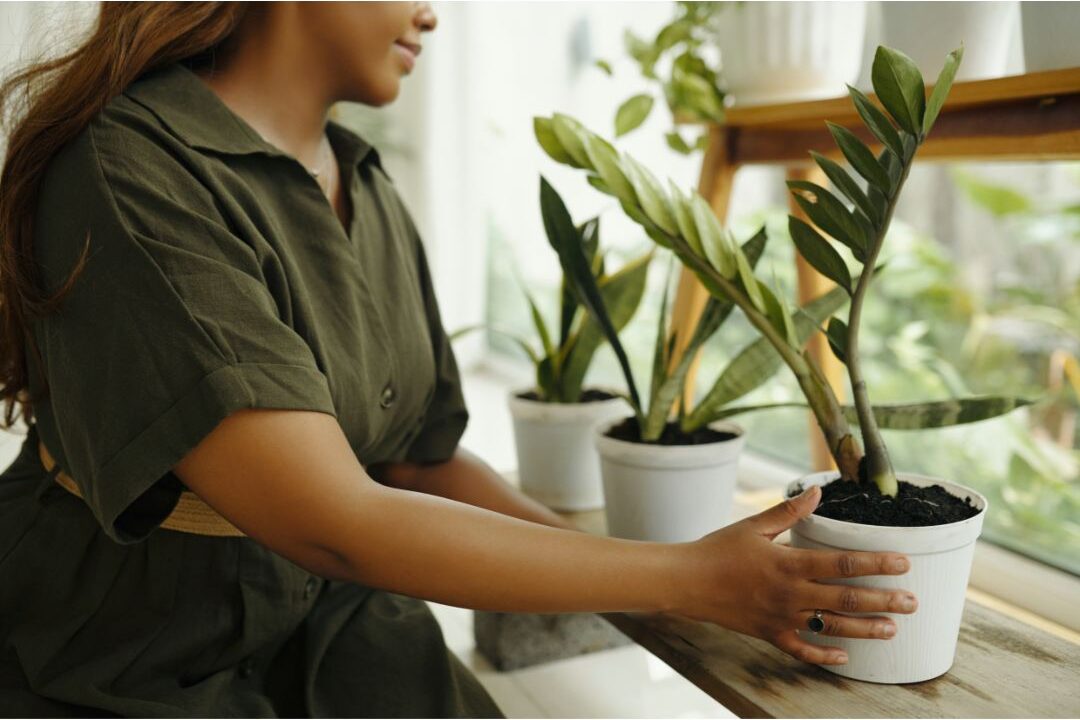
Whether you enjoy gardening, writing, baking, or sketching, dedicate time to your passions weekly. Pursuing personal interests keeps your mind sharp and provides deep personal satisfaction.
Your hobbies remind you that you are a multifaceted individual with unique talents and ideas.
20. Real Self-Care Is More Than Just a Warm Shower
Furthermore, basic personal hygiene like taking a shower or brushing your teeth is not self-care. Real self-care involves setting firm boundaries, getting enough sleep, and protecting your mental health daily.
It means speaking kindly to yourself when mistakes happen and asking for help when overwhelmed. Prioritize practices that truly restore your nervous system rather than quick superficial fixes.
Investing in deep self-care ensures you maintain long-term vitality for yourself and your family.

Eliminating routine distractions creates open time for genuine self-care and rest. Read about 10 Mistakes That Are Killing Your Productivity at Home.
21. This Season Is Temporary, But Your Impact Is Permanent
Finally, remember that the intense physical demands of early childhood pass far quicker than expected. In fact, the endless sleepless nights and toddler mess will eventually transition into new life stages.
However, the love, security, and emotional stability you build today remain with your kids forever. The daily sacrifices you make cultivate deep family roots that support your children for life.
Trust that your quiet, faithful presence in your home is producing lasting, beautiful fruit.

Reclaiming wasted hours gives you more time for meaningful family connections. Discover Stop Doing These 15 Time-Wasting Habits.
Adjusting daily expectations prevents feeling overwhelmed by unfinished home projects. Read Why You Never Finish Your To-Do List.
Simplifying domestic chores creates space for rest, reflection, and family joy. Discover The Systems That Saved Me 10 Hours Every Week.
Comparison Breakdown: Guilt-Driven Motherhood vs. Intention-Driven Motherhood
Shifting your maternal mindset requires releasing societal expectations and embracing intentional living. Review this comparison breakdown to help guide your daily home transition.
View of Daily Productivity
- Guilt-Driven Motherhood: Measuring success exclusively by spotless counters, empty laundry hampers, and completed task lists.
- Root Visual & Mental Flaw: Triggers constant self-criticism whenever daily routine disruptions or kid meltdowns occur.
- Intention-Driven Motherhood: Measuring success by family warmth, personal peace, and flexible domestic systems.
Approach to Personal Rest
- Guilt-Driven Motherhood: Viewing rest as a rare luxury earned only after every single household chore is finished.
- Root Visual & Mental Flaw: Leads directly to chronic physical exhaustion, short tempers, and maternal burnout.
- Intention-Driven Motherhood: Treating daily rest as an essential necessity that protects patience and health.
Response to Household Messes
- Guilt-Driven Motherhood: Viewing toy clutter and unwashed dishes as immediate evidence of personal failure.
- Root Visual & Mental Flaw: Keeps your nervous system on high alert and creates constant domestic tension.
- Intention-Driven Motherhood: Accepting active living messes while utilizing simple evening reset systems.
Handling Personal Needs
- Guilt-Driven Motherhood: Sacrificing all personal hobbies, rest, and health to serve family demands continuously.
- Root Visual & Mental Flaw: Causes emotional depletion, identity loss, and quiet resentment over time.
- Intention-Driven Motherhood: Prioritizing personal hobbies, health, and self-care to maintain emotional abundance.
A Practical 3-Step Plan to Reclaim Your Peace Today
Transforming your experience as a stay-at-home mom begins with small, intentional shifts in your routine. Execute these three practical steps today to cultivate immediate domestic peace.
Step 1: Establish Your Daily “Non-Negotiable Rest Anchor”
First, designate a specific 30-minute block during your afternoon for intentional personal rest. Set your phone aside, lower overhead lights, and engage in a calming activity like reading or resting.
Communicate this quiet boundary to your children by setting up safe, independent play activities nearby. Guarding this rest anchor daily restores your energy for the evening dinner and bedtime routine.
Step 2: Implement the “Top Three Priorities” Rule
Second, stop writing overwhelming long to-do lists that leave you feeling defeated by evening. Instead, select only three essential tasks to accomplish each day alongside basic child care.
For example, clean the kitchen counters, fold one load of laundry, and prepare dinner. Completing three clear priorities creates a sense of accomplishment while keeping expectations realistic.
Step 3: Practice Daily Emotional Reset Moments
Third, take three deep, slow breaths whenever you feel overwhelmed by noise or childish tantrums. Stepping back for ten seconds interrupts stress reactions and keeps your nervous system calm.
Use these short reset moments to remind yourself that toddler emotions are not personal attacks. Maintaining emotional composure allows you to parent with gentle authority and steady patience.
Embracing the Quiet Elegance of Motherhood
Ultimately, remembering these things stay at home moms need to hear transforms your daily mindset. You realize that your home does not need to be perfect to be a sanctuary of love.
By releasing perfectionism, honoring your need for rest, and establishing calm boundaries, you flourish. You create a nurturing environment where both you and your children thrive together in peace.
Step forward today with quiet confidence, knowing that your daily work carries profound, lasting beauty.
You May Also Like
Why Successful Moms Don’t Start Their Day With Laundry
45 Daily Habits That Make Life Easier
How to Get More Done Before Breakfast
The Biggest Distractions in Every Home Office
The Productivity Rule Every Mom Should Know






3 Comments