

The Decor Mistakes That Make Homes Look Cluttered
Disclosure: Some of the links in this post are affiliate links. This means if you click on the link and purchase an item, I will receive an affiliate commission at no extra cost to you.
Understanding decor mistakes that make homes look cluttered is essential for creating a serene, calm, and spacious home environment.
In fact, many homeowners feel frustrated because their living spaces feel messy even after hours of deep cleaning. You might wipe down every surface and organize every cabinet, yet the room still feels visually chaotic.
Consequently, the issue is rarely a lack of cleanliness or domestic effort on your part. In reality, the underlying problem usually stems from specific visual decor mistakes that silently disrupt your room’s natural harmony.
When you place too many small objects together, choose misproportioned furniture, or use conflicting color patterns, your eyes struggle to rest. As a result, your brain interprets this excess visual information as mental noise and physical clutter.
However, correcting these subtle decorating errors does not require buying expensive new furniture or hiring professional interior designers. Instead, you can dramatically transform your home by understanding how visual weight, scale, and layout affect your living space.
By making intentional adjustments to your existing decor, you can instantly eliminate visual chaos across your living rooms and bedrooms. To begin with, learning decor mistakes that make homes look cluttered allows you to curate a breathable, tranquil sanctuary.
Ultimately, a peaceful home environment supports your daily mental health and brings deep emotional rest to your entire family.
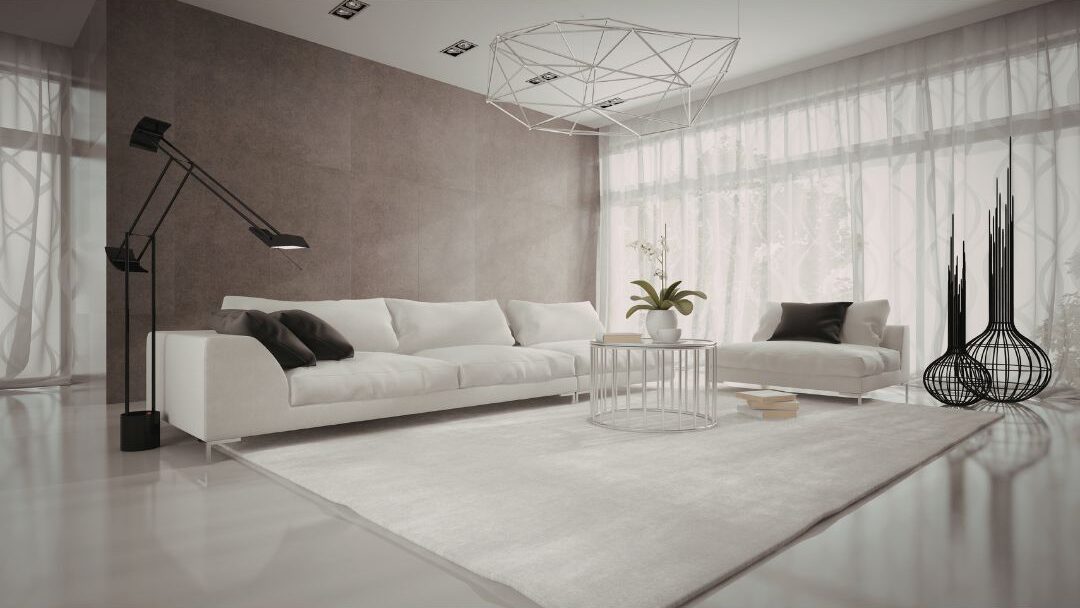
The Hidden Psychology of Visual Noise in Your Home
In interior design, visual noise refers to the accumulated sensory stimuli that compete for your brain’s immediate attention. For example, every pattern, object, wire, and color contrast acts as an individual signal that your eyes must process.
Consequently, when a room contains too many competing visual signals, your brain experiences continuous cognitive overload. This subtle mental fatigue makes it difficult to relax, concentrate, or feel at peace within your own living room.
In addition, mothers and home managers are particularly sensitive to visual environmental clutter during daily domestic routines. Because you manage multiple family responsibilities, a chaotic physical environment increases low-grade emotional stress and mental fatigue.
On the other hand, an uncluttered, balanced room acts as a soothing sanctuary for your nervous system. Therefore, eliminating visual noise is not merely an aesthetic choice; it is a vital form of self-care.
Soft living encourages us to cultivate home spaces that nurture our mental well-being and daily restoration. In fact, when your physical environment feels intentional and airy, your daily domestic routines instantly become smoother and easier.
By identifying and fixing key decorating mistakes, you reclaim both physical square footage and mental calm.
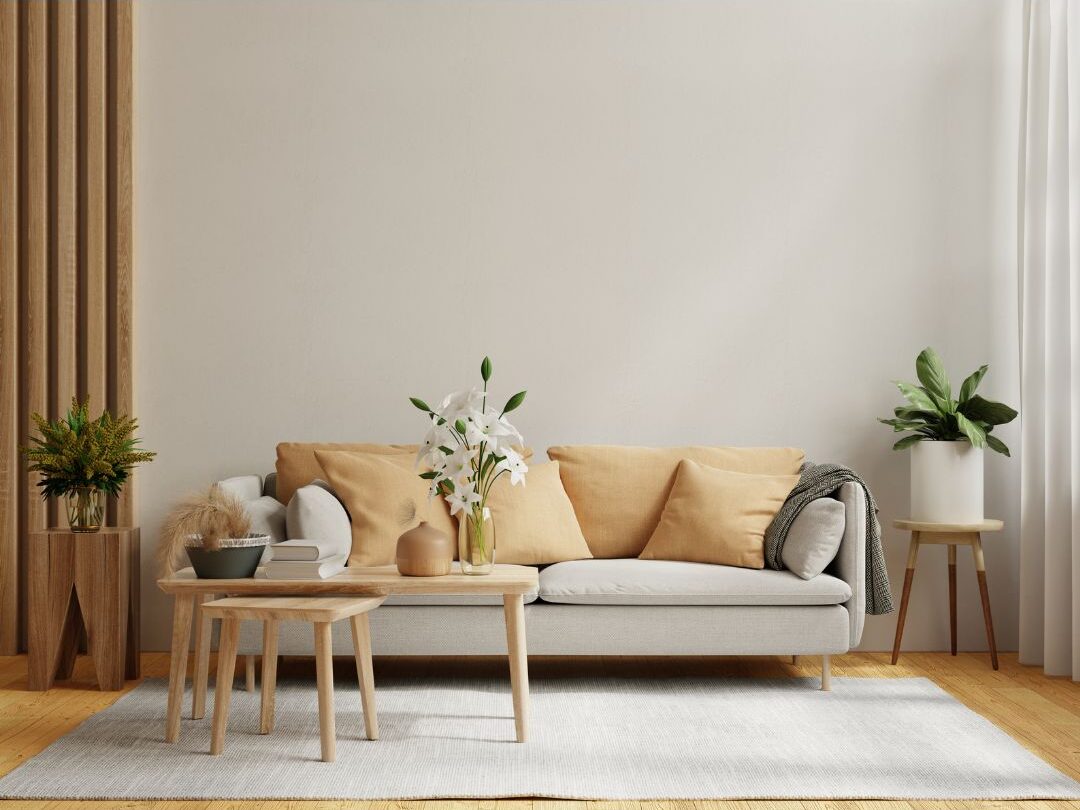
Addressing underlying design flaws elevates your home aesthetic without expensive renovations. Read Things That Instantly Make Your Home Look Expensive.
Establishing clear physical order supports a calm and organized daily home environment. Discover Simple Household Rules That Eliminate Daily Stress.
1. Over-Accessorizing and The Floating Trinket Trap
One of the most common decorating mistakes is covering every flat surface with small decorative accessories. For instance, filling coffee tables, entry consoles, and floating shelves with tiny candles, picture frames, and souvenirs creates chaos.
While each individual item may be meaningful, placing dozens of small objects together creates dense visual noise. Consequently, your eyes bounce frantically from one item to another without finding a primary focal point.
In addition, small accessories tend to scatter across flat surfaces over time, creating an unanchored, messy appearance. Designers refer to this widespread issue as the floating trinket trap.
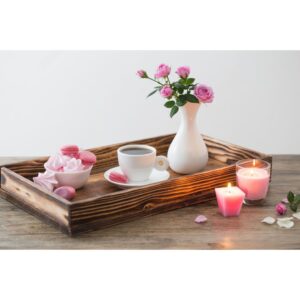
To fix this problem, group smaller decorative objects together onto structured wooden, marble, or ceramic decorative trays. In fact, placing three curated items on a tray instantly binds them together into a single cohesive object.
Furthermore, practice the rule of three when styling shelves, coffee tables, and kitchen counters. For example, pair a tall stoneware vase, a stack of two books, and a small scented candle together.
Because you leave generous open space around the group, the entire arrangement looks curated, calm, and intentional. Ultimately, removing half of your small decor items instantly makes your room feel twice as large.
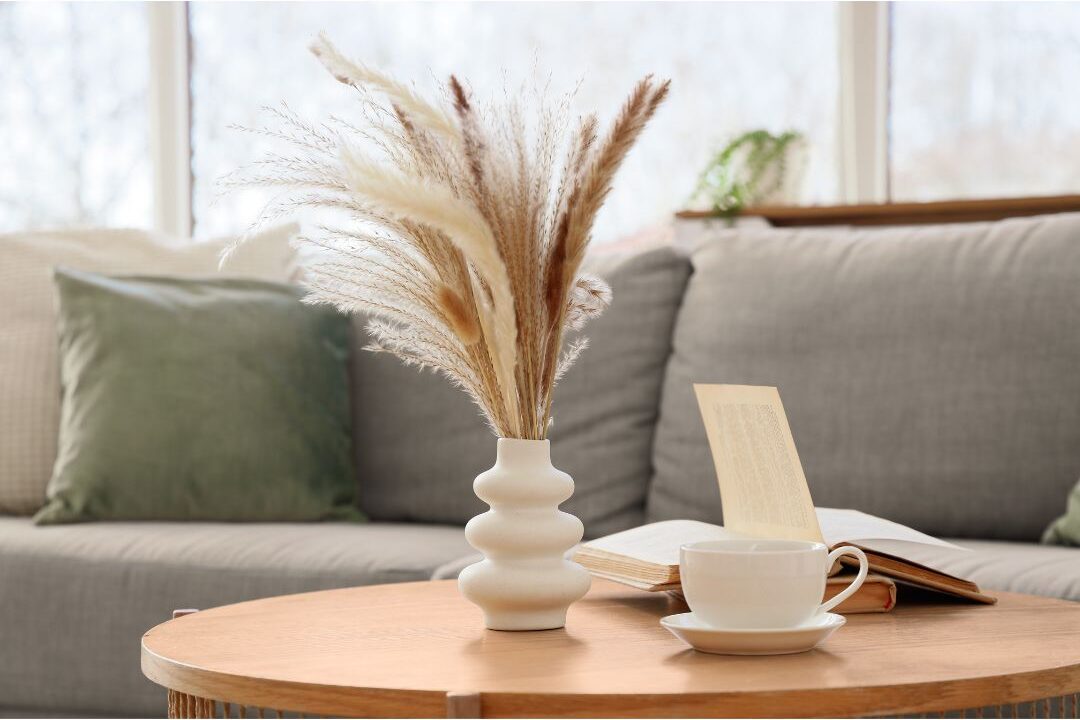
The Cheap Trap: Filling every open table corner and shelf with small plastic trinkets and scattered souvenirs.
The High-End Fix: Grouping three curated decorative items onto a solid wooden tray and leaving open negative space.
Streamlining your surface styling prevents daily clutter from accumulating on flat counters. Learn How to Create a House That Stays Organized.
Evening surface resets keep your curated tabletops looking clean and spacious every single day. Read The Home Reset Trick That Changed My Entire Week.
2. Incorrect Furniture Scale and Traffic Path Obstructions
Choosing furniture that is incorrectly proportioned for your room size creates immediate visual and physical congestion. For example, placing an oversized sectional sofa into a cozy apartment living room swallows all available floor space.
As a result, the room feels cramped, dark, and visually overwhelming from every angle. Conversely, filling a spacious room with tiny, delicate furniture creates a floating, disorganized look that lacks grounding.
Furthermore, positioning furniture pieces in ways that block natural doorways and walking paths disrupts spatial flow. When family members must navigate around awkwardly placed chairs, your home feels inherently cluttered and stressful.
To illustrate, human beings sub-consciously feel stressed when physical pathways through a room are narrow or blocked. Therefore, always maintain at least thirty-six inches of clear walking space along main room thoroughfares.
In addition, pull your seating furniture a few inches away from the perimeter walls whenever possible. In reality, pushing all furniture flush against walls does not make a small room look larger.
Instead, floating furniture slightly creates cozy conversation zones while allowing light and air to circulate freely. Consequently, proper furniture scale and thoughtful layout create an expansive, breathable architectural feel throughout your home.
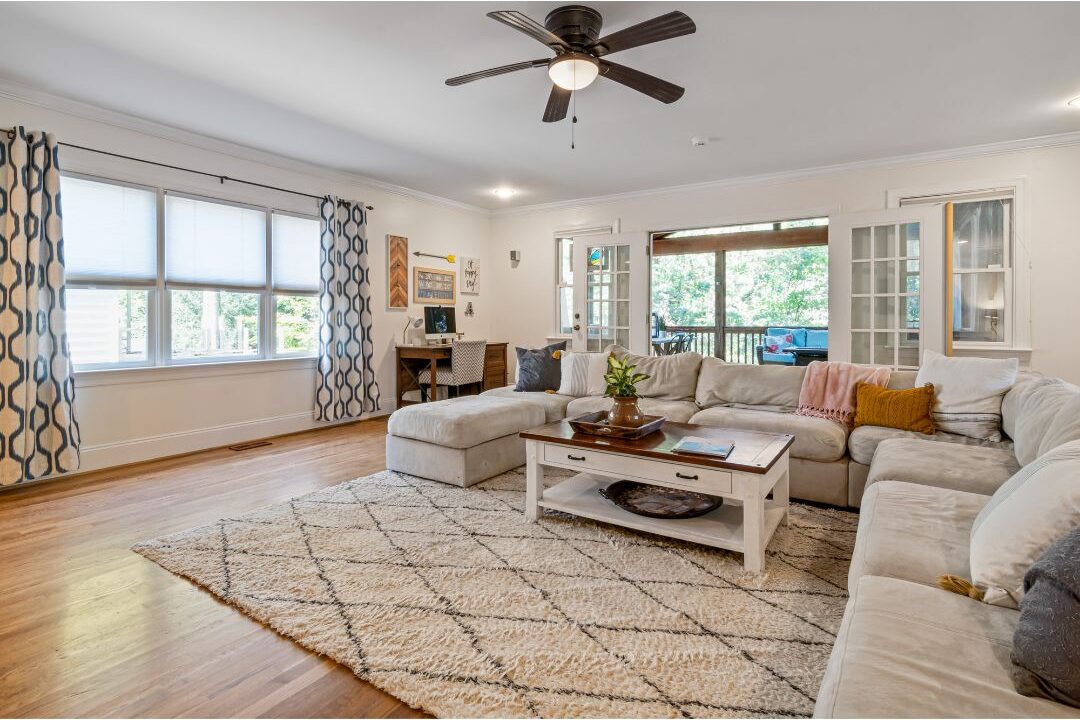
The Cheap Trap: Pushing oversized furniture flush against walls and blocking natural doorways and walking paths.
The High-End Fix: Floating properly scaled furniture slightly off walls to maintain thirty-six inches of clear walkway space.
Clear spatial pathways make moving through your daily domestic routines smooth and effortless. Discover 20 Home Systems That Practically Run Themselves.
Physical obstacles in your living space create silent friction that drains your daily energy. Read 10 Mistakes That Are Killing Your Productivity at Home.
3. Disjointed Color Schemes and High-Contrast Visual Noise
Using too many competing colors and loud patterns within a single room is another major cause of clutter. For instance, mixing cool blue walls with warm reddish wood furniture and bright yellow throw pillows creates visual chaos.
Because each color demands equal visual attention, the room feels disjointed, noisy, and restless. Consequently, your eyes struggle to synthesize the space into a harmonious, peaceful whole.
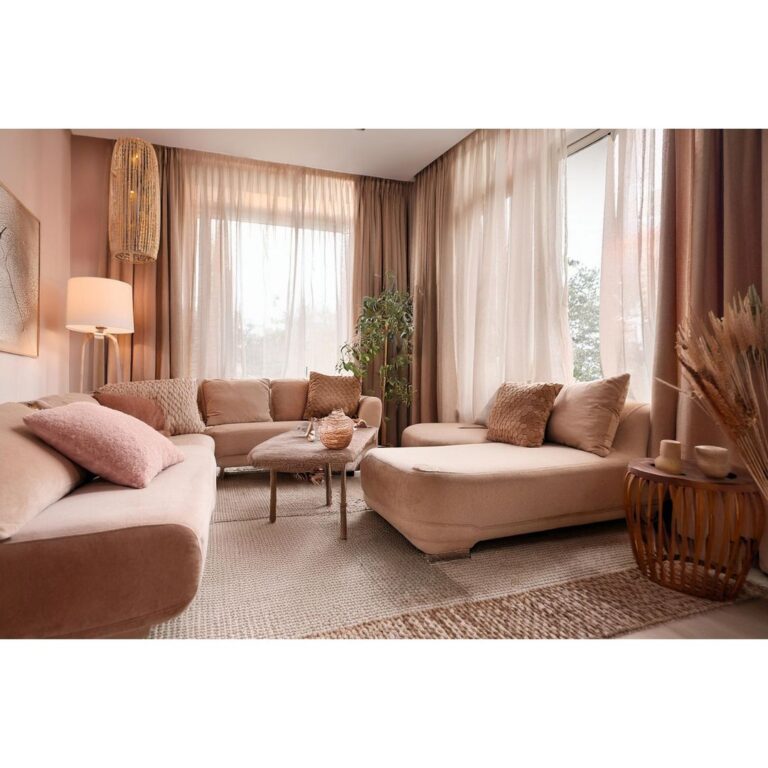
To solve this issue, establish a cohesive color palette based on three main harmonious neutral tones. Specifically, select one dominant base color for sixty percent of the room, such as warm cappuccino or ivory.
Then, choose a secondary supporting color for thirty percent, like soft taupe or warm natural oak wood tones. Finally, use a subtle accent tone for the remaining ten percent, such as muted sage green or antique brass.
In addition, pay close attention to color contrast across your window drapery, throw blankets, and sofa pillows. High-contrast geometric patterns on rugs and curtains attract immediate visual attention and shrink perceived room depth.
Instead, opt for subtle tone-on-tone woven textures like bouclé, linen, and soft brushed cotton. As a result, your living room gains rich tactile depth without sacrificing visual serenity and open space.
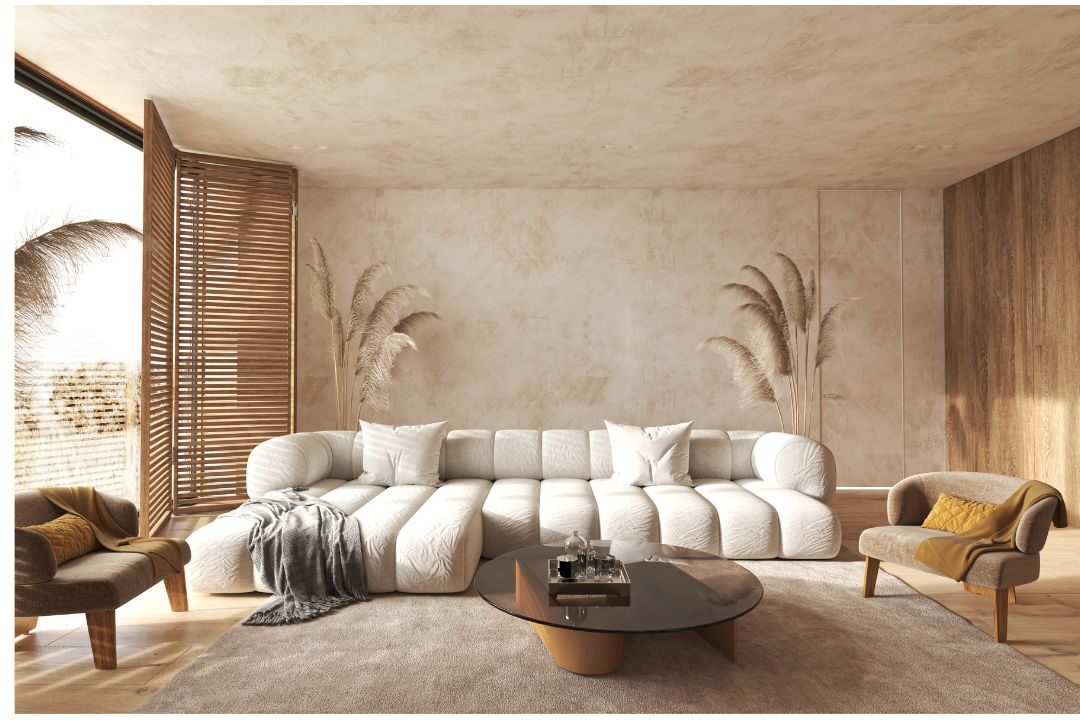
The Cheap Trap: Combining bright, high-contrast wall colors with loud geometric patterns across rugs and throw pillows.
The High-End Fix: Layering a sixty-thirty-ten neutral palette using rich woven textures like linen and bouclé.
Cultivating a soothing color environment honors your need for physical and mental relaxation at home. Read The Hidden Challenges Nobody Warns Moms About
Creating visual harmony across your living space is a low-cost habit that elevates your lifestyle. Discover Luxury Habits Anyone Can Afford.
4. Ignoring Vertical Proportion and Surface Piling
When floor storage space is limited, homeowners frequently make the mistake of piling items on flat horizontal surfaces. For example, stacking mail, books, and daily utilities onto kitchen counters and dining tables creates instant chaos.
As a result, primary functional surfaces lose their usability and make the entire home look messy and disorganized. In reality, horizontal surface clutter is usually a clear sign that you are ignoring your vertical wall space.
Furthermore, hanging art and floating bookshelves at incorrect vertical heights disrupts overall room proportions. For instance, hanging picture frames too high near the ceiling line disconnects the artwork from nearby seating furniture.
Likewise, hanging tiny artwork on an expansive wall makes the art look lost and the wall look bare. Therefore, always hang the center point of artwork roughly fifty-seven to sixty inches from the floor level.
In addition, utilize vertical storage solutions to lift functional clutter off your main tables and kitchen counters. Install sleek floating shelves, tall wall cabinets, or decorative wall hooks to hold daily essential items.
By drawing the eyes upward, vertical storage highlights high ceilings and creates a sense of architectural grandeur. Consequently, keeping flat surfaces clear allows natural sunlight to bounce smoothly throughout your living space.
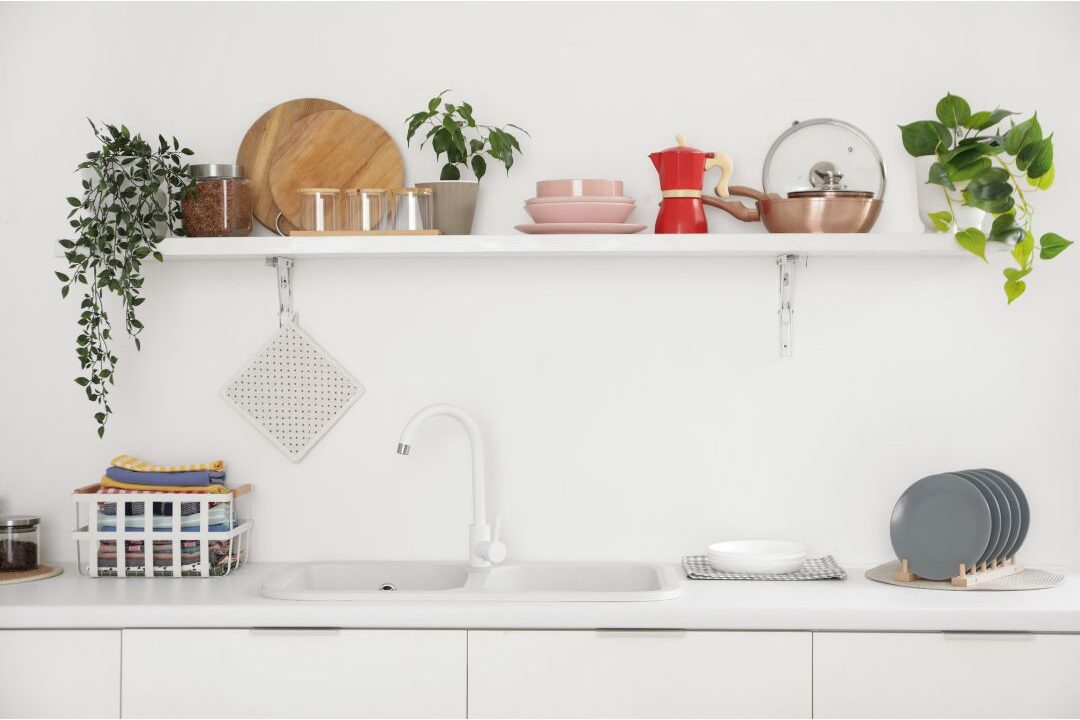
The Cheap Trap: Piling paper mail, books, and household utilities onto kitchen counters and dining tables daily.
The High-End Fix: Utilizing vertical wall shelves and hanging large statement artwork at eye level.
Eliminating surface piling saves hours spent searching for misplaced items around the house. Read how to Stop Doing These 15 Time-Wasting Habits.
Physical disorganization creates mental overwhelm that stalls your daily productivity. Discover Why You Never Finish Your To-Do List.
5. Exposed Cable Wires, Open Storage, and Paper Accumulation
Visible electronic cables hanging below wall-mounted televisions or behind desks create severe, immediate visual noise. In fact, tangled black wires instantly ruin the aesthetic appeal of an otherwise beautifully styled room.
Because electronic cords contrast sharply against light walls and wooden furniture, they draw the eye instantly. Consequently, hiding electronic wires is one of the fastest, lowest-cost ways to eliminate visual room clutter.
Similarly, relying heavily on open storage bins and glass-front cabinets can backfire if interior items are disorganized. For example, filling open wire baskets with multicolored toys, paper mail, or beauty products looks messy.
Instead, utilize closed storage baskets woven from natural materials like seagrass, rattan, or heavy lined canvas. Because solid woven baskets conceal chaotic contents inside, your room maintains a clean, uniform exterior appearance.
Finally, unmanaged paper mail and magazine piles create relentless visual weight on entry consoles and kitchen islands. Establish a strict paper processing system by recycling unwanted junk mail immediately before it enters main rooms.
Store important documents inside covered decorative boxes or filing drawers completely out of plain sight. Ultimately, eliminating visible wires, open clutter, and paper piles restores instant order to your environment.
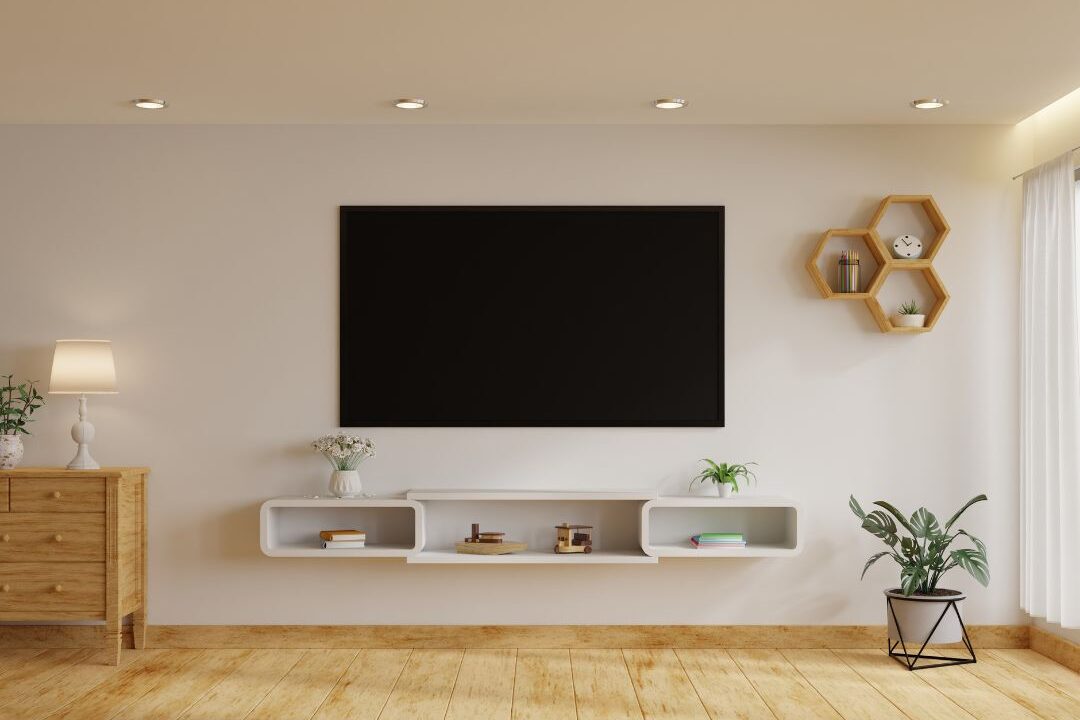
The Cheap Trap: Leaving black TV cords dangling down walls and storing miscellaneous items in open wire baskets.
The High-End Fix: Concealing wires with baseboard cable raceways and storing loose items in closed woven baskets.
Establishing simple paper management systems keeps clutter from invading your living room counters. Read about The Systems That Saved Me 10 Hours Every Week.
Living amidst visible electronic wire chaos triggers subtle ongoing cortisol spikes. Discover How to Love Staying Home Again
Breakdown: Clutter-Inducing Decor Habits vs. Elevated Spatial Design
Eliminating visual noise requires changing everyday decorating habits and adopting intentional design choices. Review these core structural comparisons to identify quick fixes across your own living spaces.
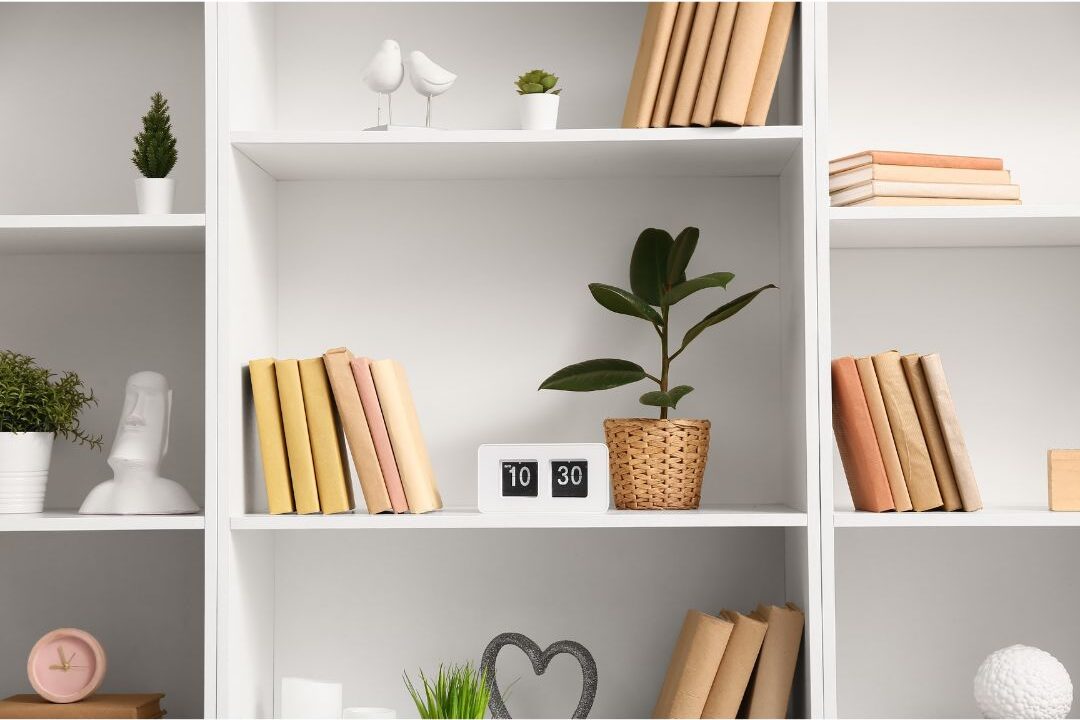
Surface Decor and Accessories
- Clutter-Inducing Decor Mistake: Scattering dozens of small trinkets across coffee tables, consoles, and shelves.
- Root Visual Problem: Destroys focal points and makes surfaces look messy and difficult to dust.
- Elevated Spatial Design Fix: Grouping three curated items onto a solid wooden tray with open space.
Furniture Placement and Flow
- Clutter-Inducing Decor Mistake: Pushing all furniture flush against walls or blocking main walking paths.
- Root Visual Problem: Restricts room movement, blocks natural sunlight, and creates uncomfortable flow.
- Elevated Spatial Design Fix: Floating seating slightly to create clear thirty-six-inch walkways through rooms.
Color Palette and Textiles
- Clutter-Inducing Decor Mistake: Mixing high-contrast competing colors and loud graphic patterns on rugs.
- Root Visual Problem: Causes visual fatigue, shrinks room depth, and creates chaotic energy.
- Elevated Spatial Design Fix: Sticking to a sixty-thirty-ten neutral palette using warm, layered woven textures.
Cable and Storage Solutions
- Clutter-Inducing Decor Mistake: Leaving TV cords exposed and using open clear or wire storage bins.
- Root Visual Problem: Exposes chaotic internal contents and draws immediate attention to black wires.
- Elevated Spatial Design Fix: Hiding wires with cable raceways and using closed woven storage baskets.
Wall Art and Scale
- Clutter-Inducing Decor Mistake: Hanging tiny picture frames too high on expansive, bare living room walls.
- Root Visual Problem: Disconnects art from furniture pieces and disrupts vertical room balance.
- Elevated Spatial Design Fix: Hanging large-scale framed art at eye level, roughly fifty-seven inches high.
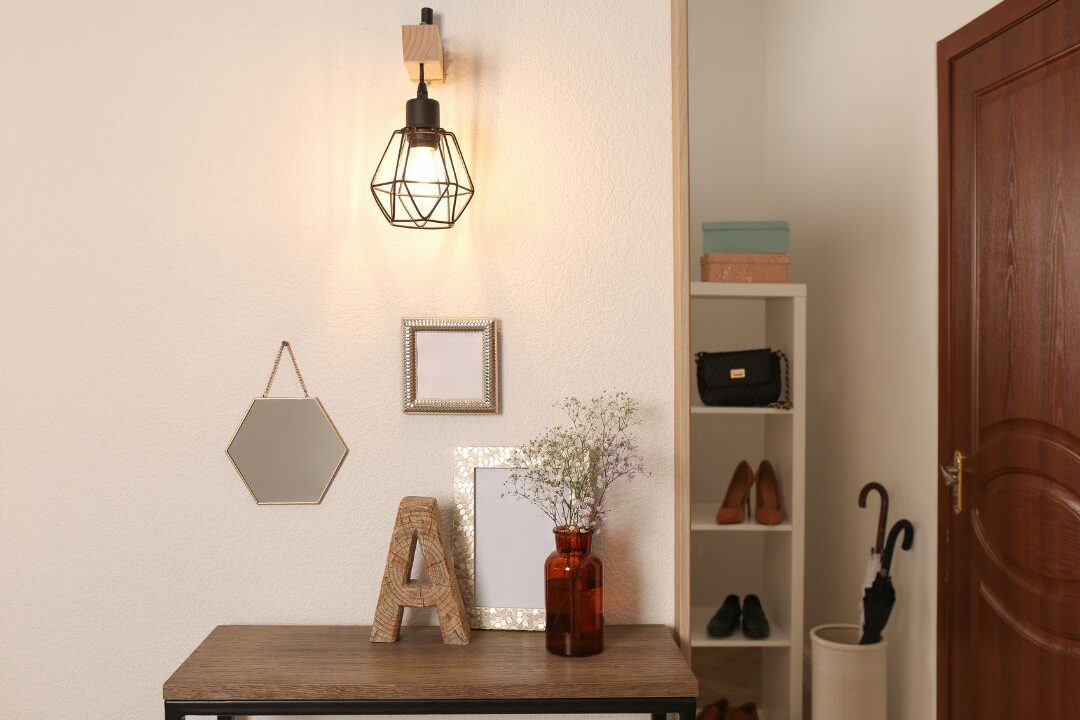
Starting your day in a tidy, uncluttered environment boosts mental clarity and focus. Read Things Successful Remote Moms Do Before 9 A.M.
Maintaining visual separation between work items and relaxing spaces protects home calm. Learn How to Work From Home Without Feeling Like You’re Working All Day.
A Practical 3-Step Plan to Unclutter Your Home Today
Transforming your home from cluttered to curated does not require a huge weekend renovation project. In fact, you can systematically unclutter your living space by following three clear, manageable steps.
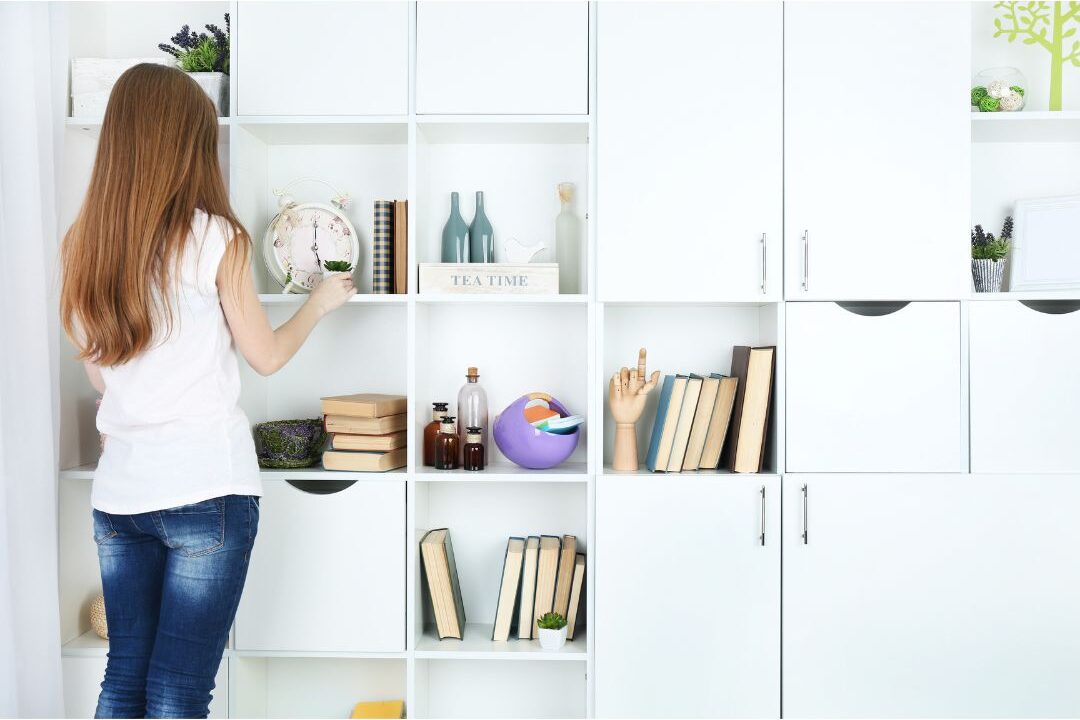
Step 1: Execute a Surface Clear and Categorization Reset
First, clear every single item off your main flat surfaces, including kitchen counters, coffee tables, and entry consoles. Place all collected objects onto your dining table or clean floor space for careful evaluation.
Next, sort these items into three distinct piles: keep on display, store in hidden cabinetry, or donate completely. Keep on display only items that are genuinely functional or exceptionally beautiful to look at daily.
Relocate daily utility items into covered drawers, closed baskets, or designated storage closets out of sight. Finally, wipe down your bare surfaces completely before returning a few curated decorative arrangements.
This immediate reset gives your room breathing room and creates instant visual calm across your main living spaces.
Streamlining daily surface cleanup frees up energy for joyful family interactions. Explore Productivity Tips for Moms with Young Kids.
Step 2: Realign Furniture Layouts for Natural Traffic Paths
Second, evaluate the physical flow and furniture placement within your main family living areas. Walk through your normal daily pathways, such as from the front entry door to the kitchen or sofa.
Identify any side chairs, small tables, or floor plant stands that obstruct your natural walking movement. Adjust your furniture arrangement to guarantee at least thirty-six inches of open walking space along main paths.
In addition, pull your sofa and armchairs two to three inches away from the perimeter walls. This slight layout adjustment creates an inviting conversation area while making the room feel open and expansive.
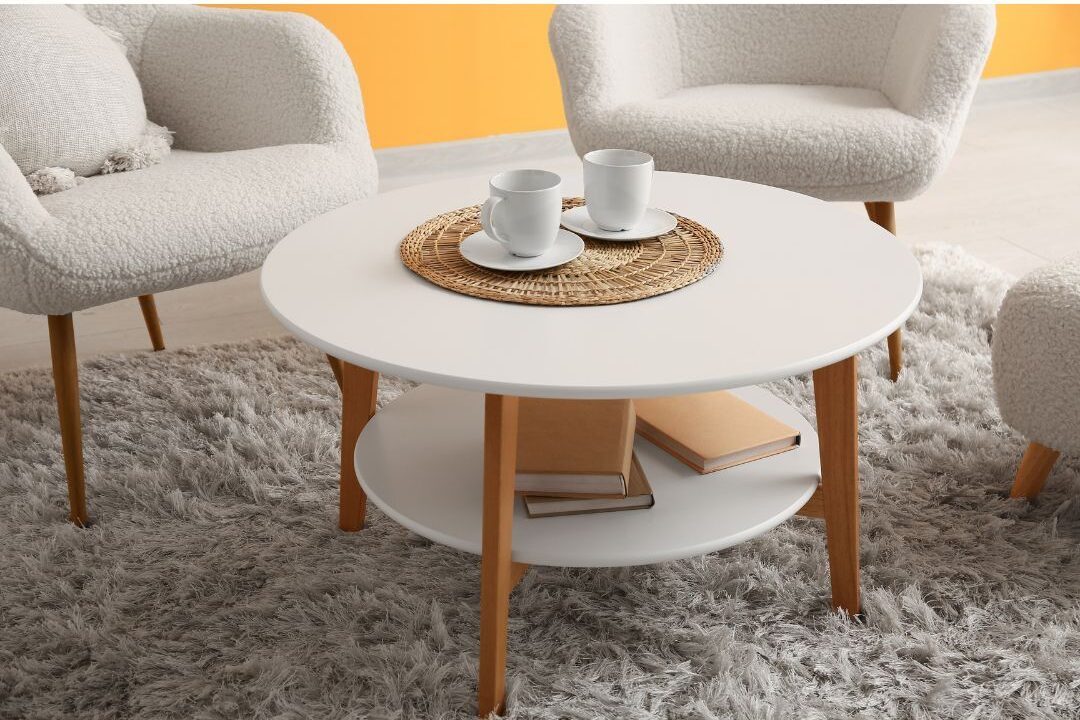
Step 3: Implement Covered Storage Solutions and Cable Management
Third, address exposed electronic wires and loose paper clutter across your entertainment units and home desks. Purchase affordable plastic cable raceways or adhesive cord clips to hide TV and lamp cords along baseboards.
Bundle loose computer wires behind desks using simple zip ties or flexible cable management sleeves. Next, replace open plastic bins or messy wire baskets with solid woven seagrass or canvas boxes.
Place loose items, children’s toys, and electronic remote controls inside these covered containers to conceal visual noise. Consequently, your storage areas look organized, uniform, and visually serene from every angle.
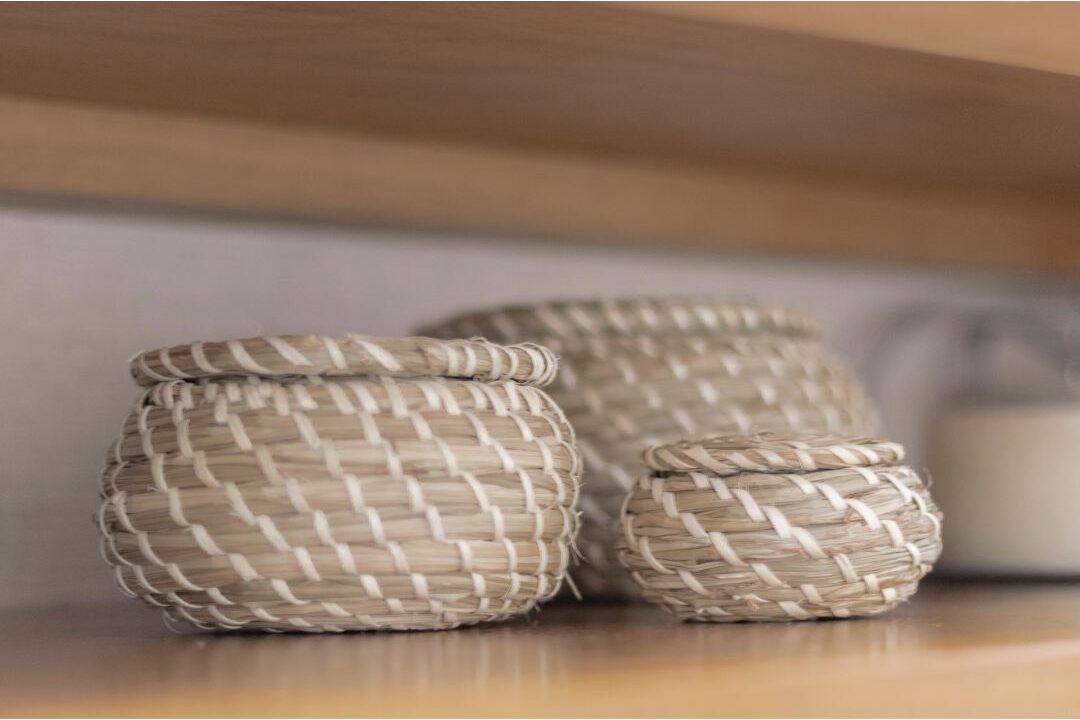
Creating a Breathable Sanctuary for Your Family
In conclusion, learning decor mistakes that make homes look cluttered gives you the tools to curate a serene living space. In fact, an uncluttered home is not about achieving perfection or living in a sterile, showroom environment.
Instead, true home styling focuses on creating a functional, warm, and peaceful backdrop for your daily family life. By removing visual friction, honoring proper proportions, and layering warm textures, your home becomes a true sanctuary.
Step back, appreciate your spacious surroundings, and enjoy the lasting mental peace of an elevated, soft life home.
You May Also Like:
The Biggest Distractions in Every Home Office
How to Love Staying Home Again
17 Things Stylish Women Never Buy
75 Things Every Elegant Home Has
Elegant Doesn’t Mean Expensive – Here’s Proof
Why Comparison Is Stealing Your Joy




8 Comments