

Things That Instantly Make Your Home Look Expensive
Disclosure: Some of the links in this post are affiliate links. This means if you click on the link and purchase an item, I will receive an affiliate commission at no extra cost to you.
Discovering things that instantly make your home look expensive does not require a massive renovation budget or an interior design degree.
Many women assume that creating a luxurious home environment requires spending tens of thousands of dollars on custom furniture. They scroll through social media feeds, feeling discouraged by designer homes that seem completely out of financial reach.
However, true interior elegance is rarely about price tags or brand logos. High-end spaces feel sophisticated because they follow intentional design principles, clear visual harmony, and thoughtful styling.
When a room feels cheap, disorganized, or chaotic, the problem is usually bad lighting, mismatched proportions, or visual clutter. Small design mistakes disrupt the visual flow of your living space and create subconscious mental friction.
By making deliberate, low-cost adjustments to your decor, you can instantly elevate your home aesthetic. You can transform standard builder-grade spaces into warm, serene sanctuaries that feel high-end and deeply peaceful.
Learning things that instantly make your home look expensive helps you cultivate a soft, calm environment for your family. You do not need to sacrifice your family budget to enjoy a home that feels luxurious, curated, and beautiful.
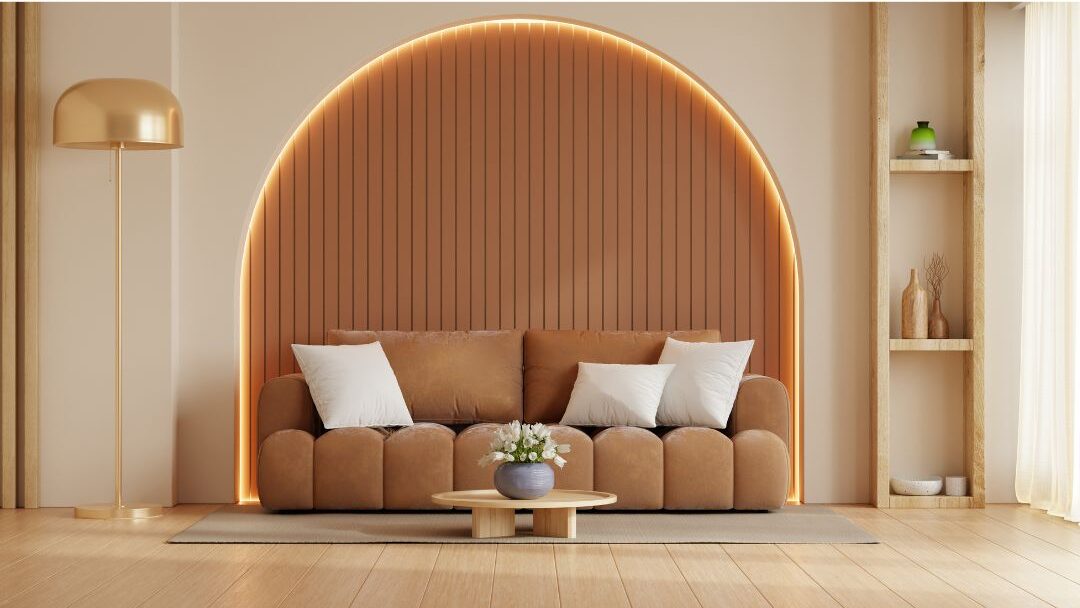
The Psychology of High-End Interiors and Soft Living
Luxury interior design is fundamentally rooted in human psychology and sensory experience. When you walk into a five-star hotel or a high-end boutique, your body immediately relaxes.
This physical relaxation happens because luxury environments actively eliminate sensory overload. Designer spaces utilize restrained color palettes, balanced lighting, and uncluttered surfaces to create immediate psychological calm.
In contrast, chaotic rooms filled with plastic clutter, harsh lighting, and mismatched patterns trigger low-grade stress. Your eyes bounce continuously around the room, struggling to find a comfortable resting place.
For mothers and home managers, your physical environment directly impacts your nervous system. Living in a serene, beautifully curated space provides a daily sense of restorative peace.
Soft living encourages you to treat your home environment as a sacred retreat. You deserve to wake up every morning to spaces that nourish your soul and support your mental well-being.
Upgrading your home aesthetic is not about flexing wealth or impressing guests. Elevating your surroundings is an intentional act of self-care that transforms your daily domestic experience.
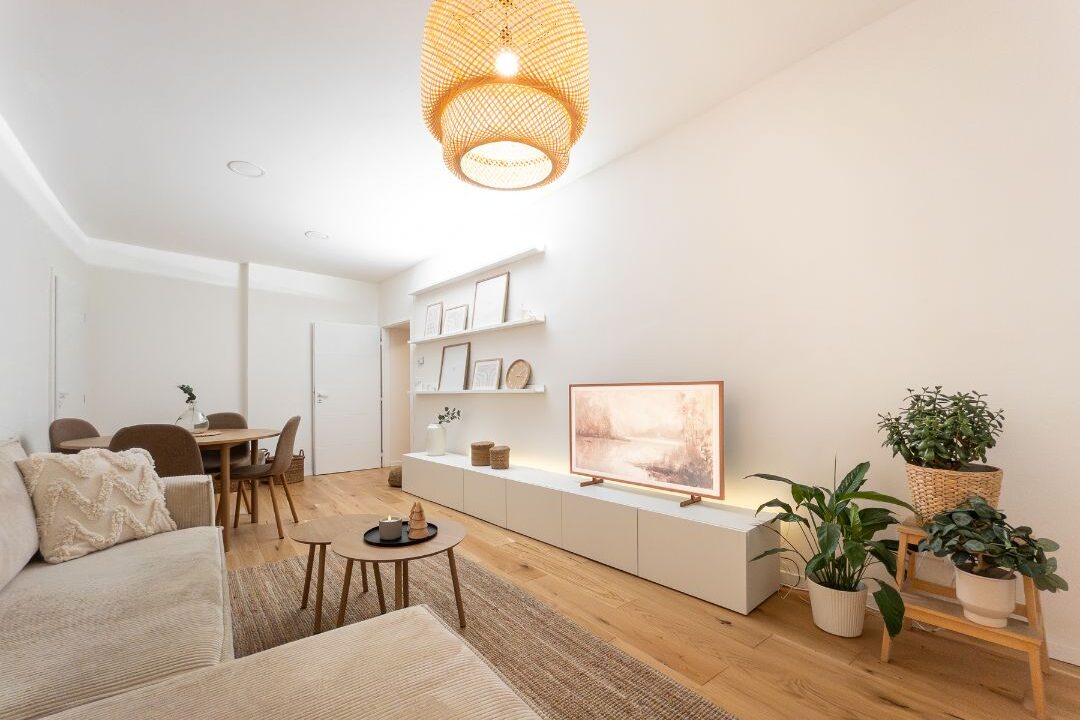
A curated aesthetic supported by clean boundaries keeps your living environment peaceful. Read Elegant Living Doesn’t Mean Expensive—Here’s Proof.
Structural organization forms the physical foundation for high-end interior styling. Discover 17 Things Stylish Women Never Buy
1. Intentional Visual Decluttering and The Power of Negative Space
The single most effective way to elevate your space costs absolutely nothing. Removing visual noise instantly makes any room feel larger, brighter, and significantly more expensive.
High-end interiors always feature abundant negative space. Negative space refers to empty areas around furniture and decor that allow your eyes to breathe.
When every shelf, counter, and floor corner is crammed with items, a room feels cheap and overwhelming. Excess knick-knacks, visible electrical cords, and paper piles destroy the sophisticated flow of your home.
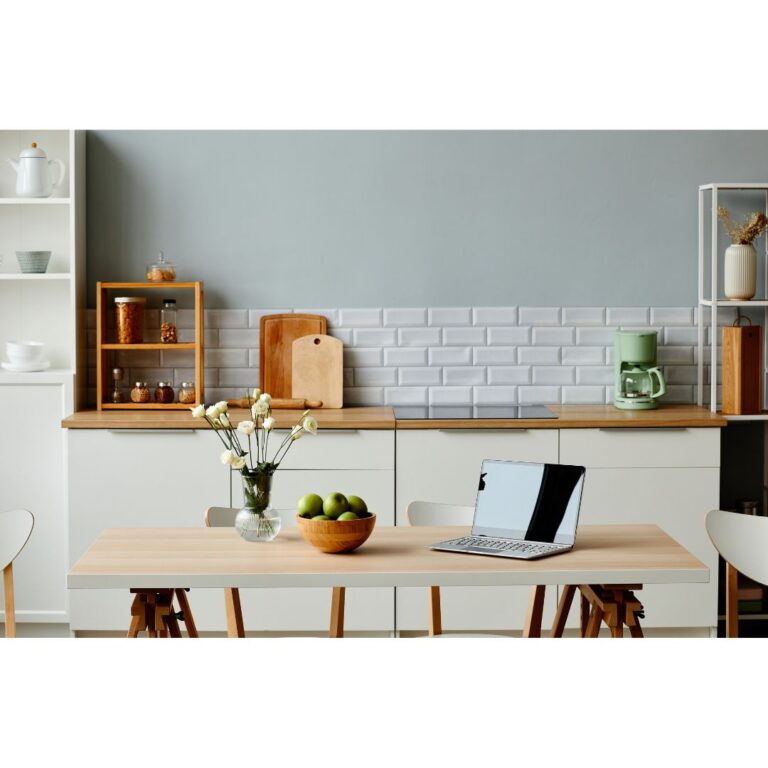
Begin by clearing your primary flat surfaces, including kitchen counters, coffee tables, and entryway consoles. Keep only two or three intentional, beautiful objects on display.
Hide daily utilitarian items inside covered baskets, decorative boxes, or closed cabinetry. When essential items are hidden out of sight, your room gains an immediate feeling of curated luxury.
Edit your bookshelves by leaving open space between book stacks and decorative objects. Floating bookshelves styled with generous breathing room look far more elegant than tightly stuffed bookcases.
When you master negative space, every object left on display gains artistic significance. Your home transitions naturally from a storage space for clutter into an intentional art gallery.
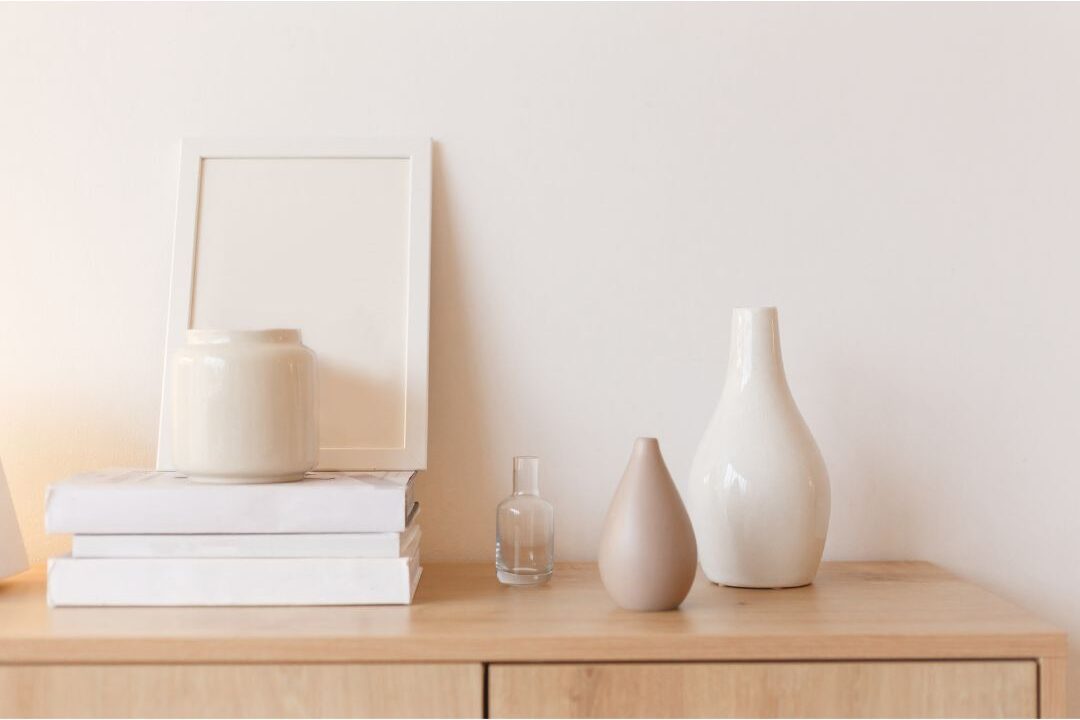
The Cheap Trap: Filling every open surface, wall, and shelf corner with cheap small decor items to avoid empty space.
The High-End Fix: Embracing generous negative space by removing excess items and displaying only a few high-impact statement pieces.
Clearing physical clutter eliminates daily cleaning friction and buys back your time. Read our guide on Stop Doing These 15 Time-Wasting Habits.
Evening decluttering resets keep your curated surfaces looking pristine every day. Discover The Home Reset Trick That Changed My Entire Week.
2. Transforming Ambiance with Warm Layered Lighting
Nothing ruins a home interior faster than harsh, cool-toned overhead lighting. Standard flush-mount ceiling lights, often called boob lights, flood rooms with unflattering, hospital-grade illumination.
High-end interior design relies on layered ambient lighting placed at various heights throughout the room. Layered lighting creates warm shadows, cozy depth, and a calm evening atmosphere.
Start by replacing cool white lightbulbs with warm white options rated between 2700K and 3000K Kelvin. Warm temperature bulbs instantly soften wall colors and create a welcoming glow.
Eliminate reliance on your main overhead ceiling fixtures during evening hours. Instead, place stylish table lamps, floor lamps, and battery-operated wireless sconces around your living spaces.
Incorporate subtle accent lighting in unexpected areas to create dramatic visual interest. Place warm LED strip lighting under kitchen cabinets, behind headboards, or along floating bookshelves.
Lighting dimmer switches are another inexpensive upgrade that yields massive luxury appeal. Dimming your lights in the evening signals your nervous system to unwind and prepare for rest.
When your home is bathed in soft, warm pools of light, simple decor looks instantly elevated. Warm illumination transforms quiet evenings into luxurious, hotel-like experiences.
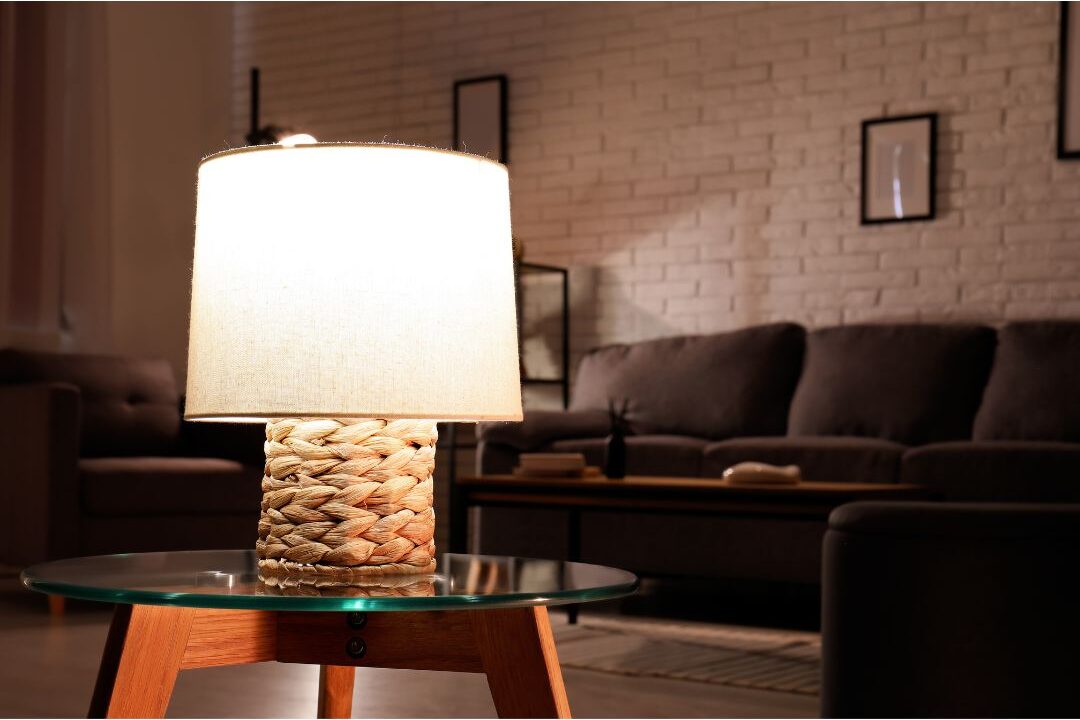
The Cheap Trap: Relying exclusively on bright, cool white overhead ceiling fixtures that wash out room colors and create glare.
The High-End Fix: Layering warm 2700K floor lamps, table lamps, and subtle accent lights at multiple vertical levels.
Harsh artificial lighting triggers subtle cortisol spikes and undermines evening relaxation. Discover 17 Habits That Are Secretly Keeping You Stressed Every Day.
Creating a calm visual sanctuary honors your daily need for physical and mental rest. Explore How to Love Staying Home Again
3. Floor-to-Ceiling Drapery and Textile Upgrades
Cheap window treatments are an immediate giveaway of budget home decorating. Short, thin curtain panels hanging from flimsy rods make ceilings appear low and windows look small.
To create an expensive, custom look, always hang your curtain rods high and wide. Install the rod near the ceiling line or crown molding, rather than directly above the window frame.
Extend your curtain rod twelve to eighteen inches beyond the window frame on both sides. This simple installation trick tricks the eye into believing your windows are massive.
Always choose full-length drapery panels that brush the floor or puddle slightly. Short curtains that hover several inches above the baseboards disrupt vertical proportions.
Upgrade your fabric choices by selecting heavy linen, velvet, or structured cotton drapery. Avoid sheer, synthetic polyester fabrics that lack weight and drape poorly.
For accent pillows, replace flat polyester inserts with oversized, high-density feather or down-alternative inserts. Purchase pillow covers that are two inches smaller than your inserts for a plump, high-end feel.
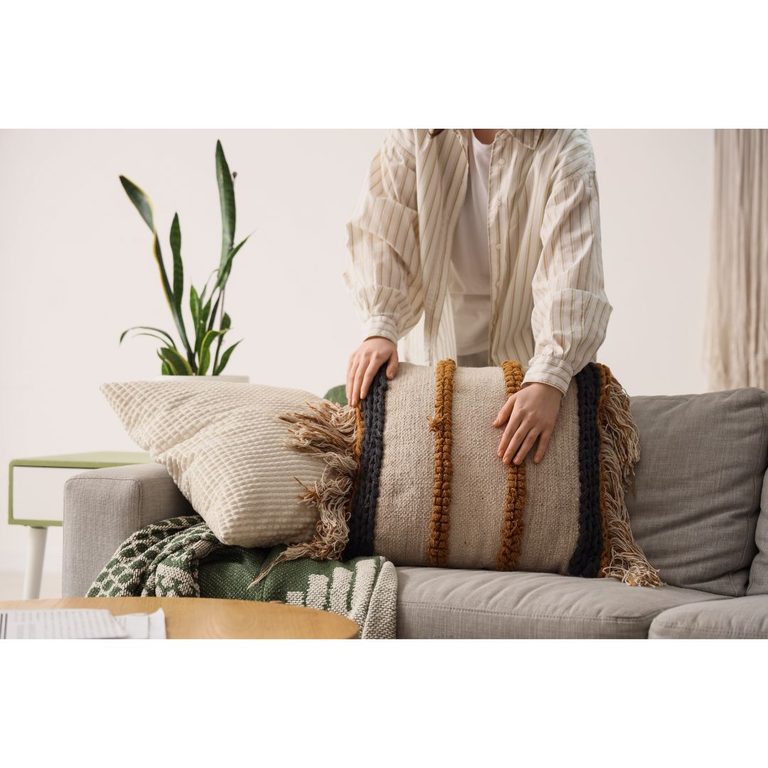
Drape rich, heavy throw blankets over sofa arms in luxurious textures like knit, bouclé, or faux fur. Premium textiles add irresistible tactile depth and warmth to your living room.
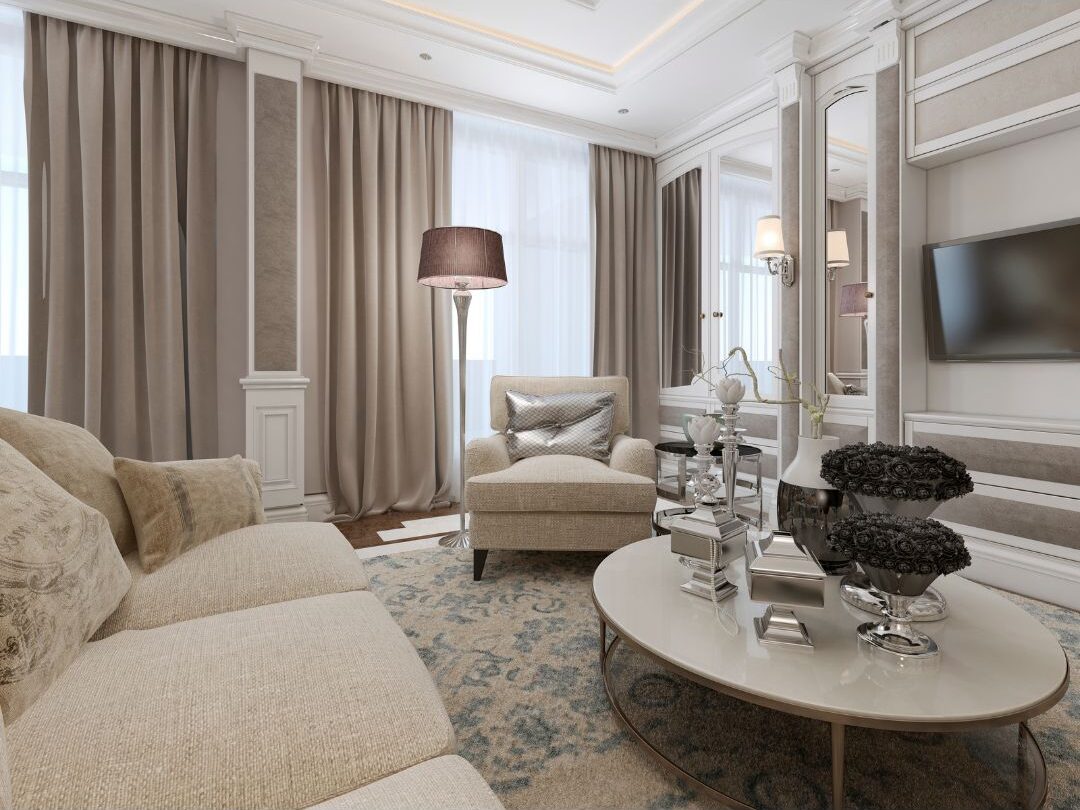
The Cheap Trap: Hanging short, thin curtain panels directly above window frames on narrow curtain rods.
The High-End Fix: Mounting heavy drapery rods high near the ceiling line and using full-length, floor-touching fabric panels.
Misaligned home environments create silent frustration that affects your daily productivity. Read about 10 Mistakes That Are Killing Your Productivity at Home.
Establishing simple maintenance routines keeps luxury textiles clean and fresh. Discover The Hidden Challenges Nobody Warns Moms About.
4. Oversized Scale and Statement Art Curation
One of the most common decorating mistakes is using small furniture and decor pieces in large spaces. Scattered mini picture frames, tiny rugs, and miniature lamps create a chaotic visual effect.
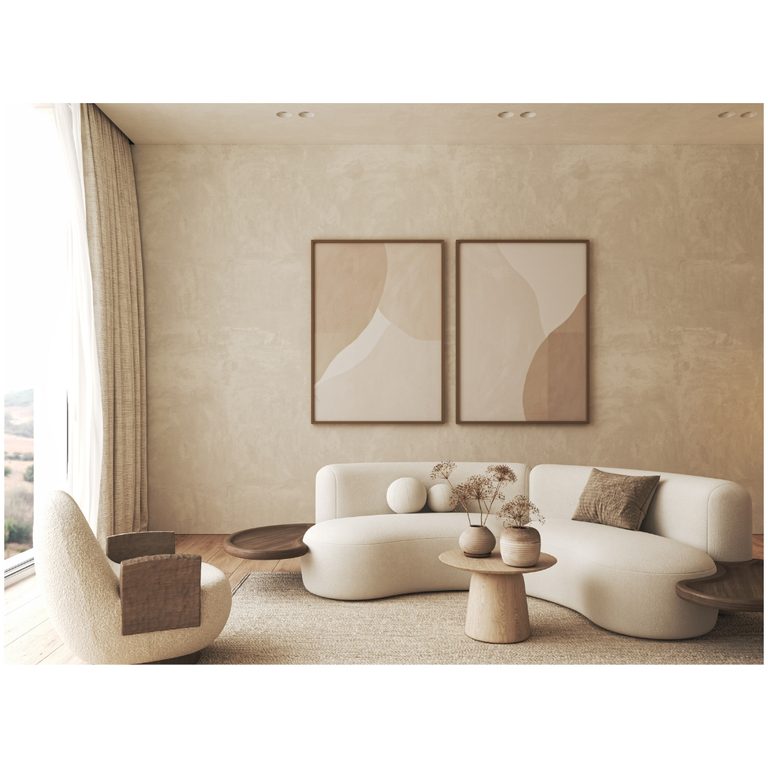
Expensive interiors rely on large scale and confident statement pieces. A single, massive piece of framed art creates far more dramatic impact than a cluttered gallery wall.
If custom oversized art is outside your budget, create your own high-end artwork easily. Frame large architectural prints, abstract canvas paintings, or black-and-white family portraits in sleek, thick frames.
Ensure your area rugs are sized correctly for your living rooms and bedrooms. In a living room, all front legs of your seating furniture should rest comfortably on the rug.
A small rug floating isolated in the center of a room shrinks the perceived square footage instantly. Oversized rugs anchor the seating area and make the entire room feel expansive.
Scale applies to decorative objects on tables and consoles as well. Choose oversized ceramic vases, large wooden bowls, and tall candleholders instead of groupings of tiny trinkets.
Embracing large-scale elements gives your home architectural presence and designer confidence. Big choices make small rooms feel purposeful, curated, and intentionally designed.
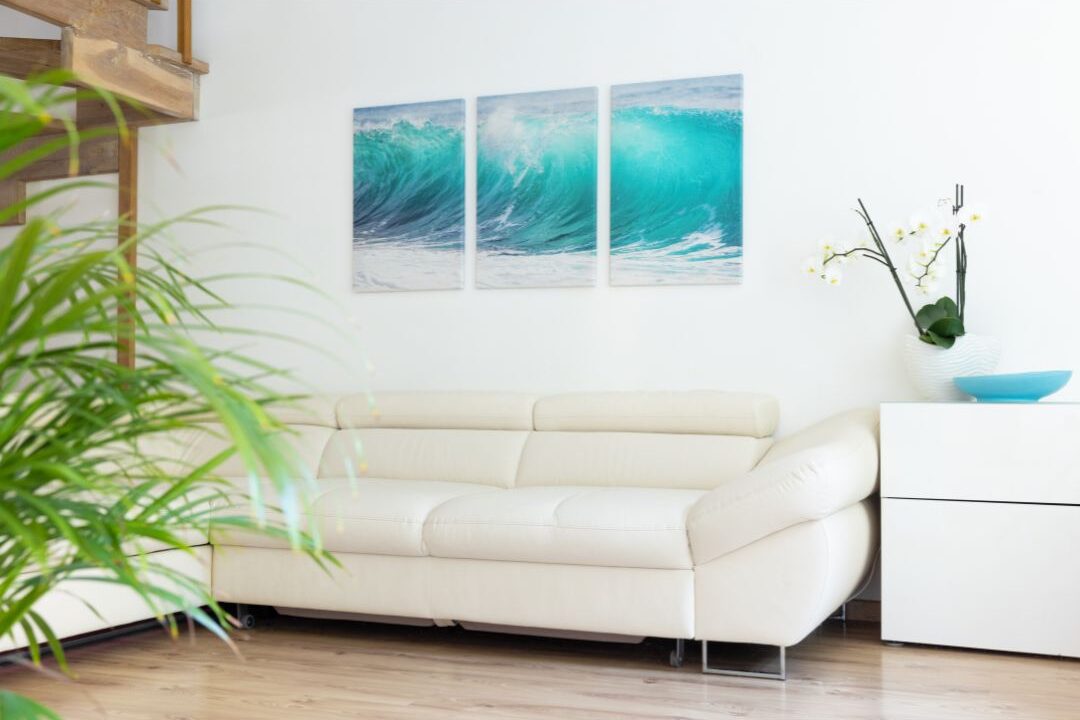
The Cheap Trap: Hanging clusters of tiny, mismatched picture frames across expansive living room walls.
The High-End Fix: Installing one or two large, boldly scaled framed art pieces to create a powerful focal point.
Intentional design decisions streamline your living space and reduce visual anxiety. Learn about 75 Things Every Elegant Home Has
Overcomplicating your domestic systems creates unnecessary friction across your home. Read Why You Never Finish Your To-Do List.
5. Rich Color Palettes and Material Contrast
The color palette and material choices in your home strongly dictate its perceived luxury value. High-end homes utilize cohesive, warm neutral foundations balanced with rich, grounding accent tones.
Avoid harsh stark whites or outdated cool grey tones that feel clinical and cold. Instead, adopt rich cappuccino, creamy ivory, warm beige, and soft mushroom background tones.
Layer rich wood tones into your space through coffee tables, picture frames, or floating bookshelves. Mixing warm oak, walnut, or deep redwood finish details adds instant historical depth.
Incorporate natural material contrasts to make your rooms feel tactile and multi-dimensional. Combine smooth marble, matte ceramics, brushed metals, woven rattan, and rich leather within a single room.
Hardware upgrades offer a fast, budget-friendly way to modernize standard builder cabinetry. Replace cheap nickel or plastic kitchen pulls with solid brushed brass, antique bronze, or matte black hardware.
Swapping standard white plastic light switch plates for heavy metal decorative covers adds subtle luxury. Touchpoints that you interact with daily should feel solid, heavy, and intentionally crafted.
Stick to a consistent color story across adjoining rooms to create seamless visual continuity. When your home flows harmoniously from room to room, it feels custom-designed and expansive.
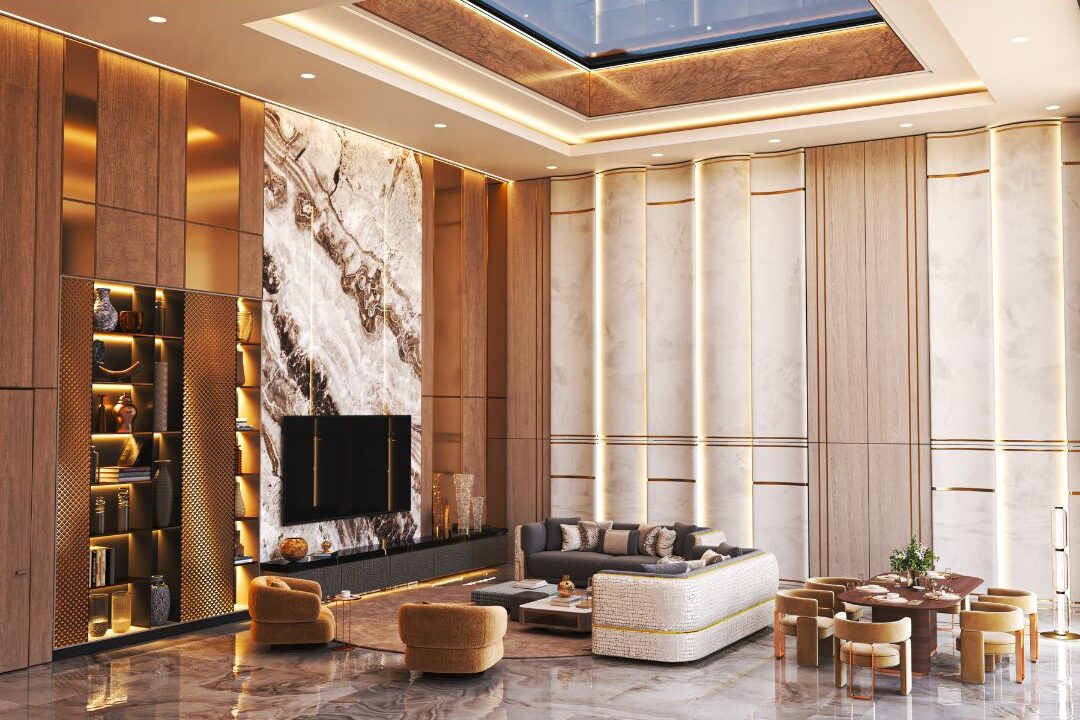
The Cheap Trap: Painting walls stark cool grey and buying matching sets of shiny, mass-produced furniture.
The High-End Fix: Layering warm neutral paint tones with mixed natural woods, brushed metals, and varied fabric textures.
Streamlining domestic routines protects the beauty and order of your home environment. Read about The Hidden Challenges Nobody Warns Moms About
Investing time in creating a beautiful sanctuary supports your right to daily rest. Read our guide on The Hard Truth About Being Home All Day
Breakdown: Cheap Decorating Traps vs. High-End Design Choices
Transforming your home requires replacing common decorating mistakes with elevated styling habits. Review these key visual differences to guide your home makeover decisions.
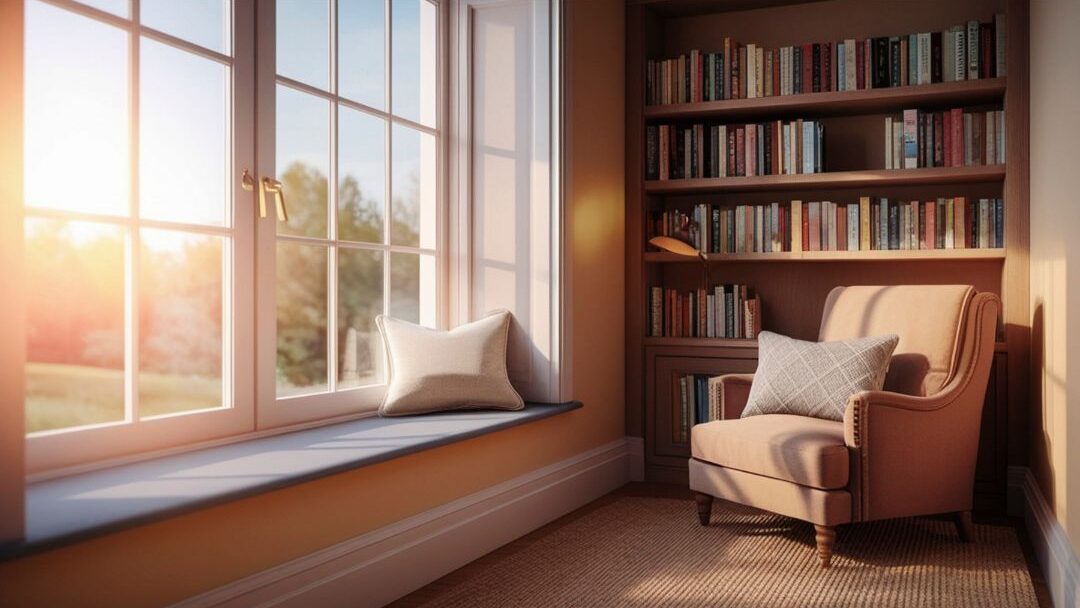
Window Treatments
- Cheap Decorating Trap: Thin, sheer synthetic curtain panels hung directly on the window trim.
- Root Visual Flaw: Makes ceilings look low, windows appear small, and fabrics look flimsy.
- High-End Design Fix: Heavy linen drapery mounted high at the ceiling line extending to the floor.
Lighting Quality
- Cheap Decorating Trap: Harsh, cool-toned overhead ceiling bulbs illuminating the entire room at once.
- Root Visual Flaw: Erases depth, highlights wall imperfections, and triggers sensory fatigue.
- High-End Design Fix: Layered warm 2700K floor lamps, table lighting, and hidden under-cabinet LED strips.
Wall Art and Framing
- Cheap Decorating Trap: Cluttered gallery walls featuring dozens of tiny, mismatched picture frames.
- Root Visual Flaw: Creates visual chaotic noise and makes expansive walls look busy.
- High-End Design Fix: Single oversized framed statement art or symmetrical large architectural prints.
Cabinetry and Hardware
- Cheap Decorating Trap: Standard builder-grade chrome or hollow plastic cabinet knobs and handles.
- Root Visual Flaw: Feels lightweight, cheap to the touch, and visually forgettable.
- High-End Design Fix: Heavy solid brushed brass, matte black, or antique bronze hardware pulls.
Surface Styling
- Cheap Decorating Trap: Covering tables and counters with small plastic trinkets and souvenir items.
- Root Visual Flaw: Creates dense clutter and destroys the architectural lines of furniture.
- High-End Design Fix: Displaying three curated organic items like ceramic vases, branches, or large books.
Starting your day in an organized environment boosts personal energy and focus. Read Things Successful Remote Moms Do Before 9 A.M.
Separating work areas from relaxing spaces maintains home sanctuary vibes. Learn How to Separate Work Life From Home Life
A Practical 3-Step Plan to Elevate Your Home Today
Upgrading your home aesthetic does not need to feel overwhelming. You can begin implementing high-end design principles today using items you already own.
Follow these three actionable steps to systematically transform your living spaces into luxurious, serene retreats.
Step 1: Perform a Room-by-Room Visual Noise Audit
Walk slowly through your home with a critical design eye and a empty laundry basket. Look at every room as if you were a guest seeing it for the first time.
Identify small items that create visual clutter on your counters, coffee tables, and floating bookshelves. Collect excess knick-knacks, visible wires, outdated magazines, and small plastic decor.
Place half of these items into storage or donate them completely. Clear your main surfaces down to their bare architectural foundations.
Group remaining essential items into neat, intentional clusters of three. Leave wide expanses of open negative space across your kitchen counters and consoles.
This immediate decluttering step elevates your home baseline instantly. You will notice a dramatic improvement in airiness and mental calm before spending a single dollar.
Simplifying home decor reduces cleanup time and frees up energy for parenting. Explore Productivity Tips for Moms with Young Kids.
Step 2: Swap Lightbulbs and Raise Curtain Rods
Focus your initial budget on high-impact lighting and textile adjustments. Inspect every lightbulb in your living room, kitchen, and bedrooms.
Replace any cool white, blue-toned, or fluorescent bulbs with warm 2700K LED bulbs. Install plug-in dimmers on table lamps to control evening light intensity.
Next, inspect your window drapery throughout your main living areas. Unmount curtain rods that are resting directly on top of window frames.
Reinstall curtain rods high near your ceiling line, extending six to twelve inches wider than the window frame. Hang full-length curtain panels that extend all the way down to the floor.
These two mechanical changes completely alter the perceived height and ambiance of your home. Your ceilings will feel higher, and your rooms will glow with cozy luxury.
Step 3: Add Organic Elements and Signature Scent Styling
Complete your home elevation process by engaging all five sensory senses. High-end spaces always feature fresh, natural elements and signature elevated aromas.
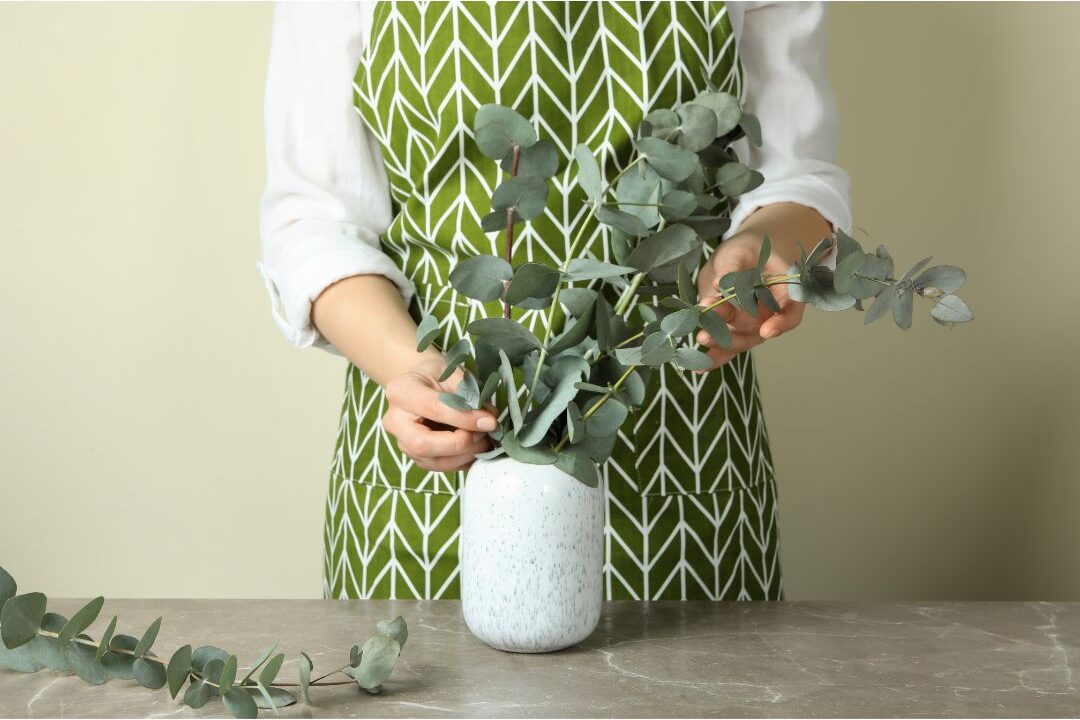
Skip artificial plastic flowers and fake fake greenery completely. Instead, clip large green leafy branches from your yard and display them in tall ceramic vases.
A single tall branch arrangement on a kitchen island creates stunning botanical drama. Natural organic elements bring life, texture, and natural elegance to modern interiors.
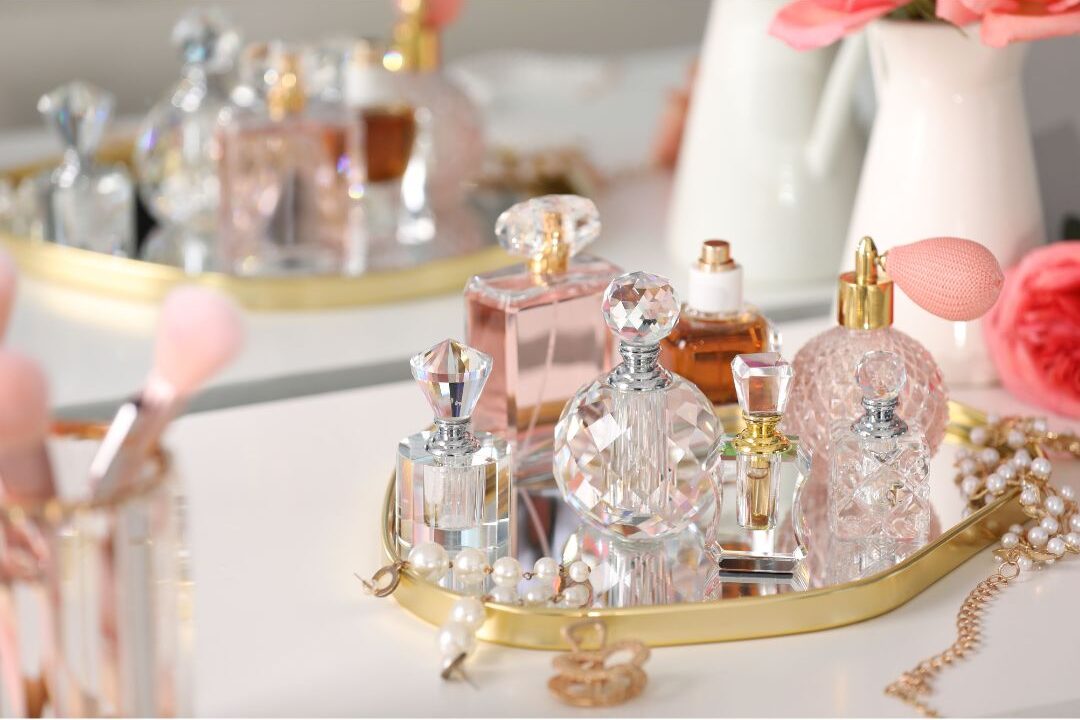
Address your home aroma by introducing high-quality natural scent diffusers or soy candles. Select sophisticated fragrance profiles like amber, sandalwood, cedar, vanilla, or eucalyptus.
Avoid cheap, synthetic sweet sprays that smell artificial and overwhelming. A subtle, signature scent welcomes family members and guests with immediate luxury appeal.
Keep your entryways, vanity mirrors, and coffee tables styled with quiet restraint. You have created an elevated, soft life home environment that supports your daily peace.
Cultivating a Sanctuary of Peace and Presence
Your home is the backdrop for your life, your motherhood, and your family daily memories. Transforming your space into an elevated sanctuary is an investment in your personal happiness.
Learning things that instantly make your home look expensive empowers you to design intentionally. You realize that true beauty comes from restraint, warmth, order, and love.
You do not need an endless budget to enjoy a home that feels luxurious and deeply comforting. By honoring your physical environment, you build a space that rejuvenates your spirit every day.
Step back, enjoy your serene surroundings, and embrace the peaceful soft life home you have created.



4 Comments