Money Habits That Keep Families Broke
Disclosure: Some of the links in this post are affiliate links. This means if you click on the link and purchase an item, I will receive an affiliate commission at no extra cost to you.
Managing household finances often feels like an uphill battle for modern parents. You work hard every single day to provide for your children. Yet, despite your best efforts, money seems to disappear rapidly each month.
Many parents wonder why their accounts remain empty after paying basic household expenses. They assume that their continuous financial struggles stem purely from low earnings.
However, underlying daily spending choices often dictate family financial health more than income. Unhealthy spending patterns quietly drain household cash reserves long before you notice.
Fortunately, identifying these subtle patterns allows you to make calm, positive changes. Let us explore the money habits that keep families broke and how to fix them gently.

Understanding Why Families Get Stuck in Financial Traps
Rejecting Mainstream Spending Norms
Modern culture constantly encourages families to spend money on endless conveniences and upgrades.
Social media platforms showcase luxurious homes, designer wardrobes, and lavish family vacations daily. Consequently, overspending has become normalized as a standard part of modern parenting.
When everyone around you lives beyond their means, overspending feels entirely normal. You may assume that accumulating debt is simply required to raise comfortable children.
However, following mainstream spending patterns often traps families in perpetual financial stress.
Why High Income Does Not Guarantee Financial Peace
Earning a higher income rarely solves money problems without clear systems in place. Many high-earning households live paycheck to paycheck because their spending rises alongside earnings. This phenomenon prevents parents from building meaningful wealth or emergency cash reserves.
True financial peace depends on widening the gap between income and expenses. When you consume every dollar you make, income size no longer matters.
Building lasting stability requires breaking free from automatic consumption habits permanently.
Shifting from Panic to Intentional Household Management
Living under constant financial pressure forces your nervous system into chronic survival mode. You constantly react to financial demands instead of proactively directing your family cash flow.
This chronic anxiety drains your vital daily energy and impairs logical decision-making.
Intentional household management shifts your perspective from panic to quiet control. You stop viewing money as a source of endless fear and frustration.
Instead, you treat financial planning as a gentle tool that protects domestic peace.Cultivate calm financial management by reading How to Create a Soft Life Even on a Tight Budget.
Reduce domestic tension by implementing Simple Household Rules That Eliminate Daily Stress.

Habit 1: Normalizing Unchecked Daily Micro-Spending
The Frictionless Spending Trap of Digital Payments
Digital payment methods make spending money completely effortless and invisible during daily errands.
Tapping smartphones or cards removes the natural friction of physically handing over cash. As a result, you spend money without feeling the real psychological weight of purchase choices.
Small, frequent digital transactions accumulate into hundreds of dollars in hidden monthly expenses.
A quick drive-thru coffee, a digital app purchase, or a small snack feels insignificant individually. However, these tiny daily leaks collectively swallow your family’s monthly saving potential.
Convenience Purchases That Drain Monthly Cash
Busy parents frequently rely on paid conveniences to survive hectic weekly schedules. Ordering takeout dinner, paying for rush shipping, and buying pre-cut groceries offer instant relief.
While convenient, relying on paid shortcuts regularly drains household cash reserves rapidly.
Addressing this habit does not require eliminating every single modern convenience completely. Instead, prepare simple systems that reduce your reliance on emergency paid shortcuts.
Planning simple meals and organizing routines protects both your time and budget.
The Cumulative Impact of “Small” Daily Treats
Rewarding yourself with small daily purchases often feels like essential self-care during chaotic afternoons.
Grabbing a sugary drink or ordering boutique snacks provides brief comfort during busy routines. However, spending ten dollars daily on quick treats equals three hundred dollars monthly.
That significant sum could easily fund your family emergency buffer or home upgrades. True self-care should nourish your spirit without undermining your long-term financial stability.
Finding free daily rewards preserves both your emotional well-being and account balance.
Avoid common household spending errors by exploring 25 Money Mistakes Stay-at-Home Moms Make Without Knowing It.

Habit 2: Living Without a Forward-Looking Financial System
Reactive Money Management vs. Proactive Planning
Most families manage money reactively by checking account balances after spending has occurred. When you look at an account balance, you see available cash without context.
You forget upcoming bill due dates, seasonal expenses, or annual insurance premiums completely.
Reactive spending leads to sudden panics when large, predictable bills arrive unexpectedly. Proactive money management assigns specific jobs to every dollar before the month starts.
Planning expenses in advance eliminates surprise bills and restores calm to your home.
The Danger of Treating Savings as an Optional Choice
Many parents treat saving money as a luxury reserved only for leftover cash. They pay bills, purchase groceries, cover discretionary wants, and hope money remains at month-end.
Unfortunately, because human spending expands naturally, leftover money rarely exists at all.
Waiting for leftover funds guarantees that your family savings account never grows. To build real financial security, you must treat savings as a non-negotiable monthly bill.
Transferring savings first forces your household to live comfortably on the remaining funds.
Ignoring Annual and Seasonal Expense Sinking Funds
Predictable annual costs frequently derail family budgets because parents fail to plan ahead. School supply shopping, vehicle registrations, holiday gifts, and annual tax bills arrive every year.
When you treat these regular events as surprise emergencies, you resort to credit cards.
Creating dedicated sinking funds solves this chronic financial problem simply and elegantly. Divide expected annual costs by twelve and save that exact amount every month.
When annual bills arrive, you pay them effortlessly using accrued cash reserves.
Lower your weekly food expenses drastically using How We Cut Our Grocery Bill in Half.

Habit 3: Falling for Lifestyle Creep and Social Comparison
Upgrading Life Before Securing Surplus
Lifestyle creep occurs whenever your living expenses increase automatically alongside income raises. When you receive a raise, you immediately upgrade your car, housing, or wardrobe.
Consequently, your financial surplus disappears completely despite earning significantly more money than before.
Upgrading your lifestyle before building solid savings traps you on a continuous hamster wheel. To build true freedom, keep your core living expenses flat when income rises.
Directing new earnings straight into savings creates rapid financial momentum and peace.

Keeping Up with Consumer Trends for Kids
Parents naturally want to provide wonderful experiences and items for their growing children. However, buying every trending toy, designer outfit, and expensive activity creates severe financial strain.
Children rarely need expensive material items to feel genuinely loved, secure, and happy.
In fact, overflowing toys and excess possessions often create visual overstimulation and stress for children.
Focus on providing simple experiences, warm presence, and calm home routines instead. Prioritizing emotional connection over commercial trends saves money and enriches childhood.
The High Financial Cost of Over-Scheduling Extracurriculars
Enrolling children in multiple competitive sports, music lessons, and tutoring programs adds up fast. Monthly registration fees, specialized equipment, uniforms, and travel costs quickly consume discretionary income.
Furthermore, packed schedules leave parents exhausted and prone to buying expensive convenience meals.
Simplifying your children’s activity schedules protects both your family budget and daily peace.
Choose one meaningful activity per child per season instead of over-scheduling every weekend. Embracing unstructured free time fosters genuine creativity while keeping family expenses beautifully low.
Simplify your routines by applying This One Weekly Habit Eliminated So Much Stress.

Habit 4: Treating Credit Cards as an Extension of Income
The High-Interest Trap of Minimum Payments
Using credit cards to cover gaps between income and expenses creates dangerous long-term debt cycles.
High interest rates ensure that unpaid balances compound rapidly every single month. Paying only the minimum balance keeps your family trapped in debt for decades.
Furthermore, carrying high credit balances creates constant underlying anxiety for hardworking parents.
Interest payments strip away future earnings that could build family wealth or home comfort. Eliminating credit dependency is essential for restoring true domestic stability and peace.
Using Debt to Maintain an Unsustainable Lifestyle
Many families rely on credit cards to finance lifestyles their actual income cannot support. Booking expensive vacations or purchasing luxury home items on credit creates an illusion of wealth.
In reality, borrowed lifestyle upgrades strip away your future financial freedom and peace.
Living within your true financial means provides far greater comfort than artificial luxury. Choose the quiet peace of an debt-free life over temporary impressive displays. True luxury is living with zero debt and complete emotional freedom.
Financing Holiday Celebrations on Borrowed Funds
Pressure to create magical holiday memories frequently drives parents to overspend dramatically using credit cards.
Entering the new year with heavy holiday debt generates intense stress and financial regret. That financial hangover lingers for months, undermining your household goals for the entire year.
Shift your mindset by planning holiday celebrations around meaningful traditions rather than expensive presents.
Set a strict cash limit for gift purchases and save for it throughout the year. Thoughtful, homemade gifts and shared experiences create far sweeter memories than costly store items.
Build an easy, sustainable spending plan by reading How to Build a Family Budget You’ll Actually Stick To.
Habit 5: Ignoring Invisible Monthly Subscriptions and Overhead
The Quiet Drain of Forgotten Digital Services
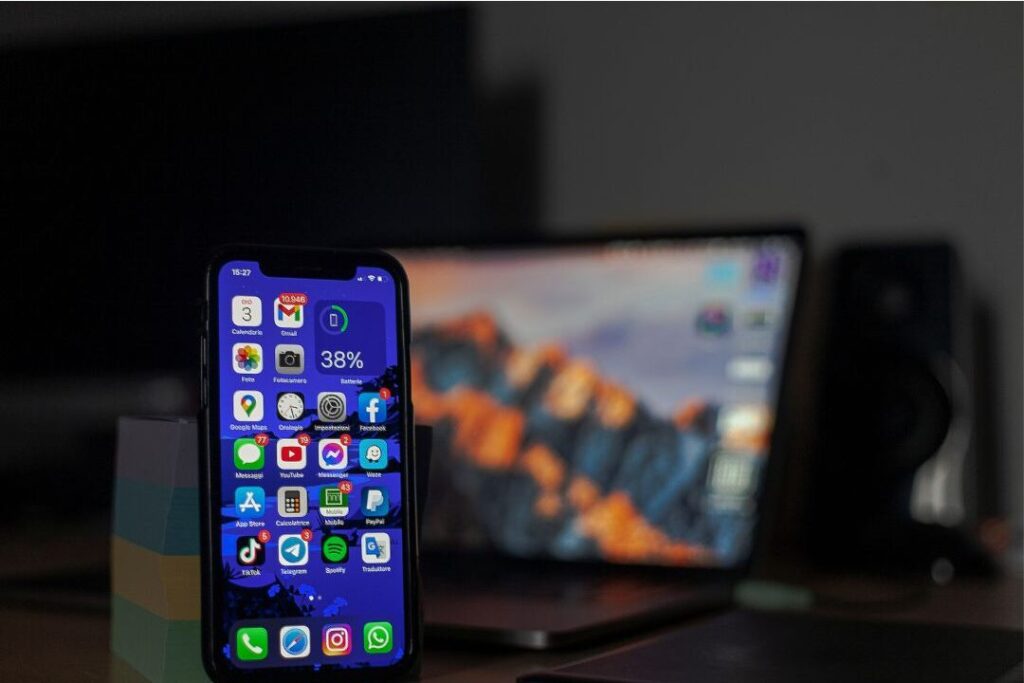
Modern digital business models rely heavily on recurring monthly subscription charges to generate revenue.
Streaming services, fitness apps, meal kits, and software platforms bill your account automatically. Because individual fees seem small, parents often forget how many services they pay for.
Audit your monthly bank statements specifically searching for active recurring charges today. Cancel every single service that your family has not used during the past month.
Reclaiming these forgotten dollars provides immediate cash relief for your home budget.
Accepting Fixed Bills Without Ever Negotiating
Most consumers assume that insurance premiums, internet rates, and mobile phone bills are fixed permanently.
Consequently, they pay rising service costs year after year without questioning price increases. In truth, service providers frequently offer promotional discounts to retain existing customers.
Set aside one afternoon each year to call your primary monthly service providers. Request current promotional rates or ask customer service representatives to match competitor pricing.
Lowering your recurring monthly overhead creates permanent savings with very little ongoing effort.
Overlooking Invisible Banking Fees and Service Charges
Small banking maintenance fees, out-of-network ATM charges, and account overdraft penalties silently erode family savings.
Paying five dollars monthly for basic checking services seems minor on daily transaction logs. However, incurring multiple penalty charges across a year wastes substantial amounts of hard-earned money.
Switch to fee-free checking accounts offered by modern credit unions or online banks. Set up low-balance alerts on your phone to prevent accidental overdraft fees completely.
Eliminating wasteful banking charges keeps your hard-earned money inside your family’s pocket.
Maintain domestic order effortlessly with 50 Simple Habits That Keep Your Home Always Clean.

Habit 6: Emotional Spending as Stress Relief for Exhausted Parents
Why Tired Moms Fall into Retail Therapy
Parenting requires immense physical, mental, and emotional energy throughout every single day. When mothers feel exhausted, overworked, or unappreciated, shopping offers fast emotional comfort and excitement.
Retail therapy delivers a brief surge of dopamine that temporarily masks deep domestic fatigue.
Unfortunately, the emotional high of purchasing new items fades almost immediately after buying. The resulting credit card bills or lower bank balances create secondary stress and regret.
Recognizing emotional tiredness as a spending trigger helps you break this exhausting cycle.

Replacing Impulse Shopping with Restorative Self-Care
To curb emotional spending, you must replace retail shopping with restorative, cost-free self-care habits.
When you feel overwhelmed, seek activities that genuinely nourish your nervous system and body. Taking warm baths, reading inspiring books, or walking outdoors restores energy without spending cash.
Build a simple daily menu of restful practices that recharge your spirit at home. Protecting your personal energy prevents emotional exhaustion and eliminates the urge to impulse shop.
Nurturing yourself gently safeguards both your emotional well-being and family savings.
Decoupling Reward Systems from Material Purchases
Society conditions adults to celebrate personal achievements or endure difficult days through material spending.
Finishing a tough work project or surviving a chaotic parenting week becomes an excuse to shop. This automatic connection between stress relief and retail spending creates persistent financial friction.
Reframe your personal reward system around calming, non-material experiences that bring true joy.
Reward your hard work with an extra hour of restful reading, a quiet bubble bath, or a nap. Decoupling emotional validation from shopping allows you to build true abundance and peace.
Elevate your home experience affordably using 25 Tiny Changes That Made My Home Feel 10x More Luxurious.

Habit 7: Operating Without a Dedicated Family Emergency Cushion
How Minor Expenses Become Major Crisis Events
Living without dedicated emergency savings leaves your household completely vulnerable to life’s normal surprises.
A sudden minor car repair, unexpected dental bill, or home maintenance issue creates instant panic. Without cash reserves, you are forced to rely on high-interest debt to survive.
Operating without cash cushions keeps your nervous system in a constant state of high stress.
Every unexpected expense feels like a catastrophic event that threatens your family’s basic security. Building a cash buffer transforms potential financial disasters into minor, manageable hiccups.
Building Your First Protective Emergency Buffer
Accumulating an initial emergency fund of $1,000 creates an essential safety barrier for your household.
This fund acts as financial armor, protecting your monthly routine whenever unexpected events occur. Store this money in a separate, high-yield savings account away from daily spending funds.
Knowing you possess cash reserves grants immense peace of mind during unpredictable seasons. You handle unexpected challenges with calm confidence rather than sudden panic and fear.
A dedicated emergency cushion is the cornerstone of a soft, stable home life.
Separating Emergency Cushion Accounts from Daily Checking
Keeping emergency savings inside your primary checking account invites accidental spending during busy weeks.
When emergency money sits alongside daily spending funds, your brain views that total balance as available cash. Move your emergency cushion into a completely separate bank or high-yield savings institution entirely.
Choosing an online bank that takes one or two days to transfer money adds healthy friction.
That slight delay prevents spontaneous impulse withdrawals while keeping funds accessible for genuine emergencies. Protecting your emergency fund guarantees lasting peace and domestic stability for your family.
Uncover environmental stressors with If Your Home Never Feels Peaceful, These 15 Things Might Be Why.

Habit 8: Neglecting Pre-Loved and Secondhand Options
The Social Stigma Around Buying Used Goods
Many parents hesitate to purchase secondhand clothing, furniture, or toys due to outdated social perceptions.
They fear that buying pre-loved goods signals financial weakness or compromises quality for their children. Consequently, they pay full retail prices for items that lose value instantly.
Overcoming this artificial stigma unlocks incredible savings without compromising quality or personal style.
High-end consignment shops and online marketplaces offer pristine, brand-name items at huge discounts. Embracing pre-loved goods is a smart, eco-friendly way to maintain a luxurious home affordably.
Building Sustainable Household Sourcing Habits
Children grow out of apparel and developmental toys astonishingly fast during their early years. Buying brand-new wardrobes every few months creates massive, continuous drains on family cash flow.
Establishing a routine of sourcing gently used items keeps your home stylish while preserving savings.
In addition, selling your family’s outgrown items online generates extra cash to fund ongoing expenses.
This circular approach minimizes domestic waste and keeps your living space organized and clutter-free. Sourcing pre-loved goods supports sustainable living while building lasting financial strength.

How to Gently Replace Broke Money Habits with Soft Life Systems
Step 1: The Zero-Judgment Household Audit
Transforming your family’s financial health begins with a gentle, non-judgmental review of your current spending.
Print out bank statements from the past sixty days and review transactions calmly together. Approach this review with complete curiosity and compassion rather than shame or blame.
Identify where money leaks occur naturally and celebrate areas where you spent money wisely.
Seeing real spending numbers clearly removes anxiety and provides an honest baseline for positive change. Self-awareness empowers you to build intentional financial systems that support your home.
Step 2: Automating Savings and Fixed Overhead
Eliminate reliance on daily willpower by automating your savings transfers and recurring bill payments.
Configure automatic rules to move savings into protected accounts immediately after receiving paychecks. Pay essential fixed overhead bills through a dedicated checking account to prevent accidental overspending.
Automation ensures that your financial responsibilities are handled quietly and consistently behind the scenes.
You no longer need to spend valuable mental energy managing routine transactions every week. Automated systems create immediate structural support for a peaceful, well-ordered family life.

Step 3: Instituting the 72-Hour Purchase Pause Rule
Break impulse spending habits effortlessly by instituting a mandatory 72-hour pause on non-essential purchases.
Whenever you desire a new non-essential item, write it down on a wishlist and wait three days. Use that waiting period to consider whether the purchase brings genuine value to your home.
In most cases, the initial emotional urge to buy fades completely after three full days.
Deleting unnecessary items from wishlists saves money while keeping your physical home clutter-free. Conscious spending choices cultivate lasting domestic calm and financial clarity.
Step 4: Establishing Firm Financial Boundaries with Kindness
Saying yes to every financial request from extended family, friends, or social groups creates heavy stress.
Overextending your budget to accommodate social pressure compromises your own family’s financial safety net. Learning to set compassionate, firm boundaries around your financial limits is vital for domestic peace.
Politely decline costly social invitations or offer low-cost alternatives, such as hosting home tea gatherings.
True friends will respect your commitment to financial health and personal peace without judgment. Protecting your family’s resources allows you to give generously from a place of genuine abundance later.
Rebuild your monthly cash flow by reading If You Never Have Money Left Over, Read This.
Reclaiming Calm and Stability in Your Home
Small Daily Steps Toward Lasting Financial Freedom
Replacing unhealthy financial habits does not require dramatic overnight transformations or extreme personal hardship. Real, permanent progress happens through small, consistent choices made thoughtfully every single day. Celebrate every small victory, such as canceling an unused subscription or saving twenty dollars.
As you replace harmful habits with simple, automated systems, domestic stress melts away gradually. You create a safe, peaceful home environment where your family can truly thrive. Financial freedom is ultimately about creating the time and space to enjoy life fully.
Final Thoughts on Financial Harmony for Families
Breaking the money habits that keep families broke opens the door to lasting quiet abundance. By establishing clear boundaries, stopping invisible leaks, and honoring your rest, you protect your family’s future. Step confidently into a lighter, softer, and more financially peaceful way of living today.







5 Comments