Stop Buying These Things — They’re Keeping You Broke
The things to stop buying that are keeping you broke are rarely the obvious ones. You already know you cannot afford a luxury holiday right now. What you may not have noticed are the five-dollar purchases, the monthly subscriptions, the convenience buys, and the emotional spending habits that are doing far more damage to your budget than any single large expense ever could.
Nobody becomes broke all at once. It happens gradually, quietly, through a long series of small purchases that individually seem completely reasonable and collectively become a financial leak so significant that by the end of the month you are genuinely baffled about where the money went.
This post is not about guilt, or deprivation. It is about clarity. Because once you can see exactly where your money is quietly disappearing, you can make genuinely informed decisions about where it goes instead.
And you can then start building the kind of financial stability that actually supports the soft life you are working toward.
Why Small Purchases Do the Most Damage
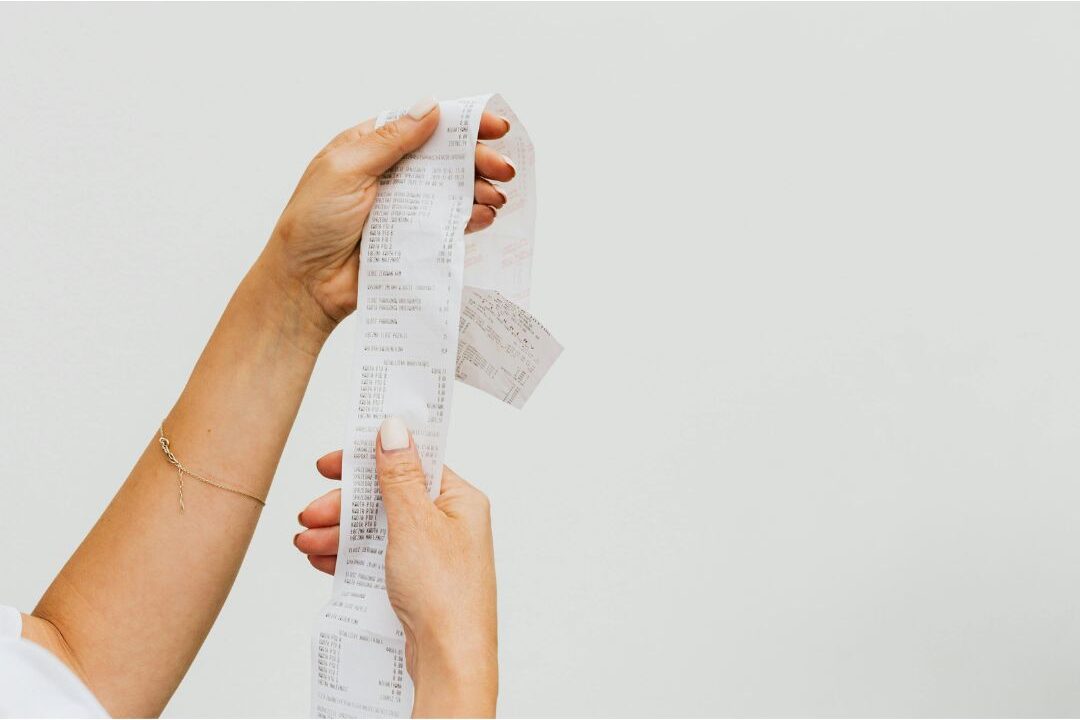
There is a well-documented psychological phenomenon called the latte effect. The principle is simple. Small, frequent purchases feel insignificant individually but accumulate into enormous annual sums.
A five-dollar coffee every weekday is over a thousand dollars a year. A fifteen-dollar monthly subscription you forgot about is one hundred and eighty dollars annually.
Multiply that across ten forgotten subscriptions, and you have nearly two thousand dollars that left your account without you making a single conscious spending decision.
You don’t have to eliminate every small pleasure from your life. It is about making your small purchases conscious rather than automatic.
The ones that genuinely add value to your daily life are worth keeping. The ones that happen out of habit, convenience, or emotional impulse are the ones quietly keeping you broke.
The spending habits in this post are closely related to the broader financial mistakes we cover in 25 Money Mistakes Stay-at-Home Moms Make Without Knowing It.
Once you stop the leaks, the next step is building a budget that actually holds. Our post on How to Build a Family Budget You’ll Actually Stick To gives you the framework.
Category 1: The Convenience Trap
Convenience is one of the most expensive things you can buy, and it isn’t because convenience products are inherently overpriced.
Many of them are, but because the habit of reaching for the convenient option becomes so automatic that you stop calculating what it is actually costing you over time.
These are the convenience purchases that consistently drain budgets faster than almost anything else.
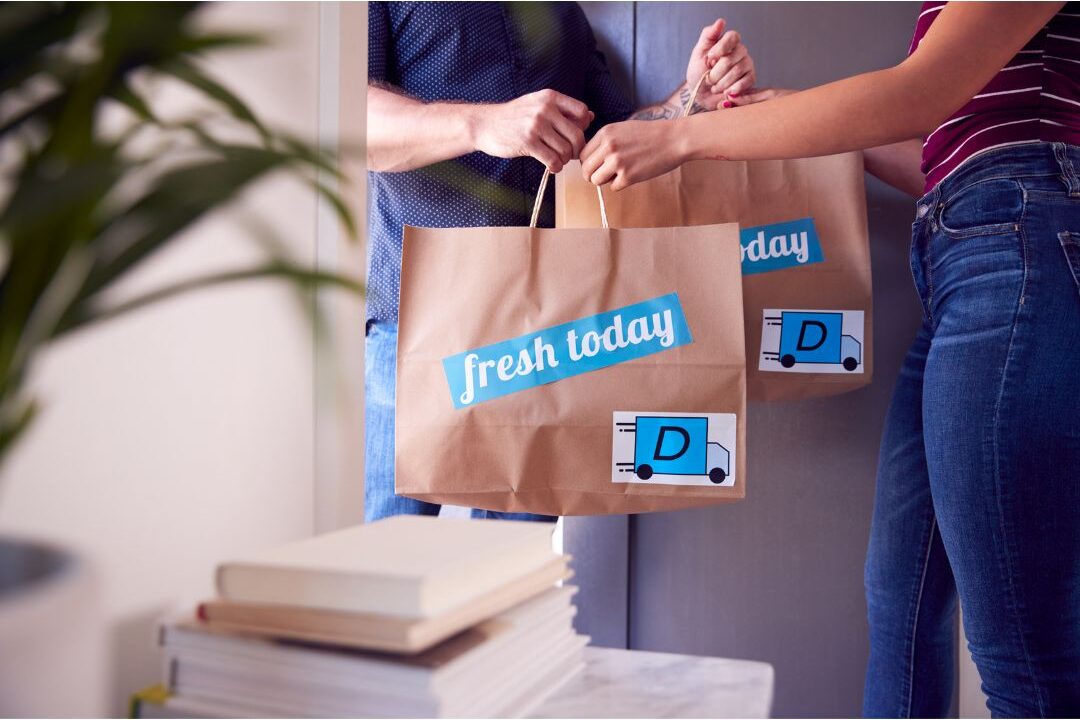
Frequent Takeaway and Food Delivery Orders
This is the single most consistently cited budget drainer among stay at home moms, and it is easy to understand why.
You have been managing the household all day. It is 5pm and the idea of planning and cooking a meal from scratch is genuinely overwhelming. The delivery app is right there on your phone.
The problem is not any individual order. The problem is when this becomes the default response to a tired evening rather than an occasional treat.
At fifteen to thirty dollars per order, three or four orders a week adds up to hundreds of dollars monthly that could have been redirected toward something that actually builds your life.
The fix: Identify your highest-risk evenings, the ones where you know cooking feels impossible, and plan specifically for those.
A slow cooker meal started in the morning. A batch cook on Sunday that covers Tuesday dinner. Two or three genuinely easy meals in your weekly rotation that require almost no mental energy to execute.
Reserve delivery as a genuine treat rather than a default escape.
Reducing your food spending goes hand in hand with what we share in How We Cut Our Grocery Bill in Half.
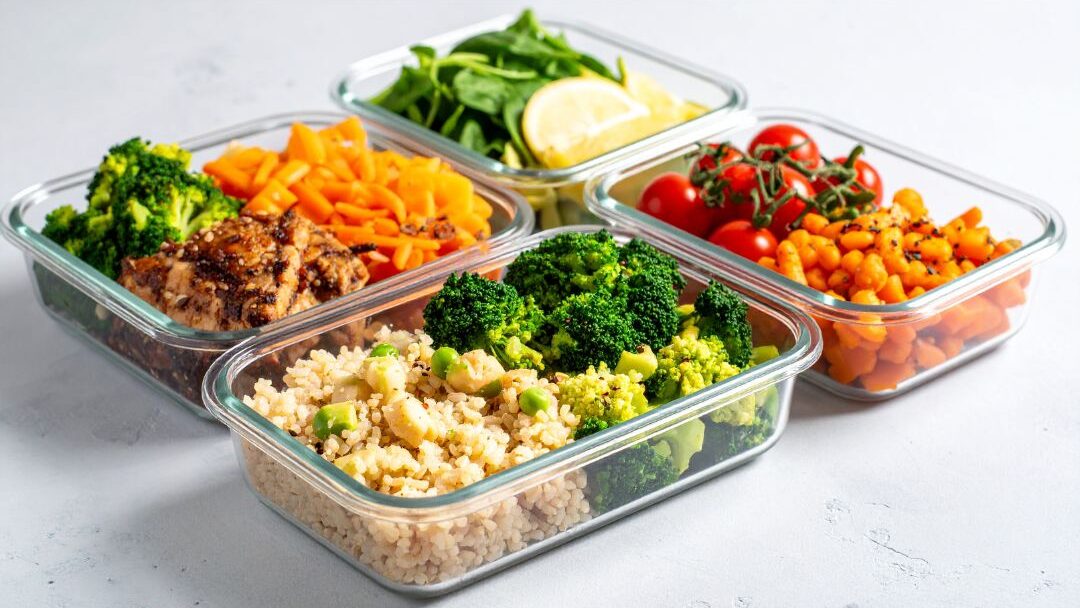
Single-Use Cleaning and Household Products
The cleaning product aisle is one of the most aggressively marketed spaces in any supermarket. There is a specific product for every surface, every room, every type of stain, and every perceived need.
Most of them are unnecessary. A multi-purpose cleaner, a good quality microfibre cloth, washing up liquid, and a bathroom cleaner handle the vast majority of household cleaning tasks perfectly well.
Buying a separate specialized product for the stovetop, the windows, the bathroom tiles, the kitchen cupboards, and the fridge is a marketing success, not a cleaning necessity.
These products add up quickly and most of them do not outperform the basics by any meaningful measure.
The fix: Audit your current cleaning products. Identify the multi-purpose ones and commit to using them for more surfaces than you currently do.
Replace specialized products one by one as they run out with a more versatile alternative rather than repurchasing the single-use version.
Bottled Water When You Have Tap Access
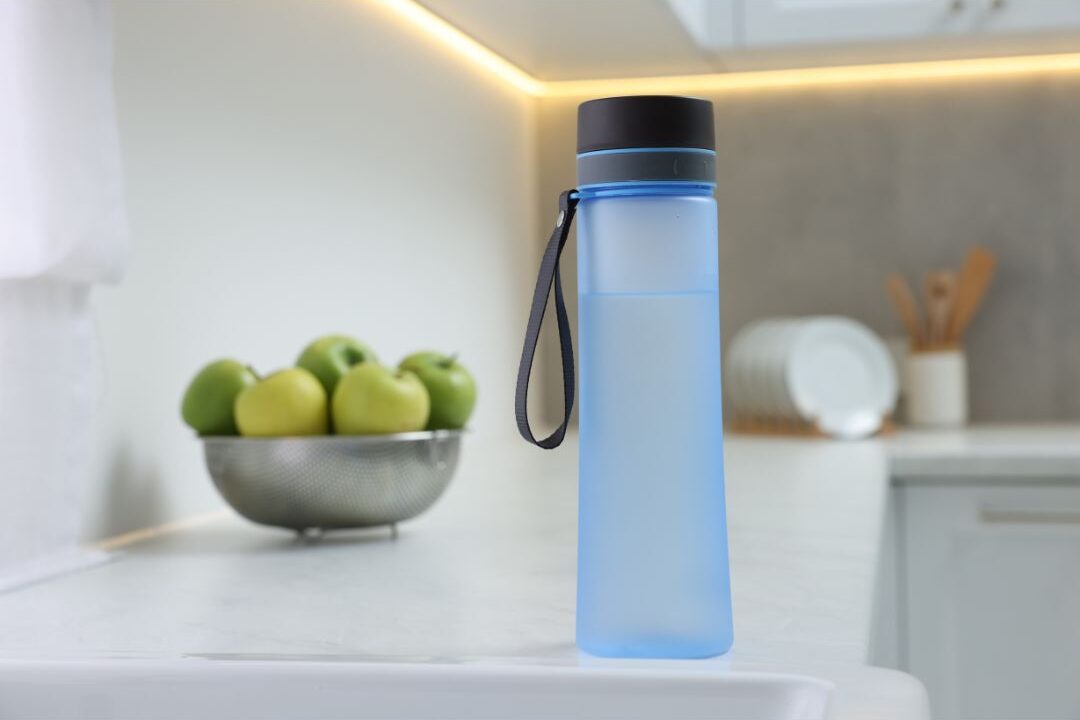
If your tap water is safe to drink, buying bottled water regularly is one of the most straightforward budget leaks to close.
Bottled water costs hundreds of times more per litre than tap water. A simple filtered jug or a reusable water bottle with a filter solves any taste concerns at a fraction of the ongoing cost.
This is one of those purchases that feels completely insignificant in the moment and becomes genuinely significant when you add up what you spend on it across a full year.
The fix: Invest once in a good quality water filter or filtered bottle. The upfront cost pays for itself within weeks and the ongoing savings are immediate and consistent.
Paper Towels as Your Primary Cleaning Tool
Paper towels are convenient. They are also an ongoing, entirely avoidable expense that most households significantly overspend on without ever questioning.
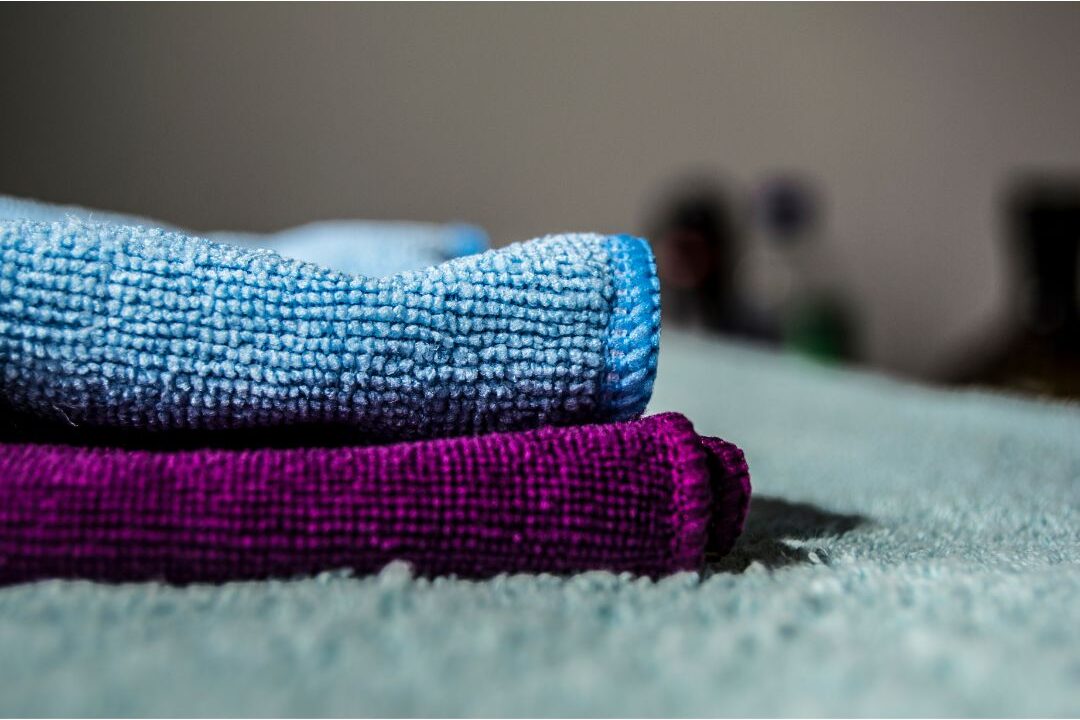
A set of good-quality reusable cloths or cut-up old t-shirts handles every task a paper towel does at zero ongoing cost once you have made the switch.
Many households spend thirty to sixty dollars annually on paper towels alone. That is a small but completely unnecessary leak that closes permanently with one decision.
The fix: Buy a set of microfibre cloths or cut up old cotton t-shirts into cleaning squares. Wash and reuse them.
Keep a small roll of paper towels for the tasks where disposable genuinely makes sense, but stop using them as your default cleaning tool.
Category 2: The Subscription Graveyard
Subscriptions are one of the most insidious forms of budget drain because they operate invisibly.
Once you set them up, they pull money from your account automatically, quietly, and consistently whether you use the service or not. Most households have significantly more active subscriptions than they realize.

Streaming Services You No Longer Actively Use
The average household subscribes to four or more streaming services simultaneously. In practice, most families actively use one or two and rotate their viewing across the others sporadically.
Paying for all four, all twelve months of the year, regardless of how much any given service is being used, is a straightforward budget leak.
The fix: Audit every streaming subscription you currently have. Cancel the ones you have not actively used in the past month.
Most streaming services allow you to pause or cancel and resubscribe without losing your viewing history. Rotate one subscription at a time rather than maintaining all of them simultaneously.

App Subscriptions You Forgot You Signed Up For
This category is responsible for more quiet financial leakage than most people realize until they actually sit down to audit it.
A fitness app trial that converted to a paid subscription. A language learning app you opened enthusiastically in January and have not touched since March. A magazine subscription that renews automatically every year.
These range from two dollars to thirty dollars per month each. A handful of them together can easily represent a hundred dollars monthly leaving your account for services you are not using.
The fix: Go directly to your bank statement and look at every recurring charge from the past three months. For each one, ask a single question.
Have I used this in the past thirty days? If the answer is no, cancel it today, not when you get around to it. Today.

Gym Memberships You Are Not Using
Gym memberships are one of the most statistically common examples of subscription guilt. You pay because you intend to go.
The intention is genuine. The attendance is not. Meanwhile, the monthly charge continues regardless, sometimes for years, sustained by the guilt of cancelling something you feel you should be using.
A gym membership you are not using is not a health investment. It is a monthly donation to a business that does not need your support more than your own family budget does.
The fix: Cancel the membership without guilt. If fitness is genuinely a priority, commit to free options first.
Walking, bodyweight home workouts, free YouTube fitness channels. Prove the habit to yourself before paying for the infrastructure.
Subscriptions are just one category of the broader problem we identify in the hidden expenses quietly destroying your budget.
Once you have cancelled the unnecessary subscriptions, organizing what remains into proper budget categories is the next step. Our post on budget categories every mom should have walks you through it.

Category 3: The Emotional Spending Trap
Emotional spending is buying things not because you need them or even genuinely want them, but because purchasing something provides a temporary hit of pleasure, control, or relief during a difficult emotional moment.
It is one of the most common and least discussed financial habits among stay-at-home moms, partly because the purchases involved are so individually small that they feel impossible to justify treating as a real financial problem.
Impulse Online Shopping During Low Moments
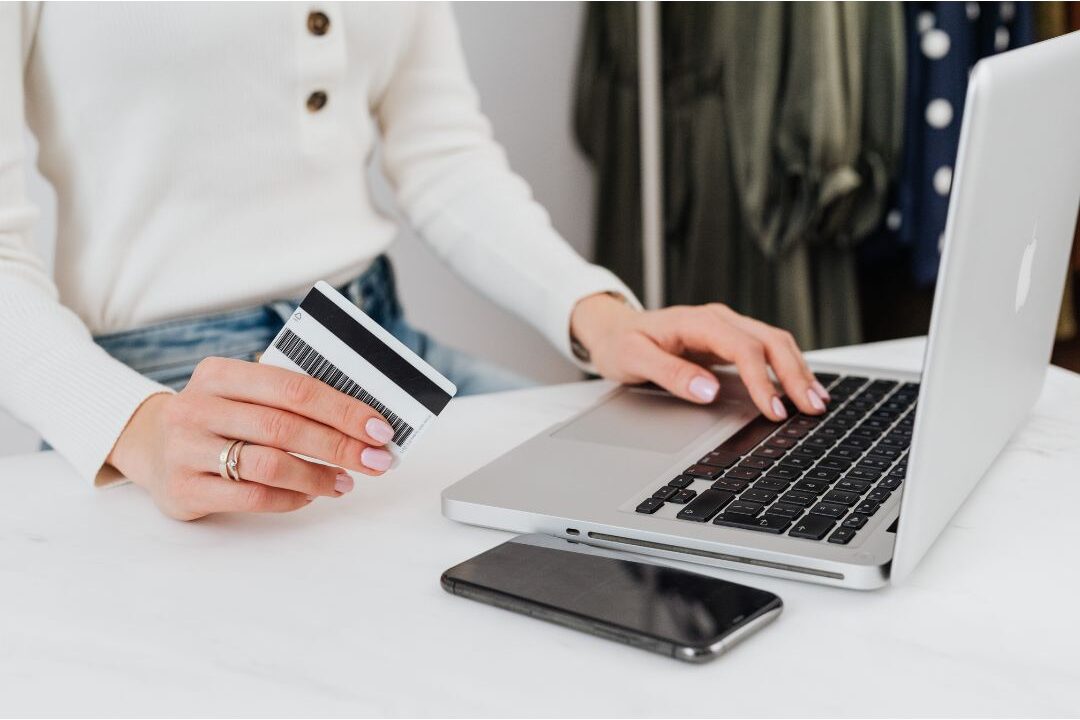
The combination of a difficult day, a tired evening, and a phone with one-click purchasing enabled is a budget’s worst enemy. You are not shopping because you need something.
You are shopping because the act of selecting something and pressing buy provides a brief, reliable hit of dopamine during a moment when you feel depleted or overwhelmed.
The items arrive a few days later. The emotional need that triggered the purchase has long since passed. The item itself is often not what you imagined it would be. And the money is gone.
The fix: Install friction between the impulse and the purchase. Remove saved payment details from shopping apps.
Add items to your wishlist rather than your cart and wait seventy-two hours before buying. In most cases, the urge will have passed.

Buying Things on Sale That You Would Not Have Bought at Full Price
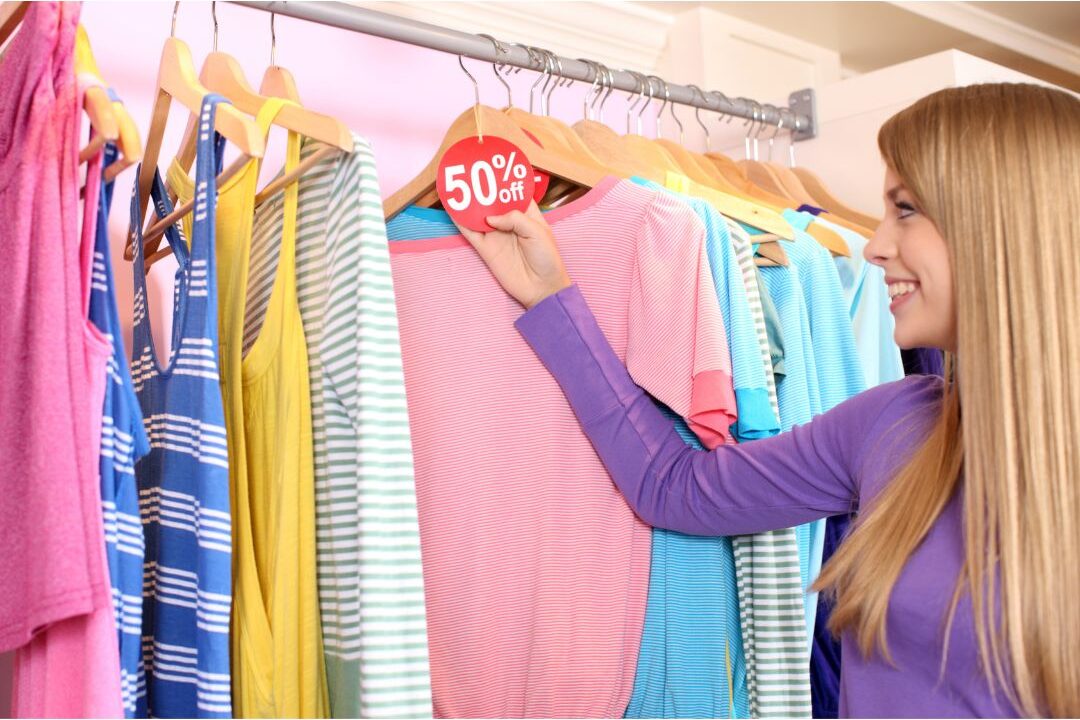
A sale is only a saving if you would have purchased the item anyway at full price. If you are buying something specifically because it is on sale, you are not saving money.
You are spending money you were not planning to spend, at a slight discount. The net result is still money leaving your account for something you did not need before the sale existed.
This is one of the most psychologically convincing spending traps because it feels virtuous. It feels like financial savvy.
In practice it is one of the most consistently effective ways to spend more than you intended across a month.
The fix: Before purchasing any sale item, ask yourself a single honest question. Would I have bought this at full price? If the answer is no, put it back.
The discount is not a reason to buy something. It is a marketing tool designed to make you feel like one.
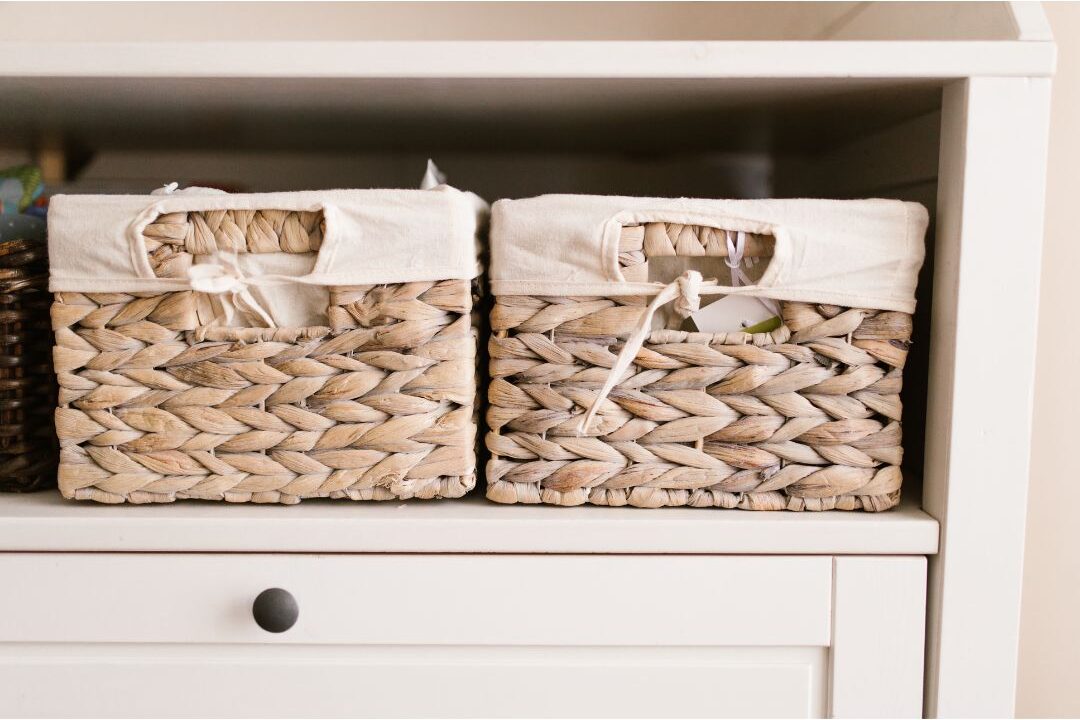
Buying Organizing Products Before You Have Decluttered
This is a specific and surprisingly common form of spending that solves the wrong problem. Your home feels chaotic and disorganized.
Your instinct is to buy storage solutions, boxes, baskets, drawer organizers, shelf systems. You spend a significant amount on these products.
The chaos persists because the underlying issue was too much stuff, not too few containers.
Storage products bought before a thorough declutter almost always end up containing clutter more neatly rather than resolving it.
And the money spent on them could have been saved entirely by first removing what does not need to be stored at all.
The fix: Declutter thoroughly before you buy a single organizational product. Remove everything that does not belong, does not serve you, or has not been used in the past year.
Then and only then assess what actually needs a storage solution. You will almost certainly need far fewer products than you originally thought.
Before you buy a single storage product, read our post on 101 Things to Declutter This Weekend and start there instead.
Emotional spending is often triggered by comparison. Our post on Why Comparison Is Stealing Your Joy addresses the root cause of this spending pattern.
Category 4: The Quality Illusion
Not everything expensive is better. And not everything cheap is good value.
The quality illusion is the tendency to either overspend on things where price does not actually correspond to quality, or underspend on things where it genuinely does. Both directions cost you money in the long run.

Premium Branded Versions of Generic Products
For a significant number of everyday products, the generic or store brand version is chemically or functionally identical to the premium branded one.
Paracetamol is paracetamol regardless of which packaging it comes in. Many cleaning products, pantry staples, and personal care items perform identically in their generic versions at a fraction of the branded price.
The premium is often being paid for advertising, packaging, and brand recognition rather than any meaningful difference in the product itself.
The fix: Switch to generic or store brand versions of your lowest-involvement purchases, the products you use regularly but do not have strong feelings about.
Keep the branded versions for the specific products where you have genuinely tested the alternative and found it lacking.

Cheap Versions of High-Use Items That Wear Out Quickly
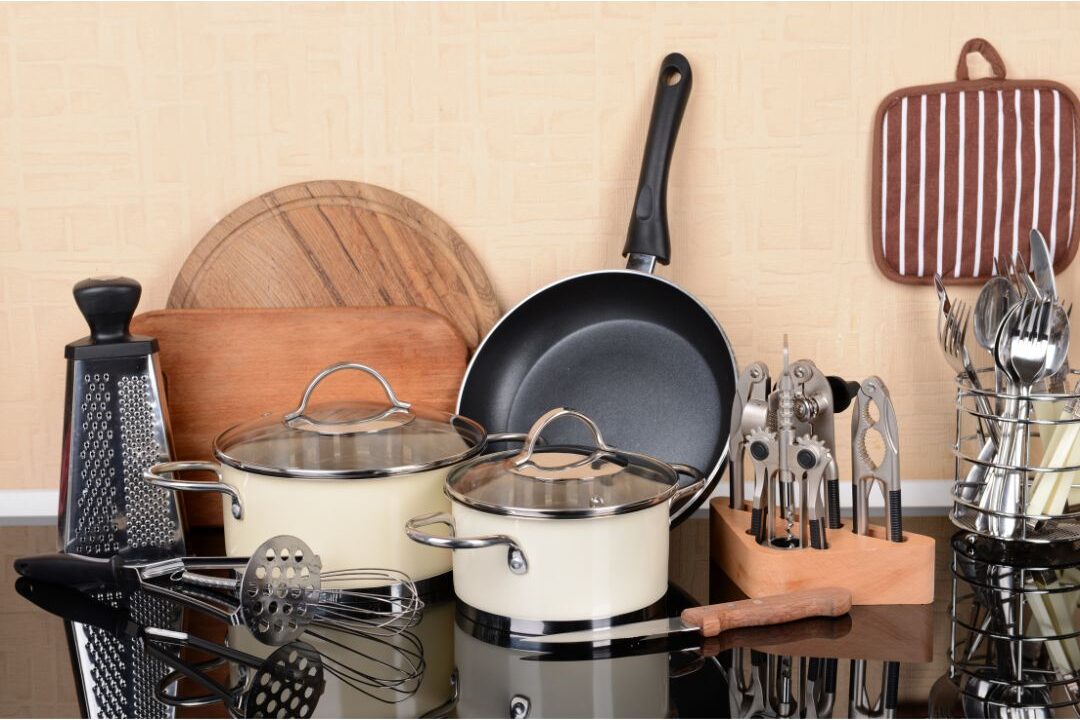
The opposite of the previous point. For the things you use constantly, buying the cheapest available option often costs more in the long run than buying a quality version once.
Cheap shoes that last one season. Cheap kitchen knives that go blunt immediately and make cooking frustrating. Cheap children’s shoes that wear out in six weeks.
The cost per use of a quality item bought once is almost always lower than the cost per use of a cheap item replaced repeatedly.
The fix: Identify the high-use items in your life and invest in quality for those specifically.
Keep the savings from your generic switches and redirect them toward buying better-quality versions of the things that actually matter to your daily function.
The quality illusion is at the heart of the spending pattern differences we identify in things poor families buy that wealthy families skip.
For a more specific breakdown of household items where you are likely overspending, our post on stop wasting money on these household items goes into detail.
Category 5: The Lifestyle Inflation Trap
Lifestyle inflation is the tendency to increase your spending in line with any increase in your income or budget, so that regardless of how much more money comes in, there is never any more left over at the end of the month.
It is one of the most common and least discussed reasons why families with reasonable incomes consistently feel financially tight.

Upgrading Your Home Decor Every Season
Home decor trends cycle rapidly and deliberately. Fast home decor, like fast fashion, is designed to make last season’s purchases feel dated and create a constant sense of need for the newest version.
Buying into seasonal decor trends, replacing cushions, throws, vases, and accessories every few months to stay current, is one of the most reliably effective ways to spend a significant amount of money on things that add very little lasting value to your home or your life.
The fix: Invest in classic, neutral pieces that do not date. Refresh your home seasonally with free or near-free alternatives.
You can rearrange what you already have, bring in natural elements like branches, pinecones, or flowers from your garden, and rotate existing items between rooms.

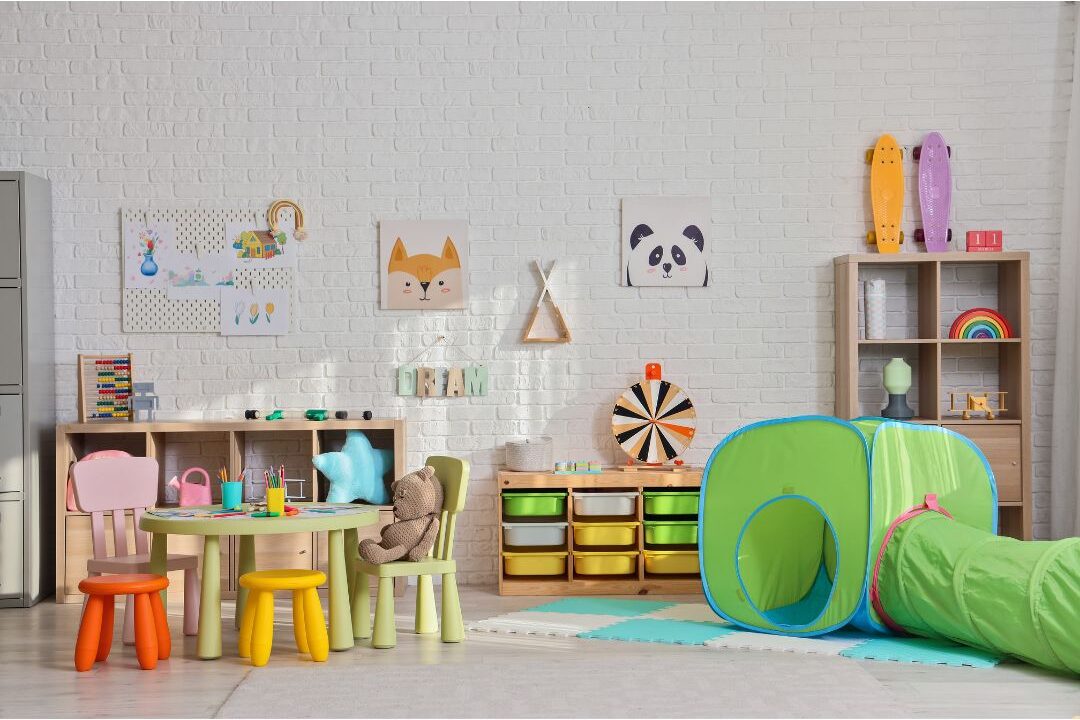
Children’s Toys and Clothes in Quantities Beyond What They Need or Use
Children do not need the volume of toys and clothing that the children’s market has convinced parents they require. Most children play deeply with a small number of toys and rotate through a reasonable number of outfits.
Buying more than this does not increase their enjoyment. It increases their overwhelm and your spending.
Children also grow extremely quickly. Spending significant amounts on clothing that will be outgrown in two to three months, particularly for babies and toddlers, is one of the areas where secondhand options provide identical value at a fraction of the cost.
The fix: Set a cap on the number of toys and clothing items your child has at any one time. When something new comes in, something old goes out.
Buy secondhand for rapidly outgrown sizes and save new purchases for the items where quality and longevity genuinely matter.
For a comprehensive list of specific items worth cutting from your spending, our post on 50 Things to Stop Buying If You’re Trying to Save Money covers the full picture.
Wealthy families consistently avoid lifestyle inflation in ways that keep their finances stable. Our post on 35 Things Wealthy Families Do Differently shows you exactly how.
What to Do With the Money You Stop Spending
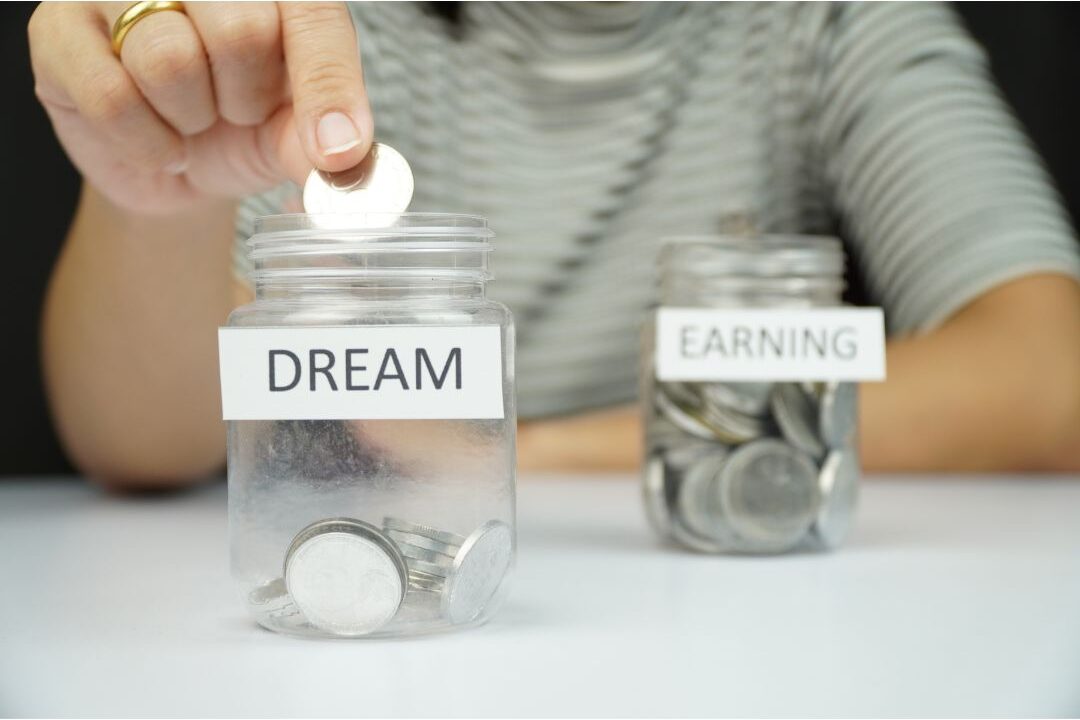
Stopping these purchases is only half of the equation. The other half is deciding intentionally where the recovered money goes before it disappears into something else equally unconsidered.
Give every redirected dollar a job before it arrives. It doesn’t matter if that job is an emergency fund, a family savings goal, a debt payment, or a specific financial milestone you are working toward.
The money you recover from these purchases should go somewhere deliberate rather than simply dissolving back into your general spending.
The soft life is not built by deprivation. It is built by intention. Every purchase you stop making unconsciously is a purchase you get to redirect toward something that actually supports the life you are building. That is not restriction but power.
Once you have closed these spending leaks, our post on How to Save Money Even If You’re Living Paycheck to Paycheck shows you how to build from here.
Once your budget is leaking less, exploring additional income becomes more impactful. Our post on Passive Income Ideas for Stay-at-Home Moms gives you a starting point.
CONCLUSION
The things to stop buying that are keeping you broke are rarely dramatic. They are the daily coffee, the forgotten subscription, the sale item you did not need, the takeaway order on a tired Tuesday evening.
Individually, they are invisible. Collectively, they represent hundreds or thousands of dollars each year that have left your account without meaningfully improving your life.
Awareness is the first step. But awareness without action changes nothing. Pick one category from this list and address it this week.
You don’t have to do it perfectly, just honestly. One closed leak is worth more than twenty identified ones sitting on a list you never act on.
Your financial stability is worth protecting. Your budget is worth the same level of intention you bring to every other area of your life. Start there.
You May Also Like:
- 25 Money Mistakes Stay-at-Home Moms Make Without Knowing It
- The Hidden Expenses Quietly Destroying Your Budget
- 50 Things to Stop Buying If You’re Trying to Save Money
- How We Cut Our Grocery Bill in Half
- Things Frugal Moms Never Waste Money On