

Things Poor Families Buy That Wealthy Families Skip
Understanding the things poor families buy that wealthy families skip is not about placing blame or shaming low-income choices. Rather, it is about illuminating the hidden structural traps that keep families trapped in financial anxiety.
When we talk about financial security, it is tempting to focus entirely on income levels.
We assume that the primary difference between struggling households and thriving households is simply the size of their monthly paycheck.
However, financial planners and behavioral economists have long recognized that income is only one part of the wealth equation.
How a family deploys its capital, manages daily cash flow, and views long-term value plays an equally crucial role.

In many cases, families operating under scarcity fall into subtle, systemic spending traps. These purchases offer brief feelings of relief, status, or convenience, but they quietly drain long-term resources.
Conversely, financially secure households navigate consumption with a completely different set of priorities.
They bypass depreciating expenses and redirect their income toward appreciating assets, preventative health, personal time, and generational safety nets.
By identifying these common money traps, you can audit your household spending, break unhealthy consumption cycles, and rebuild your financial future with intentional systems.
The Psychology Behind Scarcity Spending vs. Wealth Accumulation
To understand why different income groups spend money differently, we must first examine the psychological impact of financial stress.
When a household operates under continuous economic pressure, the brain enters a biological state of short-term survival. Psychologists refer to this state as a scarcity mindset.
When you are constantly worried about meeting immediate monthly bills, your cognitive bandwidth contracts. Long-term strategic planning becomes a luxury you feel you cannot afford.

Under high stress, your brain naturally prioritizes immediate comfort, fast relief, and quick status wins. You buy things that offer temporary satisfaction today because tomorrow feels uncertain and out of your control.
Conversely, financial stability provides the psychological safety required for delayed gratification. When baseline survival needs are consistently met, you can evaluate purchases based on ten-year horizons rather than ten-day survival.
Recognizing how scarcity drives purchasing habits helps you interrupt impulse spending and make choices aligned with your true goals.
Financial blind spots often develop without our awareness. Explore 25 Money Mistakes Stay-at-Home Moms Make Without Knowing It.
Building real financial peace requires shifting your internal mindset. Read What Does Soft Life Really Mean for Stay-at-Home Moms?

1. High-Interest Consumer Debt and Alternative Financial Products
One of the most damaging structural differences in household finance is how different economic groups interact with credit and financial services.
Families working through scarcity frequently rely on alternative financial products. These include rent-to-own retail stores, payday loans, title loans, and store-brand credit cards with high interest rates.
These products are marketed as accessible solutions for immediate needs. However, they carry exorbitant interest rates and hidden fees that lock consumers into cycles of continuous debt repayment.
For example, purchasing furniture or electronics through a rent-to-own agreement often results in paying three to four times the item’s actual retail value over time.
In contrast, financially established households skip alternative credit products entirely. They utilize prime credit channels, leverage zero-interest promotional windows, or save liquid cash before making non-essential purchases.
When wealthy families do use debt, they leverage it strategically to purchase appreciating assets like real estate or business investments rather than depreciating consumer goods.
- The Scarcity Trap: Using high-interest financial products to purchase daily items, paying massive interest overhead.
- The Wealth Habit: Bypassing predatory credit, paying off credit card balances monthly, and saving liquid reserves before buying.
Unmanaged debt creates continuous background anxiety. Discover 17 Habits That Are Secretly Keeping You Stressed Every Day.

2. Loud Status Symbols and Logo-Heavy Luxury Items
There is a stark difference between real financial wealth and the visual appearance of wealth.
Struggling households often spend significant portions of their income on loud status symbols. These include oversized brand logos, trendy designer accessories, and flashy luxury vehicles with high monthly lease payments.
Sociologists call this conspicuous consumption. When individuals feel economically vulnerable, they may use visible brand symbols to signal success, gain social acceptance, and mask financial insecurity.
However, wealthy families routinely skip loud status displays. They tend to favor quiet luxury, prioritizing high-quality craftsmanship, durable construction, and unbranded items over loud logos.
Financially secure individuals recognize that true status comes from net worth, liquid liquidity, and ownership, not from broadcasting brand loyalty on their clothing.
- The Scarcity Trap: Buying expensive logo-heavy products to project an image of financial success to others.
- The Wealth Habit: Investing in unbranded, high-quality, long-lasting goods while keeping real capital working in assets.
Status spending is often fueled by social comparison. Read our guide on How to Stop Comparing Yourself to Other Moms.
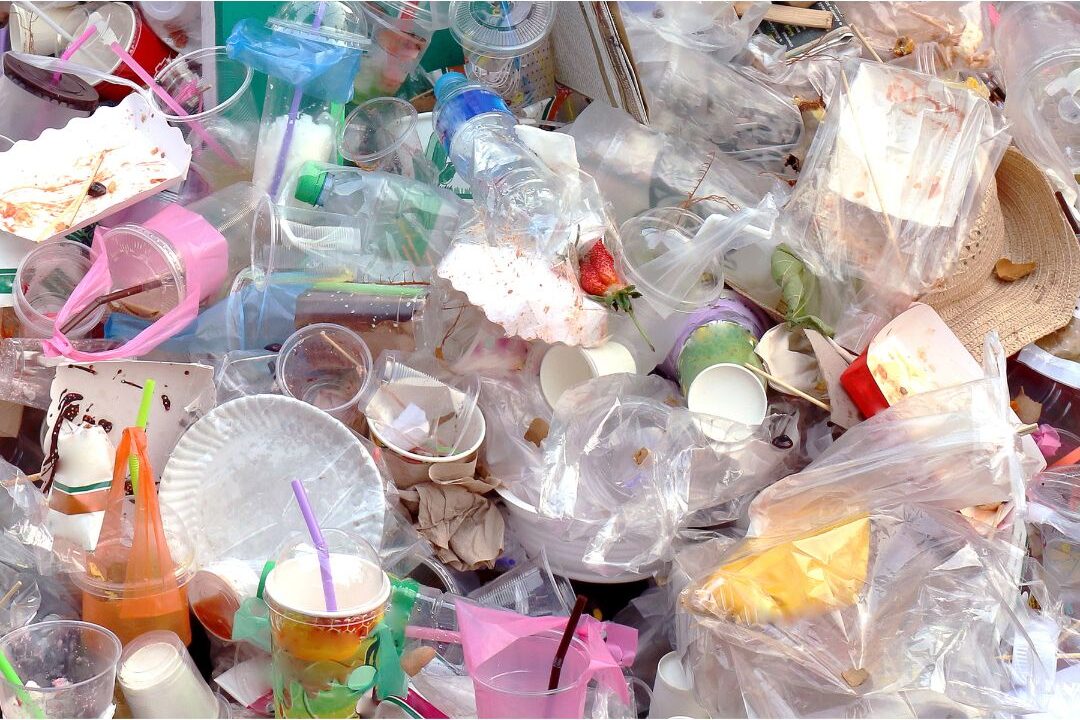
However, purchasing low-quality fast consumer goods is often far more expensive in the long run.
Cheap shoes fall apart after three months, low-cost appliances break right after their short warranty periods, and flimsy furniture requires frequent replacement.
This cycle is known as the cost of being poor. When you cannot afford the higher upfront price tag of a well-made item, you are forced to buy cheap replacements repeatedly.
Wealthy families skip disposable fast consumer goods. They practice buy-it-for-life purchasing, investing in durable, high-grade items that last for years or decades.
By spending more money upfront on quality construction, financially secure households save thousands of dollars over time in replacement costs.
- The Scarcity Trap: Buying low-cost, low-quality disposable items that require frequent replacement.
- The Wealth Habit: Purchasing high-durability items built to last, drastically reducing long-term cost per use.
Low-quality consumer goods create relentless home clutter. Check out 25 reasons your house always feels messy even after cleaning.

4. Extended Warranties and Add-On Protection Plans
When you buy a laptop, kitchen appliance, or mobile phone, retailers almost always push extended warranties and protection plans at checkout.
For families living on tight margins, buying an extended warranty feels like an affordable way to hedge against a costly replacement. Retailers capitalize on this fear, pricing protection plans to generate massive profit margins.
Statistically, consumer extended warranties are terrible financial investments. Most appliances and electronics rarely break within the extended warranty window.
When they do, filing claims often involves complex paperwork and frustrating exclusions.
Wealthy families skip store warranties and add-on protection plans entirely. Instead, they self-insure against minor household losses.
They maintain a liquid emergency fund that easily absorbs the cost of replacing an unexpected broken microwave or phone without relying on retail insurance plans.
- The Scarcity Trap: Paying monthly add-on fees for extended warranties out of fear of unexpected replacement costs.
- The Wealth Habit: Skipping store warranties and keeping a dedicated emergency savings buffer to self-insure against minor losses.
Building a proper emergency buffer starts with structured planning. Explore the Budget Categories Every Mom Should Have.
5. Get-Rich-Quick Schemes, Lottery Tickets, and High-Risk Speculation
When legitimate pathways to financial mobility feel blocked, high-risk financial gambles become deceptively attractive.
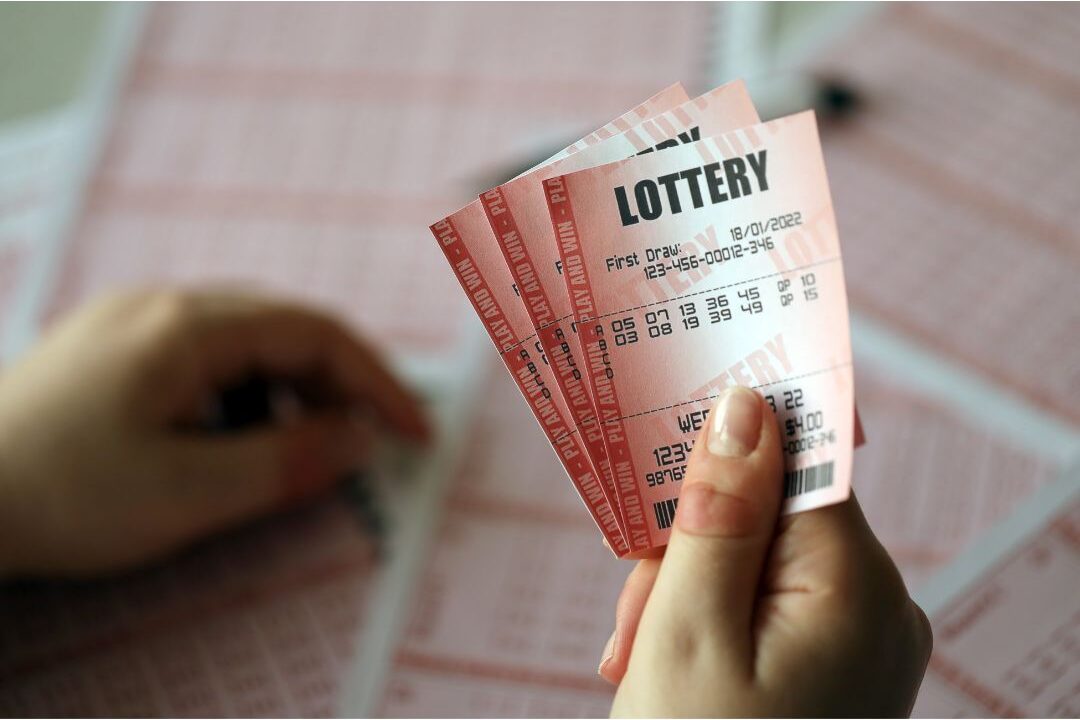
Lower-income households spend a disproportionated amount of their discretionary income on lottery tickets, scratch-offs, sports betting, and speculative financial trends.
These purchases offer a temporary rush of hope and the dream of instant financial transformation. In reality, the mathematical odds are stacked overwhelmingly against the buyer.
Wealthy families skip speculative gambling and get-rich-quick lures. They understand that sustainable wealth is built through compounding return over time, systematic saving, broad index fund investing, and strategic skill development.
They treat their capital with deep respect, refusing to surrender hard-earned money to mathematical long shots.
- The Scarcity Trap: Spending regular cash on lottery tickets and speculative gambles in search of instant wealth.
- The Wealth Habit: Committing funds to steady, proven wealth-building tools like diversified index funds and real estate.

6. Reactive Health Management and Deferred Self-Care
How a family treats personal health care directly reflects their long-term financial mindset and resource allocation.
Under severe financial stress, families often view routine health exams, dental cleanings, and preventive care as optional expenses that can be deferred.
Medical care becomes purely reactive. They only visit a doctor or hospital when a health issue escalates into an acute emergency.
Deffering preventive care creates massive long-term costs. Minor dental cavities turn into expensive root canals, and unmanaged high blood pressure leads to chronic illness that limits earning potential.
Financially secure families prioritize preventive health management. They invest time and money in high-quality nutrition, regular dental visits, daily movement, and stress regulation.
They view preventative health care as an essential investment that protects their primary earning asset: their physical body.
- The Scarcity Trap: Postponing medical care until an emergency occurs, leading to high medical bills and lost productivity.
- The Wealth Habit: Investing proactively in preventive healthcare, physical wellness, and routine maintenance.
Ignoring physical stress signals compromises your health. Review You’re Probably Ignoring These Signs Your Body Needs Rest.
Avoid superficial wellness habits by reading The Self-Care Mistakes That Leave You Feeling Even More Exhausted.

7. Buying Time-Consuming Tasks Instead of Purchasing Personal Time
Time is the ultimate non-renewable resource, yet lower-income and wealthy families evaluate time through completely different lenses.
Families in survival mode often spend enormous amounts of physical time and energy trying to save small amounts of cash.
They spend hours driving across town to save a few dollars on groceries, spend weekends repairing broken appliances themselves without proper training, or manage exhausting domestic logistics single-handedly.
Wealthy families skip performing low-value, high-friction tasks themselves whenever possible. They view time as far more valuable than small sums of cash.
They intentionally buy back their time by delegating household chores, hiring cleaning help, paying for grocery delivery, or automating administrative logistics.
By outsourcing routine manual tasks, they protect their mental energy for high-value professional work, strategic investment planning, and meaningful family relationships.
- The Scarcity Trap: Sacrificing valuable time and mental energy to save small amounts of physical money.
- The Wealth Habit: Paying for services that buy back personal time, preserving cognitive bandwidth for strategic priorities.
Reclaiming your calendar requires structured delegation. Read about The Systems That Saved Me 10 Hours Every Week.
Managing cognitive load is key to productivity. Discover Why You Never Finish Your To-Do List.
8. Convenience Foods, Delivery Apps, and Single-Serve Markup
When you are exhausted at the end of a long workday, cooking a meal from scratch can feel overwhelming.
Streamlining dinner prep stops impulse takeout spending. Check out 10 Simple Kitchen Hacks for Busy Moms.
Families operating under daily stress often rely heavily on convenience foods. These include fast-food drive-thrus, doorstep food delivery apps, pre-cut produce, and single-serve packaged snacks.
While individual convenience purchases seem small, the cumulative markup is staggering. Food delivery apps routinely add service fees, delivery charges, inflated menu prices, and tips.
A quick twenty-dollar meal quickly becomes forty-five dollars. Over the course of a single year, a reliance on delivery apps and single-serve convenience can drain several thousand dollars from a household budget.
Wealthy families skip paying constant third-party convenience markups. Instead, they build proactive meal infrastructure.
They stock bulk pantry staples, utilize structured weekly meal prep, or hire dedicated help to prepare batch meals ahead of time. They recognize that buying whole ingredients in bulk preserves capital while providing far better nutritional value for their families.
Structural Differences: Scarcity Purchases vs. Wealth Systems
To help you quickly evaluate household spending choices, review this comparison chart outlining key structural spending patterns.
| Expense Category | Scarcity-Driven Choice | Wealth-Building Strategy |
| Financial Services | Payday loans, rent-to-own items, high-interest retail cards | Prime credit, automated zero-fee banking, liquid reserves |
| Consumer Products | Logo-heavy status symbols and cheap disposable goods | Unbranded, durable, buy-it-for-life quality basics |
| Risk Protection | Retail extended warranties and retail add-on insurance | Emergency cash funds that self-insure against minor losses |
| Growth Strategy | Lottery tickets, scratch-offs, and speculative gambles | Consistent index fund investing and business equity |
| Health & Wellness | Reactive emergency care after health issues escalate | Proactive preventive exams, quality food, and daily movement |
| Time Management | Spending hours of physical time to save minor cash | Paying for services to buy back time and mental focus |
| Asset Allocation | Accumulating depreciating goods that lose value | Buying real estate, stocks, and income-producing assets |

3 Mental Models Wealthy Families Use Before Spending Money
Beyond identifying specific product traps, building true security requires changing how you evaluate purchases. Financially established individuals filter every potential expense through strategic mental models rather than emotional urges.
Here are three core decision frameworks you can start using today to evaluate household spending.
1. The Cost-Per-Use Calculation
Instead of looking only at the upfront price tag, calculate the item’s true cost per use over its lifetime. A pair of cheap seventy-dollar boots that fall apart after ten wears costs you seven dollars per wear.
A high-quality three-hundred-dollar pair of boots worn two hundred times over three years costs you just one dollar and fifty cents per wear.
When evaluating things poor families buy that wealthy families skip, you quickly realize that higher upfront quality usually delivers far lower long-term cost.
2. The Opportunity Cost Framework
Every dollar you spend on a impulse item is a dollar that cannot earn compound return for your family. Before making a non-essential purchase, calculate what that cash would be worth if invested in a low-cost index fund for ten years.
Seeing that a two-hundred-dollar impulse shopping haul represents six hundred dollars of lost future retirement growth instantly clarifies whether the purchase is truly worth it.
3. The Root-Cause Solution Test
Ask yourself if a potential purchase actually solves a systemic problem or merely masks a temporary symptom. Buying a third storage organizer does not fix home clutter if the root problem is possessing too many unnecessary items.
Paying for daily energy drinks does not solve chronic exhaustion if the real issue is poor sleep hygiene. Wealthy families direct their capital toward permanent root-cause solutions rather than repeatedly buying temporary quick fixes.
Mastering your spending triggers takes intentional practice. Learn How to Stop Impulse Buying for Good.
A Practical 3-Step Plan to Upgrade Your Family Spending
Transitioning away from scarcity spending habits does not require a massive sudden increase in family income.
It starts with restructuring how you manage your monthly cash flow, identifying hidden budget leaks, and aligning your spending with long-term security.
Here is a simple, actionable three-step strategy to transform your family’s financial choices.
Step 1: Audit Your Household Budget for Scarcity Traps
Set aside one hour this week to conduct a transparent review of your recent credit card and bank statements.
- Identify Leaks: Highlight any expenses related to high-interest debt payments, store warranties, impulse fast consumer purchases, or speculative spending.
- Calculate the True Cost: Add up how much money these small recurring drains cost your family over the course of a full year.
- Eliminate Unnecessary Add-Ons: Cancel store warranties, close alternative financing accounts, and eliminate speculative spending immediately.
Financial clarity starts with clear home routines. Discover Simple Household Rules That Eliminate Daily Stress.

Step 2: Establish Essential Budget Categories for Asset Growth
Rebuild your household cash flow management around intentional, clear spending buckets.
- Build Your Emergency Reserve: Allocate a portion of every paycheck toward an independent emergency cash buffer until you reach three to six months of living expenses.
- Prioritize Durable Quality: Create a dedicated sinking fund for household essentials, allowing you to buy high-quality, durable items upfront rather than cheap disposables.
- Fund Future Assets First: Set up automatic monthly transfers into retirement accounts, index funds, or educational savings plans before spending on discretionary items.
Financial structure brings physical peace to your living space. Learn How to Create a Calm Home Environment.
Step 3: Shift from Product Accumulation to Time and Health Investments
Reframe how you evaluate value in your daily life. Stop measuring success by how many physical possessions you accumulate.
- Invest in Preventive Health: Allocate discretionary funds toward high-quality nutrition, dental cleanings, and physical health maintenance.
- Buy Back Strategic Time: Start small by paying for one convenience service, like grocery pickup or basic home assistance, to free up personal mental bandwidth.
- Focus on Quiet Security: Take pride in your growing bank balance, debt freedom, and calm living environment rather than visible status symbols.
Investing in time and health restores your identity. Explore 21 Ways to Feel Like Yourself Again.
Valuing your time requires unlearning guilt. Read our guide on How to Stop Feeling Guilty About Rest.
Align your wellness investments with true needs in Why Self-Care Isn’t Working for You.

Reclaiming Your Financial Agency
Moving away from the subtle spending traps that hold families back is an empowering, quiet journey.
When you recognize the things poor families buy that wealthy families skip, you unlock the ability to make intentional, strategic choices with your hard-earned money.
True financial wealth is not about showing off expensive products to the outside world. It is about quiet security, physical health, personal time, and lasting peace of mind.
Start small today. Eliminate one unnecessary budget leak, redirect those funds toward your emergency savings, and take confident control of your family’s financial future.