

The Hidden Expenses Quietly Destroying Your Budget
Disclosure: Some of the links in this post are affiliate links. This means if you click on the link and purchase an item, I will receive an affiliate commission at no extra cost to you.
When most people try to fix their family finances, they focus on the obvious bills. They look at rent payments, mortgage costs, car loans, and large grocery receipts. However, the real reason your bank account drains faster than expected rarely comes down to one massive purchase. In most homes, it is the hidden expenses quietly destroying your budget bit by bit every single week.

Managing a household takes a massive amount of physical and mental energy. When life gets busy, tiny convenience costs, automated renewals, and unchecked fees slide right past your notice.
Individually, a four-dollar digital charge or a five-dollar delivery fee seems completely harmless. You pay it, move on with your day, and never think about it again.
However, when you add up dozens of these small, unexamined transactions over a full year, the cumulative total is staggering. You are left wondering why your savings account never grows, even though you work hard and rarely buy luxury items.
The good news is that stopping these financial leaks does not require living an uncomfortable or restricted life. It simply requires turning on the lights in your financial home, spotting where your money is quietly escaping, and setting up simple systems to protect your hard-earned cash.
In this complete guide, we will break down eight sneaky expenses draining your bank account, explore the mindsets behind them, and share a practical plan to plug the leaks today.

The Psychology of Silent Money Leaks
Before we uncover specific hidden costs, it helps to understand why our brains let these small expenses happen in the first place.
Modern financial systems are engineered to remove friction from spending. Decades ago, spending money meant handing over physical paper cash. You felt the physical weight of your wallet get lighter, which naturally triggered a moment of reflection before making a purchase.
Today, spending is completely frictionless. Cards tap instantly, subscriptions auto-renew silently in the background, and mobile apps store your payment details for one-click orders.
When money moves digitally without your active involvement, your brain fails to process it as real wealth leaving your family. Financial planners call this passive spending drain.
Furthermore, when you are stressed or tired from managing household chores and childcare, your brain craves instant comfort. Paying a small convenience fee to avoid a minor hassle feels like a smart choice in the moment.
Recognizing how digital convenience and mental fatigue lead to passive spending is the first step toward taking your financial power back.
Passive financial habits often develop during busy domestic seasons. Explore 25 Money Mistakes Stay-at-Home Moms Make Without Knowing It.

1. Forgotten Digital Subscriptions and App Creep
Digital subscriptions are the single most common cause of quiet financial leakage in modern households.
How the Leak Happens
You sign up for a free trial to watch one specific movie, access a temporary fitness program, or try an educational app for your child. You promise yourself you will cancel before the free trial ends.
Life gets busy, you forget to set a reminder, and the service quietly converts into a recurring monthly charge on your credit card.
The True Annual Cost
A six-dollar streaming app, a ten-dollar child learning app, and a twelve-dollar cloud storage upgrade seem insignificant on their own.
However, average households hold between five and eight unused digital subscriptions. That adds up to thirty to seventy dollars every month, or up to eight hundred dollars a year for services nobody in your home actually uses.
The Everyday Swap
Set a calendar alert five days before any free trial expires. Once a quarter, print out your full bank statement and highlight every single recurring charge. If your family has not used a digital app in the past thirty days, cancel it immediately.
Digital fees are not the only unnecessary home expenses. Discover How to Stop Wasting Money on These Household Items.

2. Unchecked Convenience Fees and Rush Delivery Costs
When you need something quickly, convenience apps offer instant solutions at the press of a button.
How the Leak Happens
You are in the middle of cooking dinner and realize you forgot an ingredient, so you order it through a rapid grocery delivery app. Or you need a household item for tomorrow, so you pay an extra fee for same-day delivery.
You pay delivery charges, service fees, small-order surcharges, and tips without second thought.
The True Annual Cost
Using convenience delivery apps just twice a week adds ten to fifteen dollars in extra fees per order. Over the course of a year, paying for delivery shortcuts can cost your family between one thousand and fifteen hundred dollars in pure markup fees.
The Everyday Swap
Build a simple master shopping list and maintain a small backup pantry. Keep basic pantry essentials on hand so you never have to pay emergency delivery fees for simple dinner ingredients.
Reorganizing your kitchen shopping routines stops daily food markups. Read How We Cut Our Grocery Bill in Half.
Streamlining domestic schedules eliminates emergency delivery runs. Read about The Systems That Saved Me 10 Hours Every Week.
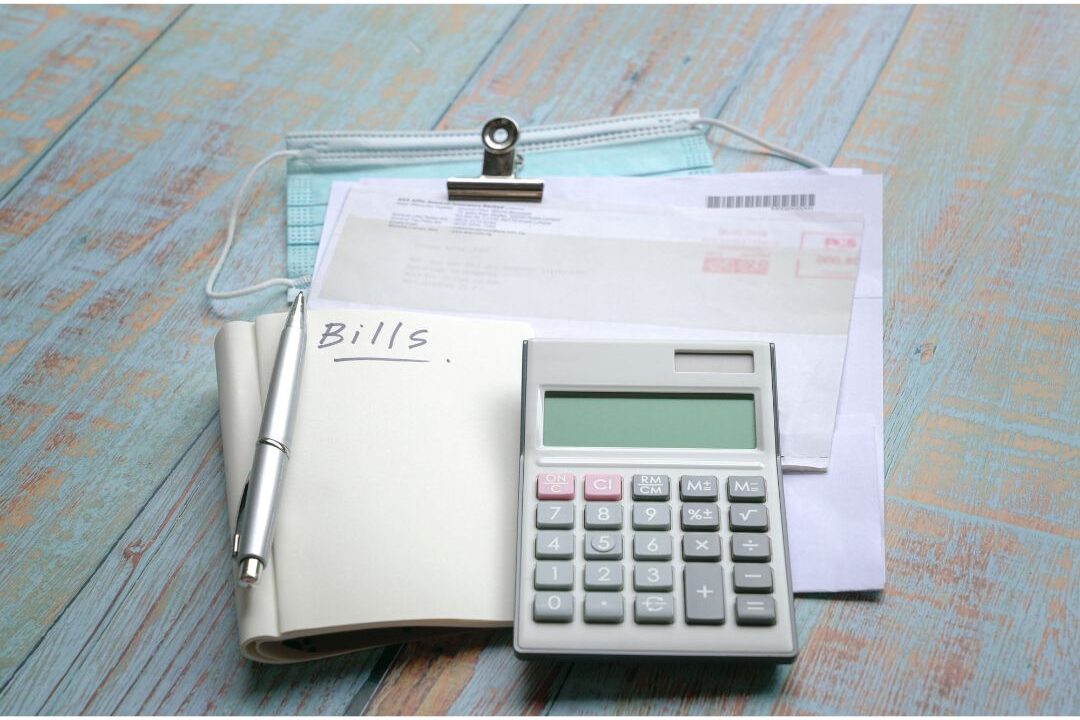
3. Passive Bank Fees and Micro-Transfer Charges
Banks and financial apps generate massive revenues from minor transaction fees that escape customer attention.
How the Leak Happens
Using an out-of-network ATM because it is nearby, paying a three-dollar instant transfer fee to move money quickly to your main account, or carrying a checking account balance below the minimum threshold triggers automatic bank fees.
The True Annual Cost
An occasional three-dollar ATM fee or five-dollar account maintenance charge seems minor. However, paying three micro-fees a month drains up to two hundred dollars a year straight out of your bank account for zero real value.
The Everyday Swap
Switch to a zero-fee online bank or credit union that offers free ATM reimbursements and requires zero minimum balances. Turn off instant transfer features and wait for standard free processing instead.
Eliminating banking fees creates space for intentional savings goals. Read the Budget Categories Every Mom Should Have.

4. Unused Gym Memberships and Wellness Subscriptions
Wellness brands market heavily to mothers, promising that buying high-end fitness access is the key to personal transformation.
How the Leak Happens
You sign up for a local gym membership or online wellness program with genuine intentions to go every week.
Then family schedules get hectic, children fall ill, or your work load increases, and you stop going. Yet, you keep paying the monthly fee because canceling feels like admitting defeat.
The True Annual Cost
A monthly gym fee of fifty to one hundred dollars sitting unused drains six hundred to twelve hundred dollars from your family budget every single year.
The Everyday Swap
Cancel any gym membership you have not attended in the past three weeks. Switch to free home workout videos, walking in local parks, or bodyweight exercises until your schedule reliably allows for a structured gym routine.
Buying fitness memberships does not guarantee real rest or energy. Discover The Self-Care Mistakes That Leave You Feeling Even More Exhausted.
Build authentic health habits by reading Why Self-Care Isn’t Working for You.
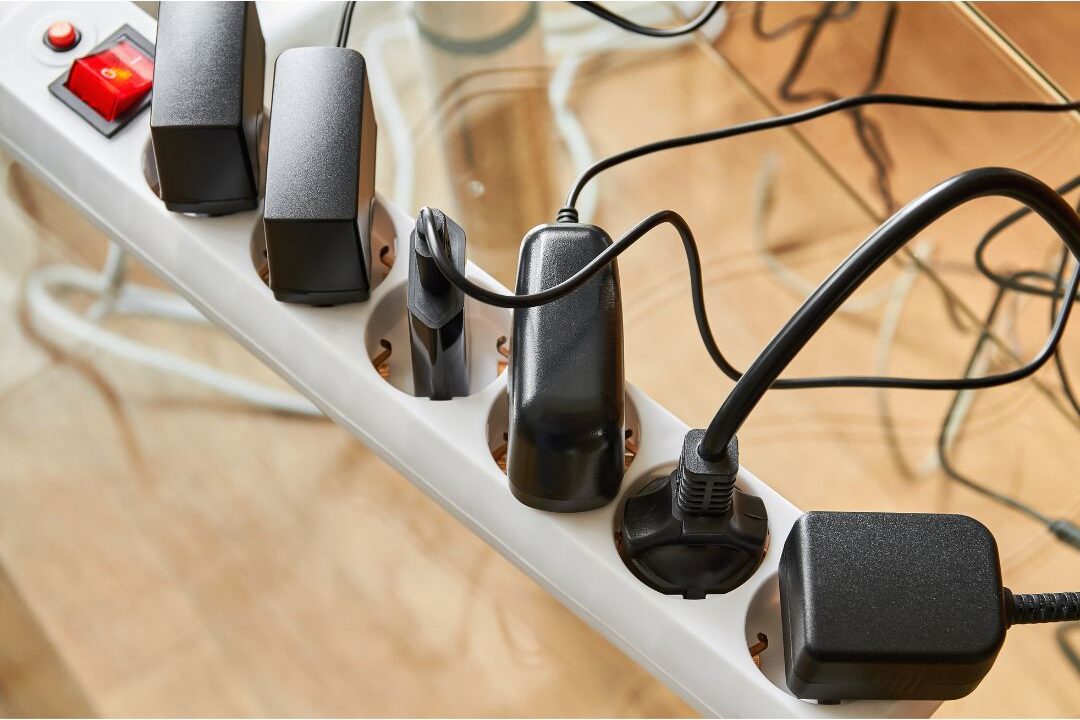
5. Phantom Electricity and Vampire Appliance Power Draw
Many appliances continue drawing electricity even when turned off, quietly inflating your monthly power bill.
How the Leak Happens
Televisions, gaming consoles, coffee makers, microwave displays, laptop chargers, and set-top boxes consume energy constantly as long as they stay plugged into wall outlets. Energy experts call this standby power or vampire energy.
The True Annual Cost
Standby energy draw accounts for roughly five to ten percent of average residential electricity bills. That equals ten to twenty dollars every month, or up to two hundred and forty dollars a year spent powering idle devices.
The Everyday Swap
Plug groups of home electronics into smart power strips that shut off power completely when devices are not in use. Unplug laptop chargers and kitchen appliances when they are not actively being used.
Organizing home electronics keeps your living space tidy and efficient. Read Simple Household Rules That Eliminate Daily Stress.

6. Small Social Micro-Obligations and Event Spending
Social commitments, school fundraisers, and group gift pools create a continuous drip of small, unplanned expenses throughout the school year.
How the Leak Happens
From ten-dollar teacher appreciation collections and five-dollar casual Friday dress days to birthday gifts for your child’s classmates, small social expenses feel mandatory. Because they happen individually, they rarely get tracked in family budgets.
The True Annual Cost
Participating in two or three micro-events a month easily drains forty to eighty dollars monthly. Over a full school year, unbudgeted social obligations can cost six hundred to one thousand dollars.
The Everyday Swap
Create a dedicated Miscellaneous Social category in your monthly budget. Set a firm monthly limit for group gifts and school fundraisers, and politely decline extra obligations once that cash limit is reached.
Saying no to social spending pressure protects your mental peace. Read How to Stop Comparing Yourself to Other Moms.
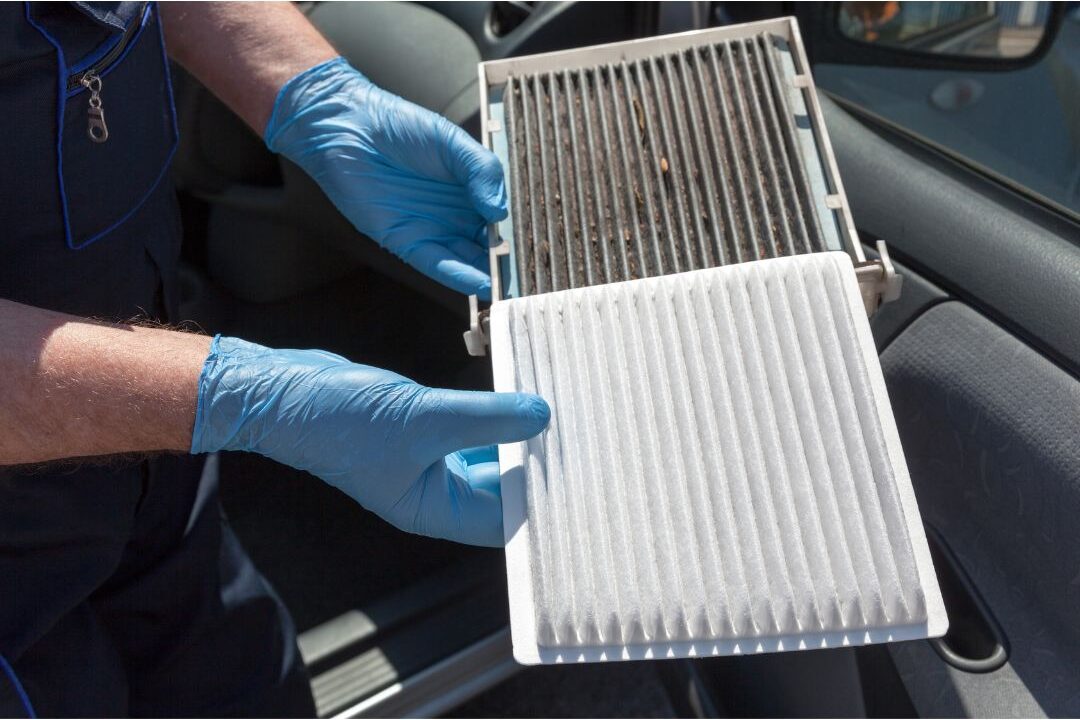
7. Deferred Home Maintenance and Neglected Repairs
Postponing minor home maintenance tasks seems like an easy way to save money in the short term.
How the Leak Happens
Ignoring a slow faucet drip, forgetting to replace dirty furnace air filters, or neglecting minor roof tile leaks saves a few dollars today. However, deferred maintenance allows small issues to turn into major home structural damage over time.
The True Annual Cost
A dirty furnace filter forces your heating system to work harder, increasing monthly energy bills by fifteen percent and causing expensive motor burnouts that cost thousands to repair. A ignored plumbing drip can result in costly water damage repairs.
The Everyday Swap
Set seasonal reminders to perform routine home care. Change HVAC filters every ninety days, clear rain gutters before wet seasons, and fix minor plumbing leaks immediately before they cause serious structural damage.
Neglected home maintenance creates persistent domestic friction. Check out 25 Reasons Your House Always Feels Messy (Even After Cleaning)
Maintaining home infrastructure creates a peaceful space. Learn How to Create a Calm Home Environment.

8. Automatic Payment Auto-Renewals Without Rate Reviews
Setting monthly insurance policies, internet plans, and mobile subscriptions on auto-pay keeps bills paid on time, but it hides quiet price increases.
How the Leak Happens
Service providers routinely increase monthly rates after promotional periods end. Because the money comes out of your account automatically, you may not notice that your internet bill jumped by twenty dollars or your car insurance rate increased without notice.
The True Annual Cost
Unnoticed rate increases across car insurance, home insurance, internet, and mobile phone plans can easily inflate your family’s expenses by thirty to sixty dollars every month, costing upwards of seven hundred dollars a year.
The Everyday Swap
Mark your calendar to review all insurance policies and utility contracts annually. Call your service providers to request lower rates or shop around for competing quotes before allowing contracts to auto-renew.
Unchecked automated bills create background financial anxiety. Discover 17 Habits That Are Secretly Keeping You Stressed Every Day.

9. Cloud Storage Upgrades and Forgotten Digital Storage Tiers
As we take thousands of family photos and videos on our phones, digital storage fills up quickly.
How the Leak Happens
Your phone displays a notification warning that your storage is full. To clear the annoying pop-up message, you click a button to upgrade your cloud storage plan for ninety-nine cents a month.
Over time, your digital library grows, and you get automatically bumped into higher storage tiers costing three, five, or ten dollars monthly across multiple family devices.
The True Annual Cost
Paying five dollars a month for phone cloud storage, plus extra fees for computer backup software, adds up to fifteen dollars monthly. That drains one hundred and eighty dollars a year for digital storage you rarely audit or organize.
The Everyday Swap
Set aside one afternoon a year to back up original family photos and video files to a physical external hard drive. Delete blurry duplicate photos, clear out temporary videos, and downgrade your monthly cloud storage tier back to basic levels.

10. Unused Retail VIP Memberships and Express Shipping Passes
Many major retail websites push annual VIP shopping memberships that promise free shipping, early sale access, and exclusive rewards.
How the Leak Happens
You buy an item online for a holiday or birthday and sign up for a trial VIP shipping membership to save on delivery fees.
You forget to cancel the trial, and the store charges an annual membership fee ranging from forty to ninety-nine dollars directly to your credit card.
The True Annual Cost
Holding two or three store-specific retail shipping memberships drains between one hundred and fifty and three hundred dollars annually. If you only order from those specific stores two times a year, the shipping pass costs far more than standard delivery.
The Everyday Swap
Cancel store-specific VIP shopping passes immediately after making your purchase. Combine orders to reach standard free shipping thresholds instead of paying annual retail membership fees.
Simple Mindset Shifts to Stop Micro-Leaks
Plugging these hidden leaks is not about restricting your lifestyle or feeling guilty about every purchase. It is about shifting how you view your daily cash flow.
The 100-Dollar Rule
Whenever you evaluate a small four-dollar or five-dollar recurring fee, multiply that cost by twelve to calculate its yearly impact. Realizing that a five-dollar weekly coffee app charge costs two hundred and sixty dollars a year makes it much easier to decide if it is truly worth your money.
The Value-Based Spending Test
Ask yourself if a recurring expense actively improves your family’s quality of life or if you are simply paying out of habit or social pressure. Keep the subscriptions that bring genuine joy and eliminate the ones that serve no real purpose.
The Friction Buffer
Add friction back into your spending process. Remove saved credit card details from shopping websites and delete delivery apps from your phone. Forcing yourself to manually type in your card number for every purchase stops impulse spending instantly.
True comfort comes from intentional choices, not passive spending. Read What Does Soft Life Really Mean for Stay-at-Home Moms?
Taking control of your finances gives you real peace of mind. Read our guide on How to Stop Feeling Guilty About Rest.

A 3-Step Plan to Clean Up Your Hidden Expenses
Ready to reclaim your budget? Use this simple three-step action plan to audit your accounts and stop money leaks starting today.
Step 1: Perform a 90-Day Bank Statement Audit
Print out your bank and credit card statements for the last three months. Take a yellow highlighter and mark every single recurring subscription, service fee, delivery charge, and automated payment.
Add up the highlighted amounts to discover your home’s total monthly passive spending leakage. Simply seeing this number gives you the motivation needed to make quick changes.
Step 2: Cancel and Negotiate Immediately
Take immediate action on the leaks you discovered during your statement audit.
- Cancel Unused Apps: Cancel all digital subscriptions, streaming channels, and app memberships your family has not used in the past thirty days.
- Negotiate Rates: Call your internet, cable, and mobile phone providers. Ask to speak with their retention department and request lower rates or current promotional discounts.
- Remove Auto-Saved Cards: Clear your payment details from online shopping platforms to eliminate fast impulse purchases.
Step 3: Automate Your Savings Buffer
Once you eliminate your hidden expenses, do not let that extra cash drift into general spending.
Calculate the total monthly amount you saved from canceling unused subscriptions and negotiating lower rates. Set up an automatic monthly transfer for that exact amount from your checking account into a high-yield emergency savings fund.
By redirecting those saved dollars automatically, you turn quiet budget leaks into real, lasting financial security for your entire family.
Reclaiming Confidence and Control
Uncovering the hidden expenses quietly destroying your budget is one of the most empowering financial steps you can take for your family.
You do not need to earn a massive salary or live on an extreme budget to build financial peace. By bringing transparency to your small daily transactions, eliminating passive subscriptions, and building smart domestic systems, you stop money from slipping away unnoticed.
Take the first step today. Audit your recent bank statements, cancel one unused service, and enjoy the quiet confidence that comes with running a clear, wise, and intentional home.
You May Also Like:
Elegant Living Doesn’t Mean Expensive—Here’s Proof
Why Most Moms Never Make Money Online







2 Comments