

25 Reasons Your House Always Feels Messy (Even After Cleaning)
Disclosure: Some of the links in this post are affiliate links. This means if you click on the link and purchase an item, I will receive an affiliate commission at no extra cost to you.
If your house always feels messy even right after you have cleaned it, you are not imagining things and you are definitely not failing. You’re dealing with a set of specific, identifiable problems that cleaning alone was never designed to fix.
Understanding why your house always feels messy is the first step toward actually solving it, not just temporarily managing it.
You can mop the floors, wipe the surfaces, and put everything away, and still walk back into the room twenty minutes later feeling like nothing has changed.
That is not a cleaning problem, it is a systems problem, a storage problem, or a clutter problem, and it requires a completely different approach.
This post identifies all 25 reasons with complete honesty and gives you a practical fix for each one.
Work through the list, identify the ones that resonate most, and start there. You do not need to fix all 25 at once. You just need to start with the right ones.

Why Cleaning Alone Is Never Enough
Cleaning can maintain a home, but it does not organize one. It does not create systems or reduce the volume of items competing for space on your surfaces.
When a home feels perpetually messy despite regular cleaning, it is almost always because one or more of the underlying structural problems on this list has never been addressed.
Cleaning on top of a disorganized home is like painting over a damp wall. It looks better briefly and then the problem comes right back through.
Cleaning habits alone will not solve this. Our post on 50 Simple Habits That Keep Your Home Always Clean gives you the daily systems that work underneath the cleaning.
A home that feels genuinely calm goes beyond clean. Our post on How to Create a Calm Home Environment explains the full picture.

Too Much Stuff
The most common reason homes feel perpetually messy has nothing to do with cleaning frequency or technique. It is probably because there is simply more stuff in the space than the space was designed to hold comfortably.
Reason 1: You Have More Items Than Your Home Has Space For
Every home has a capacity. When the number of items living in your home exceeds that capacity, mess becomes the permanent default state regardless of how often you clean.
Surfaces fill up because there is nowhere else for things to go. Cupboards overflow because they are holding more than their designed volume, and floors become storage because every other option is already taken.
The fix here is not more storage. It is less stuff. Every item you remove from your home creates breathing room that no amount of organizing or cleaning can create while the item is still there.
If volume is your primary problem, start with our post on Why Guests Notice These 15 Things Before Anything Else and work through it systematically.
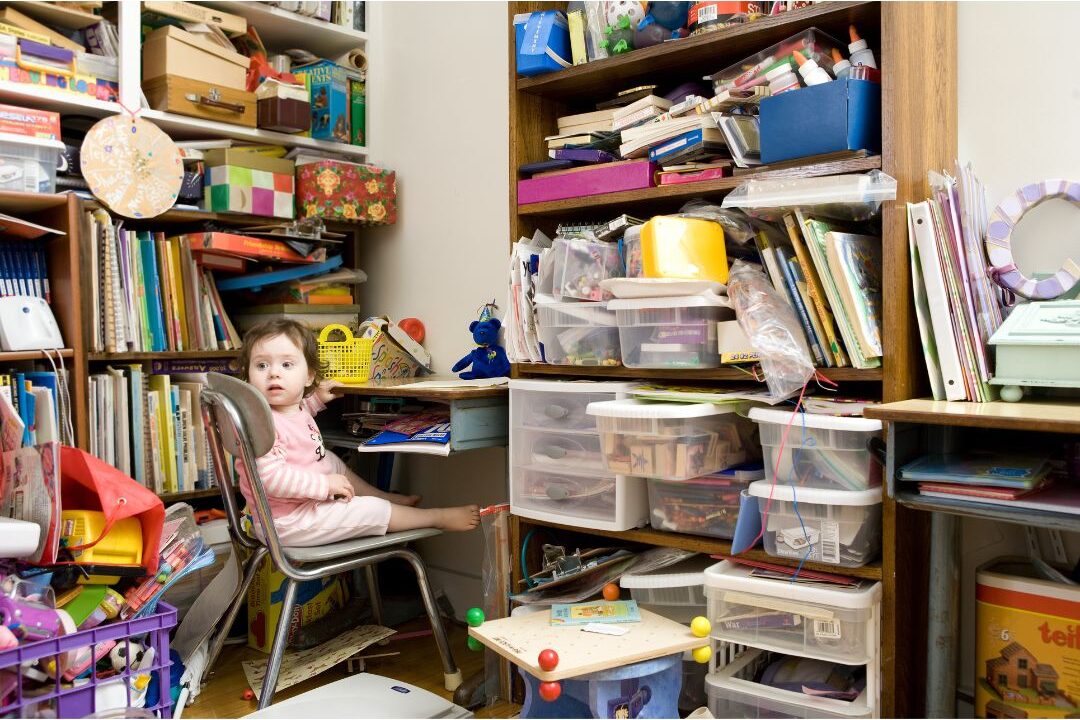
Reason 2: You Keep Things Just in Case
Just-in-case items are one of the most significant contributors to home clutter. There are some broken appliances you are keeping in case they get fixed, and clothes that do not fit in case you change size.
The duplicate kitchen tools kept in case one breaks. The books you will never read again in case someone asks to borrow them.
Just-in-case items occupy real space in your real home right now for problems that may never actually occur. Eventually, most of them never get used, and they all contribute to the volume problem.
The fix is a simple rule. If you have not used it in twelve months and it does not have sentimental value, it goes.
These just-in-case scenarios are not worth the daily visual cost of keeping the item.
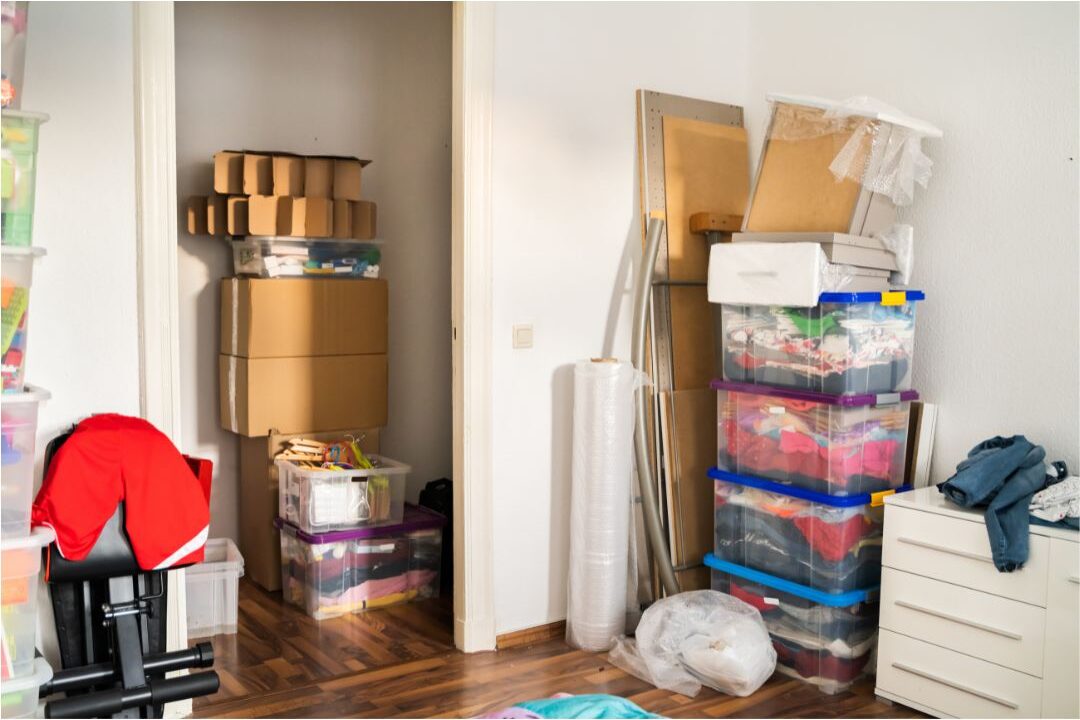
Reason 3: New Items Come In Without Old Ones Going Out
This is one of the most consistent patterns in homes that feel perpetually messy. Shopping happens regularly. Decluttering rarely does.
The net result is a slow but steady accumulation of items that the home was never designed to hold, growing incrementally month by month.
The fix is the one-in-one-out rule. Every time a new item enters your home, one existing item leaves.
This rule, applied consistently, prevents accumulation from becoming a problem in the first place rather than requiring periodic overhaul to fix it.

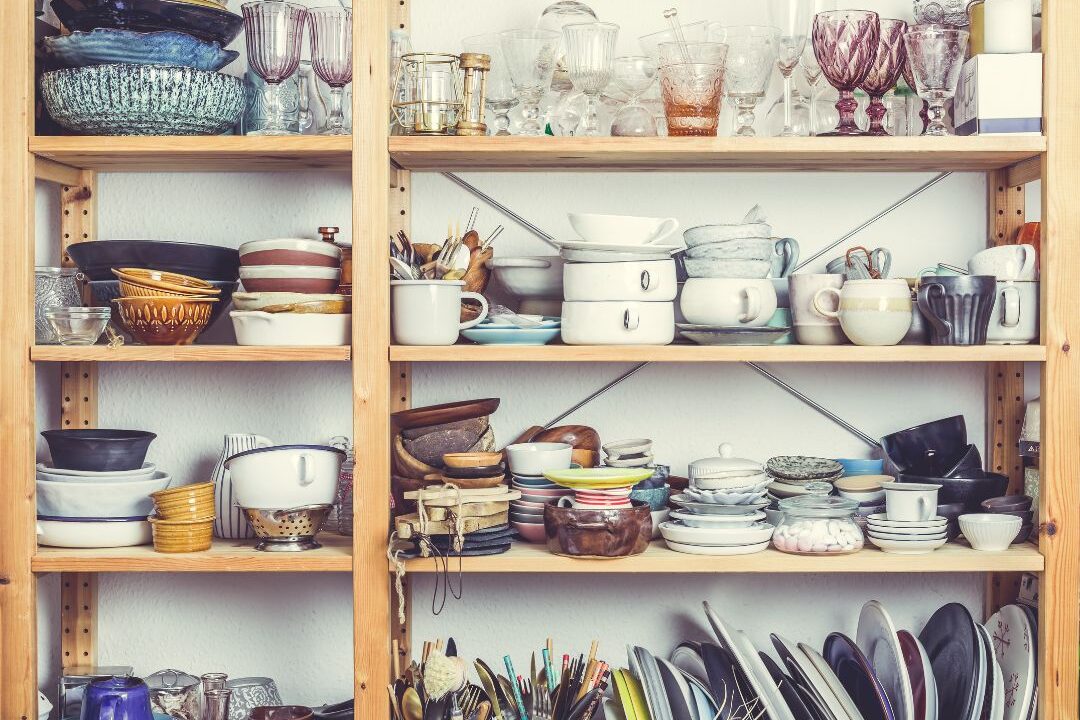
Reason 4: You Have Too Many Decorative Items
Decorative items are among the most consistent contributors to a home that feels visually chaotic. A single beautiful decorative piece on a shelf looks intentional and elegant.
Twelve decorative pieces on the same shelf create visual noise that makes the entire room feel busy and overwhelming regardless of how clean everything underneath them is.
The fix is editing your displays down to three items or fewer per surface. Store the rest in rotation and bring them out seasonally if you love them.
The impact of fewer, better-placed items is consistently more beautiful than more items competing for attention.
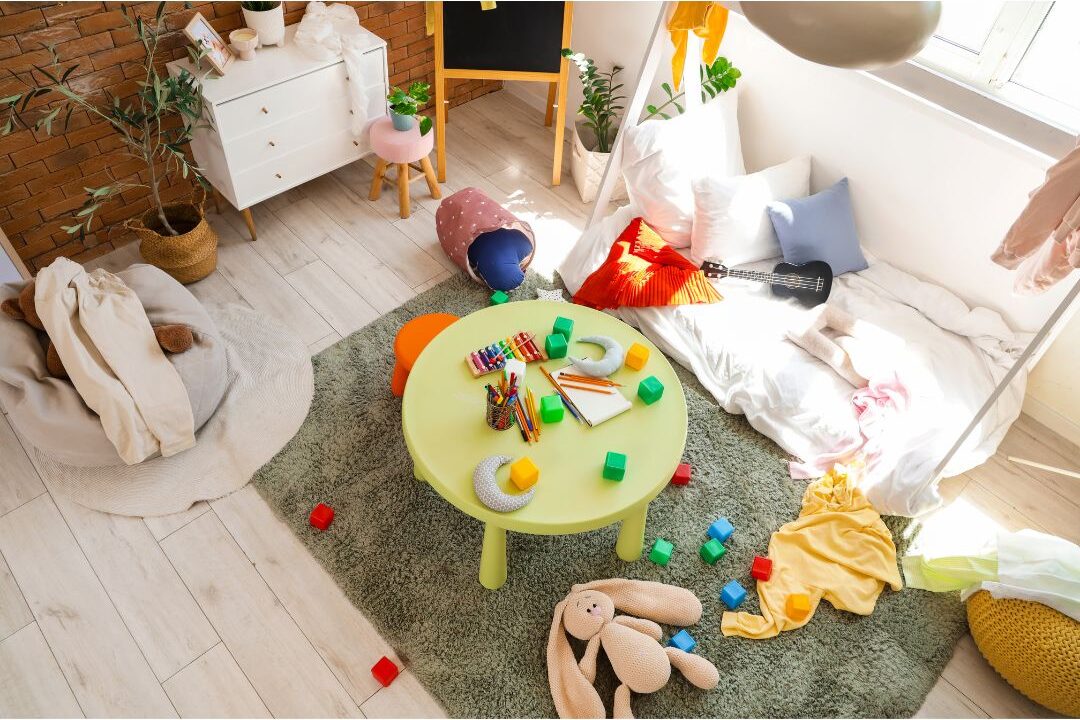
Reason 5: Children’s Toys Have No Boundaries
Toys that live everywhere in a home, in the living room, the hallway, the kitchen, the bathroom, create a sense of chaos that follows you from room to room.
No matter how often you tidy them, they return to every surface because there is no defined system that brings them back to one place.
The fix is containment and a clear rule. Toys live in one room or in designated bins. They do not migrate permanently to other rooms.
A five-minute evening tidy returns them to their home consistently and prevents the spread that makes the whole house feel overtaken.
Setting clear rules about where toys live is part of the bigger system in simple household rules that eliminate daily stress.
Storage and Systems Problems
Volume is one issue. The other major contributor to a home that always feels messy is inadequate or poorly designed storage systems.
When items do not have a clearly designated home, they default to whatever surface is nearest. That surface becomes the visual definition of your space.
Reason 6: Items Do Not Have a Designated Home
This is the single most impactful organizational problem in most homes. When an item does not have a specific, consistent place it belongs, it gets put down wherever is convenient in the moment.
That convenient spot is almost always a visible surface. And visible surfaces covered in items without homes is the definition of a messy-feeling home.
The fix is simple in principle and requires some upfront effort. Go through every category of item in your home and assign it a specific home.
Not a general area. A specific place. The remote control goes in the basket on the left side of the coffee table. Always. Without exception.
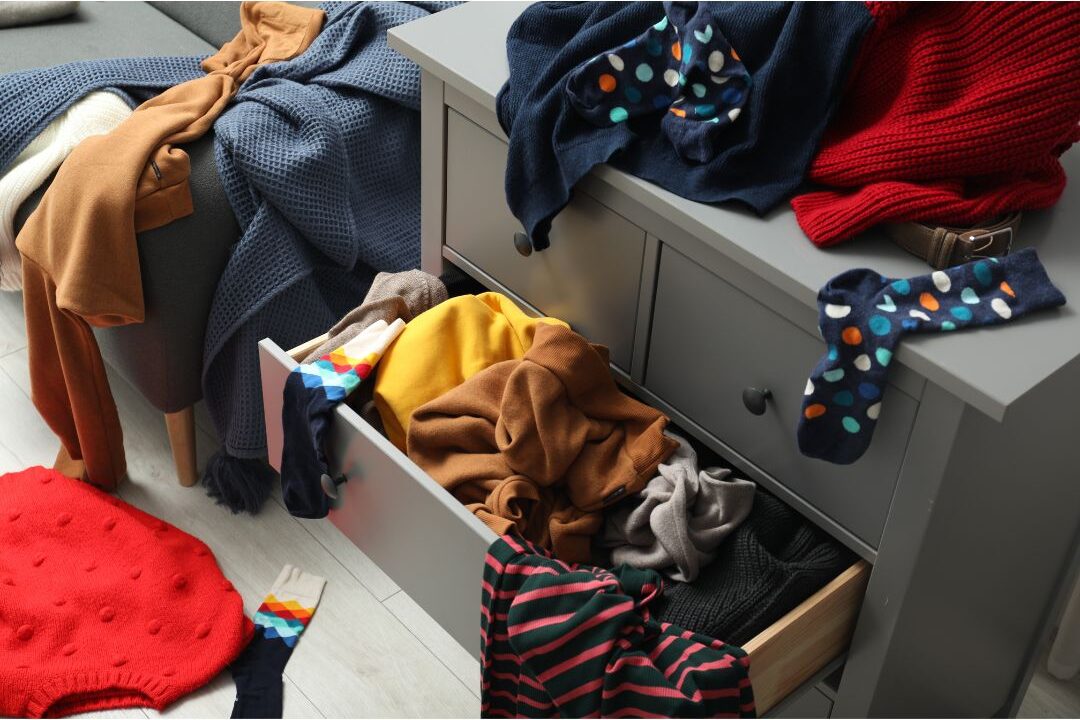
Reason 7: Your Storage Is in the Wrong Locations
You can have plenty of storage in your home and still have a messy-feeling space if the storage is not where the items are actually used.
Kitchen utensils stored in a drawer across the room from the stove. Children’s shoes stored in a bedroom wardrobe instead of near the front door.
Cleaning products stored in a utility room when most of the cleaning happens in the kitchen and bathrooms.
The fix is proximity. Storage should be as close as possible to where items are used. When putting something away requires going to another room, people will default to leaving it where they used it.
The path of least resistance determines where things actually live, not where you intend them to live.
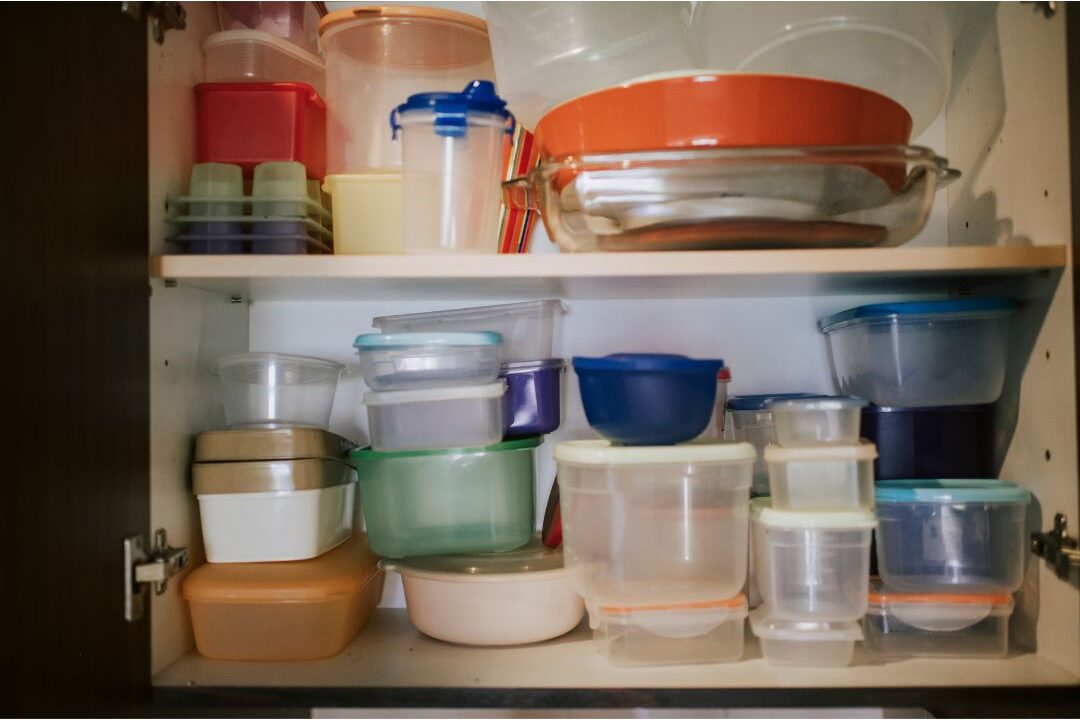
Reason 8: You Have No System for Paper and Mail
Paper is one of the most consistent and underestimated sources of home clutter. Mail, school letters, receipts, bills, magazines, printed documents, all of it enters the home regularly and has a way of spreading across every available surface without a deliberate system to contain it.
The fix is proximity. Storage should be as close as possible to where items are used. When putting something away requires going to another room, people will default to leaving it where they used it.
The path of least resistance determines where things actually live, not where you intend them to live.
The fix is a mail station. One designated spot where all incoming paper goes immediately. A simple tray system with sections for action, filing, and recycling handles the vast majority of paper that enters most homes.
Deal with each piece of mail on the day it arrives and it never becomes a pile. A mail station is one component of the broader system we design in our post on the family command center every busy home needs.
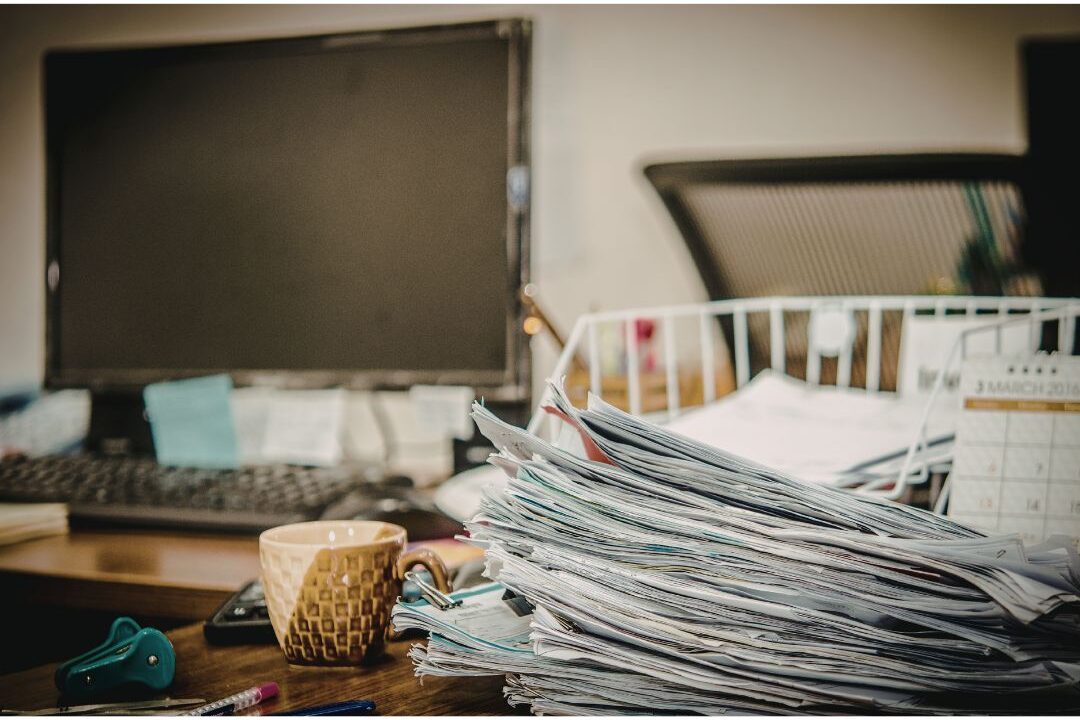
Reason 9: Your Wardrobe Is Overflowing
A wardrobe that holds more clothes than it was designed for does not just affect the bedroom. The overflow ends up on chairs, on the floor, draped over doors, spread across surfaces.
It creates a visual chaos that makes a bedroom feel perpetually disorganized regardless of how much everything else in the room is tidied.
The fix is a wardrobe edit. Remove everything that does not fit, has not been worn in twelve months, or that you do not genuinely feel good wearing.
A wardrobe with breathing room stays organized far more easily than one that is packed beyond capacity.
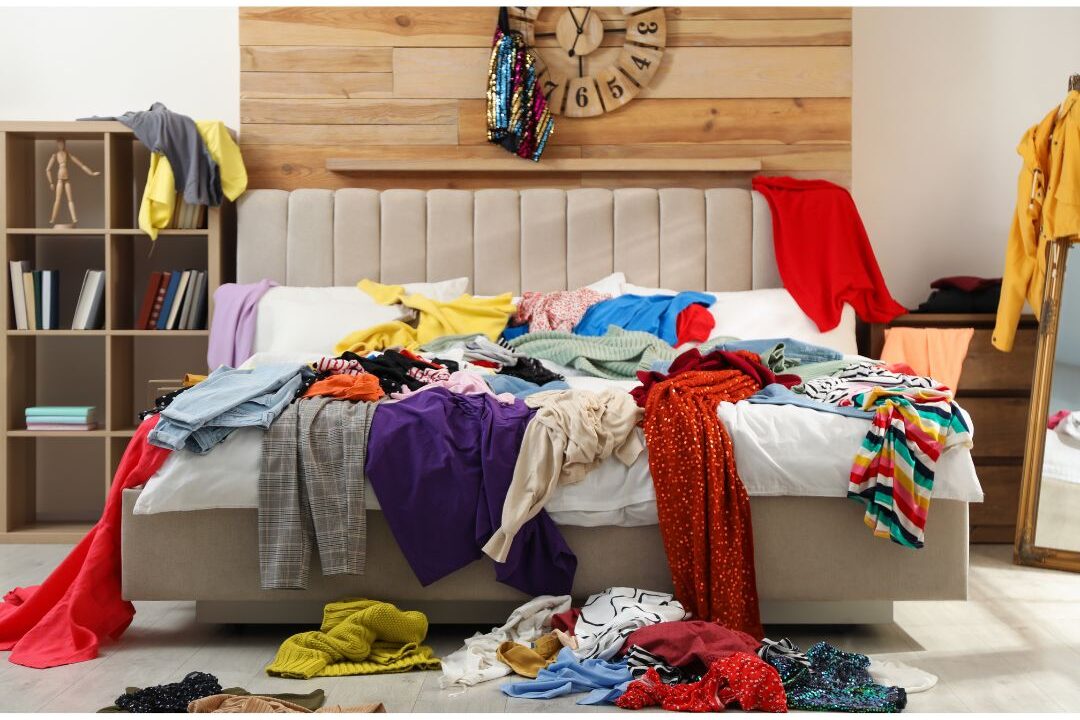
Reason 10: You Have No Evening Reset Routine
A home without a daily reset routine accumulates mess in layers. Each day adds to what was left from the previous one.
By the weekend, the volume is significant enough that cleaning feels overwhelming and the result still does not feel quite right because the layering of multiple days of accumulation is deeply embedded into the space.
The fix is a ten-minute evening reset every single night without exception. Return every item to its home. Clear all surfaces. Deal with dishes.
This single habit prevents the layering effect and means that cleaning, when it happens, is significantly more effective because it is working on a baseline of order rather than accumulated chaos.
The evening reset is the exact habit we explore in depth in The Home Reset Trick That Changed My Entire Week.
Building systems like an evening reset into your household is what we cover in 20 Home Systems That Practically Run Themselves.
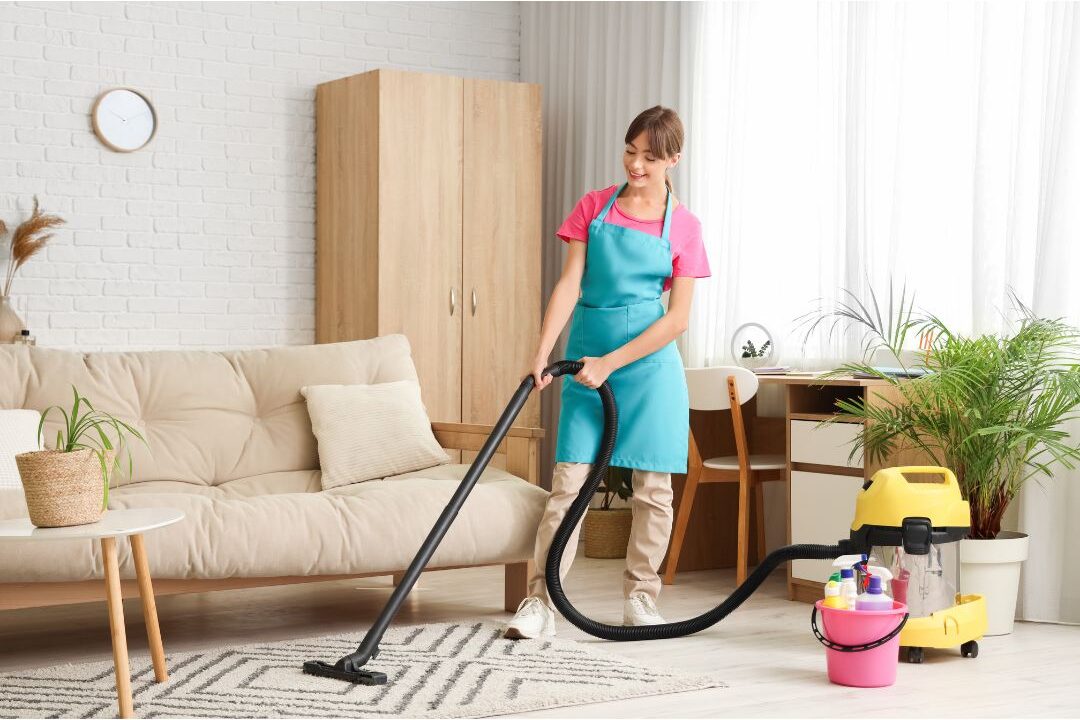
Visual and Sensory Factors
Sometimes a home feels messy not because it is actually disorganized but because specific visual and sensory factors are creating an impression of chaos.
These reasons are about what your eyes and senses are registering rather than what is objectively present in the space.
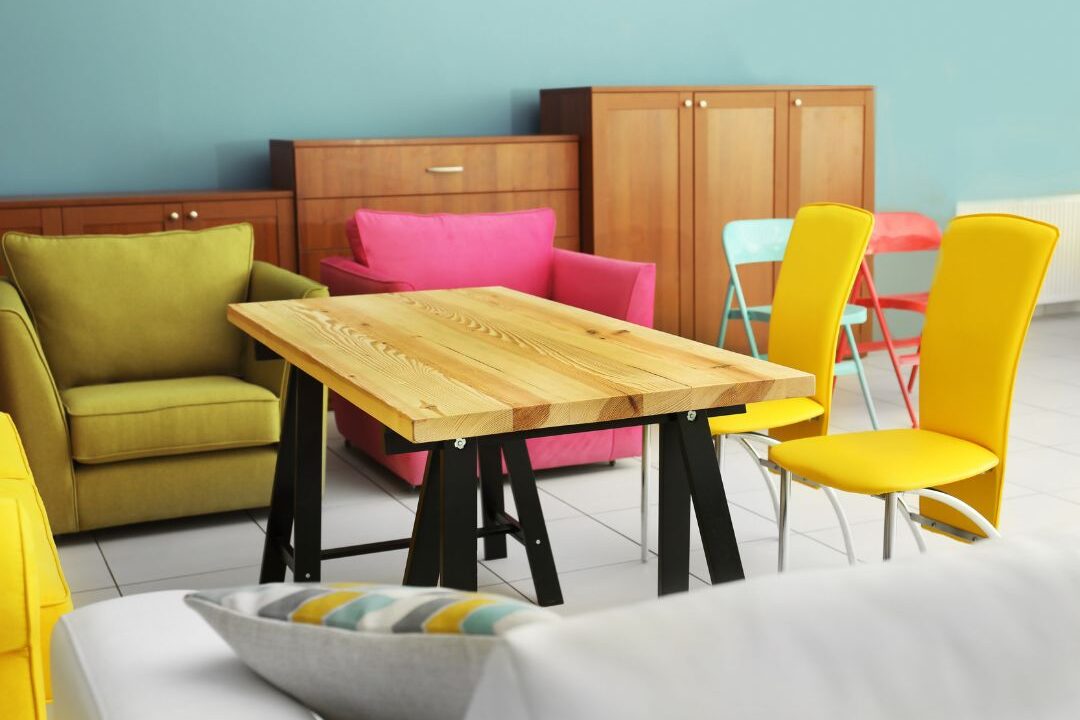
Reason 11: Your Color Palette Is Competing With Itself
A room with too many competing colors and patterns simultaneously creates visual noise that registers as chaos even when every individual item in the room is tidy and in its place.
Your eye does not know where to rest. Everything is competing for attention. The overall impression is one of disorder.
The fix is simplifying your color palette. You do not need to redecorate. Start by removing or storing items in competing colors and see how the room feels.
A cohesive color palette creates visual calm that makes a space feel organized even before a single item has been moved.
Reason 12: Your Lighting Is Exposing Rather Than Flattering
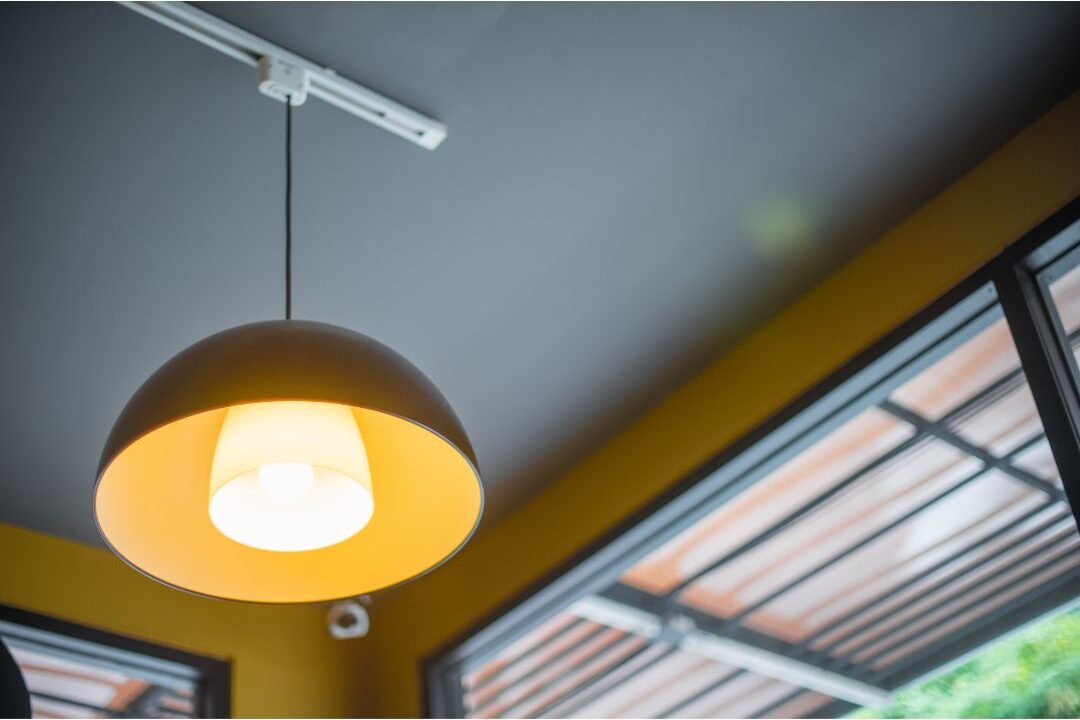
Harsh overhead lighting illuminates every imperfection in a space simultaneously. Dust on surfaces, fingerprints on cabinets, crumbs on the floor, items out of place. Everything is equally visible under bright, flat light.
Warm, layered lighting creates shadow and warmth that makes a room feel significantly more pulled together.
This is not about hiding mess, but about creating the same visual comfort that expensive hotels and well-designed spaces use intentionally.
The fix is swapping harsh overhead bulbs for warm alternatives and adding lamps to create a layered light effect in your main living spaces.
Reason 13: Your Surfaces Are the Wrong Height or Size for the Room
Furniture that is the wrong scale for a room creates visual disorder. A coffee table that is too small for the sofa. A dining table that does not fill the space proportionally. Shelving that stops halfway up a wall rather than extending to the ceiling.
These proportion problems create an unsettled feeling that registers as messiness even in a perfectly tidy room.
The fix is not necessarily replacing furniture. It is adding elements that improve the proportion.
A larger rug under an undersized coffee table, curtains that extend to the ceiling rather than stopping at the window frame, shelving that fills the full height of a wall.
Several of these visual fixes appear in our post on 25 Tiny Changes That Made My Home Feel 10x More Luxurious.
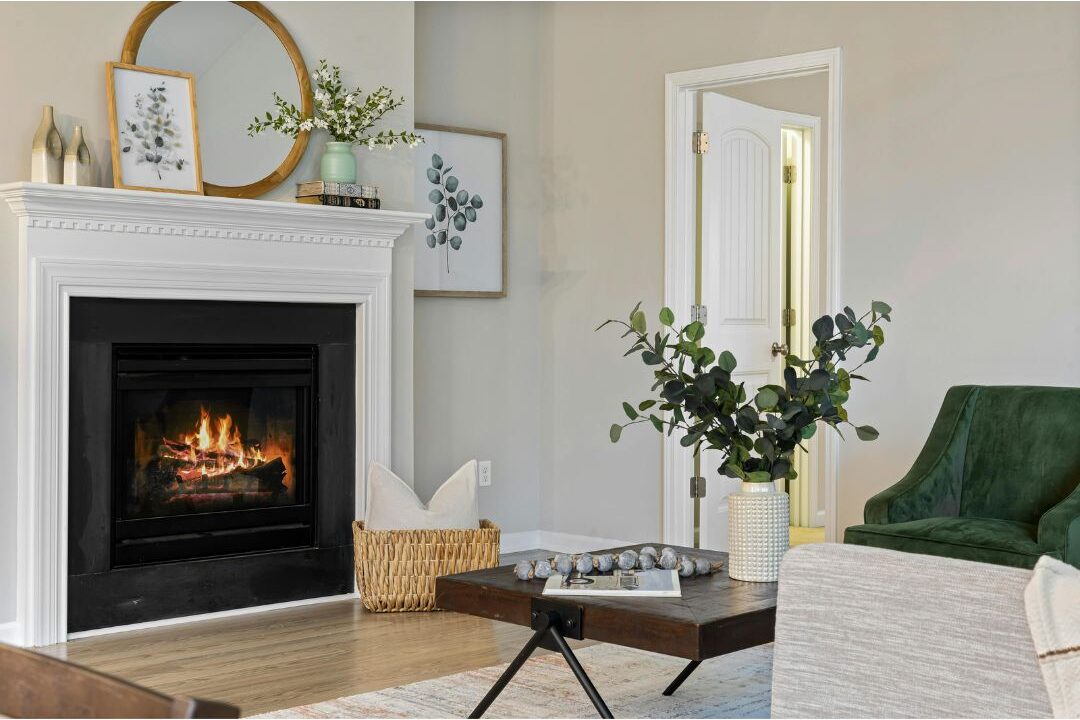
Reason 14: You Have No Clear Focal Point in Your Main Rooms
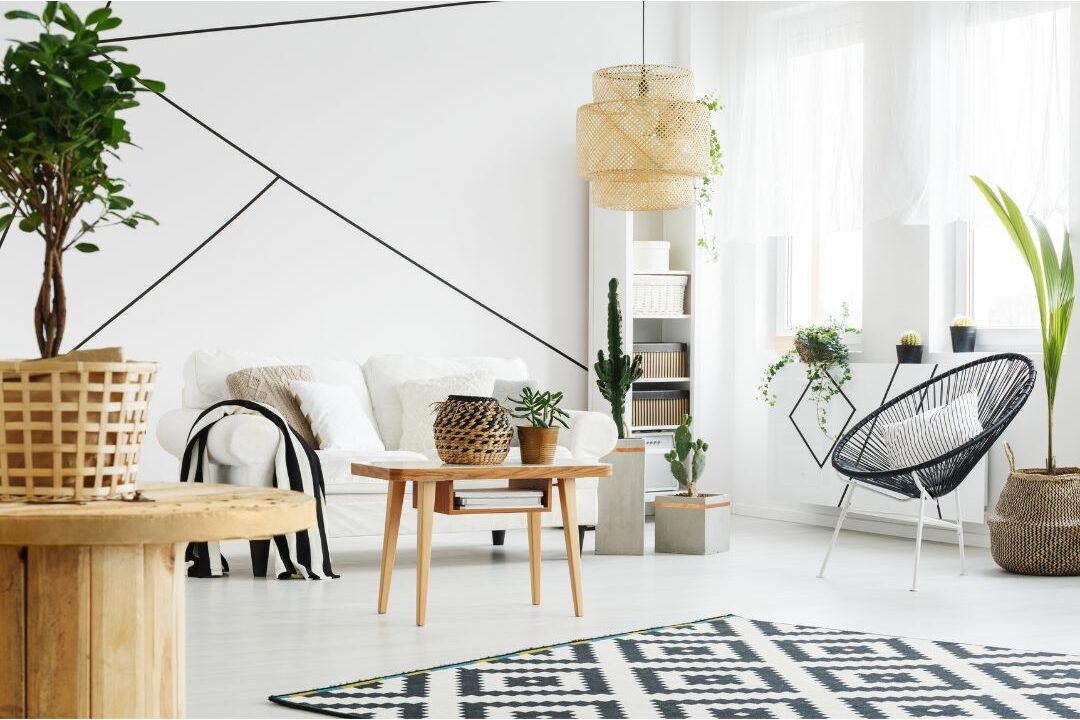
Every well-designed room has one dominant focal point that the eye is drawn to first. A fireplace. A piece of art. A beautifully styled shelf.
When a room has no clear focal point, the eye wanders from object to object looking for somewhere to land. That visual searching registers as chaos even in a tidy space.
The fix is identifying or creating one dominant focal point in each main room and organizing the rest of the space around it. Everything else becomes secondary.
The visual hierarchy this creates makes a room feel ordered and intentional.
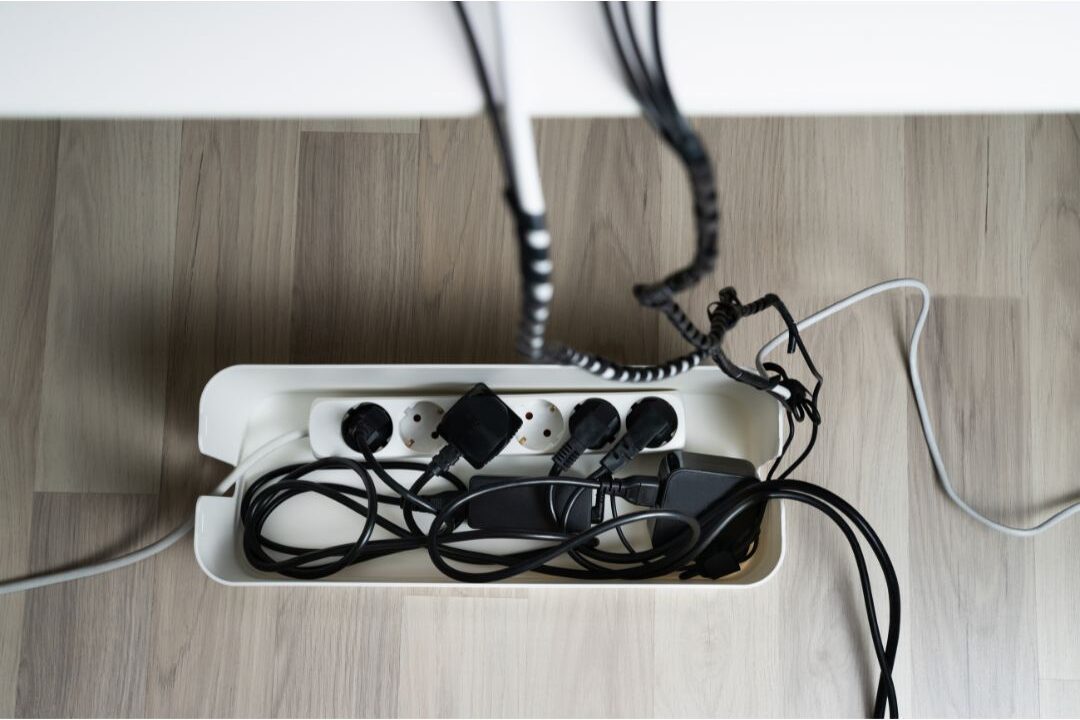
Reason 15: Cables and Cords Are Visible Throughout the Space
Visible cables are one of the most consistently overlooked sources of visual disorder in modern homes.
The television cables trailing down the wall. The charging cables draped across every surface.
The extension cord snaking across the floor. Each one adds to the visual complexity of a space in a way that reads as clutter even when everything else in the room is in order.
The fix is cable management. Cord clips, cable boxes, cable ties, and intentional placement of charging stations all reduce the visual noise of cables significantly.
This is one of those changes that feels minor until you do it and then feels dramatic.
Addressing these visual factors connects directly to the principles in Things That Instantly Make Your Home Look Expensive
Behavioral and Habit Factors
Some of the most persistent reasons a home feels messy are not about the space itself at all. They are about the habits and behaviors of the people living in it.
No organizational system or cleaning routine can compensate for the behavioral patterns that undermine them daily.
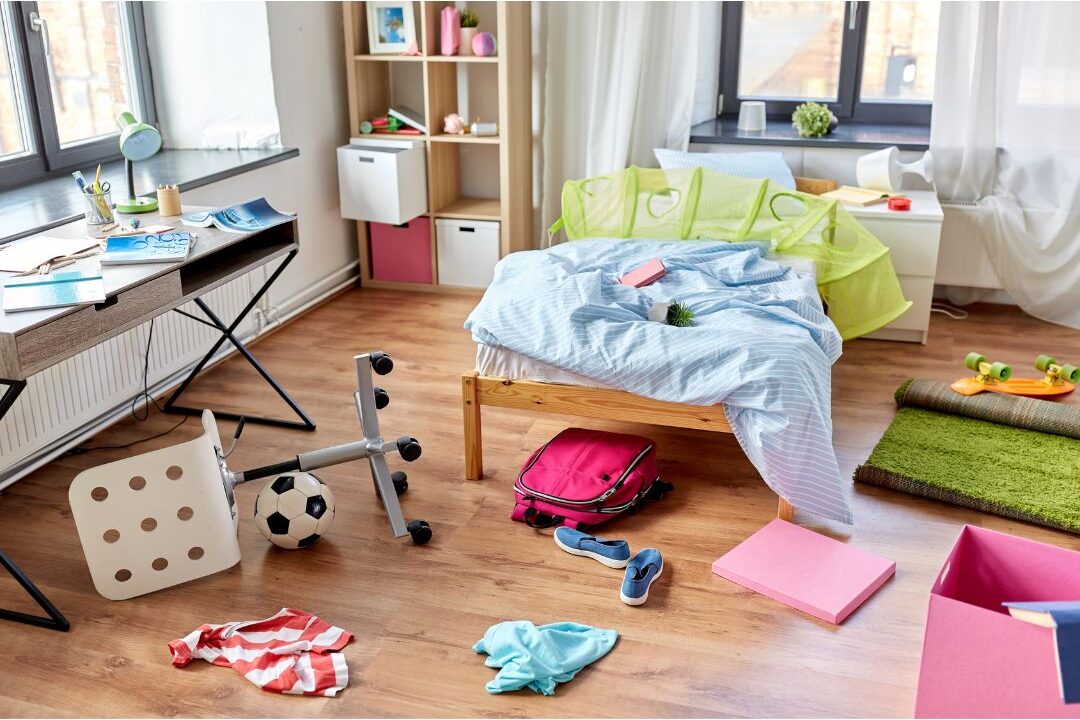
Reason 16: Nobody Puts Things Back Where They Found Them
This is the foundational behavioral habit that either supports or undermines every other system in your home.
If items are returned to their designated homes after use, the home maintains its organization. If they are not, even the most beautifully designed storage system becomes irrelevant within days.
The fix is making this a household rule rather than a personal responsibility. Every member of the household who is old enough to take something out is old enough to put it back.
This rule, communicated clearly and maintained consistently, changes the baseline of your home’s organization over time.

Reason 17: You Clean but You Do Not Tidy First
Cleaning and tidying are different activities that achieve different results. Tidying means returning items to their homes. Cleaning means washing, wiping, vacuuming, and sanitizing.
When you clean without tidying first, you clean around items that are out of place.
The surfaces appear clean, but the items occupying them remain. The room looks cleaned but never quite organized.
The fix is always tidying before cleaning. Return every item to its home first. Then clean the clear surfaces. The result is a room that looks and feels both clean and organized simultaneously.

Reason 18: High Traffic Areas Are Never Specifically Addressed
Every home has high-traffic areas that accumulate mess faster than anywhere else. The kitchen counter where everything gets put down. The hallway where shoes, bags, and coats land. The dining table that doubles as a catch-all surface.
These spots need to be addressed more frequently than the rest of the home, not at the same interval.
The fix is identifying your home’s highest-traffic surfaces and resetting them daily as a non-negotiable. Not weekly with the rest of the cleaning. Daily.
These are the spaces whose state determines the overall feeling of your home more than any other area.
High traffic areas are just one of the things we identify in our post on These 10 Things Quietly Make Your House Feel Chaotic.

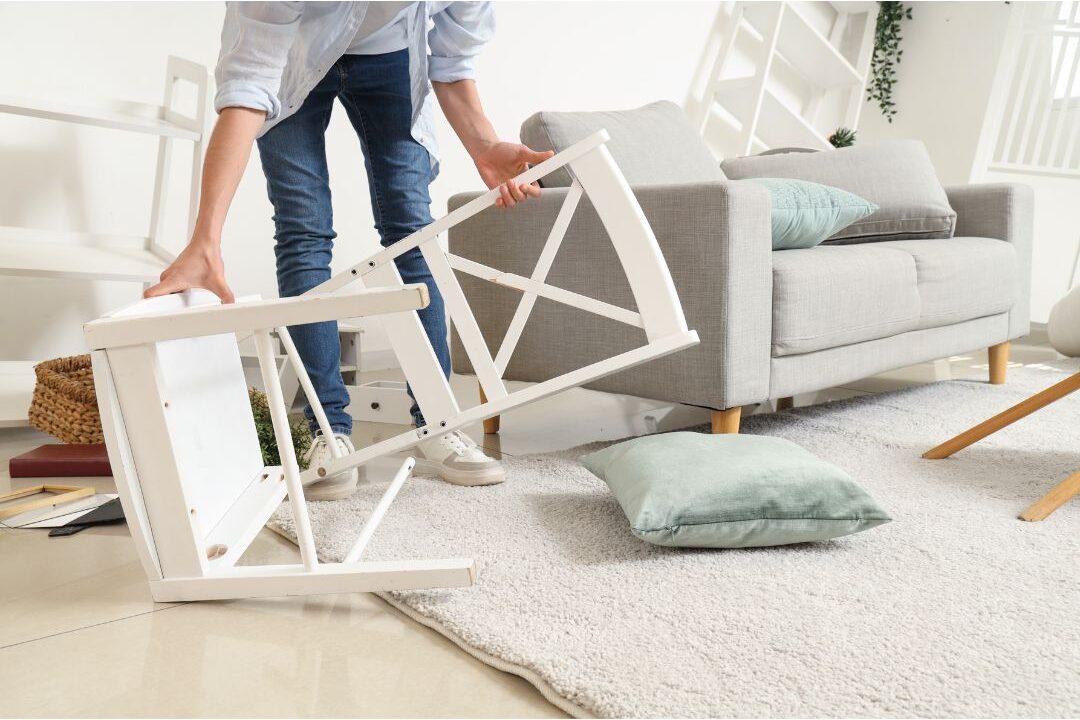
Reason 19: You Tolerate Broken or Damaged Items Remaining in the Space
A broken drawer handle left unfixed for months. A cracked picture frame still hanging on the wall. A chair with a wobbly leg that everyone works around.
Damaged items create a visual impression of neglect that affects the overall feeling of a space significantly more than their individual size or importance would suggest.
The fix is a monthly five-minute walkthrough specifically to identify and address minor damage and disrepair. Fix what can be fixed. Replace what cannot.
Remove damaged items that are beyond repair rather than leaving them in the space as a persistent visual reminder of incompleteness.
Reason 20: Cleaning Happens Reactively Rather Than Proactively
Reactive cleaning means you clean when the mess becomes undeniable. Proactive cleaning means you maintain a standard consistently so the mess never reaches that point.
Reactive cleaning is exhausting because it always involves dealing with a significant accumulation. Proactive maintenance is faster because it operates on a lower baseline.
The fix is shifting from a deep-clean-when-necessary model to a maintain-daily model. Ten minutes of daily maintenance prevents the accumulation that requires two hours to address reactively.
Shifting to proactive maintenance is at the heart of what we share in I Stopped Doing These 12 Things—My Home Has Never Been Cleaner.
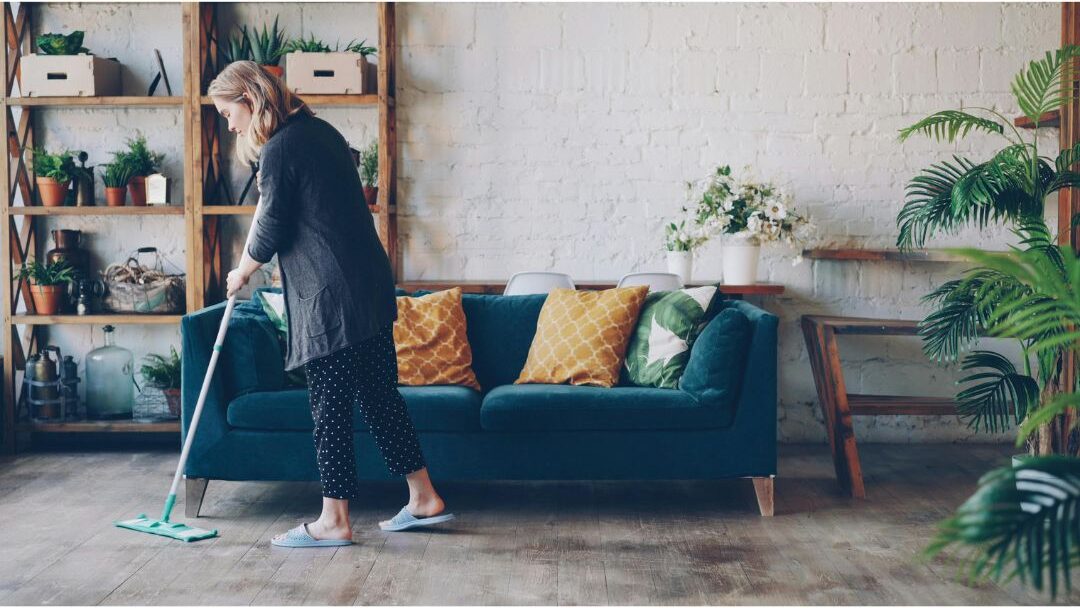
The Mental and Emotional Layer
The final five reasons are the ones most rarely discussed. They exist not in the physical space of your home but in the mental and emotional relationship you have with it.
Addressing these reasons requires a different kind of work, but the payoff is the most lasting of everything on this list.
Reason 21: You Have Decision Fatigue Around Your Belongings
Decision fatigue is the deterioration of decision-making quality after extended periods of making decisions.
By the end of a day of managing a household, children, and a schedule, the cognitive energy required to decide where things go, what to keep, and what to let go of is simply not available.
The fix is removing decisions from the maintenance process wherever possible. When everything has a designated home, maintaining order requires no decisions.
You just return items to their homes. The decision was made once during the setup. The maintenance is automatic.

Reason 22: You Feel Overwhelmed Before You Start
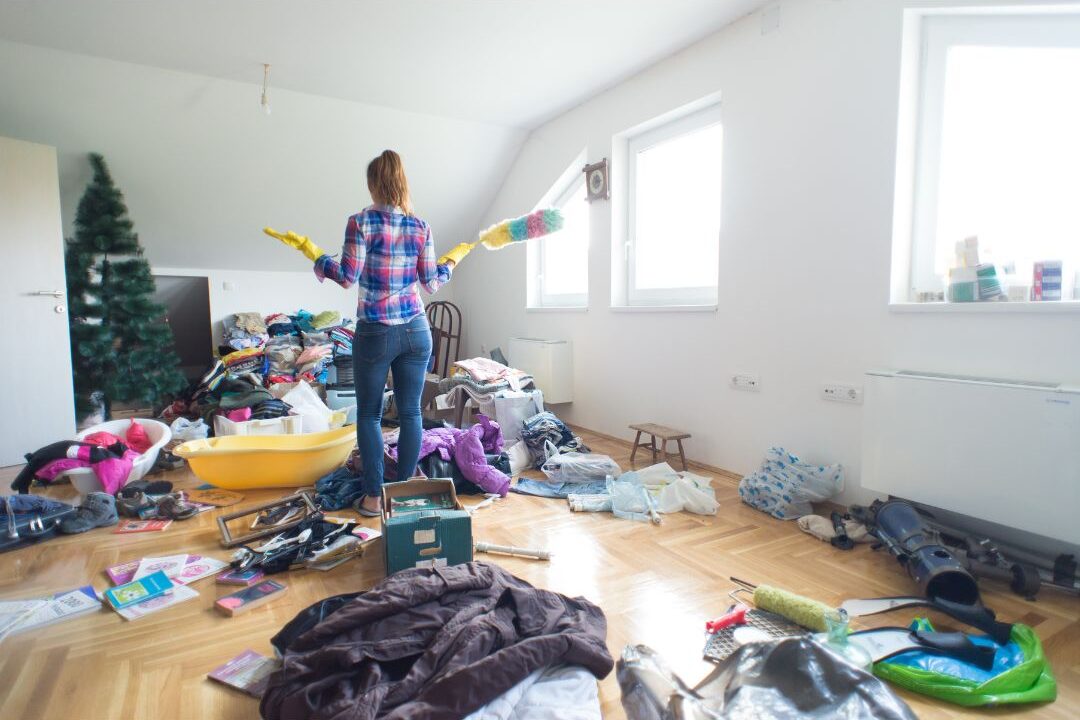
The visual overwhelm of a home that feels messy creates a psychological barrier to starting the tidying process. The whole house looks like a project. The project feels too big. So nothing gets started, and the accumulation continues.
The fix is the two-minute rule. If something takes two minutes or less to address, do it immediately. Do not add it to a mental list to do later. Pick up the item and return it to its home.
Wipe the surface. The cumulative effect of consistently acting on two-minute tasks throughout the day prevents the accumulation that creates overwhelm in the first place.
The overwhelming feeling that your home is always messy feeds into the broader sense of failing we address in How to Stop Feeling Like You’re Failing and Start Winning in Life
Reason 23: Your Standards Are Inconsistent
You have a high standard for how your home looks when guests are coming and a significantly lower standard for everyday living.
This inconsistency means the home fluctuates between two very different states and never settles into a consistently maintained baseline.
The fix is choosing a realistic everyday standard and maintaining it consistently. Not the guest standard.
The sustainable standard. The one you can actually maintain without heroic effort. A consistent moderate standard beats an inconsistent cycle of perfection and chaos every time.
Inconsistent standards often come from the same place as self-care mistakes. Our post on The Self-Care Mistakes That Leave You Feeling Even More Exhausted identifies the pattern.

Reason 24: You Have Emotional Attachments to Items You Do Not Use
Keeping things because of guilt, obligation, or the memory attached to them rather than because they serve a genuine purpose in your current life is one of the most compassionate-sounding and practically costly habits in home organization.
Every item kept for purely emotional reasons that does not serve your daily life occupies real space and contributes to the volume problem.
The fix is not brutal detachment. It is intentional curation. Keep the items that genuinely carry meaning.
Photograph the ones where the memory matters more than the object. Let go of the ones where the obligation is the only reason they are still there.
The pressure to maintain a perfect home connects to the same unrealistic standards we challenge in the biggest soft life lie social media keeps telling moms.

Reason 25: You Have Never Fully Decided What Kind of Home You Want to Live In
This is the deepest reason on the list and the one that underpins every other.
Without a clear vision of what your home should feel like, every decision about what to keep, where to put things, and how to organize the space is made in a vacuum. You are tidying without a destination in mind.
The fix is spending thirty minutes with a journal or a blank piece of paper deciding specifically how you want your home to feel. Not look, but feel. Write down five words that describe the feeling you are working toward.
Every organizational decision you make from that point forward becomes significantly easier because it has a clear standard to meet.
Defining how you want your home to feel is one of the first steps in the soft life philosophy we explore in What Does Soft Life Really Mean for Stay-at-Home Moms.

CONCLUSION
Your house always feels messy because one or more of these 25 reasons is operating in your home right now. Not because you are lazy. Not because you are failing.
Because nobody taught you to distinguish between cleaning and organizing, between tidying and maintaining, between volume management and surface cleaning.
Now you know the difference. Go back through this list and identify your top three. Just three. Address those first. Then come back for three more.
Sustainable change always starts with a specific, manageable place to begin. Your home can feel genuinely calm and organized. It starts with understanding why it currently does not.
You May Also Like:







9 Comments