

You’re Not Lazy—You’re Probably Overloaded with These 7 Things
Disclosure: Some of the links in this post are affiliate links. This means if you click on the link and purchase an item, I will receive an affiliate commission at no extra cost to you.
Feeling unmotivated, physically exhausted, or completely paralyzed at the end of a long day often feels like personal failure.
You might accuse yourself of lacking discipline, focus, ambition, or proper time management skills when your list stays unfinished.
However, feeling constantly drained, unfocused, and emotionally spent is rarely a character flaw or a sign of true laziness.
In reality, you’re not lazy you’re probably overloaded by dozens of hidden, invisible daily stressors that drain your energy.
When your mental bandwidth is entirely consumed by background demands, simple daily tasks require tremendous willpower and physical effort.
Understanding these invisible cognitive burdens allows you to release unearned guilt, restore your natural focus, and protect your wellbeing.
By identifying exactly what drains your stamina, you can rebuild structured, highly supportive routines that honor your actual capacity.
Here is a detailed, comprehensive breakdown of the hidden overloads holding you back and how to fix them today.

Understanding the Difference Between Laziness and Chronic Mental Overload
True laziness is an active, deliberate choice to avoid effort when you possess plenty of physical and mental energy.
Mental overload is deep emotional and physical exhaustion caused by carrying far too many responsibilities without adequate rest.
When your mind is constantly processing information, tracking schedules, and solving problems, your nervous system remains on high alert.
This continuous internal strain consumes your cognitive reserves rapidly, leaving you feeling entirely paralyzed, overwhelmed, and physically stuck.
Recognizing this crucial distinction helps you treat your daily struggles with genuine compassion instead of harsh internal criticism.
Reclaiming your energy and daily motivation begins the moment you stop blaming your character for genuine nervous system fatigue.
When you honor your physical limits, you can begin removing the invisible burdens that drain your everyday vitality.

Our detailed guide on 10 Warning Signs You’re Headed for Mom Burnout breaks down early signs of exhaustion.
You can explore unearned guilt in How to Stop Feeling Guilty About Rest.
The Hidden Anatomy of Mental Fatigue and Nervous System Overdrive
Your brain operates much like a high-performance computer running multiple heavy software applications simultaneously in the background.
Even when you are sitting quietly on the couch, background processes continue consuming your precious cognitive electrical battery power.
Unresolved decisions, unspoken anxieties, household planning, and family coordination keep your brain working continuously without a break.
When your mental processing capacity hits maximum capacity, your mind naturally triggers a protective freeze response to prevent collapse.
This freeze response feels like sudden laziness, heavy procrastination, or a complete inability to start simple household chores.
Understanding that your brain is simply protecting itself allows you to shift from self-blame to practical stress reduction.
Lowering your daily background mental load restores your nervous system, allowing natural energy and focus to return naturally.

Supporting your central nervous system aligns with Things Mentally Strong Moms Do Differently that others overlook.
Overload 1: Micro-Decisions Draining Your Cognitive Stamina Daily
Every single day requires hundreds of tiny choices, from selecting outfits to planning dinners and scheduling daily errands.
Making endless minor choices throughout the morning drains your precious cognitive stamina far faster than completing hard physical work.
By early afternoon, your brain experiences severe decision fatigue, making even trivial choices feel extraordinarily difficult and exhausting.
This state of mental exhaustion often looks like laziness, but it is actually acute, measurable decision-making fatigue.
When you’re not lazy you’re probably overloaded by constant daily decision-making demands that never seem to pause.
Creating predictable daily routines automates simple choices, preserving your best mental focus for meaningful career and personal goals.
Standardizing your meals, morning routines, and weekly clothing choices removes unnecessary decision points from your everyday schedule.

Automating daily decisions follows principles in The Productivity Rule Every Mom Should Know.
You can streamline choices using 45 Daily Habits That Make Life Easier.
How Decision Fatigue Secretly Sabotages Afternoon Productivity
When decision fatigue peaks in the early afternoon, your ability to initiate complex tasks drops to near zero.
You might find yourself staring blankly at your computer screen or endlessly scrolling through social media feeds for hours.
This behavior is not a character flaw, it is your brain seeking low-effort activities to avoid making additional choices.
When every option feels heavy, your mind naturally selects the path of least cognitive resistance to preserve energy.
To overcome afternoon paralysis, reduce the number of choices required to start your next scheduled work project.
Write down your exact next action step the evening before so you do not have to decide what to do.
Removing decision steps from your work transitions helps you jump straight into action without wasting precious mental stamina.

Understanding decision obstacles addresses topics in Why You Never Finish Your To-Do List.
Eliminating early choices connects directly with How to Get More Done at home before Noon.
Overload 2: Digital Fragmentation and Continuous Push Notifications
Constant smartphone alerts, email pings, and social media notifications break your focus dozens of times every single hour.
Every single digital interruption forces your brain to switch contexts, which burns through immense amounts of mental energy.
This continuous digital noise leaves your mind feeling fragmented, jumpy, anxious, and perpetually distracted throughout your active workday.
You may end your shift feeling completely exhausted despite having accomplished very little meaningful work on major projects.
Establishing firm digital boundaries protects your attention span and restores steady mental stamina for high-value tasks.
Turning off non-essential smartphone notifications creates quiet, unbroken mental space necessary for deep, satisfying concentration.
Dedicating specific times to check communications prevents incoming messages from dictating your entire daily mindset and schedule.

Stopping digital distraction connects to You’re Probably Wasting 3 Hours Every Day doing these 5 things.
Muting notification alerts aligns with Stop Doing These 15 Time-Wasting Habits.
Overload 3: Unspoken Emotional Labor and Household Mental Load
Managing household logistics requires immense unseen mental energy that rarely gets fully recognized, appreciated, or shared equally.
Tracking school calendars, pantry stock, medical appointments, and family emotional needs creates constant internal strain and exhaustion.
This invisible mental load runs continuously in the background of your mind every single hour of the day.
Carrying this immense cognitive weight makes focused creative work feel nearly impossible to sustain over long weekly blocks.
When you feel completely drained, remember that you’re not lazy you’re probably overloaded by invisible household mental labor.
Sharing household logistics openly with family members through visual tracking systems helps lighten this invisible mental burden significantly.
Offloading mental tracking onto shared household tools frees up vital cognitive space for your career and personal growth.

Visualizing family logistics is explained in The Family Command Center Every Busy Home Needs.
Systematizing household duties aligns with 20 Home Systems That Practically Run Themselves.
The Cognitive Weight of Invisible Household Logistics and Planning
The mental load is not simply performing household chores, it is the continuous management required to keep life running.
You are constantly anticipating needs, researching options, scheduling appointments, and making sure nothing important falls through the cracks.
This administrative role keeps your mind tethered to domestic responsibilities even when you are trying to relax or work.
Because this planning work happens internally, family members often have no idea how much mental effort you expend.
To reduce this cognitive burden, externalize your household management using physical whiteboards or shared family digital calendars.
Assign complete ownership of specific household domains to family members rather than delegating tiny individual daily tasks.
Giving others total responsibility for meal planning or laundry removes those management processes from your mind entirely.

Reducing domestic management load connects to Simple Household Rules That Eliminate Daily Stress.
Managing family logistics follows Productivity Tips for Moms with Young Kids.
Overload 4: Visual Clutter and Sensory Overstimulation at Home
Living and working in spaces filled with visual disorder continuously sends subtle stress signals to your brain.
Unsorted mail, scattered toys, overflowing laundry baskets, and crowded counters force your mind to process constant sensory input.
This background visual noise exhausts your central nervous system without your conscious realization throughout your active waking hours.
A cluttered physical environment makes sitting down to focus or relax feel incredibly frustrating, unfulfilling, and uncomfortable.
Implementing simple daily reset systems clears visual static and creates immediate environmental peace across your shared rooms.
A tidy physical space directly supports a calm, orderly, well-focused mind capable of tackling important daily challenges.

Addressing visual disorder connects to 25 Reasons Your House Always Feels Messy (Even After Cleaning).
You can establish clean environments using The Home Reset Trick That Changed My Entire Week.
Overload 5: Unprocessed Micro-Stress and Unreleased Daily Tension
Small daily frustrations, hurried schedule transitions, and minor worries accumulate quietly inside your physical body over time.
Without intentional moments to release this physical tension, your body remains trapped in a chronic fight-or-flight stress state.
Chronic low-level stress drains your physical stamina, leading directly to cognitive brain fog, irritability, and deep lethargy.
You might mistake this physical heaviness for a lack of personal motivation, discipline, or passion for your work.
Practicing short daily decompression rituals allows your central nervous system to reset and settle into peaceful relaxation naturally.
Gentle physical movement, brief outdoor walks, and quiet breathing release built-up stress naturally and effectively every evening.

For quick stress release routines, see 25 Self-Care Ideas for Moms Who Never Have Time.
Creating peaceful surroundings connects directly with How to Create a Calm Home Environment.
Overload 6: Overcommitting and Saying Yes out of Daily Obligation
Saying yes to every external request from school committees, work projects, or social obligations overextends your weekly calendar.
When your weekly schedule is packed continuously with meetings and commitments, you have zero time for spontaneous rest.
Living under constant schedule pressure leaves you feeling trapped, exhausted, resentful, and completely drained of creative ambition.
Protecting your time requires learning to decline non-essential requests with polite firmness and absolute clarity regarding your limits.
Remind yourself that you’re not lazy you’re probably overloaded by excess external commitments that do not serve you.
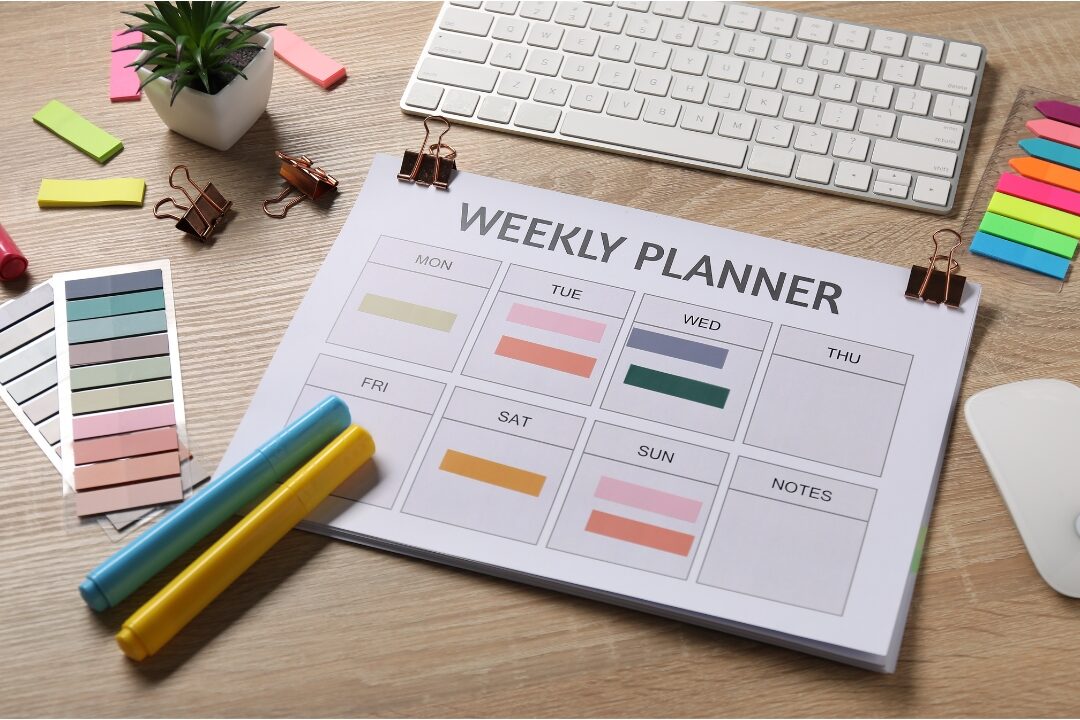
Creating open white space on your calendar protects your well-being, restores energy, and improves your overall life satisfaction.
Setting firm boundaries is detailed in How to Separate Work Life From Home Life.
Protecting calendar space aligns with The Systems That Saved Me 10 Hours Every Week.
Overload 7: Physical Fatigue Misdiagnosed as Lack of Motivation
Poor sleep quality, dehydration, and irregular meal schedules severely diminish your body’s essential vitality and focus.
Attempting to compensate for deep physical fatigue with willpower alone leads straight to burnout and frustration.
When your body lacks proper nourishment and rest, your mind cannot function at peak cognitive levels.
Blaming yourself for low output during physical exhaustion creates unnecessary emotional suffering and self-doubt every day.
Prioritizing regular hydration, balanced nutrition, and solid nightly sleep restores your natural vigor.
Honoring your body’s physical needs establishes a strong foundation for high daily motivation.

Physical morning care connects to Things Successful Remote Moms Do Before 9 A.M.
Fueling your morning routine is covered in How to Get More Done Before Breakfast.
Auditing Your Environment to Identify Hidden Energy Leaks
Taking stock of your daily routine reveals exactly where your energy leaks are silently occurring throughout your active week.
Pay close attention to moments throughout the day when you feel suddenly exhausted, overwhelmed, irritable, or deeply frustrated.
Identify specific household tasks, clutter zones, or digital habits that trigger your mental fatigue and emotional drain consistently.
Writing down your primary energy drains gives you clear, actionable targets for helpful system adjustments across your home.
Once you pinpoint exact energy leaks, you can design simple, automated solutions to protect your mental and physical stamina.
Regular environment audits ensure your home and daily routines continue supporting your well-being, peace, and focus effectively.

Eliminating environment noise is detailed in The Biggest Distractions in Every Home Office.
Designing smooth daily schedules follows Why Successful Moms Don’t Start Their Day With Laundry.
Implementing Low-Friction Systems to Reduce Cognitive Strain
Low-friction systems eliminate unnecessary operational steps from your everyday household routines and professional work processes.
Setting out clothing, prepping healthy meals, and organizing entryways the evening before saves precious morning focus for important work.
Automating regular household tasks removes decision-making steps, keeping your mind fresh for high-priority career and family goals.
Simple organizational systems make keeping an orderly house feel natural, sustainable, and completely effortless over long busy weeks.
When your daily environment supports your natural workflow, your baseline energy and natural productivity return automatically without pressure.
Building low-friction systems ensures that your daily efforts produce maximum peace, personal satisfaction, and lasting mental clarity.

Structuring balanced daily systems connects to How to Work From Home Without Feeling Like You’re Working All Day.
Establishing Firm Boundaries Around Your Time and Energy
Setting clear boundaries protects your personal energy from being drained by non-essential demands.
Define specific working hours, digital shutdown times, and personal rest blocks on your calendar.
Communicate your availability clearly to family members, friends, and professional colleagues.
Standing firm behind your boundaries ensures that your daily schedule reflects your core priorities.
Protecting your time prevents overwhelm and allows you to show up with focus and warmth.
When you’re not lazy you’re probably overloaded, boundaries create room for recovery and growth.
Protecting focus blocks connects to How to Get More Done at home before Noon.

Cultivating Radical Self-Compassion as You Unload Stress
Replacing harsh self-criticism with warm, intentional self-compassion accelerates your recovery from severe mental and physical overload.
Acknowledge that managing a modern household, family commitments, and an active career requires incredible strength and constant adaptation.
Treat yourself with the same kindness, patience, and understanding you would offer a dear friend facing similar challenges.
Celebrating small daily accomplishments builds genuine self-confidence and restores your internal motivation naturally without external force.
Self-compassion gives you permission to rest deeply without feeling guilty or inadequate during quiet, unstructured moments.
Nurturing a supportive internal mindset creates lasting emotional resilience that protects your well-being across all life seasons.

Reclaiming Your Natural Energy and Mental Clarity Step by Step
Recovering your mental clarity and physical vitality is a gradual process that unfolds through small, consistent daily choices.
Focus on removing one specific overload source at a time rather than trying to overhaul your entire life overnight.
As you simplify your weekly schedule and physical environment, your natural vitality, focus, and joy will return naturally.
You will enjoy greater concentration, deeper emotional presence with loved ones, and true satisfaction in your career achievements.
Embrace these supportive systems today and experience the calm, grounded clarity that comes from unloading hidden daily stress.

Reclaiming Peace, Presence, and Balance Every Day
Unloading hidden daily stressors transforms your mental stamina and restores your natural, healthy productivity without burnout.
You do not need to rewrite your entire lifestyle overnight to experience immediate emotional relief and physical calm.
Start today by identifying just one energy leak to simplify, automate, or eliminate over the coming week.
As you release unearned guilt, you will rediscover your natural motivation, inner balance, and quiet daily confidence.
Embrace these restorative practices today and build a sustainable lifestyle that honors your peace, health, and happiness.
- 50 Positive Affirmations for Stay-at-Home Moms
- How to Create a Beautiful Work-from-Home Space
- 60 Soft Life Ideas Every Mom Should Try
- 70 Budget-Friendly Home Upgrades that are actually worth it







7 Comments