

How to Separate Work Life From Home Life
Disclosure: Some of the links in this post are affiliate links. This means if you click on the link and purchase an item, I will receive an affiliate commission at no extra cost to you.
Working from home offers incredible flexibility, but it also blurs the lines between professional duties and personal living.
When your living room serves as your office, stepping away from work responsibilities at the end of the day feels difficult.
Unanswered emails, pending project files, and continuous team messages can easily follow you into your quiet family evenings.
Without clear boundaries, you may find yourself constantly checking notifications while trying to relax with loved ones.
This continuous overlap drains your mental energy and creates ongoing friction within your personal household routines.
Understanding how to separate work life from home life helps you reclaim personal peace while maintaining high professional focus.
By building intentional daily systems, you can create a fulfilling balance that honors both your career and family priorities.
Establishing clear work-life boundaries does not require a massive home office or complex scheduling rules.
Small, consistent adjustments to your physical environment and digital habits can transform your everyday remote work experience.
Here is your complete guide to separating professional commitments from home life for lasting well-being and productivit

Creating a Dedicated Physical Workspace Outside High-Traffic Zones
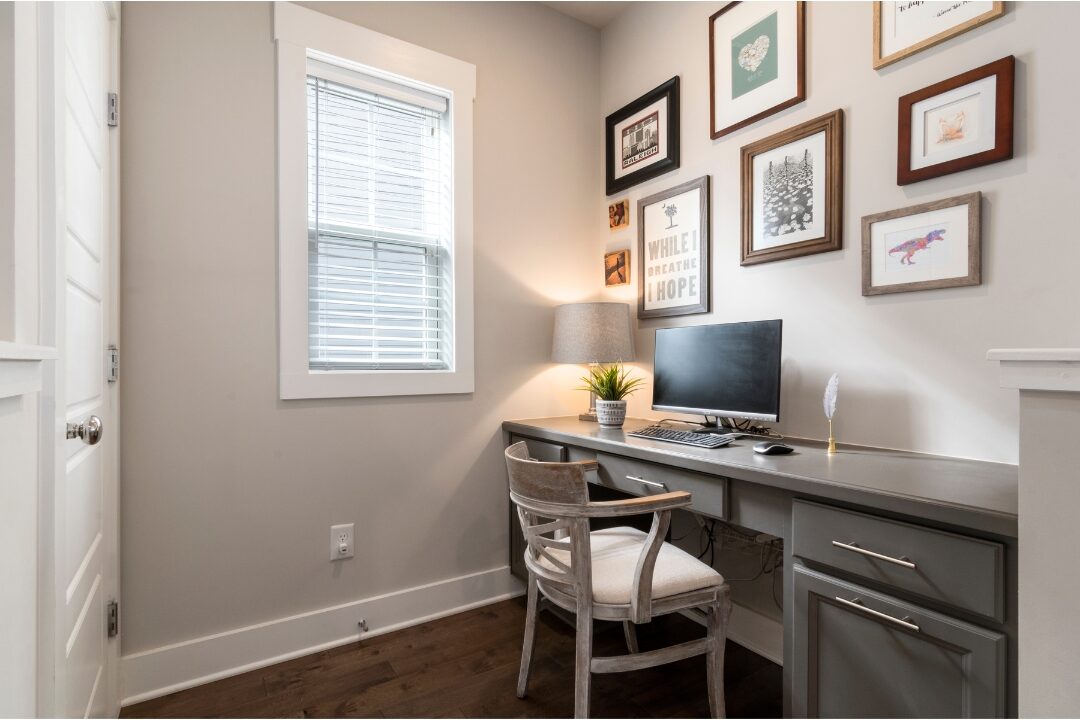
Setting up a dedicated physical workspace creates an immediate boundary between your job tasks and your personal living area.
When you work from your kitchen island or sofa, your brain associates relaxation spaces with professional stress.
Choose a specific desk or corner away from main family walkways, active television areas, and loud play spaces.
Even a compact desk setup in a guest bedroom or quiet hallway nook provides clear spatial structure.
Equip your workstation with proper lighting, an ergonomic chair, and necessary supplies so you stay focused all day.
When you sit at your dedicated desk, your brain instantly recognizes that it is time to work.
Equally important, stepping away from that workstation signals to your mind that work duties are finished.
Avoid bringing work laptops or paperwork onto your bed or living room seating during off-hours.
Physical spatial boundaries protect your home environment, keeping it a restful sanctuary for you and your family
Our detailed post on The Biggest Distractions in Every Home Office explores how layout choices protect concentration.
You can read more about visual harmony in How to Create a Calm Home Environment.
Establishing a Strict Digital Sunset Routine Every Evening
A digital sunset routine involves powering down work devices at a set time every single evening.
Continuing to review work messages after hours prevents your nervous system from relaxing after demanding work tasks.
Set a firm alarm for thirty minutes before your official workday finishes to begin wrapping up tasks.
Use this buffer period to organize your desk, close open browser tabs, and finalize remaining communications.
When your end time arrives, turn off your work computer completely rather than putting it to sleep.
Close your office door or place your laptop inside a cabinet so it stays out of sight.
Hiding your work devices removes the constant visual temptation to quickly check incoming team messages.
Establishing an evening digital shutdown helps your brain transition from work demands into quiet personal rest.
Consistency with your digital sunset routine creates predictable boundaries that protect your evenings every day.

You can discover structured work hours in How to Work From Home Without Feeling Like You’re Working All Day.
Avoiding late notification checks addresses issues covered in 17 Habits That Are Secretly Keeping You Stressed Every Day.
Implementing a Physical Transition Buffer Between Work and Family Time
Commuting home from a traditional office used to provide a natural physical buffer between work and home.
When working remotely, you must intentionally create a transition ritual to replace that missing commute window.
Without a transition activity, you step directly from high-stakes work calls into busy domestic family conversations.
This abrupt shift can leave you feeling irritable, unfocused, and emotionally exhausted during family dinner time.
Build a fifteen-minute transition ritual that allows your mind to decompress before joining your household.
Take a quick outdoor walk, practice gentle stretching, or listen to an encouraging audio podcast episode.
Changing out of work clothes into comfortable casual wear also sends a clear signal to your brain.
Discovering how to separate work life from home life relies on these small daily mental decompression habits.
Giving yourself a brief decompression buffer allows you to greet your family with patience and presence.

For quick evening decompression routines, check out Self-Care Ideas for Moms Who Never Have Time.
Simple daily transition rituals align directly with 45 Daily Habits That Make Life Easier.
Setting Clear Work Hours and Communicating Them to Your Household
Working without set start and finish times leads to continuous schedule drift throughout your entire week.
Define clear, realistic work hours based on your job demands and your family’s daily schedule.
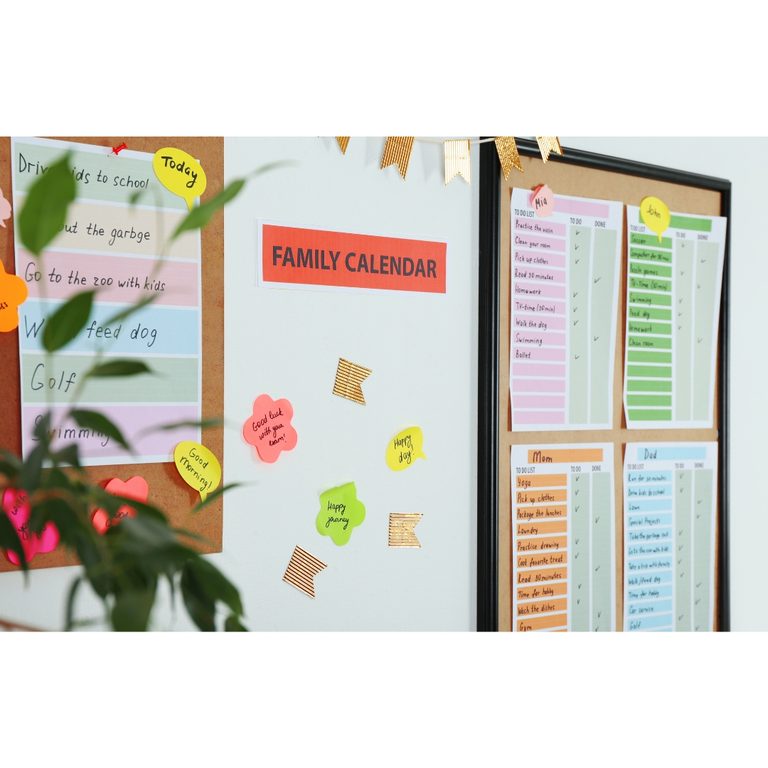
Post your weekly work hours on a visible board so family members know exactly when you are available.
Train your household to respect active focus blocks while honoring the moments when you are off duty.
For instance, young children benefit from simple visual signals like a red or green sign on your door.
A red sign indicates an active meeting, while a green sign means they can enter for quick questions.
Sticking to consistent work hours prevents your job duties from creeping into early morning and late evening times.
It also ensures you give full, undivided attention to work during professional hours without feeling guilty.
Clear communication eliminates household confusion and establishes mutual respect for everyone’s daily time and focus.

You can learn how visual wall boards organize schedules in The Family Command Center Every Busy Home Needs.
Setting clear household expectations builds upon ideas in Simple Household Rules That Eliminate Daily Stress.
Dressing for Success to Mentally Switch Into Professional Mode
Working in pajamas might seem comfortable, but it sub-consciously blurs your personal mindset and professional focus.
Your physical clothing choices directly influence your alertness, confidence, and internal mental state throughout the morning.
Dressing in clean, professional casual attire helps your brain shift into an active working mindset quickly.
You do not need formal business suits, but wearing structured, comfortable clothing establishes personal discipline.
Put on shoes or structured footwear during focus blocks to maintain an upright, energetic working posture.
When your workday ends, change into relaxed loungewear as a physical ritual to signal off-duty time.
This simple clothing routine marks a clear boundary between active work tasks and quiet home relaxation.
Treating remote work days with professional respect improves your daily focus while protecting off-duty comfort.

You can explore more morning preparation habits in Things Successful Remote Moms Do Before 9 A.M.
Discover additional morning structure ideas from The Perfect Morning Routine for Stay-at-Home Moms.
Using Separate Devices or Browser Profiles for Work and Personal Use
Combining personal social media, personal shopping, and work files on one device creates endless daily distraction.
It becomes far too easy to open work spreadsheets while browsing personal web pages on weekends.
If possible, use dedicated devices for your professional job responsibilities and personal home life.
When using a single computer, create separate user accounts or distinct browser profiles for work and leisure.
Customize your work browser profile with professional bookmarks, work email, and job-related communication tools.
Keep personal bookmarks, streaming accounts, and personal email strictly within your personal browser profile.
Switching browser profiles at the end of the day physically removes work tools from your personal screen space.
This digital separation prevents work pings from interrupting your weekend leisure time or personal projects.
Organizing your digital environment protects your mental bandwidth and reduces friction across your entire week.

Stopping digital fragmentation is detailed in You’re Probably Wasting 3 Hours Every Day Doing These 5 Things.
Eliminating online distractions connects directly with Stop Doing These 15 Time-Wasting Habits.
Turning Off Work Notifications on Personal Phones and Tablets
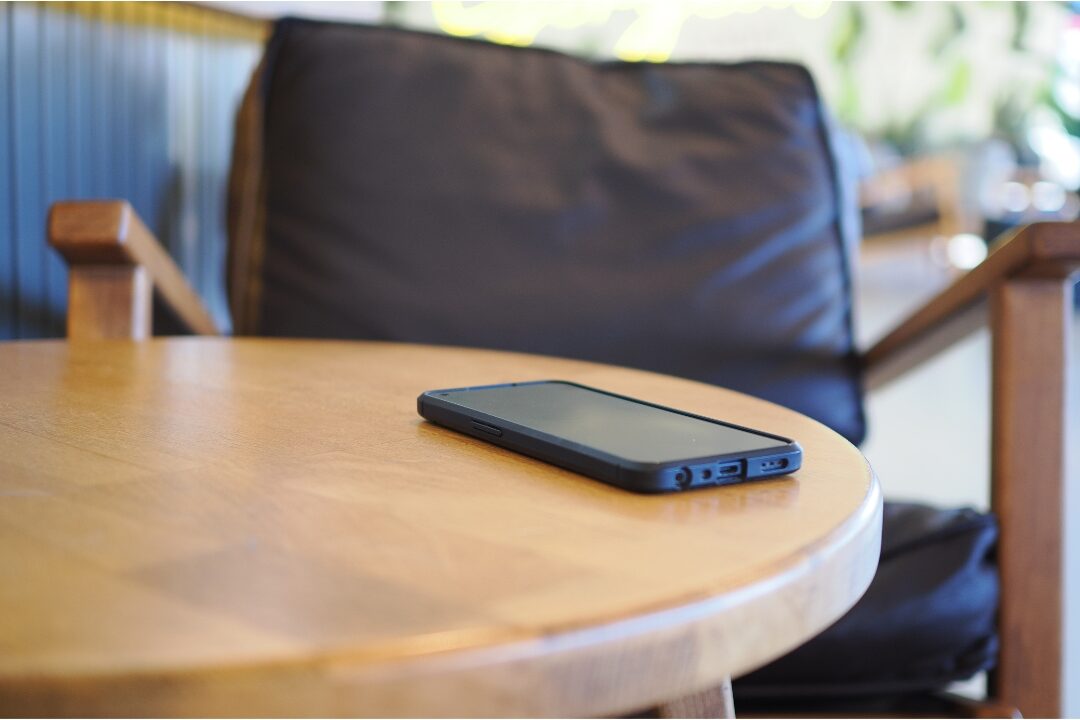
Installing work messaging applications on your personal smartphone makes disconnecting from your job almost impossible.
Every notification chime draws your focus back to work tasks, even while preparing dinner or relaxing.
Remove work chat channels and work email accounts from your personal mobile phone whenever possible.
If you must keep work apps on your personal phone, disable push notifications during off-duty hours.
Utilize automated do-not-disturb schedules that mute work alerts automatically every evening and weekend.
Moving work application icons off your main home screen prevents impulse checks during leisure moments.
Protecting your personal mobile devices ensures your off-hours remain truly peaceful, restorative, and focus-free.
Mastering how to separate work life from home life requires active defense against continuous digital interruptions.
Controlling your phone notifications allows you to give complete, unbroken attention to your personal life.
Reducing digital overload helps fix problems raised in You’re Not Lazy—You’re Probably Overloaded with these 7 things.
Protecting focus blocks aligns with principles in The Productivity Rule Every Mom Should Know.
Creating a Daily Work Shutdown Checklist to Clear Your Mind
Ending your workday abruptly often leaves pending thoughts and worries swirling in your head all evening.
A written work shutdown checklist helps you systematically close down your workday so your mind can rest.
Spend the final ten minutes of your schedule completing a simple four-step end-of-day routine.
First, review your inbox to ensure no urgent emergency messages require an immediate response before tomorrow.
Second, check your calendar to preview tomorrow’s scheduled meetings and prepare necessary files in advance.
Third, write down your top three priority tasks for tomorrow on a paper notepad on your desk.
Finally, tidy your desk surfaces, save open documents, and close all active computer windows completely.
A consistent shutdown checklist assures your brain that everything is under control until work resumes tomorrow.
Clearing your mental inbox prevents work worry from interfering with your quiet evening relaxation time.

If you struggle with task organization, read Why You Never Finish Your To-Do List.
Avoiding chaotic work finishes addresses issues in 10 Mistakes That Are Killing Your Productivity at Home.
Resisting the Urge to Complete Domestic Chores During Focus Blocks
It is extremely tempting to pause work projects to fold laundry, wash dishes, or scrub bathroom counters.
However, constantly switching between professional work and domestic chores fragments your focus and increases mental fatigue.
Task switching prevents you from entering deep focus, making work tasks take significantly longer to complete.
Treat your remote work hours as if you were working in an external corporate office environment.
Ignore domestic house chores during dedicated work blocks, saving home tasks for scheduled break times or evening resets.
Schedule specific fifteen-minute house breaks during the day if you want to complete quick domestic tasks.
Keeping work time and household chores strictly separate protects your cognitive stamina throughout the afternoon.
Focusing entirely on one domain at a time allows you to accomplish more in less total time.

Our detailed analysis on Why Successful Moms Don’t Start Their Day With Laundry explains why this boundary matters.
You can discover better cleaning schedules from The Home Reset Trick That Changed My Entire Week.
Scheduling Intentional Personal Rest and Hobbies Into Your Calendar
If you do not schedule personal rest, work or domestic chores will automatically fill your free time.
Treat leisure activities, exercise, and personal creative hobbies with the same importance as work meetings.
Block out dedicated time on your weekly calendar for activities that recharge your spirit and bring joy.
Whether reading a book, gardening, or taking a fitness class, commit to your scheduled rest time.
Having exciting personal activities planned gives you something wonderful to look forward to after work.
Personal rest refreshes your mind, boosting your overall creativity, patience, and professional performance long term.
Taking intentional time for yourself prevents burnout and builds a rich, fulfilling life outside work duties.
Prioritizing personal rest ensures that your identity remains well-rounded and grounded beyond your professional role.

Protecting personal rest prevents issues discussed in 10 Warning Signs You’re Headed for Mom Burnout.
Cultivating resilience through rest aligns with Things Mentally Strong Moms Do Differently that others overlook.
Communicating Boundaries Clearly With Remote Colleagues and Managers
Setting boundaries within your home is ineffective if remote colleagues expect instant replies at all hours.
Communicate your official working hours clearly to your team members, manager, and primary project clients.
Include your active work hours in your email signature, team profile status, and calendar settings.
Set clear expectations regarding response times, letting team members know you do not check messages after hours.
If an urgent emergency arises, establish a specific protocol, such as a direct phone call.
Most work messages are not true emergencies and can wait safely until the next business day.
Enforcing professional boundaries builds respect and encourages your colleagues to establish healthy routines too.
Learning how to separate work life from home life requires standing firm behind your professional availability.
Protecting your off-hours creates a sustainable work environment that supports long-term career success.
We explore similar communication strategies in How to Get More Done at home before Noon.
You can find more boundary systems in 20 Home Systems That Practically Run Themselves.
Managing Emotional Work Stress Before Stepping Into Family Spaces
Challenging work meetings or difficult projects can leave you feeling tense, anxious, or overwhelmed at five o’clock.
Carrying professional frustration into family spaces can lead to unnecessary arguments or emotional distance with loved ones.
Take five minutes at your desk to process difficult work emotions before stepping out into your home.
Write down lingering frustrations in a private notebook to release negative thoughts from your head.
Practice deep breathing exercises to calm your physical nervous system and lower your stress levels.
Acknowledge that work challenges are temporary and do not define your worth or your home life.
Leaving professional stress at your desk allows you to enter family spaces with warmth and presence.
Protecting your home environment from work stress maintains a peaceful, comforting atmosphere for everyone.

Re-evaluating Your Boundaries Regularly as Life Demands Change
Your work-life boundaries are not static rules, they need to evolve as family and career demands shift.
A boundary system that works perfectly during quiet months may require adjustments during busy project seasons.
Review your work-life balance every few months to see what routines are working well and what needs tuning.
Ask yourself if you feel well-rested, present with family, and satisfied with your daily work output.
If you notice work creeping back into your evenings, gently reinstate your digital sunset and desk boundaries.
Involve your family in periodic discussions about how household routines and schedules are feeling for everyone.
Being flexible allows you to adapt your systems without feeling guilty when life circumstances change.
Regular maintenance keeps your boundaries strong, supporting a healthy, balanced remote lifestyle year after year.

Reclaiming Peace, Presence, and Balance Every Day
Mastering the skill of separating work responsibilities from home life transforms your entire remote working journey.
You do not need to fix every boundary overnight to experience immediate relief and greater peace.
Start by selecting two actionable habits, like creating a digital sunset or dressing for work, this week.
As these small boundaries become automatic habits, you will enjoy deeper rest and sharper professional focus.
Embrace these practical boundary tools today and create the harmonious, balanced lifestyle you truly deserve.





3 Comments