

Why Your Home Always Smells Bad — and How to Fix It Fast
Disclosure: Some of the links in this post are affiliate links. This means if you click on the link and purchase an item, I will receive an affiliate commission at no extra cost to you.
If you walk into your home after being out and notice an unpleasant smell that you cannot quite identify, you are dealing with one of the most common and most quietly embarrassing household problems there is.
Understanding why your home always smells bad is the first step toward fixing it, because different sources of odor require completely different solutions.
The frustrating thing about home odors is that you can clean your house thoroughly and still walk back in to the same smell.
That is because the source is often not where you are cleaning. It is hiding somewhere you have not thought to look.
This post identifies every common source of persistent home odor, room by room and system by system, and gives you a fast, practical fix for each one.
By the time you finish reading, you will know exactly where your smell is coming from and precisely what to do about it today.
Why You Cannot Always Smell Your Own Home
Before we get into the specific sources, it is worth understanding why home odors are so difficult to identify when you live in the space.
Your brain has a remarkable ability to filter out smells it encounters consistently. This is called olfactory adaptation, and it is the reason you stop noticing your own home’s smell within minutes of being inside it.
This means that the smell your guests notice the moment they walk in is often completely invisible to you. You are not imagining things when you think your home is fine.
Your brain has simply learned to tune the smell out. The fix requires you to approach your own home as though you are a visitor, which we will help you do throughout this post.
The same disconnect between what we think our home looks like and what visitors actually experience applies to smell.
Our post on 25 Reasons Your House Always Feels Messy (Even After Cleaning) explores the same phenomenon for tidiness.
A home that smells good is a foundational part of the calm environment we explore in How to Create a Calm Home Environment.

The Kitchen: The Most Common Culprit
The kitchen is responsible for more persistent home odors than any other room in the house. It is the room where food is prepared, stored, and disposed of.
Each of those activities generates potential odor that requires specific management.
The Bin Is the Primary Suspect
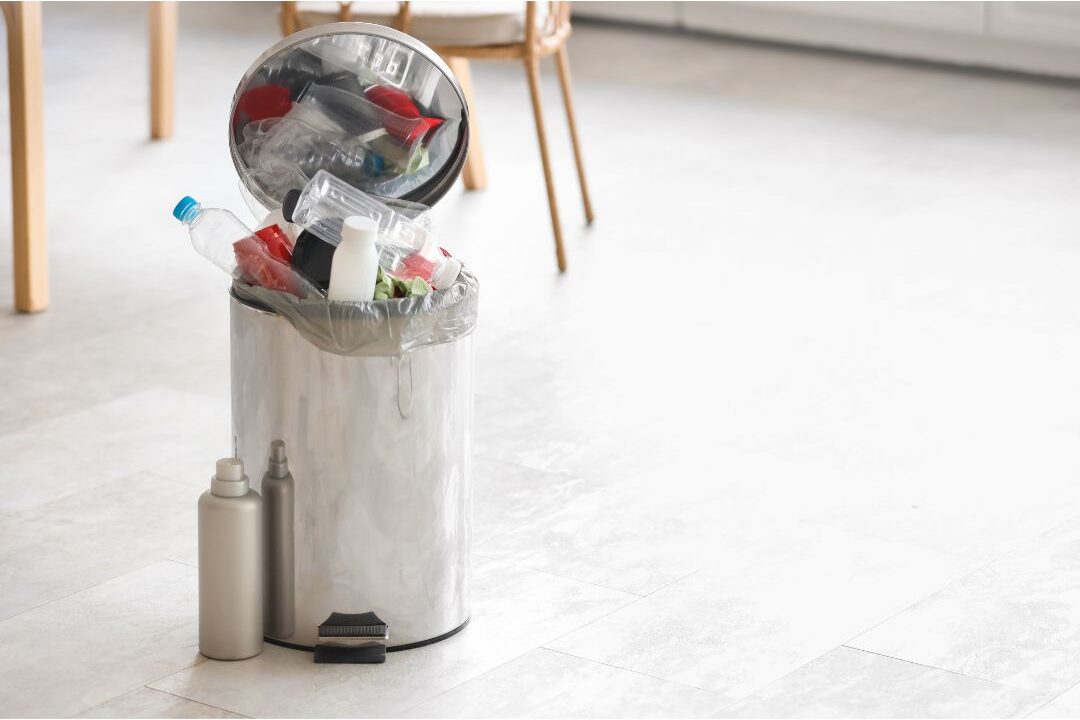
The kitchen bin is the single most consistent source of persistent home odor. Even with a lid, decomposing food waste generates gases that permeate the surrounding air.
A bin that is not emptied frequently enough, that has food residue on its interior walls, or that sits in a warm area of the kitchen will generate a smell that spreads throughout the house without you necessarily being able to identify the source.
The fix: Empty your kitchen bin every single day regardless of how full it is. Wash the interior of the bin itself at least once a week with hot soapy water.
Place a piece of bicarbonate of soda at the bottom of the bin under the bag to absorb odors between washes. Store the bin in the coolest area of your kitchen where possible.
The Drain Is Producing a Hidden Smell
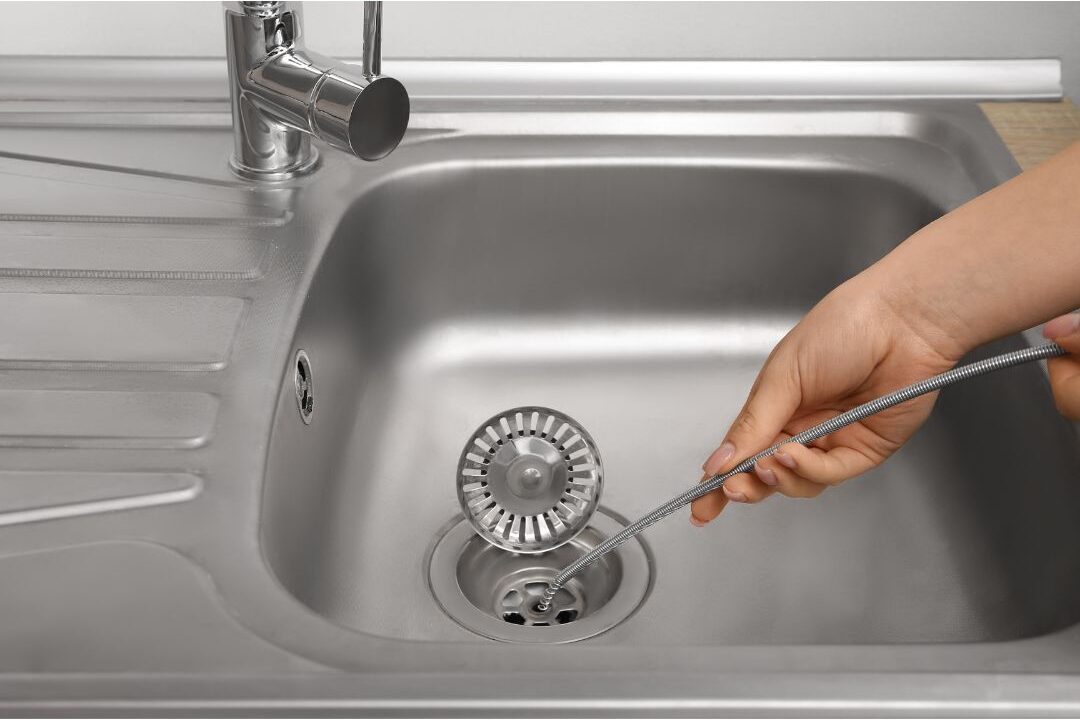
Kitchen drains accumulate a layer of grease, food particles, and bacteria over time that produces a sulfuric, musty odor that rises from the drain and spreads into the kitchen.
This is one of the most commonly missed odor sources because people associate sink smells with visible dirt and the drain looks clean from the surface.
The fix: Pour a mixture of bicarbonate of soda followed by white vinegar down your kitchen drain once a week. Follow with boiling water.
For a deeper clean, use a drain snake monthly to remove any buildup that the liquid treatment cannot reach. A drain strainer prevents food particles from entering the drain in the first place.
The Fridge Is Harboring Old Food Smells
A fridge that has not been cleaned recently, that contains expired food, or that has spills or residue on its interior surfaces generates a smell that is released every time the door is opened.
That smell then disperses into the kitchen and beyond.
The fix: Remove everything from your fridge monthly and wipe every surface with a solution of white vinegar and water.
Check expiry dates at every weekly shop and remove anything that has passed. Place an open box of bicarbonate of soda at the back of the fridge to continuously absorb odors between deep cleans.
Cooking Smells Are Not Being Ventilated
Strong cooking smells, particularly from frying, fish, curries, and roasted meats, do not stay in the kitchen. They travel into soft furnishings, carpets, curtains, and upholstery throughout the home.
Without adequate ventilation during cooking, these smells layer over time and become a persistent background odor that is difficult to identify because it has no single point of origin.
The fix: Always use your extractor fan during and for fifteen minutes after cooking. Open a window in the kitchen while cooking whenever possible.
Simmer a pot of water with lemon slices, cinnamon sticks, and cloves on the stovetop after cooking strong-smelling foods. This neutralizes airborne cooking odors rather than simply masking them.
Daily kitchen habits like emptying the bin and wiping the drain are part of the broader system in 50 Simple Habits That Keep Your Home Always Clean

The Bathroom: The Second Biggest Offender
The bathroom generates persistent odor from multiple sources simultaneously. Moisture, waste, mildew, and product residue all contribute to a bathroom that smells stale or unpleasant regardless of how frequently it is cleaned.
Mildew Is Growing in Places You Cannot See
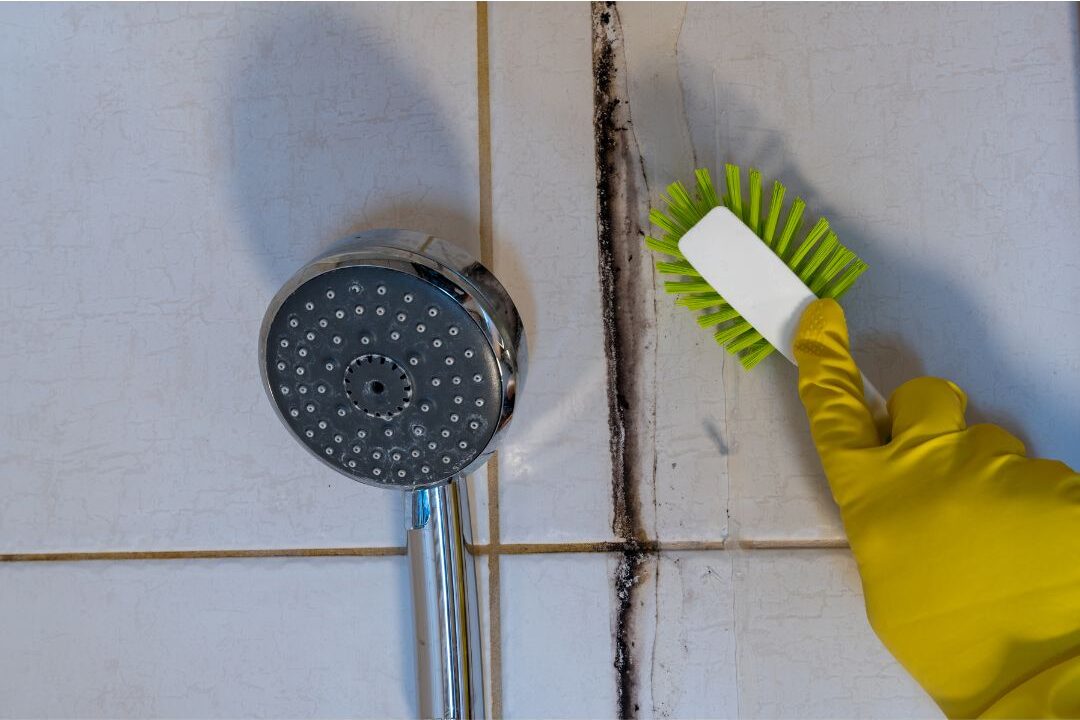
Mildew thrives in warm, moist environments and is one of the most persistent sources of bathroom odor.
It grows inside shower grout, behind toilet cisterns, under bath mats, on the underside of shower curtains, and inside the ceiling if ventilation is poor. It produces a musty, earthy smell that is unmistakable once you know what it is.
The fix: Spray grout and silicone seals with a diluted bleach solution weekly. Wash bath mats and shower curtains monthly.
Wipe behind the toilet cistern during your regular bathroom clean. Ensure your bathroom extractor fan is running during and for ten minutes after every shower or bath.
The Toilet Base and Surrounding Area
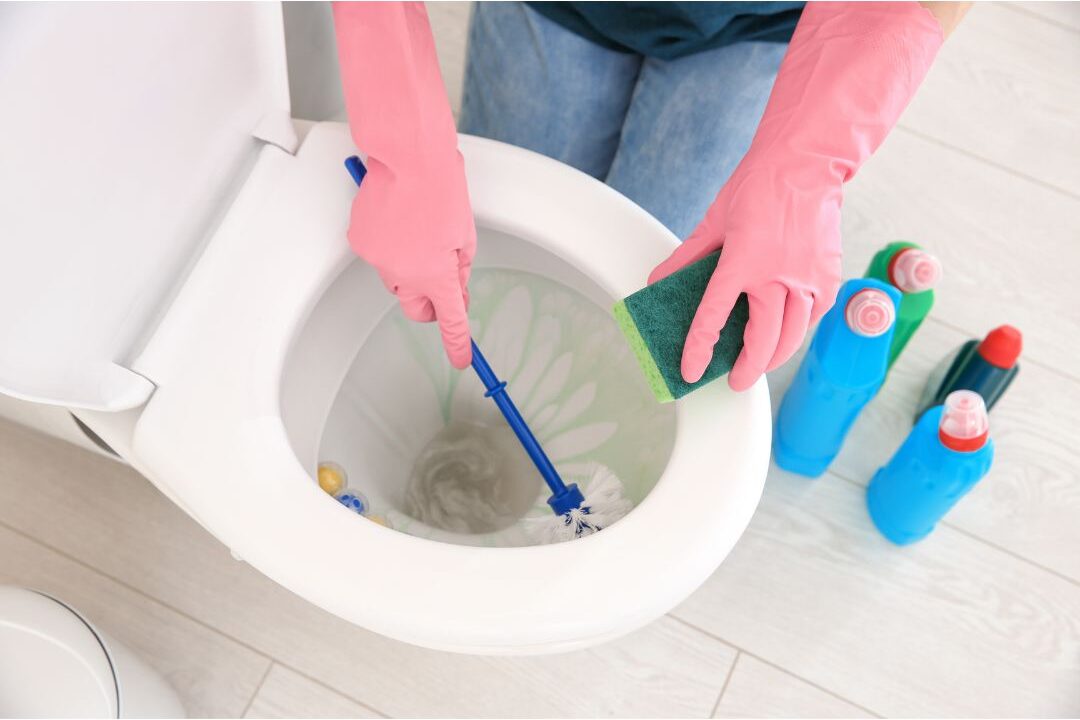
The area around the base of a toilet, the gap between the toilet and the floor, the hinges of the toilet seat, and the area behind the toilet are consistently missed during routine bathroom cleaning.
Urine residue in these areas produces an ammonia odor that becomes more pronounced in warm weather and contributes significantly to a bathroom that smells persistently stale.
The fix: Add the toilet base, hinges, and surrounding floor area to your weekly bathroom cleaning routine using an enzymatic cleaner rather than a standard disinfectant.
Enzymatic cleaners break down the organic compounds that cause odor rather than simply masking the smell temporarily.
Towels and Bath Mats Smell Musty
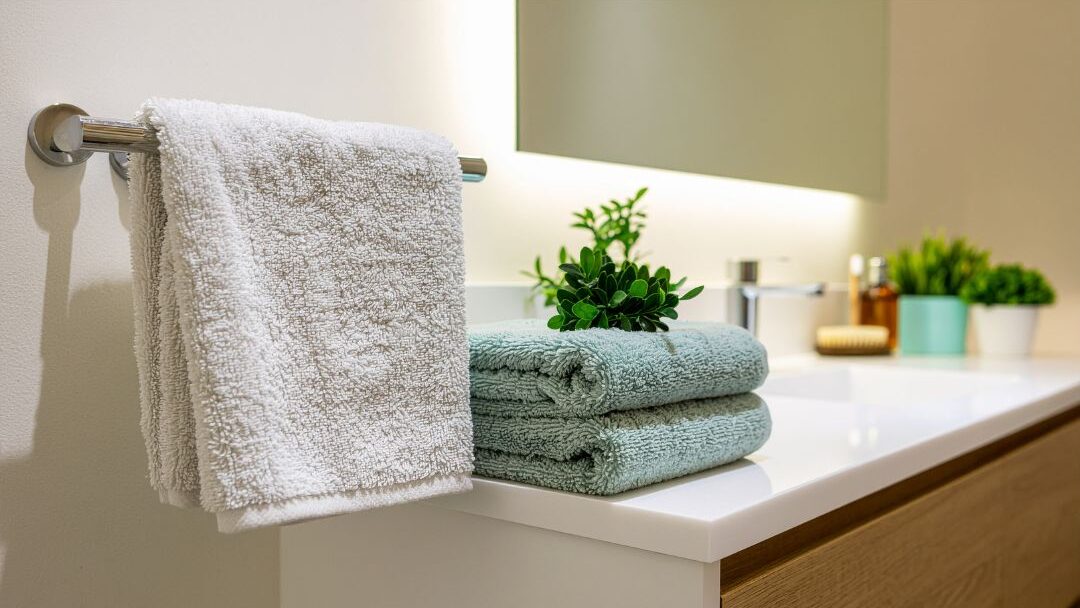
Damp towels and bath mats that are not dried properly between uses develop a mildew-like musty smell very quickly.
This smell transfers to the bathroom air and to the person using the towel. A bathroom where towels smell musty will always smell musty regardless of how clean every other surface is.
The fix: Spread towels fully open on their rail after every use rather than folding them. Wash towels every three to four uses rather than weekly.
Never leave a damp bath mat folded or bunched on the floor. Hang it properly after every use and wash it weekly.
Several of the bathroom odor sources here are caused by cleaning mistakes we identify in our post on 20 Cleaning Mistakes That Actually Make Your House Dirtier.
Soft Furnishings and Carpets: The Silent Smell Absorbers
Soft furnishings are the most significant smell-retaining surfaces in any home. Sofas, carpets, curtains, and rugs absorb odors from cooking, pets, bodies, and general living and hold them persistently.
Because soft furnishings are rarely deep-cleaned, they become a source of background odor that is almost impossible to eliminate with surface cleaning alone.
The Sofa Has Never Been Deep-Cleaned
A sofa absorbs years of body oils, sweat, food particles, pet dander, and general household odor. Most sofas are never cleaned beyond a surface wipe.
The result is a piece of furniture that releases a stale, lived-in smell that is particularly noticeable in warm weather or when the room is closed up.
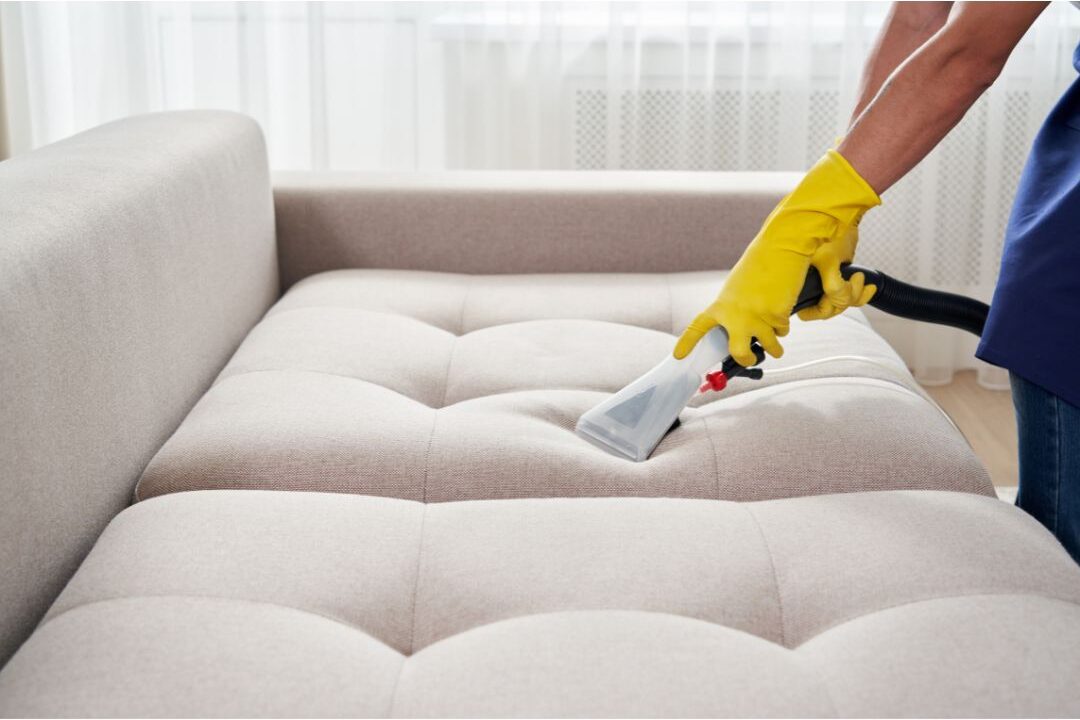
The fix: Sprinkle bicarbonate of soda generously over every sofa surface. Leave it for at least two hours, or overnight if possible. Vacuum thoroughly using an upholstery attachment.
For a deeper clean, use an upholstery steam cleaner seasonally. This process removes odor compounds embedded deep in the fabric rather than simply treating the surface.
Carpets Are Holding Years of Odor
Carpets are the largest soft surface in most homes and the one most consistently exposed to foot traffic, spills, and pet activity.
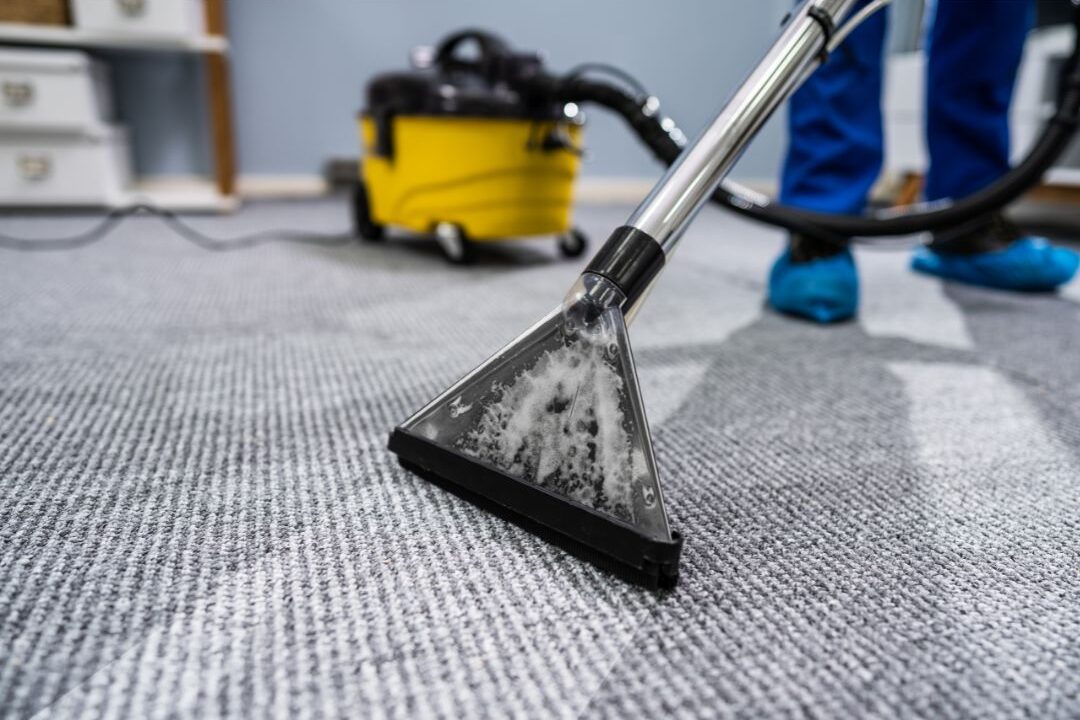
Odor compounds accumulate in carpet fibres over time and are released continuously into the room air. Standard vacuuming removes surface debris but does not remove the odor compounds embedded in the fibres themselves.
The fix: Sprinkle bicarbonate of soda over carpets before vacuuming. Leave for twenty minutes and vacuum thoroughly. Have carpets professionally steam-cleaned annually.
Address spills immediately rather than allowing them to dry into the fibres. Dried spills are significantly harder to deodorize than fresh ones.
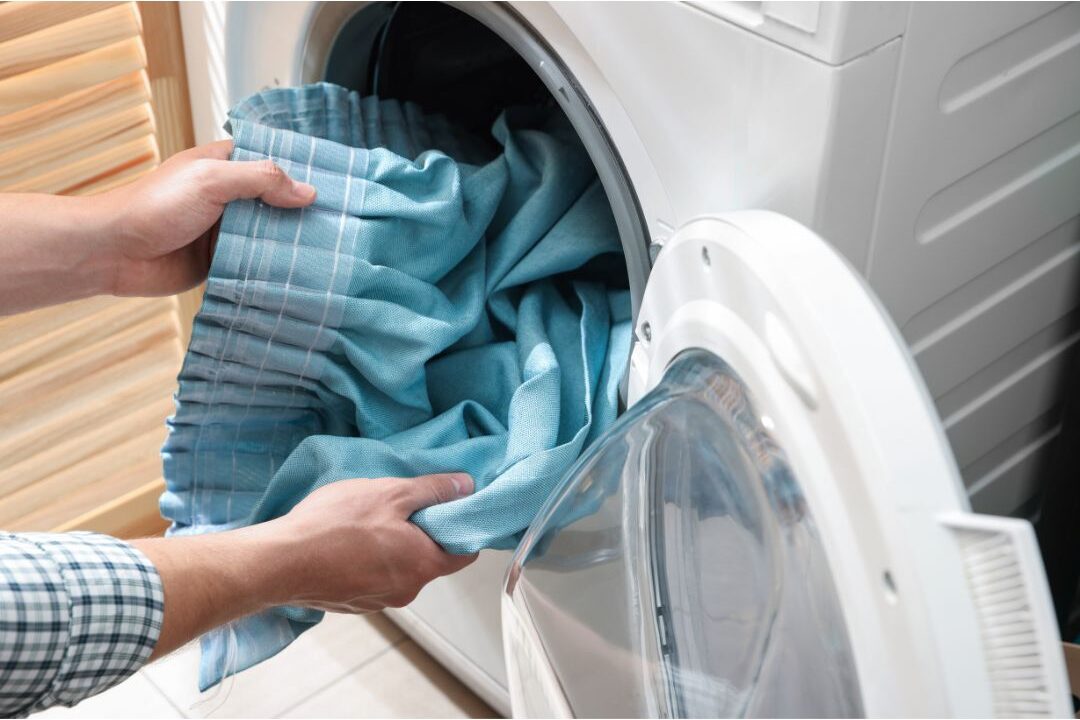
Curtains Are Collecting Cooking and Body Odors
Curtains hang in rooms where cooking smells, body odors, and general household air circulate continuously.
They absorb these smells silently over months and years and become a slow-release source of background odor.
This odor is very difficult to identify because curtains are not usually associated with smell in the way that bins or drains are.
The fix: Wash curtains at least twice a year according to their care instructions. Between washes, spritz lightly with a fabric refresher spray or a solution of water and white vinegar and allow to air dry with the window open.
Taking curtains down and shaking them outdoors on a dry day also releases accumulated odors significantly.
A home that smells genuinely clean and fresh is one of the key elements of the luxurious home environment we explore in 25 Tiny Changes That Made My Home Feel 10x More Luxurious.
Pets: A Significant and Often Underestimated Source
Pet odor is one of the most challenging home smells to manage because it has multiple sources simultaneously.
The animal itself, its bedding, food, and any areas where accidents have occurred all contribute to a persistent smell that pet owners often stop noticing, but visitors register immediately.
Pet Bedding Is Not Being Washed Frequently Enough
Pet bedding absorbs body oils, dander, saliva, and outdoor smells from your pet continuously.
Even if your pet doesn’t have a strong individual odor, bedding that is not washed weekly becomes a source of stale animal smell that spreads into the room.
The fix: Wash all pet bedding weekly on a hot wash. Vacuum the area where the bed sits at the same time.
If your pet sleeps on the sofa or your bed, wash those covers and pillowcases weekly and use a lint roller to remove dander from surfaces between washes.

Urine Accidents Have Not Been Properly Treated
Pet urine that has not been completely removed from carpets, upholstery, or flooring continues to produce a strong ammonia odor.
Standard cleaning products do not break down the uric acid crystals that cause the persistent smell. The area may appear clean and still smell because the odor source is chemical rather than visible.
The fix: Use an enzymatic cleaner specifically designed for pet urine on any area where an accident has occurred. Apply generously, allow to penetrate fully, and blot rather than scrub.
Standard disinfectant will not solve this problem. Only an enzymatic cleaner breaks down the uric acid crystals that are the source of the persistent smell.
Laundry and Clothing: The Overlooked Sources
Laundry-related odors are among the most surprising sources of persistent home smell because we associate laundry with cleanliness.
However, certain laundry habits and conditions create odors that spread throughout the home without obvious visual cues.
The Washing Machine Itself Smells Musty
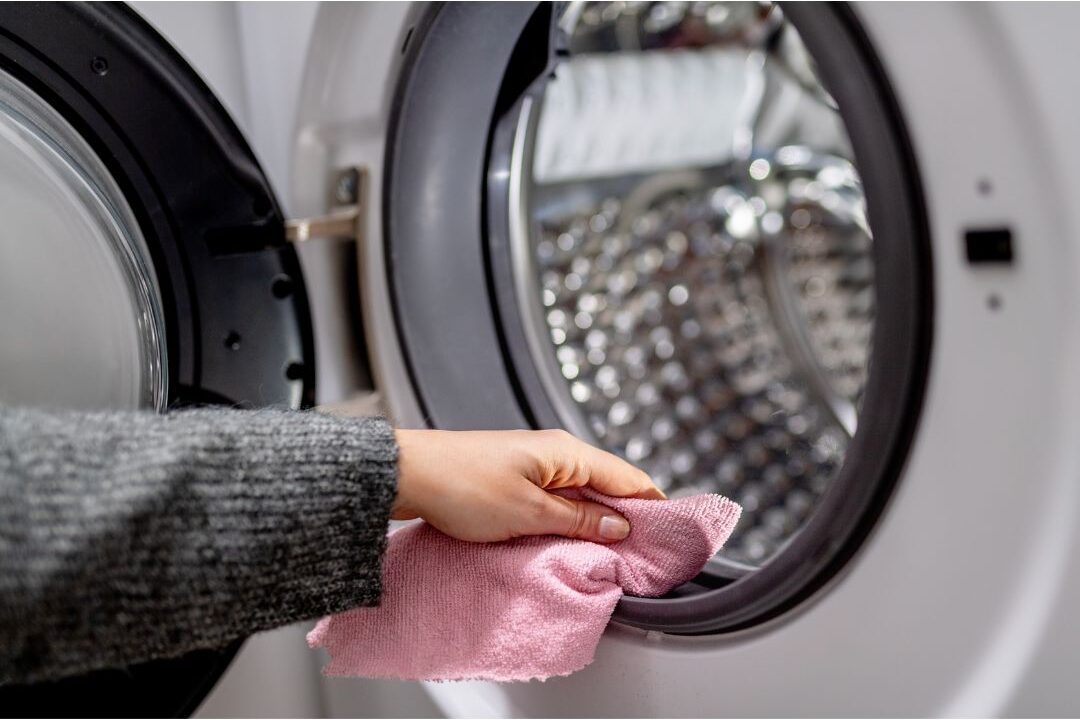
A washing machine that is never cleaned accumulates detergent residue, fabric softener buildup, and moisture inside the drum, and the detergent drawer.
This creates a musty mildew smell that transfers directly onto your freshly washed clothes and into the room where the machine is located.
The fix: Run a hot empty cycle with two cups of white vinegar monthly. Wipe the rubber door seal thoroughly after every wash. Leave the door open between washes to allow the drum to dry.
Remove the detergent drawer and rinse it monthly to prevent detergent buildup.
Damp Laundry Left in the Machine or Basket
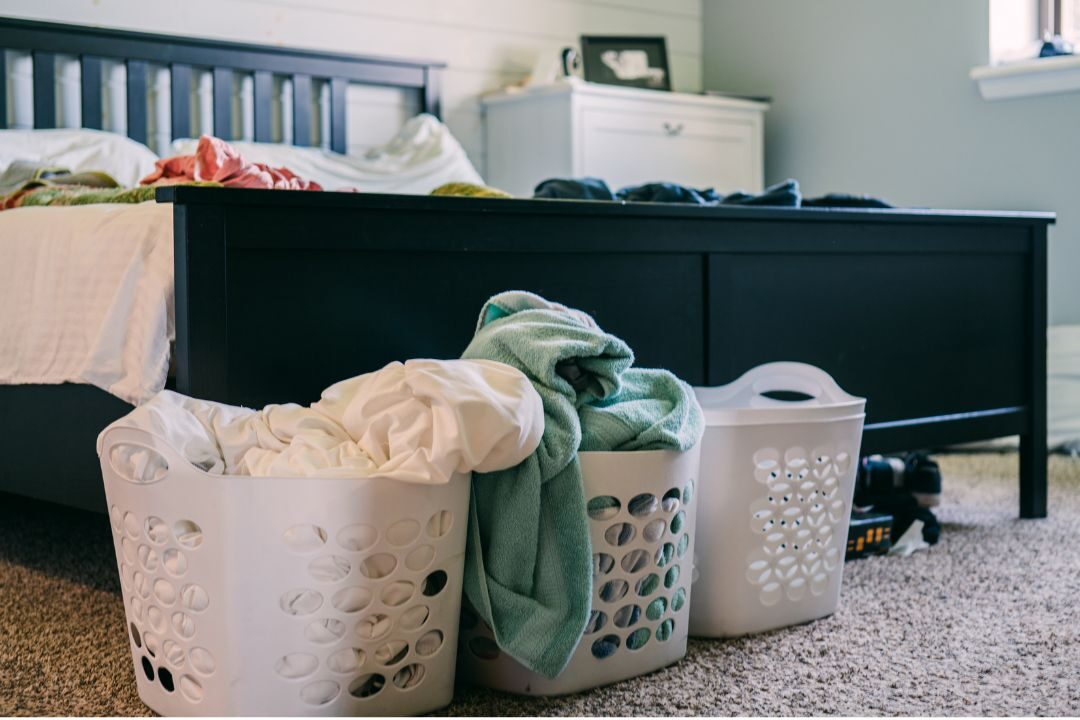
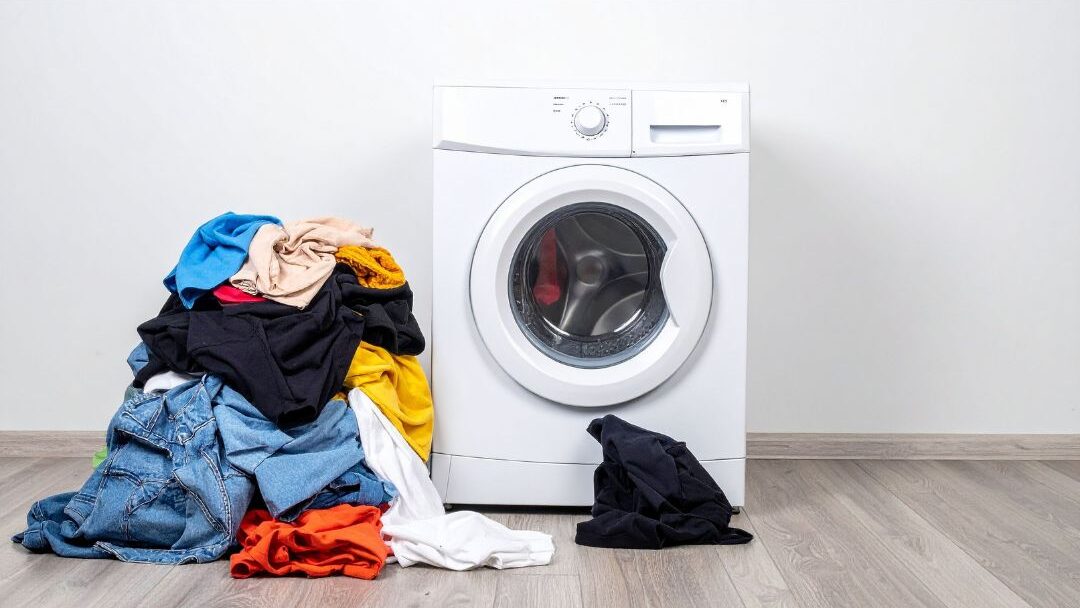
Laundry left sitting in the washing machine after the cycle has ended, or damp laundry left in a basket waiting to be washed, develops a sour, musty smell within hours.
This smell transfers to the surrounding area and then to the clothes themselves when they are eventually dried or worn.
The fix: Transfer laundry to the dryer or drying rack immediately when the cycle ends. Never leave wet laundry sitting in the drum.
Use a laundry basket with ventilation holes rather than a solid-sided basket. Fully enclosed baskets trap moisture and accelerates the development of mildew-like odors.
Leaving damp laundry in the machine is one of the cleaning mistakes that actually makes your home smell worse. Our post on 20 Cleaning Mistakes That Actually Make Your House Dirtier covers this and more.
The Bedroom: Where Personal Odors Accumulate
Bedrooms are among the most odorous rooms in any home because they are where we sleep, keep our clothes, and spend the most time. Yet they are often cleaned less thoroughly than kitchens and bathrooms.
Bedding Is Not Being Changed Frequently Enough
We spend approximately eight hours every night on our bedding. We transfer sweat, body oils, skin cells, and breath onto sheets, pillowcases, and duvet covers.
Bedding that is not changed weekly becomes a significant source of persistent bedroom odor, and we stop noticing because we are exposed to it every night.
The fix: Change bed sheets and pillowcases every week without exception. Wash pillows themselves every three months and duvets every six months. Air your mattress by pulling back the bedding for at least thirty minutes every morning before making the bed.

The Bedroom Is Not Being Ventilated
A bedroom with the window closed all day retains the overnight accumulation of breath, body warmth, and personal odors in the air and in the soft furnishings.
The room smells stale because the air inside it is genuinely stale. No amount of air freshener can resolve this because you are treating the symptom rather than the source.
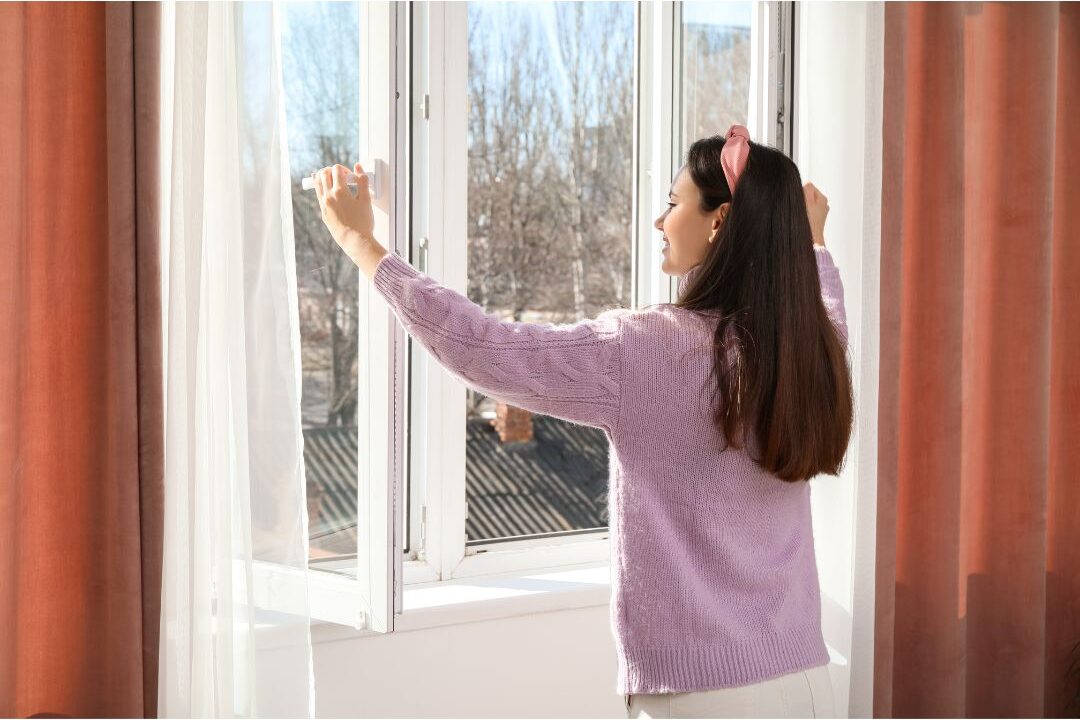
The fix: Open bedroom windows for a minimum of twenty minutes every morning. This single habit does more to maintain fresh bedroom air than any product.
In cold weather, even a small opening is sufficient to exchange the stale overnight air with fresh outside air.
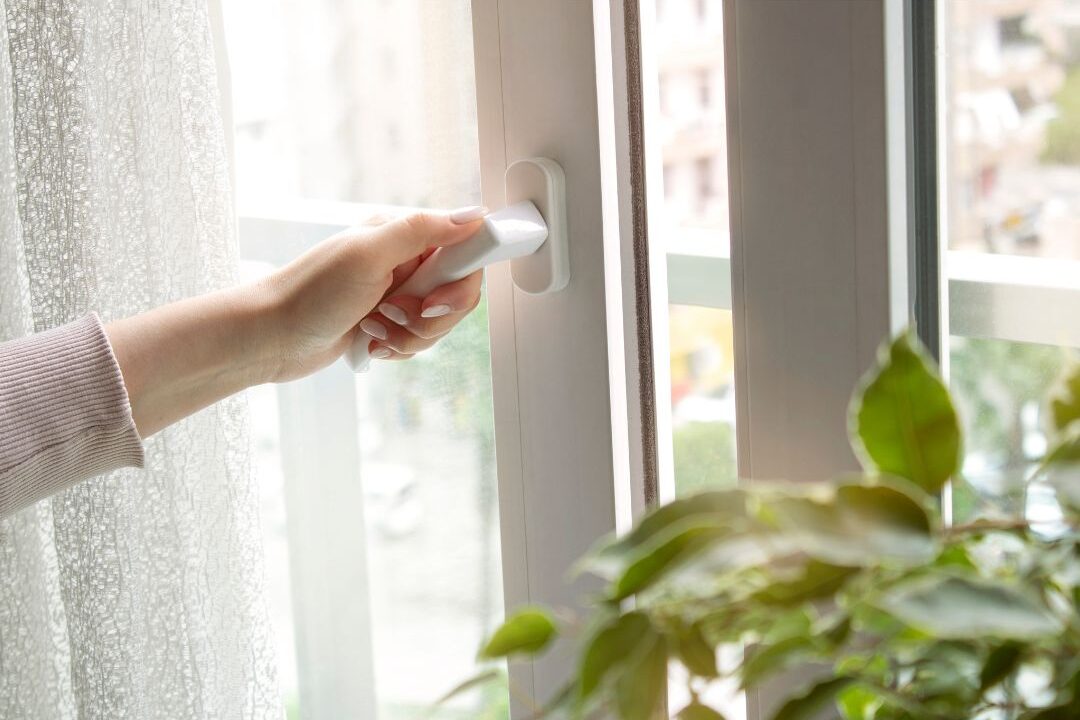
Opening windows and airing your home daily is one of the free self-care habits we include in 50 Self-Care Habits That Don’t Cost Money.
The Hidden Sources Nobody Thinks to Check
Beyond the obvious rooms and surfaces, there are several hidden odor sources in most homes that are responsible for persistent smells that cannot be traced to the kitchen, bathroom, or soft furnishings.
These are the ones that remain after you have addressed everything else.
The Vacuum Cleaner Is Spreading Smell Rather Than Removing It
A vacuum cleaner with a full bag or filter, or one that has not been cleaned recently, disperses the smell of everything it has collected back into the room air as it operates.
You vacuum the carpet and the room smells worse because the vacuum is releasing accumulated dust, pet dander, and debris particles into the air with every pass.
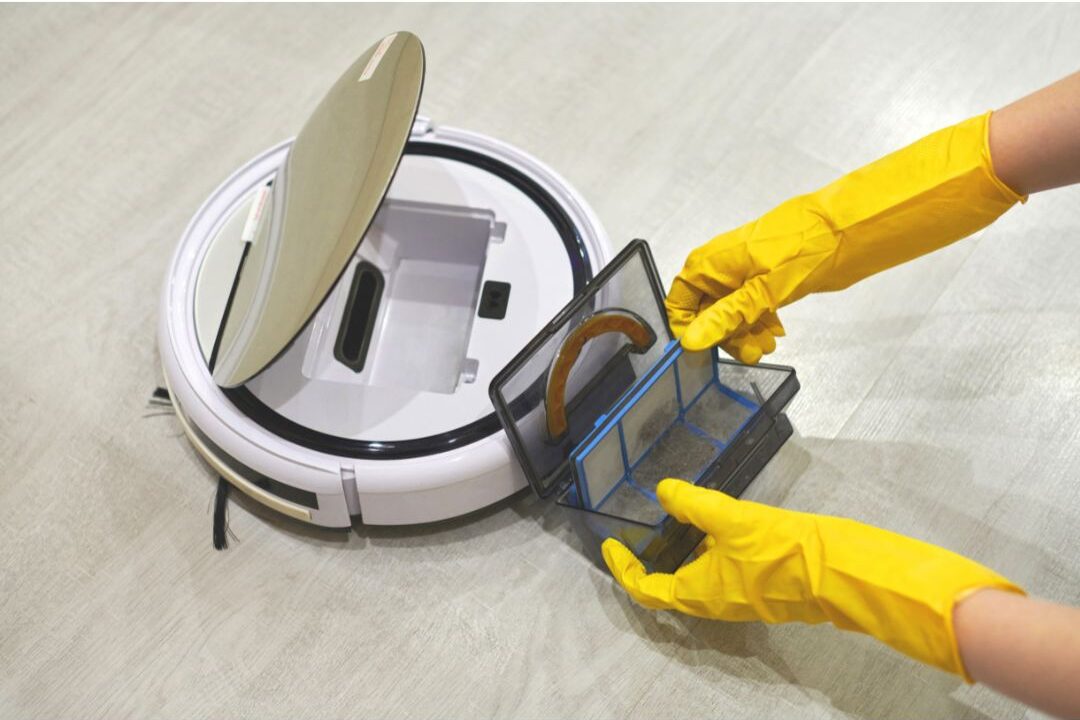
The fix: Empty bagless vacuums after every use. Replace bagged vacuum bags before they reach full capacity. Clean or replace filters according to the manufacturer’s recommendations.
Wash the interior components of bagless vacuums monthly with warm soapy water and allow to dry completely before reassembling.
Air Vents and Heating Systems Are Distributing Stale Air
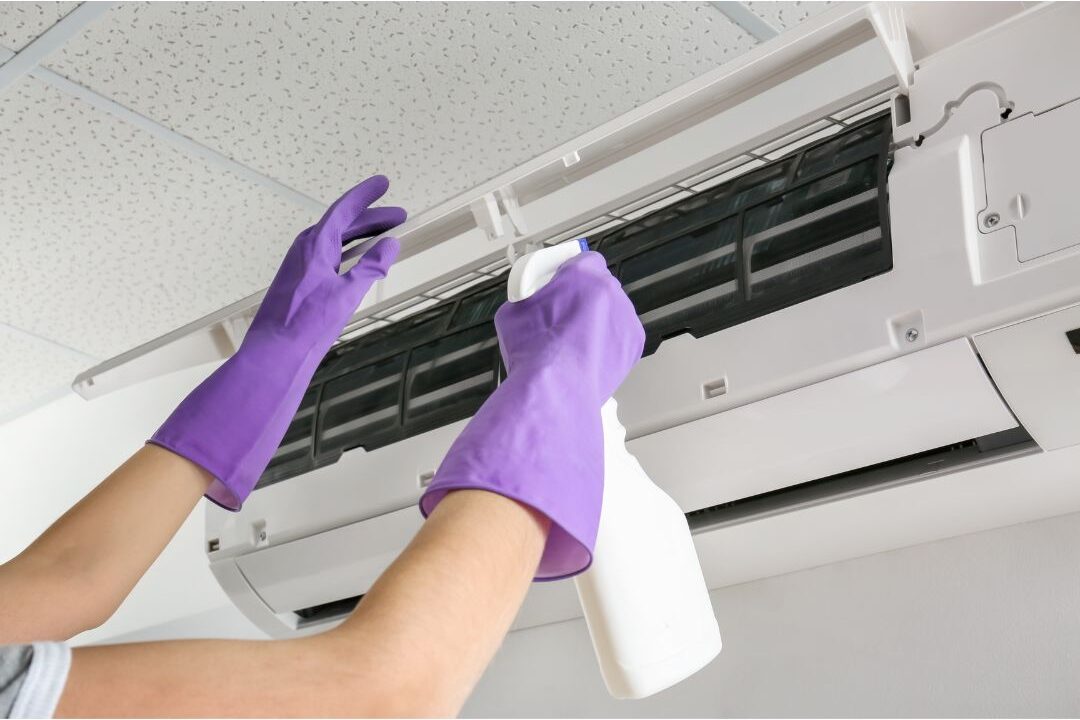
Heating and air conditioning vents accumulate dust, mold spores, and debris over time. When the heating or air conditioning runs, it distributes the smell of this accumulated material throughout every room in the house simultaneously.
This is one of the most common sources of a persistent background smell that affects the whole home equally and has no single identifiable point of origin.
The fix: Vacuum all visible vents monthly using a brush attachment. Replace air filters according to the manufacturer’s recommended schedule.
Have your ductwork professionally inspected and cleaned every few years, particularly if the smell is musty or dusty rather than food or animal related.
The hidden sources principle applies to cleanliness too. Our post on The Real Reason Your Kitchen Never Stays Clean identifies the same pattern in a different room.
How to Make Your Home Smell Genuinely Good
Fixing the sources of bad smell is the foundation. Once those are addressed, you can layer in positive scent intentionally. The key distinction here is between masking an odor and genuinely replacing it.
Air fresheners and plug-in scents applied to a home that still has active odor sources simply compete with those sources.
The result is a confusing combination of artificial scent and underlying smell that is often worse than either alone. Only after the sources are addressed does adding positive scent become effective.

Natural Options That Actually Work
Simmer pots are one of the most effective and affordable ways to introduce genuine fragrance into a home.
A pot of water simmering with lemon slices, rosemary sprigs, and a cinnamon stick fills the entire ground floor with a warm, natural scent that smells like a home that is actively cared for.
Beeswax candles, unlike paraffin alternatives, do not release artificial chemicals into the air when burned. They produce a subtle, honey-like scent and actually improve air quality rather than simply introducing fragrance.
Indoor plants like peace lilies, spider plants, and snake plants improve air quality by absorbing certain airborne pollutants and contributing to a fresher overall air quality.
They are not a replacement for fixing odor sources, but they are a meaningful addition to a home that has already addressed those sources.
Adding positive scent through candles and simmer pots is one of the sensory changes in our post on 25 Tiny Changes That Made My Home Feel 10x More Luxurious.
Natural scent additions like plants and simmer pots are some of the most Affordable Home Upgrades That Feel Expensive and genuinely elevate the experience of a space.
Your Room by Room Action Plan
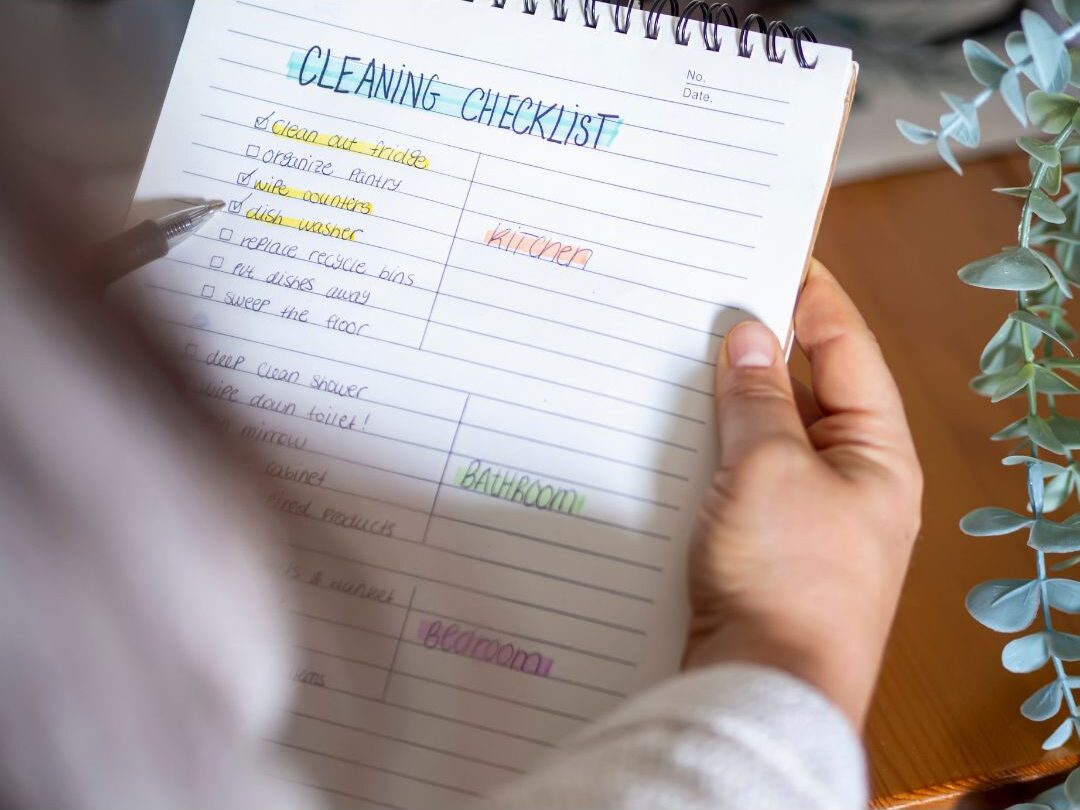
Now that you understand why your home always smells bad, here is a fast action plan you can implement this week without spending a significant amount of money.
Start in the kitchen. Empty the bin, wash the interior, and pour bicarbonate of soda and vinegar down the drain today. This single session will address the two most likely sources of your home’s primary odor.
Move to the bathroom. Wipe the toilet base and hinges. Check the grout and shower curtain for mildew. Ensure the extractor fan is functioning. Wash the bath mat.
Address soft furnishings this weekend. Sprinkle bicarbonate of soda on the sofa and carpet. Leave it for two hours. Vacuum thoroughly. Open windows in every room for at least twenty minutes.
Check your washing machine. Run a hot empty cycle with white vinegar. Wipe the rubber seal. Leave the door open.
This room by room action plan works on the same principle as the home reset we explore in the home reset trick that changed my entire week.
A home that smells bad rarely feels peaceful either. Our post on if your home never feels peaceful these 15 things might be why addresses both dimensions together.
Conclusion
Understanding why your home always smells bad is the difference between managing a symptom indefinitely and actually solving the problem. The sources are almost always identifiable.
The fixes are almost always affordable. What they require is the willingness to look in the places you have been overlooking and to build a small number of consistent maintenance habits that prevent the problem from returning.
A home that smells genuinely clean and fresh is not a luxury. It is the result of addressing specific sources systematically and maintaining the habits that prevent them from returning. You now have everything you need to do exactly that.
Start in the kitchen today. Work through the rooms this week. Come back to this post whenever a new smell appears and work through the relevant section. You will find the source every time.
You May Also Like:







One Comment