

These 10 Things Quietly Make Your House Feel Chaotic
Disclosure: Some of the links in this post are affiliate links. This means if you click on the link and purchase an item, I will receive an affiliate commission at no extra cost to you.
You can spend hours scrubbing floors, dusting shelves, and vacuuming rugs every single weekend. Yet, when you sit down to relax, your mind still feels strangely restless and unsettled. You scan the room carefully, but you cannot spot any obvious mess or dirt anywhere.
This lingering feeling of tension happens because subtle visual noise is quietly draining your mental energy.
In fact, these 10 things quietly make your house feel chaotic without you even realizing it. Consequently, they create background friction that triggers low-grade stress throughout your entire day.
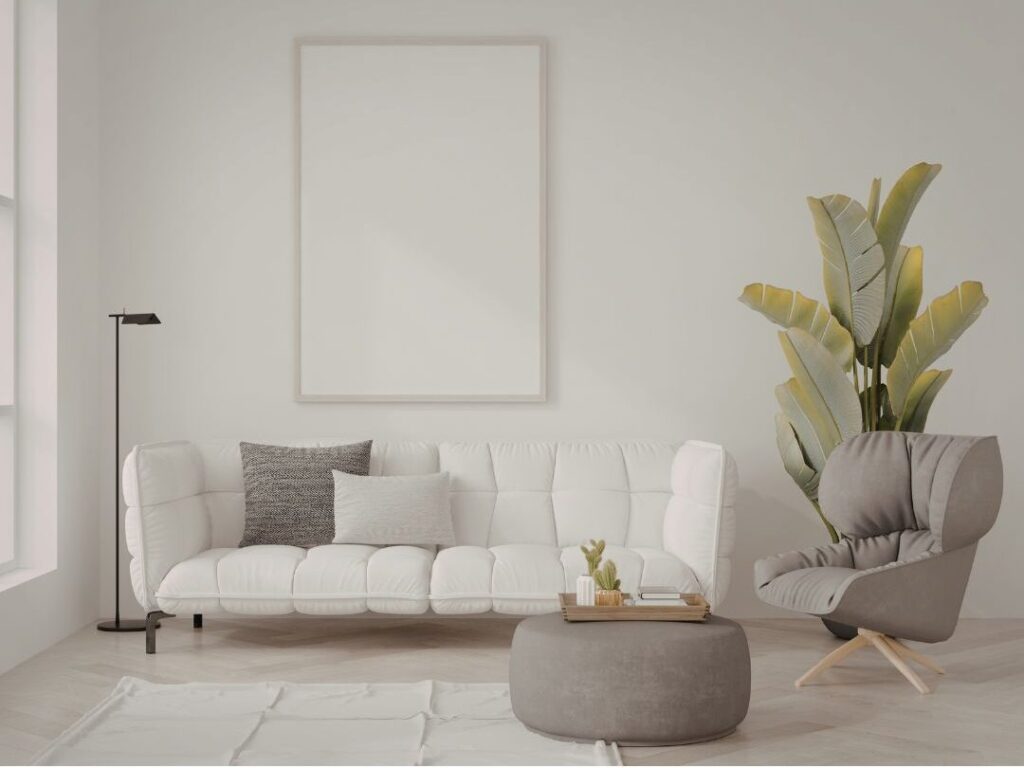
Unlike overt messes, micro-chaos operates just below your conscious daily awareness. It consists of mismatched textures, commercial packaging, unanchored cords, and overcrowded open surfaces.
Your eyes process every single object in view, forcing your brain to work continuously.
When your visual field is crowded with small distractions, your nervous system cannot fully relax.
Luckily, fixing these hidden friction points requires simple adjustments rather than expensive renovations. As a result, you can easily transform your living space into a serene sanctuary today.
Here are the ten subtle culprits that are quietly making your house feel cluttered and chaotic.
Understanding the Hidden Impact of Visual Noise
How Micro-Chaos Drains Your Daily Focus
Your home environment directly influences your internal emotional state every single hour. When you enter a room, your brain automatically catalogs every item, color, and outline present.
The more competing visual elements in a space, the harder your mind must work.
Over time, constant mental processing creates subtle cognitive fatigue and irritability. You might feel overwhelmed or anxious without understanding the exact cause.
Furthermore, eliminating visual noise allows your brain to rest deeply inside your personal living space.
Creating visual order is not about achieving absolute, sterile perfection everywhere. Instead, it is about removing unnecessary distractions that disrupt your daily focus and peace.
Simple structural changes bring immediate tranquility to your mind and your family.
Build a serene foundation for your family using strategies from How To Create A House That Stays Organized.
Eliminate hidden sensory stressors across your rooms by reviewing Why Your Home Always Smells Bad—and How to Fix It Fast.
The 10 Hidden Culprits of Household Chaos
1. Loud Branded Packaging on Daily Consumables
Commercial product packaging is engineered to catch your eyes on crowded store shelves. Bright neon plastic bottles, bold logos, and high-contrast text scream for attention continuously.
When brought into your home, that aggressive commercial shouting does not stop.
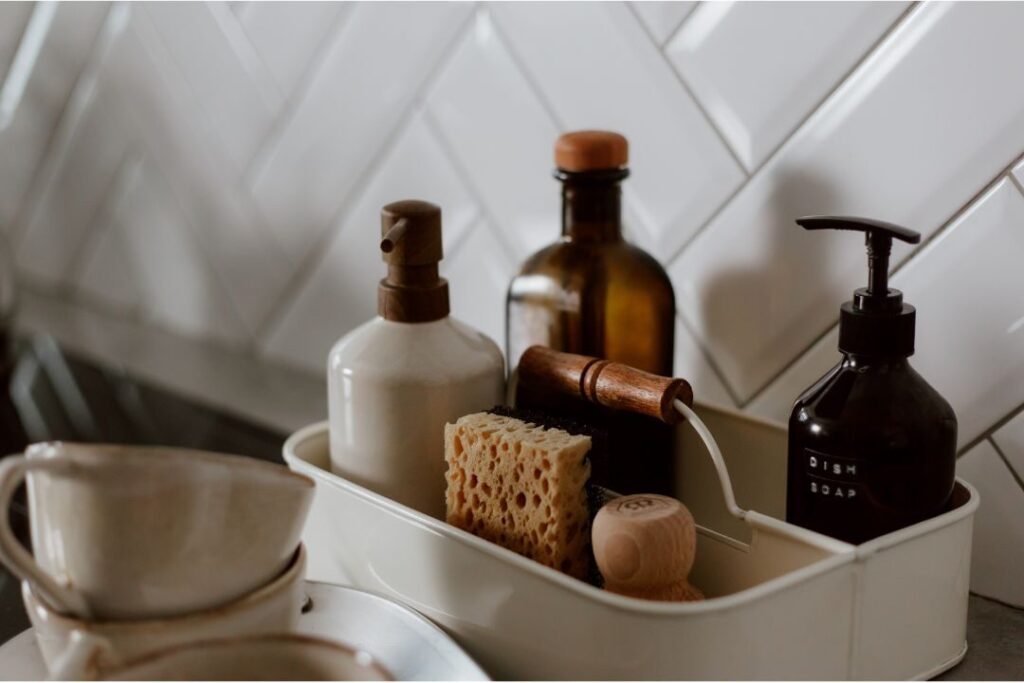
Placing loud dish soap bottles, hand washes, and cleaners on open counters creates visual friction.
Your brain automatically reads brand names and promotional words every time you enter the kitchen. This constant micro-reading creates unnecessary mental clutter during daily tasks.
Practical Decanting Strategies
Decant daily liquid soaps and lotions into matching glass or ceramic pump dispensers. Choose neutral shades, clear glass, or amber bottles with minimalist labels for a clean look.
Store backup cleaning supplies inside opaque cabinets out of sight until needed.
In addition, removing commercial labels instantly elevates the visual elegance of your kitchen and bathrooms.
Your counters look refined, intentional, and peaceful without aggressive commercial colors competing for focus. Investing in simple pump dispensers creates a cohesive spa atmosphere across all sink areas.
2. The Overflowing Flat Surface Drop Zones
Every home contains flat surfaces that act as physical magnets for daily clutter. The entryway console table, kitchen island corner, and nightstands are primary targets for surface creep.
You drop sunglasses, mail, hair ties, and keys on these open surfaces naturally.
Within hours, a single item multiplies into a mountain of miscellaneous personal belongings. Flat surfaces act as visual anchors for every major room inside your home. When flat counters are covered in clutter, the entire room feels instantly messy.
Establishing Boundary Systems
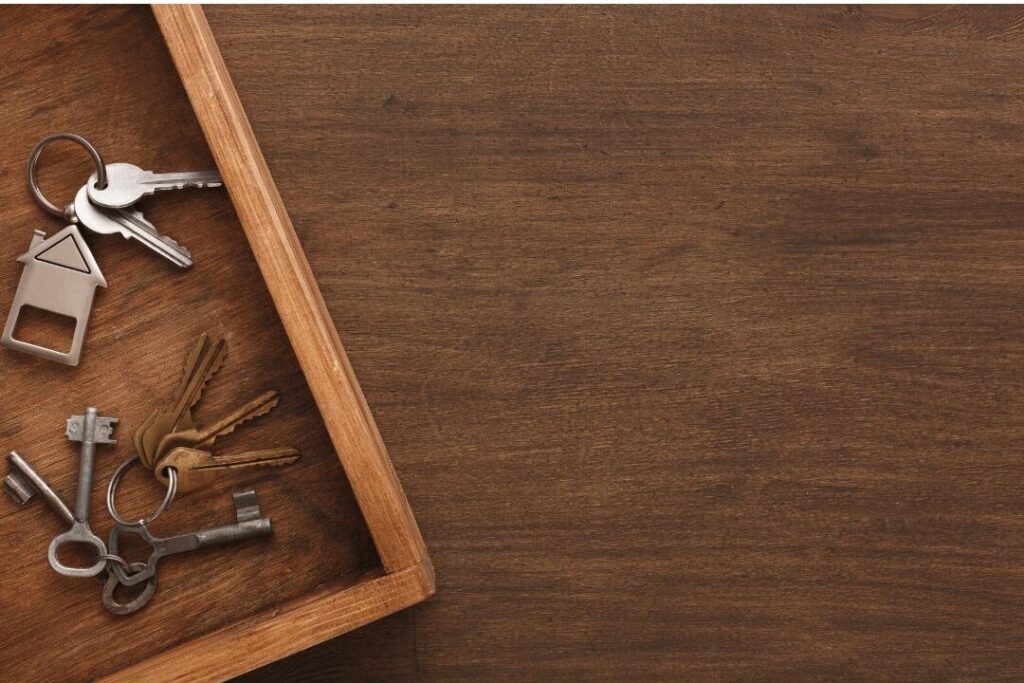
Counteract surface creep by placing a structured catch-all tray directly on problem areas. Limit loose items strictly to the boundaries of that single tray every day. Clear all surrounding surface area so the surrounding furniture remains open and clean.
Consequently, establishing strict boundaries for flat surfaces prevents small messes from spreading across rooms.
You preserve visual openness while keeping daily essentials organized and easily accessible. Regularly emptying your catch-all trays keeps surface creep from returning during busy weekdays.
Organize incoming paperwork and schedule chaos using The Family Command Center Every Busy Home Needs.
3. Exposed Spaghetti Cords and Cable Webbing
Electronic devices are essential components of modern living, but their cables create severe visual noise.
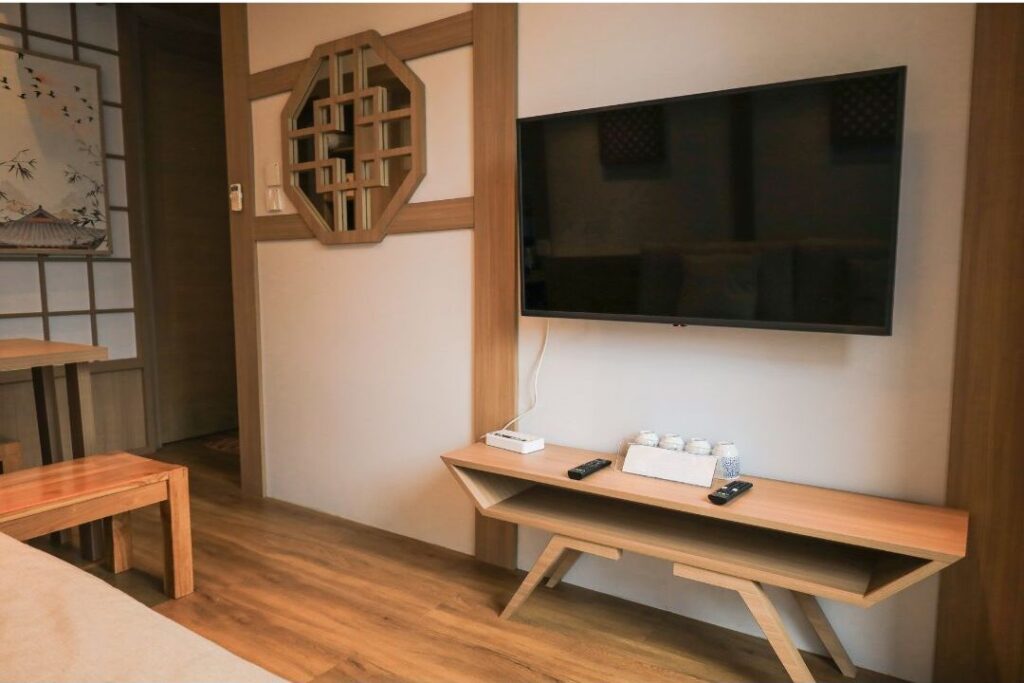
Tangled power cords dangling from mounted televisions look messy and unappealing. Loose charger wires sprawling under desks create dark webbed patterns along your floorboards.
Tangled cords break up clean architectural lines and collect thick dust rapidly over time. Furthermore, they signal unfinished technical projects and disorganization directly to your subconscious mind every day.
Smart Cord Hiding Techniques
Hide dangling television wires using paintable cable raceways that match your wall color perfectly. Mount under-desk wire trays to lift heavy power strips directly off the floor.
Bundle loose electronic cords tightly together using simple velcro cable straps or zip ties.
As a result, concealing electrical wiring immediately streamlines your walls and creates sleek, modern spaces.
Your furniture looks floating and clean without chaotic cord webs cluttering walkways. Managing electronic cords makes sweeping and cleaning floors beneath desks noticeably faster.
Streamline your home technology and daily routines with 20 Home Systems That Practically Run Themselves.
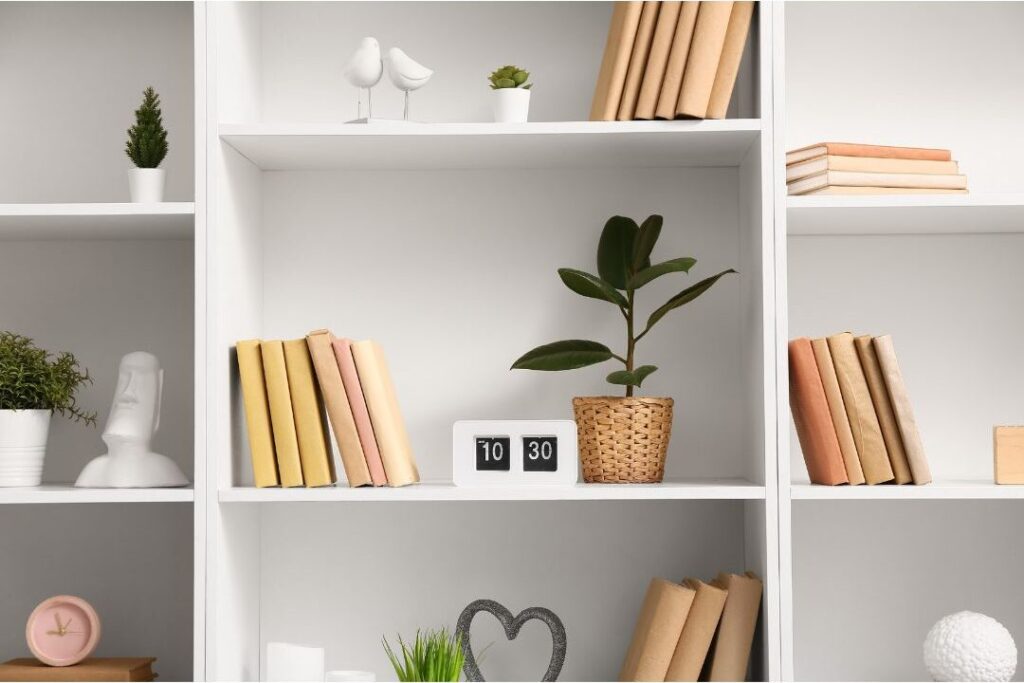
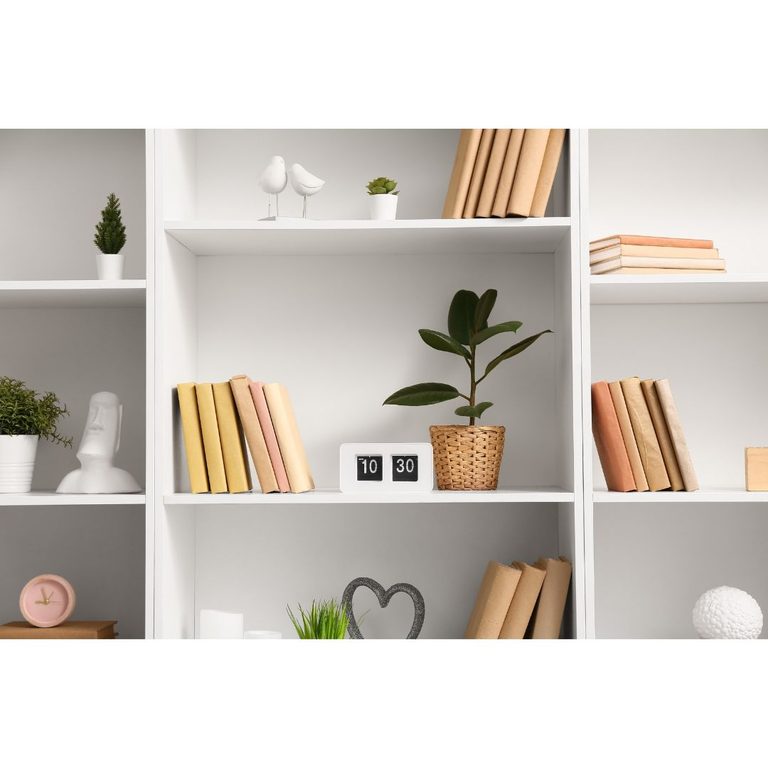
4. Overcrowded and Over-Styled Open Shelves
Open shelving is a popular architectural trend, but it carries high visual maintenance requirements.
Packing shelves tightly with mismatched books, trinkets, and small picture frames creates dense visual noise. Instead of feeling open and airy, your walls look weighted down with objects.
When every inch of shelf space is filled, your eyes have no place to rest naturally. Negative space, or empty room around objects, is necessary for visual balance and peace.
Applying the Negative Space Rule
Follow the two-thirds rule by leaving one-third of every shelf completely empty. Group decorative objects in simple odd-numbered clusters of three for balanced visual interest.
Use matching woven baskets on lower shelves to hide small, non-decorative household items completely.
In addition, incorporating negative space allows your favorite decorative items to shine without overwhelming rooms.
Your open shelving feels intentional, curated, and visually light rather than packed and chaotic. Curating shelves carefully reduces dust accumulation and simplifies your regular dusting routine.
Fix hidden decorative clutter traps by reading 25 Reasons Your House Always Feels Messy (Even After Cleaning).
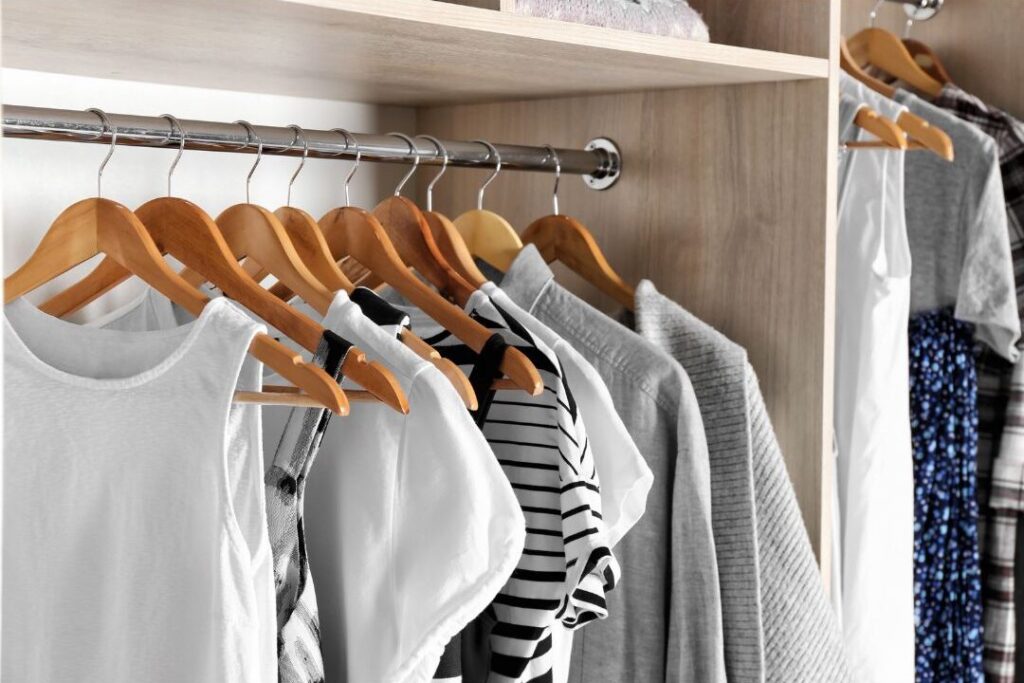
5. Mismatched Hangers and Overstuffed Wardrobes
Many people assume closed closet doors prevent bedroom clutter from affecting daily mental clarity. However, your closet is often the very first environment you interact with every morning.
Opening a jammed closet filled with bright plastic and wire hangers creates immediate frustration.
When clothes are crammed tightly together, fabrics wrinkle and garments get lost completely. Similarly, sorting through mismatched hangers turns selecting an everyday outfit into a chaotic chore.
Closet Streamlining Solutions
Replace all mismatched wire and plastic hangers with uniform slim velvet or wood hangers. Standardizing hanger styles aligns your clothes at equal heights along closet rails instantly.
Donate unworn garments so your remaining clothes have breathing room to hang straight.
Therefore, uniform hangers create a sleek, boutique appearance inside your bedroom closet every morning.
You select outfits easily without fighting jammed clothing rails or searching for lost garments. Streamlining your closet saves valuable time during busy morning prep routines.
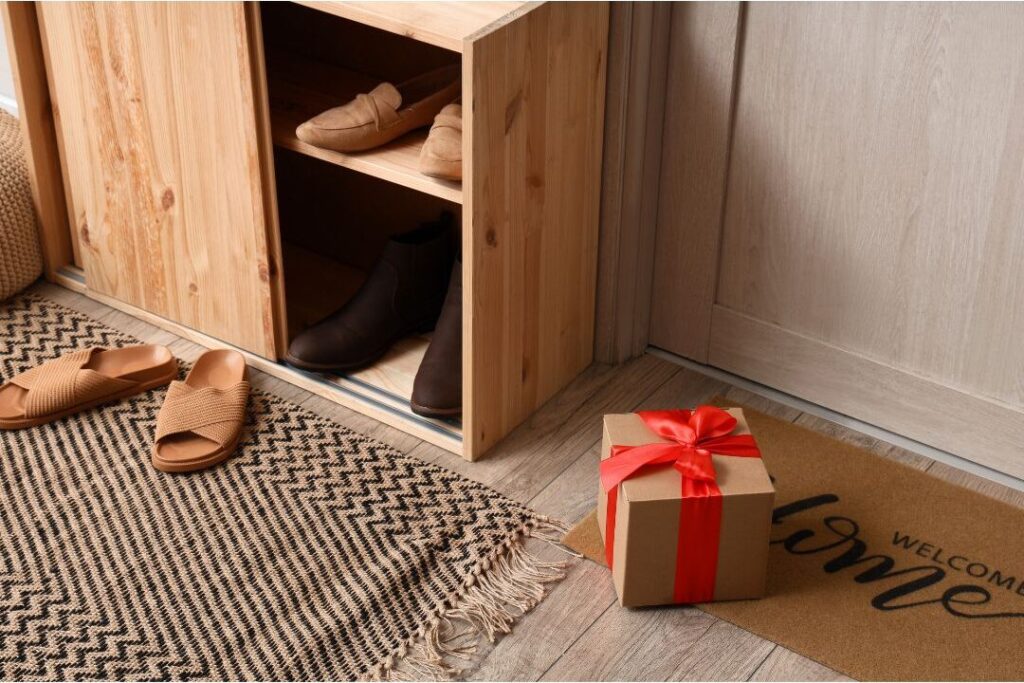
6. Flooring Creep with Scattered Shoes and Crooked Rugs
The floor plane serves as the primary visual foundation for every room inside your home. When floors remain open and clear, living spaces feel expansive, larger, and visually serene.
Scattered shoes, piles of bags, and crooked accent rugs interrupt that floor line severely.
Flooring clutter restricts physical movement through rooms, creating subtle physical hurdles throughout your day. Walking around obstacles elevates frustration and makes your home feel constricted and messy.
Clearing the Visual Ground Plane
Install closed shoe cabinets or benches near entry doors to keep footwear hidden completely. Use non-slip rug pads underneath all runners to prevent curling and sliding off center.
Lift storage totes off floor corners by mounting sturdy floating wall shelves instead.
Consequently, keeping your floors clear expands visual boundaries and makes rooms feel substantially larger.
You walk through your home freely without navigating physical obstacles or straightening crooked rugs constantly. Maintaining open floor space creates a welcoming environment for guests and family members.
Build long-lasting structural household order with How to Create a House That Stays Organized.
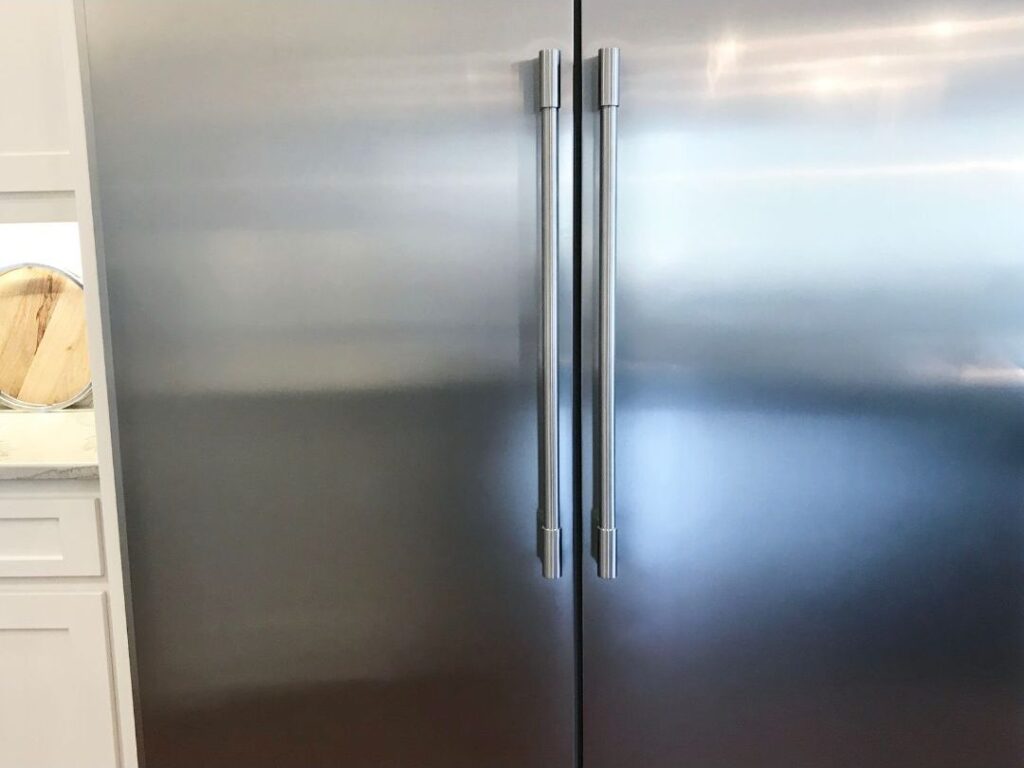
7. The Paper Avalanche on Refrigerator Doors and Countertops
Paper clutter carries heavy mental weight because every document represents an unfulfilled action or decision.
School notices, coupons, takeout menus, and appointment reminders accumulate quickly on kitchen counters. Pinning dozens of papers to refrigerator doors creates a chaotic visual patchwork across kitchens.
Covering major appliances with paper turns your primary cooking area into a busy message board. Meanwhile, you process pending administrative tasks visually every time you grab a drink or prepare food.
Paper Containment Protocols
Keep your refrigerator front completely free of paper documents, magnets, and loose notes. Establish a single inbox tray inside an entryway cabinet for incoming mail and forms.
Process paper documents weekly by filing important items digitally and recycling unnecessary flyers immediately.
As a result, clearing paper off appliances restores clean architectural lines to your kitchen immediately.
Your cooking space feels open, peaceful, and free from lingering administrative to-do lists. Digitizing receipts and forms eliminates physical stacks from accumulating on counters permanently.
Tackle persistent kitchen friction by reading The Real Reason Your Kitchen Never Stays Clean.
8. Clashing Light Bulb Temperatures and Harsh Overhead Glare
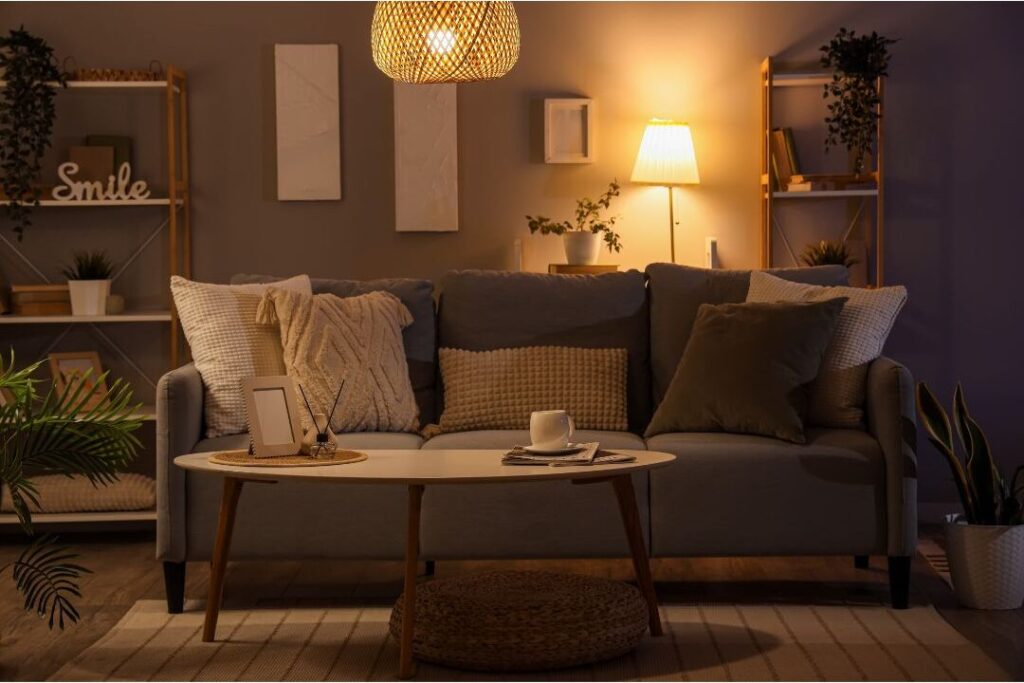
Lighting dictates the overall emotional atmosphere of your living environment more than any decor item.
Illuminating rooms exclusively with harsh, cool-white overhead light creates a stark, clinical environment. Mixing cool daylight bulbs with warm yellow bulbs in one room causes jarring visual confusion.
Cool-toned overhead glare suppresses natural melatonin production and keeps your nervous system on alert. However, soft ambient lighting relaxes your body and prepares your mind for evening rest.
Harmonizing Interior Lighting
Standardize all interior light bulbs to warm white temperatures between 2700K and 3000K throughout living spaces.
Turn off overhead ceiling fixtures during evening hours and rely on soft ambient lamps instead. Use frosted glass shades or fabric lamp covers to eliminate direct bulb glare completely.
Furthermore, warm, indirect lighting softens room angles and creates a cozy, welcoming evening sanctuary. Your body relaxes naturally as lighting dims, preparing your mind for deep night rest. Layerin
9. Half-Finished Task Stations Sitting in High-Traffic Areas
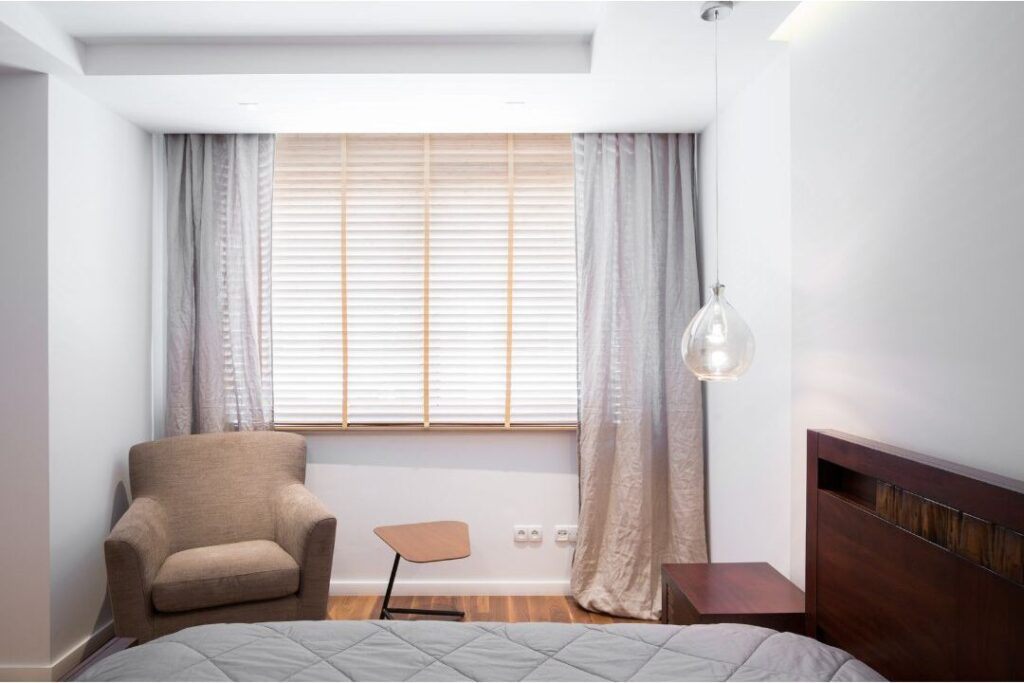
Half-finished task stations pop up when items linger between active use and proper storage. The bedroom chair holding worn-once clothes is the most common example in homes.
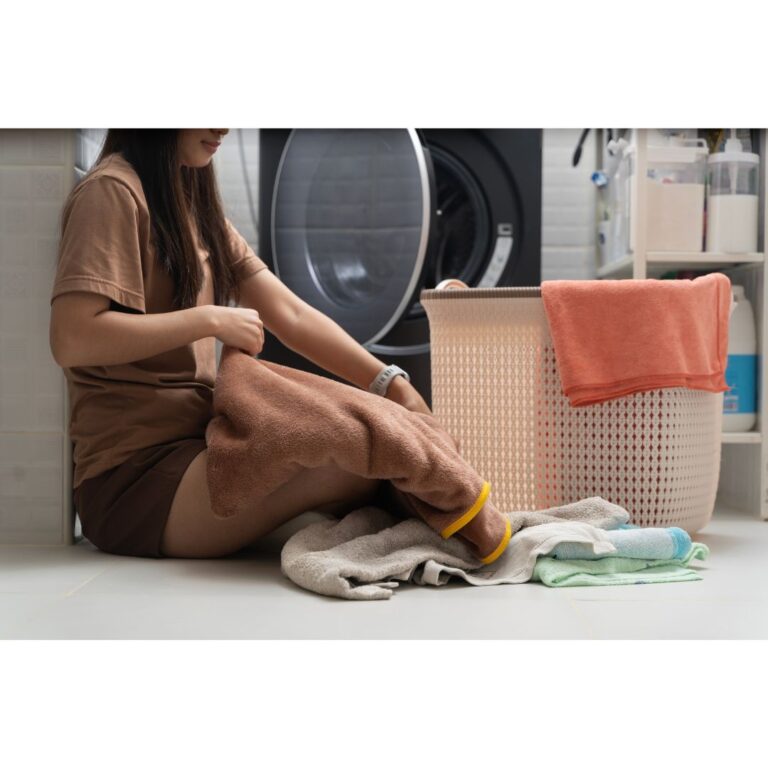
Unfolded laundry baskets sitting in hallways and donation boxes lingering by doors create similar friction.
These lingering piles act as open mental loops that call for your physical attention continuously. Every time you pass a half-finished chore, your brain registers unfinished work silently.
Closing Open Task Loops
Install dedicated wall hooks behind bedroom doors for clothes that can be worn again. Execute the two-minute rule by finishing small tasks like hanging coats immediately without stopping.
Place donation items directly inside your car trunk rather than letting boxes sit by entryways.
Therefore, closing open task loops eliminates lingering household guilt completely from your daily mental state.
Your furniture remains functional for sitting rather than serving as temporary storage for unmade choices. Promptly putting away tools and project supplies restores order to living areas instantly.
Maintain effortless daily order using The Decor Mistakes That Make Homes Look Cluttered.
Reduce daily routines stress with This One Weekly Habit Eliminated So Much Stress.
10. Visually Heavy Clear Totes and Sagging Storage Bins
Storage containers are designed to organize belongings, but wrong choices increase visual clutter instead.
Stacking clear plastic totes in open room corners allows chaotic internal contents to remain visible. Flimsy fabric bins on open shelves bulge and lose shape rapidly, creating messy outlines.
Seeing tangled items through clear plastic means clutter is contained but not hidden visually. In addition, sagging fabric drawers make open shelving units appear cheap, unstable, and disorganized.
Choosing Opaque Structured Storage
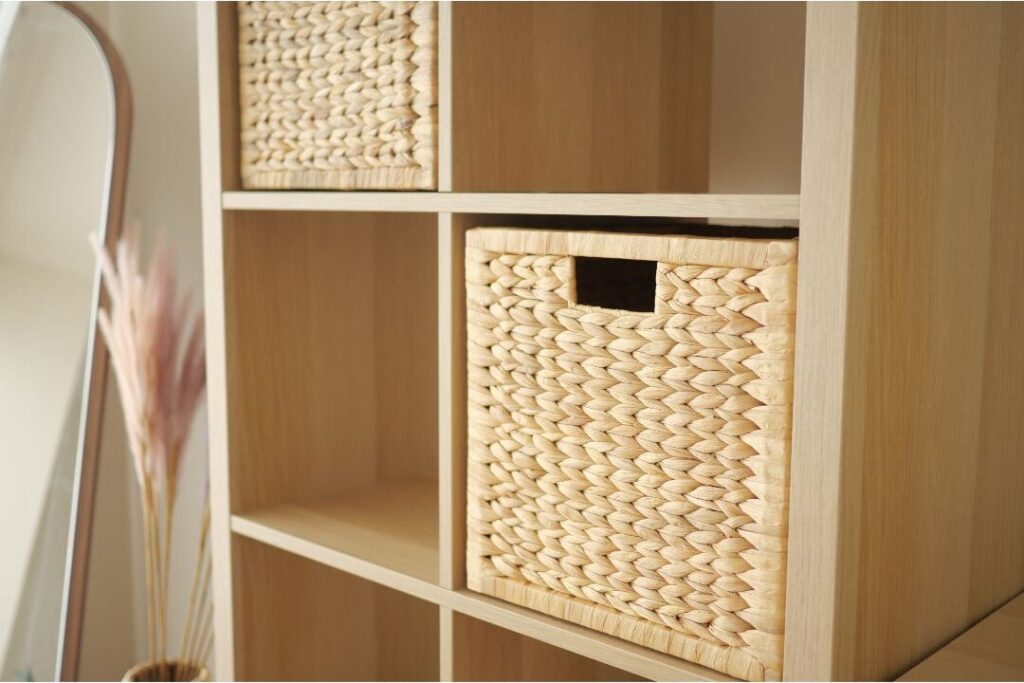
Choose solid, structured baskets made of woven fibers, canvas, or solid wood for open shelves. Reserve clear plastic totes strictly for closed dark closets, attics, or garage storage racks.
Select storage containers in neutral tones that match your wall color to blend seamlessly into rooms.
Consequently, opaque, rigid containers conceal internal contents completely while maintaining sharp, clean visual lines.
Your open storage areas look tailored, intentional, and perfectly integrated into your room design. Matching basket materials across shelving units provides a cohesive, custom built-in aesthetic.
Implementing a Weekly 15-Minute Visual Reset Routine
Keeping Micro-Chaos from Returning
Maintaining visual peace does not require hours of exhausting physical labor every single day. Instead, implementing a quick weekly reset routine keeps micro-chaos from creeping back into rooms.
Pick a consistent time every Sunday afternoon or evening to walk through your living areas.
Inspect high-visibility surfaces, open shelves, entryway tables, and floor paths for emerging friction. Identifying small issues early prevents visual clutter from accumulating across multiple rooms.
Actionable Reset Steps
Empty all surface catch-all trays and return loose items to their permanent home locations. Straighten area rugs, tuck loose cords behind raceways, and realign decorative objects on shelves.
Process lingering paper documents from inbox trays and clear off refrigerator surfaces completely.
Ultimately, spending fifteen minutes on visual maintenance preserves daily calm across your entire household. You enter each new week with clear surfaces, tranquil rooms, and complete peace of mind.
Visual Chaos Audit Checklist
Use this structured comparison matrix to audit your living spaces and correct visual clutter points quickly:
| Household Zone | Micro-Chaos Culprit | Quick 5-Minute Solution | Permanent System Upgrade |
| Kitchen Counters | Branded soap bottles | Strip plastic sleeves off bottles | Decant soap into matching glass pumps |
| Entryway Table | Scattered keys and mail | Place a ceramic catch-all tray | Establish strict tray-only landing rules |
| Living Room TV | Tangled electronics cords | Bundle loose wires with velcro ties | Install paintable wall cable raceways |
| Open Shelving | Overcrowded decor items | Remove one-third of displayed items | Group remaining items in clusters of three |
| Bedroom Closet | Mismatched clothing hangers | Remove wire dry-cleaning hangers | Upgrade to uniform slim velvet hangers |
| Main Hallways | Scattered shoes on floors | Line up shoes along wall edges | Add closed shoe storage cabinets |
| Refrigerator Door | Paper notes and coupons | Remove all loose paper off fridge | Move schedules into private cabinets |
| Living Room Lights | Cool overhead light bulbs | Turn off overhead light fixtures | Standardize all lamps to 2700K warm bulbs |
| Bedroom Corner | Clothes piled on chairs | Hang up or wash worn garments | Mount dedicated wall hooks behind doors |
| Open Shelves | Clear plastic storage bins | Move clear totes into closets | Replace open totes with opaque woven baskets |
Sustaining Visual Calm for Permanent Peace
Fixing the subtle ways these 10 things quietly make your house feel chaotic restores order. By systematically eliminating visual noise, decanting loud items, and clearing floors, you protect your energy.
Your living environment transitions from a source of background stress into a true sanctuary.
Remember that creating a peaceful home is a gradual, rewarding journey. Pick one small area today, such as clearing your refrigerator door or decanting soap.
Notice how much lighter, brighter, and calmer your room feels once visual noise vanishes.
Ultimately, small, intentional choices accumulate into a peaceful, functional home that supports your whole family. Enjoy the quiet beauty, clean lines, and deep rest of your refreshed living space.

4 Comments