

50 Things to Stop Buying to Save Money
Disclosure: Some of the links in this post are affiliate links. This means if you click on the link and purchase an item, I will receive an affiliate commission at no extra cost to you.
Financial freedom is rarely built through one massive life change or an unexpected financial windfall. Real, lasting wealth is created quietly through small daily habits, intentional spending choices, and the systematic elimination of minor financial leaks.
When you take the time to audit your monthly bank statements line by line, you often discover that tiny recurring purchases accumulate into staggering annual costs.
A five-dollar coffee here, a forgotten subscription there, and a few convenience items at the grocery store can quickly siphon away thousands of dollars every year.
Cutting out mindless purchases does not mean living a life of cold deprivation, severe self-denial, or complete social isolation.
It simply means redirecting your hard-earned money toward goals that actually matter to your future peace of mind.
By eliminating low-value expenses that bring no lasting satisfaction, you instantly free up cash flow to pay off high-interest debt, build an emergency savings cushion, and invest with confidence.
If you are ready to take full control of your household finances and stop overpaying for daily convenience, this ultimate checklist outlines fifty practical items you can stop purchasing today to keep more money in your bank account.
Daily Food, Coffee, and Kitchen Habits
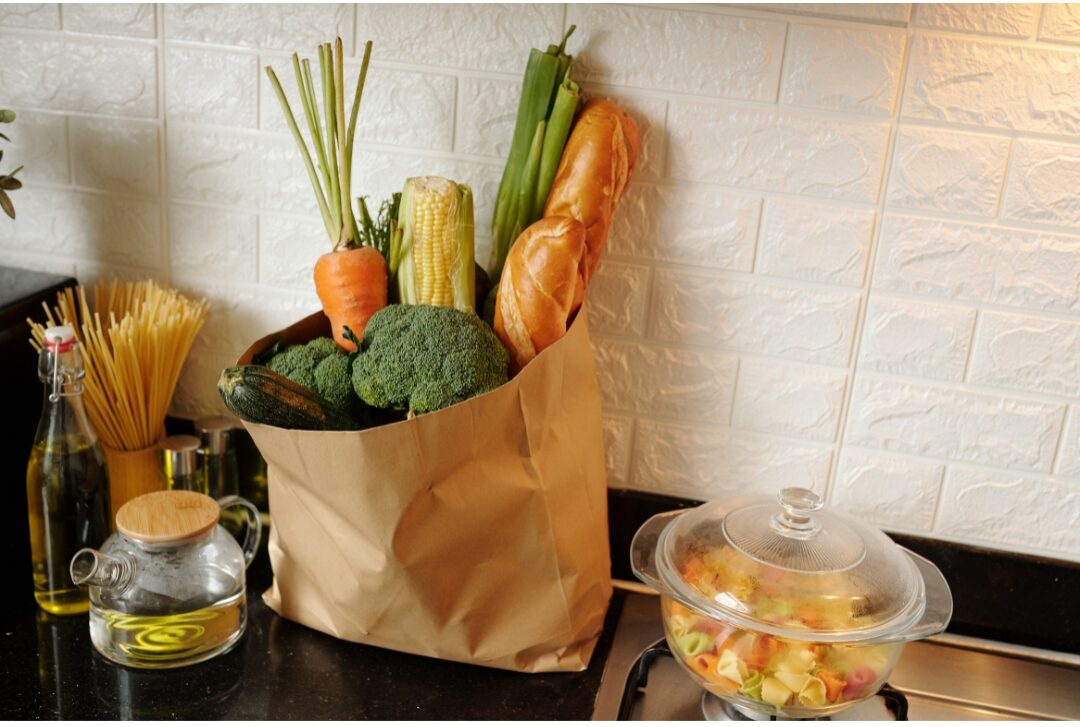
Food, beverage, and kitchen convenience purchases represent the largest area of hidden budget leaks for most households.
Convenience culture is designed to make us pay exorbitant markups for basic sustenance. Shifting away from pre-packaged convenience items and low-friction takeaway options
1. Single-Serve Coffee Shop Drinks

Buying a five-dollar specialty coffee every single workday costs well over twelve hundred dollars every year. When you calculate the annual accumulation of daily caffeinated runs, the financial drain becomes alarming.
Commercial coffee chains rely on high margins and daily routine habits to extract money from your pocket.
Investing in a quality insulated travel mug and brewing your favorite coffee beans at home delivers the exact same morning energy boost for a small fraction of the price, saving you hundreds of dollars with virtually zero effort.
2. Single-Use Plastic Water Bottles
Purchasing bottled water is one of the most financially wasteful habits in modern households. Bottled water carries an astronomical markup of several thousand percent compared to standard tap water.
In addition to hurting your monthly budget, single-use plastic bottles create continuous plastic pollution in landfills.
Purchasing a single durable stainless steel water bottle and using an affordable home water filtration pitcher allows you to enjoy clean, crisp water everywhere you go while keeping hundreds of dollars in your bank account every year.
3. Pre-Cut Fruits and Vegetables
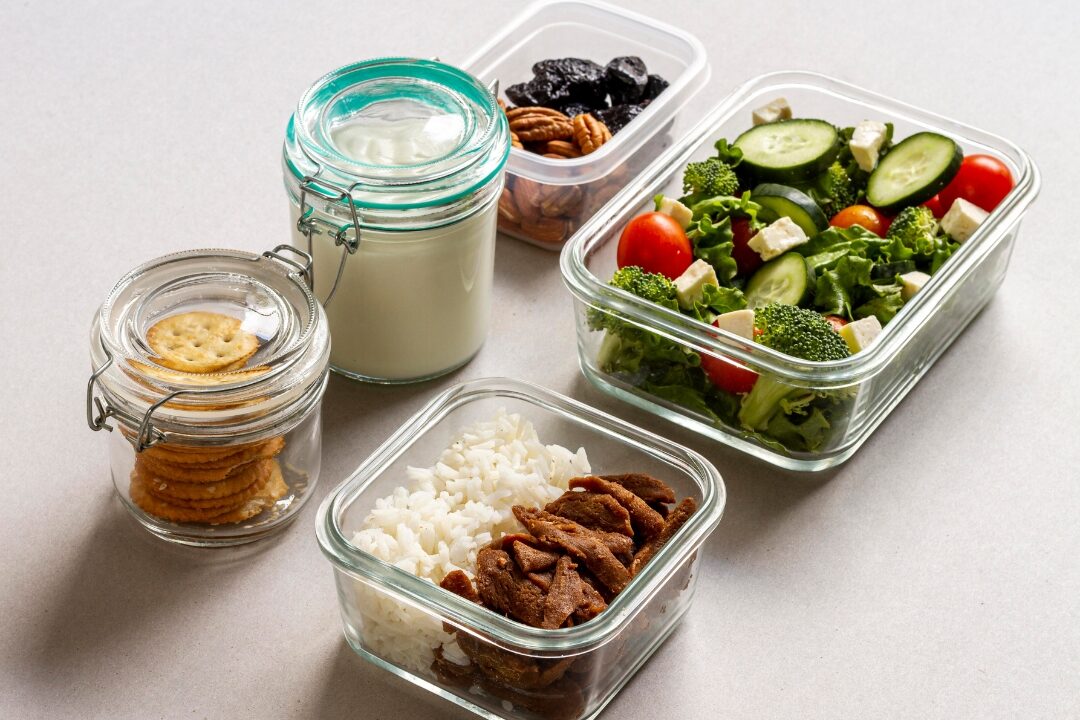
Grocery stores charge a steep premium fee for pre-chopped pineapples, sliced onions, cubed squash, and trimmed green beans.
You are paying double or triple the original price per pound simply for basic knife work that you can easily perform yourself in your own kitchen.
Buy whole produce items instead and spend fifteen quiet minutes prepping them during your weekend meal preparation. Your produce will stay fresh significantly longer, and your weekly grocery bill will drop noticeably.
4. Individual Snack Packs
Pre-portioned single-serve bags of chips, trail mix, pretzels, and crackers carry massive price markups per ounce.
Food packaging companies charge extra for individual plastic wrapping that ultimately ends up directly in landfills.
Purchase family-sized bulk bags or shop in the bulk bin aisle instead, then portion snacks into reusable silicone pouches or small glass containers at home for daily school lunches and work breaks.
5. Paper Towels and Disposable Napkins
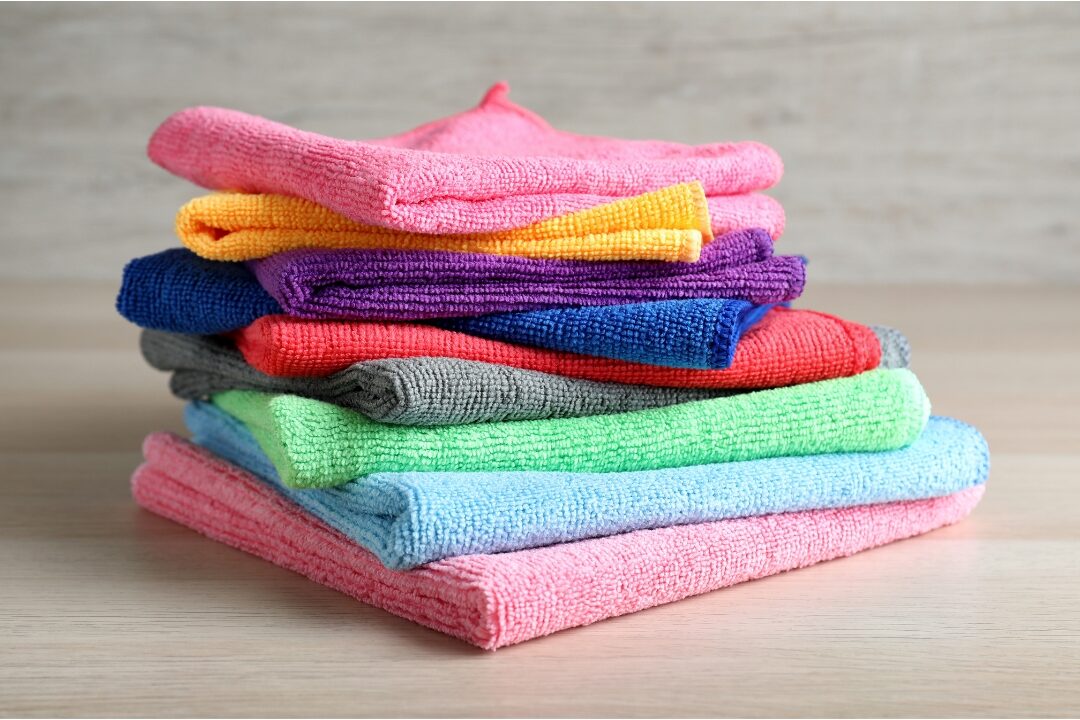
Single-use paper products create a continuous financial drain on your household grocery budget month after month.
Wiping up everyday kitchen spills, countertops, and dining tables with paper rolls literally throws your hard-earned money directly into the trash can.
Switch to a pack of washable microfiber cloths and cotton dish towels that last for years after a single initial purchase, eliminating an entire category from your weekly shopping list.
6. Paper Plates and Plastic Cutlery
Using disposable paper plates, plastic cups, and disposable cutlery for daily home meals creates unnecessary household waste and constant restocking runs to the store.
While disposable dinnerware seems convenient during busy weeknights, it encourages lazy clean-up habits and drains your monthly grocery budget.
Stick to your standard ceramic plates and stainless steel utensils that wash easily inside your dishwasher or sink.
7. Brand Name Grocery Staples
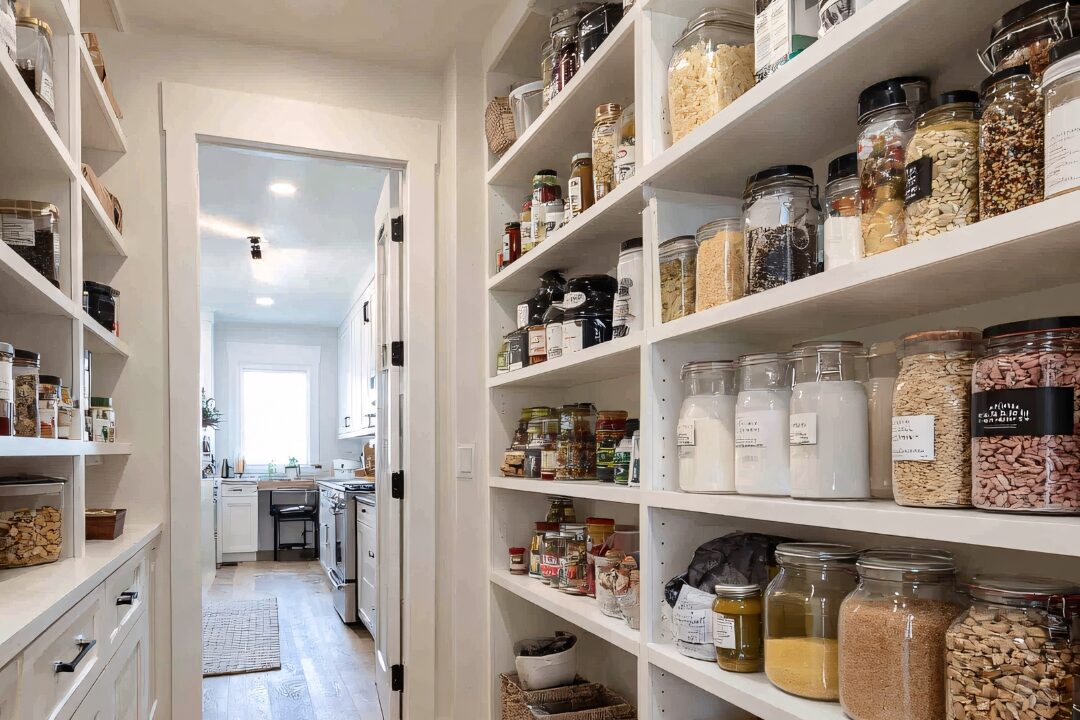
Store brand pantry staples like flour, sugar, canned tomatoes, dried beans, oats, and spices match name-brand quality completely.
Major food manufacturers frequently produce both store brands and expensive name brands in the exact same manufacturing facilities using identical ingredients.
Switching to generic store labels across your entire grocery list slashes your weekly grocery spending by fifteen to twenty-five percent instantly without compromising on flavor or quality.
8. Unplanned Food Delivery Orders
Third-party food delivery mobile applications add heavy service fees, delivery charges, item price markups, and driver tips that often double the original price of your meal.
Ordering takeout on a whim can easily cost forty dollars or more for a single person. Pick up takeaway orders yourself when dining out, or keep a few quick five-minute freezer meals on hand for nights when you are too tired to cook from scratch.
9. Bottled Salad Dressings and Marinades

Store-bought salad dressings contain excess chemical preservatives, low-quality seed oils, artificial sugars, and high price tags for small bottles.
Making your own fresh dressings at home takes less than two minutes and delivers far superior flavor.
Whisking together quality olive oil, fresh lemon juice or vinegar, Dijon mustard, and simple herbs creates a delicious salad dressing for pennies per serving.
10. Plastic Food Wrap and Freezer Bags
Single-use plastic cling wrap is frustrating to handle, tears easily, and constantly requires repurchasing in kitchen supply aisles.
Rolling out plastic wrap wastes money and produces non-recyclable waste. Invest in glass food storage containers with airtight locking lids or washable beeswax food wraps for clean, sustainable, and permanent food preservation.
Streamline your kitchen storage and pantry by learning How to Create a House That Stays Organized.
Keep your kitchen sparkling without expensive disposable products by going through The Real Reason Your Kitchen Never Stays Clean
Subscriptions, Apps, and Digital Upgrades

Digital recurring charges are particularly dangerous to your financial health because they drain your bank accounts silently in the background.
Because small subscription charges do not require active authorization each month, they slip under the radar easily.
Auditing your recurring digital subscriptions once every quarter instantly recaptures hundreds of wasted dollars.
11. Unused Streaming Service Subscriptions
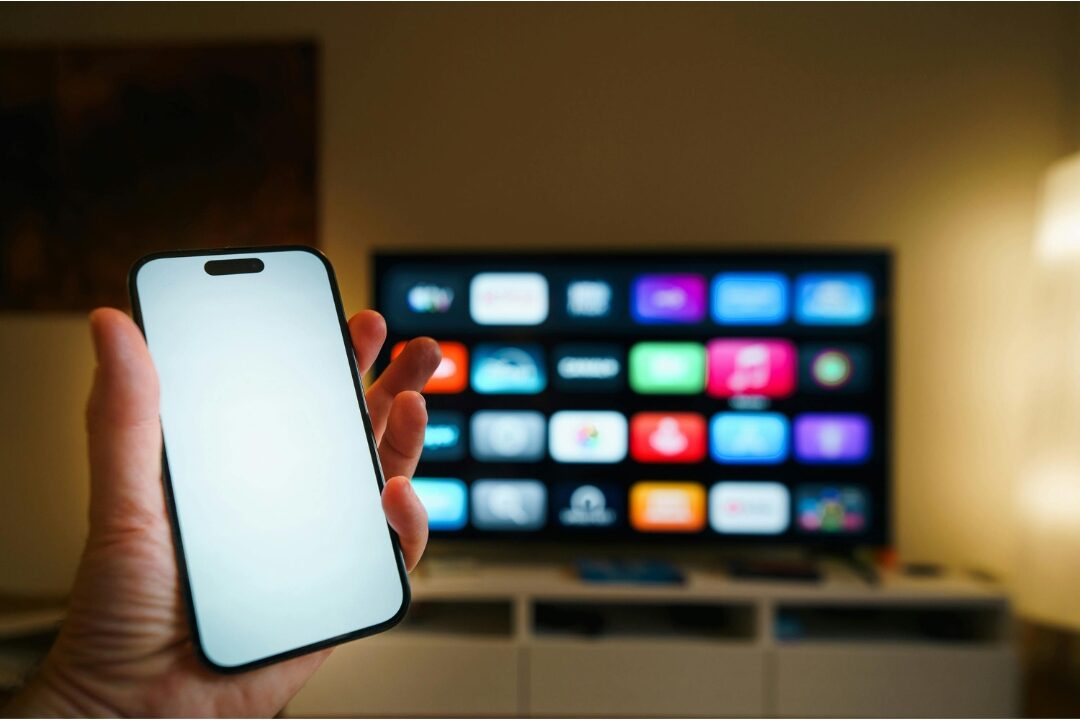
Paying for four, five, or six video streaming platforms simultaneously is unnecessary and financially wasteful. Most households only watch one specific show at a time on any given platform.
Practice subscription cycling by keeping only one active entertainment service at a time, watching your desired series, and canceling that platform before subscribing to the next one.
12. Auto-Renewing Mobile App Subscriptions
Free trial periods frequently convert into forgotten monthly app charges on your credit card statements.
Small recurring fees like three dollars, five dollars, or ten dollars per month quietly accumulate without bringing real daily utility or value to your life.
Review your mobile app store subscription settings once a month and immediately cancel any digital tool that you have not opened in the last two weeks.
13. Premium Cable Television Packages

Traditional cable television bundles charge astronomical monthly rates for hundreds of bloated channels that you never actually watch.
Between regional sports fees, equipment rental charges, and broadcast surcharges, cable bills frequently top one hundred and fifty dollars every month.
Switch to a low-cost digital HD antenna for local news and broadcast networks paired with a single basic streaming service to cut your entertainment costs dramatically.
14. Unattended Gym Memberships
Paying a monthly fitness facility fee without attending regularly is one of the most common emotional budget traps. Guilt and wishful thinking often prevent people from canceling memberships that they haven’t used in months.
Cancel unused gym passes immediately and shift to outdoor walking, bodyweight workouts at home, or thousands of high-quality free workout videos available online until you build a consistent exercise routine.
15. Excessive Cloud Storage Upgrades

Upgrading to higher digital cloud storage tiers costs extra money every single month indefinitely. Instead of paying extra recurring fees to store digital clutter, take an hour to audit your cloud accounts.
Delete duplicate photo bursts, large blurry video clips, and outdated email attachments so you can remain comfortably within standard free storage limits.
16. Annual Smartphone Upgrades
Modern smartphones are engineered to perform smoothly and efficiently for four to five years without requiring replacement.
Upgrading your phone every time a technology company announces a new model creates unnecessary debt or high monthly device payment plans on your cellular bill.
Keep your existing phone as long as it works reliably, and replace the battery if capacity drops rather than buying an entirely new device.
17. Unread Digital Magazine Subscriptions

Digital news outlets and magazine charges accumulate rapidly on credit cards without delivering actual reading time or educational value.
Many people subscribe out of good intentions rather than genuine daily reading habits. Utilize your local public library card to gain free access to thousands of digital magazines, newspapers, and audiobooks through free library apps like Libby and PressReader.
18. Unnecessary Premium Music Tier Upgrades
High-tier family plans or high-fidelity lossless audio streaming subscriptions carry steep monthly costs that add up over time.
Unless you are a professional audio engineer using studio-grade equipment, standard audio resolution is completely sufficient for everyday listening.
Downgrade to standard individual plans or utilize free ad-supported streaming options if music serves mostly as background noise during work or commutes.
19. Expedited Shipping Memberships
Paying expensive annual fees for rapid shipping options actively encourages impulsive online shopping habits.
When delivery is nearly instantaneous, you spend far less time evaluating whether a purchase is truly necessary or just a passing impulse.
Choose standard free shipping options instead and practice waiting a few days for non-essential goods to arrive, which naturally reduces overall shopping frequency.
20. In-Game Microtransactions and Upgrades
Virtual gaming skins, digital currency packs, and cosmetic video game upgrades offer zero real-world long-term value.
These small microtransactions are designed around clever psychological triggers that encourage frequent impulse spending spikes.
Turn off stored payment methods and in-app purchases on all personal and family devices to protect your bank account from mindless digital spending.
Organize your weekly financial and household admin time with Money Habits That Keep Families Broke
Streamline your consumer choices using The Surprisingly Simple Habit That Saved Our Family Budget
Personal Care, Beauty, and Grooming
The beauty, skincare, and personal care industries rely on continuous product launches that persuade us we need complex, multi-step routines to feel confident.
Simplifying your personal care shelf creates better skincare results while keeping substantial amounts of money in your wallet.
21. Duplicate Active Skincare Serums
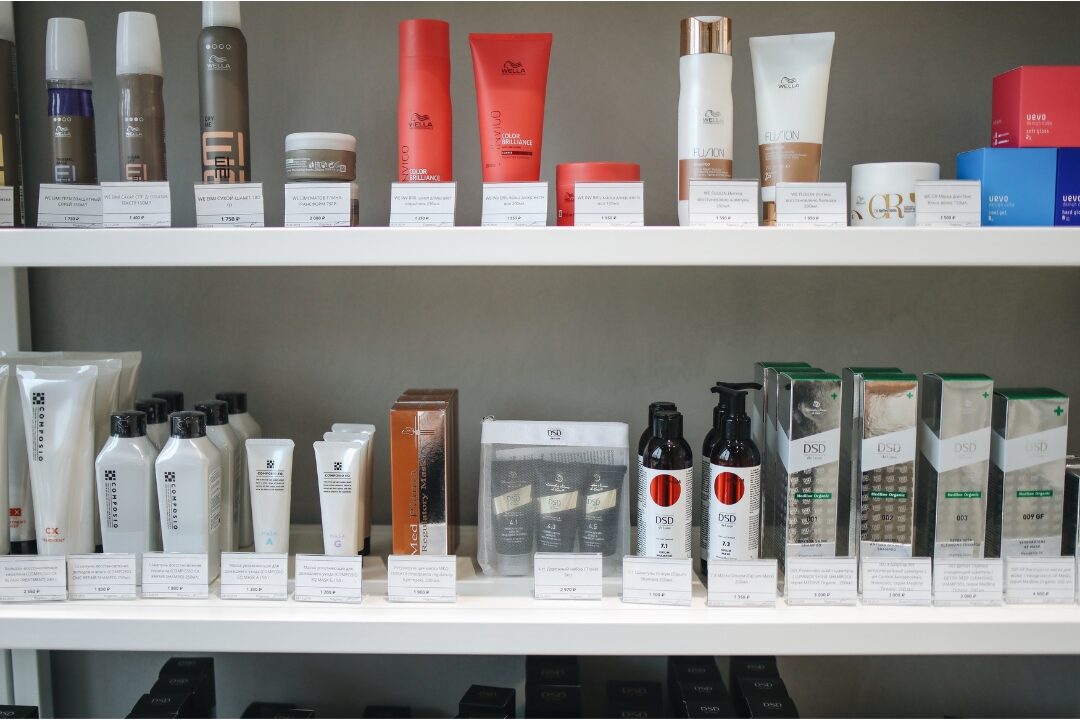
Buying multiple serums that contain overlapping active ingredients irritates your skin barrier and wastes significant amounts of money.
Stacking multiple chemical exfoliants, vitamin C formulas, or retinoids often causes unnecessary skin sensitivity.
Stick to a simple core skincare routine consisting of a gentle cleanser, an effective moisturizer, and a quality broad-spectrum sunscreen every morning.
22. Fast-Fashion Beauty Novelties
Vibrant eyeshadow palettes, trendy highlighters, and novelty seasonal lip shades often sit completely unused inside vanity drawers.
Beauty trends pass quickly, leaving you with expired makeup products that ultimately end up in the trash bin. Focus on a few versatile everyday neutral shades that flatter your natural skin tone and suit your real daily lifestyle.
23. Single-Use Sheet Masks

Disposable paper face masks generate excessive packaging waste for temporary surface hydration that lasts only a few hours.
You are paying a premium price per individual application for a sheet soaked mostly in water and basic glycerin. Use a simple hydrating serum or a quality wash-off mask from a recyclable glass jar for far better economic value over time.
24. Disposable Plastic Shaving Razors
Single-use plastic razors dull after just a few shaves and require constant, expensive replacement cartridge purchases.
The cheap plastic housing cannot be recycled easily, creating ongoing environmental waste. Switch to a classic double-edge metal safety razor where replacement stainless steel blades cost mere pennies each while delivering a significantly smoother shave.
25. Bottled Liquid Body Wash
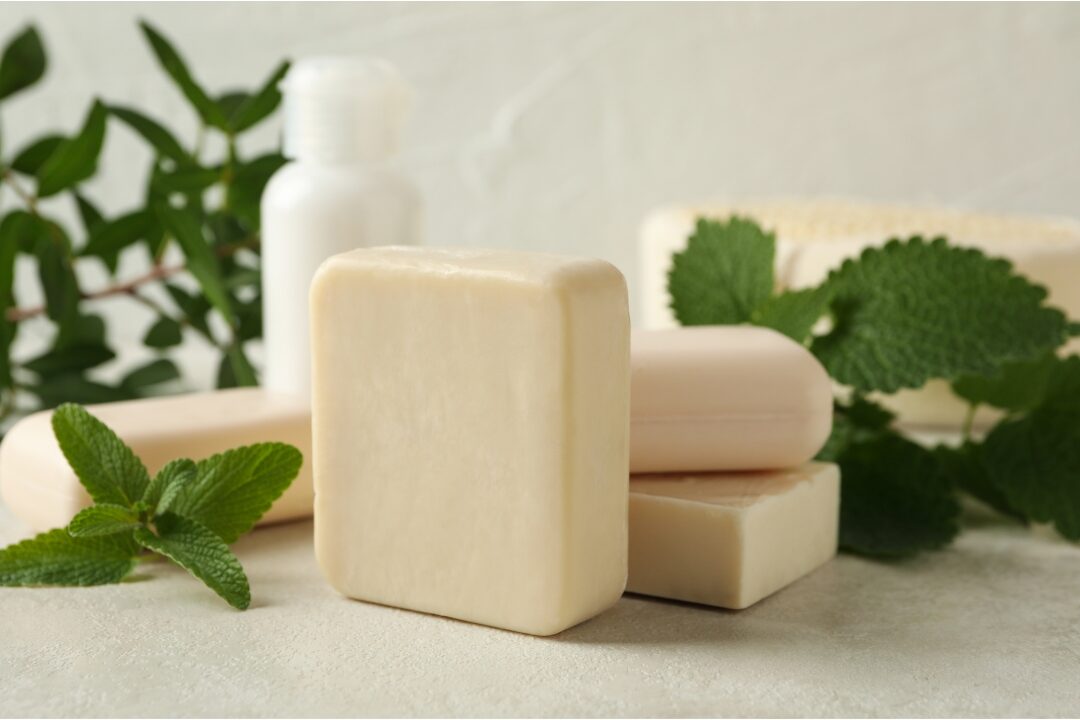
Liquid shower gels consist primarily of plain water packaged inside heavy plastic bottles. You are paying high shipping and packaging costs for liquid product that rinses down the bathroom drain rapidly.
Traditional bar soaps last significantly longer, cost a fraction of the price, and feature minimal eco-friendly paper packaging.
26. Frequent Gel Nail Salon Appointments
Weekly or bi-weekly salon visits for professional gel manicures represent a massive annual luxury expense.
Adding salon service fees and tips can easily exceed twelve hundred dollars per year. Learn to trim, shape, buff, and hydrate your nails at home using a simple, high-quality nail grooming kit for a clean, natural look.
27. Full-Priced Designer Fragrances
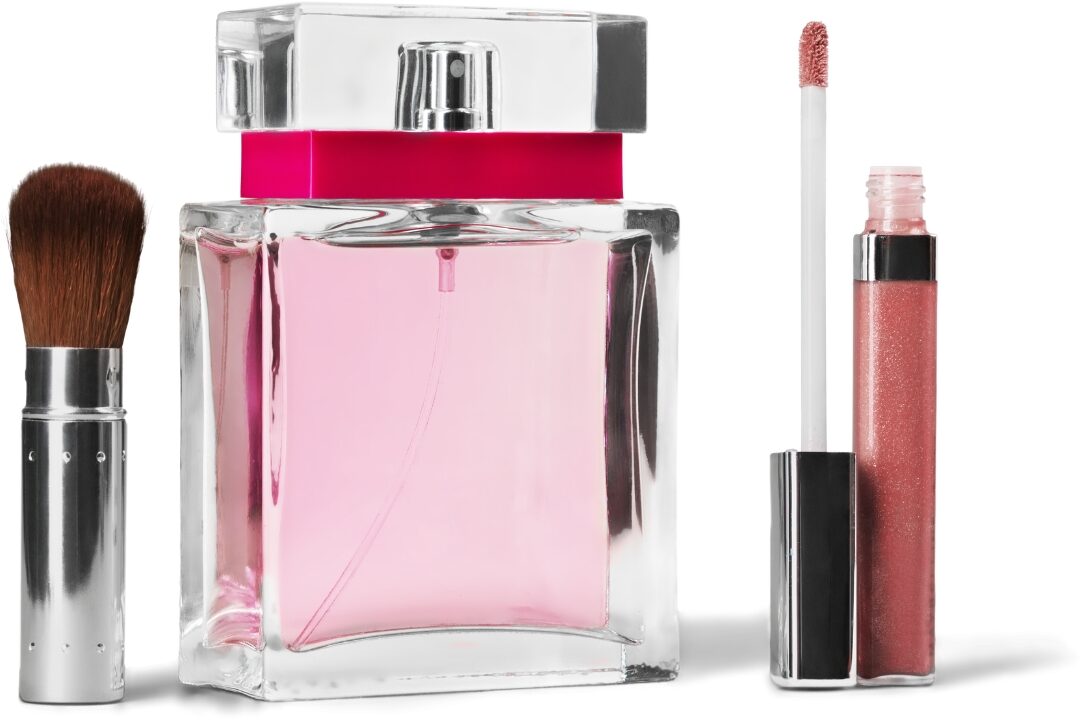
Luxury perfumes carry enormous retail markups at traditional department store counters. Paying full retail price for large bottles before knowing how the scent wears throughout the day is a financial risk.
Purchase small travel samples first or shop through reputable online perfume discounters to save up to fifty percent on authentic fragrances.
28. Specialty Makeup Brush Cleaners
Branded makeup brush cleansing liquids are expensive and entirely unnecessary for proper hygiene. These products use basic cleansing agents packaged in small bottles with high price tags.
Gentle baby shampoo or a bar of basic olive oil soap cleans makeup brushes thoroughly without drying out or damaging soft bristles.
29. Unnecessary Synthetic Hair Treatments
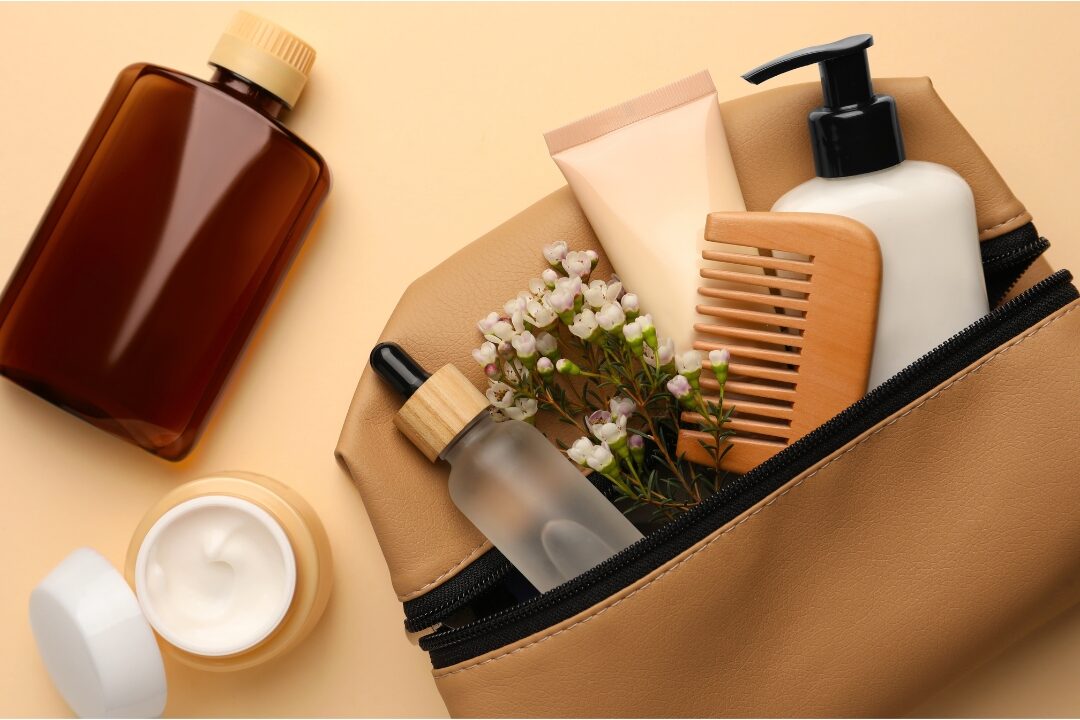
Complex home hair-glossing kits, bonding serums, and specialized hair perfumes rarely deliver dramatic long-term structural results.
Many of these products rely on heavy silicones that temporarily coat hair strands while causing product buildup. Focus on gentle sulfate-free shampoos, regular scalp massage, and protective routine habits instead.
30. Travel-Sized Toiletries
Miniature travel-sized shampoos, conditioners, body washes, and toothpaste tubes cost far more per ounce than standard store sizes.
Airport and drugstore impulse aisles profit heavily from travelers buying last-minute minis. Buy a set of durable, reusable silicone travel bottles once and fill them from your regular home products before departing on trips.
Simplify your visual surroundings and bathroom counters found in 75 Things Every Elegant Home Has
Keep vanity surfaces minimal by avoiding The Decor Mistakes That Make Homes Look Cluttered.
Household, Cleaning, and Home Decor

Maintaining a clean, beautiful, and functional home does not require dozens of specialized commercial chemicals or endless decor upgrades.
Streamlining your cleaning closet and decor choices prevents physical clutter from accumulating inside your living spaces while keeping cash in your bank account.
31. Single-Surface Specialty Cleaners
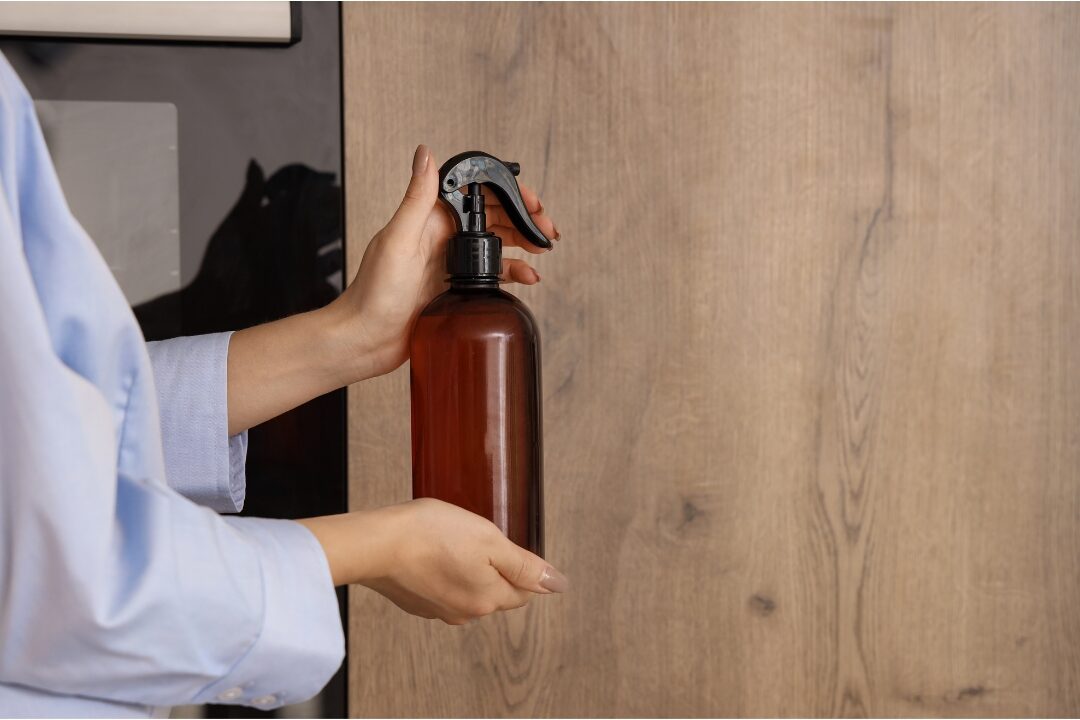
Commercial chemical marketing claims suggest you need different bottles for glass, granite, wood, stainless steel, tile, and mirrors.
Filling your cabinets with single-purpose cleaners wastes money and storage space. A simple mixture of warm water, gentle dish soap, or white vinegar cleans almost every hard surface in your home safely and effectively.
32. Synthetic Air Freshener Sprays
Commercial aerosol sprays contain harsh artificial fragrances that mask indoor odors temporarily while lowering indoor air quality.
Plug-in air fresheners consume electricity continuously while requiring expensive refill cartridges every month. Open your windows daily for natural air ventilation and use basic baking soda to absorb household odors at the source.
33. Cheap Fast-Fashion Home Decor

Inexpensive, trendy home decor items from bargain aisles lose appeal quickly and end up donated or landfilled within a year.
Cheap knick-knacks create visual clutter on surfaces without adding real character or value to your living space. Save your money to invest in timeless, high-quality pieces that bring lasting daily joy to your home environment.
34. Excessive Seasonal Holiday Decorations
Buying entirely new holiday decor sets every season clutters storage closets and drains seasonal household budgets.
Retailers push changing seasonal trends that encourage continuous consumption year after year. Stick to a few cherished heirloom decorations and incorporate natural seasonal elements like pinecones, branches, or fresh flowers for timeless decor.
35. Dryer Sheets and Synthetic Fabric Softeners

Synthetic fabric softeners deposit waxy coatings on textiles that reduce towel absorbency over time and irritate sensitive skin.
Chemical dryer sheets are single-use items that require constant repurchasing at the grocery store. Use reusable wool dryer balls to soften clothes naturally, reduce static, and shorten drying cycle times.
36. Excessive Accent Pillows
Overloading sofas, armchairs, and beds with dozens of decorative pillows creates daily sorting frustration and unnecessary expense.
Moving a mountain of pillows off the bed every night and picking them up off the floor every morning is exhausting. Keep two or three high-quality structured pillows that provide actual back support and complement your room naturally.
37. Storage Bins Purchased Before Decluttering
Buying plastic storage tubs and decorative baskets before sorting through your belongings simply organizes items you do not actually need or use.
Professional organizers love selling container solutions that mask underlying clutter problems. Always discard, donate, or sell unwanted items first before spending any money on necessary storage containers.
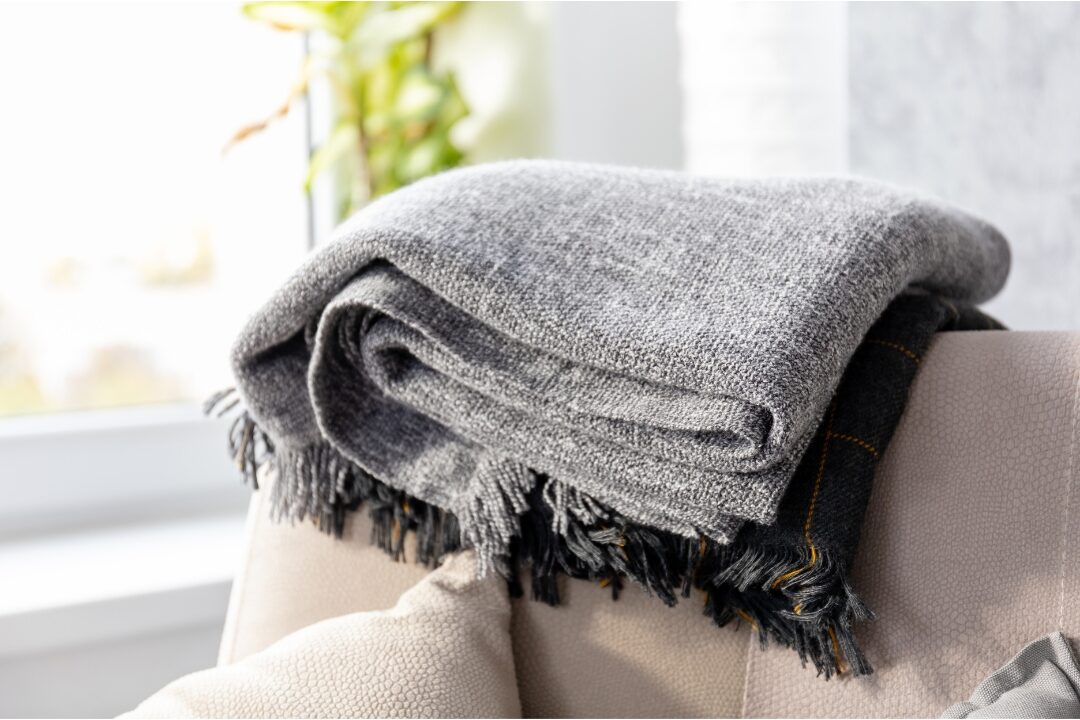
38. Cheap Synthetic Throw Blankets
Thin polyester fleece blankets pill quickly after washing, generate static electricity, and trap uncomfortable synthetic heat.
They end up matted and unattractive after a single season of daily use. Invest in one or two durable organic cotton or natural wool throw blankets that provide breathable warmth and last for years without deteriorating.
39. Single-Use Kitchen Gadgets

Specialized kitchen gadgets like avocado slicers, garlic rockers, banana hangers, and egg separators clutter kitchen drawers and counters.
These single-purpose tools are difficult to clean and rarely perform better than basic culinary tools. A sharp chef’s knife and a solid wooden cutting board accomplish almost every kitchen preparation task effortlessly.
40. Disposable Commercial Cleaning Wipes
Pre-moistened disinfectant wipes are expensive per sheet and dry out inside open plastic canisters over time.
Using multiple wipes to clean basic kitchen counter surfaces creates unnecessary paper waste and continuous shopping expenses. Use washable cotton cleaning rags paired with a refillable all-purpose spray bottle for efficient, low-cost daily kitchen cleanups.
Reduce household items with 101 Things To Declutter This Weekend
Eliminate storage confusion by checking The One Shelf That Makes Every House Look Messy.
Lifestyle, Shopping, and Entertainment
Mindful consumption in your leisure time protects your financial freedom without compromising your overall life satisfaction.
Evaluating your social and discretionary spending habits reveals simple opportunities to build substantial long-term savings while reducing everyday clutter.
41. Fast-Fashion Impulse Clothing

Inexpensive, trend-driven garments lose their shape after a few washes and encourage relentless shopping cycles.
Buying low-quality clothing leads to full closets and nothing to wear when dressing for daily events. Focus on building a classic capsule wardrobe made from durable, breathable fabrics that fit your body comfortably and suit your actual daily routine.
42. Brand New Hardcover Books
Buying brand-new hardcover releases adds up rapidly if you are an active reader. Most books are read once and then sit silently on shelves gathering dust for years.
Borrow books for free from your public library or purchase gently used paperback copies online after finishing your current reading list.
43. Bottled Alcohol at Restaurants

Ordering wine, beer, or cocktails at restaurants carries price markups of three hundred percent or more over retail store prices.
A single round of drinks can easily double your overall dinner bill when eating out. Enjoy water or iced tea when dining out at restaurants, and reserve alcoholic beverages for casual home gatherings with friends.
44. Extended Warranties on Small Electronics
Retail extended warranties are highly profitable for electronics stores because small home appliances rarely break within coverage windows.
The fine print often makes warranty claims difficult and time-consuming to process. Set aside a small emergency fund to cover unexpected repairs or replacements instead of buying store warranties on minor electronics.
45. Specialized Workout Apparel for Unformed Habits
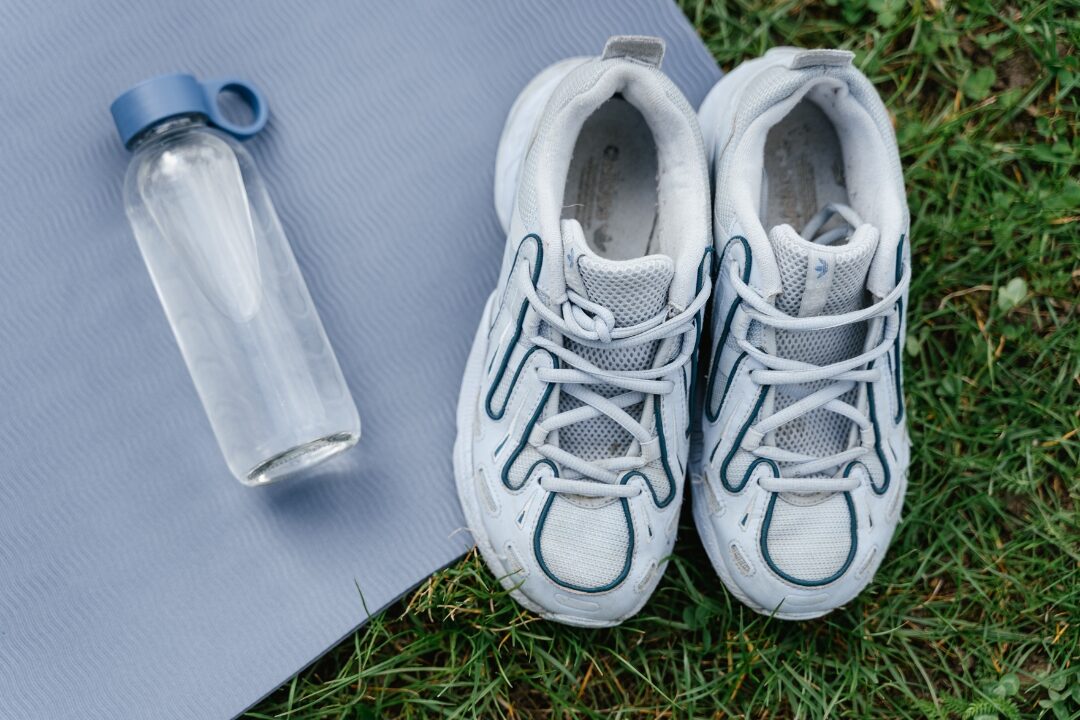
Buying expensive activewear outfits before establishing a consistent exercise habit is a classic form of aspirational spending.
Shiny new workout clothes will not motivate you to exercise long-term if the routine is not established. Wear simple cotton t-shirts and comfortable shorts you already own until your fitness habit is fully established.
46. Cheap Souvenirs and Novelty Trinkets
Vacation trinkets like plastic keychains, printed t-shirts, and decorative shot glasses gather dust on shelves once you return home.
Souvenir shops profit from impulse emotional buying during trips. Capture beautiful photographs or purchase local edible treats as meaningful travel memories that take up zero permanent space in your home.
47. Brand New Baby and Toddler Clothes

Infants outgrow clothing sizes in a matter of weeks, leaving expensive brand-new outfits barely worn. Buying high-end designer baby clothing is financially impractical for growing families.
Accept hand-me-downs from friends and family or purchase gently used second-hand baby clothing packs for major household savings.
48. Expensive Commercial Greeting Cards
Mass-produced paper greeting cards cost up to seven dollars each and are routinely thrown away shortly after reading.
Paying high prices for pre-written corporate sentiments lacks genuine personal touch. Write a heartfelt message inside a simple blank note card or create a custom card at home instead.
49. Sale Items Bought Solely for the Discount

Buying an item you do not actually need simply because it is marked down on clearance wastes money.
Markdowns trick your brain into believing you are making money when you are actively spending. A fifty-percent discount on an unnecessary purchase is still a fifty-percent loss of your hard-earned cash.
50. Low-Quality Travel Accessories
Flimsy luggage tags, cheap travel pillows, and discount umbrellas fail during travel right when you need them most.
Replacing cheap travel accessories repeatedly costs more than buying quality items once. Invest in a few durable, high-quality travel essentials that withstand years of regular use without breaking.
Maintain clarity in your household with The Home Reset Trick That Changed My Entire Week.
Eliminate daily clutter triggers by reviewing These 10 Things Quietly Make Your House Feel Chaotic.
Reclaiming Financial Freedom and Peace
Eliminating these fifty unnecessary items is not about restricting your happiness, living in extreme frugality, or depriving yourself of life’s daily pleasures.
It is about aligning your daily spending habits with your deepest personal goals and long-term family security.
When you stop letting small, mindless purchases drain your monthly income, you take full control of your financial future.
Start by choosing three or four items from this list to eliminate during your next grocery trip or monthly budget audit.
As you witness your bank account balance grow and your home become clearer, you will gain the momentum and confidence to cut further low-value expenses.
Savor the peace of mind that comes with living intentionally, building real financial security, and honoring your hard work every day.






2 Comments