

20 Cleaning Mistakes That Actually Make Your House Dirtier
Disclosure: Some of the links in this post are affiliate links. This means if you click on the link and purchase an item, I will receive an affiliate commission at no extra cost to you.
Here is something most people never consider. Some of the cleaning habits you practice every single week are not just ineffective. They are actively making your home dirtier. These cleaning mistakes that make your house dirtier are deeply embedded in the way most of us were taught to clean, which is exactly why so few people ever question them.
You can spend hours cleaning and still end up with a home that does not feel truly clean because the methods you are using are spreading bacteria, embedding dirt deeper, or creating new problems faster than they solve existing ones.
This post identifies all 20 mistakes clearly and gives you a better approach for every single one. By the time you finish reading, you will never look at your cleaning routine the same way again.
Why Good Intentions Are Not Enough
Cleaning with genuine effort and commitment does not guarantee a clean result. The method matters as much as the motivation.
In many cases, a person cleaning incorrectly achieves a worse result than someone who cleans less frequently but with the right technique and the right products used in the right order.
This is not about blame. Most of these mistakes are things people do because they were never taught otherwise. They copy what they saw growing up. They follow habits that feel logical but are not actually effective.
Understanding why each mistake is counterproductive is what makes the correction stick. You are not just swapping one habit for another. You are understanding the underlying principle so you can apply it correctly going forward.
Correcting these mistakes works best alongside the daily habits we cover in our post on 50 Simple Habits That Keep Your Home Always Clean.
Wrong cleaning methods often explain what we identify in our post on 25 Reasons Your House Always Feels Messy (Even After Cleaning).
Product and Tool Errors
The products and tools you use to clean determine much of the result before you have even started. Using the wrong product, in the wrong concentration, on the wrong surface, or with the wrong tool creates problems that no amount of effort can compensate for.
1. Using the Same Cloth for Multiple Surfaces
This is one of the most common and most consequential cleaning mistakes in most households. Using the same cloth to wipe the toilet and then the bathroom sink.
Moving from the kitchen counter to the hob with the same sponge. Wiping down multiple surfaces throughout the home with a single cloth between washes.
Each of these actions transfers bacteria from one surface to another. You are not cleaning the second surface. You are contaminating it with whatever was on the first.
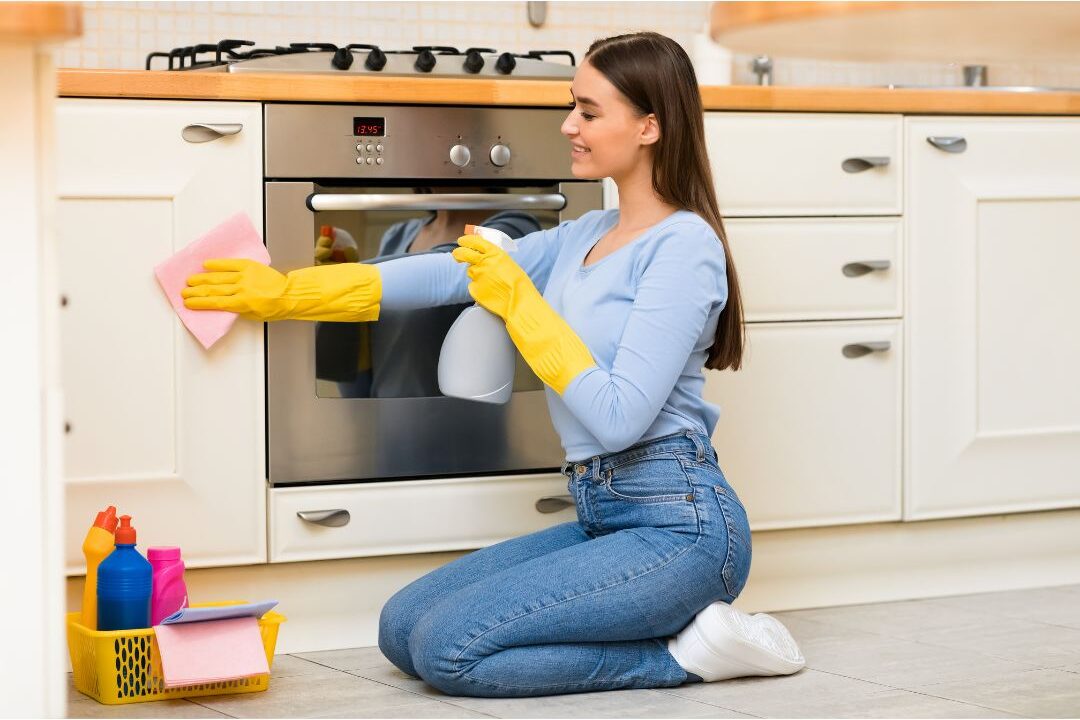
The fix: Colour code your cleaning cloths. One colour for the toilet only. One for the bathroom sink and surfaces. One for the kitchen.
Never cross-contaminate between zones. Wash all cloths after every use at a high enough temperature to actually kill bacteria rather than simply rinsing them and reusing.
2. Spraying Cleaner Directly Onto Surfaces and Wiping Immediately
Spraying a cleaning product directly onto a surface and wiping it immediately feels thorough and efficient. In practice it gives the active ingredients in the cleaner almost no time to work.
Most disinfectants require a specific contact time, often between thirty seconds and several minutes, to actually kill bacteria rather than simply moving it around.
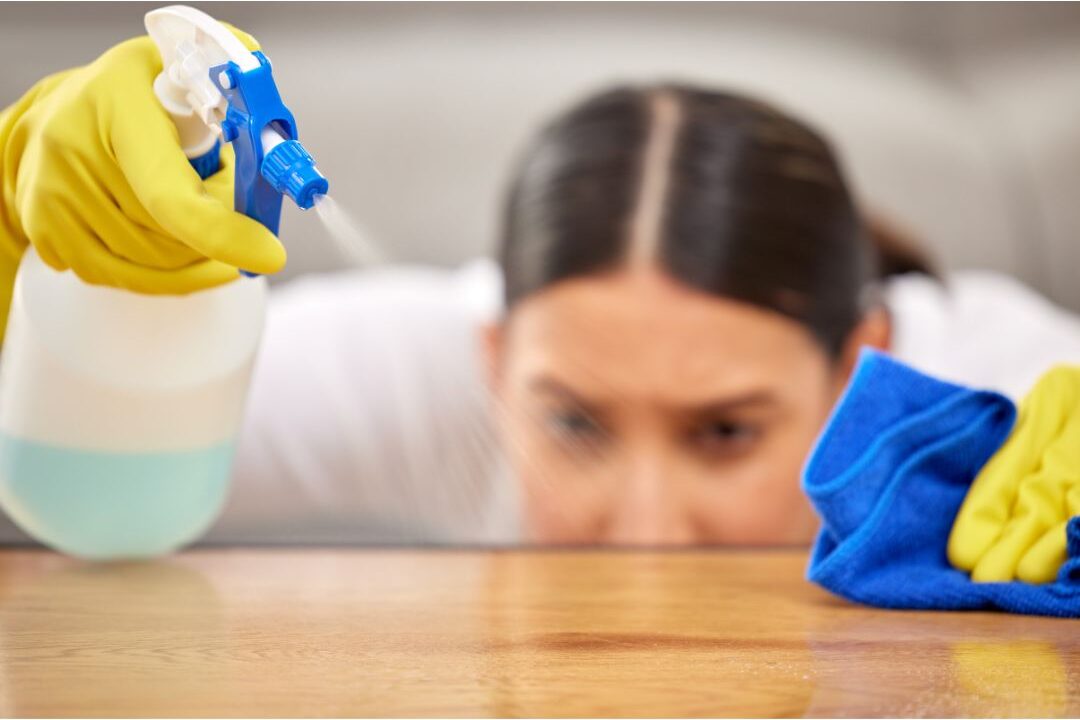
The fix: Read the label of your cleaning product and respect the recommended contact time. Spray, walk away, and come back to wipe after the required time has elapsed.
This single change makes your disinfectants dramatically more effective without any additional effort.
Using cleaning products incorrectly is one of the reasons homes still smell despite regular cleaning. Our post on Why Your Home Always Smells Bad—and How to Fix It Fast covers this.
3. Using Too Much Cleaning Product
More product does not equal more clean. This is one of the most persistent misconceptions in household cleaning.
Excess cleaning product leaves a residue on surfaces that actually attracts more dirt, dust, and grime faster than a properly cleaned surface would. It also requires additional rinsing to remove, which most people do not do.
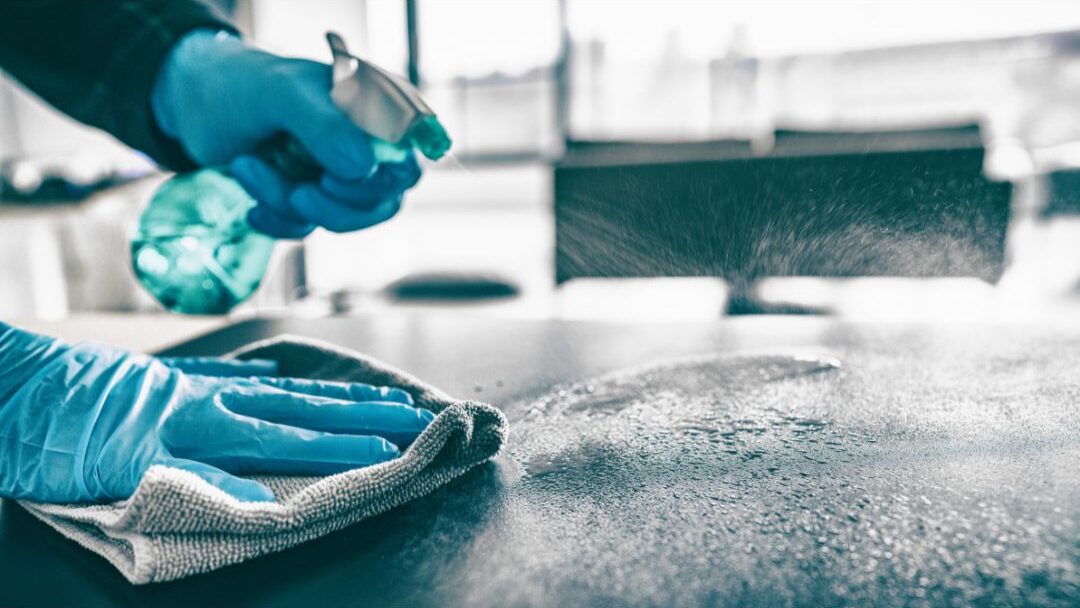
The fix: Use the recommended amount of product as stated on the label. For most everyday cleaning tasks, less product applied correctly outperforms more product applied carelessly. If surfaces feel sticky after cleaning, product residue is likely the cause.
4. Using a Dirty Mop on Your Floors
A dirty mop does not clean a floor. It redistributes whatever it is carrying across a larger surface area. A mop head that has not been washed between uses contains bacteria, dirt, and residue from the previous cleaning session.
Running it across your floors transfers all of that to every square metre of flooring it covers.
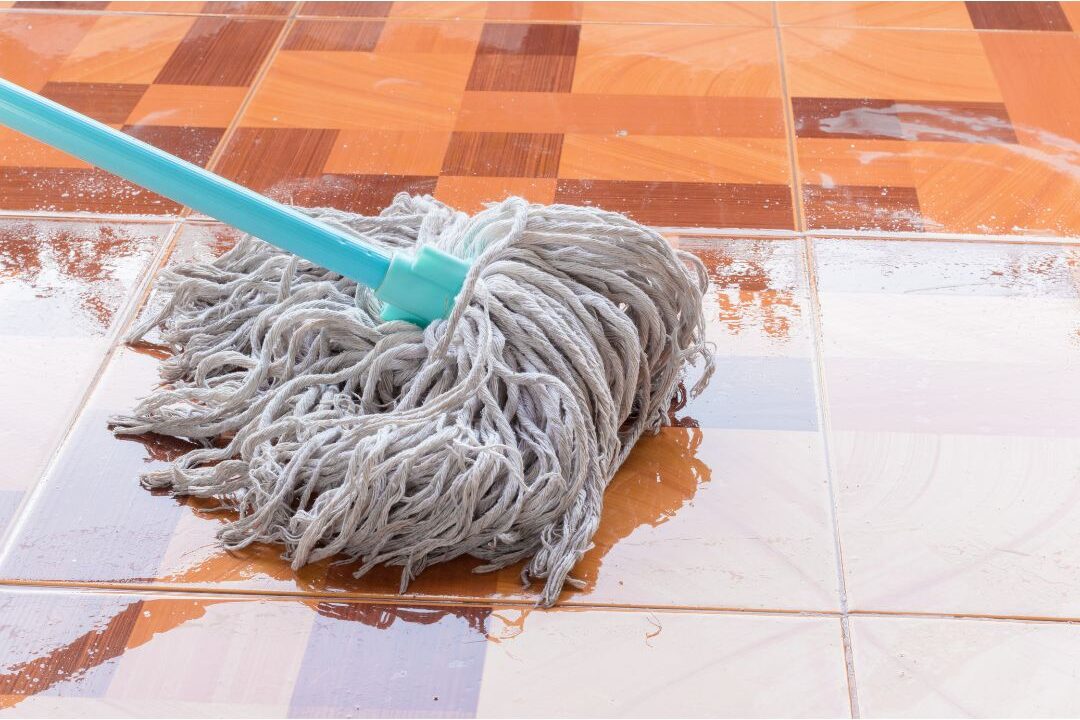
The fix: Wash mop heads after every use. If you use a bucket mop, change the water every time it becomes visibly dirty, which in most homes means at least once mid-clean.
Microfibre flat mops that use fresh pads for each room are significantly more hygienic than traditional bucket mops used throughout the whole home.
5. Cleaning With a Vacuum That Has a Full or Dirty Filter
A vacuum cleaner with a full bag, a blocked filter, or a dirty cyclone does not clean effectively. It loses suction, which means it picks up less dirt per pass.
More significantly, a dirty filter causes the vacuum to expel fine particles and allergens back into the air of your home rather than retaining them. You are vacuuming and simultaneously redistributing dust.
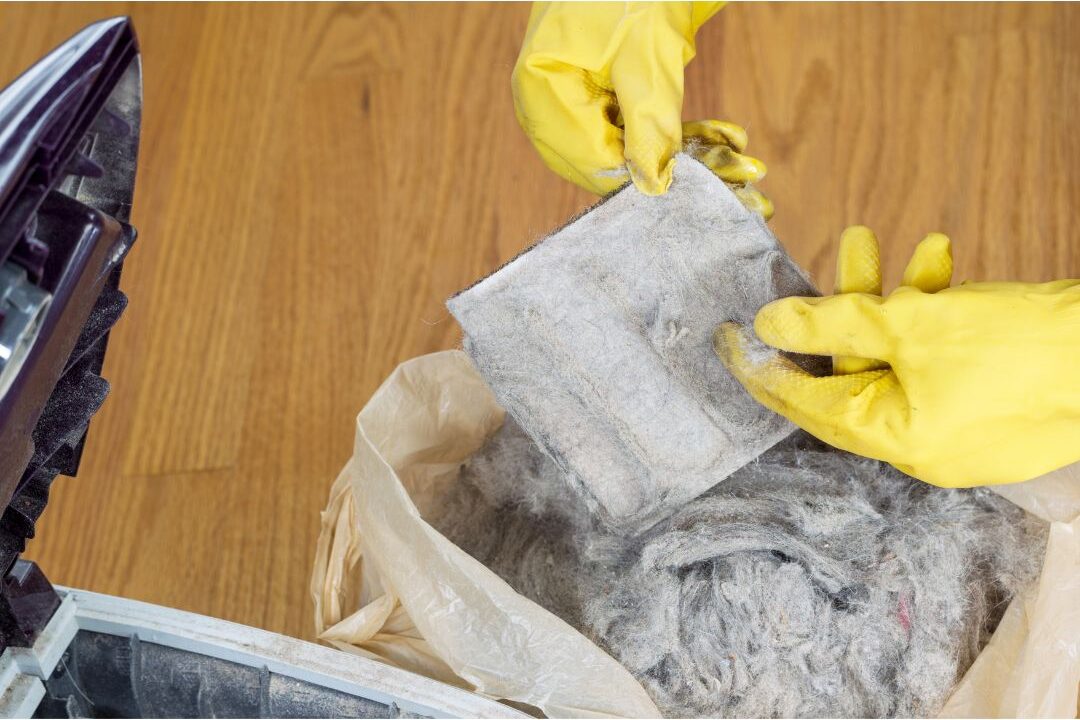
The fix: Empty bagless vacuums after every use. Replace bagged vacuum bags before they reach full capacity. Clean or replace filters according to the manufacturer’s recommendations.
Wash washable filters monthly and allow them to dry completely before reinserting. A well-maintained vacuum removes significantly more dirt per pass than a neglected one.
Maintaining your cleaning tools is part of the broader home maintenance system we explore in our post on 20 Home Systems That Practically Run Themselves.
Order and Sequence Errors
The order in which you clean matters enormously. Cleaning in the wrong sequence means that tasks you have already completed get undone by subsequent ones.
This is one of the most consistent reasons cleaning takes longer and produces a worse result than it should.
6. Vacuuming or Mopping Before Dusting
This is one of the most widespread cleaning sequence errors. You vacuum the floor, then you dust the shelves, and the dust you dislodge from the shelves settles on your freshly vacuumed floor.
You have either doubled your workload or left your floor dirtier than it was before you dusted.
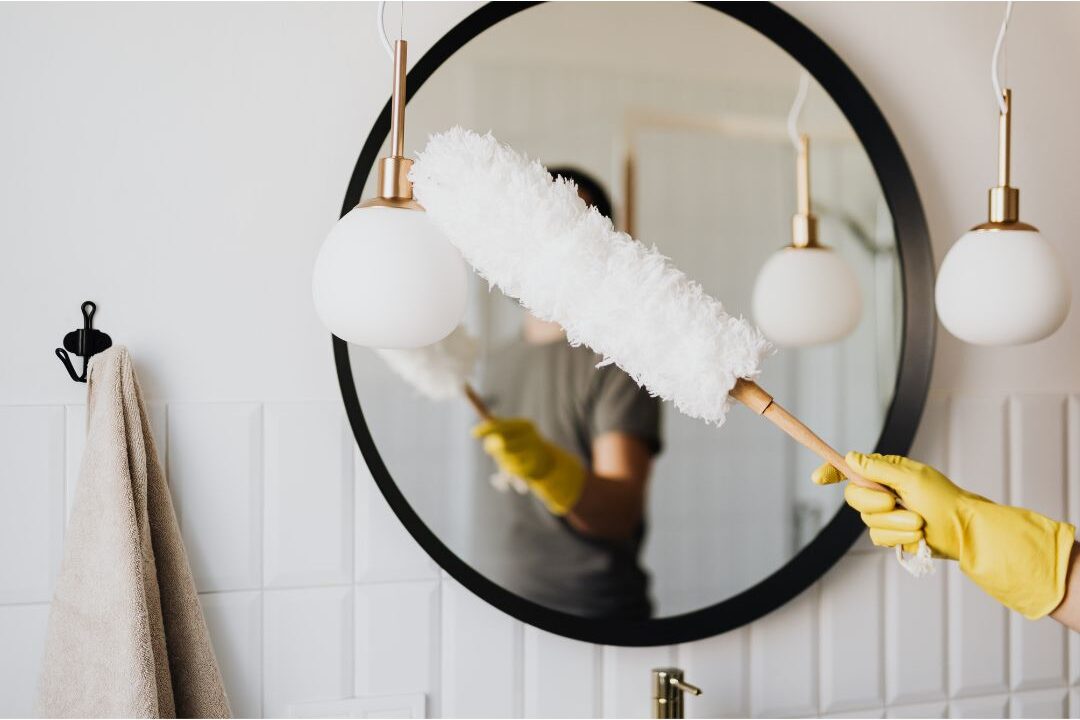
The fix: Always dust before you vacuum or mop. Work from the highest point in each room downward. Ceiling fans, then shelves, then furniture surfaces, then skirting boards.
Vacuum last so it collects everything that fell during the dusting process.
7. Cleaning From the Floor Upward
Related to the previous mistake but broader in application. Cleaning from the bottom of a room upward means that everything you clean later in the process drops dirt and debris onto surfaces you have already cleaned.
The floor, cleaned first, is recontaminated by everything done afterward.
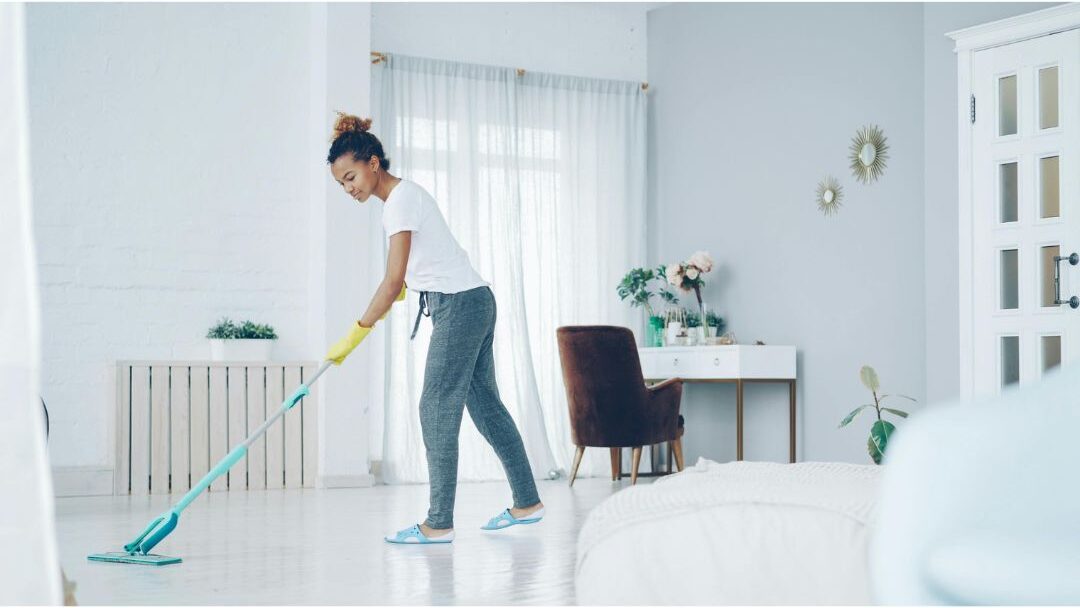
The fix: Always clean from top to bottom and from back to front within each room. Start at the highest point. Work downward consistently. Finish with the floor.
This sequence ensures that everything you clean is cleaned once rather than cleaned, recontaminated, and cleaned again.
8. Cleaning the Kitchen Worktop Before the Sink
The kitchen sink is one of the most bacteria-laden surfaces in most homes. It receives raw food residue, food packaging, dirty dishes, and direct contact from unwashed hands throughout the day.
Cleaning the worktop before the sink means that anything carried on your cloth or hands from the worktop to the sink and back during cleaning can recontaminate the surfaces you have just cleaned.
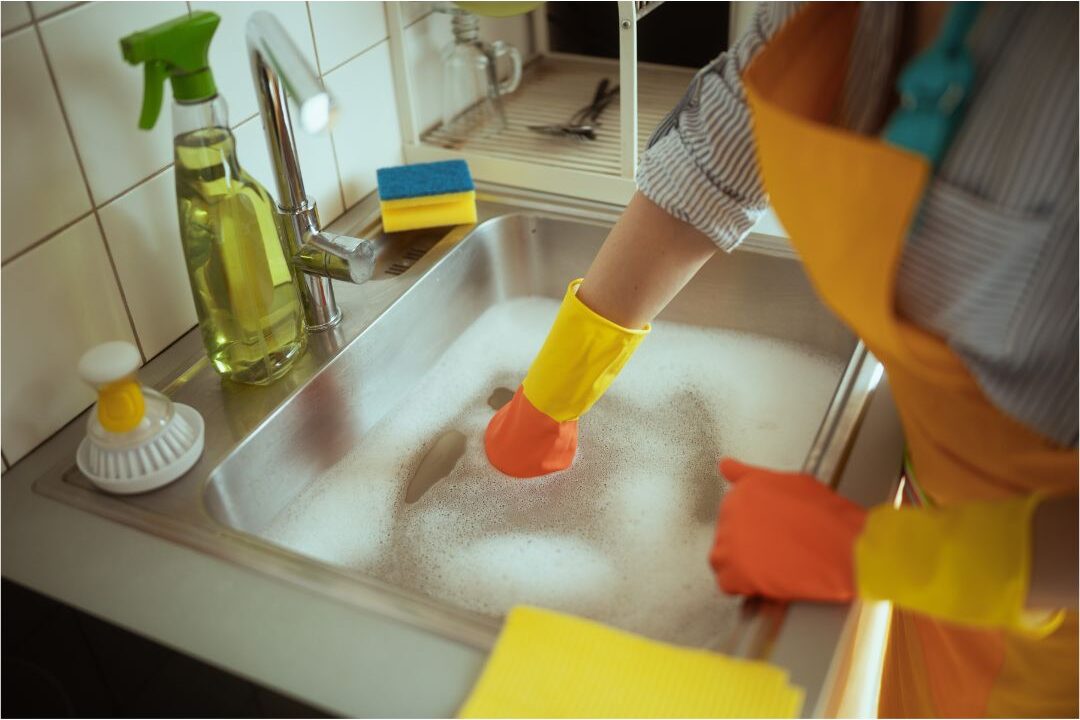
The fix: Clean from cleanest to dirtiest within each zone. In the kitchen, clean worktops first, then the sink last, using a fresh cloth or sponge specifically designated for the sink.
This prevents cross-contamination from the most bacteria-rich surface to the surfaces you have already cleaned.
Kitchen cleaning sequence errors are central to the problem we identify in The Real Reason Your Kitchen Never Stays Clean.
9. Making the Bed Before Airing It
Getting up and making the bed immediately traps the moisture and heat from sleep inside the bedding.
This creates a warm, damp environment that is ideal for dust mites, which are one of the most significant household allergen sources and contributors to bedroom odor and poor air quality.
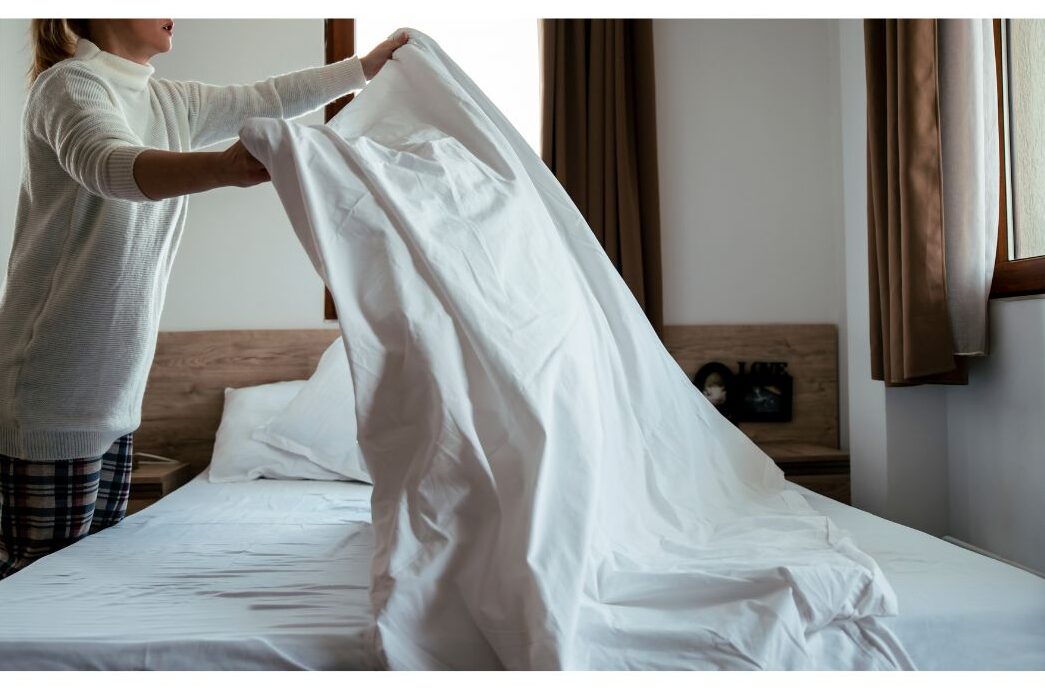
The fix: Pull the bedding back when you get up and leave the bed open to air for at least twenty minutes before making it.
Open the bedroom window during this time to allow moisture to escape. This simple habit significantly reduces dust mite populations and keeps your bedding genuinely fresher between washes.
10. Washing Dishes in Cold or Lukewarm Water
Cold or lukewarm water does not effectively remove grease or kill bacteria on dishes. Grease requires heat to emulsify and lift from surfaces. Bacteria require sufficient heat to be killed rather than simply moved.
Washing up in cool water essentially redistributes grease and bacteria around the surface of the dish while giving the impression of cleaning.
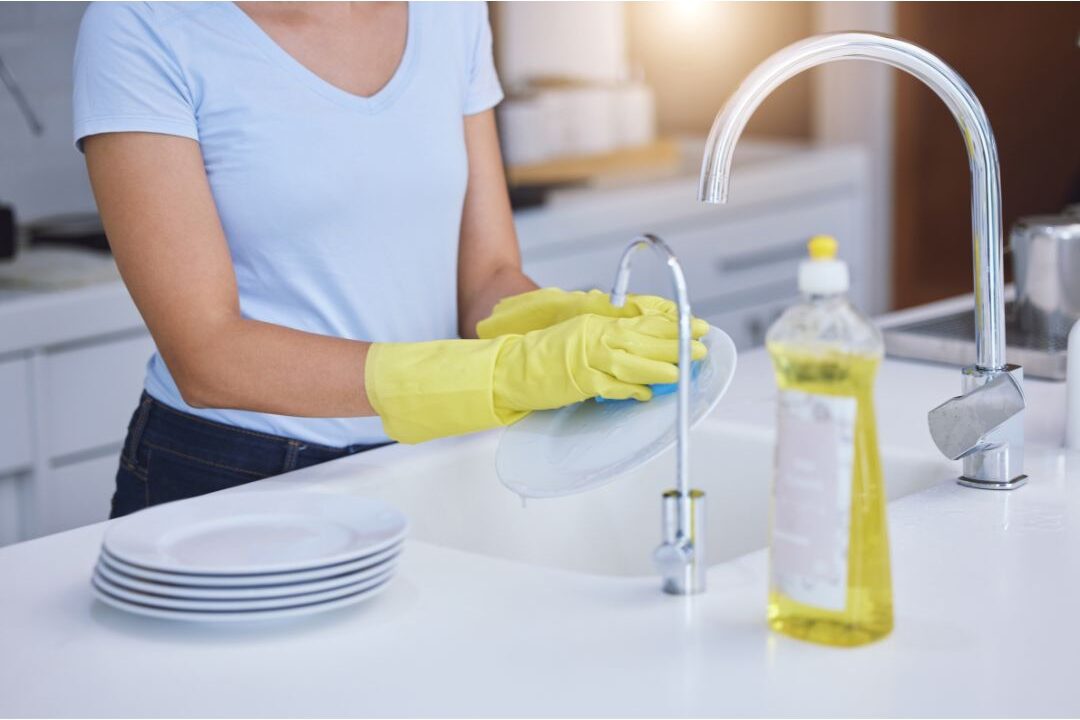
The fix: Wash dishes in the hottest water your hands can comfortably tolerate. Change the water when it cools or becomes greasy rather than continuing to wash in compromised water.
If using a dishwasher, ensure you are selecting the correct cycle for the level of soiling on the dishes.
Improperly washed dishes contribute to kitchen odors. Our post on Why Your Home Always Smells Bad—and How to Fix It Fast covers this connection.
Surface-Specific Errors
Different surfaces have different cleaning requirements. Using a one-size-fits-all approach to every surface in your home produces consistently mediocre results and in some cases actively damages the surface you are trying to clean.
11. Using Furniture Polish on Everything Wooden
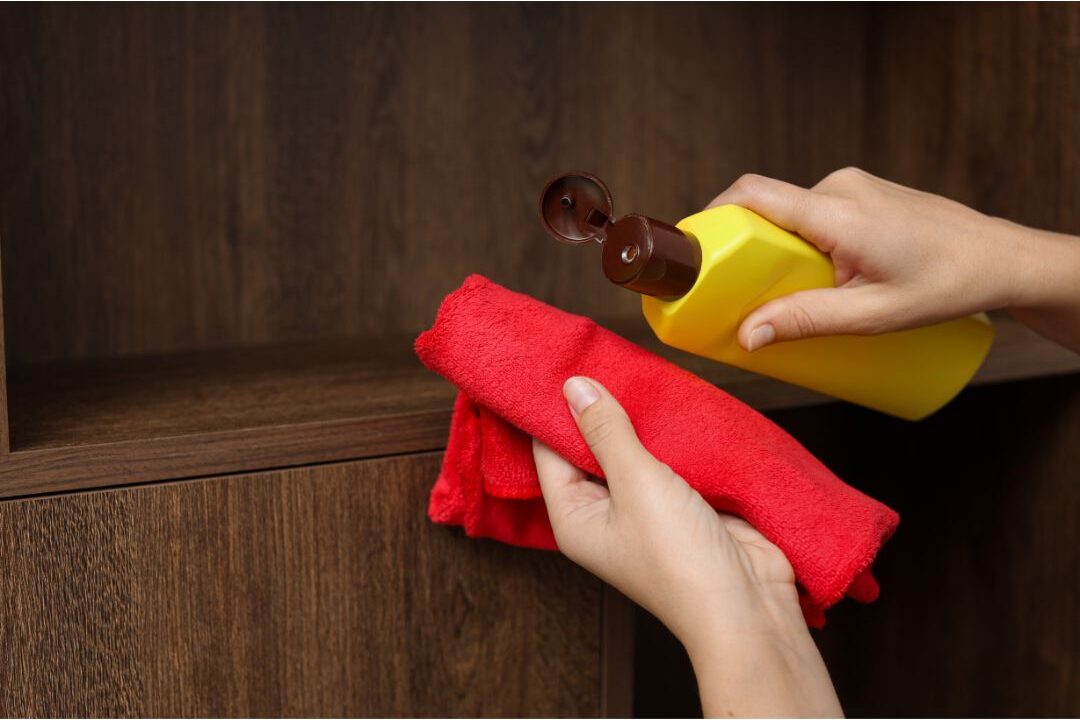
Furniture polish, particularly spray polish, creates a buildup on wood surfaces over time. The silicone in many polishes attracts dust and eventually creates a dull, sticky film that requires more aggressive treatment to remove.
Using it too frequently or on all wooden surfaces regardless of their finish produces a progressively worse result with each application.
The fix: Use furniture polish sparingly and only on surfaces where it is appropriate for the finish.
For most everyday dusting of wooden furniture, a slightly damp microfibre cloth followed by a dry one is more effective and leaves no residue.
12. Scrubbing Carpet Stains
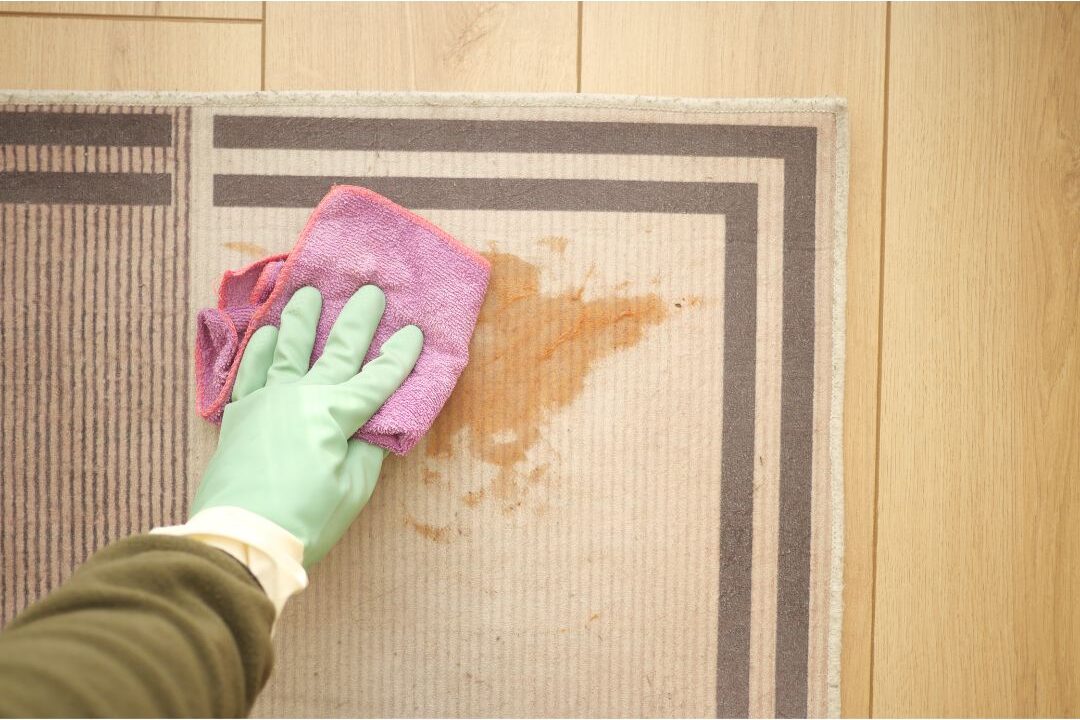
The instinct when a stain lands on carpet is to scrub it vigorously. This feels effective but actually drives the stain deeper into the carpet fibres and spreads it outward, creating a larger affected area than the original spill.
Scrubbing also damages carpet fibres, creating a roughened patch that collects future dirt more readily than the surrounding undamaged carpet.
The fix: Blot stains immediately with a clean, absorbent cloth. Work from the outside of the stain inward to prevent spreading.
Apply stain remover, allow the recommended contact time, and blot again. Never scrub. Patience and correct technique produce dramatically better results than vigorous scrubbing.
13. Using Bleach on Everything as a Default Disinfectant
Bleach is a powerful disinfectant but it is not appropriate for all surfaces and it does not clean in the sense of removing dirt and grime. It disinfects.
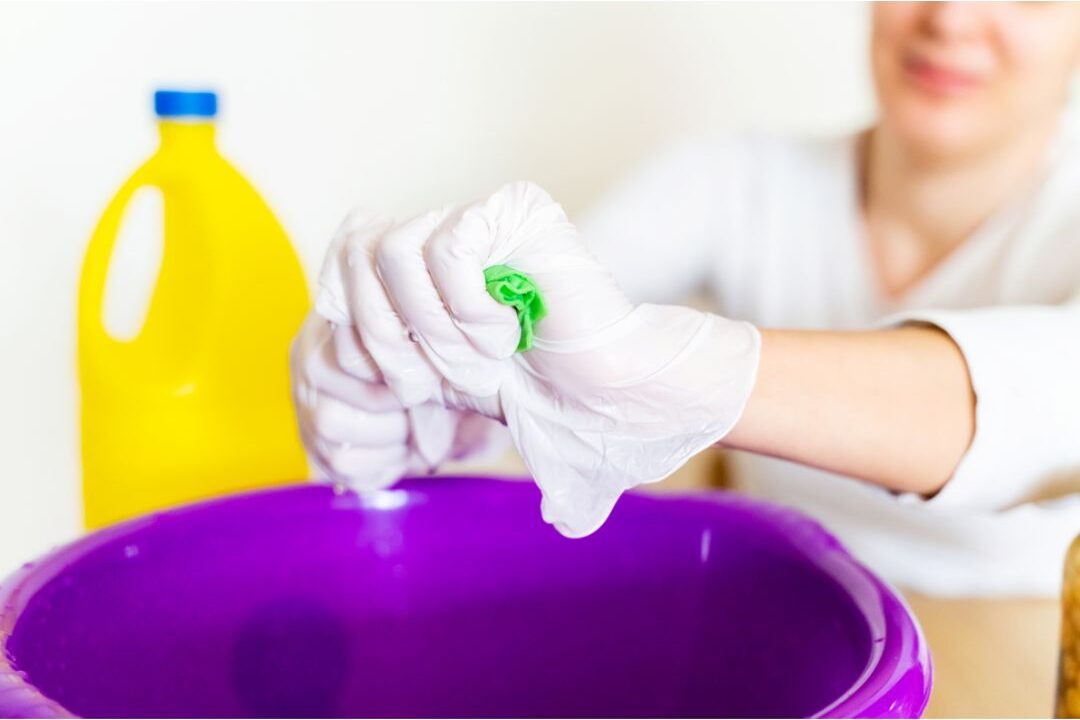
On a dirty surface, bleach cannot reach and kill bacteria effectively because the dirt itself blocks its contact with the surface. Bleach also degrades certain surfaces over time and produces harmful fumes when mixed accidentally with other cleaning products.
The fix: Clean before you disinfect. Remove dirt and grease with a general cleaner first. Apply disinfectant to the clean surface afterward and allow the correct contact time.
Reserve bleach for the surfaces where it is appropriate and safe, primarily toilets and drains, and use targeted products for other surfaces.
The surfaces guests notice most are the ones where these mistakes are most visible. Our post on Why Guests Notice These 15 Things Before Anything Else is directly relevant.
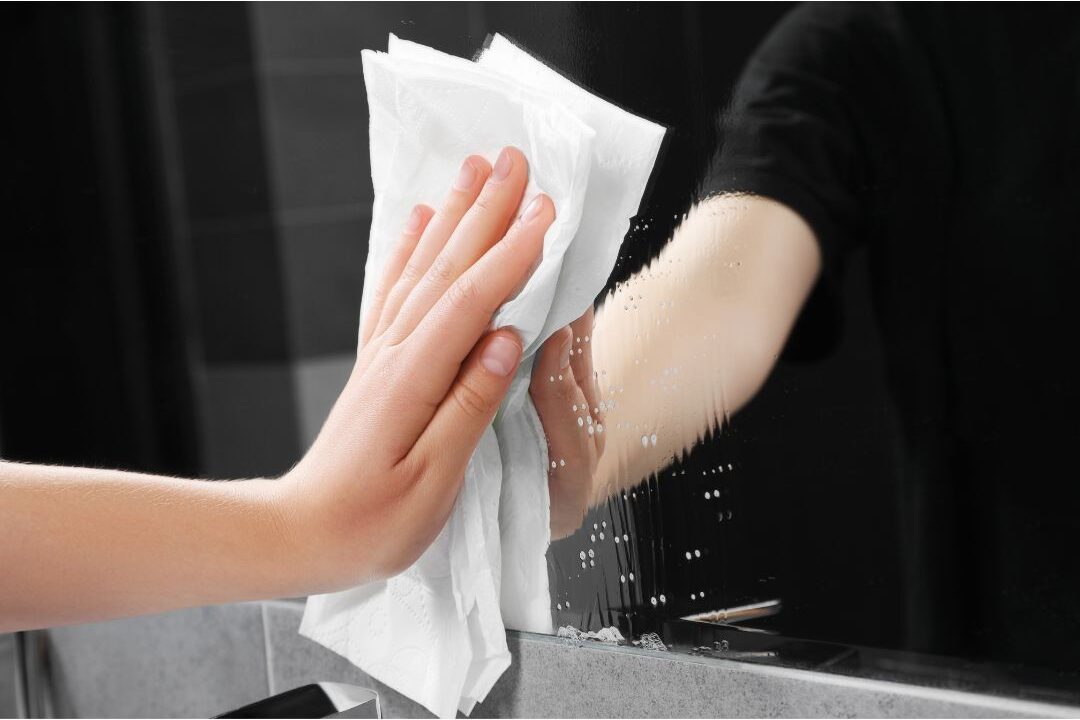
14. Cleaning Glass and Mirrors With Paper Towels
Paper towels leave lint and streaks on glass and mirror surfaces. The result is a surface that looked dirty before cleaning and looks smeared and cloudy after it.
This is one of the most consistently frustrating cleaning experiences for most people because the effort is real but the result is worse than they expected.
The fix: Use microfibre cloths specifically designated for glass and mirrors. Clean in a circular motion rather than streaks. A solution of water and white vinegar in a spray bottle produces streak-free results consistently.
If streaking persists, the cause is usually product residue from previous cleaning sessions, which requires a fresh cloth and additional passes to remove.
15. Using Abrasive Cleaners on Non-Abrasive Surfaces
Abrasive cleaning products, including powders, scouring pads, and rough-textured cloths, scratch surfaces that are not designed for abrasive treatment.
These scratches are microscopic initially but accumulate over time, creating roughened surfaces that harbor bacteria and become progressively harder to clean effectively. This is particularly common on sinks, baths, hob surfaces, and certain worktop materials.
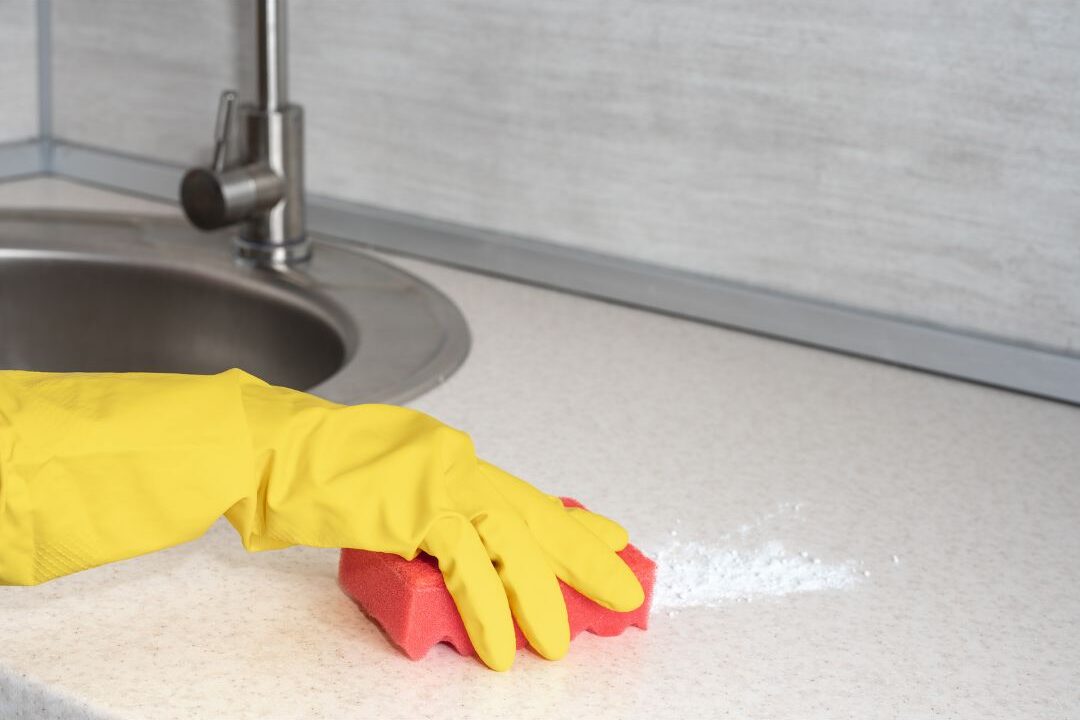
The fix: Match the abrasiveness of your cleaning tool to the durability of the surface. Delicate surfaces require soft cloths and non-abrasive products.
Tougher surfaces can handle more abrasive treatment. When in doubt, start with the gentlest option and only increase abrasiveness if necessary.
Well-maintained surfaces contribute to the calm, organized feeling we explore in How to Create a Calm Home Environment.
Habit and Frequency Errors
Some of the most damaging cleaning mistakes are not about technique at all. They are about frequency, timing, and the habits surrounding the cleaning process itself.
16. Only Cleaning When Things Look Dirty
Waiting until surfaces look dirty before cleaning them means that bacteria and grime have already built up to a significant level before you address them.
Many bacteria, including the most harmful ones found in kitchens and bathrooms, are not visible to the naked eye. By the time a surface looks dirty, it has been unhygienic for some time.
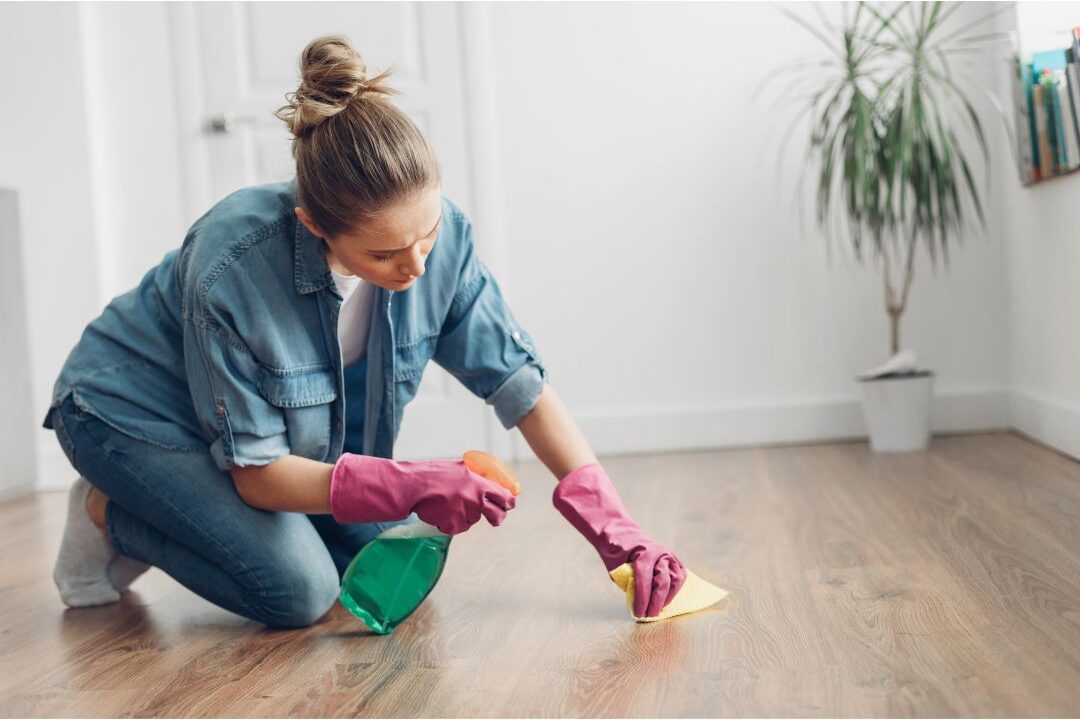
The fix: Clean high-contact surfaces, kitchen worktops, door handles, light switches, bathroom taps, on a scheduled basis rather than a reactive one.
These surfaces should be cleaned regularly regardless of whether they appear dirty. A schedule removes the visual assessment from the process entirely.
Moving from reactive to scheduled cleaning is the principle behind the home reset habit we explore in The Home Reset Trick That Changed My Entire Week.
17. Neglecting High-Touch Surfaces
Door handles, light switches, remote controls, tap handles, drawer pulls, and stair rails are touched dozens or hundreds of times per day by everyone in the household. They are rarely cleaned specifically.
Most cleaning routines focus on visible horizontal surfaces and largely ignore the vertical and small surfaces that receive the most hand contact and therefore the most bacteria transfer.
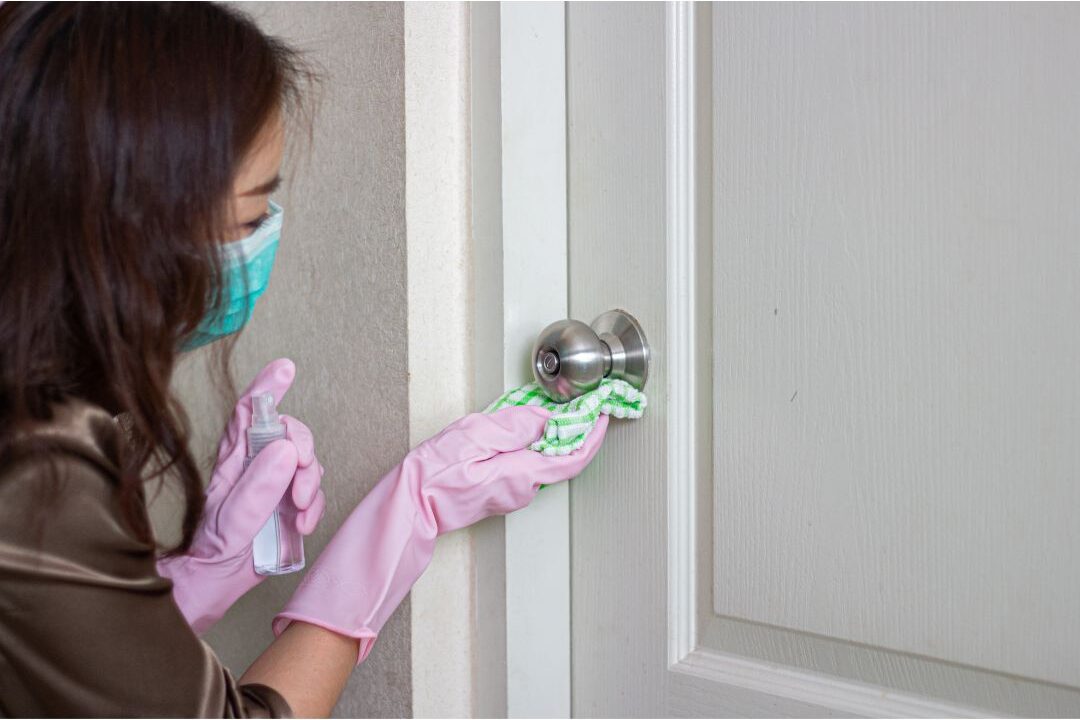
The fix: Add high-touch surface disinfection to your weekly cleaning schedule as a separate, dedicated task.
A disinfectant wipe or spray and cloth applied to every high-touch surface in the home takes approximately ten minutes and addresses one of the most significant hygiene gaps in most cleaning routines.
18. Forgetting to Clean Your Cleaning Equipment
This connects to several earlier points but deserves its own space on the list. Cleaning brushes, sponges, scrubbing pads, cloths, mop heads, and vacuum attachments are all surfaces that accumulate bacteria, mould, and residue over time.
Using contaminated cleaning equipment to clean your home is counterproductive regardless of how thorough the technique is.
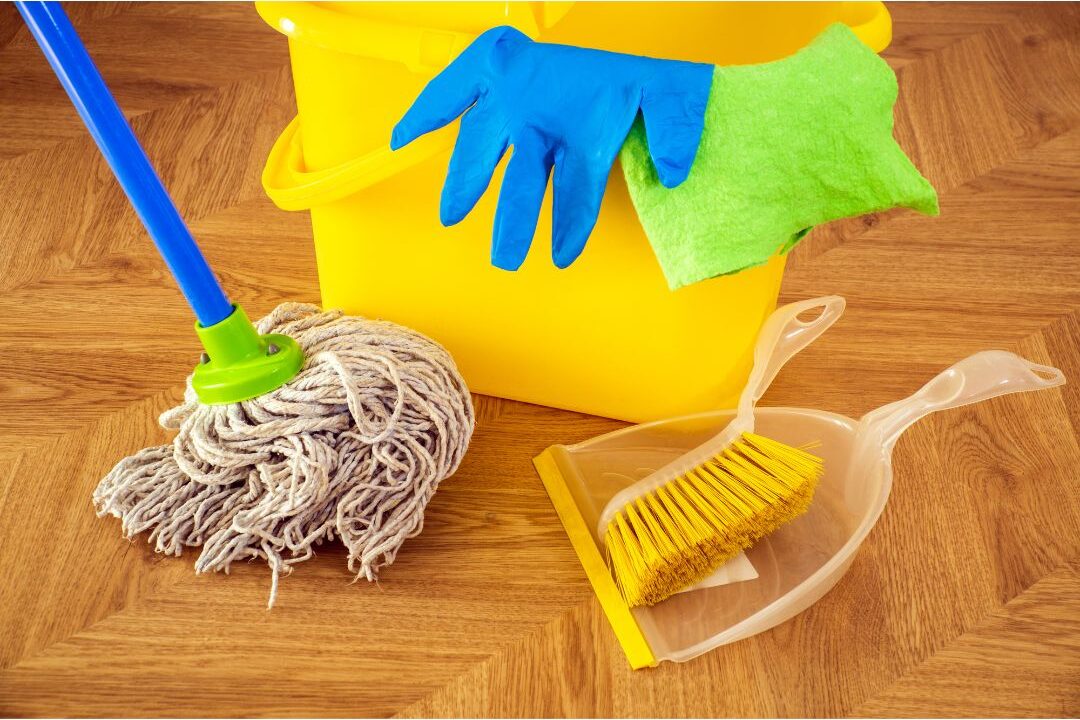
The fix: Clean your cleaning equipment as consistently as you clean your home. Wash cloths and mop heads after every use. Replace sponges weekly.
Clean vacuum attachments monthly. Sanitize toilet brushes after every use. Your cleaning tools are only effective when they themselves are clean.
Cleaning your cleaning equipment consistently is one of the habits covered in I Stopped Doing These 12 Things—My Home Has Never Been Cleaner.
19. Rushing Through the Cleaning Process
Speed and effectiveness are in tension in household cleaning in ways that are easy to underestimate. Rushing through a cleaning session means products do not have adequate contact time, areas are missed, and the overall standard drops significantly.
The time invested may be the same but the result is substantially worse than a slower, more methodical approach.
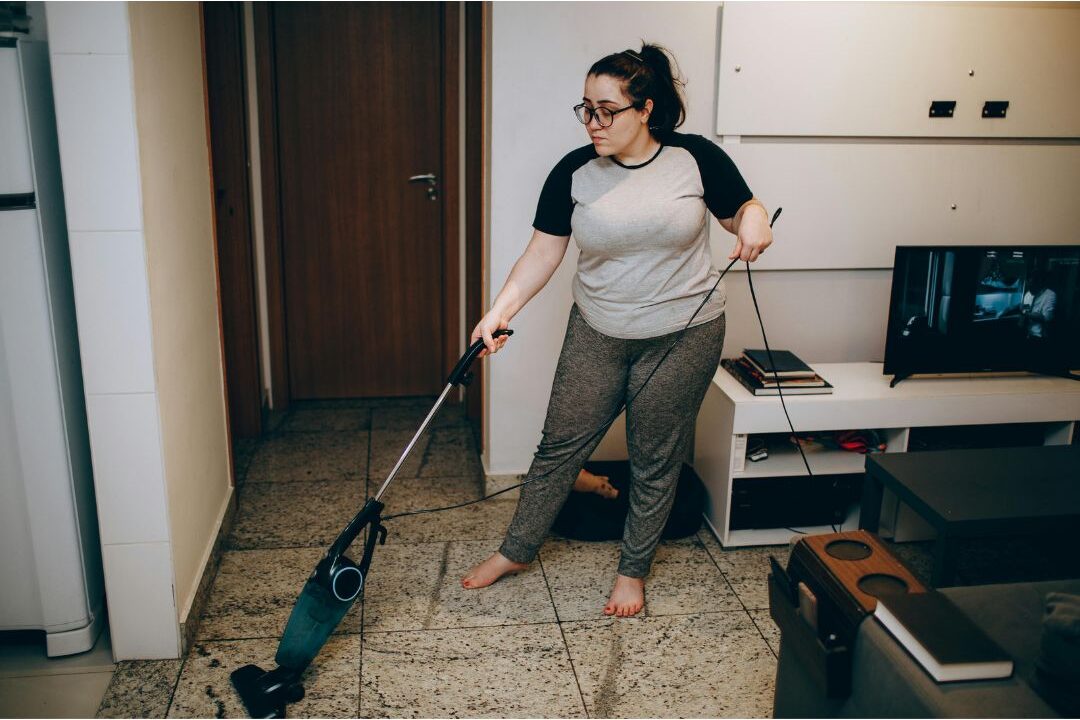
The fix: Clean less frequently if necessary but clean methodically when you do. A thorough clean once produces better results and lasts longer than three rushed cleans that leave significant gaps.
If time is consistently limited, focus on the highest-priority surfaces and complete them properly rather than touching everything briefly.
Managing your cleaning time effectively connects to the broader time management strategies in How to Get More Done at Home Before Noon.
20. Not Ventilating After Cleaning
Cleaning products release fumes and moisture into the air of your home during use.
Without ventilation, these fumes linger, the moisture contributes to humidity that promotes mould growth, and the air quality of your home is temporarily compromised by the very process designed to improve it.
The fix: Open windows before you start cleaning and keep them open until well after you finish. Run extractor fans in kitchens and bathrooms during cleaning.
Allow cleaned surfaces to air dry where possible rather than trapping moisture under objects placed back immediately after wiping. Fresh air is one of the most effective finishing steps in any cleaning routine.
Building a Cleaning Routine That Actually Works
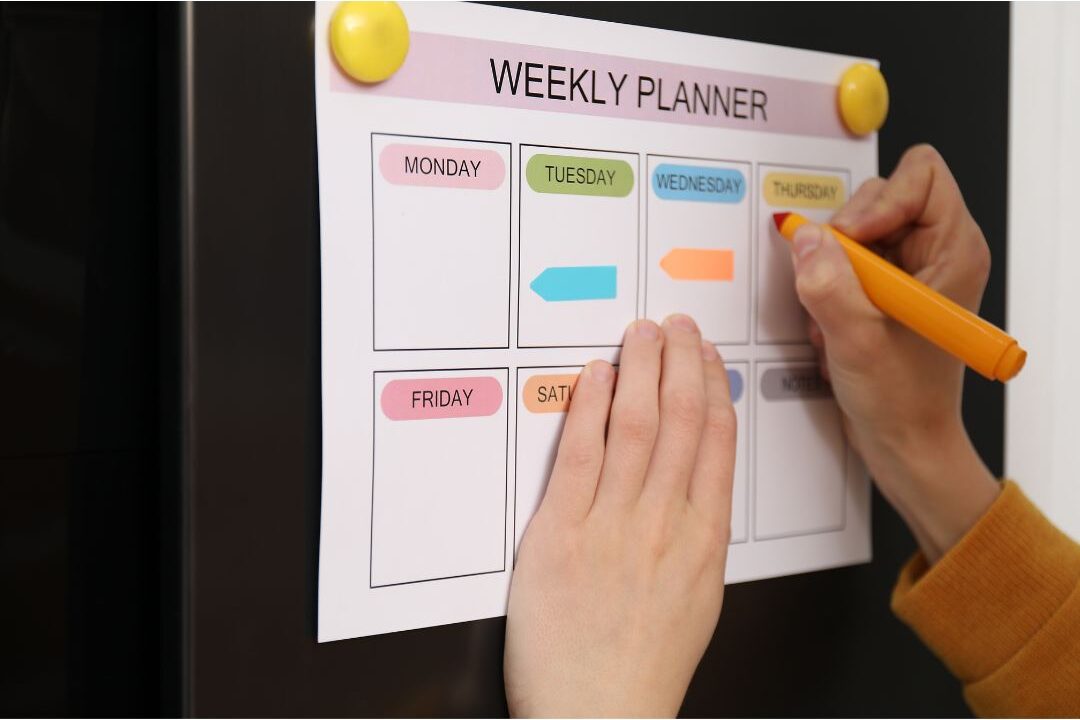
Correcting these mistakes is valuable in isolation. Building them into a consistent cleaning routine that prevents them from creeping back is what produces lasting results.
A cleaning routine built on correct method, correct sequence, correct products, and appropriate frequency outperforms any amount of effort applied through incorrect habits.
Start by identifying which of these twenty mistakes you are currently making. Most people recognize four or five immediately. Address those first. Then work through the rest gradually as your corrected habits become established.
Building a consistent weekly cleaning routine is at the heart of what we explore in This One Weekly Habit Eliminated So Much Stress.
Incorrect cleaning that leaves your home feeling persistently unclean is one of the reasons we identify in If Your Home Never Feels Peaceful, These 15 Things Might Be Why.
CONCLUSION
These cleaning mistakes that make your house dirtier are not a reflection of how hard you work or how much you care about your home. They are simply the result of habits formed without complete information. Now you have the complete information.
Go back through the list and pick the three mistakes you are most consistently making. Correct those this week. Notice the difference in both the result and the efficiency of your cleaning session. Then return for the next three.
A cleaner home is not the result of more effort applied to the wrong methods. It is the result of the right methods applied consistently and correctly. That is entirely within your reach starting from your next cleaning session.
You May Also Like:






3 Comments