

How to Work From Home Without Feeling Like You’re Working All Day
Disclosure: Some of the links in this post are affiliate links. This means if you click on the link and purchase an item, I will receive an affiliate commission at no extra cost to you.
Transitioning into a remote professional role offers incredible personal autonomy, eliminating lengthy commutes and rigid office environments.
However, managing your career from your living room often creates a quiet boundary crisis across your daily schedule.
When your desk sits steps away from your bed, professional duties can easily bleed into your evening hours.
You might find yourself checking work emails at dinner, answering late messages, and feeling mentally tied to your laptop.
This constant mental connection turns your peaceful sanctuary into an endless, exhausting workspace.
Learning how to work from home without feeling like you’re working all day is essential for long-term emotional wellbeing.
Establishing gentle boundaries restores a healthy separation between your professional responsibilities and your personal family life.
You do not need to work longer hours to prove your professional value or maintain career momentum.
Implementing structured daily habits allows you to complete your assignments efficiently while keeping your free time truly restful.
Here are the most effective strategies to protect your energy, close your workday with confidence, and enjoy your home again.

Establish a Firm Shut-Down Ritual Every Afternoon
Leaving your computer powered on all evening invites continuous work stress and tempts you to check incoming emails.
Without a definitive ending signal, your brain remains stuck in professional active mode throughout your evening hours.
Creating a intentional shutdown ritual communicates a clear message to your nervous system that work is finished.
Spend the final ten minutes of your workday organizing your desktop, logging completed tasks, and reviewing tomorrow’s priorities.
Close all work applications, shut down your computer completely, and tidy your immediate desk space before walking away.
Turning off your office task light provides a physical visual cue that your shift has officially end
This simple physical routine closes open mental loops, preventing lingering career anxiety during your family time.
You will notice an immediate shift in your ability to relax once your workstation is officially closed.
Treating your end-of-day shutdown as a non-negotiable boundary protects your evenings from unexpected work invasion.

Fixing common remote workflow traps helps you complete tasks faster so you can log off on time. Read about 10 Mistakes That Are Killing Your Productivity at Home.
Separate Your Physical Workspace from Your Relaxation Zones
Working from your bedroom, sofa, or dining table ruins the comforting psychological safety of those domestic rest spaces.
When you answer business calls from your couch, your brain begins associating that space with professional stress.
As a result, relaxing in your living room later in the evening becomes surprisingly difficult for you.
Designating one specific area for professional tasks keeps work energy strictly contained to a single zone.
If you lack space for a full home office, set up a small folding desk in a quiet corner.
Equip this area with supportive seating, proper lighting, and dedicated storage boxes for your project files.
Keep your work materials, chargers, and notebooks restricted exclusively to this dedicated workspace throughout the day.
When your workday ends, step away from that desk completely and avoid returning until the next morning.
Keeping your sofa, bed, and dining table free from work tools preserves their ability to bring true rest.
Discovering how to work from home without feeling like you’re working all day starts by honoring your home’s physical spaces.
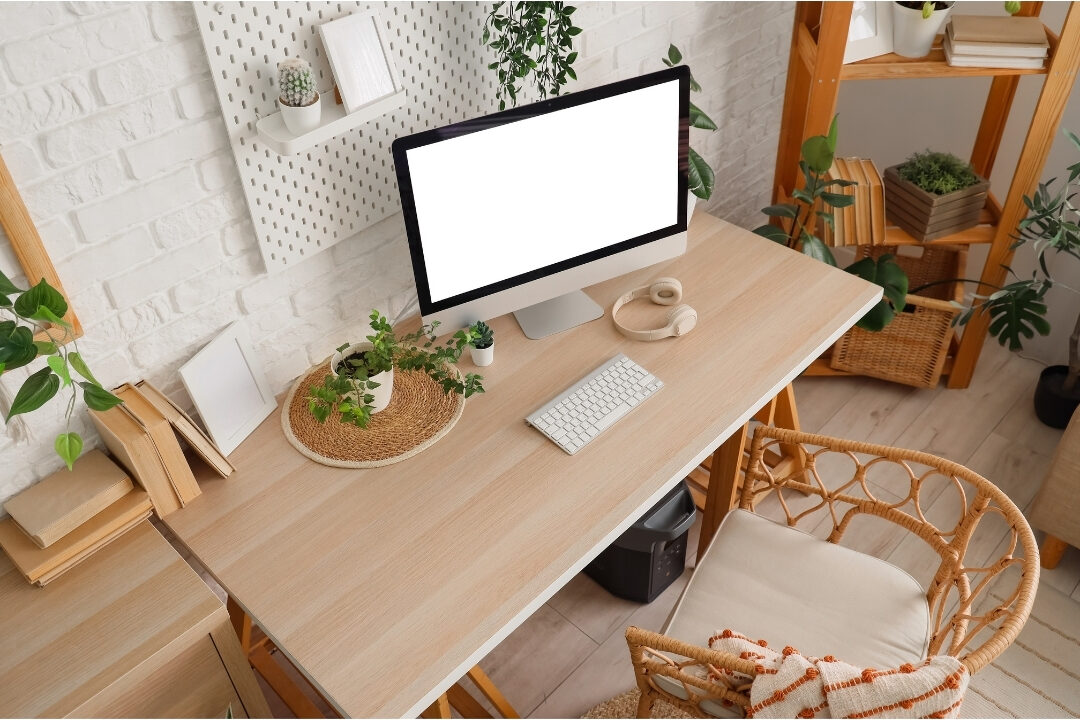
Establishing clear domestic boundaries protects your home environment from daily friction and work clutter. Discover Simple Household Rules That Eliminate Daily Stress.
Elevating your physical home setup creates a peaceful sanctuary that supports deep rest after work hours. Read about 25 Tiny Changes That Made My Home Feel 10x More Luxurious.
Implement Focused Micro-Work Windows for High-Priority Tasks
Staring at open project documents for hours without a structured plan leads to fatigue, distraction, and low productivity.
When work stretches out endlessly, simple tasks consume your entire day, leaving you feeling exhausted and dissatisfied.
Structuring your workday into focused micro-work windows allows you to accomplish meaningful progress in less time.
Dedicate ninety minutes of intense focus to your hardest strategic task before switching to easier administrative chores.
Work with singular concentration during these dedicated focus blocks, ignoring social media notifications and non-urgent messages.
Using visual timers on your desk helps maintain strong focus while preventing mind wandering.
Once your focus window closes, give yourself permission to step away for a refreshing mental break.
Working in structured bursts keeps your brain sharp and prevents the sluggish drag of continuous screen monitoring.
You will accomplish your primary goals much faster, freeing up substantial energy for your personal afternoon routines.

Building structured morning focus windows establishes amazing daily momentum for home professionals. Discover Things Successful Remote Moms Do Before 9 A.M.
Stop Answering Non-Urgent Messages Outside Business Hours
Responding to work notifications during dinner or while relaxing in bed teaches colleagues that you are always available.
This habit creates a self-imposed expectation to monitor your inbox constantly, even on weekends and holidays.
Continuous digital connectivity keeps your stress hormones elevated, making peaceful rest nearly impossible to achieve.
Establish explicit personal rules regarding digital availability, turning off work chat notifications when your shift ends.
Remove professional email accounts from your personal smartphone or hide their app icons during off-hours.
If an urgent situation arises, trust that true emergencies will be communicated through direct phone calls.
Setting clear status messages on your communication apps lets team members know when you will return tomorrow.
Most emails and project messages can wait safely until the next business morning without negative consequences.
Setting digital boundaries allows you to engage fully with your family without constant professional interruptions.

Silencing non-essential phone alerts dramatically lowers baseline daily anxiety while protecting focus. Discover 17 Habits That Are Secretly Keeping You Stressed Every Day.
Creating psychological space between your job and personal life is key to long-term career happiness. Read How to Separate Work Life From Home Life.
Step Away from Your Desk Entirely During Lunch Breaks
Eating lunch while staring at work emails or typing reports deprives your brain of essential mid-day recovery time.
Combining meal breaks with work tasks leaves you feeling as though you have worked continuously without any rest.
Your mind requires periodic breaks from screen light and cognitive effort to maintain baseline focus for the afternoon.
Commit to stepping away from your desk completely during your designated meal hours every afternoon.
Eat your lunch at the kitchen table, sit on your outdoor patio, or take a peaceful walk outside.
In addition, taking five deep breaths before eating helps shift your nervous system into a relaxed digestive state.
Use this time to savor your food, listen to uplifting music, or chat briefly with a family member.
Giving yourself permission to pause completely restores your energy, clearing away accumulated morning fatigue.
You will return to your desk for afternoon assignments feeling refreshed, focused, and ready to complete tasks.

Choosing restorative mid-day breaks prevents energy crashes and keeps your mood elevated daily. Discover The Self-Care Mistakes That Leave You Feeling Even More Exhausted.
Transition Your Mindset with an Evening Fake-Commute Walk
One underappreciated benefit of traditional office jobs was the physical commute that separated professional life from home life.
Driving home or riding transit provided a natural buffer period to process work events and reset mentally.
When working remotely, that transition period disappears completely, leaving you instantly bridging office work and domestic life.
Creating a simple fake-commute walk at the end of your shift restores that essential psychological bridge.
Spend fifteen minutes walking around your neighborhood or stepping into your garden immediately after closing your computer.
Focus on observing natural surroundings, feeling fresh air, and releasing the tension gathered during your work hours.
Use this transition time to reflect on your day, process any remaining work stress, and shift your mindset.
When you return to your front door, you enter your home feeling present, calm, and detached from work.
This simple daily habit helps you master how to work from home without feeling like you’re working all day.

Embracing evening recovery walks helps you honor your body’s need for daily rest without self-judgment. Read How to Stop Feeling Guilty About Rest.
Create a Warm Evening Sensory Reset in Your Home
Changing the sensory environment inside your home signals a powerful shift from active work time to cozy relaxation.
During the workday, bright task lights and intense laptop screens keep your nervous system in an alert state.
Leaving bright overhead lights on through the evening prevents your brain from unwinding effectively after work hours.
Initiating a sensory reset right after your shutdown ritual transforms the emotional atmosphere of your entire living space.
Turn off harsh overhead bulbs and switch on soft warm table lamps or light scented candles in your living room.
Play gentle instrumental music, change out of structured work clothes into cozy loungewear, and diffuse calming essential oils.
These subtle environmental shifts immediately signal to your body that professional duties are over for the day.
Creating cozy atmospheric changes helps soothe your mind, allowing you to transition into relaxing evening activities effortlessly.
Your living room instantly feels like a peaceful sanctuary rather than an extension of your daytime office desk.

Transforming your living space with cozy lighting and textiles makes evening relaxation truly inviting. Discover 40 Cozy Home Ideas You’ll Want to Copy.
Batch Domestic Household Chores Outside of Focused Work Hours
Trying to run laundry loads, unload dishwashers, and vacuum floors while managing work projects creates constant mental distraction.
Switching between domestic management duties and professional assignments degrades your attention across both areas.
You end your day feeling as though you worked constantly on chores without making progress on career goals.
Batch your household chores into specific, designated time slots outside of your continuous focus blocks.
Complete quick domestic routines early in the morning before logging on, or during planned afternoon breaks.
Restricting chores to specific windows prevents domestic needs from intruding upon your professional focus.
When sitting at your work desk, concentrate exclusively on professional goals without feeling guilty about unwashed dishes.
Keeping domestic care separated from professional labor ensures that both areas receive organized, effective management.
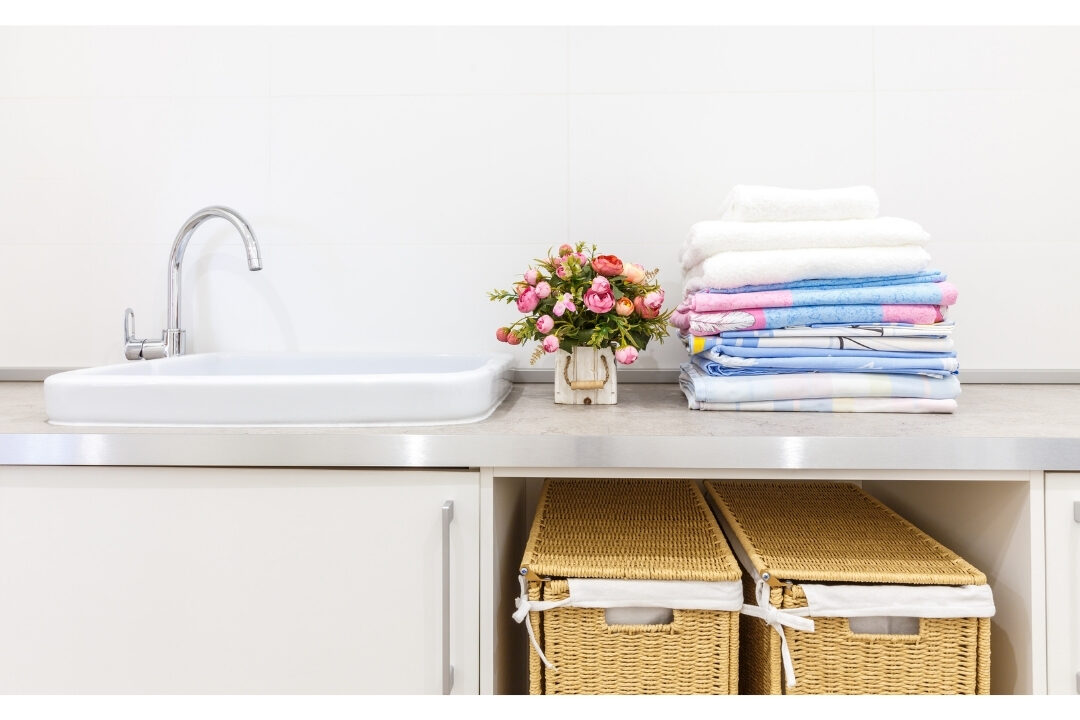
Organizing domestic routines in advance prevents home chores from overflowing into work hours. Read How to Get More Done Before Breakfast.
Balancing domestic work with professional goals protects your physical energy and prevents chronic exhaustion. Read 10 Warning Signs You’re Headed for Mom Burnout.
Set Explicit Availability Expectations with Remote Colleagues
Vague team communication regarding working hours often forces remote employees to remain online constantly out of fear.
If your team does not know when you log off, they may expect instant replies to late evening inquiries.
Establishing clear availability expectations with your manager and coworkers eliminates uncertainty and protects your personal schedule.
Post your daily working hours clearly in your company calendar, team chat status, and email signature block.
Inform team members when you enter deep focus blocks or step away for planned rest breaks.
Consistently logging off at your stated time teaches colleagues to respect your working boundaries over time.
Clear communication removes anxiety, allowing you to enjoy your evening hours without worrying about unread team messages.
Professional teams perform better when members communicate clearly and respect each other’s personal off-hours.
Overcoming the fear of setting professional boundaries allows you to advocate for your personal wellbeing. Read The Annoying Beliefs That Keep Moms Playing Small.
Designate Digital-Free Havens in Your Home Every Evening
Screen fatigue accumulates rapidly when your workday spent on computers is followed by evenings spent on smartphones.
Staring at digital displays during rest hours keeps your brain overstimulated, disrupting natural sleep cycles and mental calm.
Establishing digital-free havens across key living spaces protects your mind from continuous sensory overload at night.
Keep smartphones, laptops, and tablets completely out of your bedroom and family dining areas every evening.
Replace phone scrolling with restful activities like reading books, journaling, or engaging in quiet family conversations.
Dimming bright overhead lights and using warm lamps during evening hours signals to your body that rest is approaching.
Creating screen-free zones helps you disconnect fully from work news and digital chatter after long computer sessions.
You will enjoy deeper sleep, improved morning focus, and a serene home environment across every season.
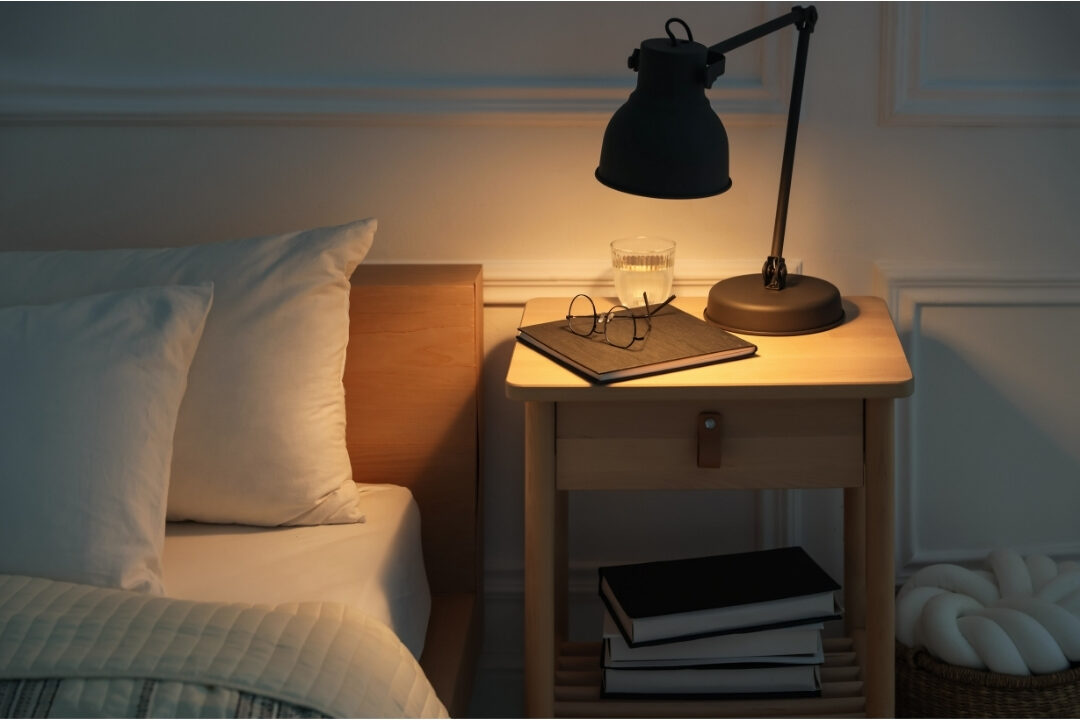
Removing digital clutter and sensory distractions restores true tranquility across your main living zones. Discover If Your Home Never Feels Peaceful, These 15 Things Might Be Why.
Creating screen-free evening rituals brings quiet luxury and restorative comfort into your daily home routine. Discover 30 Tiny Luxuries Every Woman Deserves.
Prioritize Intentional Evening Hobbies That Ground You
Ending your workday without engaging offline activities leaves a void that is easily filled by passive work checking.
When you have no rewarding plans for your evening, opening your laptop to check emails feels tempting.
Cultivating intentional hobbies gives you something joyful to look forward to once your work duties end.
Engage in activities that nourish your personal interests, such as cooking new recipes, gardening, painting, or crafting.
Physical hobbies encourage present-moment awareness, helping your mind detach completely from career challenges.
Spending time on creative personal projects reminds you that your identity extends far beyond your professional job title.
Your evenings become vibrant, fulfilling periods of growth and rest rather than empty extensions of your workday.
Nourishing personal passions provides the mental reset required to approach tomorrow’s tasks with fresh creativity.

Reconnecting with personal creative passions helps you regain balance when work demands feel overwhelming. Read 21 Ways to Feel Like Yourself Again.
Designing inviting domestic spaces makes spending your evenings engaging in cozy hobbies absolute bliss. Read 40 Cozy Home Ideas You’ll Want to Copy.
Create a Weekly Work Cleanup Session on Friday Afternoons
Leaving loose ends, messy files, and unorganized notes on Friday afternoon causes quiet anxiety throughout your entire weekend.
You carry lingering concerns about unfinished projects into your rest days, robbing you of weekend relaxation.
Scheduling a dedicated thirty-minute work cleanup session every Friday afternoon protects your weekend peace of mind.
Review your weekly accomplishments, archive completed project files, and outline your primary goals for the upcoming Monday.
Clear your desktop downloads folder, file loose paperwork away, and send final status updates to your team.
Closing all open project loops allows you to walk away from your desk with total confidence.
You step into your weekend feeling accomplished, organized, and completely free from professional worry.
Waking up on Monday morning to an organized system makes restarting your workflow seamless and stress-free.

Implementing simple weekly reviews keeps long-term projects structured while boosting daily self-confidence. Discover How to Stop Feeling Like You’re Failing and Start Winning In Life.
Protecting your weekend rest days creates rich opportunities to build lasting memories with your loved ones. Discover 25 Family Traditions Worth Starting.
Reclaiming the Joy of Being Present in Your Home
Mastering the balance between professional achievement and domestic peace is an ongoing journey of mindful choices.
You do not need to compromise your career growth to enjoy restful evenings and present family moments.
By building intentional boundaries around your schedule, you protect your physical health, mental focus, and emotional happiness.
Start by introducing one or two new habits this week, such as creating a shutdown ritual or taking lunch breaks away from your desk.
Observe how small daily adjustments reduce your stress levels and restore clarity across your home life.
Your living space should serve as a comforting haven for rest, laughter, and personal rejuvenation.
Understanding how to work from home without feeling like you’re working all day grants you true personal freedom.
Embrace these empowering routines today and experience the calm, structured life you deserve.






8 Comments