

The Home Reset Trick That Changed My Entire Week
Disclosure: Some of the links in this post are affiliate links. This means if you click on the link and purchase an item, I will receive an affiliate commission at no extra cost to you.
Living in a home that constantly feels messy creates underlying emotional exhaustion. You clean the kitchen counters continuously throughout the long day. Yet, by nightfall, toys, mail, and dishes cover every flat surface again.
For years, I believed keeping a clean home required relentless labor. I spent hours every weekend deep cleaning rooms from top to bottom. However, my hard work vanished within twenty-four hours every single week.
Eventually, I realized traditional marathon cleaning routines simply do not work. I needed a simple daily system to maintain order effortlessly. I needed a quick routine that prevented clutter from accumulating in main rooms.

Everything changed when I implemented a low-friction micro-reset routine. In fact, the home reset trick that changed my entire week brought instant peace. It replaced chaotic weekend sprees with ten minutes of focused evening care.
Instead of cleaning everything constantly, I focused on resetting key anchor zones. This small shift prevented small messes from compounding into giant projects.
Consequently, my home stays consistently inviting, functional, and completely stress-free. Here are the eleven transformative steps of this simple daily reset routine.
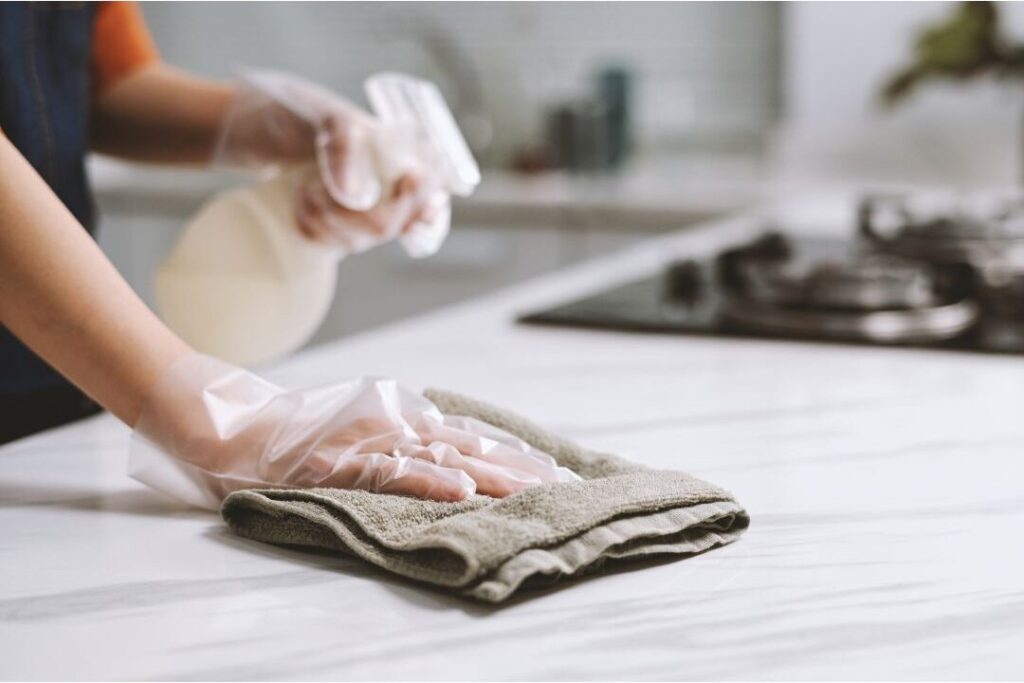
Rethinking How We Reset Our Homes
1. Establishing a 15-Minute “Closing Shift”
Commercial kitchens run a structured closing shift before locking doors every night. They wipe prep stations, restock essential supplies, and clear workstation trash completely.
This disciplined preparation guarantees smooth operations when staff members return next morning. You can apply this exact same business principle inside your home.
Treat your evening tidying as a brief, satisfying personal closing shift. Dedicate fifteen uninterrupted minutes right before bed to reset key living areas.
In the past, I procrastinated tidying until late night exhaustion set in. I would fall asleep leaving dirty dishes and scattered laundry behind. Walking into a chaotic kitchen the next morning ruined my mood immediately.
Now, my evening closing shift runs on automatic pilot every single night. I turn on a favorite podcast, set a timer, and move briskly. Knowing the routine lasts only fifteen minutes keeps motivation high every evening.
If you feel completely drained on a specific night, shorten the closing shift to five minutes. Focus solely on washing dirty sink dishes and clearing main counters.
A short closing shift transforms your relationship with daily household upkeep. You clear daily mess before it hardens into exhausting weekend projects. Waking up to a pristine environment brings immediate clarity to your mornings.
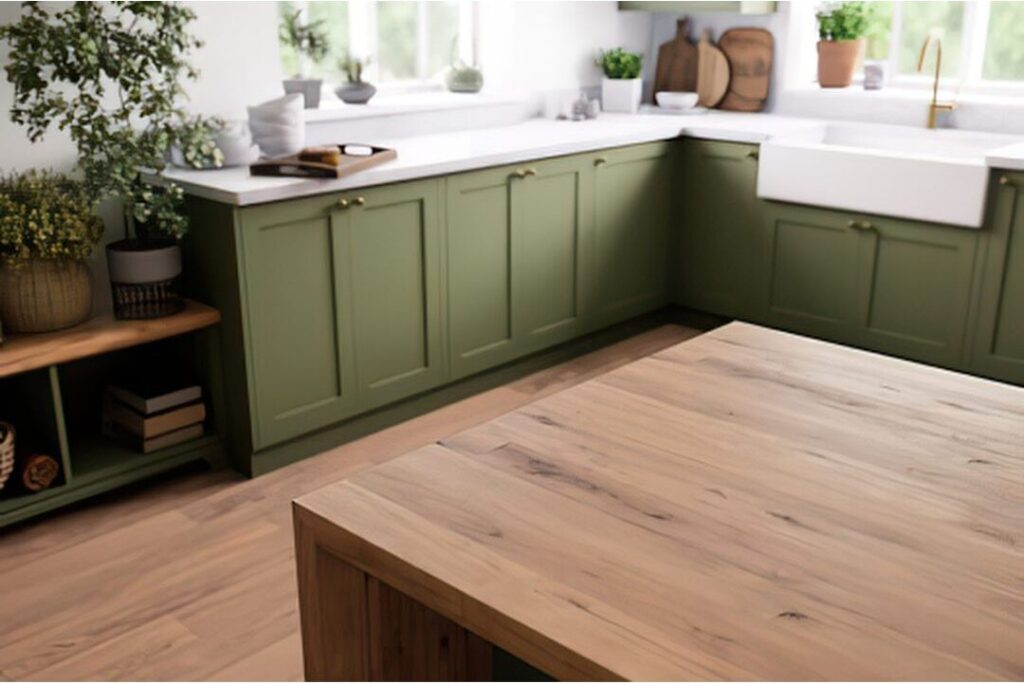
2. Protecting High-Traffic Anchor Zones First
Trying to reset an entire house every night leads straight to burnout. When you try to fix every room, you end up exhausted. Instead, focus your daily reset strictly on high-visibility anchor zones first.
An anchor zone is a primary area that dictates room visual order. In the kitchen, your primary anchor zone is the central island counter. In the living room, the main coffee table sets the overall visual tone.
When anchor zones stay clean, the whole room feels surprisingly orderly. Even if side shelves contain minor clutter, clear counters create visual calm. Protecting these specific spaces maximizes your daily effort with minimal physical time.
Identify the two most critical anchor zones inside your personal living space. Commit to clearing these specific flat surfaces completely during your evening reset. Never allow stray mail, backpacks, or dirty cups to linger on them.
Avoid the temptation to fix minor peripheral clutter when anchor zones need attention. Keeping key counters clear creates immediate visual relief even during busy weekdays.
Focusing on anchor zones eliminates decision fatigue during evening tidying sessions. You know exactly where to direct your physical energy without getting distracted.
Keeping key surfaces clear gives your entire home a polished appearance.
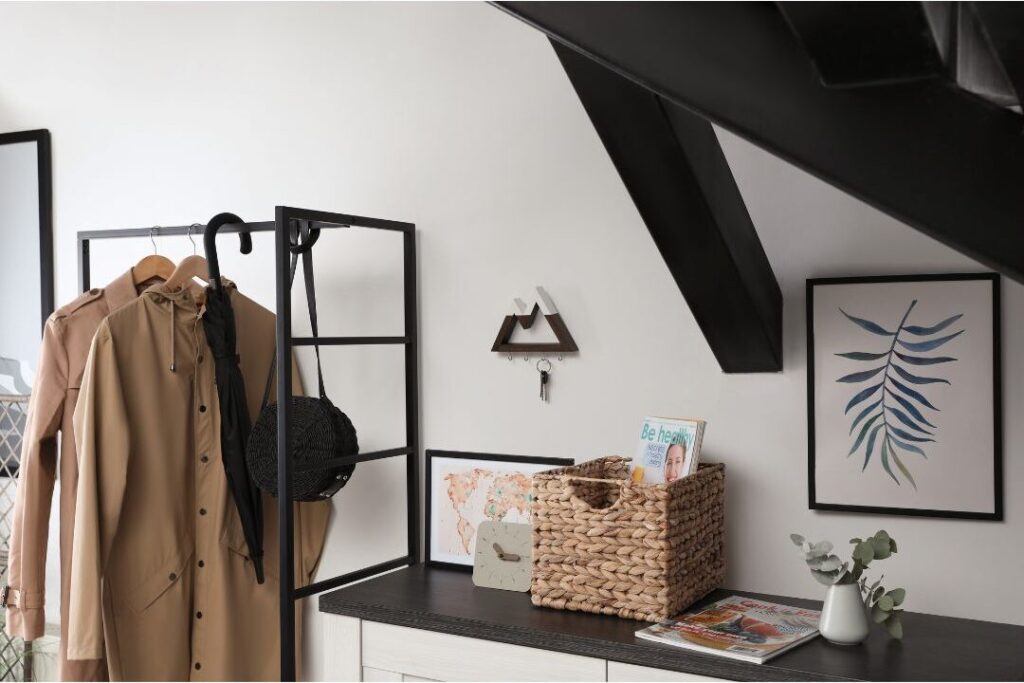
3. Implementing the Point-of-Use Return Rule
Items pile up on flat surfaces because they lack clear storage homes. When returning an item requires walking across the house, people drop it. Consequently, high-traffic counters become dumping grounds for everyday random household items.
The point-of-use return rule solves this common organizational problem completely. Store items directly where you use them most frequently throughout the day.
Place key hooks beside the front door and scissors near package stations.
When storage is convenient, returning items becomes an effortless automatic habit. Family members put away belongings without thinking or complaining about the effort.
Convenience removes physical friction from daily home organization and maintenance routines.
During your evening reset, evaluate items that continuously land on counters. If shoes cluster near the couch, place a shoe basket right there. Adapt your storage systems to match your family’s natural daily movements.
Review your point-of-use bins monthly to ensure they still meet family needs. Adjusting storage habits as children grow keeps your organization systems functioning smoothly.
Matching storage locations to real life patterns preserves long term household order. You stop fighting against family habits and start supporting them naturally. Functional point-of-use storage keeps your open surfaces clear every single day.
Discover hidden friction points in your cooking space using strategies from The Real Reason Your Kitchen Never Stays Clean.
Build effortless consistency across your space using 50 Simple Habits That Keep Your Home Always Clean.
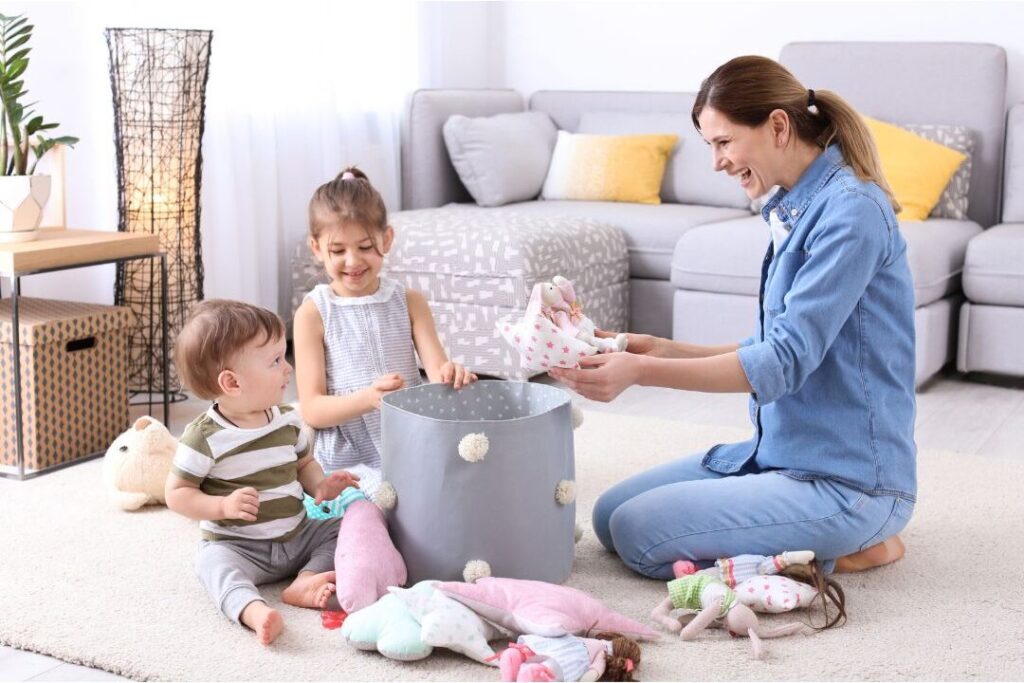
Core Components of the Daily Reset
4. The Two-Minute Surface Sweep Strategy
Scattered small items create intense visual noise across your living space. Toys, TV remotes, books, and mail spread across rooms quietly all day.
Attempting to put away every item individually takes unnecessary time and energy.
Streamline surface clearing by using a dedicated reset basket every evening. Walk through primary rooms and collect all stray items into one basket.
Move rapidly from room to room without stopping to sort items individually.
Once flat surfaces are clear, take the basket to central storage. Distribute items back into their proper drawer and closet homes quickly.
Alternatively, assign family members to empty their personal reset basket before bedtime.
Using a reset basket consolidates physical steps and drastically accelerates tidying. You clear flat surfaces in two minutes flat without walking back and forth.
Rapid visual progress creates immediate psychological satisfaction during your evening routine.
This simple basket strategy prevents daily clutter from spreading into living zones. Surfaces remain expansive, clean, and ready for use the next morning.
Containing scattered items restores spatial harmony to your living environment effortlessly.

5. Clearing Visual Footprints Before Sunset
Visual footprints are minor traces of disorder left behind after daily activities. Crooked couch cushions, open cabinet doors, and rumpled blankets signal lingering chaos.
These small details tell your subconscious brain that work remains unfinished. Clearing visual footprints requires less than three minutes of simple physical effort.
Straighten sofa throw pillows, fold lap blankets neatly, and align dining chairs. Close all cabinet doors and drawers completely across living and kitchen areas.
These subtle physical adjustments dramatically alter how a room feels visually. Straight lines and aligned furniture convey immediate order, care, and physical calm. The room looks freshly cleaned even without scrubbing floors or dusting shelves.
Make smoothing visual footprints the final step of your main room reset. Fluff cushions and align chairs right before turning off living room lights. You leave the space looking polished, serene, and completely ready for tomorrow.
Walking into a visually aligned room brings immediate relaxation to your mind. You eliminate visual friction points that trigger subtle background stress every morning.
Attention to small visual details creates an elevated, peaceful home environment.
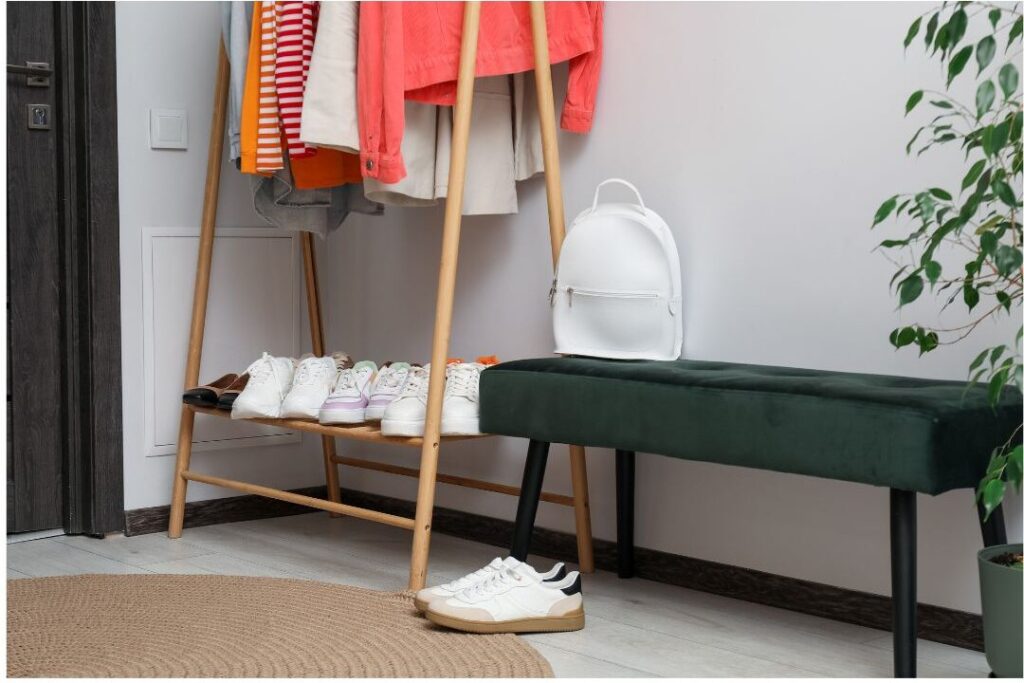
6. Staging Tomorrow’s Entryway Launchpad
Morning departures often descend into frantic searching for essential personal items. You search for lost car keys, work badges, and school library books.
Starting your day with frantic searching elevates stress levels before you leave home.
Prevent morning chaos by staging a dedicated entryway launchpad every evening. Gather backpacks, work totes, jackets, and water bottles near the front door. Ensure car keys, wallets, and sunglasses sit in their designated landing tray.
Review tomorrow’s master schedule to identify special equipment needed for activities. Pack sports gear, permission slips, or mailing packages into bags the night before. Double-check that devices are charged and packed safely in their sleeves.
When morning arrives, family members grab pre-staged belongings and exit smoothly. You eliminate frantic searching, shouting, and missed schedules completely from your mornings.
Departing calmly sets a confident, peaceful tone for your entire day ahead.
An organized launchpad protects your family’s morning emotional energy and mental clarity. You step outside feeling composed, collected, and completely prepared for daily tasks. Evening preparation guarantees smooth, stress-free morning exits every single time.
Fix sneaky habits that ruin your hard work using 25 Reasons Your House Always Feels Messy (Even After Cleaning).
Avoid common maintenance traps by reviewing 20 Cleaning Mistakes That Actually Make Your House Dirtier.

Maintaining Systems Without Exhaustion
7. Setting a Fixed Timer to Prevent Overworking
The biggest trap of evening tidying is allowing tasks to expand indefinitely. You start wiping a counter and end up deep cleaning oven interiors.
Overworking leads to physical exhaustion, resentment, and abandoning routines altogether within days.
Protect your physical energy by setting a strict fifteen-minute timer before starting. Challenge yourself to work quickly and efficiently until the timer alarms loudly.
When the bell rings, stop tidying immediately regardless of remaining minor tasks.
Use a lively music playlist to keep your energy high while tidying up. When the final song ends, step away from chores and begin relaxing.
A fixed time limit creates helpful urgency while preventing deep cleaning sprees. You focus exclusively on high-impact reset tasks that restore basic visual order.
Knowing work ends in fifteen minutes makes starting easy even when tired.
Consistency is vastly more important than perfection when maintaining a clean home. Fifteen minutes of focused daily effort outperforms sporadic multi-hour cleaning sprees.
Stopping on time keeps your evening routine sustainable for years to come.
Respect your personal energy limits by honoring your timer boundary every night. Leave non-essential deep cleaning tasks for designated weekly maintenance time slots.
A quick, timed reset preserves your stamina while keeping living spaces neat.

8. Using the “One Touch” Paper Processing Habit
Paper mail and documents generate massive visual clutter across kitchen countertops daily. Mail sits on tables, gets moved to counters, and then returns to tables.
Moving the same piece of paper multiple times wastes valuable time and energy.
Adopt the strict “one touch” paper handling rule during your daily routine. Touch every incoming piece of paper only once before taking immediate action.
Recycle junk flyers instantly over the recycling bin near your front entrance.
File important bills, action documents, or invitations into labeled desktop trays immediately. Never set loose paper down on open kitchen counters or dining tables.
Containing paperwork instantly prevents chaotic paper piles from invading your living space.
Create a digital folder for electronic receipts to keep paper filing minimal. Streamlining physical paperwork keeps kitchen counters completely free from daily paper buildup.
Process permission slips and school notices right away during your evening reset shift. Sign required forms, insert them into backpacks, and discard envelope trash.
Keeping paper moving prevents administrative backlogs from building up inside your home.
Clearing paper daily protects flat surfaces and preserves mental peace effortlessly. You never miss important deadlines or waste time searching for misplaced documents.
Controlling physical paper influx is essential for maintaining a calm, orderly home.
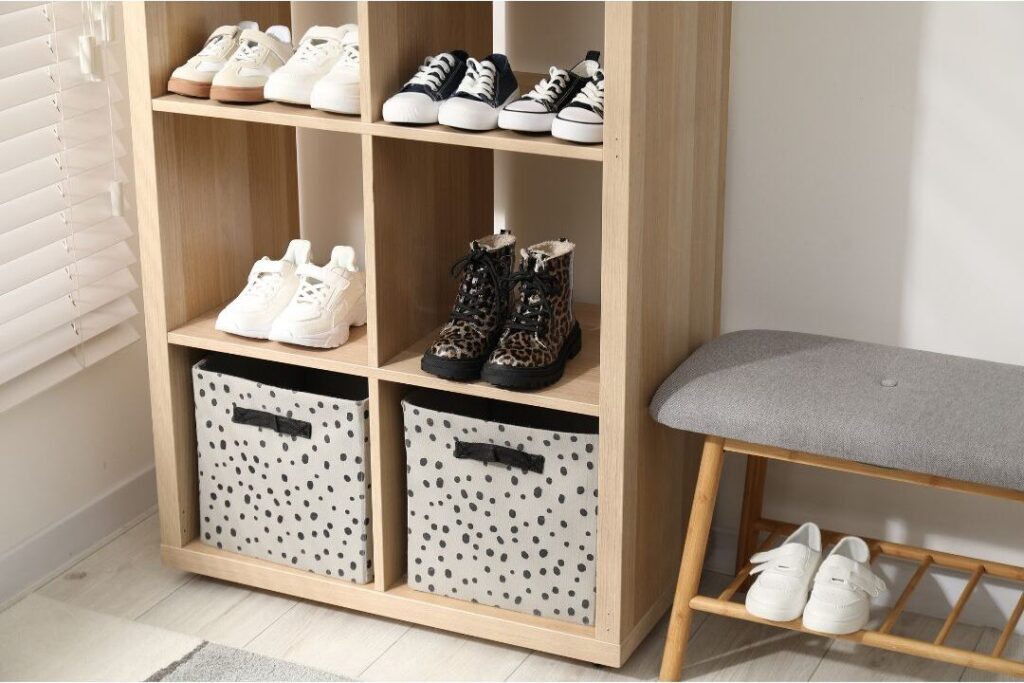
9. Creating Micro-Zones for Family Responsibility
Managing an entire household reset alone guarantees eventual physical and mental burnout. Family members must actively contribute to maintaining communal living spaces every single day.
Expecting one person to clean up after everyone creates deep internal resentment. Divide your living space into accessible micro-zones with clear individual responsibilities.
Assign children specific, age-appropriate reset tasks like collecting shoes or clearing tables. Give each family member total ownership over their assigned micro-zone every evening.
Make micro-zone tasks simple, visual, and easy to complete within five minutes. Use low storage cubbies, open baskets, and labeled bins for small children.
Clear expectations remove confusion and make daily participation smooth for family members.
Acknowledge your children’s effort when they complete their micro-zone duties daily. Positive encouragement reinforces helpful cleaning habits and builds strong family teamwork over time.
Execute your family reset together right after dinner or before evening relaxation. Working as a team turns tidying into a fast, shared daily habit.
Shared responsibility builds mutual respect for clean, organized communal living spaces.
Delegating micro-zones lightens your physical workload while teaching children responsibility. Your home stays pristine because everyone actively contributes to its daily care.
Teamwork transforms household maintenance from a burden into a unifying family routine.
Identify visual noise traps by checking The One Shelf That Makes Every House Look Messy.
Restructure your morning priorities using concepts from Why Successful Moms Don’t Start Their Day With Laundry.

Deepening Mental Peace and Consistency
10. Ending the Reset with a Sensory Reward
Habits stick permanently when paired with an immediate, satisfying personal reward. If your reset feels like punishing labor, your brain will resist starting.
Ending your routine with a delightful sensory experience reinforces positive habit loops naturally.
Designate a relaxing sensory reward to mark the official end of resetting. Dim harsh overhead lighting and turn on warm, soft table lamps instead.
Light a favorite scented candle or diffuse calming essential oils across living rooms.
Switching from bright overhead light to soft table lamps promotes natural melatonin release. Creating a tranquil atmosphere prepares your body for deep, uninterrupted sleep every night.
Sip a cup of herbal tea while relaxing on your freshly straightened sofa. Enjoy the quiet beauty, clean surfaces, and peaceful atmosphere of your reset space. Allow your mind to absorb the feeling of order and accomplishment fully.
This delightful sensory transition signals to your brain that work is finished completely. Your central nervous system shifts into deep relaxation, preparing your body for sleep. You look forward to your evening reset because it leads directly to comfort.
Pairing simple structure with sensory pleasure elevates routine chores into grounding rituals. You transform basic housekeeping into an act of genuine self-care and respect.
Celebrating your clean space restores joy, comfort, and deep rest to evenings.
Simplify your routines using lessons from I Stopped Doing These 12 Things—My Home Has Never Been Cleaner.
Automate your household maintenance using 20 Home Systems That Practically Run Themselves.

11. Adapting the Reset to Unpredictable Schedules
Life often brings unexpected schedule disruptions, late meetings, or sick family members. During chaotic days, do not abandon your home reset routine completely.
Simply scale down your reset to a two-minute emergency focus shift. Clear the kitchen sink, wipe the main island, and head to bed. Maintaining momentum with a micro-reset preserves your habit loop without causing exhaustion.
Reduce daily friction by implementing Simple Household Rules That Eliminate Daily Stress.
Sustaining Your Transformative Home Reset
Implementing the home reset trick that changed my entire week restores order. By shifting from exhausting cleaning marathons to fifteen-minute daily resets, you protect your energy.
Your living environment becomes a reliable source of daily comfort, rest, and peace. A clean home does not require endless hours of scrubbing or complicated systems.
It relies on short, consistent habits, clear anchor zones, and family teamwork daily. When you establish simple micro-resets, maintaining order becomes fast, simple, and satisfying.
Start your transformation tonight by selecting two anchor zones to reset before bed. Set a fifteen-minute timer, involve your family, and enjoy your peaceful space afterwards. You will instantly enjoy a calmer, brighter, and vastly more restful home.






14 Comments