

Why Guests Notice These 15 Things Before Anything Else
Disclosure: Some of the links in this post are affiliate links. This means if you click on the link and purchase an item, I will receive an affiliate commission at no extra cost to you.
Did you know that there are 15 specific details guests notice before anything else when they enter your home? In this post we will talk about them, along with quick, stress-free ways to make your home feel effortlessly inviting.
We have all experienced that sudden spike of panic when the doorbell rings unexpectedly. Or perhaps you have spent two full hours frantically scrubbing your baseboards, wiping down pantry shelves, and polishing glassware before hosting dinner.
When visitors step into your living space, we often assume they are inspecting our home with the same harsh, hyper-critical lens we use on ourselves. We worry about the stray toy under the couch, the unpainted trim in the hallway, or whether our kitchen backsplash looks outdated.
The reality of human perception is completely different. When someone enters a home that is not their own, their senses shift into high gear.
They do not notice the minor flaws you obsess over daily. Instead, they process immediate sensory cues, atmospheric warmth, and functional comfort.
Understanding what guests actually notice in your home allows you to stop stressing over performative perfection. You can focus your energy on creating a genuine sense of ease and welcome instead.
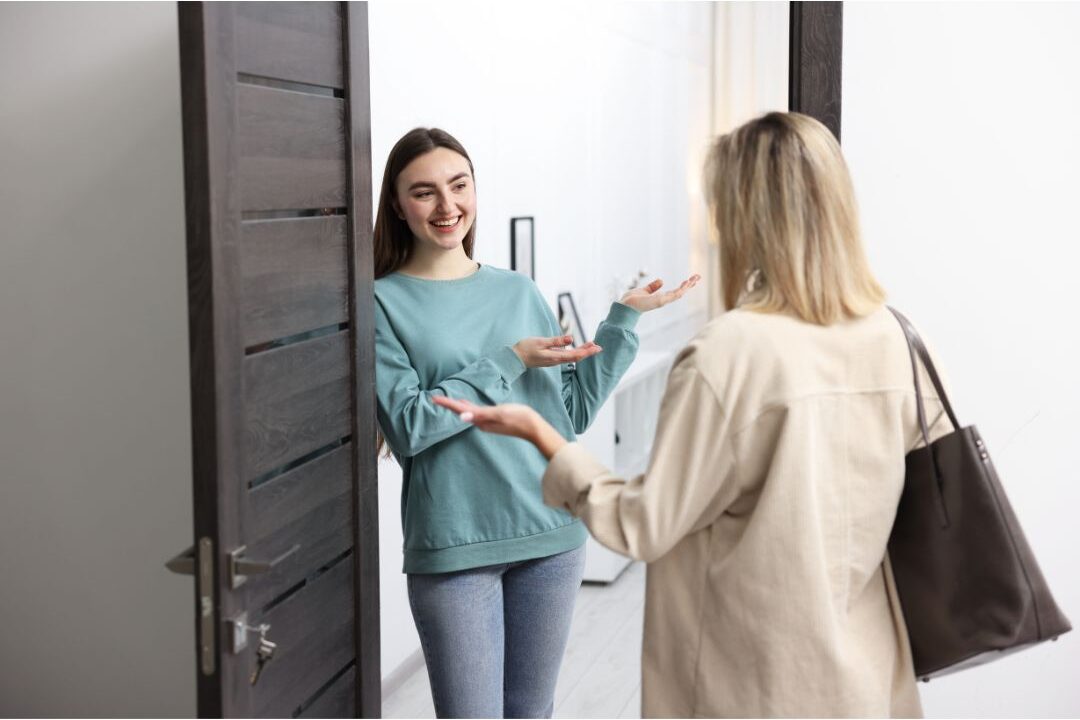
The Sensory Psychology of First Impressions
When you live in a space every single day, your brain undergoes a natural phenomenon called sensory adaptation. You become blind to your own clutter stacks. You become nose-blind to the daily scents of cooking, pets, and laundry.
Your guests, however, are experiencing your home environment with fresh eyes and heightened senses. Within the first ten seconds of crossing your threshold, before anything else, your guests process scent, lighting, temperature, and spatial openess.
This initial sensory assessment happens subconsciously. It determines whether a visitor feels immediately relaxed and welcomed, or subtly tense and uncomfortable.
The goal of host preparation is not to present a flawless museum. The goal is to eliminate minor sensory friction points so your guests feel completely comfortable settling in.
1. The Front Door and Entryway Threshold
Before a guest ever steps inside your living room, they spend thirty seconds standing on your porch or outside your front door waiting for you to answer.
During those thirty seconds, their eyes naturally take in the physical condition of your entrance. A dirty door mat, cobwebs around the porch light, or dead plants in pots create a subtle impression of neglect before the door even opens.
Conversely, a clear door mat, a clean door handle, and a swept threshold set a welcoming, warm tone before a single word is spoken.
- Why It Matters: The threshold is the official transition point between the outside world and your personal sanctuary.
- The Quick Fix: Sweep the front step weekly. Shake out your door mat and wipe down the front door handle with a damp microfiber cloth.
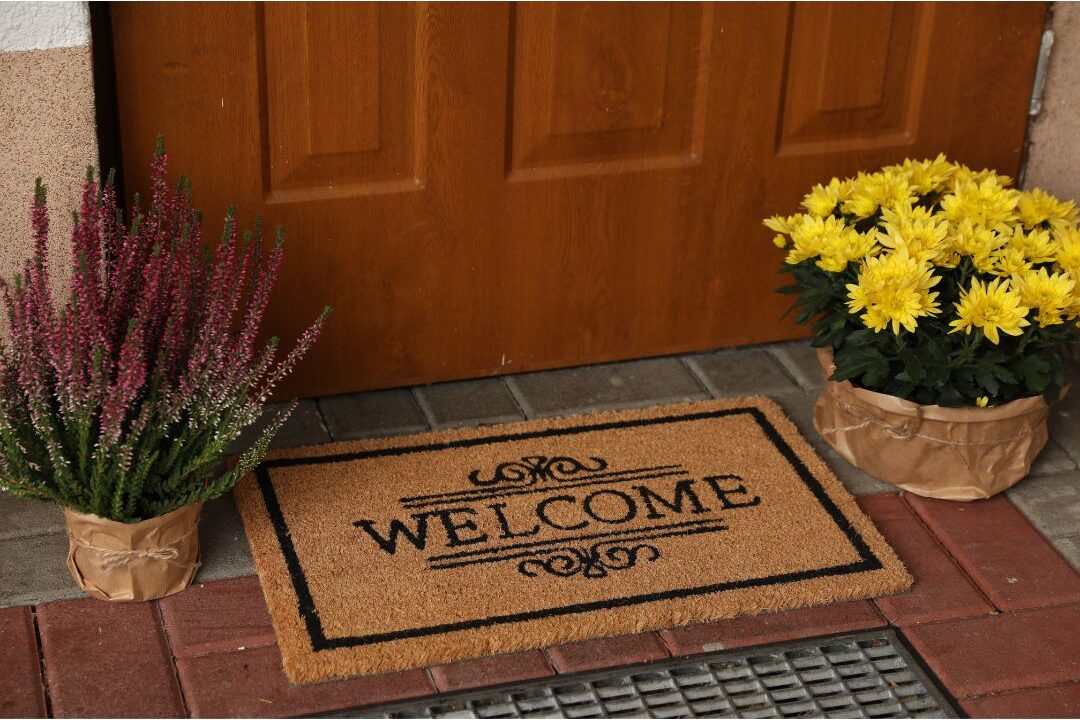
Creating a polished entrance aligns closely with the foundational design choices we explore in 75 Things Every Elegant Home Has.
2. The Immediate Scent of Your Home
Scent is the fastest path to memory and emotion in the human brain. The exact second your front door swings open, a visitor receives an immediate olfactory blueprint of your house.
Guests do not expect your home to smell like a high-end perfume counter. In fact, overpowering synthetic air fresheners can trigger headaches or chemical sensitivity.
What guests notice instantly is whether the air smells fresh and clean, or whether it holds onto stale cooking oils, dampness, or pet bedding odors.
- Why It Matters: Scent communicates hygiene and ventilation faster than any visual element in the room.
- The Quick Fix: Open two windows for ten minutes to circulate fresh air before guests arrive. Simmer citrus slices and rosemary on the stove, or diffuse mild essential oils like bergamot or eucalyptus.
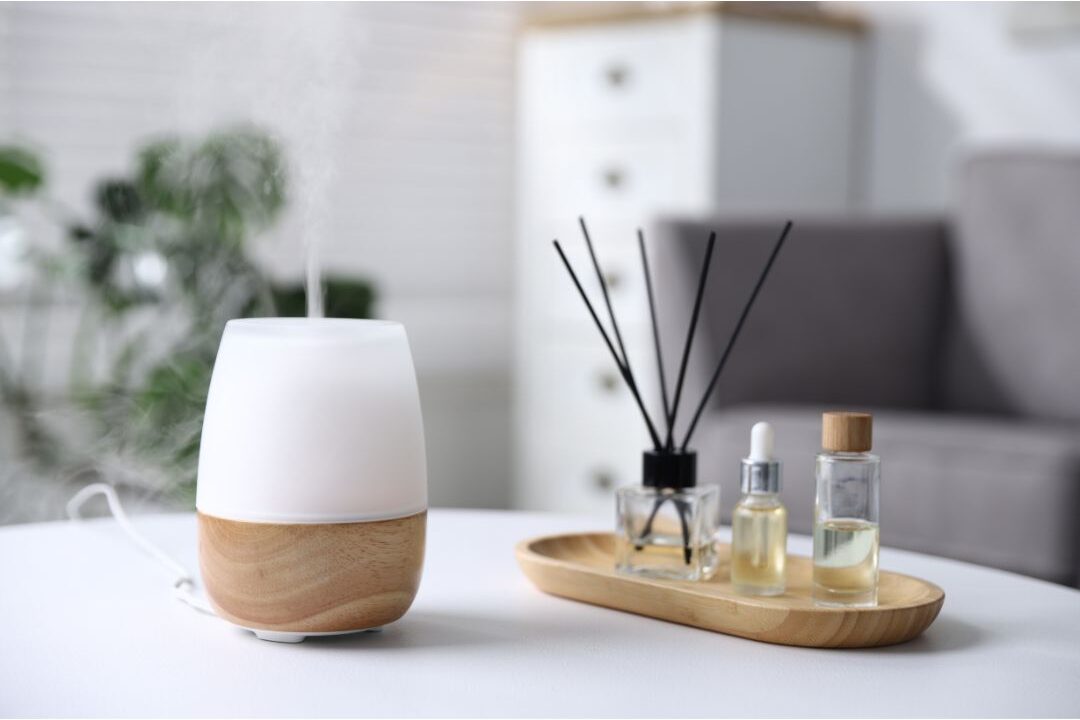
If persistent odors are a struggle in your space, read our dedicated guide on Why Your Home Always Smells Bad—and How to Fix It Fast.
3. Landing Surface Clutter at the Front Entrance
Once inside the door, a guest needs a clear physical space to navigate. If your entryway console table, bench, or floor space is overflowing with shoes, loose mail, backpacks, and grocery bags, it creates immediate spatial pressure.
When entryways are crowded, visitors hesitate. They wonder where to stand, where to set down their purse, or where to take off their coat without tripping over household items.
A clear, uncluttered landing surface gives visitors an immediate physical cue that there is room for them in your home.
- Why It Matters: Cluttered entryways signal that the home is currently operating in chaotic survival mode.
- The Quick Fix: Keep a dedicated basket near the door for loose shoes. Clear off the top of your console table so visitors have a place to set down keys or bags.
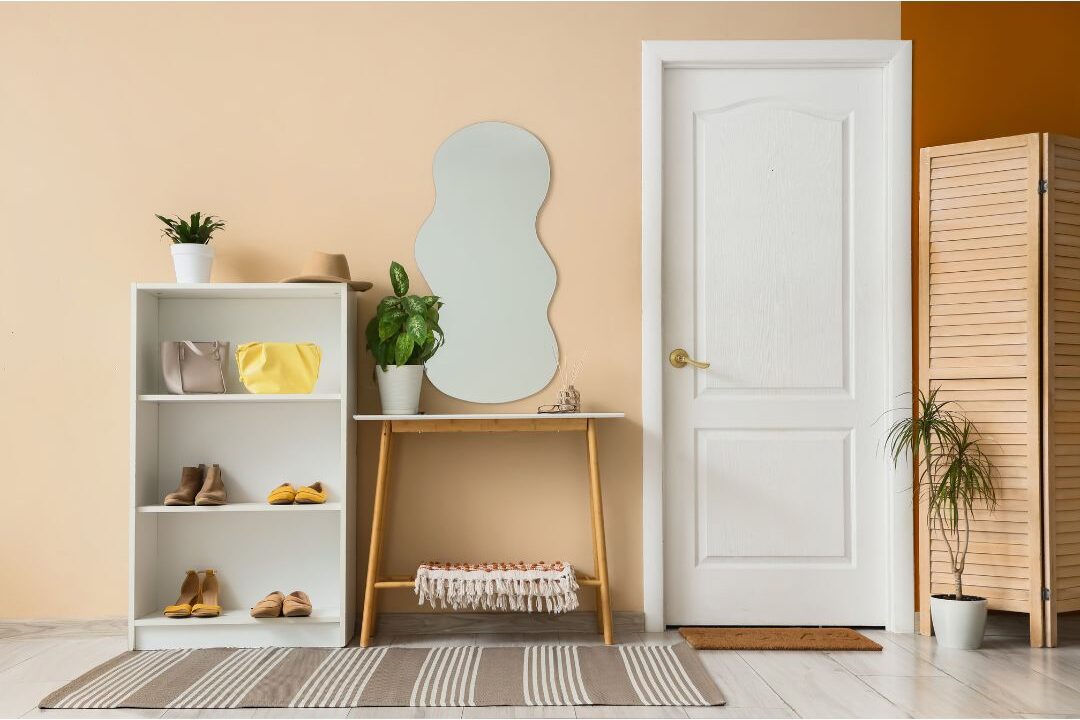
Entryway piles are often symptom of broader home systems. Check out 25 Reasons Your House Always Feels Messy (Even After Cleaning) for deeper solutions.
4. The State of the Guest Hand Towel
The powder room or main bathroom is the one place where guests will be left entirely alone to look around and process their surroundings.
Nothing ruins a visitor’s experience faster than washing their hands and having to dry them on a damp, crumpled, or questionable bath towel that the entire family has been using all day.
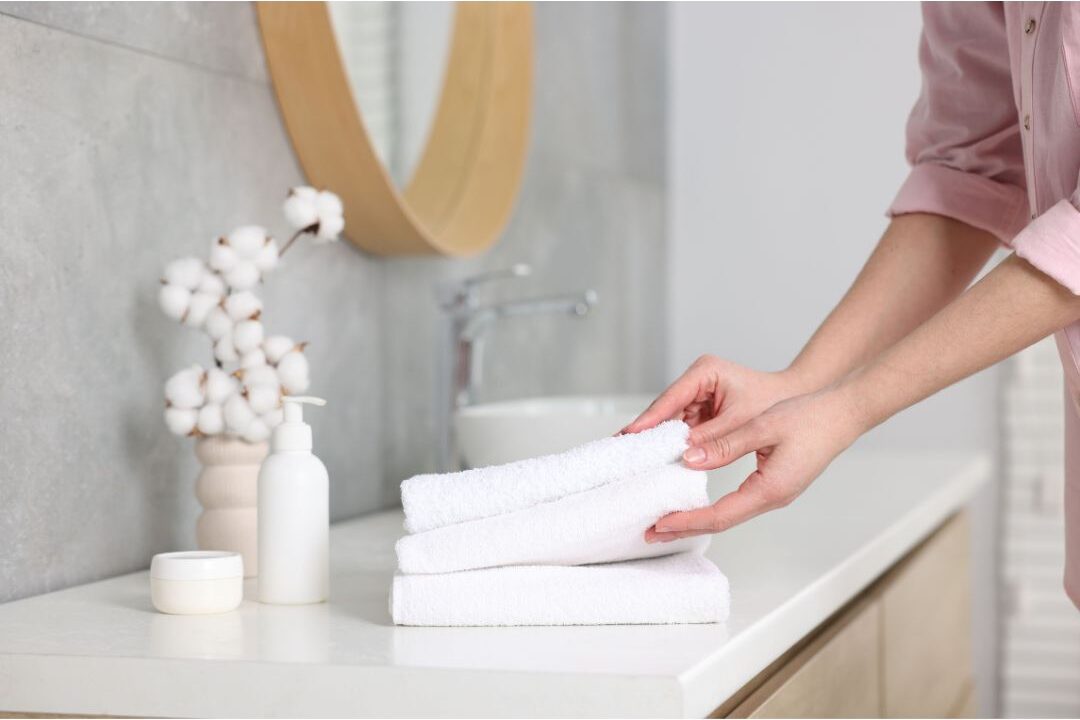
A crisp, clean, completely dry hand towel hanging prominently near the sink shows thoughtful hospitality and attention to personal comfort.
- Why It Matters: Bathrooms are intimate spaces where small hygiene details are noticed instantly.
- The Quick Fix: Hang a fresh, clean hand towel immediately before guests arrive. Keep a small stack of rolled hand towels in a basket on the vanity counter for an instant spa feel.
5. Bathroom Sink and Mirror Cleanliness
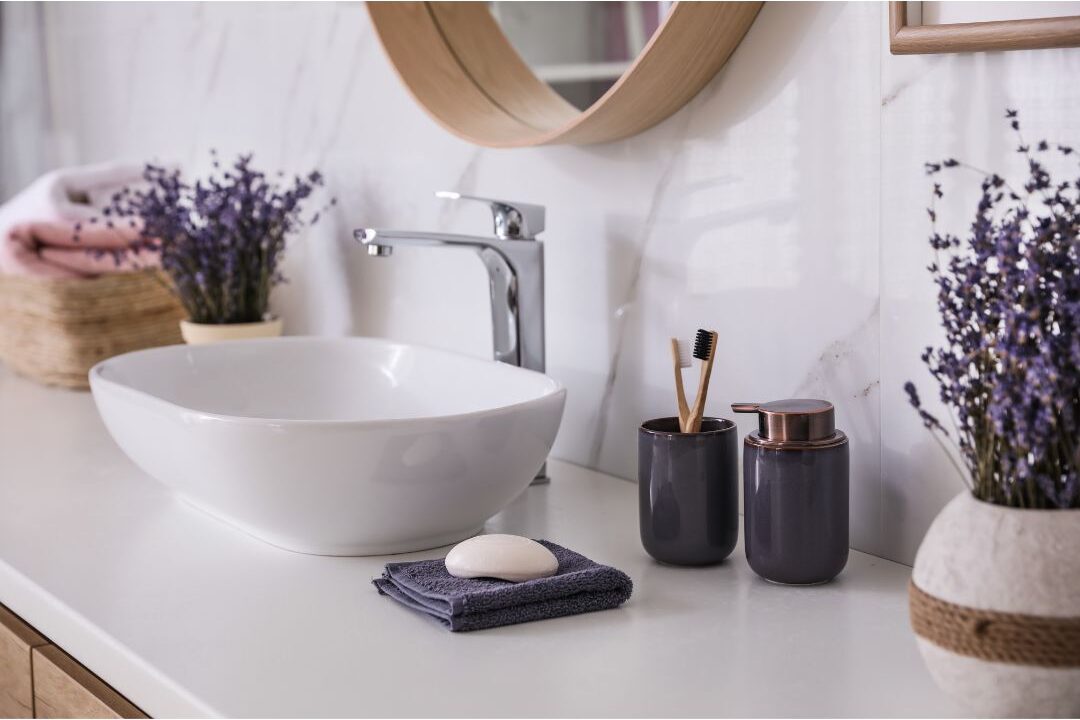
While standing at the bathroom sink to dry their hands, guests naturally look directly into the mirror and down at the basin.
Water spots, dried toothpaste splatters on the faucet, or hair strands sitting in the drain basin stand out immediately under bright bathroom lighting.
You do not need to deep-scrub the grout or bleach the tile every time someone visits. However, wiping down the main bowl, faucet, and mirror takes thirty seconds and makes a massive visual difference.
- Why It Matters: Clean fixtures communicate that the rest of the home is maintained with care.
- The Quick Fix: Keep a pack of glass-cleaning wipes under the bathroom vanity. Give the faucet, sink basin, and mirror a quick five-second wipe right before unlocking the front door.
Avoid common bathroom cleaning traps by reviewing our breakdown of 20 Cleaning Mistakes That Actually Make Your House Dirtier.
6. Lighting Temperature and Overall Ambiance
Lighting completely dictates how a room feels physically and emotionally. Overhead ceiling lights—often referred to as “the big light”—can feel harsh, clinical, and visually unforgiving.
When a guest walks into a room flooded with bright 5000K daylight-white bulbs, the space feels more like an operating room or office building than a warm home sanctuary.
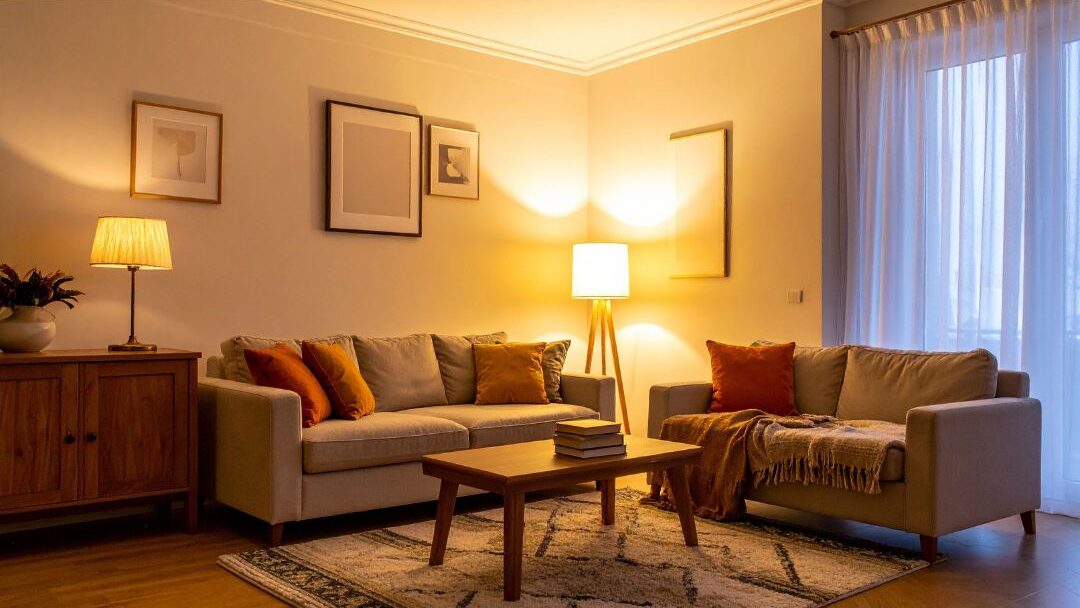
Switching off harsh overhead fixtures in favor of warm lamp lighting instantly softens the room. Warm light hides minor dust, highlights cozy textures, and helps visitors relax physically.
- Why It Matters: Harsh lighting increases alertness and stress, while warm lighting encourages physical comfort.
- The Quick Fix: Turn off main overhead lights in living areas. Turn on two or three floor and table lamps with warm white bulbs (2700K) to create an inviting ambient glow.
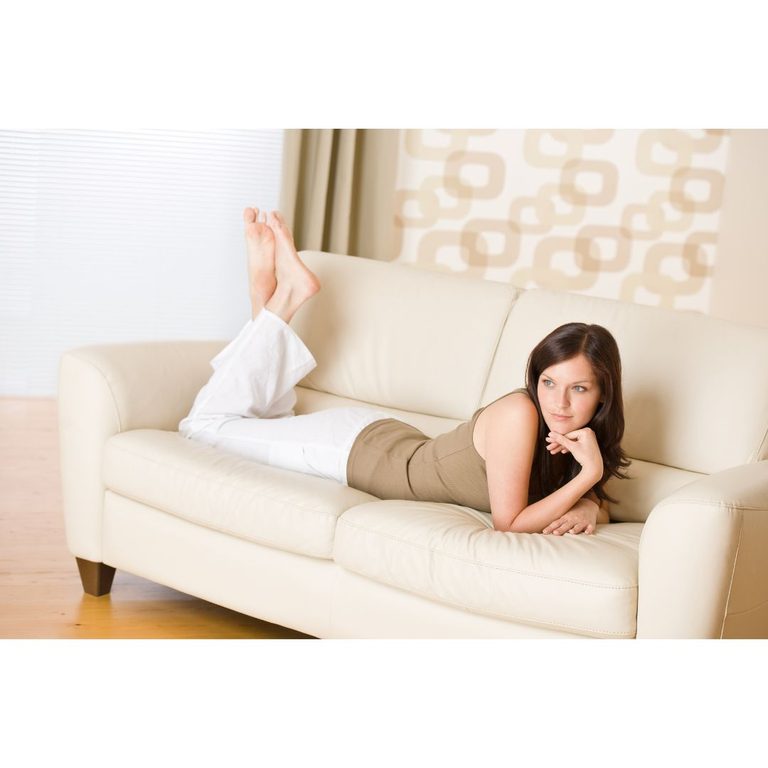
7. Seating Availability and Main Couch Condition
When you invite someone into your living room, their immediate instinct is to look for a comfortable, obvious place to sit down and relax.
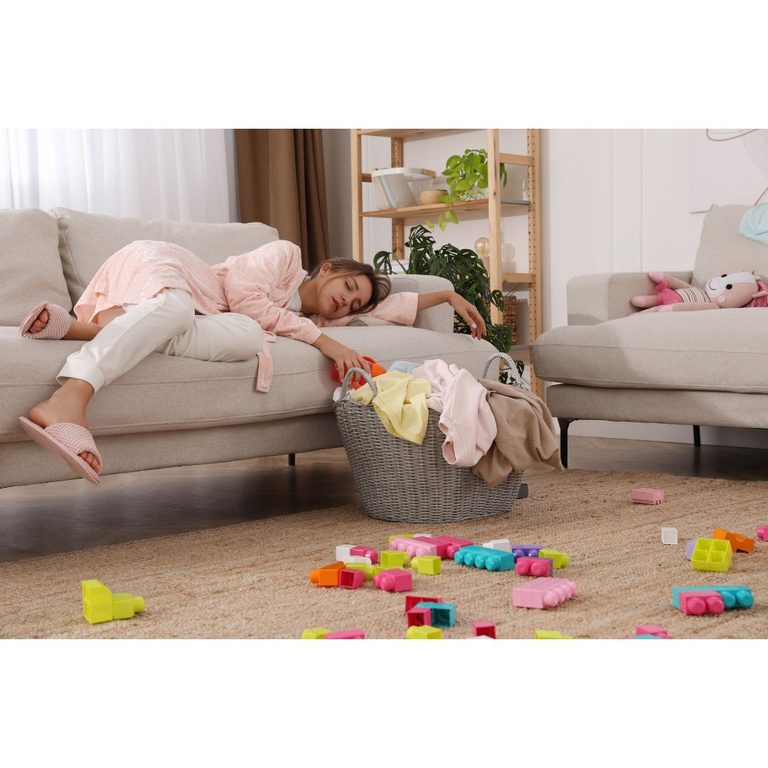
If every seat on your sofa is covered in unfolded laundry, kid toys, throw pillows, or laptop bags, guests feel awkward standing in the middle of the room.
Furthermore, flattened couch cushions or messy, tangled throw blankets make seating look unappealing or dirty.
Fluffing the back cushions, clearing off random items, and neatly draping a cozy throw blanket instantly signals that your living room is ready to receive visitors comfortably.
- Why It Matters: Available, clean seating directly communicates that you were expecting and preparing for your guest’s arrival.
- The Quick Fix: Move all clutter off the couch into a temporary basket. Fluff the seat cushions and arrange throw pillows neatly against the arms.

8. Pet Hair Accumulation on Furniture
We love our pets, and animal companion hair is a normal part of life for millions of households. However, visitors who do not have pets—or who are wearing dark clothing—are acutely aware of pet hair.
Sitting down on a fabric armchair only to stand up covered in cat or dog fur causes immediate physical discomfort for a guest.
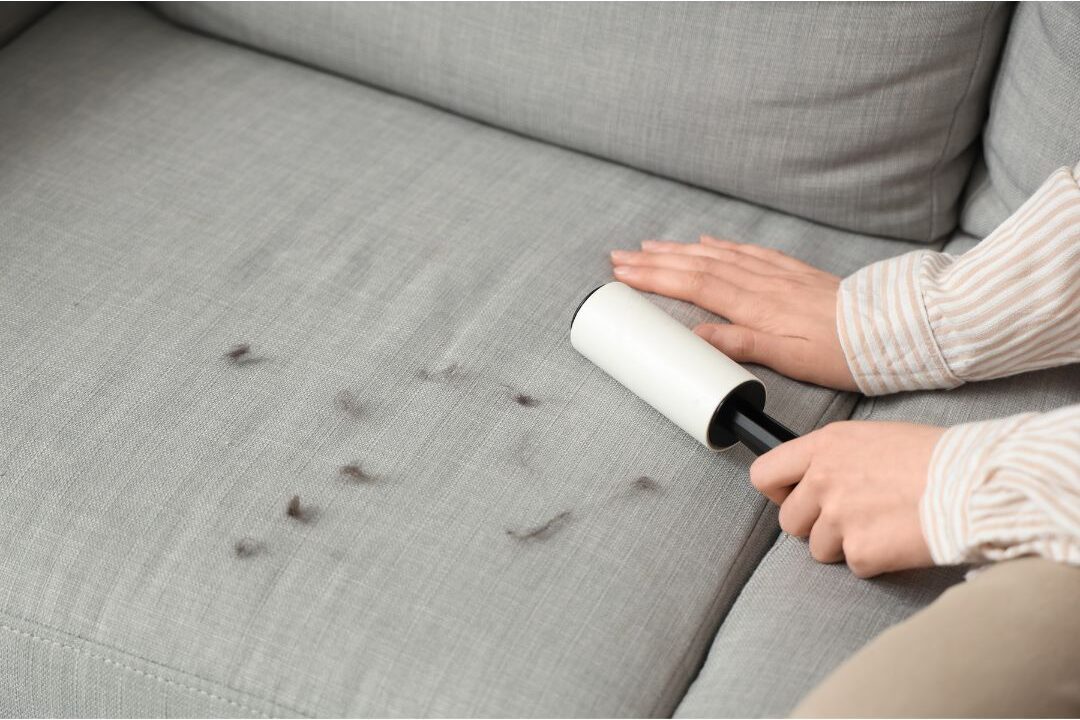
Taking two minutes to remove loose fur from primary seating areas prevents awkwardness and keeps your living space looking fresh and well-kept.
- Why It Matters: Pet hair transfers easily onto guest clothing and can trigger allergies unexpectedly.
- The Quick Fix: Keep a rubber squeegee or lint roller near your living room storage. Run it over the main seat cushions quickly before company arrives.
Managing pet hair and daily maintenance becomes easier when you streamline routines. See what changes worked in I Stopped Doing These 12 Things—My Home Has Never Been Cleaner.
9. Temperature and Air Freshness inside the House
Physical comfort is heavily influenced by ambient air temperature. A home that is uncomfortably hot, stuffy, or freezing cold makes visitors feel miserable within twenty minutes.
Because hosts are constantly moving around the kitchen or living room preparing food, they often feel much warmer than guests who are sitting still on the sofa.
Additionally, stagnant air that lacks circulation can feel heavy and oppressive, making visitors feel drowsy or eager to leave early.
Keeping a steady, moderate indoor temperature and ensuring subtle air movement ensures your guests remain physically cozy throughout their visit.
- Why It Matters: Temperature discomfort is a physical distraction that prevents guests from enjoying conversation.
- The Quick Fix: Adjust your thermostat to a comfortable 68 to 71 degrees Fahrenheit before hosting. Run a ceiling fan on low setting to keep air circulating gently.
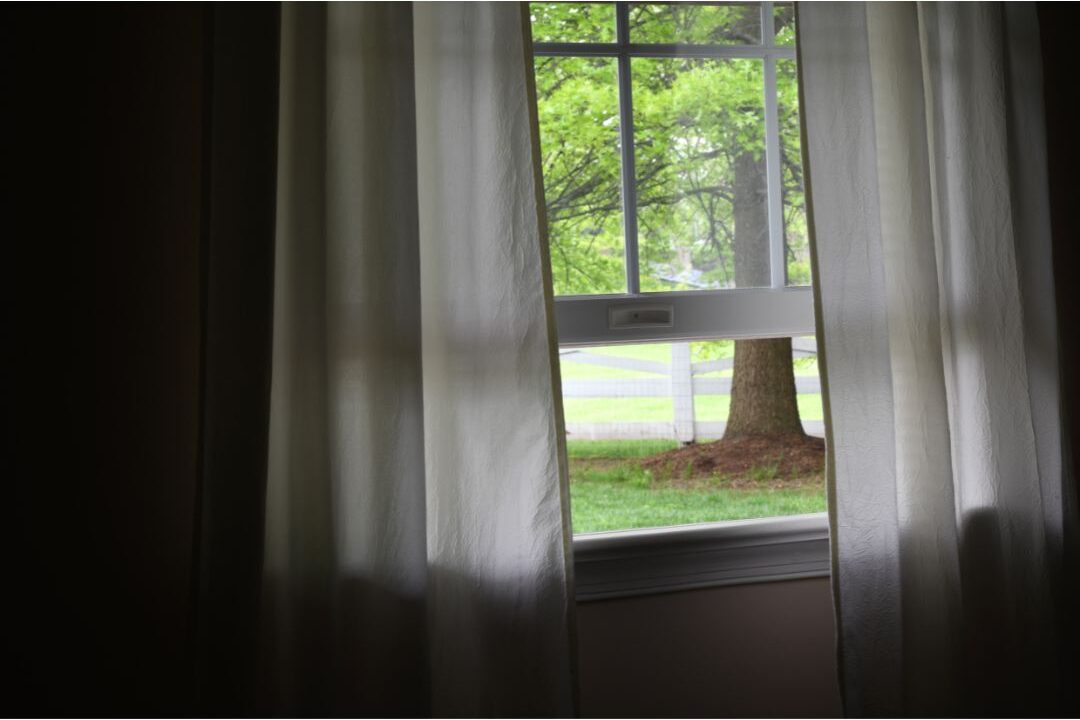
10. Dust on Eye-Level Surfaces and Electronics
Guests rarely inspect your baseboards or look at the top of your kitchen cabinets. They do, however, notice the surfaces directly in their line of sight while seated.
When sitting on your living room couch, a visitor’s eyes naturally settle on the coffee table, the TV stand, side tables, and picture frames.
A visible layer of gray dust on a dark glass coffee table or television screen catches light easily and stands out during daylight hours.
Focusing your dusting efforts exclusively on eye-level surfaces yields maximum visual impact with minimum effort.
- Why It Matters: Eye-level surfaces are processed constantly during conversational lulls.
- The Quick Fix: Take a dry microfiber cloth and wipe down the coffee table, side tables, and media console in a single fast sweep.
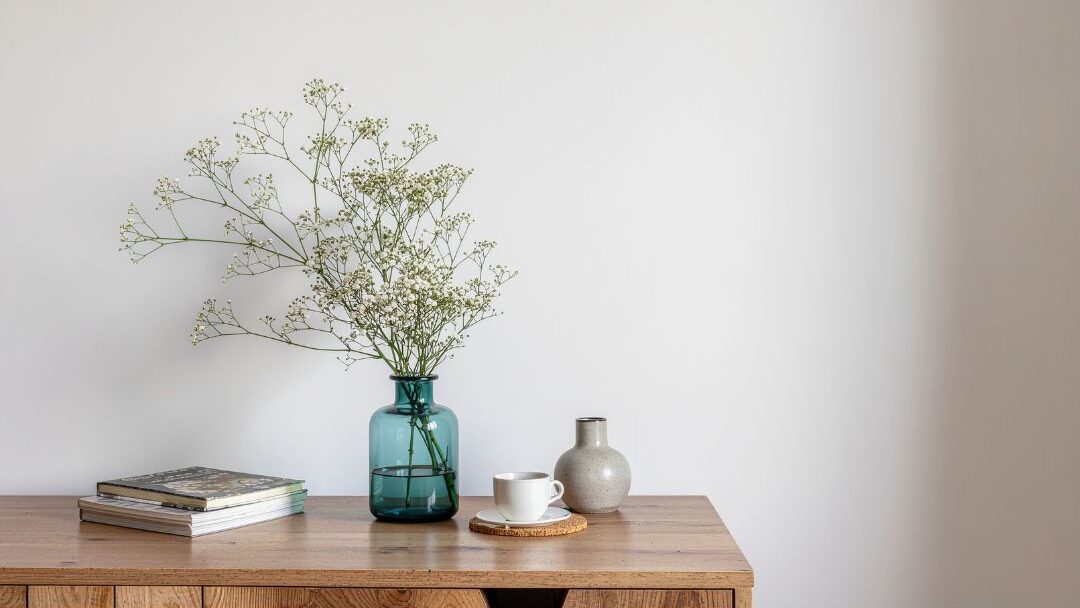
Surface clutter often concentrates in specific areas. Learn how to address problem spots in The One Shelf That Makes Every House Look Messy.
11. Overflowing Trash Cans or Exposed Waste
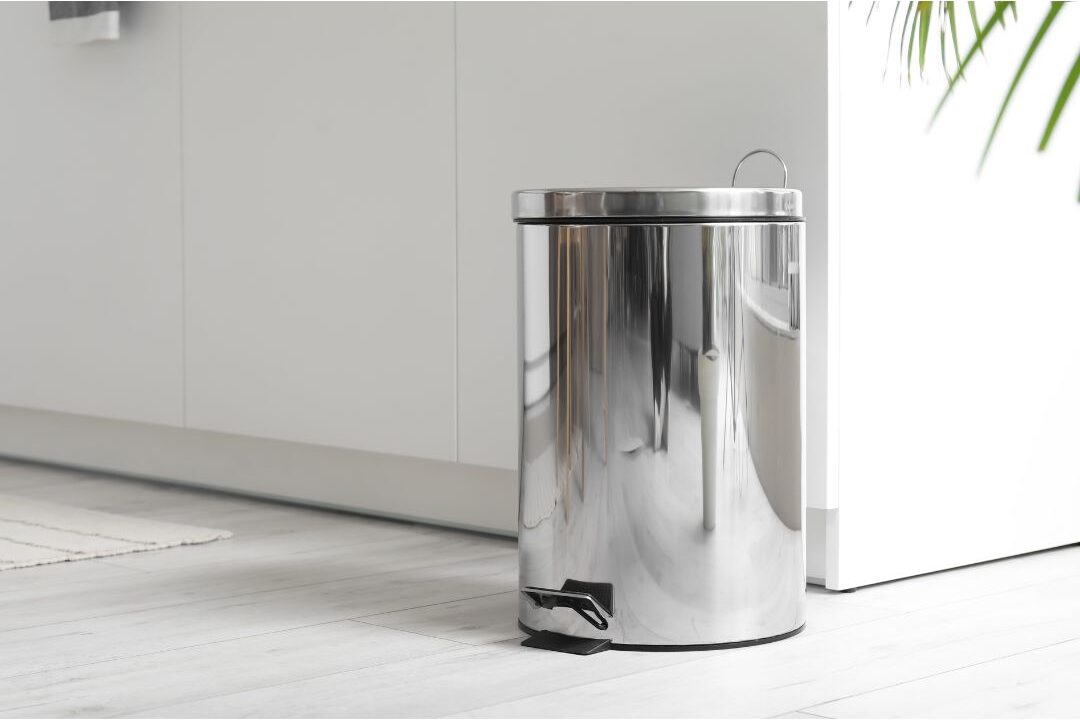
Trash cans are an essential part of functional household life, but exposed waste is one of the quickest ways to ruin a room’s aesthetic.
An overflowing trash can in the kitchen or powder room, with food wrappers or used tissues bursting out from under the lid, draws the eye immediately.
Open-top trash cans also allow unpleasant odors to escape into common living spaces.
Using covered trash bins and emptying them before guests arrive keeps waste out of sight and out of mind.
- Why It Matters: Exposed trash triggers automatic visual aversion and hygiene concerns.
- The Quick Fix: Empty all common area trash cans before hosting. Ensure open-top bathroom bins have a fresh liner and are tucked discreetly beside the vanity.
12. Kitchen Counter Overflow and Sink Status
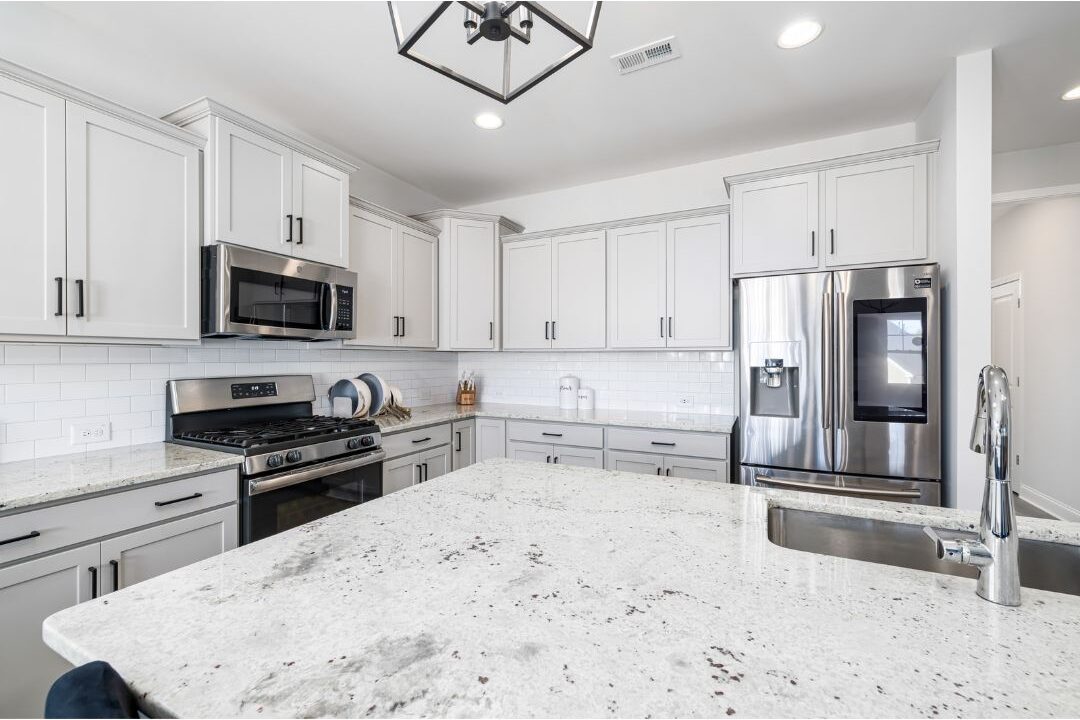
In modern homes, social gatherings almost always migrate toward the kitchen island or open-plan kitchen area.
When guests walk near the kitchen, a sink piled high with dirty dishes, crusty pots, and food scraps creates immediate visual noise.
Similarly, countertops covered in opened bread bags, mail, and unwashed prep boards leave no room for setting down drinks or appetizers.
You do not need to deep-clean your entire pantry. Simply clearing the sink and clearing off the main counter island transforms the feel of an open-plan living area.
- Why It Matters: Open-plan designs make kitchen mess visible from the primary seating areas.
- The Quick Fix: Stash dirty prep pans inside the oven or dishwasher out of sight. Wipe down the main island counter so it presents a clean, open surface.
Struggling with kitchen mess before company arrives? Discover underlying solutions in the real reason your kitchen never stays clean.
13. Sticky or Dirty Flooring Underfoot
Most hosts ask guests to remove their shoes at the door, or visitors naturally choose to do so out of courtesy.
The moment a guest steps onto your hard floors in socks or bare feet, they feel the texture of your flooring underfoot instantly.
Crumbs, sticky spots near the kitchen, or loose dirt particles clinging to their socks create a subtle, uncomfortable sensory experience.
A quick five-minute sweep or vacuum in high-traffic zones ensures your floors feel completely clean and smooth underfoot.
- Why It Matters: Tactile feedback underfoot is processed immediately when shoes are removed at the entrance.
- The Quick Fix: Run a cordless vacuum or dust mop through the entryway, hallway, and living room path right before visitors step inside.
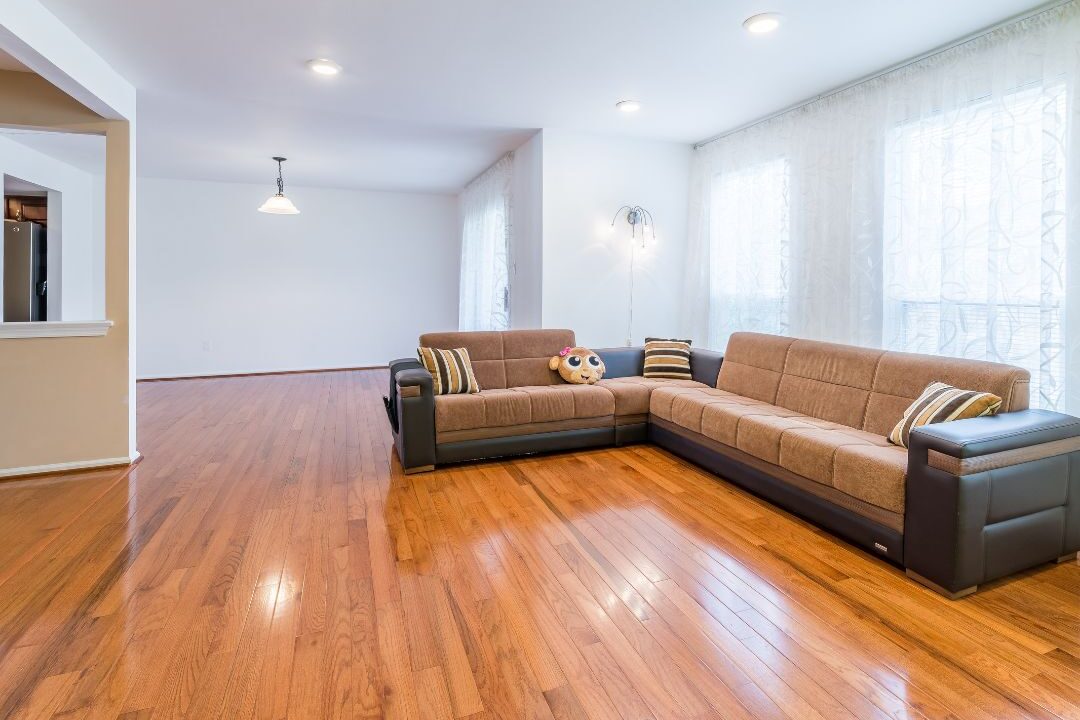
Clean, well-maintained floors are one of the key Things That Instantly Make Your Home Look Expensive without spending a fortune.
14. Background Soundscape and Noise Levels
A completely silent house can feel eerily quiet and awkward, making conversations feel stiff or forced during the initial greeting.
On the other hand, a home filled with loud blaring television news, chaotic cartoon noises, or harsh background clatter creates sensory overwhelm.
Setting a gentle acoustic environment eases early conversational tension and makes visitors feel instantly at ease.
Playing soft, low-volume background music gives the room a subtle layer of warmth without competing with conversation.
- Why It Matters: Background audio sets the emotional tone and pace of social interactions within a home.
- The Quick Fix: Turn off televisions. Turn on a low-volume instrumental, acoustic, or jazz playlist on a smart speaker in your living room.
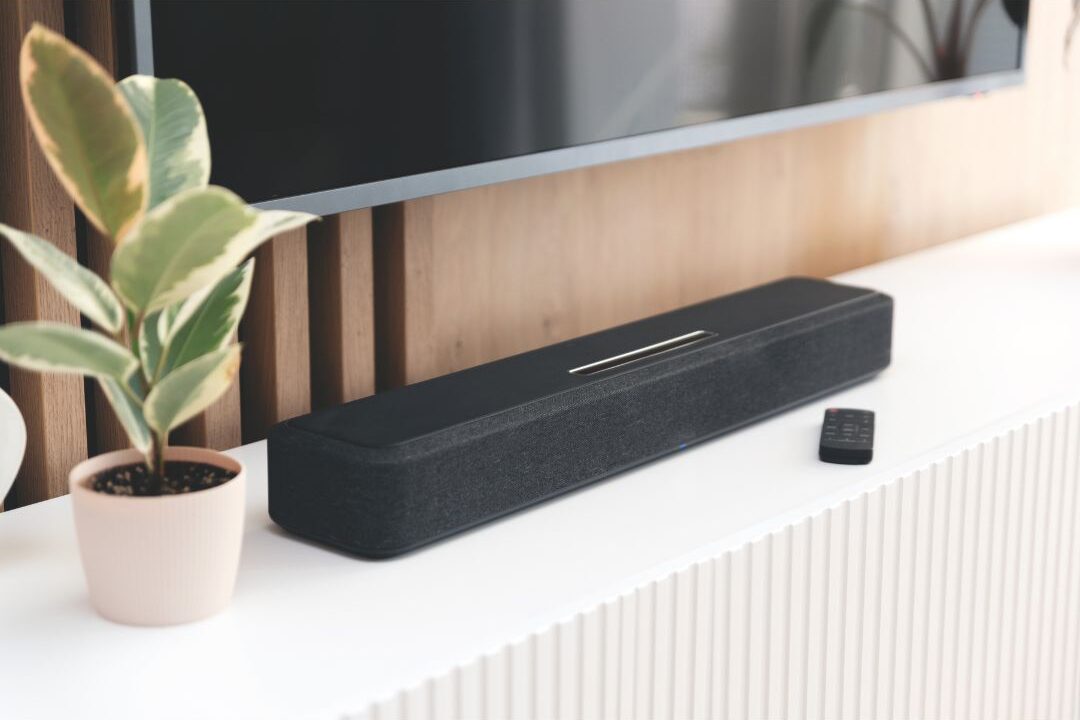
Atmospheric noise plays a huge role in daily home stress. Learn more in If Your Home Never Feels Peaceful, These 15 Things Might Be Why.
15. Your Calm Energy as the Host
The single most impactful thing a guest notices when they walk into your home is not a physical object, a decorative cushion, or a polished floor. It is your emotional state as the host.
If you answer the front door frantic, breathless, sweating, and apologizing repeatedly for minor domestic flaws, your guests immediately absorb your anxiety. They feel guilty for causing you stress.
If you greet them with a warm smile, a relaxed posture, and genuine happiness to see them—even if there is a rogue shoe in the hall—they feel instantly comfortable.
Authentic hospitality is never about perfection. It is about creating a space where people feel valued, safe, and welcome.
- Why It Matters: Guests mirror the emotional energy of the host within seconds of entering the house.
- The Quick Fix: Stop cleaning five minutes before guests arrive. Pour yourself a glass of water, take three deep breaths, and remind yourself that they are coming to see you, not your house.

Hosting stress often stems from social comparison. Read our advice on How to Stop Comparing Yourself to Other Moms to cultivate authentic confidence.
Over-preparing for guests is tied to perfectionist habits. Discover more in 17 Habits That Are Secretly Keeping You Stressed Every Day.
The 15-Minute Guest Reset Routine
To save yourself from exhaustion before hosting, stop trying to deep-clean your whole house. Use this prioritized fifteen-minute reset checklist instead.
Focus exclusively on high-impact sensory zones so you can prepare efficiently without feeling overwhelmed.
Phase 1: The Entrance and Air Reset (Minutes 1 to 5)
Start at the front door and move inward, addressing the very first things your guest will experience physically upon arrival.
- Step 1: Shake out the front door mat and sweep away visible entryway dirt.
- Step 2: Open windows for five minutes to flush out stale air, then start a mild essential oil diffuser.
- Step 3: Clear all shoes, coats, and stray bags from the main entrance console table into a closet or storage basket.
Phase 2: The Living Room and Bathroom Fix (Minutes 6 to 10)
Move straight to the primary gathering spaces where your guest will actually sit and spend time during their visit.
- Step 4: Clear all non-living room items off the sofa. Fluff back cushions and fold throw blankets neatly.
- Step 5: Wipe down the living room coffee table and main eye-level surfaces with a dry microfiber cloth.
- Step 6: Hang a fresh, dry hand towel in the guest bathroom, wipe the sink basin, and check that toilet paper is restocked.
Phase 3: The Kitchen and Ambiance Finish (Minutes 11 to 15)
Finish in the kitchen and adjust atmospheric elements so you can welcome your visitor with total peace of mind.
- Step 7: Stash dirty dishes inside the dishwasher or oven, wipe the main island counter clean, and empty the kitchen trash.
- Step 8: Turn off harsh overhead ceiling lights and turn on warm accent lamps.
- Step 9: Turn off televisions and start a low-volume, relaxing music playlist on your living room speaker.
- Step 10: Pour a glass of water, pause, wash your hands, and open the front door with a calm, welcoming smile.
Quick daily routines keep your space guest-ready effortlessly. Explore The Home Reset Trick That Changed My Entire Week for daily application.
Atmospheric fixes make hosting cozy and fun. Browse 40 Cozy Home Ideas You’ll Want to Copy for seasonal inspiration.
Creating a comfortable home environment for yourself and guests is a key element of 30 Tiny Luxuries Every Woman Deserves.
Hosting with Ease, Not Perfection
At the end of the day, nobody remembers whether your baseboards were scrubbed, whether your pantry was organized, or whether your rug was freshly shampooed.
What people remember is how they felt while sitting in your home. They remember the warmth of your greeting, the ease of the conversation, and the comforting sense that they were genuinely welcomed just as they are.
By letting go of the performative need for domestic perfection and focusing on simple sensory comfort, you free yourself to actually enjoy hosting again.
Your home is a sanctuary for living, gathering, and connecting. Let it be a comfortable, peaceful place for both you and those you welcome through your doors.



4 Comments