The Self-Care Mistakes That Leave You Feeling Even More Exhausted
Disclosure: Some of the links in this post are affiliate links. This means if you click on the link and purchase an item, I will receive an affiliate commission at no extra cost to you.
We have all experienced that puzzling sense of frustration after a day dedicated to relaxing. You scheduled a full afternoon off, took a long bath, listened to a soothing podcast, or paid for a lavish beauty treatment.
Yet, when Sunday evening rolls around, you feel completely drained. You walk into the new week feeling heavy, irritable, and mentally depleted instead of recharged.
This confusing phenomenon creates a quiet, painful internal feedback loop. You begin to wonder if there is something fundamentally wrong with your capacity to unwind.
The truth is far less personal and much more mechanical. Most popular relaxation practices focus entirely on physical pampering while ignoring how the human nervous system processes energy.
When your wellness efforts run counter to what your body actually needs, your recovery time turns into another source of fatigue.
Uncovering the specific self-care mistakes that leave you exhausted allows you to stop wasting precious energy on habits that backfire.

The Hidden Psychology of Counterproductive Relaxation
Relaxation is not simply the absence of movement or work. Real recovery requires your nervous system to transition out of a high-alert sympathetic state and into a calm parasympathetic state.
When you spend your week managing high workloads, home schedules, and continuous mental decisions, your brain operates in high gear.
If your version of self-care involves high sensory input, rigid expectations, or subconscious performance pressure, your brain remains on high alert. You might be sitting still physically, but your nervous system is still running a marathon.
This hidden misalignment explains why taking time off often leaves people feeling worse than before. You cannot force bodily rest while feeding your brain continuous stimulation or performance demands.
By understanding the physiological mechanics of rest, you can transform your downtime from an exhausting obligation into a deep source of true restoration.
To understand the broader landscape of modern wellness traps, read our complete guide on Why Self-Care Isn’t Working for You.
If your physical reserves feel completely empty, review the 10 Warning Signs You’re Headed for Mom Burnout.
The Illusion of High-Effort Wellness
Modern culture has transformed self-care into a demanding discipline complete with strict schedules and expensive gear.
When caring for yourself requires meticulous planning, early alarm clocks, or complex multi-step routines, it ceases to be restorative. It simply becomes another high-effort project that taxes your limited cognitive bandwidth.

Treating Relaxation as a High-Performance Sport
One of the most frequent self-care mistakes that leave you exhausted is applying productivity culture to your personal rest time.
You try to optimize every moment of your weekend. You force yourself to wake up at dawn for an intense workout, follow a strict twenty-minute meditation session, and prepare complex organic meals.
When your downtime is governed by rigid expectations, missing a step triggers guilt and anxiety. Your brain interprets this strict performance standard as another form of workplace evaluation.
Rest should be fluid, low-pressure, and responsive to your immediate physical needs. When you replace rigid performance goals with quiet self-compassion, your nervous system can finally let down its guard.
- The Core Paradox: Attempting to achieve perfection in relaxation creates the exact internal stress you are trying to heal.
- The Restorative Shift: Drop rigid routine rules and focus on simple activities that require zero performance or tracking.
Uncovering subconscious stress habits is essential. Explore 17 Habits That Are Secretly Keeping You Stressed Every Day.

Substituting Passive Digital Consumption for Deep Rest
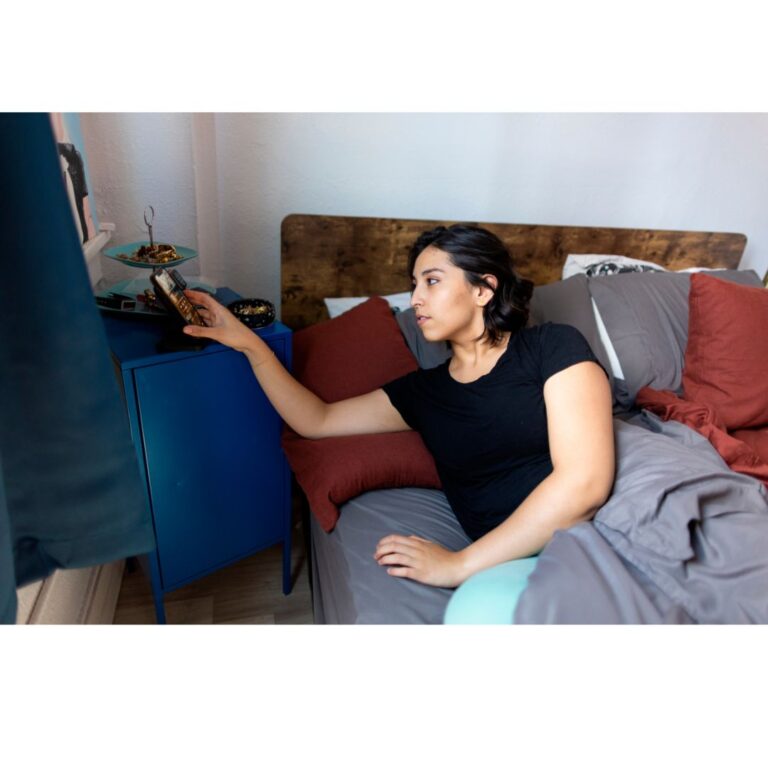
When physical energy is low, collapsing on the couch to scroll through social media or watch several hours of television feels like the path of least resistance.
However, passive digital consumption is one of the primary self-care mistakes that leave you exhausted over time.
While scrolling feels effortless, your brain is forced to rapidly process fast visual changes, emotional news stories, and subtle social comparisons.
This continuous stream of digital data prevents your brain from entering deep rest. You end up with tired eyes, a heavy head, and an overstimulated mind.
- The Core Paradox: Digital media offers a temporary mental escape while continuing to drain your cognitive reserves.
- The Restorative Shift: Replace mindless digital scrolling with low-stimulation activities like sitting in quiet silence, resting your eyes, or taking a slow walk outside.
Lowering sensory input starts with your surroundings. Learn How to Create a Calm Home Environment.
Biological Misalignments in Popular Rest Habits
Your body requires different types of recovery depending on the precise nature of your daily fatigue. Treating mental or emotional depletion with physical effort often worsens your overall tiredness.
Aligning your restoration methods with your biological state prevents you from repeating the subtle self-care mistakes that leave you exhausted.

Pushing Through High-Intensity Workouts When Chronically Depleted
Physical exercise is widely praised as a primary tool for stress relief and mental clarity. While movement is vital for long-term health, intense physical exertion is a major stressor on an already depleted body.
If you are running on four hours of sleep, carrying heavy emotional stress, or recovering from illness, high-intensity workouts flood your bloodstream with cortisol.
Instead of burning off mental tension, heavy exercise drains your remaining physical reserves. You leave the gym feeling shaky, exhausted, and physically compromised.
Recognizing when your body needs gentle movement rather than intense training is key to avoiding self-care mistakes that leave you exhausted after workouts.
- The Core Paradox: Forcing heavy physical output on a depleted body increases systemic inflammation and physical stress.
- The Restorative Shift: Swap intense workouts for gentle walking, light stretching, or restorative yoga when your physical energy is low.
Learn to listen to physical stress signals by reviewing You’re Probably Ignoring These Signs Your Body Needs Rest.
Relying on Temporary Solitude Without Resolving Internal Guilt
Stepping away from household demands for an hour of quiet solitude is a common way to recharge. However, solitude fails to restore your energy if it is accompanied by constant internal guilt.
If you spend your quiet hour worrying about household chores, feeling guilty for leaving your partner, or drafting mental work tasks, your mind remains fully engaged in labor.
Physical isolation without mental permission creates internal conflict. You experience the social cost of stepping away without receiving the restorative benefits of real rest.
Overcoming internal guilt is essential if you want to eliminate the psychological self-care mistakes that leave you exhausted during solo time.
- The Core Paradox: Stepping away physically while carrying mental guilt maintains high levels of internal stress.
- The Restorative Shift: Consciously grant yourself permission to rest by reminding yourself that downtime makes you a more patient, present person.

Unpacking rest guilt requires intentional mindset shifts. Read our complete guide on How to Stop Feeling Guilty About Rest.
Behavioral Traps That Waste Your Recovery Time
The way you structure your personal boundary lines determines whether your downtime heals you or drains you further.
Without clear boundary enforcement, your recovery time easily gets invaded by external demands and social obligations.

Confusing Social Obligations with Genuine Connection
Socializing with friends and family is often grouped under the broad umbrella of self-care. While healthy social connection heals emotional isolation, non-essential social obligations drain your remaining energy.
Attending crowded parties, participating in obligatory family dinners, or hosting events when your battery is low forces you to mask your feelings.
Acting cheerful, keeping up small talk, and managing social dynamics requires substantial emotional labor.
When you confuse obligatory social events with restorative connection, you fall into common self-care mistakes that leave you exhausted after weekends away.
- The Core Paradox: Socializing out of obligation consumes the exact emotional energy you are trying to rebuild.
- The Restorative Shift: Prioritize low-demand, high-authenticity interactions with trusted people, and decline events that feel like social performance.
Protecting your emotional energy requires dropping social performance. Check out how to stop comparing yourself to other moms
Attempting to Fix Deep Systemic Exhaustion with Surface Pampering
A luxurious manicure, a face mask, or a haircut can provide a temporary emotional boost. However, superficial pampering cannot fix a life structure that is fundamentally unbalanced.
If your daily life involves an overwhelming division of household labor, a toxic work environment, or non-existent personal boundaries, surface treats offer only brief relief.
Relying on beauty routines to solve structural lifestyle stress creates deep frustration. You end up feeling broke and disappointed when the pampering effect wears off in an hour.
Addressing the structural root causes of your stress is the only way to permanently fix the self-care mistakes that leave you exhausted month after month.
- The Core Paradox: Using temporary cosmetic fixes to manage structural life stress leads to recurring burnout cycles.
- The Restorative Shift: Shift your energy toward practical boundary setting, task delegation, and restructuring your daily schedule.

Addressing domestic friction points starts with systemic solutions. Discover The Real Reason Your Kitchen Never Stays Clean.
Practical structural shifts save time and sanity. Read about The Systems That Saved Me 10 Hours Every Week.
Evaluating Popular Self-Care Habits
To help you distinguish between habits that build energy and habits that drain energy, review this simple comparison table.
Rest Practices: Surface vs. Restorative
| Wellness Area | Exhausting Approach | Restorative Approach |
| Physical Health | High-intensity exertion when running on low sleep | Gentle walking, light stretching, and sleep |
| Digital Time | Mindless social scrolling and streaming bingeing | Complete digital silence and screen fasts |
| Social Life | Obligatory group events requiring social masks | Small, quiet, low-demand connections |
| Personal Time | Rigid, multi-step wellness routine schedules | Unstructured, fluid, zero-pressure quiet |
| Boundary Setting | Saying yes to everything then pampering later | Setting clear, firm boundaries around time |
Rebuilding an Energy-Restoring Framework
Eliminating the self-care mistakes that leave you exhausted does not require completely abandoning your self-care practices. It simply requires shifting your focus from outward performance to inward nervous system support.
Here is a practical, three-step framework for creating a daily recovery system that yields genuine, lasting energy.

Step 1: Diagnose Your Specific Type of Exhaustion
Before choosing a recovery method, take three minutes to assess the precise nature of your current tiredness.
- If you are physically tired: Prioritize early sleep, legs-up-the-wall stretching, warm baths, and nutrient-dense meals.
- If you are mentally exhausted: Brain-dump your thoughts into a paper journal, step away from screens, and avoid making non-essential decisions.
- If you are sensory overloaded: Dim your lighting, turn off background music, put away your phone, and sit in silent darkness.
- If you are emotionally drained: Spend quiet time alone, talk openly with an empathetic friend, or engage in creative, unstructured expression.
Matching your recovery strategy to your exact fatigue type prevents you from repeating common self-care mistakes that leave you exhausted without relief.
Identify the precise sources of your daily fatigue by reading You’re Not Lazy—You’re Probably Overloaded with these 7 things.
Step 2: Build Low-Input Micro-Pauses Into Daily Transitions
Do not wait for a full weekend off to take care of your health. Waiting for large blocks of free time guarantees that you will be running on empty most of the month.
Instead, insert tiny, low-stimulation micro-pauses throughout your normal daily schedule. These micro-pauses interrupt continuous stress loops and keep your battery stable.
- Car Transition: Sit quietly in your parked car for three minutes before entering your home after work or running errands.
- Morning Transition: Sip your morning water or coffee looking out a window in silence before opening email or social media.
- Midday Transition: Close your eyes at your desk for two minutes between major tasks to reset your visual focus.

Incorporate manageable micro-pauses by browsing our list of self-care ideas for moms who never have time.
Step 3: Replace Pampering with Protective Boundaries
The most effective self-care practice in existence is saying no to demands that compromise your basic physical and mental health.
Protecting your calendar from non-essential commitments saves far more energy than any beauty treatment or wellness product ever could.
Establish clear rules around your work hours, household responsibilities, and personal availability. Communicate these boundaries calmly without apologizing for having human limits.
When you protect your energy at the source, you eliminate the underlying causes that lead to self-care mistakes that leave you exhausted in the first place.
Establish boundaries at home by implementing Simple Household Rules That Eliminate Daily Stress.
Streamline household stress factors by checking out 25 Reasons Your House Always Feels Messy (Even After Cleaning).
Explore new perspectives on sustainable living in What Does Soft Life Really Mean for Stay-at-Home Moms?
Moving Toward Quiet, Authentic Restoration
Real self-care is rarely photogenic. It does not look like curated social media photos, expensive beauty hauls, or rigid morning routines performed at dawn.
Authentic self-care is often quiet, invisible, and simple. It looks like going to bed early, saying no to a social event, leaving the dirty dishes in the sink for an hour, or sitting in total silence on your porch.
When you release the performative pressure to relax correctly and focus on what your body truly needs, your downtime will finally deliver the quiet energy and peace you deserve.
Give yourself permission to slow down today. Step away from high-effort wellness trends, honor your physical boundaries, and let real restoration begin.

Reclaiming your peace and identity starts with small choices. Explore 21 Ways to Feel Like Yourself Again.






3 Comments