

Stop Wasting Money on These Household Items
Disclosure: Some of the links in this post are affiliate links. This means if you click on the link and purchase an item, I will receive an affiliate commission at no extra cost to you.
If you want to stretch your family budget this year, the easiest place to start is right inside your own home. Many of us leak money every single week without even realizing it. We buy products out of habit, because of clever TV ads, or because we think they make our busy lives easier.
However, when you decide to stop wasting money on these household items, you instantly free up cash for the things that truly matter to your family.
Managing a home is hard work. Between grocery runs, cleaning routines, and keeping kids organized, it is easy to pick up items that promise quick convenience.
Retail companies know this, and they design products that run out quickly so you have to keep buying them forever.

The good news is that saving money does not mean living in a bare or uncomfortable house. In fact, most of the items that drain your wallet actually create more clutter in your cabinets.
By swapping temporary, disposable products for smart, reusable alternatives, you can protect your hard-earned money and simplify your daily routine at the same time.
In this guide, we will look at twelve common household items that are secretly draining your wallet. We will break down why we keep buying them, how much they really cost you over time, and the simple everyday swaps you can make today.
The Hidden Cost of Household Convenience
Before we look at specific products, let us talk about why these items end up in our shopping carts in the first place.
Most household waste comes down to one thing: paid convenience. When you are tired after a long day of work or parenting, convenience feels like a lifesaver.
You buy pre-cut vegetables because chopping feels like too much work. You buy disposable paper towels because washing cloths feels like another chore on your endless to-do list.
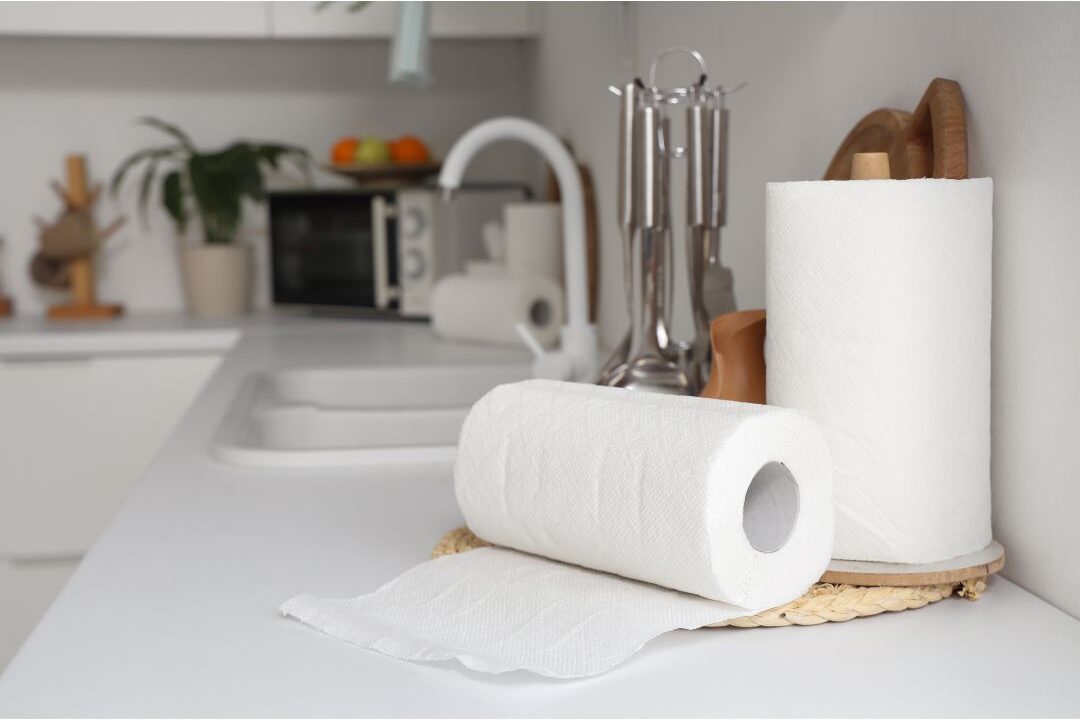
There is no shame in wanting an easier life. However, marketing teams use your fatigue to sell you products you do not actually need.
They take simple household tasks and break them down into separate, expensive products. They convince us that we need a different spray bottle for every single room in the house.
When you step back and look at your receipts, these small five-dollar and ten-dollar purchases add up to thousands of dollars every year.
Reclaiming your home budget is simply about spotting these marketing tricks and choosing simpler, smarter ways to run your home.
Small daily leaks often add up to big budget problems. Explore 25 Money Mistakes Stay-at-Home Moms Make Without Knowing It.
Building real financial security requires changing how you view daily expenses. Read Things Poor Families Buy That Wealthy Families Skip.
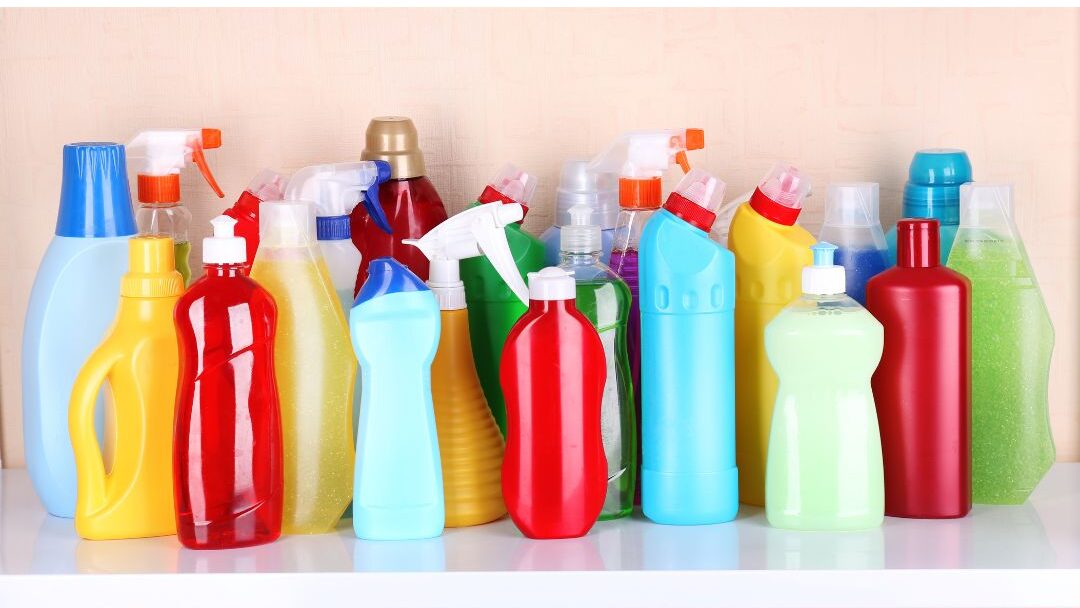
1. Specialized Single-Surface Spray Cleaners
Walk down the cleaning aisle of any supermarket, and you will see dozens of colorful spray bottles. There are separate cleaners for glass, granite, stainless steel, tile, wood, and oven doors.
Why We Buy Them
Cleaning brands spend millions of dollars convincing us that using one cleaner on multiple surfaces is dangerous or unhygienic. We buy specialized sprays because we want our homes to look spotless and polished.
The Math Behind the Waste
Buying four or five different surface sprays at five dollars each means spending twenty-five dollars every few months on cleaning liquids. Most of these bottles are made up of ninety-five percent water and a tiny bit of soap or fragrance.
The Simple Everyday Swap
Use a multi-surface concentrate or make your own simple spray. A glass bottle filled with warm water, a splash of white vinegar, and a few drops of dish soap can safely clean windows, laminate counters, and cabinet doors for pennies.
Pro Tip for Moms
Keep one simple multi-surface bottle on every floor of your house. It saves money, saves storage space under the sink, and makes quick wipe-downs much faster.
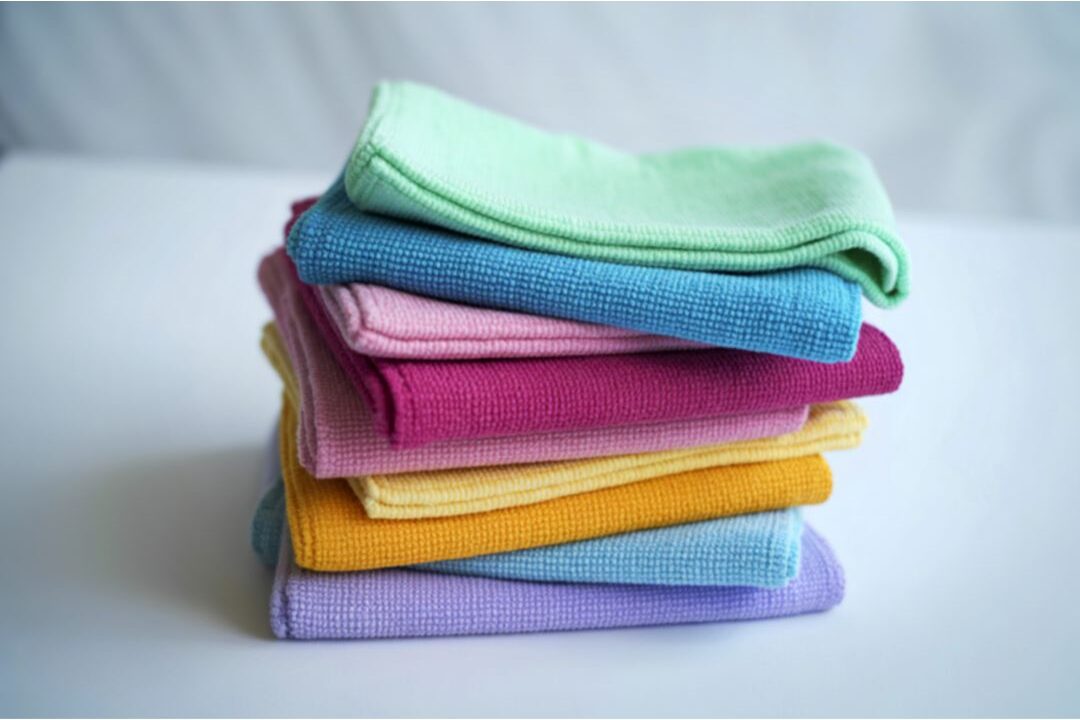
2. Disposable Paper Towels and Napkins
Paper towels are one of the biggest recurring expenses in modern kitchens. We use them to dry hands, wipe counters, clean up spills, and wipe sticky faces.
Why We Buy Them
Paper towels offer instant cleanup with zero laundry afterwards. You wipe up a mess and throw it directly into the trash can.
The Math Behind the Waste
The average family goes through two to three rolls of paper towels every week. At two dollars per roll, that adds up to over two hundred and fifty dollars every year literally thrown straight into the garbage.
The Simple Everyday Swap
Invest in a twenty-pack of soft microfiber cloths or cotton kitchen towels. Keep a basket of clean towels on the counter and a small mesh bag nearby for dirty ones. Toss them in with your regular weekly laundry load.
Pro Tip for Moms
Cut up old cotton t-shirts or worn bath towels into rag-sized squares. Use these for messy jobs like cleaning greasy stove tops or wiping muddy pet paws so you do not ruin your good towels.
Disposable paper products often create extra trash clutter. Discover 25 Reasons Your House Always Feels Messy (Even After Cleaning).
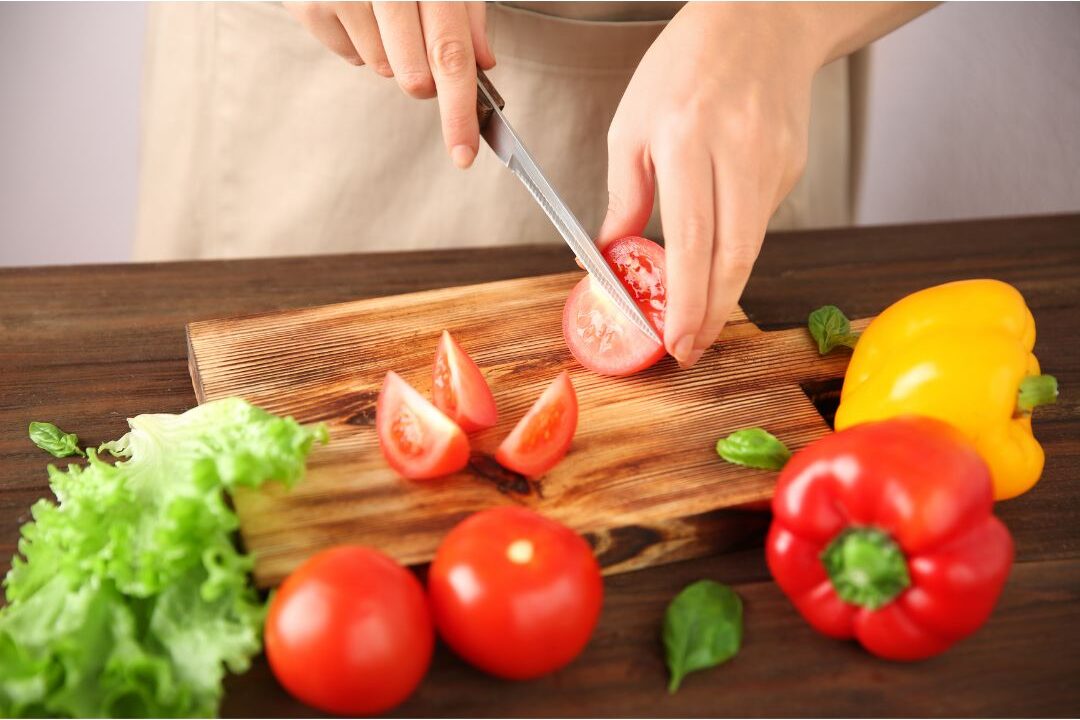
3. Pre-Cut Produce and Single-Serve Packaged Foods
In the produce section, you will find pre-sliced onions, chopped fruit cups, bagged shredded lettuce, and individual snack packs.
Why We Buy Them
Cutting up a whole pumpkin or chopping onions takes time and effort, especially when you are preparing dinner while managing kids. Pre-cut food promises to save you ten minutes in the kitchen.
The Math Behind the Waste
Pre-cut fruits and vegetables carry a markup of up to three hundred percent compared to whole produce. A whole melon might cost three dollars, while a small tub of cubed melon costs seven dollars for half the amount.
The Simple Everyday Swap
Buy whole fruits and vegetables and spend fifteen minutes prepping them right after grocery shopping. Wash, chop, and store them in clear glass containers in your fridge so they are ready to use all week long.
Pro Tip for Moms
Get a simple, sturdy vegetable chopper or food processor. It cuts chopping time down to seconds and pays for itself within a single month of grocery savings.
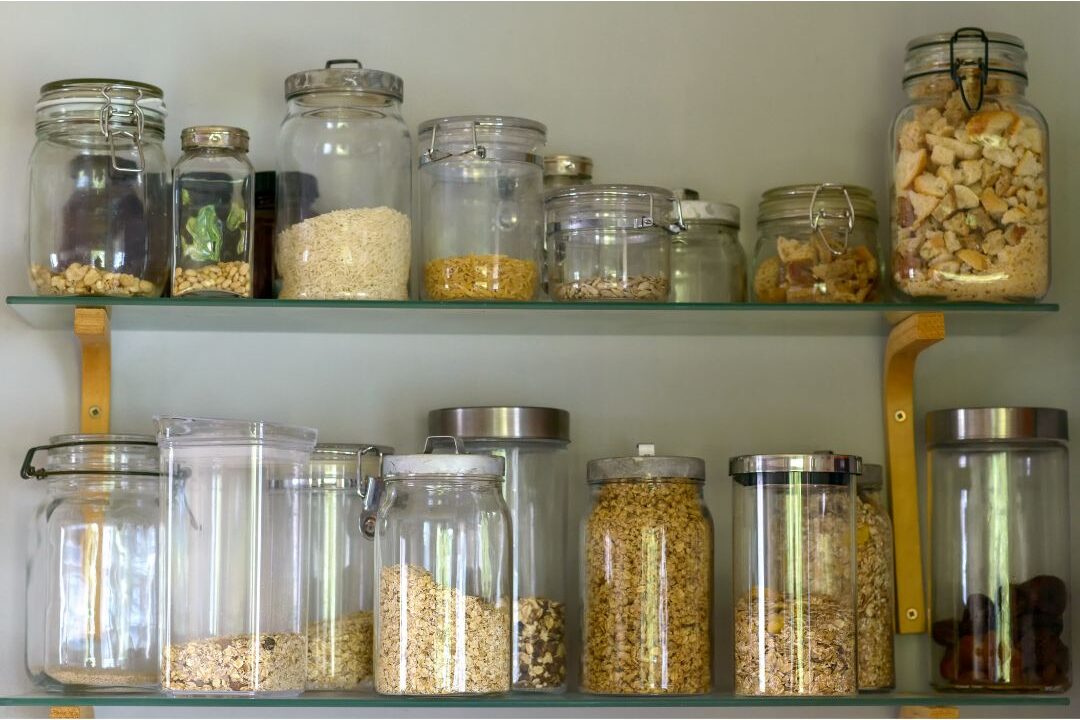
4. Over-Priced Plastic Storage Bins and Aesthetic Containers
Social media videos often show pantries filled with matching clear plastic bins, labeled spice jars, and uniform basket sets.
Why We Buy Them
We see pristine, color-coded pantries online and think that buying matching plastic bins will fix our home organization problems. It gives us a quick feeling of control.
The Math Behind the Waste
Outfitting an entire kitchen pantry with high-end plastic bins and acrylic organizers can easily cost two hundred to four hundred dollars. Furthermore, transferring food out of perfectly good original packaging into plastic bins creates extra unnecessary work.
The Simple Everyday Swap
Decant only items that actually benefit from airtight storage, like flour, sugar, and rice. Use upcycled glass sauce jars or simple sturdy boxes you already own before buying new containers.
Pro Tip for Moms
Declutter first before buying any storage container. Most of the time, the problem is not a lack of organizer bins, but having too many items you do not use.
True home organization comes from clear systems, not plastic tubs. Read Things Frugal Moms Never Waste Money On.
Creating a peaceful space does not require expensive store decor. Learn How to Create a Calm Home Environment.
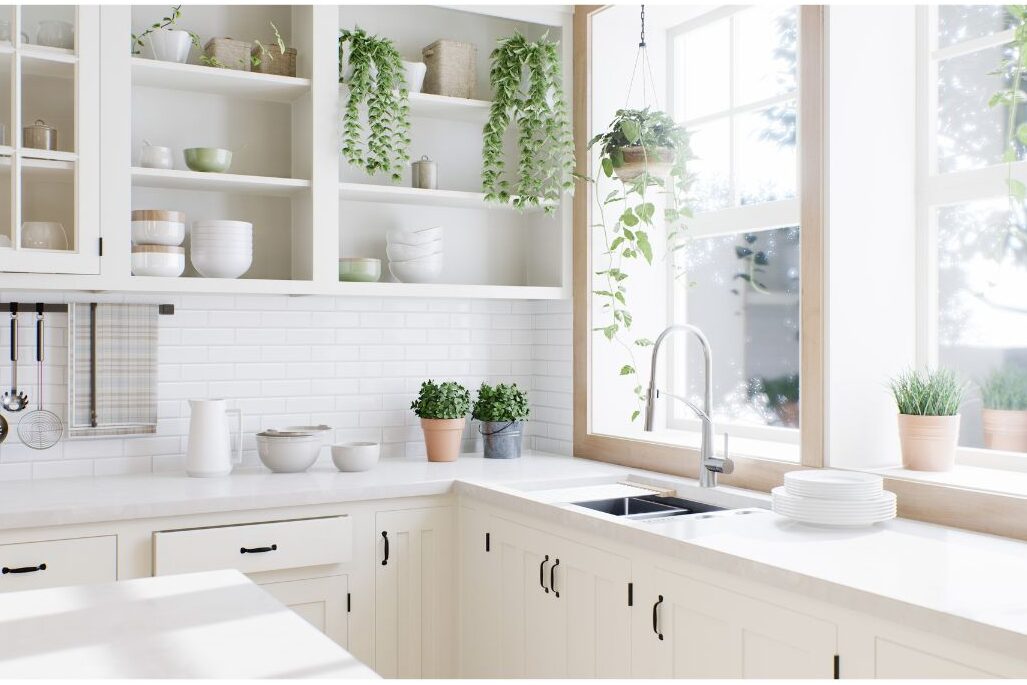
5. Single-Use Kitchen Appliances and Unitasker Gadgets
Kitchen stores are full of gadgets designed for one specific task. Examples include avocado slicers, egg cookers, garlic presses, electric can openers, and waffle makers.
Why We Buy Them
Unitasker gadgets look fun, novel, and helpful in store displays or online video ads. They promise to solve tiny kitchen inconveniences effortlessly.
The Math Behind the Waste
A single gadget costs anywhere from fifteen to forty dollars. When you buy four or five of these tools, you spend over one hundred dollars on plastic gadgets that end up sitting forgotten in the back of your drawers.
The Simple Everyday Swap
Rely on a few core, high-quality tools that do multiple jobs well. A sharp chef knife, a sturdy wooden spoon, and a solid cutting board can handle almost any kitchen task without taking up drawer space.
Pro Tip for Moms
Before buying any new kitchen tool, ask yourself if a standard knife, fork, or spoon can do the exact same job. Nine times out of ten, the standard tool works just fine.
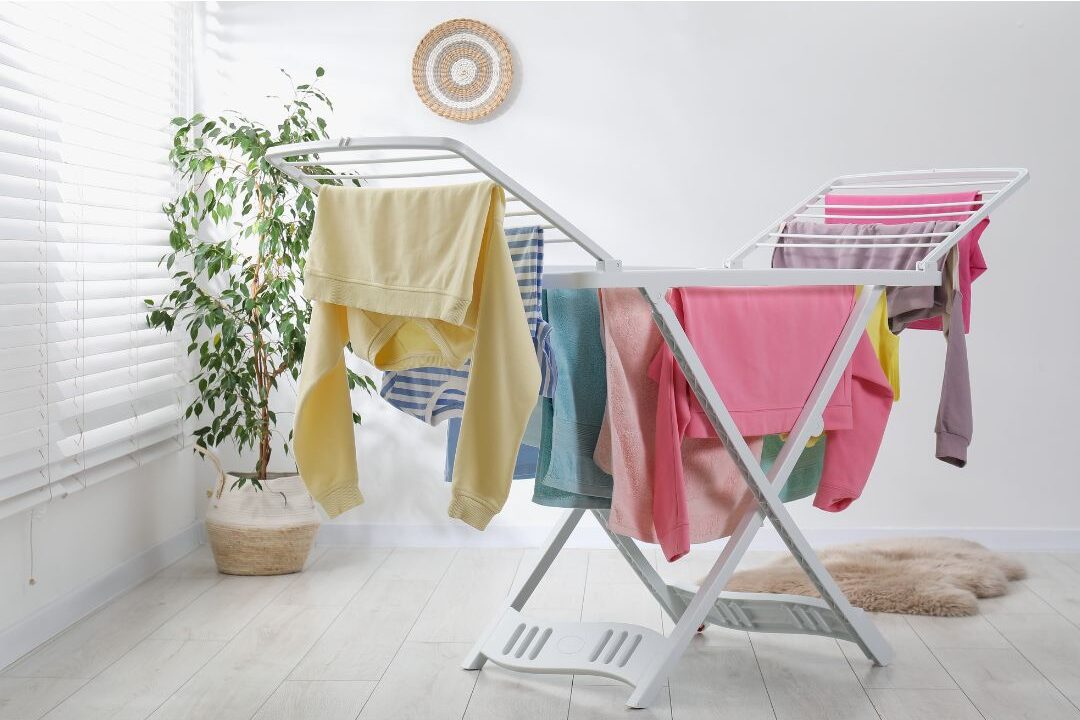
6. Fabric Softeners, Dryer Sheets, and Laundry Scent Boosters
Liquid fabric softener, scented dryer sheets, and laundry scent beads promise to make your clothes smell like a fresh spring morning and feel pillow-soft.
Why We Buy Them
We want our clothes, bed sheets, and bath towels to smell amazing and feel extra soft against our skin.
The Math Behind the Waste
Adding fabric softener, scent beads, and dryer sheets to your laundry routine adds another fifteen to twenty dollars to your monthly store receipt. That is nearly two hundred dollars a year spent on temporary synthetic fragrances.
The Simple Everyday Swap
Use half a cup of plain white vinegar in your washing machine’s rinse cycle. Vinegar naturally softens fabric fibers and neutralizes odors without leaving any vinegary smell behind. For dryer drying, use reusable wool dryer balls.
Pro Tip for Moms
Fabric softeners actually coat towel fibers in a chemical wax layer that makes them less absorbent over time. Skipping softener makes your bath towels dry you off much better!
Complex household routines add unnecessary daily mental load. Review 17 Habits That Are Secretly Keeping You Stressed Every Day.

7. Air Fresheners, Scented Plug-Ins, and Aerosol Sprays
Wall plug-ins, automatic aerosol sprays, and scented room candles are wildly popular items in home care aisles.
Why We Buy Them
We want our living spaces to smell clean and welcoming for our family and visiting guests. We buy plug-ins to cover up cooking smells, pet odors, or musty rooms.
The Math Behind the Waste
A starter pack of scented plug-ins costs around fifteen dollars, and monthly refill pods cost ten to fifteen dollars continuously. That is an ongoing subscription expense for artificial room scents.
The Simple Everyday Swap
Open your windows for ten minutes every morning to circulate fresh outdoor air. To create a clean natural scent, simmer a small pot of water on the stove with leftover orange peels, a cinnamon stick, or fresh mint leaves.
Pro Tip for Moms
Many commercial room sprays contain chemical compounds that can trigger allergies or asthma in young children. Natural fresh air is safer for your family and completely free.
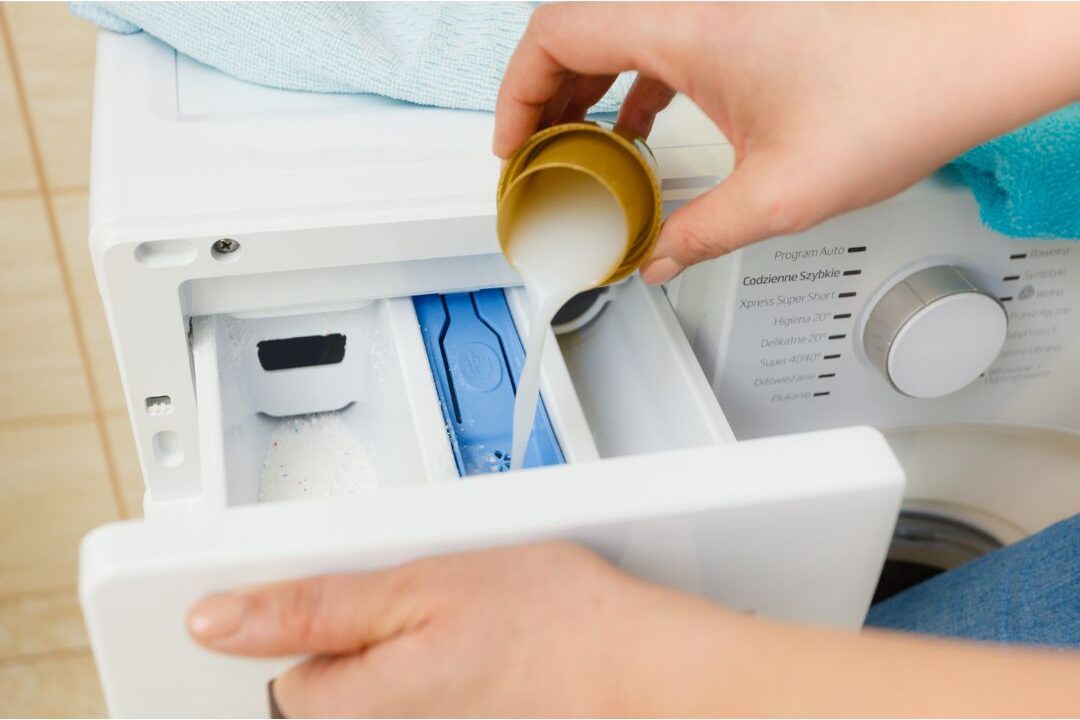
8. Overusing Laundry Detergent Liquid and Pods
While laundry detergent is a necessity, the way most people use it leads to massive daily product waste.
Why We Buy Them
We assume that using more detergent means cleaner, fresher clothes. The measuring caps that come with detergent bottles often have giant lines that encourage you to pour way too much soap.
The Math Behind the Waste
Most people use two to three times the amount of detergent needed for a single load. This cuts the lifespan of your detergent bottle in half, forcing you to buy detergent twice as often as necessary.
The Simple Everyday Swap
Use only one to two tablespoons of liquid detergent for an average load of laundry. Modern washing machines and concentrated detergents are powerful, so a little soap goes a very long way.
Pro Tip for Moms
Excess detergent soap leaves a dull residue on clothes that traps dirt and body oils inside the fabric fibers. Using less soap actually leaves your family’s clothes cleaner and brighter.
Streamlining household tasks frees up precious family time. Read I Tried Living Like a Rich Homemaker for 30 Days—Here’s What I Found Out
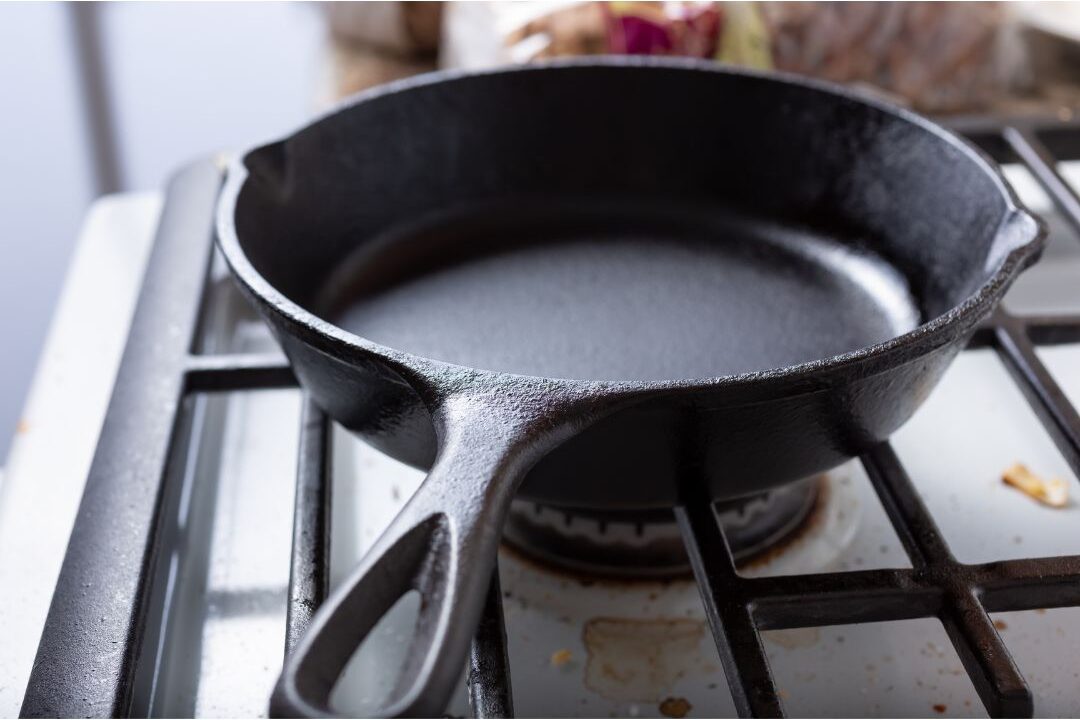
9. Cheap Non-Stick Teflon Frying Pans
Low-cost non-stick frying pans are featured prominently in home stores as cheap, easy cooking essentials.
Why We Buy Them
They are inexpensive, light to hold, and promise easy cooking without food sticking to the surface.
The Math Behind the Waste
Cheap non-stick coatings scratch, flake, and degrade quickly under high heat or when metal utensils are used. Most families end up throwing them away and buying new twenty-dollar pans every twelve to eighteen months.
The Simple Everyday Swap
Invest in one good cast iron skillet or a stainless steel frying pan. When properly seasoned and heated, cast iron is naturally non-stick, virtually indestructible, and lasts for generations.
Pro Tip for Moms
Cast iron pans can go straight from the stove top into the oven, making them perfect for one-pot family meals and easy cleanup.

10. Single-Serve Water Bottles and Beverage Cartridges
Plastic water bottles, pre-mixed juice pouches, and single-serve coffee pods remain top sellers in grocery stores worldwide.
Why We Buy Them
Grab-and-go drinks make leaving the house quick and effortless, especially when running errands with children.
The Math Behind the Waste
A pack of bottled water costs around five to eight dollars. Buying bottled water regularly costs a household three hundred to five hundred dollars per year for tap water put in plastic bottles.
The Simple Everyday Swap
Buy a durable stainless steel water bottle for every family member. Use a simple water filter pitcher in your fridge if you prefer the taste of filtered water.
Pro Tip for Moms
Keep filled water bottles in the fridge overnight. That way, they are ice-cold and ready to grab instantly as you head out the door in the morning.
Eliminating small leaks gives you room to build proper savings. Read the Budget Categories Every Mom Should Have.
11. Brand-Name Basic Pantry Essentials
When shopping for baking items, pantry staples, and basic paper goods, it is easy to reach for famous brand names.
Why We Buy Them
We recognize brand names from television commercials and social media. We assume that higher prices always guarantee better quality and taste.
The Math Behind the Waste
Brand-name basic staples like salt, sugar, flour, baking soda, oats, and canned beans cost twenty to forty percent more than store-brand generic options for the exact same ingredients.
The Simple Everyday Swap
Buy store-brand generic options for single-ingredient pantry items. In almost every case, the product inside the package comes from the exact same suppliers as the expensive brand-name items.
Pro Tip for Moms
Start by swapping just three basic items to store brands on your next grocery trip. Once you notice zero difference in quality, swap three more on your following visit.
Managing home supplies efficiently cuts down on unnecessary mental load. Learn Why You Never Finish Your To-Do List.
12. Cheap Seasonal Home Decor and Fast-Trend Trinkets
Retail stores display new seasonal decorations, themed throw pillows, and small knick-knacks every few months for every holiday season.
Why We Buy Them
Seasonal displays look cheerful and festive. Buying a few cheap holiday decorations feels like an affordable way to bring seasonal joy into our living rooms.
The Math Behind the Waste
Spending twenty to fifty dollars on plastic seasonal decorations every few months adds up to hundreds of dollars a year. Furthermore, these items take up precious storage space in your closets for eleven months of the year.
The Simple Everyday Swap
Decorate your home with natural, timeless elements. Use fresh flowers, wooden bowls, green potted plants, or real pumpkins and evergreen branches that can be composted after the season ends.
Pro Tip for Moms
Create seasonal traditions around experiences rather than plastic items. Baking seasonal treats or crafting with nature items creates far richer memories for your children than store-bought trinkets.
Desire for aesthetic home trends often stems from social pressure. Read How to Stop Comparing Yourself to Other Moms.

3 Simple Mindset Rules Before Buying Any Household Product
Changing your household spending habits does not mean overthinking every tiny purchase. Instead, you can filter new purchases through three simple rules.
Rule 1: The Multi-Use Test
Before putting a home product in your cart, ask yourself if it can do at least three different jobs in your home. If a product only does one hyper-specific task, leave it on the shelf.
Rule 2: The Storage Space Test
Remember that every item you bring into your home demands physical storage space and mental energy. Ask yourself if this item is worth losing closet space for over the next twelve months.
Rule 3: The 24-Hour Cool-Down Rule
When you feel the urge to buy an aesthetic home organizer, a new kitchen gadget, or seasonal decor, wait twenty-four hours. Most emotional impulse urges fade completely after a good night of sleep.
True home comfort comes from simplicity, not constant shopping. Read Things Poor Families Buy That Wealthy Families Skip
Protecting your time and budget allows real rest. Read our guide on Things Frugal Moms Never Waste Money On
A Practical 3-Step Plan to Clean Out Your Household Budget
Transitioning away from wasteful household items is best done in small, manageable steps so you do not feel overwhelmed.
Step 1: Finish What You Already Own
Do not throw away half-full bottles of cleaner or paper towel rolls you already paid for. Use up your current supplies completely while building your new reusable habits.
Step 2: Swap One Category at a Time
Pick just one room to start with this month. Focus on swapping kitchen paper towels for microfiber cloths first. Once that feels like a natural routine, move to laundry softeners or cleaning sprays the following month.
Step 3: Redirect Your Savings Automatically
As you notice extra cash staying in your checking account, set up an automatic transfer of fifty dollars every month into a dedicated savings buffer or emergency fund.
Simplifying home chores protects your personal energy. Review 10 Warning Signs You’re Headed for Mom Burnout.
Avoid consumer traps that claim to offer self-care. Discover The Self-Care Mistakes That Leave You Feeling Even More Exhausted.
Simple Habits Lead to Lasting Peace
Learning how to stop wasting money on these household items is one of the most rewarding changes you can make for your family.
When you replace expensive, disposable products with simple, multi-use alternatives, your home becomes lighter, cleaner, and much easier to manage. You spend less time storing plastic clutter and less money on endless store trips.
Best of all, those saved dollars stay right where they belong: in your family bank account, working toward your long-term security and peace of mind.
Pick one small item from this list today, make the smart swap, and enjoy the quiet confidence that comes with running an intentional, financially wise home.