

Simple Household Rules That Eliminate Daily Stress
Disclosure: Some of the links in this post are affiliate links. This means if you click on the link and purchase an item, I will receive an affiliate commission at no extra cost to you.
Establishing simple household rules that eliminate daily stress can completely transform the atmosphere of your home and family life.
Many families spend their days constantly reacting to chaos, searching for missing keys, and cleaning up endless scattered belongings.
When your living space lacks clear operational boundaries, every minor domestic decision becomes a heavy mental burden for you.
You might feel like you are constantly nagging family members to clean up after themselves without seeing lasting results.
Creating a calm home environment does not require strict enforcement, rigid schedules, or military discipline across your rooms.
Instead, implementing quiet household guidelines helps everyone understand how to maintain shared spaces effortlessly without constant reminders.
When clear expectations are woven into daily life, domestic care transforms from an exhausting chore into automatic family habits.
You will notice immediate relief as physical clutter clears away and your living room becomes a genuine peaceful sanctuary.
Restoring order to your home protects your mental wellbeing and allows you to enjoy true quality time together.

Why Living Without Clear Domestic Boundaries Creates Chronic Stress
Living in an environment without predictable expectations forces your brain to remain in a continuous state of high alert.
Every jacket tossed on the sofa and every dish left in the sink represents an unfinished mental decision for you.
When clutter accumulates across main living zones, your sensory system processes that disorder as ongoing visual stress and noise.
You might find yourself snapping at loved ones over minor messes because your patience is already thoroughly exhausted.
Without agreed-upon household guidelines, domestic management falls disproportionately on one person who rapidly grows exhausted and bitter.
Establishing gentle boundaries creates a supportive framework where every family member actively participates in caring for the home.
Predictable guidelines remove the friction of constant decision making and allow your household to run smoothly on autopilot.
Physical disorganization in shared spaces often creates subtle emotional tension between partners and family members daily.
When expectations are vague, people naturally default to doing what is convenient rather than what keeps the home functional.
Clarifying simple boundaries replaces silent frustration with shared clarity and daily teamwork across every room in your house.
As a result, your home shifts from a constant source of anxiety into a restorative haven for the whole family.
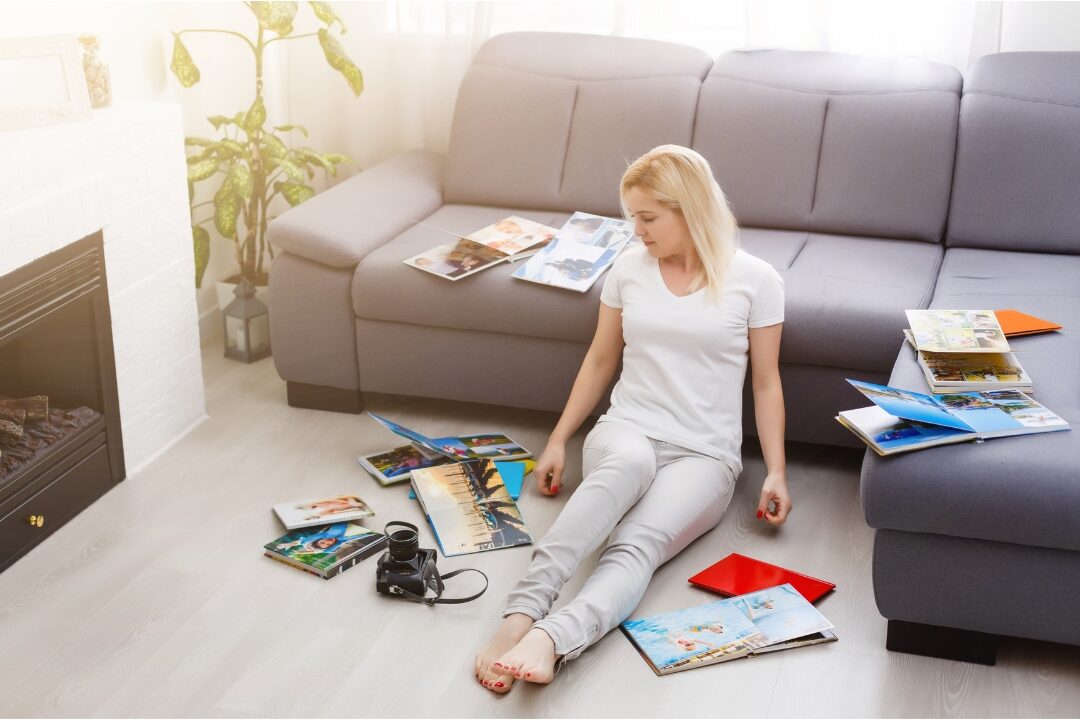
Uncovering the hidden causes of home chaos helps you build better daily boundaries. Discover why If Your Home Never Feels Peaceful, These 15 Things Might Be Why.
The Touch-It-Once Rule for Daily Personal Belongings
The touch-it-once rule is one of the most powerful habits for preventing random clutter from expanding across your rooms.
This simple concept dictates that items should be placed directly into their final destinations rather than set down temporarily.
For instance, when you walk through the front door, put your coat immediately on a hanger instead of the chair.
Similarly, drop incoming mail straight into sorting bins or the recycling trash can instead of leaving it on kitchen counters.
Setting items down for now guarantees that you will have to handle that exact same item a second time later.
By taking five extra seconds to complete the action immediately, you eliminate hours of piled-up cleaning labor.
Teaching your children this habit prevents shoes, backpacks, and toys from scattering across high-traffic hallways throughout the day.
In addition, practicing this rule reduces the mental friction of constantly scanning rooms for misplaced items during busy mornings.
You stop losing valuable time searching for car keys or water bottles because everything returns directly to its designated location.
Over time, this effortless personal rule keeps your flat surfaces immaculate without requiring major weekend cleaning marathons.

Implementing micro-habits like touch-it-once elevates your living space instantly. Read about 25 Tiny Changes That Made My Home Feel 10x More Luxurious.
Keeping entryways clear ensures your home always feels welcoming to visiting friends. Read Why Guests Notice These 15 Things Before Anything Else.
Establishing the Clear-Surface Rule Before Daily Transitions
Flat surfaces like kitchen islands, dining tables, and entryway consoles naturally attract loose household objects like powerful magnets.
Allowing mail, water bottles, and school supplies to pile up creates visual noise that ruins the tranquility of a room.
The clear-surface rule requires that key tables and counters are entirely cleared off before moving to the next activity.
Before sitting down to eat dinner, take three minutes to clear off the kitchen island completely with your family.
Before going to bed, ensure that your coffee table and nightstands are restored to a completely clean state.
Before going to bed, ensure that your coffee table and nightstands are restored to a completely clean state.
Clearing flat surfaces creates natural visual pauses that make your entire living area feel spacious, elegant, and calm.
When you prepare meals on clear kitchen counters, cooking becomes an enjoyable, relaxed ritual rather than a stressful chore.
In addition, open counters allow light to bounce freely across your kitchen, creating an immediate sense of warmth and cleanliness.
You feel more present during family conversations because your eyes are not constantly catching scattered piles of loose paperwork.
This consistent transition habit prevents minor clutter accumulation from taking over your primary living zones during busy weeks.
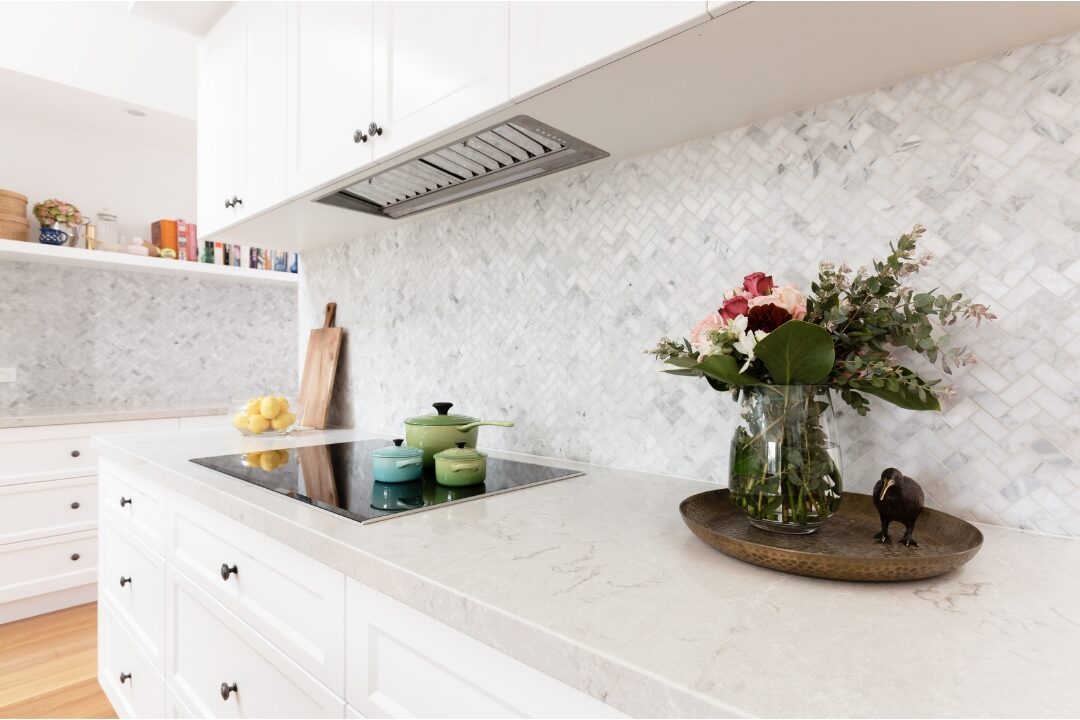
Maintaining uncluttered surfaces is a foundational element of creating a refined home. Discover 75 Things Every Elegant Home Has.
The Kitchen Shutdown Rule to Guarantee Peaceful Mornings
Leaving dirty dishes or unwashed food prep tools in the sink overnight quietly ruins your peace of mind before tomorrow begins.
Walking into a cluttered kitchen to brew morning coffee immediately activates stress responses and drains your baseline energy.
The kitchen shutdown rule establishes a clear boundary that the kitchen is officially closed only when counters and sinks are pristine.
Run the dishwasher every single evening regardless of whether it is completely full, ensuring fresh utensils for the next morning.
Wipe down the stove top, wash heavy preparation pots, and empty the small sink strainer before turning off main lights.
Unload the clean dishwasher immediately while your morning coffee brews so that dirty dishes never accumulate on counters during breakfast.
Establishing this non-negotiable kitchen closing boundary keeps food preparation spaces hygienic, orderly, and deeply inviting at all times.
You start each new day with a fresh slate, feeling accomplished and completely in control of your domestic environment.

Prioritizing high-impact morning momentum protects your mental focus for important priorities. Discover Why Successful Moms Don’t Start Their Day With Laundry.
The One-In, One-Out Inventory Rule for Managing Possessions
Physical clutter expands quickly when new belongings continuously enter your living space without older items ever leaving your home.
Overflowing closets, stuffed toy bins, and packed kitchen drawers make it nearly impossible to keep your home tidy.
The one-in, one-out rule establishes a balanced boundary that keeps your household inventory at a manageable level.
Whenever a new pair of shoes, toy, or kitchen appliance enters your home, a similar item must be donated.
This simple inventory boundary forces you to evaluate whether a new purchase is truly worth sacrificing an existing item.
You will naturally become more intentional with your spending habits when you enforce this physical boundary across closets.
Furthermore, keeping your volume of possessions stable prevents your storage cabinets from reaching an unmanageable breaking point.
Having fewer total belongings means you spend less time dusting, sorting, and arranging items inside crowded storage drawers.
Your family will spend significantly less time organizing items because every object fits comfortably in its designated place.

Releasing consumer pressure helps you maintain a serene home without buying excess clutter. Read The Biggest Soft Life Lie Social Media Keeps Telling Moms.
Prioritizing quality over physical quantity brings true comfort and elegance to your daily routine. Discover 30 Tiny Luxuries Every Woman Deserves.
Creating Dedicated Drop Zones to Protect Main Living Areas
When personal items do not have specific designated homes, they inevitably spread out across your sofa, dining chairs, and floors.
Family members drop shoes, keys, purses, and gym bags wherever it feels convenient unless a clear alternative exists.
Designing dedicated drop zones gives everyday gear a specific landing pad the second your family steps inside the house.
Set up a sturdy shoe rack, wall hooks, and individual cubbies near your main entryway or garage door.
Assign a specific basket or shelf to each child so they take full personal responsibility for their belongings.
When everyone knows exactly where their keys, wallet, and sunglasses belong, morning panic disappears completely from your routine.
In addition, high-traffic entryways stay neat, allowing guests to enter your home without stepping over scattered footwear and bags.
Your living room remains a quiet place for relaxation because daily gear stays contained in its designated drop zone.
This spatial boundary prevents household clutter from invading the relaxing living areas where your family rests at night.
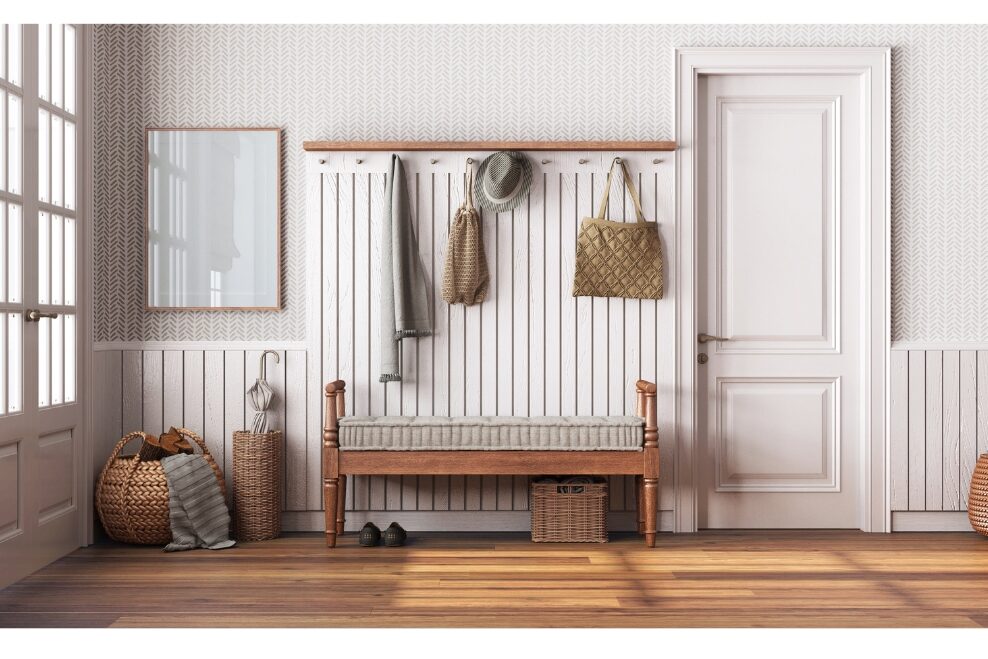
Protecting living rooms from entryway clutter helps you build a warm, inviting home sanctuary. Read 40 Cozy Home Ideas You’ll Want to Copy.
Creating organized drop zones brings quiet luxury and ease to your daily coming and going. Discover 30 Tiny Luxuries Every Woman Deserves.
The Ten-Minute Evening Household Reset Before Bedtime
Ending your day without resetting your main living areas guarantees that you will wake up to immediate stress tomorrow.
Walking into a messy kitchen filled with dirty dishes instantly drains your energy before your day even starts.
Establishing a non-negotiable ten-minute evening reset ensures that your family closes down the house together every night.
Set a timer for ten minutes, play upbeat music, and assign simple tasks to every member of your family.
One person loads the dishwasher while another wipes down counters and a third person gathers toys from the floor.
Because everyone works together, a chaotic living room can be completely restored to pristine order in record time.
Working as a unified team teaches children that maintaining a peaceful home is a shared family experience.
Waking up to a clean kitchen, empty sink, and tidy living space grants you immediate peace of mind.
This simple nightly ritual protects your morning energy and sets a calm tone for your entire day ahead.
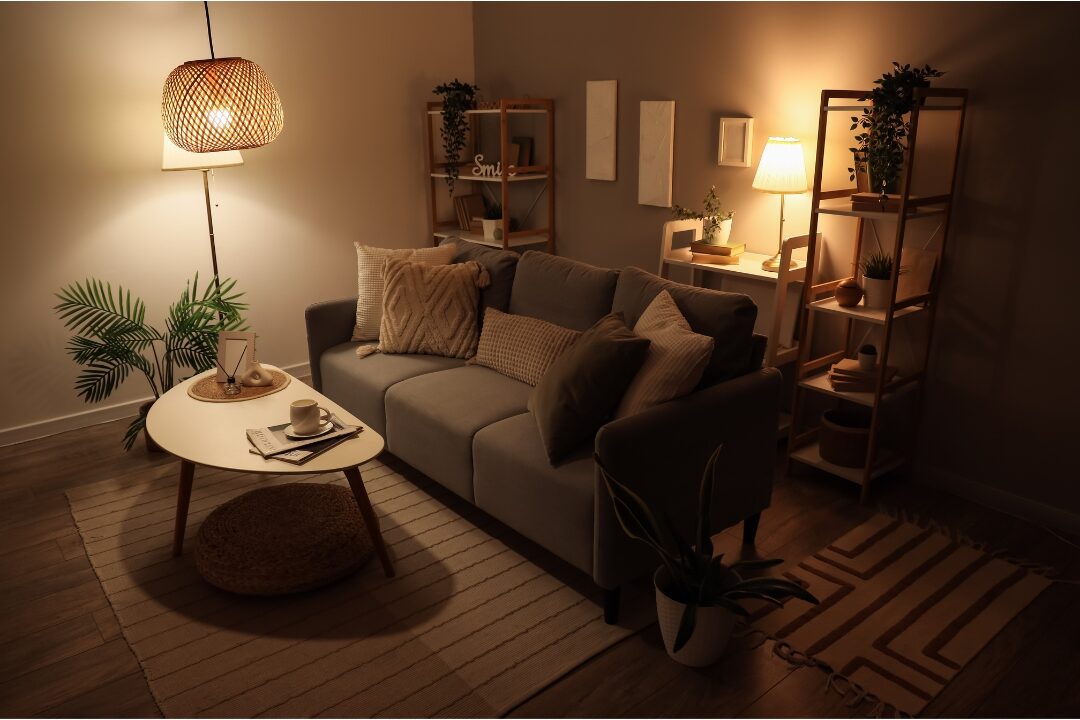
Fixing your evening routine prevents common productivity traps from ruining your morning momentum. Read about 10 Mistakes That Are Killing Your Productivity at Home.
Setting clear end-of-day reset rituals helps remote workers switch off and relax with family. Discover How to Separate Work Life From Home Life.
The Sunday Evening Prep Rule for a Seamless Workweek Transition
Sunday evenings often bring a subtle sense of anxiety as the upcoming workweek and school commitments draw near.
Facing Monday morning without prior preparation leads to frantic searches for clean clothes, missing permission slips, and forgotten lunches.
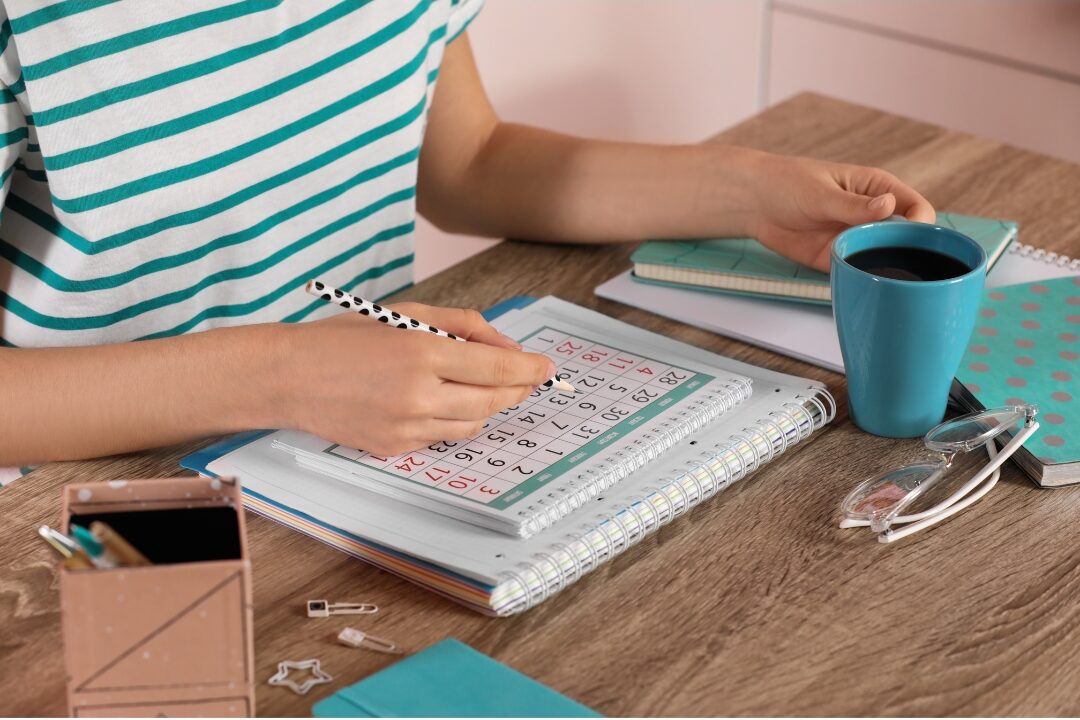
The Sunday prep rule involves spending thirty minutes organizing essential logistics for the week ahead before relaxing for the evening.
Review your shared family calendar to confirm upcoming medical appointments, sports practices, and special school events with everyone.
Layout outfit options for the entire week in bedroom closets to eliminate morning wardrobe fatigue for yourself and your children.
Prepare non-perishable snack containers and double-check that backpacks contain completed homework assignments and required school supplies.
Taking time to outline weekly meal plans and prep basic grocery items saves hours of chaotic kitchen effort later.
Establishing this smooth Sunday transition rule removes weekday friction and ensures your family enters Monday feeling calm, confident, and prepared.
Structuring your weekly schedule helps remote workers set clear boundaries between labor and leisure. Read How to Separate Work Life From Home Life.
Combining Sunday prep with clear morning routines sets you up for effortless daily success. Discover Things Successful Remote Moms Do Before 9 A.M.
Setting Communication Boundaries for Uninterrupted Rest Time
Physical clutter is not the only source of domestic stress; constant digital and verbal interruptions ruin home peace as well.
When family members yell across rooms or demand immediate attention during rest periods, your nervous system remains elevated.
Establishing quiet hours and respectful communication guidelines creates an atmosphere of mutual consideration and calm across your home.
Designate specific quiet blocks in the late afternoon or early evening where household noise levels drop significantly.
Encourage children to use calm indoor voices and walk to another room to speak rather than shouting across hallway spaces.
Furthermore, establish a household boundary regarding personal screen time during shared family meals and rest windows.
Putting phones away during dinner allows your family to connect deeply without constant digital dings and distractions.
Protecting these quiet communication boundaries transforms your living space into a true emotional sanctuary for everyone.

Setting firm personal communication boundaries helps remote workers maintain balance. Read How to Work From Home Without Feeling Like You’re Working All Day.
Assigning Clear Age-Appropriate Ownership for Domestic Duties
Managing a home should never be the sole responsibility of one person who acts as a servant for everyone else.
When children and partners take true ownership of specific chores, domestic burdens are shared equitably across the house.
Assign clear, age-appropriate duties that family members own completely, from start to finish, without needing management.
For instance, young children can take full responsibility for putting away their shoes and feeding family pets daily.
Older children can learn to wash their personal laundry, fold their clothes, and clean their own bathroom counters.
Avoid stepping in to fix minor mistakes when children perform their assigned duties imperfectly during their learning phase.
Praise their consistent effort and allow them to build confidence while taking pride in contributing to family life.
Sharing operational responsibility teaches children valuable life skills while freeing up hours of time for you.

Delegating household responsibilities protects your physical energy and prevents severe mom burnout. Read 10 Warning Signs You’re Headed for Mom Burnout.
Protecting Quiet Zones and Sensory Calm Across the House
In a busy home, having at least one area dedicated entirely to sensory rest is essential for emotional health.
When every room is filled with toys, laundry baskets, and work paperwork, escaping daily stress becomes impossible.
Designate specific quiet zones in your home, such as the master bedroom or a cozy reading corner, where clutter is banned.
Keep these protected sanctuary spaces free from work laptops, piles of unfolded laundry, and loud electronic devices.
Incorporate calming sensory elements like soft warm lighting, cozy throw blankets, and subtle natural diffusers in these zones.
When you feel overwhelmed by daily demands, retreat to your quiet zone for fifteen minutes to recharge your energy.
Knowing you have an immaculate, calm space waiting for you provides instant comfort during chaotic afternoons.
Protecting sensory boundaries in main rest spaces ensures that your home supports deep mental and physical recovery.

Protecting restful home spaces gives your family a peaceful backdrop to build lifelong memories together. Discover 25 Family Traditions Worth Starting.
Shifting from Rigid Enforcers to Peaceful Household Collaborators
Implementing new household rules requires gentle patience, consistency, and open communication rather than harsh discipline or anger.
If family members forget a new rule, gently remind them of the expectation without resorting to scolding or frustration.
Explain the deeper why behind each boundary, helping them understand that clean spaces support everyone’s peace and happiness.
Hold regular family meetings to discuss how current routines are functioning and adjust rules based on actual feedback.
When family members feel heard, they are far more likely to honor household guidelines and cooperate enthusiastically.
Celebrate your shared progress together when living spaces stay neat, acknowledging everyone’s hard work and contribution.
Remember that creating a peaceful home is an ongoing journey of continuous learning, adaptation, and gentle growth.
By practicing simple household rules that eliminate daily stress, you build a loving, structured sanctuary for your family.
Letting go of perfectionism allows you to lead your family with calm confidence and joy. Read The Annoying Beliefs That Keep Moms Playing Small.







24 Comments