

How to Love Staying Home Again
Disclosure: Some of the links in this post are affiliate links. This means if you click on the link and purchase an item, I will receive an affiliate commission at no extra cost to you.
Learning how to love staying home again is essential when your domestic space starts feeling like a place of restriction rather than comfort. Over time, daily repetition, endless household chores, and remote work demands can quietly tarnish your relationship with your living space.
What was once your personal haven can easily transform into a source of visual clutter, ongoing fatigue, and mental boredom.
Consequently, many women find themselves constantly longing to escape their houses, searching for peace everywhere except inside their own front doors.
You might notice feeling restless during weekends or constantly scrolling on your phone to escape your immediate surroundings.
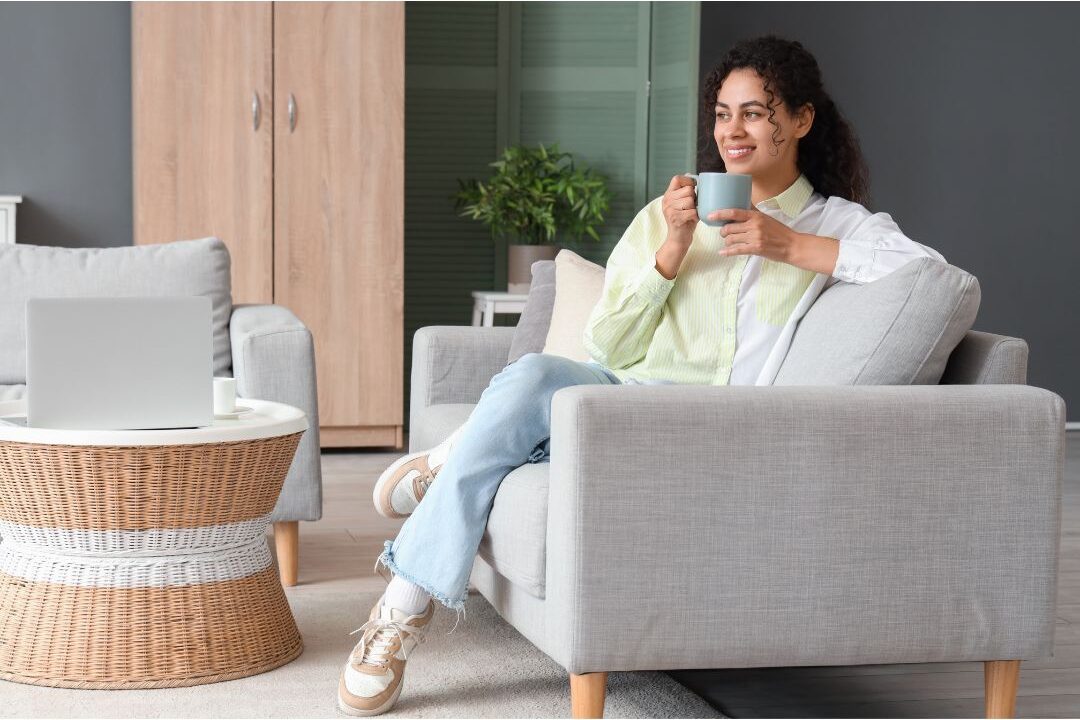
Disliking your time at home is rarely about the physical building itself. Instead, it is usually a clear signal that your daily home systems, visual environment, and personal boundaries require immediate care.
In addition, learning to romanticize your daily routines allows you to cultivate warmth and calm without leaving your living room.
When you intentionally align your environment with your internal needs, staying inside becomes a nourishing, restorative experience.
Ultimately, mastering how to love staying home again empowers you to turn your living space into a true personal sanctuary.

Why Home Stopped Feeling Like a Safe Haven
To begin with, understanding why your living space lost its magic is necessary before you can rebuild domestic comfort.
For many individuals, spending prolonged hours indoors turns home into a multi-tasking hub where work, chores, and resting happen simultaneously.
When every corner of your living room reminds you of unwashed dishes, unread emails, or unfolded laundry, true relaxation becomes impossible.
In reality, your brain struggles to settle into deep rest when your physical space constantly signals unfinished work.
Furthermore, neglected room styling and visual clutter quietly increase daily cortisol levels without your conscious awareness.
Walking past overfilled storage corners or messy countertops creates micro-stress that drains your mental energy throughout the afternoon.
In addition, modern digital distractions often steal the slow, sensory moments that make domestic life feel deeply meaningful.
When you spend hours staring at screens indoors, you miss the quiet pleasure of a warm cup of tea or natural afternoon sunlight. As a result, your home begins to feel like a holding cell rather than a place of inspiration and rest.
Facing the psychological friction of full-time domestic life helps you rebuild spatial boundaries. Discover The Hard Truth About Being Home All Day.
Releasing domestic perfectionism opens up immediate space for personal peace and rest. Read 21 Things Stay-at-Home Moms Need to Hear Today.
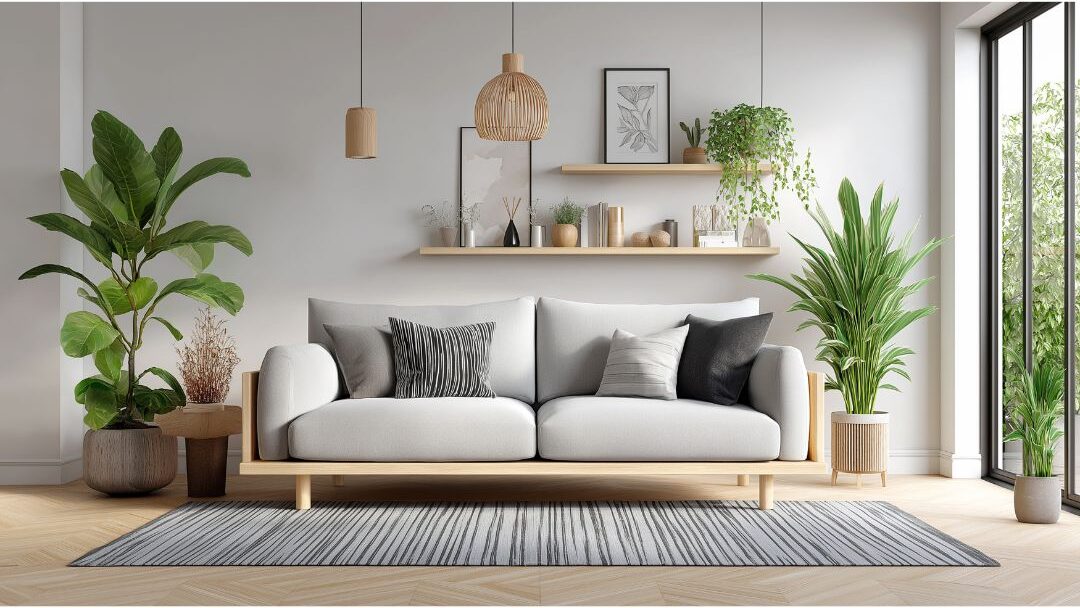
Shifting from Containment Mindset to Sanctuary Curation
Rediscovering domestic joy requires a complete mental shift from viewing your home as a container to viewing it as a sanctuary. A container is simply a place where you store physical belongings and execute repetitive daily tasks.
A sanctuary, on the other hand, is a carefully curated environment designed to protect your nervous system and nourish your spirit. In fact, turning your living space into a sanctuary does not require expensive remodeling projects or luxury furniture purchases.
Instead, sanctuary curation begins by removing visual clutter that no longer serves a functional or aesthetic purpose in your daily life.
For example, clearing paper piles from your kitchen table immediately changes the emotional energy of your entire main living area.
Additionally, intentional decor choices like soft linen throws, warm lighting, and fresh green plants instantly invite a sense of peace.
When you treat your home with gentle care, your living space repays you by offering immediate physical and emotional comfort.
This way, you stop viewing time spent at home as lost time, embracing it as a precious opportunity to recharge your mind.
Elevating Daily Senses to Spark Domestic Joy
Furthermore, human emotional experiences within a space are heavily influenced by subtle sensory inputs throughout the entire day.
If your home environment is dark, noisy, or filled with stale air, your mood will naturally feel stagnant and heavy.
Therefore, elevating your home experience begins by intentionally awakening all five of your physical senses every morning.
For instance, open your windows immediately after waking up to allow fresh outdoor air and natural daylight to circulate through your rooms.
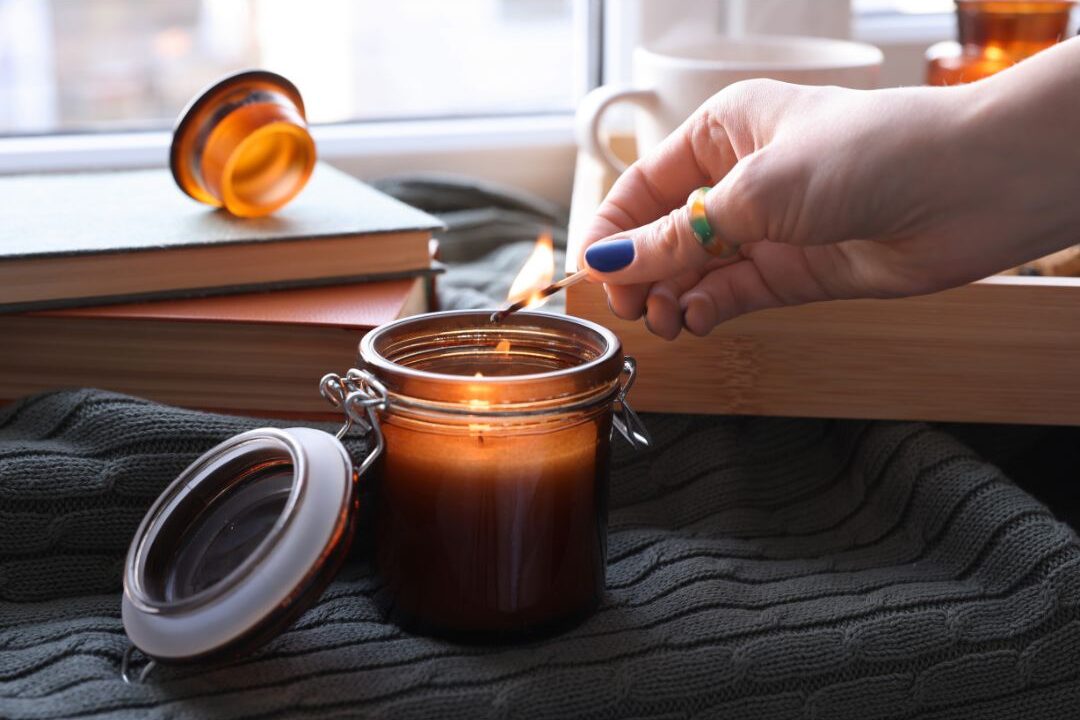
In addition, replace harsh overhead ceiling lighting with warm floor lamps or beeswax candles during late afternoon hours. Lighting candles during dinner or late reading sessions creates an instant mood of cozy intimacy and slow living.
Similarly, playing soft ambient music or acoustic melodies in the background masks chaotic street noise and fills quiet rooms with warmth.
In fact, pairing gentle sounds with a signature home fragrance like lavender, vanilla, or eucalyptus creates an uplifting domestic atmosphere.
By deliberately curating your physical surroundings, you turn everyday indoor moments into pleasurable sensory experiences that bring genuine delight.
Correcting common interior lighting and layout errors instantly calms your visual environment. Read The Decor Mistakes That Make Homes Look Cluttered.
Incorporating simple sensory rituals brings quiet elegance into your weekly home schedule. Discover Luxury Habits Anyone Can Afford.

Reclaiming the Art of Unhurried Evening Rituals
In addition to sensory adjustments, how you end your day dictates how you feel about your home overall.
When your evenings consist of frantic cleaning, endless screen scrolling, or late work emails, your home feels like an relentless workplace.
However, establishing unhurried evening rituals helps your mind signal the transition from daily labor to restorative personal rest.
For example, implement a short twenty-minute “evening house reset” right after dinner to clean essential kitchen surfaces.
Washing the main dishes and wiping counters prevents late-night mess from greeting you the following morning. Once the short reset finishes, declare your domestic work officially completed for the remainder of the night.
Furthermore, lower your home lighting, pour a warm herbal tea, and engage in relaxing activities like reading or journaling.
When you protect your evenings with firm boundaries, staying home at night becomes something you deeply anticipate all afternoon.
You cultivate a comforting evening cadence that allows your body to release tension and enjoy deep, restful sleep.
Establishing a brief daily reset routine keeps your evening hours entirely stress-free. Discover The Home Reset Trick That Changed My Entire Week.
Eliminating late-night digital drains protects your nervous system and improves sleep quality. Read 17 Habits That Are Secretly Keeping You Stressed Every Day.
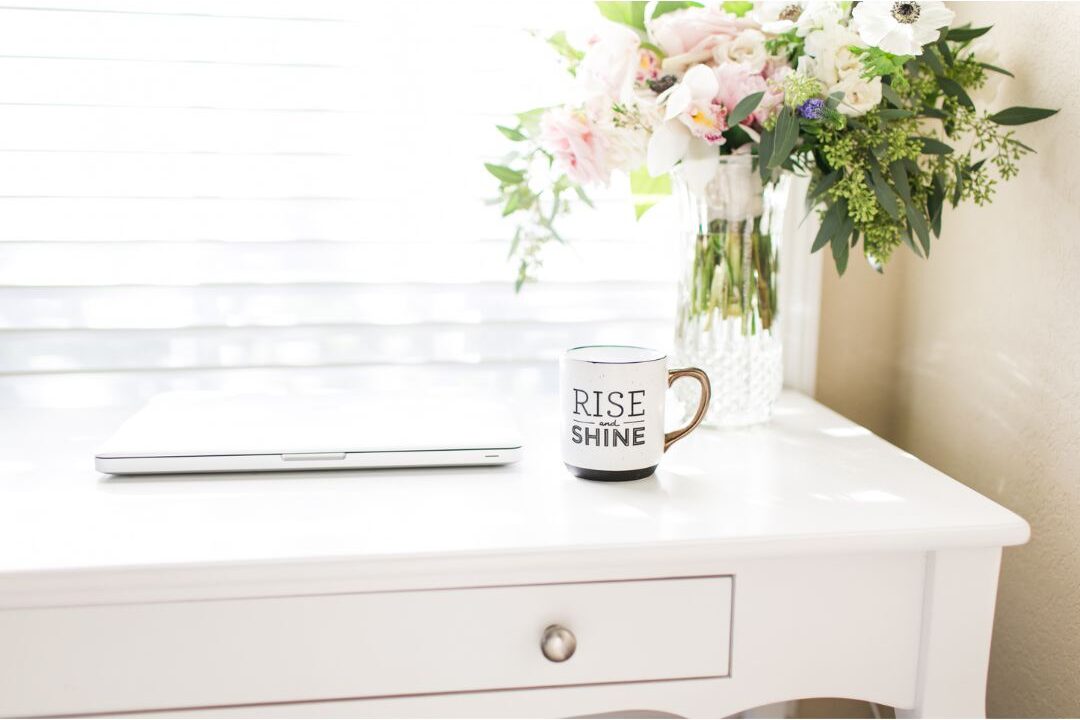
Setting Boundaries Between Work, Chores, and Genuine Rest
One of the biggest reasons people lose their love for home life is the total absence of physical boundaries. When you eat, work, scroll, and rest in the exact same spot on your couch, every activity loses its distinct identity.
Consequently, your mind becomes confused about when it should be focused and when it is permitted to rest deeply.
To restore harmony, establish dedicated functional zones across your living spaces, even within smaller apartments or shared homes.
For instance, keep your bed exclusively reserved for sleep and intimacy, refusing to bring work laptops or intense household admin into bedroom spaces.
Similarly, set up a specific chair or table desk strictly dedicated to handling work tasks or family scheduling.
In addition, give yourself permission to step away from unfinished domestic chores when your designated rest periods arrive.
The laundry can safely wait until tomorrow morning, but your daily mental recovery cannot be postponed indefinitely.
By enforcing firm boundaries between labor and leisure, you protect your home rest from being swallowed by endless domestic demands.
Setting clear spatial rules prevents household chaos from taking over your living areas. Read Simple Household Rules That Eliminate Daily Stress.
Structuring your morning work boundaries protects your quiet afternoon leisure time. Discover Things Successful Remote Moms Do Before 9 A.M.

Cultivating Creative Hobbies Within Your Four Walls
Loving your time at home requires engaging in activities that bring personal fulfillment beyond domestic chores and digital media.
When indoor free time consists exclusively of watching television or scrolling social feeds, your brain becomes passive and disengaged.
Over time, this digital consumption leaves you feeling empty, restless, and unsatisfied with your overall daily experience.
Instead, dedicate open weekly hours to cultivating tactile, creative hobbies that bring genuine joy and mental focus.
For example, experiment with artisan baking, indoor gardening, watercolor painting, journaling, or learning a musical instrument.
Working on tangible creative projects gives you a deep sense of personal achievement within your home environment.
Creative hobbies remind you that your living space is a generative studio for personal growth, not just a cleaning venue.
When you fill your home hours with engaging, meaningful pursuits, staying inside becomes an exciting personal choice rather than a boring limitation.
You begin to look forward to quiet indoor afternoons spent crafting, learning, and expanding your unique personal talents.

Choosing meaningful personal hobbies over impulse shopping transforms your indoor home culture. Read 17 Things Stylish Women Never Buy.
Completing core priorities early frees up long afternoon blocks for creative home hobbies. Discover How to Get More Done Before Breakfast.
Rebuilding Social Connection and Hospitality at Home
In addition to personal creativity, bringing warm social energy into your home helps prevent feelings of indoor isolation.
Staying home does not mean cutting yourself off from meaningful connection with loved ones and close friends.
In fact, inviting friends over for unpretentious, low-stress gatherings turns your home into a shared hub of joyful memory making. You do not need to host elaborate dinner parties or prepare multi-course meals to practice warm hospitality.
Instead, invite a good friend over for casual afternoon tea, a simple homemade soup, or a relaxed weekend coffee chat. Keep preparations simple so that you remain relaxed and fully present during the visit.
Furthermore, hosting low-pressure visits reframes your home as a welcoming sanctuary of connection rather than a private compound.
When your living space is filled with shared laughter and meaningful conversation, your emotional connection to your home deepens.
Consequently, you begin to appreciate your living environment as a generous space that nurtures both yourself and others.
Transforming Your Environment From Stressful Drag to Daily Sanctuary
Moving from trapped domestic living to sanctuary-driven living starts with changing how you perceive your immediate environment.
When you view home as an inescapable container, every room feels heavy, cluttered, and restrictive.
Consequently, you experience persistent spatial claustrophobia and feel an urgent need to escape your own front door. Shifting your perspective turns your physical space into a protected refuge that actively supports your mental well-being.
Your daily operational habits determine whether your indoor hours feel restful or completely exhausting.
Cleaning reactively throughout the entire day keeps your brain trapped in a perpetual work mode without clear boundaries.
As a result, true relaxation becomes impossible because you are constantly monitoring visual mess and uncompleted household tasks.
In contrast, utilizing short, scheduled daily micro-resets keeps your living space orderly while leaving your evenings entirely off-duty.
Lighting and sensory choices also dramatically influence how you feel within your main living areas. Relying on harsh overhead ceiling lights while keeping windows closed creates a cold, uninviting acoustic and visual atmosphere.
In fact, dull artificial light increases physical fatigue and disrupts your natural daily sleep cycles over time. Therefore, opening windows for fresh air, lighting natural candles, and playing soft background music instantly elevates your daily mood.
Finally, your approach to indoor leisure time dictates whether staying inside leaves you energized or deeply dissatisfied.
Spending open afternoon hours mindlessly scrolling social media feeds drains your cognitive energy and triggers subtle emotional exhaustion.
Instead, engaging in tactile creative hobbies, reading inspiring books, and enjoying quiet tea rituals restores your inner peace.
By replacing passive screen consumption with intentional creative pursuits, you build an indoor routine that brings genuine joy.

Realistic Steps to Love Staying Home Again
Reclaiming your love for home life does not require an immediate room-by-room makeover or expensive lifestyle changes. Execute these three practical steps today to transform your immediate home experience and restore domestic tranquility.
Execute a “Visual Noise Audit” in High-Traffic Rooms
First, walk through your main living areas with a critical eye focused entirely on eliminating visual noise and surface clutter.
Identify three problem areas that trigger immediate stress, such as your entryway table, kitchen counter, or coffee table.
Remove every item that does not belong in those spaces, placing belongings in hidden storage or returning them to proper rooms.
Clearing primary visual planes reduces cognitive friction immediately, allowing your eyes to rest comfortably when you enter the room.
Maintain these cleared surfaces as sacred non-clutter zones to preserve instant daily visual calm across your home.
Establish a Daily Signature Scent and Sound Ritual
Second, select a calming home scent and a pleasant musical playlist to mark the transition from work hours to relaxation time.
At precisely 5:00 PM or after concluding your daily responsibilities, light a favorite candle or diffuse natural essential oils.
Simultaneously, turn on soft background jazz, classical, or ambient acoustic music while lowering harsh overhead room lights.
This dual sensory cue instantly signals to your nervous system that the demanding portion of your day has officially concluded.
Repeated daily, this sensory ritual turns your living room into an inviting retreat that feels distinctly separate from work.

Create One Sacred Rest Spot Reserved for Zero Productivity
Third, set up one comfortable corner in your home that is dedicated exclusively to leisure, comfort, and zero productivity.
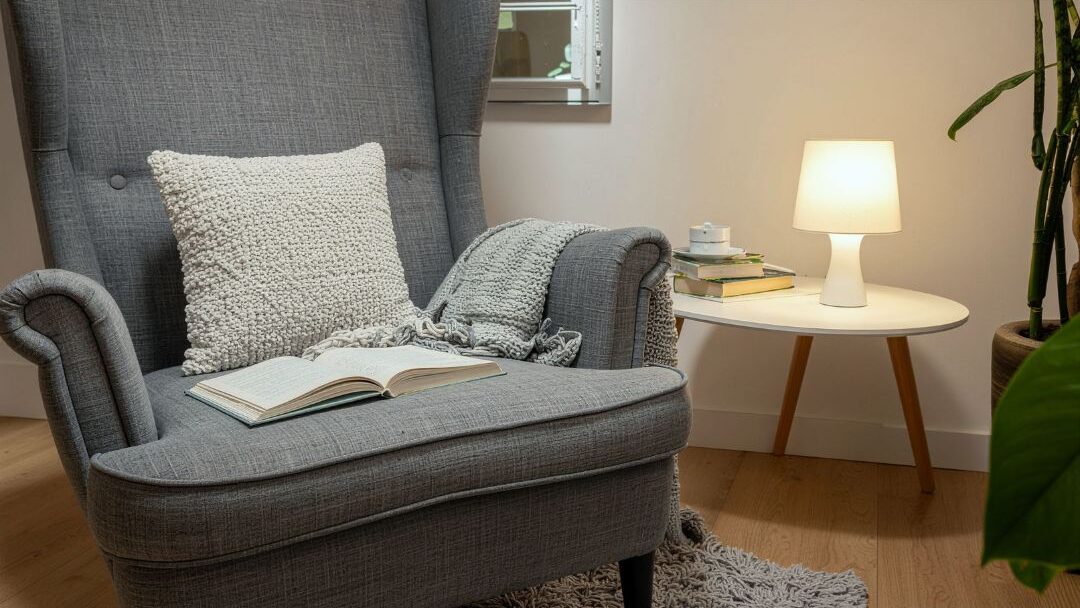
Equip this cozy nook with a supportive armchair, a soft blanket, good reading light, and a small side table for drinks.
Establish a firm personal rule that no work laptops, unfolded laundry baskets, or intense admin tasks are permitted in this spot. Whenever you sit in this sacred rest spot, your only job is to drink tea, read a book, or rest quietly.
Having a dedicated physical haven within your home ensures you always have a place to retreat when domestic life feels overwhelming.
Implementing simple storage systems keeps your sacred rest spots clean and clutter-free every day. Discover How to Create a House That Stays Organized.
Automating household upkeep frees up time to enjoy your cozy indoor rest spots. Read about 20 Home Systems That Practically Run Themselves.

Embracing the Quiet Beauty of an Intentional Life
Ultimately, discovering how to love staying home again is a powerful act of self-care that transforms your entire life experience.
When you intentionally design your home to serve as a peaceful sanctuary, your days feel grounded, rich, and deeply satisfying.
You no longer feel a desperate need to leave your house to find peace, stillness, or genuine personal enjoyment. Instead, your home becomes a warm refuge where you feel completely safe, creative, and restored from external worldly stress.
Also, cultivating domestic peace is a ongoing journey that evolves alongside your changing personal needs and lifestyle stages. Be patient with yourself as you gradually implement new spatial habits, sensory rituals, and spatial boundaries.
Step forward today by clearing one surface, lighting one candle, and claiming your home as a true haven of peace.
By slowing down and honoring your domestic environment, you unlock a quiet, enduring elegance that enriches every indoor hour.
Reclaiming wasted hours allows you to spend more time enjoying quiet home rituals. Discover Stop Doing These 15 Time-Wasting Habits.
Streamlining your domestic chores gives you open weekend blocks for cozy home living. Read The Systems That Saved Me 10 Hours Every Week.
You May Also Like
Why Successful Moms Don’t Start Their Day With Laundry
45 Daily Habits That Make Life Easier
10 Mistakes That Are Killing Your Productivity at Home
Why You Never Finish Your To-Do List






2 Comments