

How to Create a Calm Home Environment
Disclosure: Some of the links in this post are affiliate links. This means if you click on the link and purchase an item, I will receive an affiliate commission at no extra cost to you.
Have you ever walked into your own living room and felt your shoulders immediately tense up? Many moms experience this heavy feeling before they even set their bags down.
Learning how to create a calm home environment is not about having a flawless house. True peace comes from building a space that settles your nervous system. Your home should never activate your stress the second you step inside.
You do not need an expensive remodel to find relief. A handful of intentional shifts can transform your space completely. Let’s walk through exactly what those look like today.
Why Your Home Environment Affects You More Than You Realize
The Constant Impact of Your Physical Space
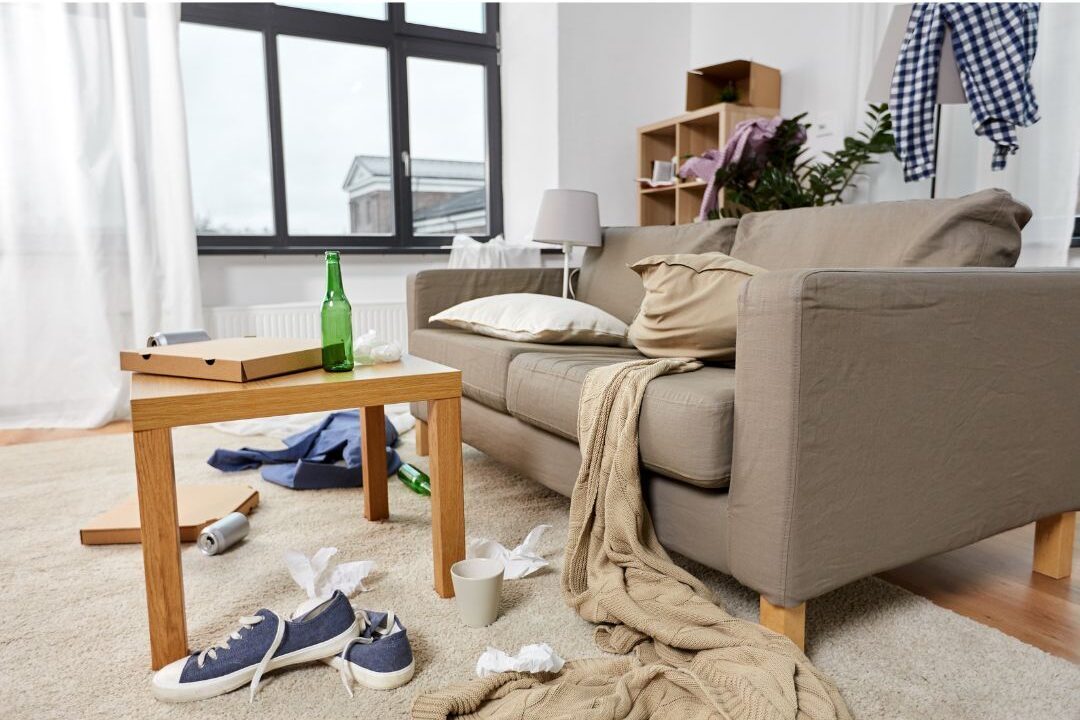
Moms spend more hours at home than almost anyone else. Your immediate surroundings are quietly shaping your daily mood. This physical environment influences your patience and your energy all day long.
A cluttered, chaotic space does not just look messy to your eyes. It registers in your body as a source of ongoing stress. This subtle tension drains your energy even when you are not thinking about it.
Shifting from Vanity to Total Wellbeing
Creating a peaceful space is not a shallow vanity project. It is a vital wellbeing project for your whole family.
When your rooms feel orderly, your mind can finally rest. You stop living in a state of constant survival mode. Protecting your home environment means protecting your mental health.
If your home never quite feels settled, no matter how much you clean, our post on 25 Reasons Your House Always Feels Messy (Even After Cleaning)
To uncover the hidden triggers that undermine your peace daily, look closely at our guide on If Your Home Never Feels Peaceful, These 15 Things Might Be Why.
Start With One Room, Not the Whole House
Avoiding the Trap of Immediate Burnout
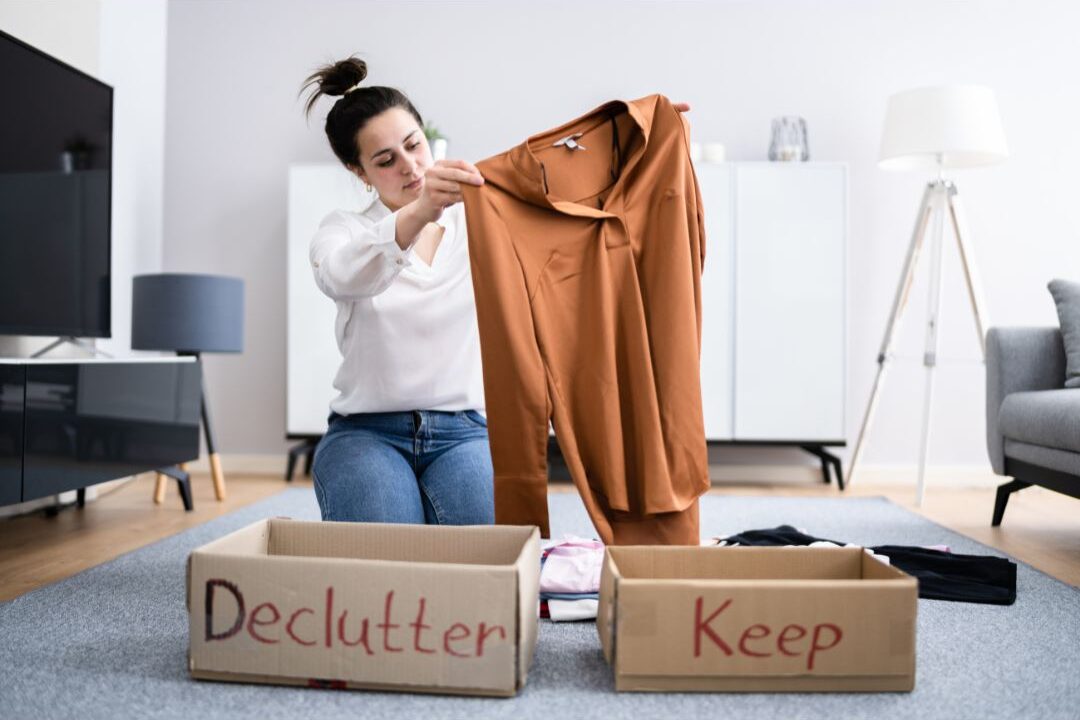
Trying to fix every single room at once is a major mistake. This frantic approach is the fastest way to burn out completely.
You will exhaust your energy before you see any real progress. Instead, choose just one space where your family spends the most time. The kitchen or the living room is usually the best place to start.
Creating a Calm Environment for Your Mind
Focus your limited energy entirely on this single room until it feels right. Once this area genuinely feels peaceful, you will feel a wave of relief.
This completed space gives you a practical model to repeat in other rooms later. More importantly, it provides a calm home environment where you can escape when the rest of the house feels chaotic.
If the kitchen is your starting point, our post on The Real Reason Your Kitchen Never Stays Clean is worth reading first.
Reduce Visual Noise Before You Decorate Anything
The Hidden Danger of Surface Clutter
It is tempting to think a peaceful home is built by buying new items. In reality, tranquility is achieved by removing things first.
Visual noise keeps your brain in a low-grade state of constant alertness. Scattered mail, homeless toys, and crowded countertops force your mind to process too much data.
This mental exhaustion occurs even if your floors are perfectly swept.
Embracing the Beauty of Empty Space
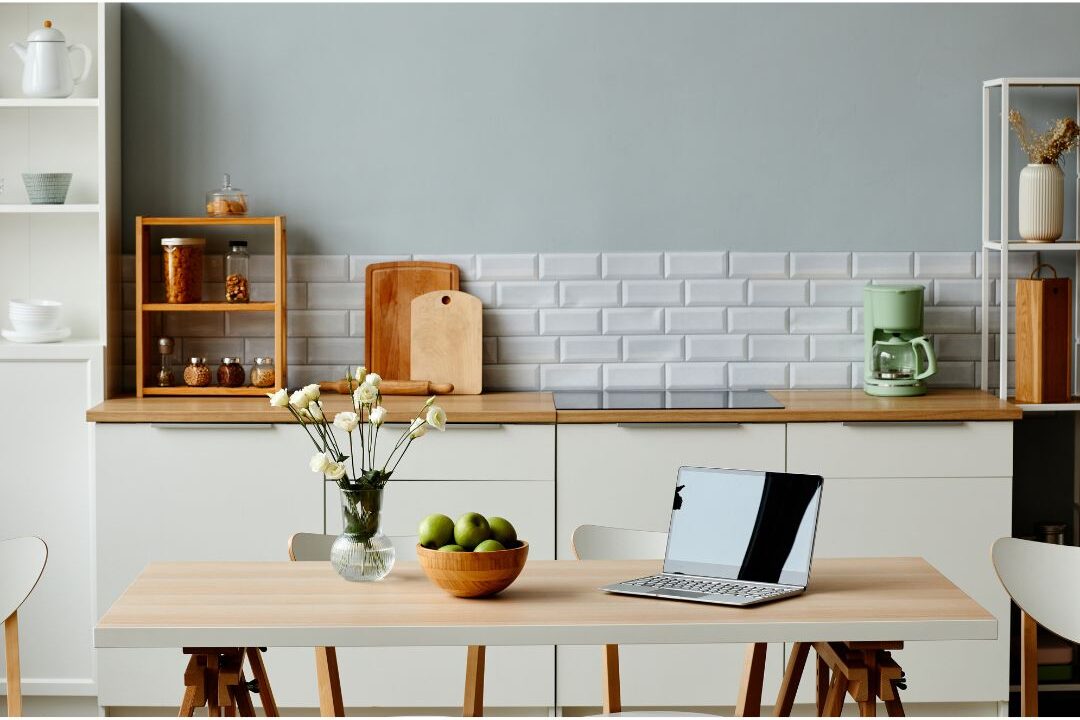
Clear your flat surfaces completely before you buy a single piece of decor. Find permanent storage solutions for items that lack a home.
Allow several areas of your home to remain entirely empty. Empty space is never wasted space. It is a beautiful boundary where your eyes and your nervous system finally get to rest.
The One Shelf Rule
If you only fix one single spot in your home today, make it your primary clutter magnet. This is typically the counter or shelf that collects keys, bags, and random papers. Every household has one or two of these trouble zones.
Clearing this specific area makes a massive difference in how the entire room feels to your mind.
We dedicated a whole post to this exact phenomenon. Read The One Shelf That Makes Every House Look Messy.
Ready to clear out the visual noise across your entire house? Use our ultimate guide on 101 Things to Declutter This Weekend to lighten your space.
Add Sensory Calm, Not Just Visual Order

Softening Your Lighting Patterns
A peaceful environment involves all of your physical senses. How a room looks is only the first step in the process.
Start by changing your lighting habits as the afternoon fades. Turn off harsh overhead bulbs in the evening. Switch to warm lamps, fairy lights, or battery-operated candles to create a gentle glow.
Engaging Your Senses of Smell and Sound
Introduce a comforting scent using a simple diffuser with lavender or vanilla oils. Play quiet instrumental music while you prepare dinner or fold clothes.
These small sensory layers cost very little money. Yet, they do far more to soothe your spirit than another heavy furniture purchase ever will.
We go deeper into small sensory upgrades like this in our post on 25 Tiny Changes That Made My Home Feel 10x More Luxurious.
To gather more inspiration for layers of comfort, browse through our collection of 40 Cozy Home Ideas You’ll Want to Copy.
Build Simple Systems So Calm Is Not a One-Time Event
Preventing the Fast Rebuild of Chaos
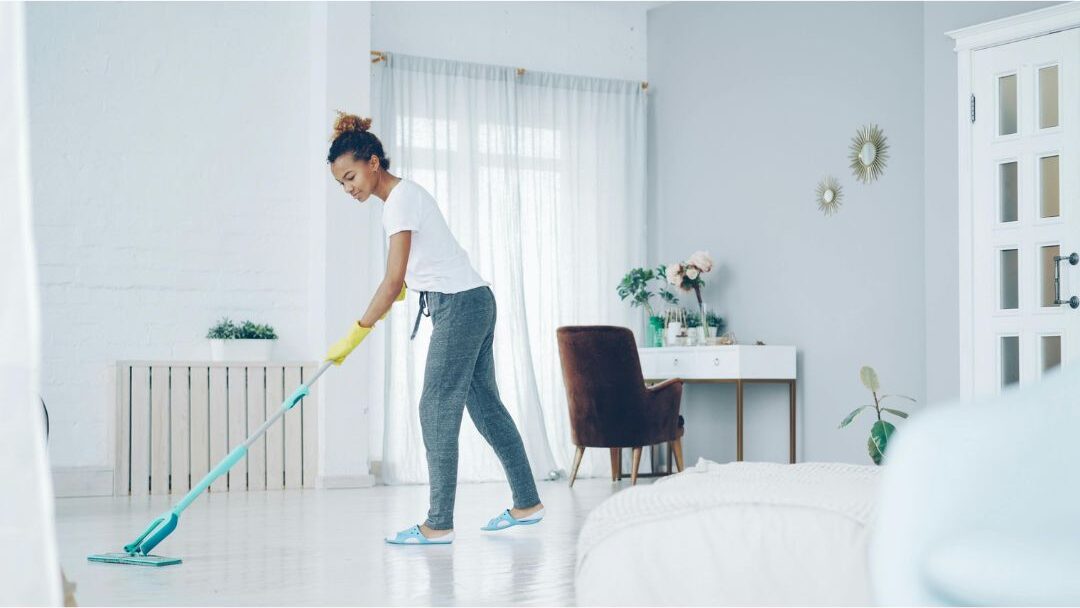
A peaceful home never stays that way by pure luck. It requires a few small, repeatable systems to keep clutter from returning.
Without these daily boundaries, the mess will quickly reclaim your hard-won spaces. You need practical routines that protect your time and energy long after your big cleaning day is over.
Designing Low Friction Household Rules
Establish a rapid evening reset routine for your primary living spaces by creating a designated drop zone for shoes, backpacks, and jackets near the front door.
Adopt a strict rule that says if an item lacks a home, it cannot stay. You do not need a complex, stressful system. You simply need two basic rules that your whole family can follow.
Having a dedicated landing space for incoming items completely stops clutter before it spreads into your living room and in turn makes it a calm home environment.
When everyone knows exactly where their keys, mail, and bags belong, your counters stay clear. You save time and protect your peace by eliminating the daily frustration of misplaced items. This one small boundary maintains long-term order.
For more ideas like this, our post on 20 Home Systems That Practically Run Themselves is the natural next read.
Building these systems into your day is simple when you practice the small steps found in 50 Simple Habits That Keep Your Home Always Clean.
Manage the Inevitable Toy Explosion with Smart Zones
Creating Strict Boundaries for Play Spaces
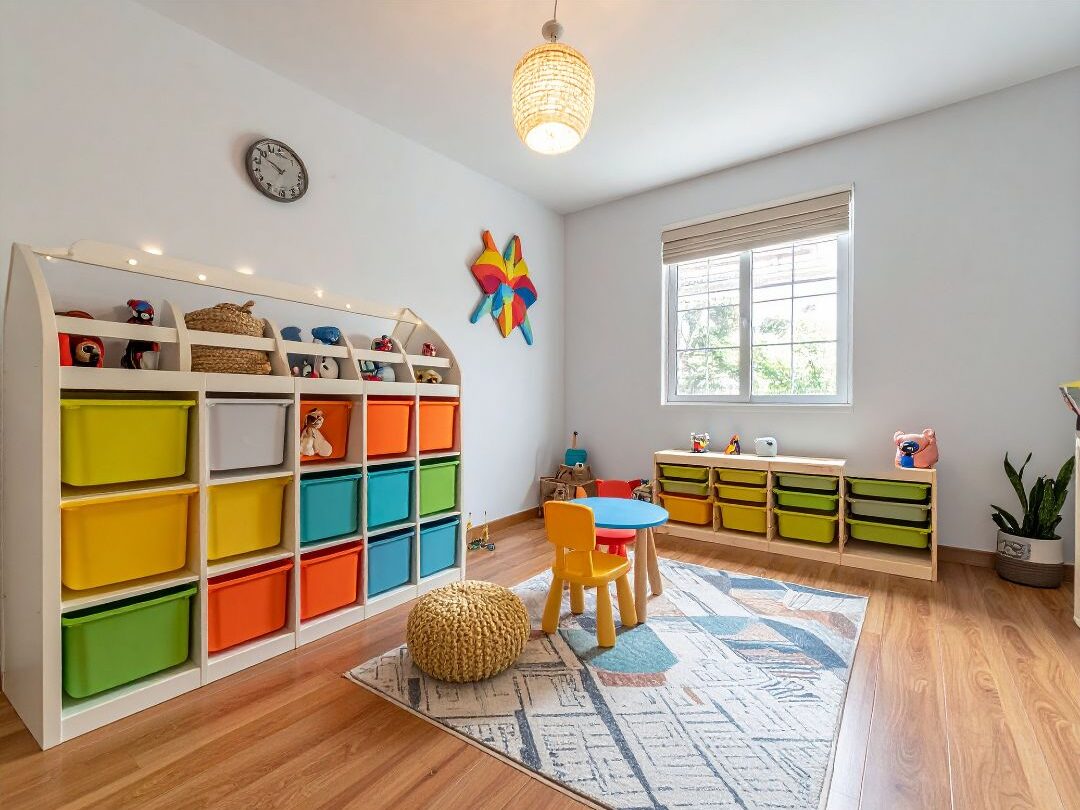
Living with kids means accepting a certain amount of toys in your life. However, a calm home environment requires clear boundaries around where those toys live.
Do not allow children’s gear to take over every single square inch of your house. Establish strict toy-free zones in areas where adults relax, such as your bedroom or a formal sitting area.
Implementing a Highly Functional Toy Rotation System
Reduce the total volume of toys available in the living room at any given time. Keep a small selection out for active play, and store the rest in closets.
Rotate these play baskets every single week to keep your kids engaged. This system makes cleanup incredibly fast for little hands. It also prevents your main rooms from looking like a crowded toy store aisle.
Too many toys scattered across walkways is just one item on our list of These 10 Things Quietly Make Your House Feel Chaotic.
To design a layout that naturally guides your kids to put things away, read How to Create a House That Stays Organized.
Address the Hidden Decor Mistakes That Sabotage Peace
Avoiding Overly Bright or Mismatched Color Palettes
The colors on your walls can accidentally trigger feelings of anxiety. High-contrast patterns and loud, bright hues force your brain to stay awake.
Try to choose soft, muted tones like warm beige, soft sage, or creamy white. These gentle shades create a cohesive look that naturally coaxes your mind to slow down.
Streamlining Knick-Knacks and Decorative Patterns
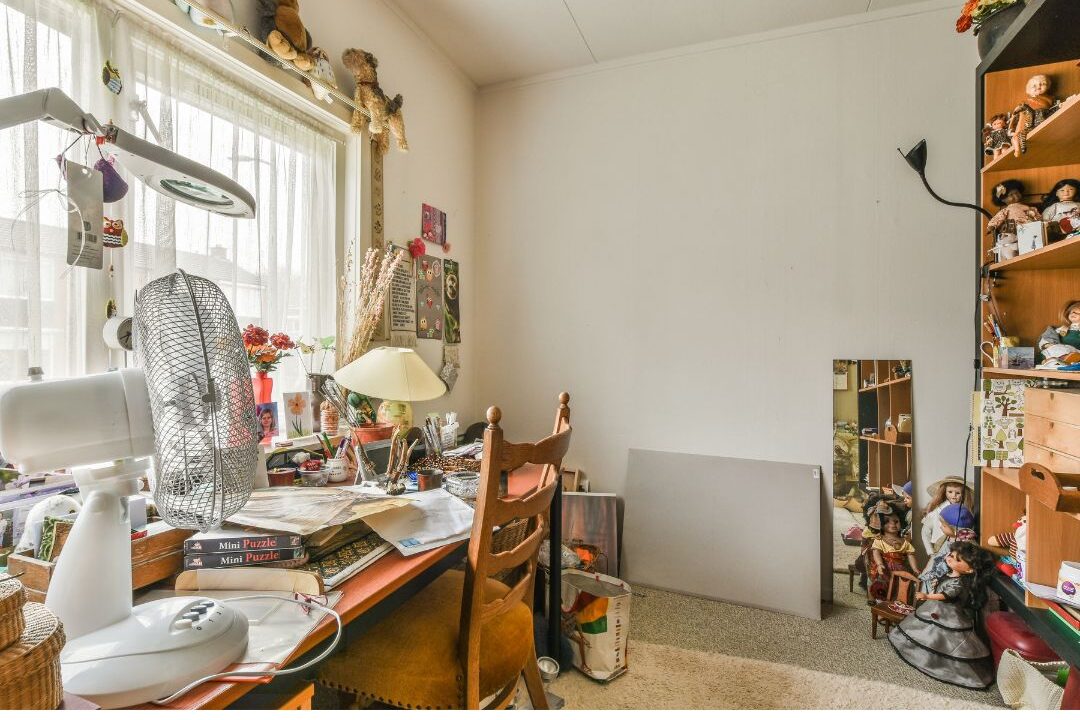
Having too many small decorative items on display creates instant mental clutter. Instead of grouping ten tiny statues together, display one large vase.
Streamline your artwork and textile patterns to give your eyes room to breathe. True elegance is built on simplicity, not on packing every corner with items.
Discover how to balance style and simplicity by checking out our curated list of 75 Things Every Elegant Home Has.
If you suspect your styling choices are secretly causing stress, avoid the pitfalls in The Decor Mistakes That Make Homes Look Cluttered.
Eliminate the Odors That Secretly Stiffen Your Nervous System

Eradicating the Source of Stale Air Quality
Your nose is directly connected to the emotional center of your brain. If your home smells stale, your body feels tight, and a smelly space is not a calm home environment.
Masking bad smells with heavy artificial sprays only makes the air quality worse. You must find and eliminate the root causes of the unpleasant odors in your rooms.
Introducing Simple Fresh Air Routines
Open your windows for ten minutes every morning to let fresh air circulate in your home. Wash your kitchen trash can with warm soap once a month.
Throw a lemon slice down your garbage disposal to clear grease buildup quickly. A house that smells genuinely clean instantly feels lighter and more welcoming to your soul.
If you are fighting a stubborn scent in your rooms, check out Why Your Home Always Smells Bad—and How to Fix It Fast.
Using the wrong tools can trap bad odors in your rugs, so make sure you avoid these 20 Cleaning Mistakes That Actually Make Your House Dirtier.
Establish an Intentional Family Command Center
Consolidating Paperwork and School Schedules
Paper clutter is one of the biggest enemies of a peaceful household. School flyers, bills, and permission slips quickly cover your kitchen counters.
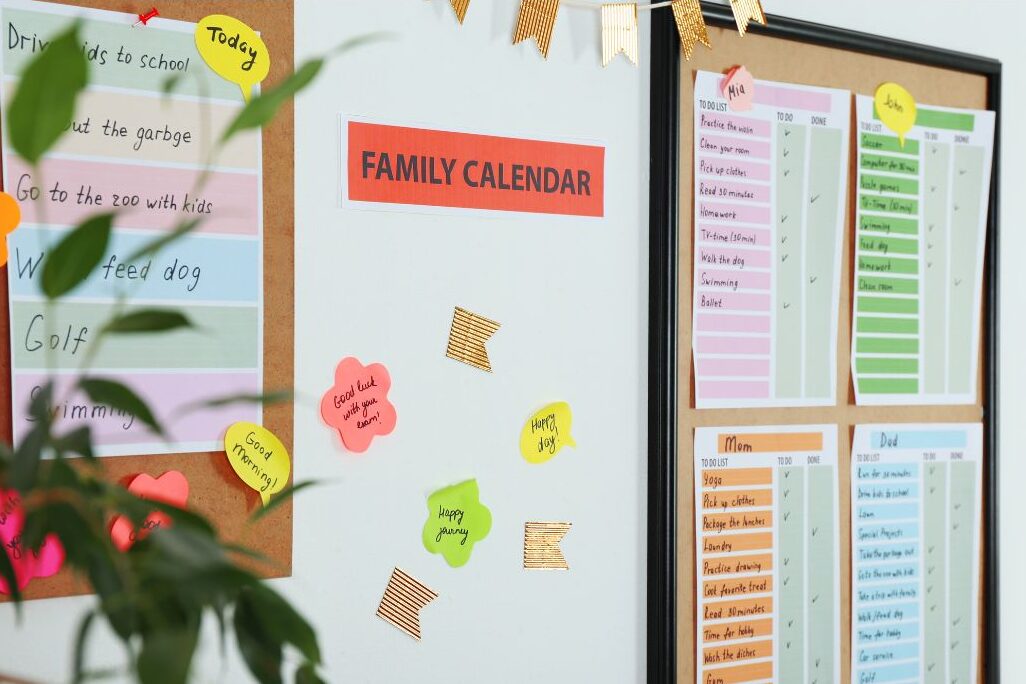
To solve this problem, build a central command center on an empty wall. Use a large calendar to track your weekly family events clearly.
Creating Inboxes for Every Family Member
Hang small metal baskets or bins for sorting incoming mail immediately. Give each child a specific slot for their school papers and homework.
This simple system keeps vital documents off your food prep areas. It eliminates the stressful morning scramble for lost permission slips completely.
To see exactly how to assemble this organizational hub, check out The Family Command Center Every Busy Home Needs.
Tackle the Acoustic Noise Pollution in Daily Life
Turning Off the Constant Background Television Screen
Visual clutter is dangerous, but auditory clutter can damage your peace just as quickly. Many families leave the television running all day long for background noise.
This constant stream of loud commercials and flashing lights overstimulates your brain. It keeps your body in a defensive posture without your permission.
Embracing the Luxury of Intentional Quiet Zones
Try turning off the screens completely during key parts of your day. Protect the hours around breakfast and dinner from digital noise pollution.
If your home feels too quiet, play ambient nature sounds or soft acoustic guitar tracks. Lowering the volume of your home helps create a calm home environment, and your children behave more calmly too.
Silencing the noise is easier when you cultivate stillness, which we teach in The Home Reset Trick That Changed My Entire Week
Prepare for Household Guests Without Falling Into Panic Mode

Focusing on the Areas Your Visitors Actually See
Welcoming friends into your space should bring you pure joy, not extreme stress. You do not need to clean every bedroom before a guest arrives.
People rarely look inside your private closets or laundry spaces anyway. Focus your quick cleaning efforts entirely on the entryway, the living room, and the guest bathroom.
Understanding What Your Guests Truly Notice First
Visitors care far more about your warm hospitality than a spotless house. They notice a pleasant smell and a clear place to sit down.
They want to see your smiling face, not a stressed mom wiping down baseboards. Let go of the need to appear absolutely perfect to the outside world.
To learn how to optimize your home for company in twenty minutes, read Why Guests Notice These 15 Things Before Anything Else.
The Magic of a Ten-Minute Evening Reset Routine
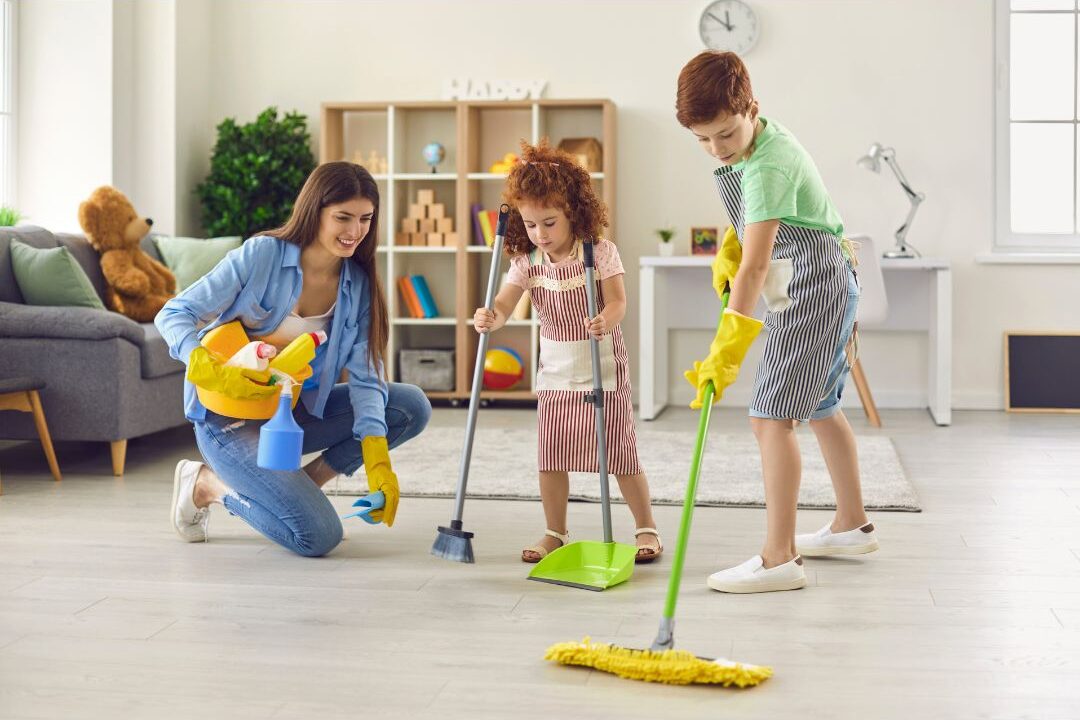
Resetting Your Space for Tomorrow morning
The choices you make tonight entirely dictate how tomorrow morning feels for your nervous system. Walking into a messy kitchen at 6 a.m. instantly creates feelings of anxiety.
A simple evening reset routine stops this stress before it starts. Spend just ten minutes putting things back in their proper homes.
Wipe down your main countertops, load the dishwasher, and fluff your living room pillows before bed. You are not deep cleaning your house during this block. You are simply closing down the day.
Giving yourself a clean slate tonight allows you to wake up to absolute tranquility tomorrow.
Getting the Whole Family Involved in the Routine
You do not have to carry the burden of keeping the house organized all by yourself. Turn this rapid evening reset into a shared family habit. Put on a fun song and have everyone pick up five items before bed.
Teaching your kids to respect their shared environment builds incredible teamwork. When everyone participates, the work gets done in a fraction of the time.
You can all go to sleep knowing that you have prepared your house to be a calm home environment for the next morning.
Incorporate Plants and Greenery for Natural Tranquility
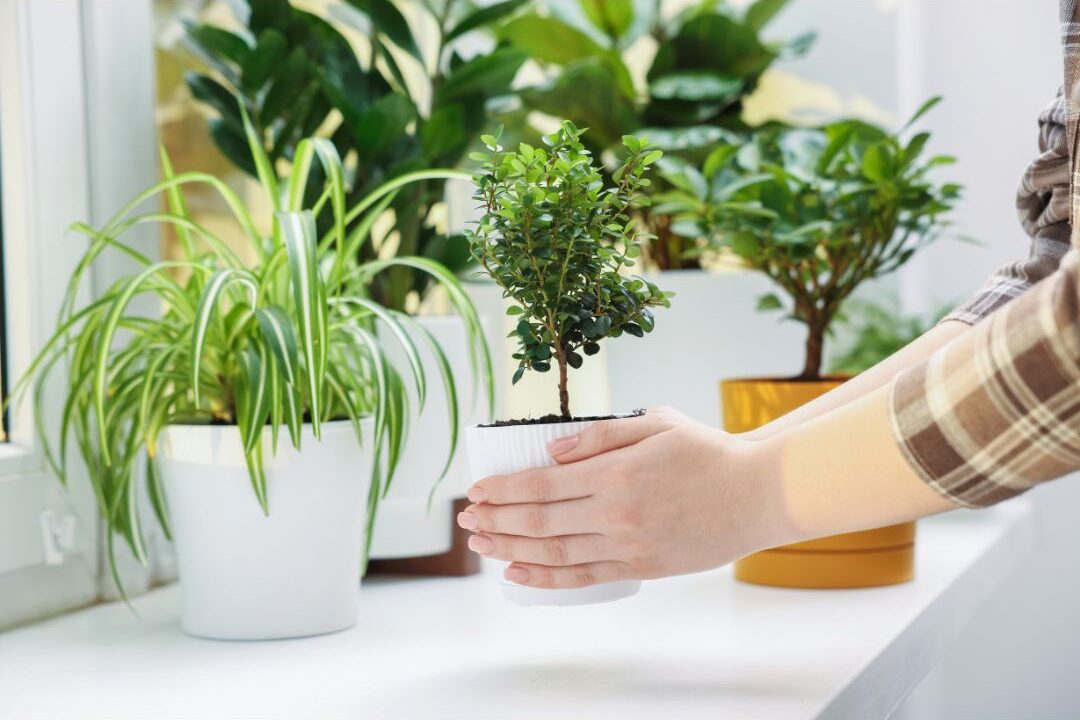
Bringing the Outdoors Inside to Reduce Stress
Nature has a profound, undeniable ability to calm the human mind. Bringing elements of the outdoors inside your home instantly changes the energy of a room.
House plants do much more than simply look beautiful on your shelves. They literally clean your indoor air by filtering out common everyday toxins.
The presence of living greenery lowers blood pressure and reduces feelings of psychological fatigue. Choose low-maintenance plants like pothos, snake plants, or peace lilies if you lack a green thumb. These varieties thrive on minimal attention while offering maximum peace.
Cultivating Joy Through Simple Plant Care
Caring for a living plant introduces a beautiful, slow rhythm into your weekly routine. The simple act of checking the soil and watering your greenery forces you to slow down.
It connects you to the natural world right inside your own living room.
Place a small potted plant on your kitchen windowsill or near your favorite reading chair. This tiny splash of vibrant color serves as a constant visual reminder to breathe deeply.
Nature teaches us that beautiful things grow slowly, and your peaceful home environment will too.
In Conclusion
Learning how to create a calm home environment is not about achieving a magazine-worthy house. It is about building a space that gives your family a true place to exhale.
You deserve a haven from the world on chaotic days. In fact, you need it most when life feels completely overwhelming.
Start with one room this week. Clear a single surface of its visual noise. Add one comforting sensory detail to your evening routine.
Peace is built slowly in small layers, not all at once. Every single layer you create counts toward your long-term wellness. You can do this.
You May Also Like:
50 Simple Habits That Keep Your Home Always Clean
If Your Home Never Feels Peaceful, These 15 Things Might Be Why
These 10 Things Quietly Make Your House Feel Chaotic
How to Create a House That Stays Organized
101 Things to Declutter This Weekend





4 Comments