

How We Cut Our Grocery Bill in Half
Disclosure: Some of the links in this post are affiliate links. This means if you click on the link and purchase an item, I will receive an affiliate commission at no extra cost to you.
If you have walked out of a supermarket lately feeling shocked by the total at the register, you are not alone. A few months ago, our family reached a breaking point with our food spending. We were spending hundreds of dollars every week, yet we still found ourselves staring into a full fridge claiming there was nothing to eat.
When we looked closely at our monthly bank statements, we realized food was swallowing our budget. That was the day we made a firm choice to change our habits.
In this guide, I am sharing the exact steps of how we cut our grocery bill in half without starving our family or living on instant noodles.

Food is one of the trickiest expenses in any household budget. Unlike fixed bills like your rent or mortgage, your grocery bill changes every single week.
It expands rapidly when you are tired, busy, or shopping without a clear plan. Supermarkets are specifically designed to make you spend more money than you intended, using soft music, bright lighting, and tempting end-cap displays to push extra items into your cart.
However, slashing your food expenses does not mean eating dull, tasteless meals or giving up fresh food.
It simply means building simple systems that stop food waste, eliminate impulse buying, and maximize every dollar you spend.
By making a few intentional shifts in how we planned meals, shopped, and stored our food, we managed to trim hundreds of dollars off our monthly expenses.
In this detailed guide, I will take you through our complete step-by-step framework.
We will look at why grocery spending spirals out of control, the twelve practical shifts that made the biggest difference for us, and how you can implement these exact systems in your own home starting this week.
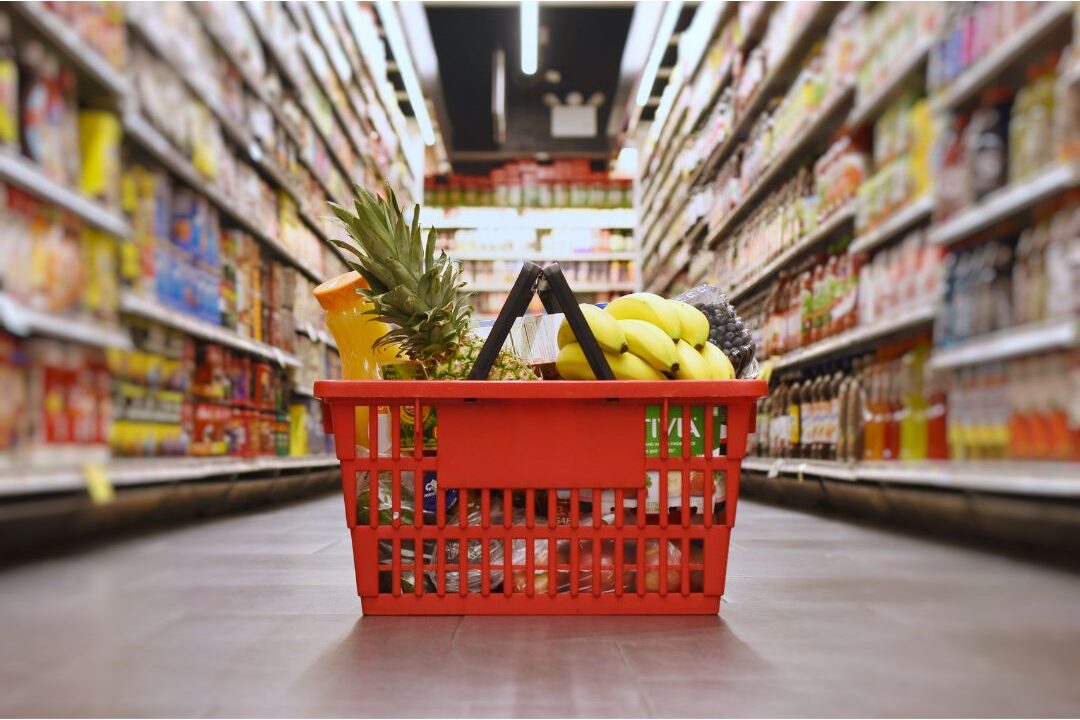
Why Grocery Budgets Spiral Out of Control
Before you can fix your food spending, you need to understand where your money is actually leaking out. Most families do not overspend because they are buying caviar or expensive steaks. They overspend because of tiny, unexamined daily habits.
The biggest culprit in any inflated food budget is food waste. When you buy fresh produce without a specific plan for when you will cook it, items rot in the back of the crisp drawer.
Every time you throw away slimy spinach, fuzzy berries, or moldy bread, you are throwing cash directly into the trash can.
Another common trap is shopping for an imaginary lifestyle. We fill our carts with obscure ingredients for complicated recipes we saw online, only to feel too exhausted to cook them when Thursday evening arrives.
We end up ordering expensive takeout food while the fresh ingredients we bought earlier go bad.
Finally, daily convenience spending quietly destroys food budgets. Grabbing pre-cut fruits, individual snack packs, bottled drinks, and last-minute sauce jars adds massive markups to your baseline bill.
Recognizing these patterns is the first step toward taking your power back at the grocery store.
Food spending is one of the easiest places to lose budget control. Explore 25 Money Mistakes Stay-at-Home Moms Make Without Knowing It.
Grocery stores sell more than just food that drains your wallet. Discover how to Stop Wasting Money on These Household Items.
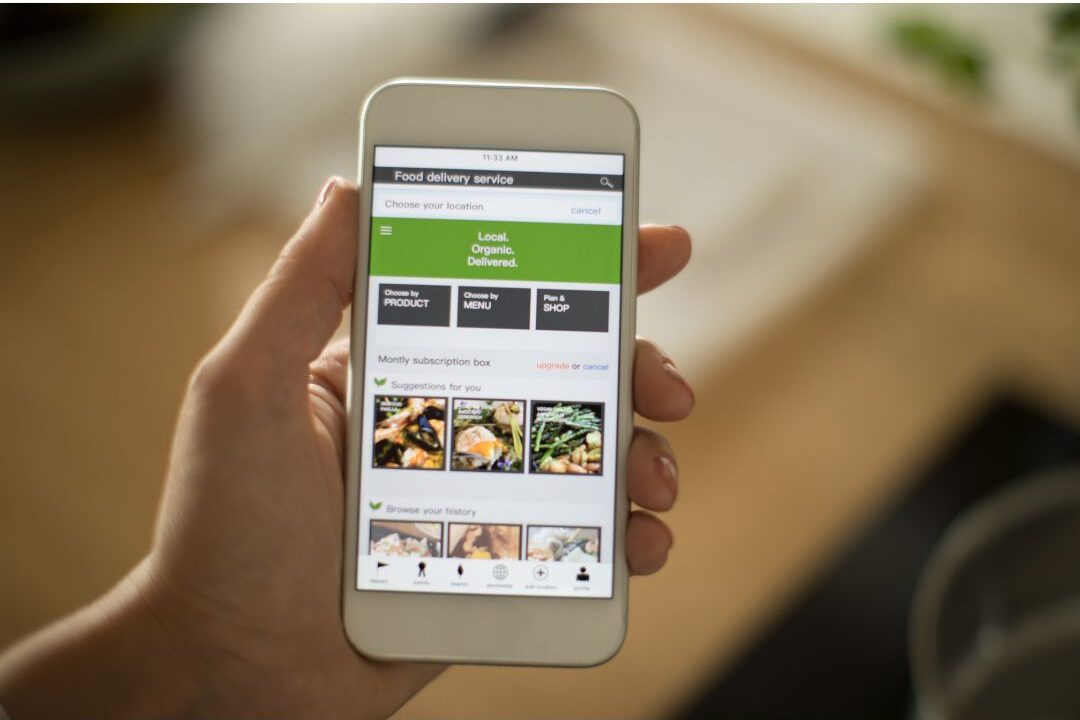
Phase 1: Restructuring How You Shop (The Macro Shifts)
The way you shop determines seventy percent of your final grocery bill. If you walk into a store unprepared, you have already lost the battle against supermarket marketing. Here are the four big shifts we made to change our shopping habits completely.
1. Transitioning Entirely to Online Grocery Pickup
If there is one single tip that delivered the fastest results when we were working out how we cut our grocery bill in half, it was switching to online grocery pickup.
Walking down physical store aisles invites temptation. You see new snack flavors, discounted end-cap displays, and bakery items that smell delicious. When you shop online through your local store’s app, you search only for the exact items on your list.
- No Physical Impulse Buys: You never add random items to your cart just because you passed them in an aisle.
- Real-Time Running Total: As you add items to your digital cart, you see the exact running total cost. If your total exceeds your target budget, you can easily remove items before checking out.
- Eliminating Store Stress: Shopping from your quiet couch removes the fatigue and stress that lead to poor emotional spending decisions.
2. Practicing Reverse Meal Planning
Traditional meal planning starts with finding shiny recipes online and then making a long shopping list of ingredients you need to buy. This approach leads to high grocery bills and overcrowded pantries.
We switched to reverse meal planning. Instead of starting with recipes, we start by taking an inventory of what we already own. We check our freezer, pantry, and fridge first, and build our weekly meals around ingredients we already have on hand.
Your shopping list should only contain the few missing fresh items needed to complete those meals. This simple habit slashes your weekly store bill because you are constantly using up existing food stock instead of buying duplicate items.
Organizing home logistics saves both time and cash. Read about The Systems That Saved Me 10 Hours Every Week.
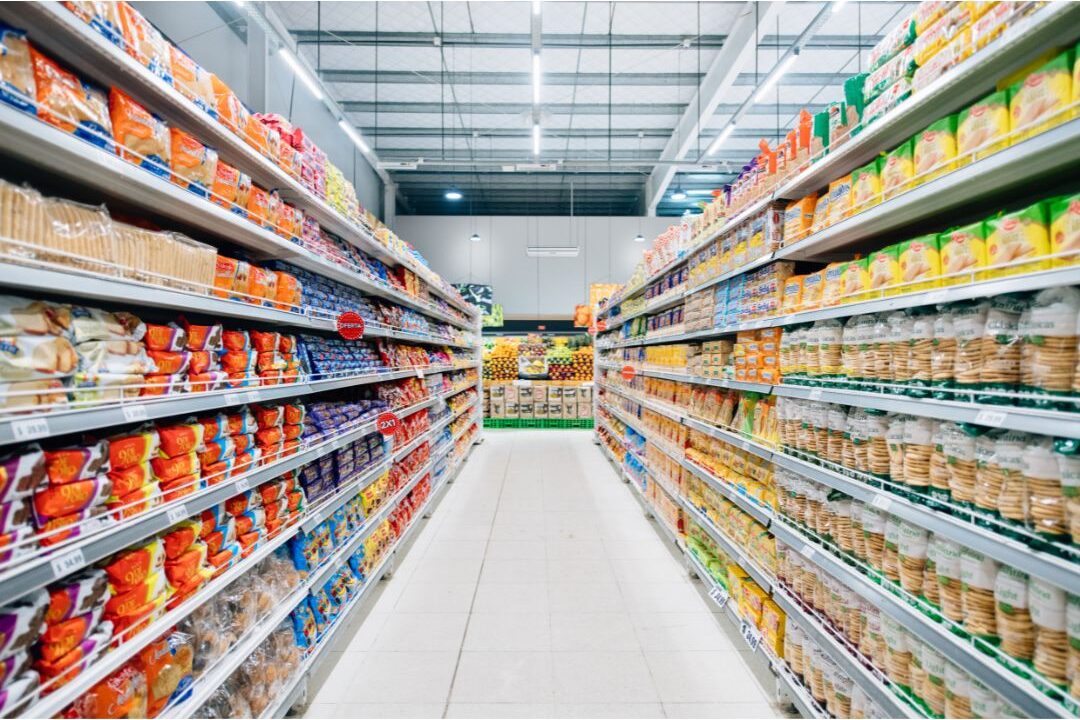
3. Making the Non-Negotiable Store-Brand Swap
Branded food companies spend vast sums on packaging, advertising, and retail shelf placement. Those marketing costs are passed directly on to you through higher product prices.
We committed to swapping at least eighty percent of our items to generic store brands. Basic staples like canned tomatoes, black beans, flour, sugar, salt, oats, frozen vegetables, and aluminum foil are virtually identical across brand names.
Switching to store brands instantly trims twenty to thirty percent off your total grocery receipt without changing the quality or taste of your family meals.
4. Shopping the Perimeter and Buying Whole Ingredients
Processors charge you a steep fee for performing simple physical labor for you. Pre-sliced meats, shredded cheese, pre-washed salads, and individual oatmeal packets carry heavy convenience markups.
We shifted back to buying whole basic ingredients and spending a small amount of time prepping them ourselves.
Buying blocks of cheese and shredding them in seconds using a box grater or food processor. We buy whole carrots and potatoes rather than pre-bagged pre-cut sticks.
Focusing your purchases on the outer perimeter of the store (where fresh produce, basic meats, and dairy sit) keeps you away from expensive inner aisles packed with heavily processed boxed foods.
Avoiding high convenience markups is key to long-term financial health. Read Things Poor Families Buy That Wealthy Families Skip.
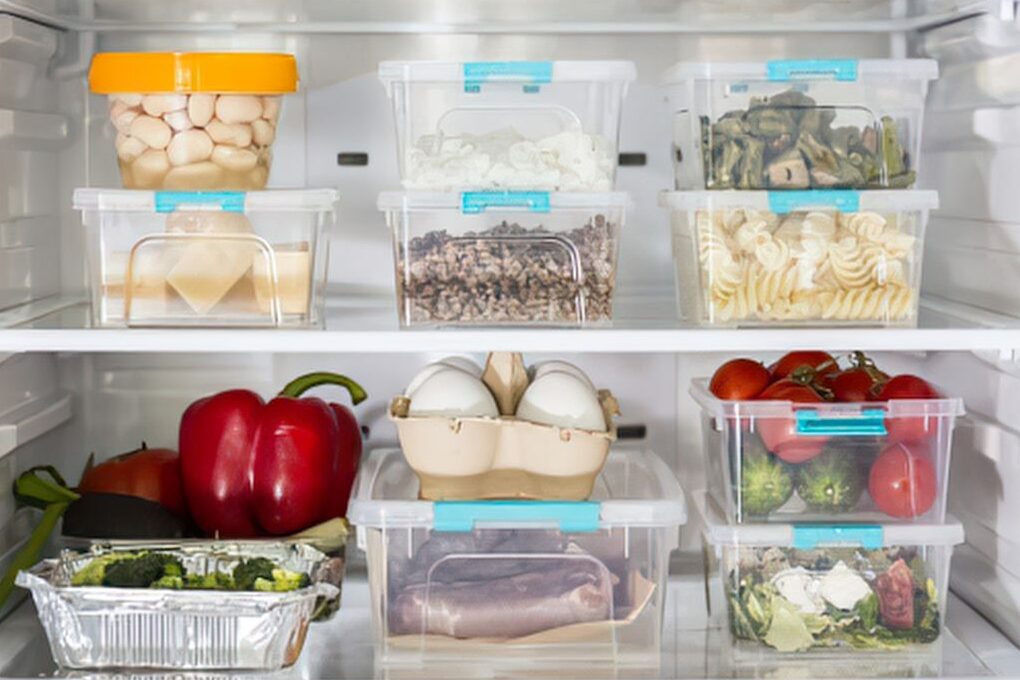
Phase 2: Kitchen Systems That Stop Food Waste
Buying cheaper food means nothing if half of it rots in your refrigerator. After fixing our store habits, we had to fix how we managed food inside our kitchen.
5. Implementing the First-In, First-Out (FIFO) Fridge System
Professional restaurant kitchens operate on a system called FIFO: First In, First Out. Older ingredients are moved to the front of shelves, while newly purchased items are placed in the back.
At home, food waste happens because older produce gets pushed to the dark back corners of fridge shelves until it spoils. We established a designated Eat Me First bin on the center shelf of our refrigerator.
Any leftover cooked meals, opened sauces, or produce approaching its expiration date goes directly into this visible bin.
Before anyone cooks a new meal or opens a new package, they check the Eat Me First bin. This single kitchen rule reduced our household food waste to nearly zero.
Kitchen layout and visibility control domestic efficiency. Discover The Real Reason Your Kitchen Never Stays Clean.
Clear family rules make daily home management smooth. Read Why Guests Notice These 15 Things Before Anything Else.
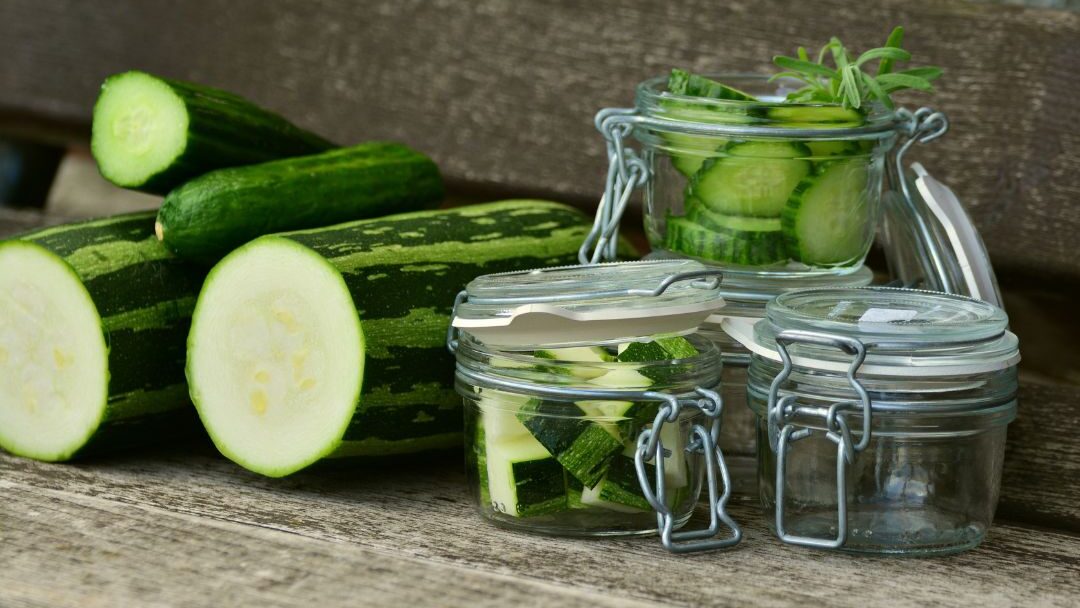
6. Mastering Smart Produce Preservation
Throwing away spoiled fruits and vegetables is like flushing cash down the drain. We took time to learn proper food preservation techniques for our most common weekly produce.
- Herbs and Celery: Store fresh herbs like cilantro and parsley, as well as celery stalks, standing upright in small glass jars of water inside the fridge. They stay crisp for up to three weeks.
- Berries: Wash fresh berries in a mild solution of ten parts water and one part white vinegar as soon as you get home. Dry them thoroughly and store them in paper-towel-lined glass jars. This extends their shelf life from three days to over two weeks.
- Greens: Place a dry paper towel inside bags of spinach or mixed salad greens to absorb excess moisture, which is what causes leaves to turn slimy.
- Freezing Spoilage: If bananas start turning spotty, peel and chop them into freezer bags for smoothies. If bell peppers or onions look soft, slice and freeze them for future stir-fries or soups.
7. Adopting the “Cook Once, Eat Twice” Framework
Cooking fresh meals from scratch every single night of the week leads to intense kitchen fatigue. When you are exhausted, ordering takeout delivery becomes almost irresistible.
To protect both our energy and our budget, we adopted a batch cooking system. Whenever we cook meals that freeze well (such as chili, lasagna, curry, or chicken soups), we double the recipe.
One portion is served for dinner, and the second portion is portioned into glass containers and stored in the freezer. Over time, you build a store of homemade freezer meals that act as your fast-food backup plan on busy weeknights.
Overcoming dinner exhaustion starts with reducing daily friction. Read You’re Not Lazy—You’re Probably Overloaded with these 7 things.
8. Transforming Leftovers into Fresh Second-Life Meals
Many people dislike eating leftovers because eating the exact same meal three days in a row feels boring. The secret is transforming leftover base ingredients into entirely new dish formats.
Instead of reheating plain leftover roasted chicken and vegetables, we use those base ingredients to build something new. Day one roasted chicken becomes day two chicken quesadillas, and day three chicken noodle soup made from leftover bone broth.
Viewing leftovers as prep ingredients rather than repeat meals keeps family dinners exciting while ensuring zero food goes to waste.
Unmanaged kitchen clutter often stems from poor storage habits. Check out 25 Reasons Your House Always Feels Messy (Even After Cleaning).

Phase 3: Tactical Grocery Cost Cutters
Beyond store habits and fridge organization, we introduced tactical meal tweaks that brought our weekly receipt totals down even further.
9. Stretching Meat Portions with Plant Proteins
Meat is typically the single most expensive line item on any grocery receipt. You do not have to force your family to go completely vegetarian to see dramatic savings.
We started stretching expensive meat portions by mixing in affordable, protein-rich plant ingredients like lentils, black beans, and finely chopped mushrooms.
When making taco meat or spaghetti bolognese, we replace half of the ground beef with cooked brown lentils or crushed beans.
The plant fibers absorb the rich meat flavors perfectly, doubling the volume of the meal at a fraction of the cost while adding heart-healthy fiber.
10. Building Meals Around Pantry Anchor Staples
Expensive meals often rely on specialized ingredients that sit unused in cabinet corners after a single recipe. Cheap, comforting meals are built around simple anchor staples.
We made sure our pantry was always stocked with versatile, low-cost anchor foods: rice, dried or canned beans, lentils, pasta, potatoes, eggs, and canned tomatoes.
With these cheap basics on hand, you can build dozens of delicious, filling family meals (like fried rice, potato frittatas, lentil curries, or pasta bakes) for just a couple of dollars per dinner.
Structuring your pantry spending supports your wider family budget. Read the Budget Categories Every Mom Should Have.
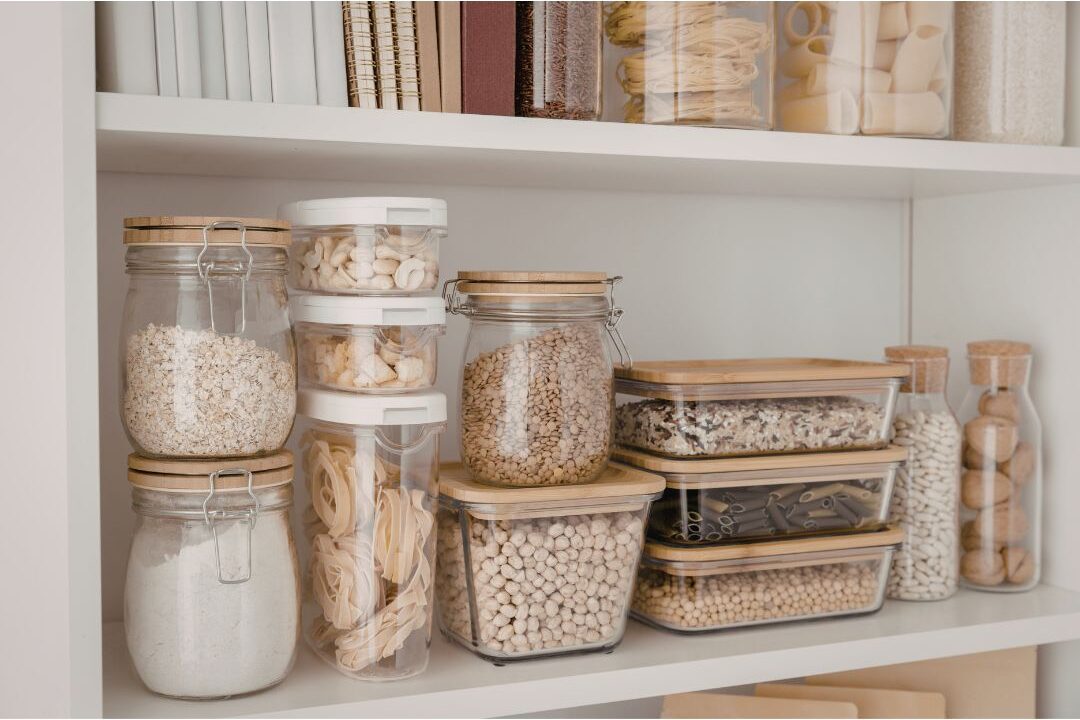
11. Strategic Bulk Purchasing for Long-Term Savings
Buying items in large quantities saves money, but bulk buying without a clear plan can backfire if food spoils before you use it.
We buy only non-perishable staples and shelf-stable goods in bulk. Items like paper products, rice, oats, dry beans, baking staples, and olive oil are bought in large sizes from wholesale clubs or discount suppliers.
We avoid bulk-buying large tubs of fresh produce or perishable dairy unless we are processing and freezing them immediately.
12. Eliminating Single-Serve Snacks and Bottled Drinks
Pre-packaged snack pouches, mini chip bags, and individual drink cartons carry staggering markups. You are paying mostly for plastic packaging and convenience.
We stopped buying individual snack sizes entirely. Instead, we buy full-size bags of popcorn, pretzels, or nuts, and portion them out into small reusable silicone bags for school lunches and park trips.
We replaced bottled juices and sports drinks with water pitchers infused with fresh lemon slices or frozen fruit. This simple switch saved us over forty dollars every single month.
Constant micro-purchases add unexpected stress to household finances. Discover 17 Habits That Are Secretly Keeping You Stressed Every Day.

A 30-Day Step-by-Step Action Plan
Slashing your food expenses in half does not happen overnight. Trying to change every single kitchen habit in one day will leave you feeling overwhelmed.
Use this simple four-week implementation plan to build your new shopping and cooking systems step by step.
Week 1: The Kitchen Inventory and Digital Shift
Your goal for the first week is to gain complete visibility over what you already own and stop physical impulse shopping.
- Clean and Inventory: Deep clean your pantry, fridge, and freezer. Write down a complete list of all food items you currently have in stock.
- Switch to Pickup: Download your local store’s app. Commit to placing your weekly grocery order online for curb pickup instead of walking into the store.
- Audit Spending: Save your grocery receipt and note down the total cost so you have a baseline to measure your progress against.
Week 2: Reverse Meal Planning and Store Swaps
In week two, focus on changing what goes into your shopping cart and using existing supplies.
- Cook From the Pantry: Build four dinner meals using ingredients you already owned from your Week 1 inventory list.
- Make the Brand Swap: Replace every name-brand staple on your digital cart list with the store-brand equivalent.
- Set Up a Fresh Bin: Create a designated Eat Me First container in your fridge for leftovers and aging produce.
Orderly kitchen systems bring physical peace to your entire house. Learn How to Create a Calm Home Environment.
Week 3: Food Preservation and Waste Reduction
During the third week, turn your attention to proper food storage and meat preservation.
- Prep Produce Immediately: Wash berries in vinegar water and store herbs in glass jars of water the moment your grocery pickup arrives home.
- Stretch One Meat Meal: Prepare a classic ground meat dish (like tacos or meatballs) and replace half the meat with cooked lentils or black beans.
- Freeze Excess Food: Portion any leftover meals directly into freezer-safe containers for future emergency dinners.
Your family food budget should reflect your values, not social media trends. Read How to Stop Comparing Yourself to Other Moms.
Week 4: Refining Habits and Long-Term Savings
In your final week, cement your new routines and celebrate your budget progress.
- Stop Single-Serve Buying: Swap individual snack packs for bulk bags portioned into reusable containers at home.
- Compare Receipts: Compare your Week 4 grocery total against your Week 1 baseline receipt to measure your exact monthly savings.
- Automate Savings: Take half of the cash you saved on groceries this month and set up an automatic transfer into your family emergency savings fund.
Smart financial choices create true peace and independence at home. Read What Does Soft Life Really Mean for Stay-at-Home Moms?
Saving time on kitchen logistics frees up room for real personal rest. Read our guide on How to Stop Feeling Guilty About Rest.
Streamlining home chores protects your mental and physical health. Review 10 Warning Signs You’re Headed for Mom Burnout.

Reclaiming Your Financial Freedom in the Kitchen
Taking control of your grocery bill is about so much more than just saving a few dollars at the checkout counter. It is about proving to yourself that you are in total control of your household finances.
When you master how we cut our grocery bill in half, you remove one of the biggest sources of financial stress from your family life.
The cash you save on food can be redirected toward paying off debt, building a solid emergency savings buffer, or planning a memorable family vacation. Start small this week.
Switch to digital grocery pickup, create your Eat Me First fridge bin, or swap name-brand items for store generics on your next shop.
Each simple step builds momentum, giving you the clarity, systems, and confidence to run a wise, sustainable, and joyful home.
You May Also Like:
35 Things Wealthy Families Do Differently
50 Things to Stop Buying to Save Money
70 Budget-Friendly Home Upgrades That Are Actually Worth It







5 Comments