

The Real Reason Your Kitchen Never Stays Clean
Disclosure: Some of the links in this post are affiliate links. This means if you click on the link and purchase an item, I will receive an affiliate commission at no extra cost to you.
The real reason your kitchen never stays clean has very little to do with your cleaning effort. It has everything to do with friction, spatial systems, and hidden habits that actively invite clutter back into your space.
You spend forty-five minutes wiping down the counters, loading the dishwasher, scrubbing the sink, and sweeping the floor. Then step back, admire the sparkling surfaces, and turn off the light with a deep sigh of satisfaction. You finally did it. The kitchen is clean.
Then you wake up eight hours later, walk into the kitchen to make your morning coffee, and somehow it looks like a tornado blew through overnight.
There is a random mail pile on the island. A mug sits in the sink. A cereal box is left out on the counter. A butter knife sits drying on a paper towel.
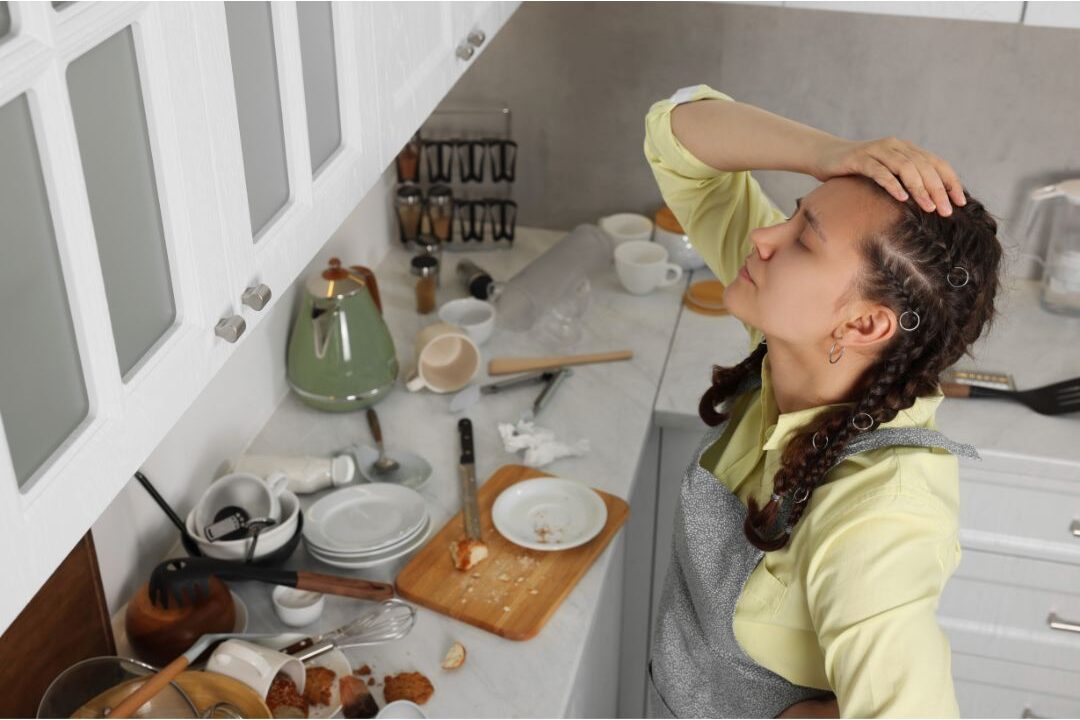
How does this keep happening? Why does it feel like you are locked in an endless, exhausting battle against kitchen chaos that you are constantly losing?
If you feel like you are cleaning your kitchen three, four, or five times a day only for it to revert to utter chaos within an hour, hear this first. You are not bad at keeping house; and you are not lazy, disorganized, or failing at domestic life.
The Illusion of the Clean Kitchen Cycle
Most of us treat kitchen cleaning as a physical task of wiping away dirt. We think that if we just scrub harder, buy better cleaning sprays, or clean more frequently, the room will stay immaculate.
However, cleaning and organizing are two entirely different concepts. Cleaning is removing dirt, food crumbs, and grease from surfaces. Systemizing is creating a seamless flow where items naturally return to their homes without effort.
When a kitchen lacks proper systems, you are forced to rely on pure willpower to keep it tidy. Willpower is a finite resource. By the end of a long day of managing children, work, and household admin, your willpower is depleted.
If your kitchen relies on high-energy effort to stay tidy, it will collapse the moment you are tired. That is why the cycle feels so relentless. You are fighting against the physical layout and flow of your life.
If this endless cycle feels familiar across your entire home, you will also love our breakdown on 25 Reasons Your House Always Feels Messy (Even After Cleaning)
A chaotic kitchen often harbors hidden odors as well, so make sure to check out Why Your Home Always Smells Bad—and How to Fix It Fast for quick odor remedies.
Culprit 1: The Kitchen as the Household Dumping Ground
In almost every home, the kitchen is the central hub. It is the geographic center of daily life. Because of its central location, it naturally becomes the primary collection point for everything entering the house.
School notices, unopened mail, car keys, sunglasses, water bottles, backpacks, and grocery receipts all land on the nearest flat surface. That flat surface is almost always the kitchen island or the main countertop.
When non-kitchen items accumulate on your counters, they send a subconscious signal to everyone in the house. That signal says this surface is a landing zone for random items.
Once a single stack of mail sits on the counter for twenty-four hours, it attracts more clutter. A pair of scissors gets dropped next to it. Then a charging cable. Then an empty box. Within two days, half your workspace is gone.
How Entry Clutter Creates Counter Chaos
The physics of flat surfaces are simple. Clutter attracts clutter. When your kitchen counters are covered in drop-zone items, you have less physical space to prepare food.
Cooking in a cramped space creates immediate frustration. You end up pushing mail piles out of the way while chopping vegetables. Spice jars get left out because there is no clear space to set them down.
The clutter on the counter physically blocks your cleaning routine. Wiping a clean, open counter takes ten seconds. Wiping a counter covered in paper stacks, keys, and knick-knacks requires moving ten items first.
Because moving those items takes effort, you skip wiping the counter altogether. Crumbs collect beneath the paper piles, grease settles, and the kitchen feels perpetually grimy.
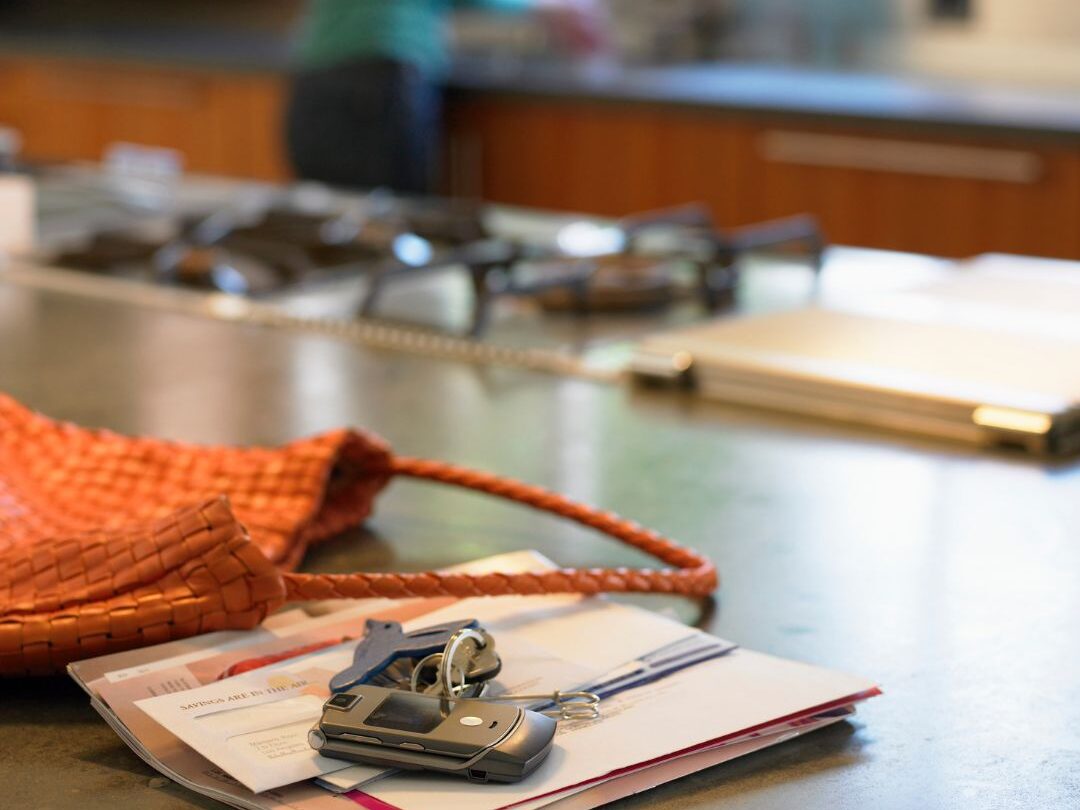
To stop your counters from becoming a landing pad, read our full guide on The Family Command Center Every Busy Home Needs to redirect incoming paperwork.
Culprit 2: Too Much Stuff for the Storage Space Available
Take a quick visual inventory of your kitchen right now. Look inside your cabinets, your pantry drawers, and under your sink. Are your shelves packed to absolute capacity?
When your kitchen storage is overflowing, putting things away becomes a complex game of spatial Tetris. To put away a blender, you have to shift three mixing bowls and two baking pans out of the way first.
Human psychology favors the path of least resistance. If putting an item away requires multiple steps or physical struggle, your brain will choose to leave it out on the counter instead.
This is how appliance creep happens. Air fryers, blenders, stand mixers, and toaster ovens take up permanent residence on your workspace simply because putting them away is too annoying.
The Appliance Creep on Your Work Surfaces
Every single item that sits permanently on your kitchen counter reduces your usable workspace. It also increases visual noise, which makes the entire room feel cluttered even when the surfaces are freshly wiped.
Small appliances sitting out gather cooking grease and airborne dust. They collect food splatters when you cook nearby. Cleaning around five heavy appliances turns a quick two-minute counter wipe into a frustrating chore.
If your cabinets are full of gadgets you only use twice a year, you are sacrificing prime real estate for low-value items. Your daily tools end up stranded on the counters.
The secret to a kitchen that stays clean effortlessly is maintaining empty, open counter surfaces. Every item residing on your counter must earn its place through daily use.
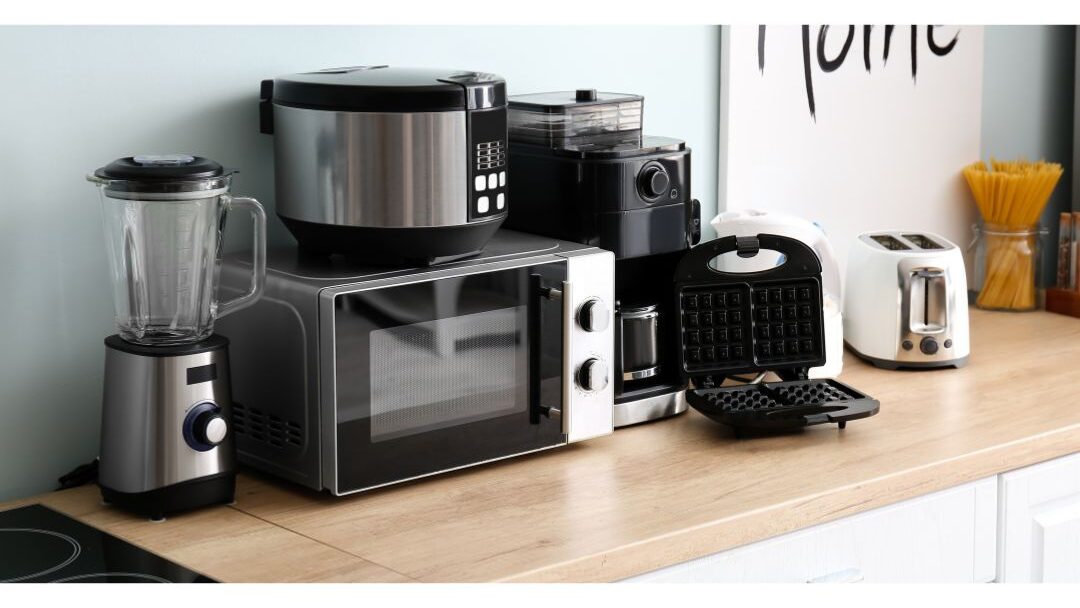
Ready to free up cabinet space? Start with our comprehensive checklist of 101 Things to Declutter This Weekend.
Excessive appliances and decor create visual friction. Learn more in our post on The Decor Mistakes That Make Homes Look Cluttered.
Culprit 3: High-Friction Kitchen Systems
Friction is the micro-resistance you experience when trying to complete a daily task. High friction means a task takes too many steps, too much energy, or too much physical effort to finish.
In the kitchen, high-friction systems are the quiet killers of tidiness. Consider your trash can, your spice rack, or your dish drying rack. If any of these systems require extra steps, they will fail.
For example, if your kitchen trash can is hidden inside a heavy cabinet door that sticks, people will leave small scraps of trash on the counter instead of throwing them away immediately.
If your mug cabinet is packed so tightly that pulling out one cup causes three others to clatter, mugs will sit in the sink all day long.
Dishwasher and Sink Bottlenecks
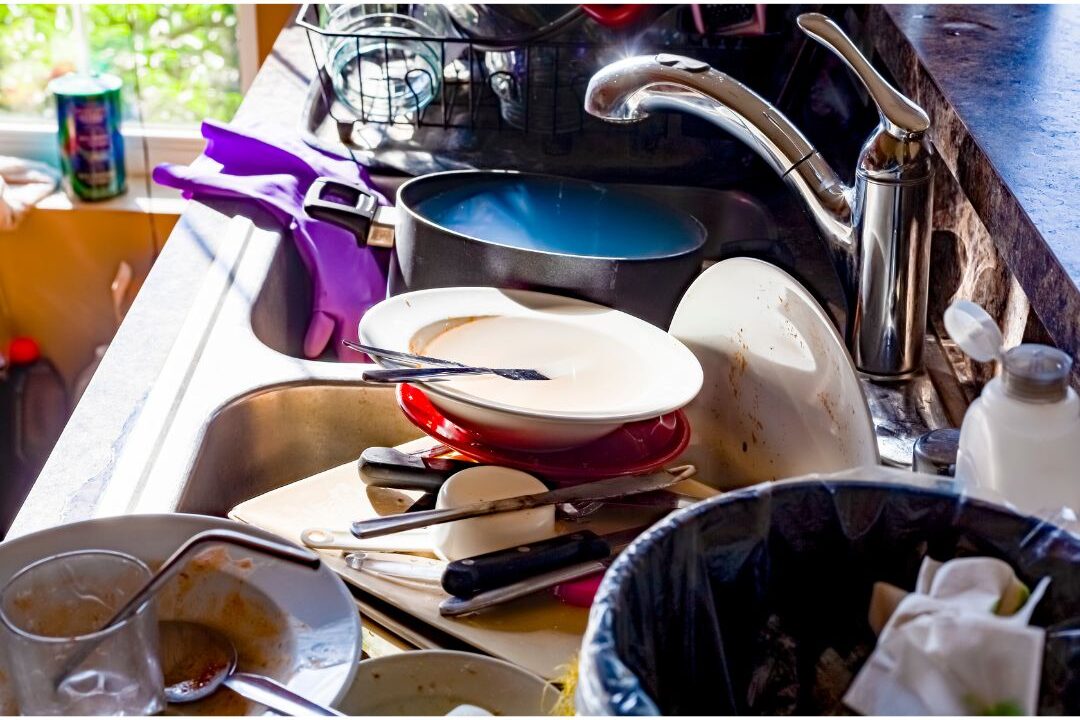
The ultimate kitchen bottleneck is a clean dishwasher that nobody wants to empty. When the dishwasher is full of clean dishes, dirty dishes begin accumulating in the sink.
Once the sink fills up with dirty dishes, the next person brings their dirty plate and sets it on the counter next to the sink. Then the next person sets their glass on the island.
Within six hours, dirty dishes have migrated across every flat surface in the room. All because emptying the dishwasher felt like a giant, unpleasant chore at 8 AM.
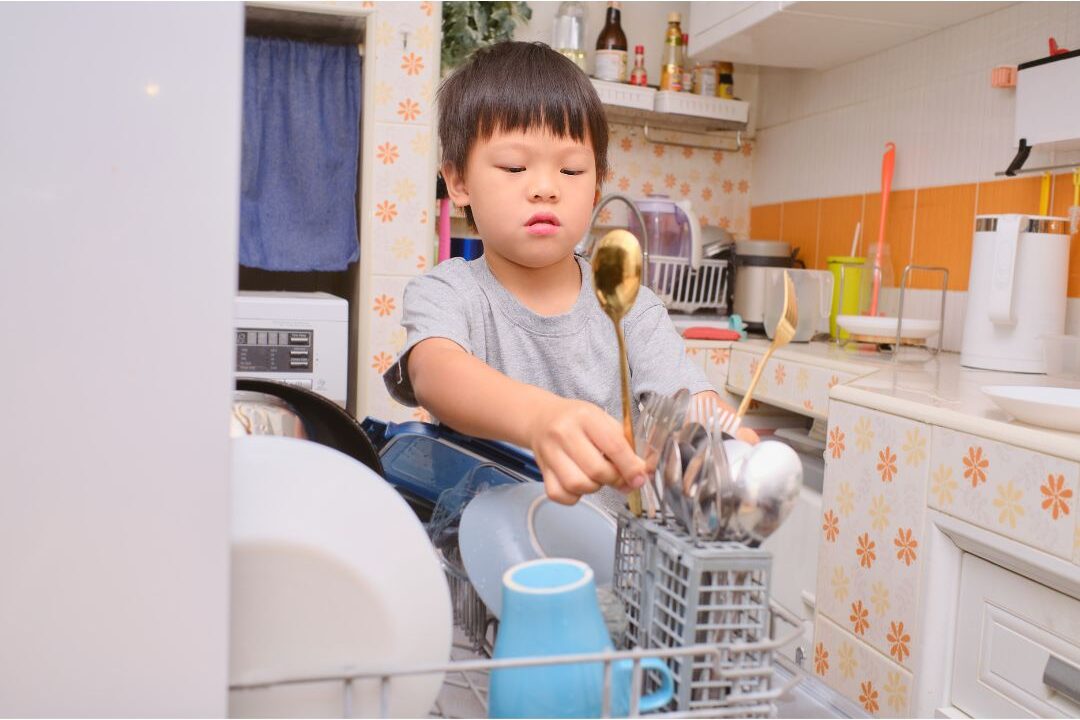
To break this bottleneck, you must lower the friction of emptying the dishwasher. Unloading the dishwasher should take less than three minutes when items are stored near where they are used.
Automating your daily routines is easier than you think. Explore our list of 20 Home Systems That Practically Run Themselves.
Culprit 4: The Flawed “Reset” Habit
Many families wait until the very end of the night to address the kitchen mess. They leave breakfast dishes in the sink, let lunch crumbs sit on the table, and let dinner prep pans pile up until 9 PM.
By 9 PM, you are physically exhausted. Looking at a mountain of crusty pans, dried sauce splatters, and a full sink feels completely overwhelming when you are ready for bed.
When faced with massive late-night overwhelm, you are far more likely to do a quick, half-hearted job—or abandon the cleanup entirely and go to sleep stressed.
Waking up to yesterday’s mess sets a tone of anxiety for your entire morning. You start your day already behind, scrambling to clear space just to make breakfast.
The Power of the 10-Minute Post-Meal Reset
The solution to end-of-day kitchen dread is shifting from massive nightly cleans to micro-resets throughout the day. A micro-reset takes less than ten minutes and keeps mess from compounding.
Clean as you go while cooking dinner. While waiting for water to boil or a casserole to bake, wash the prep bowls, wipe the cutting board, and put ingredients back in the pantry.
By the time dinner is served, the only items left to clean should be the serving dishes and individual plates. The kitchen is eighty percent clean before you even sit down to eat.
Implement a mandatory ten-minute family reset right after dinner. Everyone carries their own plate, rinses it, and loads it into the dishwasher while one person wipes the table.

Small daily shifts create massive results. Discover more simple routines in The Soft Life Checklist I Wish Every Mom Had Before Having Kids
Consistency is key to a calm home. Read about This One Weekly Habit Eliminated So Much Stress for our family.
Culprit 5: Unclear Zones and Disorganized Storage
Does your kitchen have dedicated functional zones, or are items stored wherever they happened to fit when you moved in? An unorganized kitchen causes unnecessary physical steps.
If your cutting boards are stored across the room from your prep area, you will carry wet vegetables across the floor, leaving water drips along the way.
If your coffee pods, mugs, spoons, and sugar are in four different cabinets, making a single cup of coffee leaves four different doors open and causes mess across three surfaces.
Without clear, intuitive zones, cooking and cleaning require constant zig-zagging across the room. This extra movement creates unnecessary disorder and scatters items everywhere.
Mapping Your Kitchen into Functional Work Zones
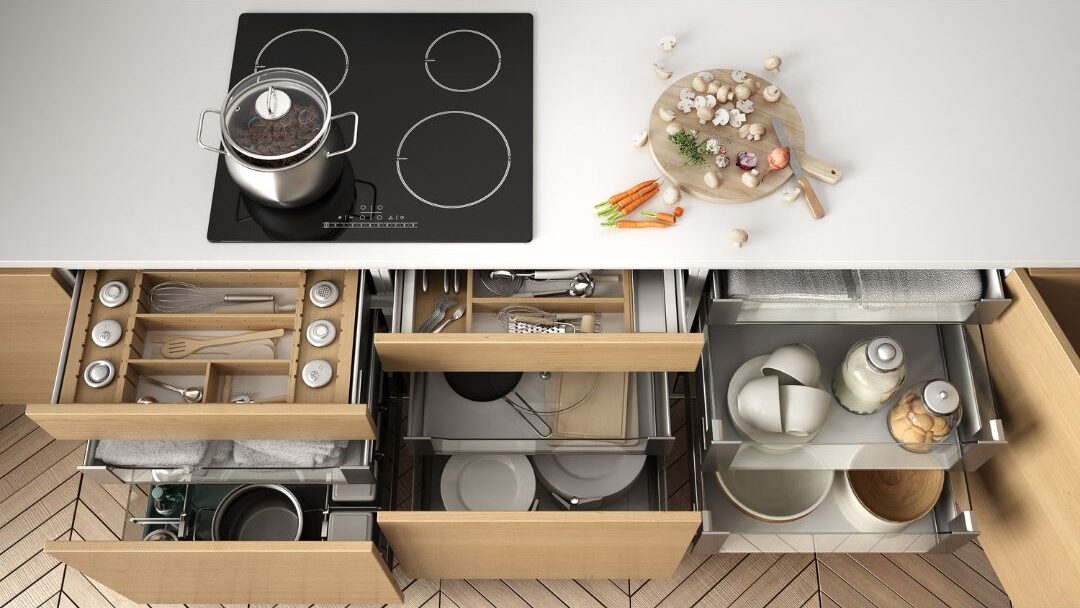
A functional kitchen should be divided into four core zones. Mapping these zones eliminates motion wasted on fetching supplies and keeps items contained where they are used.
Zone One is the Prep Zone. This area holds your cutting boards, knives, mixing bowls, and measuring cups, positioned directly next to a main counter workspace.
Zone Two is the Cooking Zone. Situated immediately around your stove and oven, this zone houses pots, pans, cooking utensils, spatulas, cooking oils, and daily spices.
Zone Three is the Cleaning Zone. Centered around the sink and dishwasher, this holds dish soap, sponges, trash bags, drying towels, and Tupperware for leftovers.
Zone Four is the Consumables Zone. This includes your refrigerator and main pantry items. Grouping items by usage zone reduces daily steps and makes putting things away completely obvious.
Systemizing your layout is essential. Check out our step-by-step guide on How to Create a House That Stays Organized.
Culprit 6: Household Members Not Knowing the Rules
If you are the only person in your home who knows where things belong or how the kitchen should be maintained, you are running a solo operation in a shared space.
When kids or partners leave dishes in the sink or drop trash on the island, it is usually not out of malice. It is often because the expectations are vague or the systems are unclear.
Statements like “keep the kitchen clean” are far too broad. What does clean actually mean? To your teenager, it might mean putting a plate near the sink. To you, it means washed, dried, and put away.
Without specific, actionable rules, household members will default to whatever takes the least amount of immediate effort, leaving you to manage the aftermath.
Establishing Simple Household Rules for the Kitchen
To stop being the sole kitchen manager, establish three crystal-clear, non-negotiable household rules that everyone can easily remember and follow daily.
Rule Number One: The Sink Is Not a Storage Unit. Dishes go directly into the dishwasher, not into the sink bowl. If the dishwasher is running, dishes are rinsed and stacked neatly beside the sink.
Rule Number Two: Clear Your Own Landing Pad. Whoever brings an item into the kitchen is responsible for moving it to its proper home immediately.
Rule Number Three: Leave the Surface Naked. After preparing food or snack plates, wipe down the counter section you used so the next person inherits a fresh, usable space.
Clear expectations change everything. Explore our full list of Simple Household Rules That Eliminate Daily Stress.
Managing family dynamics around house chores takes practice. Read our honest thoughts on The Hard Truth About Being Home All Day.
Culprit 7: Emotional Fatigue and Burnout
Sometimes, a messy kitchen has nothing to do with organizational systems, trash placement, or kitchen gadgets. Sometimes, it is a direct reflection of your mental and emotional state.
When you are burnt out, overwhelmed, or dealing with chronic stress, domestic chores feel overwhelming. A sink full of dishes can feel like a mountain you simply cannot climb.
When mental energy is low, holding yourself to rigid standards of kitchen perfection leads to guilt, frustration, and eventual shutdown.
It is important to recognize when your messy kitchen is not a failure of discipline, but a signal from your body that you need rest and self-compassion.
Lowering Your Standards Without Sacrificing Peace
During seasons of high stress or burnout, abandon Pinterest perfection. Shift your mindset from maintaining a flawless kitchen to maintaining a functional baseline.
Use paper plates for a week if it preserves your sanity. Simplify meal plans to three-ingredient meals that use a single pan. Allow dishes to sit soaking without feeling personal guilt.
Focus solely on the absolute essentials: keeping food off counters so pests are avoided, running the dishwasher once a night, and keeping the sink clear enough to wash hands.
Permitting yourself to do the bare minimum during tough weeks stops the cycle of guilt. It gives you space to recover without feeling like you are failing.

If you are feeling mentally exhausted, read our post on why You’re Not Lazy—You’re Probably Overloaded with these 7 things.
Recognize the signs before you crash. Review the 10 Warning Signs You’re Headed for Mom Burnout.
A Step-by-Step System to Fix Your Kitchen Fast
Now that you understand the root causes behind persistent kitchen chaos, it is time to implement a simple, low-stress system to transform your space starting today.
You do not need to overhaul your entire kitchen in a single weekend. Pick one step at a time, complete it thoroughly, and let the new habit settle before moving to the next.
Follow this four-step strategy to lower friction, eliminate counter clutter, and build a kitchen that stays clean with minimal ongoing effort.
Step 1: Execute a Counter Top Eviction
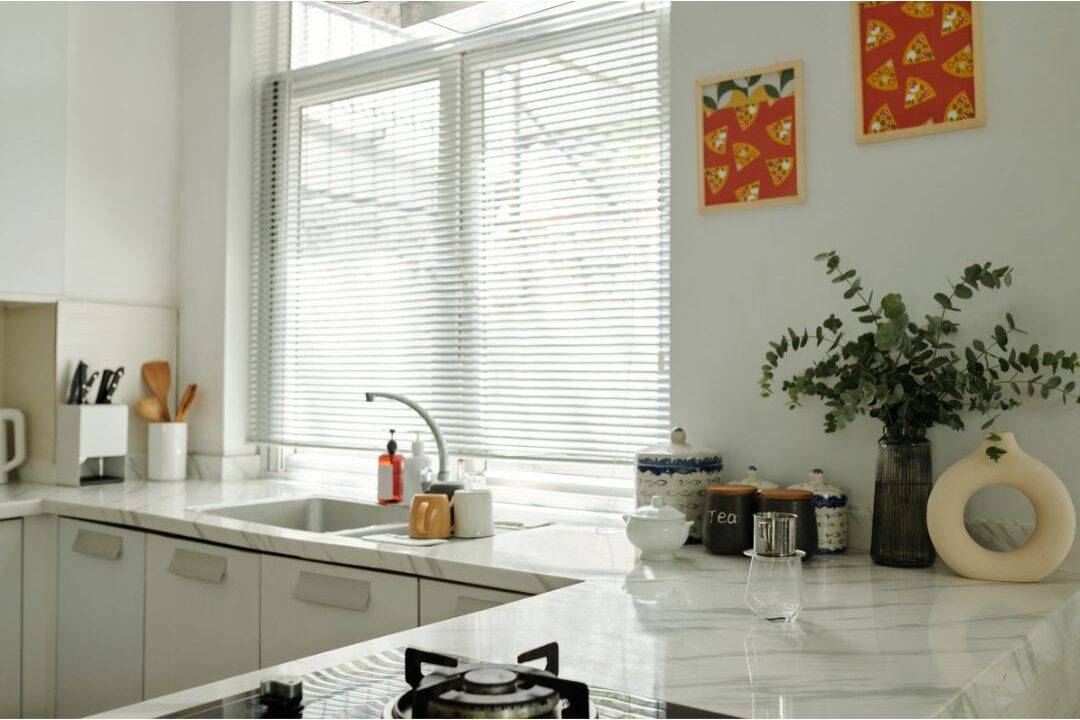
Clear every single item off your kitchen counters except for your absolute daily essentials (like your coffee maker or knife block). Put everything else away.
Move the toaster into a cabinet shelf. Store the fruit basket inside the pantry. Take down paper stacks, rogue decor items, and unnecessary knick-knacks.
Wipe the bare counters until they shine. Take a mental photograph of how open and tranquil the room feels with completely clear, uncluttered surfaces.
Set a strict boundary: non-kitchen items are evicted immediately. If a piece of mail touches the counter, it must be processed or moved to a designated command center before you sit down.
Step 2: Clear Out Low-Value Cabinet Storage
Open the cabinets closest to your main cooking prep area. Identify items you have not used in the past six months and move them to higher shelves or donate them.
Relocate seasonal items like holiday cookie cutters, large turkey roasters, and extra punch bowls out of prime eye-level storage space.
Use the newly freed prime cabinet space to store the appliances that were previously cluttering your countertops.
When every daily appliance has a clear, easily accessible home inside a cabinet, keeping your counters totally clear becomes effortless.
Want a quick way to keep surfaces clear? Read about The Home Reset Trick That Changed My Entire Week.
Step 3: Implement the “Sink Reset” Nightly Policy
Commit to one simple rule for the next seven days: never go to sleep with dirty dishes sitting inside the kitchen sink bowl.
Even if you cannot bring yourself to scrub every pot and pan, load every plate and glass into the dishwasher and run it before bed, regardless of how full it is.
Squirting dish soap into dirty pots and filling them with warm water to soak overnight is better than letting food dry crusty in an empty sink.
Waking up to an empty, clean sink completely changes your morning energy. It prevents the daily dish back-log from ever starting.
Step 4: Create an Alternate Landing Pad Outside the Kitchen
To permanently stop the entry-clutter dumping ground, you must give incoming items an immediate alternative landing spot outside of the kitchen work area.
Set up a small tray, basket, or wall-mounted holder near your entry door or hallway. Place keys, mail, school forms, and wallet items directly into this holder as you walk through the door.
Train your family to use this dedicated launchpad rather than walking into the kitchen and dropping items onto the island.
When paper and personal items are stopped at the front entrance, your kitchen counters remain dedicated exclusively to food, family gatherings, and peaceful cooking.
Streamlining your morning rhythm helps keep the kitchen tidy. Discover Why Successful Moms Don’t Start Their Day With Laundry.
Maintaining Your Kitchen Sanctuary
A clean, serene kitchen is not about living in a sterile showroom where no actual life happens. It is about creating a space that serves your family effortlessly without draining your daily energy.
By understanding the real reasons your kitchen gets chaotic—from high-friction storage to entry clutter—you can fix the underlying cause instead of endlessly scrubbing away symptoms.
Be patient with yourself as you build these new systems. Change takes time, but every small shift you make brings more peace, clarity, and calm into the heart of your home.





8 Comments